
These 13 Kitchen Scraps Go Straight Into Your Garden Beds This Fall Instead Of The Trash
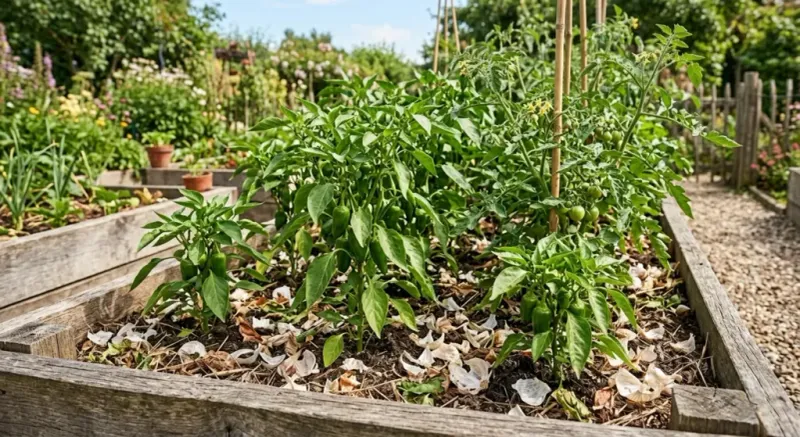
Every week, your trash can quietly swallows free plant food. Coffee grounds, banana peels, and eggshells can feed your soil all winter long if you tuck them into your beds this fall.
By spring, your tomatoes, hydrangeas, and geraniums get richer, softer soil without you buying a single bag of fertilizer. Here are 13 everyday scraps worth saving, plus the simple way to use each one.
1. Coffee Grounds
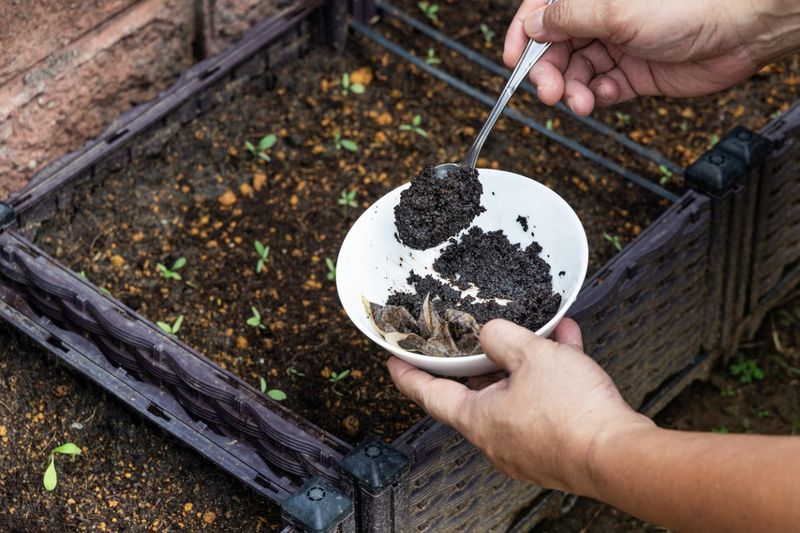
Your morning cup can keep working long after the last sip. Used coffee grounds carry nitrogen and carbon, two things soil microbes love to munch on through the cold months.
In fall, sprinkle a thin layer over your beds and gently scratch it into the top few inches of soil. Keep it light, since a thick crust of grounds can dry out and block water.
Mixing them in is the key.
Paper coffee filters can go right in with them. They break down over winter and add a little extra organic matter.
Many gardeners also find that a scattering of grounds may help discourage slugs around tender plants, though results vary from yard to yard.
Tomato beds and vegetable rows are great spots for grounds. By spring, that soil should feel looser and darker in your hands.
2. Eggshells
Ever pulled a tomato and found a sunken black spot on the bottom? That’s blossom-end rot, and calcium plays a big role in it.
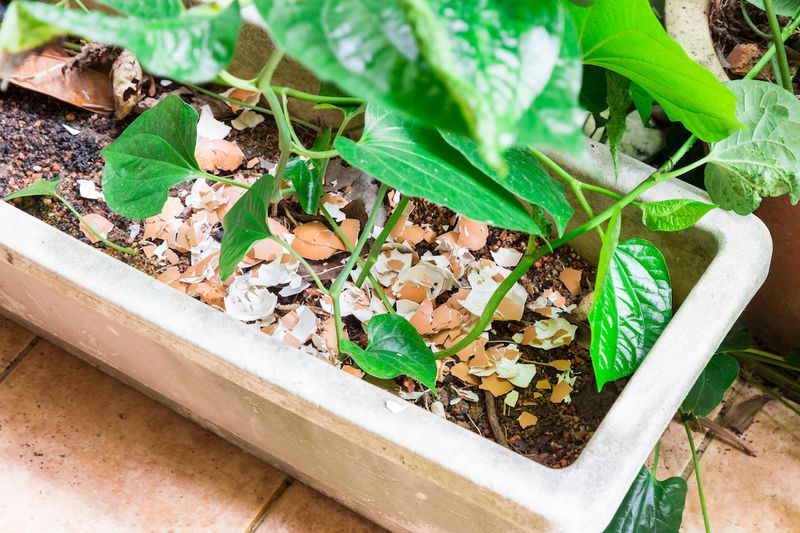
Eggshells are almost pure calcium carbonate, which makes them a natural fit for next year’s tomato bed.
The catch is that whole shells break down very slowly. Rinse them, let them dry, then crush them as fine as you can.
A coffee grinder or rolling pin works wonders.
Fall is the perfect time to work them in because they need months to start releasing calcium. Till the powder into the spot where your tomatoes or peppers will grow next season.
Keep in mind that blossom-end rot is also tied to uneven watering. Eggshells can help support calcium levels, but steady moisture next summer matters just as much.
3. Banana Peels
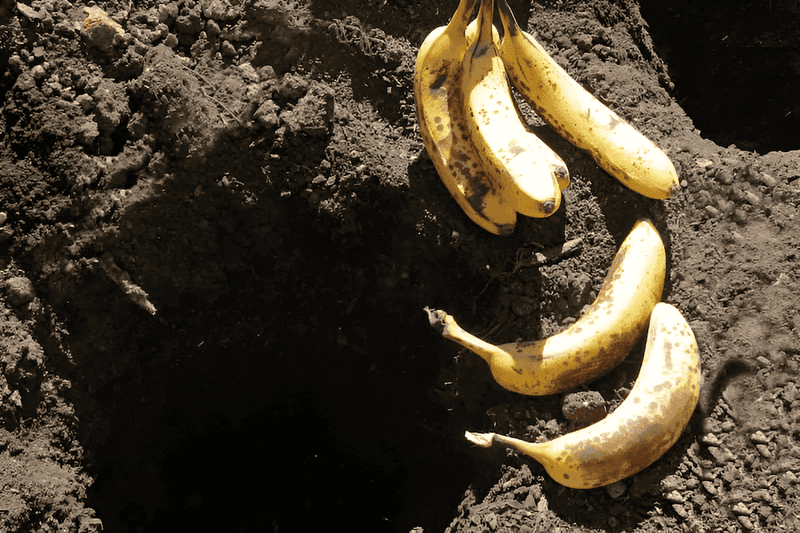
Think of a banana peel as a slow-release potassium snack for your plants. Potassium helps build strong stems, better blooms, and plants that handle dry spells with less stress.
Peels also carry small amounts of calcium, magnesium, phosphorus, and sulfur. That’s a lot of goodness for something most people toss without a thought.
Chop each peel into a few pieces and bury it two to four inches deep near the roots of shrubs, roses, or around next year’s flower spots. Burying keeps critters from digging them up and helps them break down faster.
Geraniums and flowering perennials especially appreciate potassium-rich soil. Feed the bed now, and the payoff shows up as stronger growth in spring.
4. Used Tea Leaves
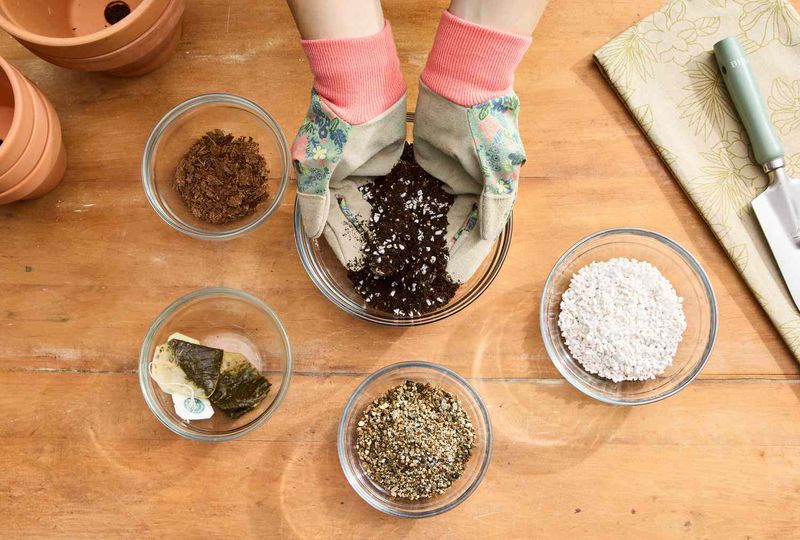
Tea drinkers, you’re sitting on a quiet soil booster. Spent leaves add nitrogen-rich organic matter and help soil hold onto moisture.
Here’s the important part. Many tea bags contain plastic fibers that never fully break down.
Tear the bags open and dump just the leaves, or choose brands labeled plastic-free.
Let the leaves cool, then sprinkle them around plants or mix them into the top layer of soil. Hydrangeas and other shrubs make good neighbors for tea leaves, since they enjoy rich, moisture-holding ground.
Fun fact: tea leaves break down faster than coffee grounds because they’re thin and soft. A few weeks of fall rain and they practically vanish into the soil.
5. Fruit Scraps
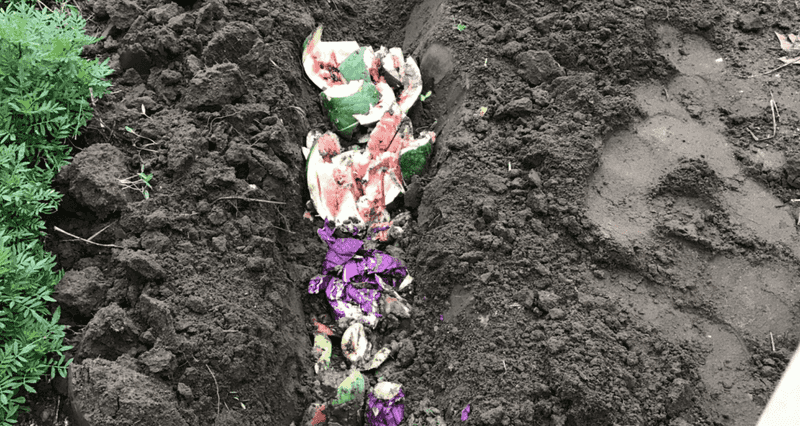
Apple cores, melon rinds, mushy berries, and pear bits all deserve a second life. Fall is the perfect season to put them to work right in the garden.
The method is called trench composting. Dig a hole or trench about 8 to 12 inches deep, drop in the scraps, and cover them with soil.
Over winter, worms and microbes turn them into rich food for next year.
Going deep matters. Shallow scraps can attract raccoons, squirrels, or the neighbor’s dog.
Pick a spot where you plan to grow next spring, like a future tomato or squash patch. You’ll be planting right on top of a buried feast.
6. Vegetable Trimmings
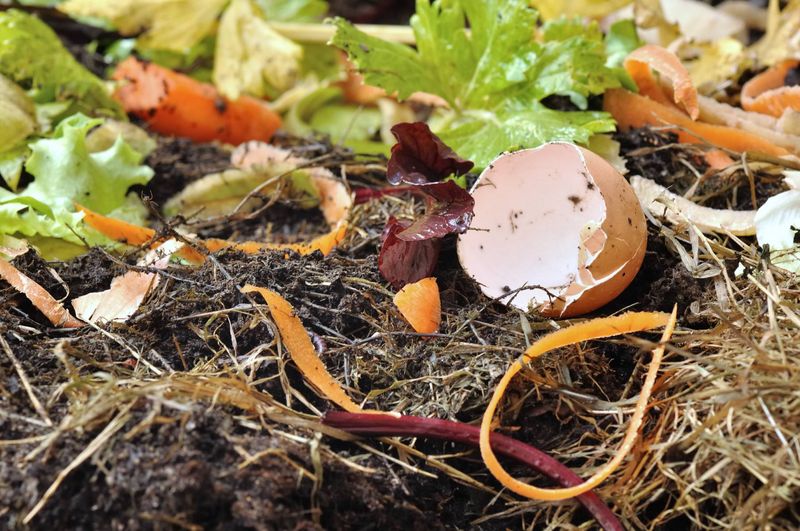
Carrot peels, broccoli stalks, celery ends, and wilted lettuce make up a big chunk of kitchen waste. Good news: they’re some of the easiest things to return to the soil.
Raw vegetable scraps break down well and release nutrients as they rot. They also help create the crumbly texture plant roots love.
Chop thick stalks into smaller pieces so they decay faster. Then bury them in a trench just like fruit scraps.
Skip cooked veggies with butter, oil, or salt. Those can attract pests and slow decay.
Plain raw trimmings are all your beds need.
7. Rice Water
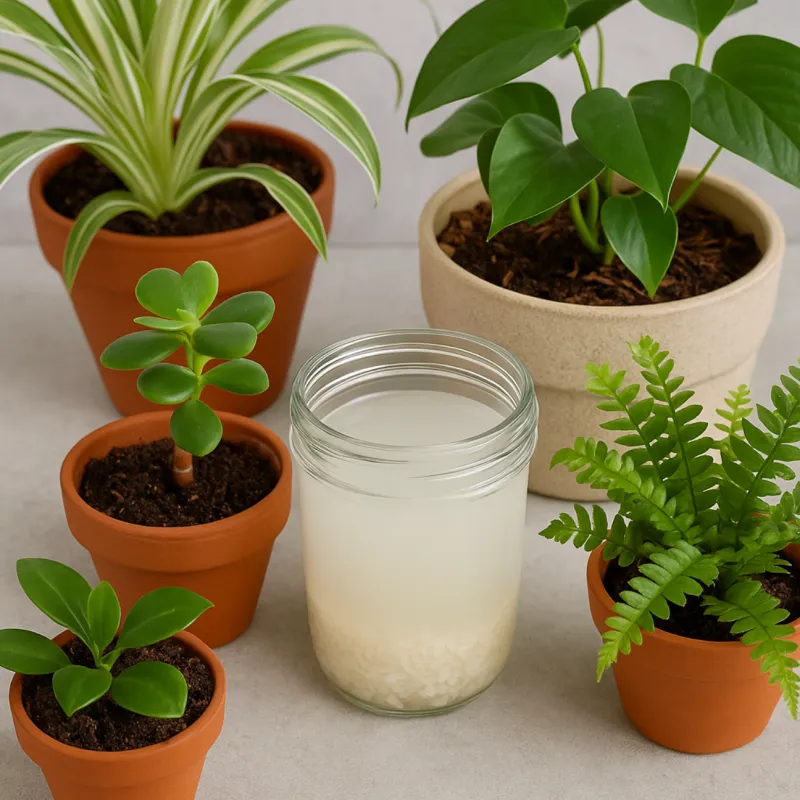
That milky water you pour down the drain after rinsing rice? Gardeners have been saving it for years.
Rice water contains starch and small amounts of nitrogen, phosphorus, and potassium. The starch feeds helpful soil microbes, which can wake up tired dirt.
Use only plain rinse water, never water from cooking with salt or oil. Pour it around the base of plants or over empty beds as a gentle drench.
It works nicely for potted geraniums you plan to bring indoors, too. Just use it once a week or so, since too much starch can turn sour and smelly.
8. Onion Peels
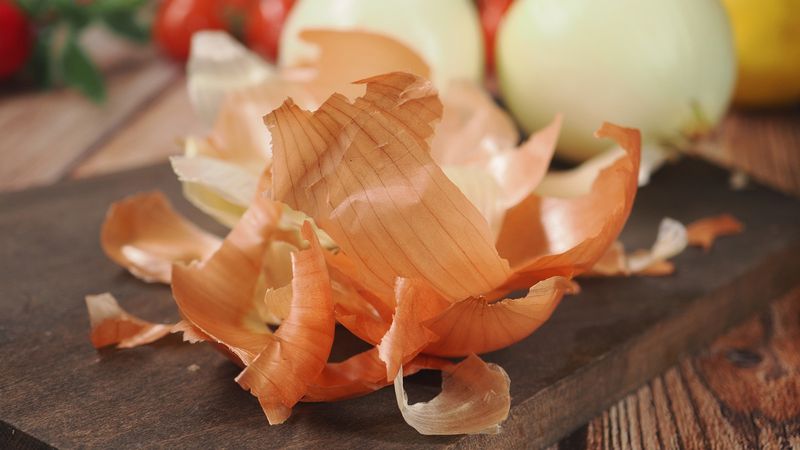
Those papery skins piling up on your counter are lighter than you’d think, but they still count. Onion peels add organic matter as they break down in the soil.
Toss them straight into a trench or mix them into the top layer of your bed. Their thin texture means they won’t stick around long once fall rains arrive.
Some gardeners steep onion skins in water to make a simple plant tea. It’s an easy, free way to use up skins if you have a lot.
Avoid adding big chunks of whole onion near seedlings. Stick with the dry outer skins for the smoothest results.
9. Garlic Peels
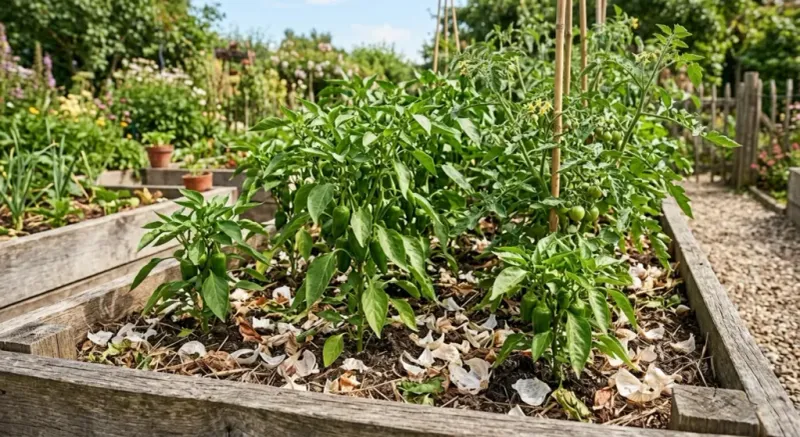
Peeling garlic leaves behind a fluffy little pile of skins. Instead of scraping it into the bin, sprinkle it into your garden.
Garlic peels are tiny but add steady bits of organic material to the soil over winter. Every handful helps feed the worms and microbes working underground.
Here’s a fun timing match. Fall is also garlic planting season in most of the US, so you can work the peels right into the bed where new cloves go.
Scatter them, mix lightly, and let winter do the rest.
10. Potato Peels
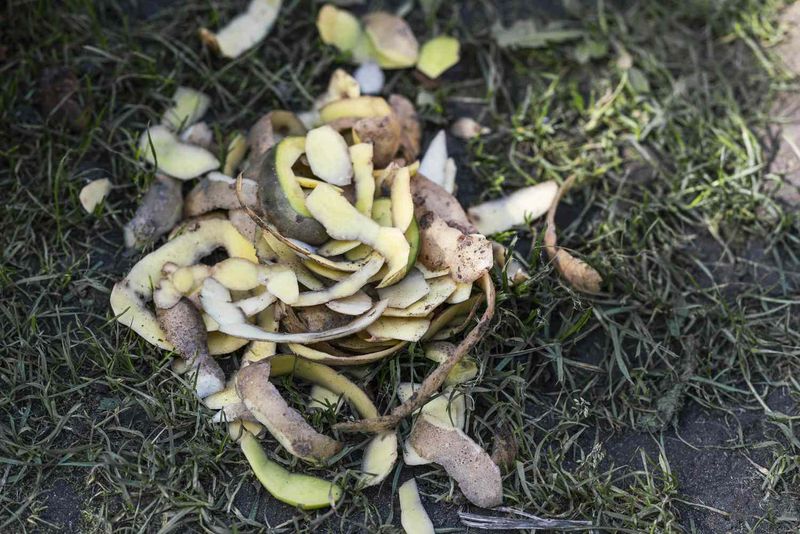
Potato peels carry starch, potassium, and other nutrients that soil life happily breaks down. They’re a solid addition to any fall trench.
One caution: peels can sometimes sprout if they have eyes attached. Bury them deep, at least 8 inches, or chop them small so they rot instead of growing.
Also avoid peels from potatoes that showed disease, like blight. You don’t want to plant problems for next year.
Healthy peels from your kitchen are a cheap way to boost soil structure before spring.
11. Citrus Peels
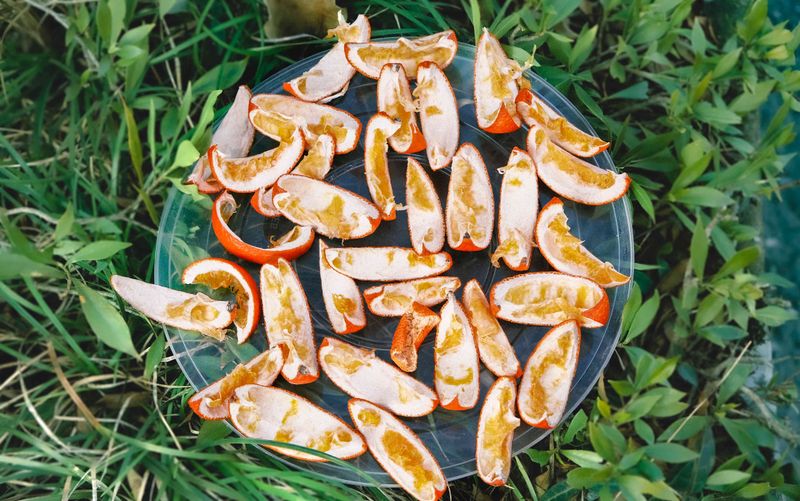
Peel an orange and your kitchen smells amazing. That scent comes from d-limonene, a natural compound that may help deter ants, aphids, slugs, and even curious cats.
Chop peels finely and scatter them around plants, or mix small amounts into soil. They also offer a little potassium and nitrogen.
Moderation matters here. Large amounts of citrus can make soil more acidic and break down slowly.
A sprinkle around your petunias or veggie beds is plenty. Think seasoning, not a main course.
12. Stale Plain Bread
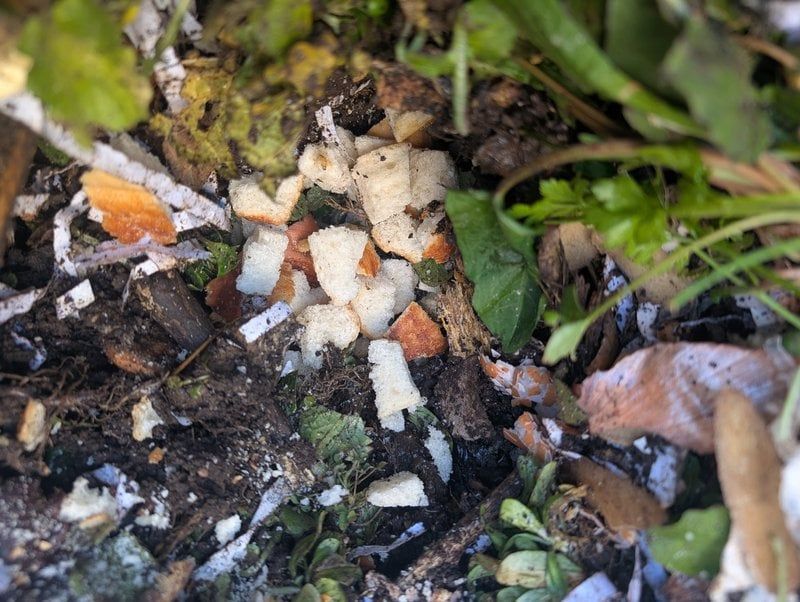
Got a few hard heels of bread nobody wants? Plain stale bread can be buried as a carbon source for your soil.
Break it into small pieces and bury it deep so birds and rodents don’t find it. It breaks down over fall and winter, adding organic matter.
Use only plain bread, without butter, cheese, or heavy mold. Small amounts work best.
It’s a small win, but it keeps one more thing out of the trash.
13. Old Plain Oatmeal
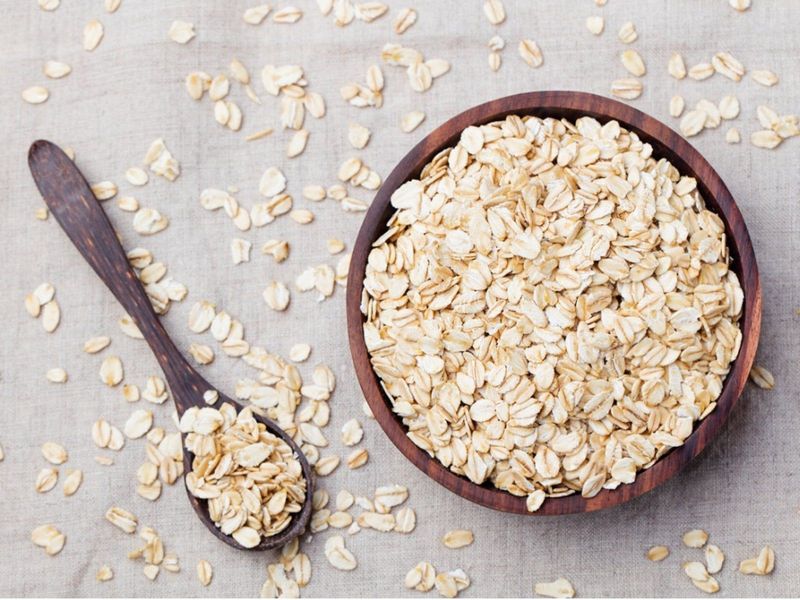
Found an ancient canister of oats in the back of the pantry? Don’t toss it.
Uncooked plain oats can be worked into the soil, where they break down and add carbon and texture. They help soil hold moisture and feed microbes through winter.
Skip flavored packets with sugar. Plain oats only, mixed lightly into the top layer, keep things simple and pest-free.
By spring planting time, those forgotten oats will have turned into richer ground for your flowers and veggies.