
Raccoons Raiding Your Trash And Compost Bin Hate These 9 Household Scents You Already Own
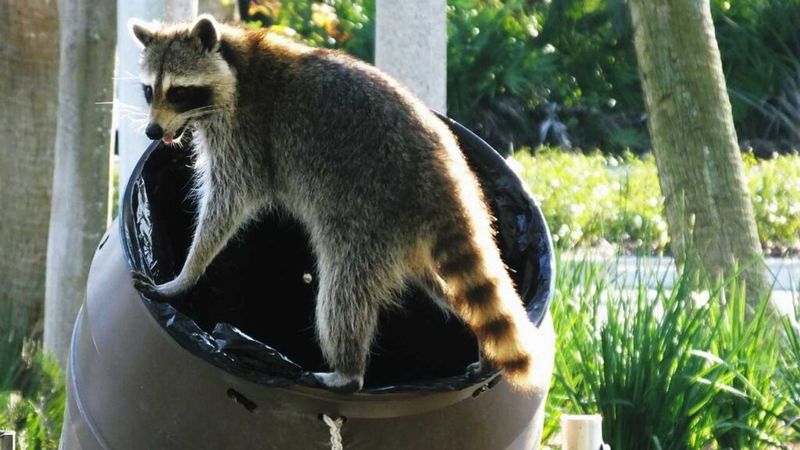
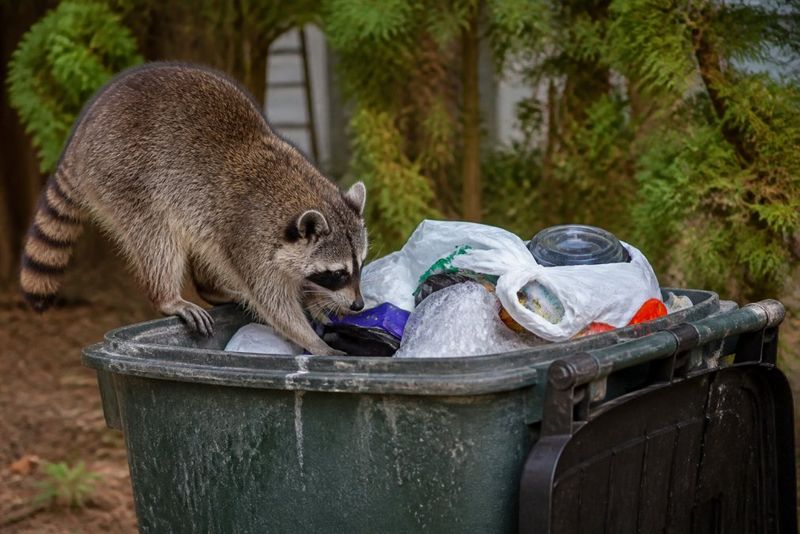
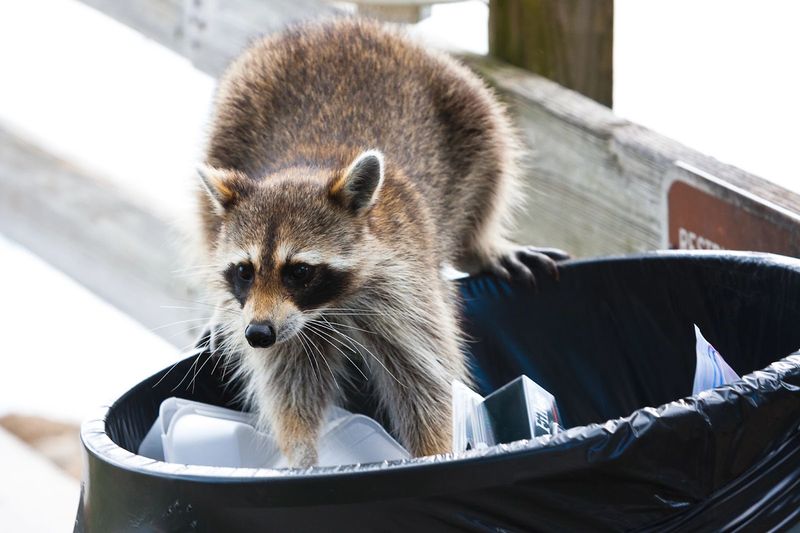
You walk outside in the morning and find coffee grounds, eggshells, and torn bags scattered across the yard again. Raccoons have clever little hands, but their biggest tool is a powerful nose that leads them straight to your bins.
That same sharp sense of smell can work against them when you use strong scents they dislike. Many of the best options are probably sitting in your kitchen or bathroom cabinet right now.
1. Peppermint Oil
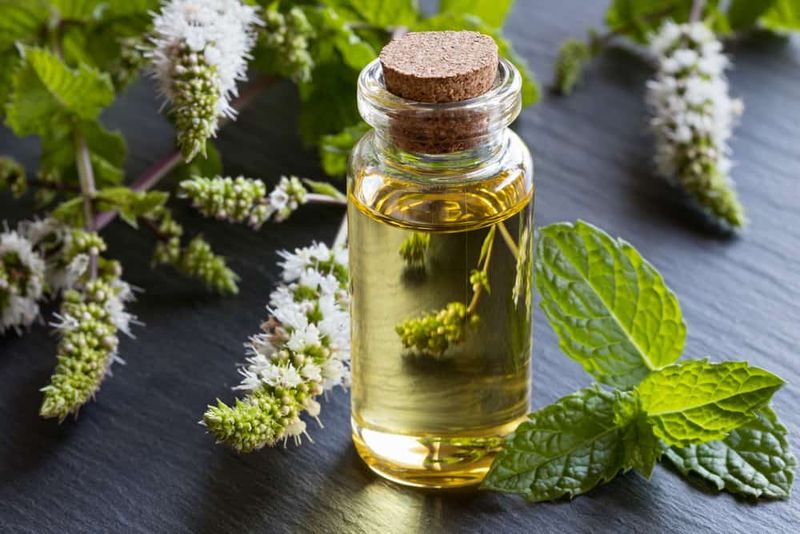
Your toothpaste and a raccoon’s worst night may have more in common than you think. Peppermint oil carries a sharp, cooling menthol punch that people find refreshing.
To a nose far more sensitive than ours, though, it can feel like a blast of noise.
The easiest method is to put 10 to 15 drops on a few cotton balls. Tuck them into a small mesh bag or a jar lid with holes, then set it near the base of your trash can or tie it to the side of your compost bin.
You can also mix about 20 drops into a spray bottle of water and mist the lids and handles.
Essential oils fade fast outdoors, especially in summer heat and after rain. Plan to refresh the cotton balls every three or four days.
A bonus is that peppermint may also help discourage mice and some insects around the bin area, so one small bottle pulls double duty.
Keep the full-strength oil away from pets, since concentrated essential oils can bother cats and dogs too.
2. Cayenne Pepper
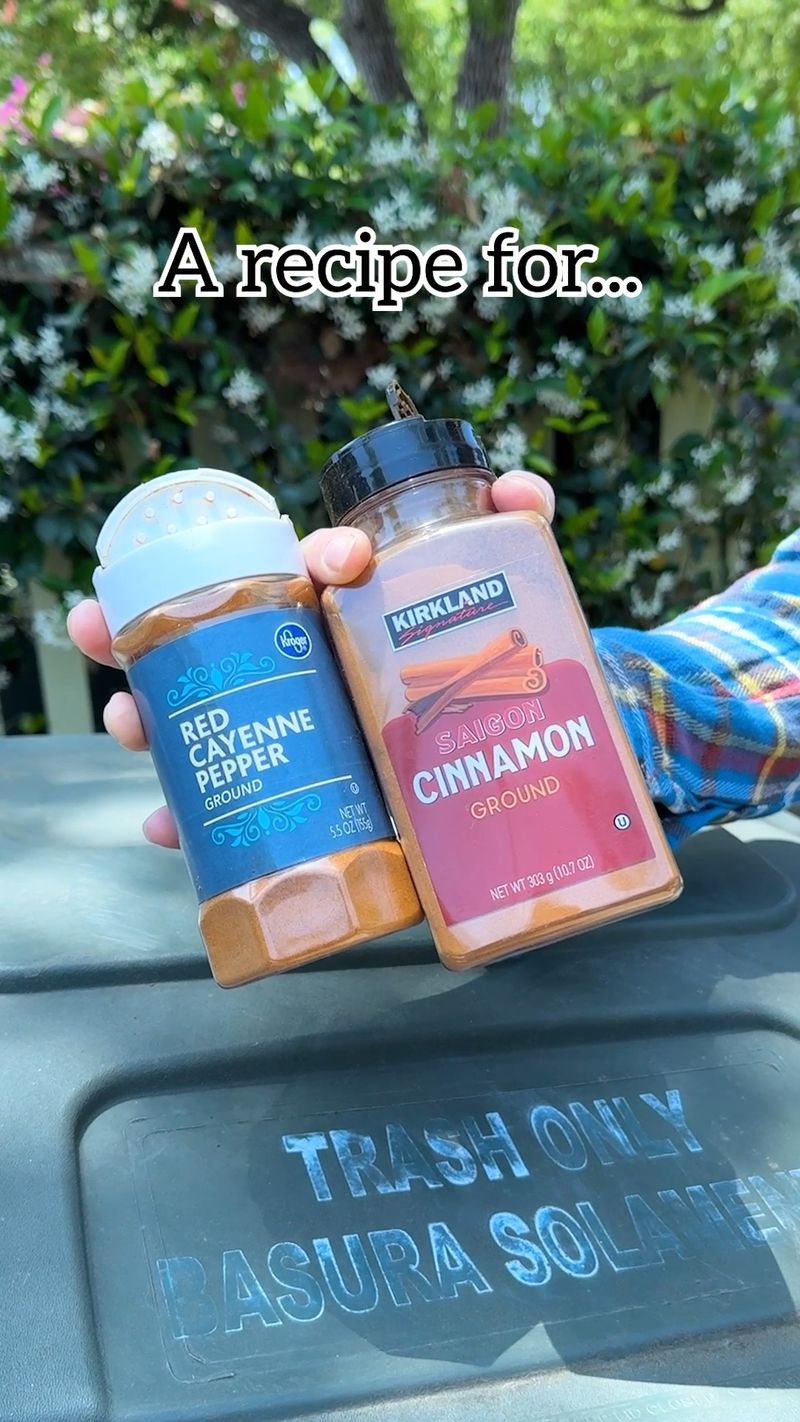
Anyone who has rubbed their eyes after chopping hot peppers knows exactly why this one works. Capsaicin, the compound that makes cayenne fiery, can irritate a raccoon’s nose and paws when it sniffs or digs.
It turns a tempting snack stop into an unpleasant surprise.
Sprinkle a ring of cayenne around the bottom of your bins and along any spot where you see muddy paw prints. For a longer-lasting option, stir two tablespoons of cayenne and a few dashes of hot sauce into a quart of water with a drop of dish soap.
The soap helps the spicy mix cling to lids and bin sides.
Rain washes it away quickly, so reapply after storms. Black pepper or crushed jalapeno can stand in if you run out.
Wear gloves while mixing, and skip dusting it directly into compost you plan to spread on tender seedlings.
3. Garlic
Vampires are not the only night visitors that may back away from garlic. Raccoons find its heavy, sulfur-rich smell unpleasant, and a homemade spray costs almost nothing to make.
Mince one whole bulb of garlic and let it soak overnight in a quart of water. Strain it through a coffee filter, then pour the liquid into a spray bottle.
Mist the outside of your trash cans, compost bin lids, and the ground around them every few days.
Garlic shines near compost because it is natural and breaks down without leaving anything harmful behind. Some gardeners even bury a few old cloves along the edge of the compost pile.
Expect your bin corner to smell a little like an Italian kitchen for a day or so, but the scent softens for human noses well before it stops bothering raccoons.
4. Vinegar
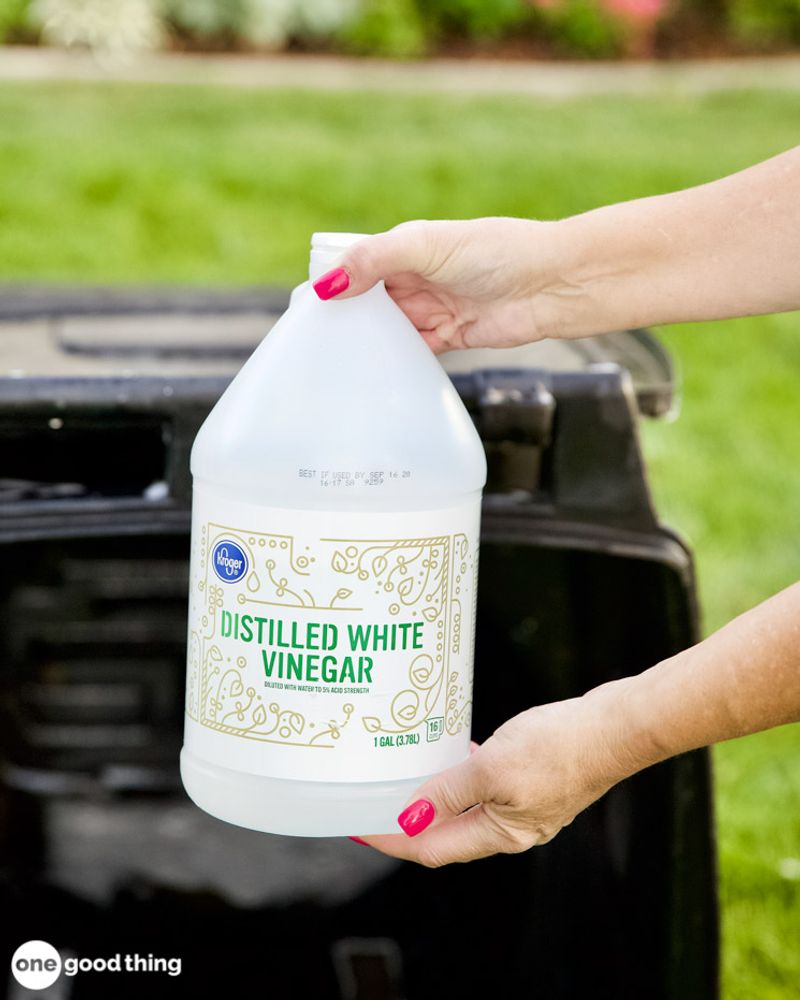
Here is the cheapest item on the whole list, and it doubles as a cleaner. White vinegar has a sour, sharp odor that raccoons generally avoid.
Even better, it scrubs away the food smells that drew them in to begin with.
Start by washing your empty cans with a mix of half vinegar and half water. Leftover drips of juice, meat grease, and sour milk are like a dinner bell, so this step matters more than most people realize.
Once the bins are clean, soak a rag in straight vinegar and lay it on top of the bagged trash before closing the lid.
Apple cider vinegar works too, though white vinegar is stronger and cheaper. Refresh the rag every couple of days.
Pair the vinegar trick with a bungee cord across the lid, and a curious raccoon has two reasons to move along.
5. Ammonia
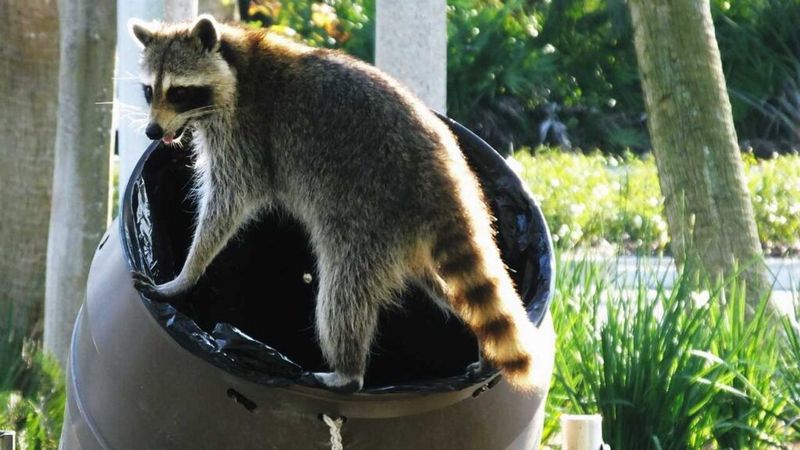
Raccoons mark territory with urine, and ammonia smells a lot like the scent of a bigger, scarier animal. That may be why this harsh cleaner is one of the strongest scent deterrents on the list.
Soak a rag in household ammonia and set it inside an old coffee can or bowl near your trash cans. Placing it in a container keeps the liquid off the ground and away from plant roots.
Some people also splash a small amount over bagged garbage before sealing the lid.
Safety comes first with this one. Never mix ammonia with bleach, because together they release toxic fumes.
Wear gloves, keep it far from where kids and pets play, and avoid using it around your compost pile, since you do not want it soaking into soil you plan to feed your tomatoes or flowers.
6. Onion
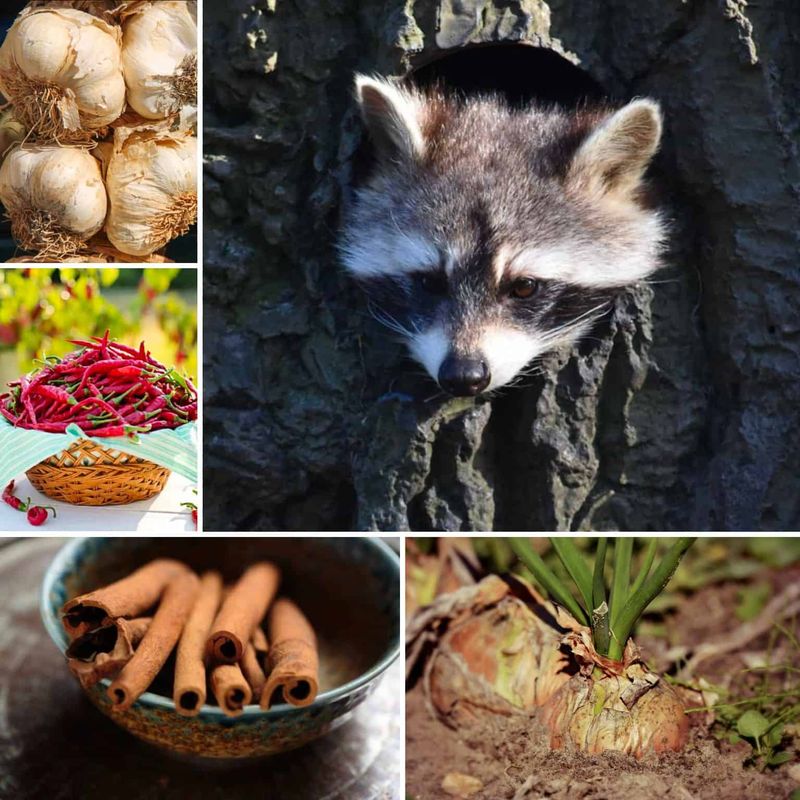
Grandma’s old trick of boiling onions and peppers together still holds up. Onion has a strong, eye-watering smell, and when you combine it with hot peppers, the result is a potent homemade brew that raccoons tend to dislike.
Chop one large onion and one or two jalapenos. Simmer them in two quarts of water for about 20 minutes, then let the mix cool completely.
Strain it, pour it into a spray bottle, and coat the area around your bins.
For a no-cook option, scatter chopped onion pieces around the spots raccoons visit most. Onion scraps are also already part of many kitchen compost piles, so you can tuck fresh peels near the top layer of your bin.
Just keep onion away from dogs, because it is toxic for them if eaten.
7. Mothballs
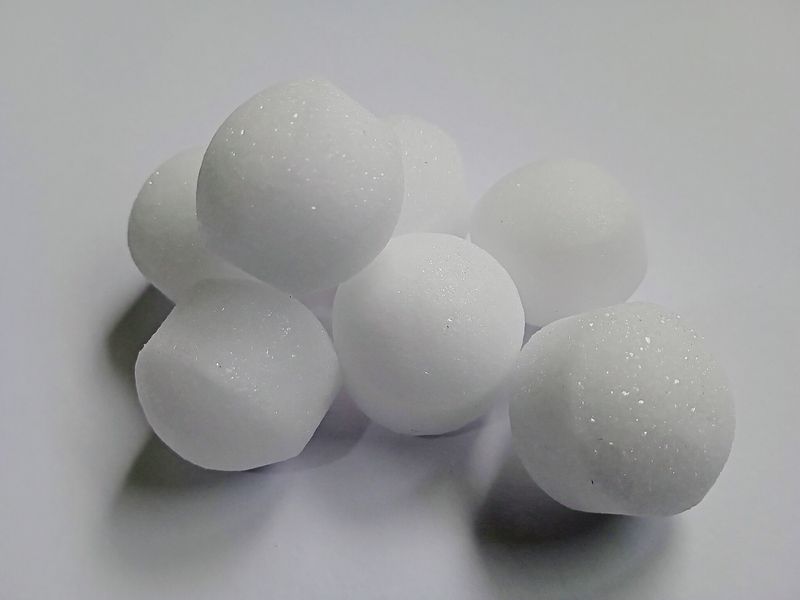
Mothballs show up on nearly every raccoon repellent list, so they deserve an honest look. The odor is overpowering, and it may push raccoons away.
Still, this is the one item on the list we suggest you think twice about before using.
Mothballs are pesticides, and their labels only allow use inside sealed containers for clothing. Scattering them outdoors around bins or gardens goes against those directions.
The chemicals can seep into soil, and they are poisonous if a child, dog, or cat swallows one.
The smell also soaks into plastic, wood, and fabric for a very long time. If you want that same strong effect without the risk, a rag with ammonia or vinegar does a similar job.
Keep your mothballs in the closet where they belong.
8. Epsom Salt
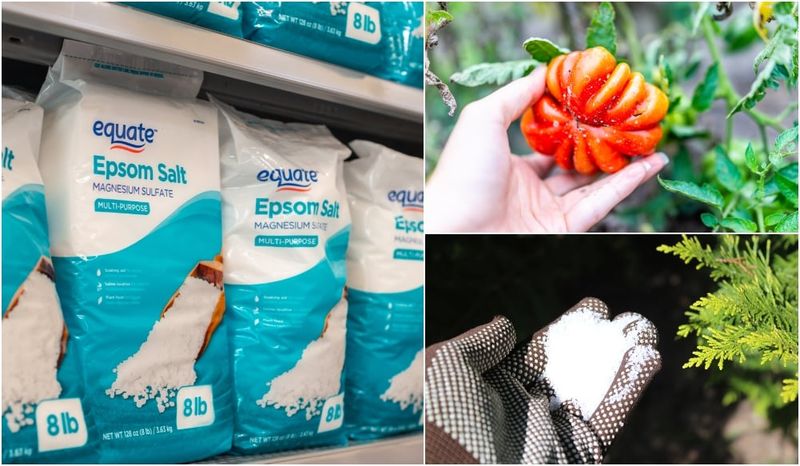
Few deterrents give something back to your yard, but Epsom salt is the exception. Gardeners already use it to add magnesium for plants like tomatoes and roses.
Some people report it also helps keep raccoons from lingering near trash and compost.
Sprinkle a light layer around your bins and along the edges of your garden beds. Raccoons dislike the taste and feel of it when they sniff and forage.
Reapply after heavy rain, since the crystals dissolve.
Go easy on the amount. Too much salt of any kind can build up in soil and stress plant roots, so a dusting is plenty.
Think of it as a gentle extra layer of defense that pairs nicely with a stronger scent like garlic or peppermint.
9. Eucalyptus Oil
Think of eucalyptus as peppermint’s woodsy cousin. Its clean, medicinal scent reminds people of a steamy spa, yet many animals, raccoons included, seem to find it harsh and unwelcome.
Use it the same way you would peppermint. Add drops to cotton balls or rags and place them near the bins, or mix 20 drops with water in a spray bottle.
Some gardeners alternate between the two oils every week, so raccoons do not get used to a single smell.
Rotating scents is a smart move, because raccoons are clever and stubborn. One that ignores a familiar odor may still flinch at a new one.
Combine your scent plan with tight lids, cleaned cans, and taking trash out the morning of pickup, and your bins may finally stay closed all night.