
One Fall Cut On Your Raspberry Canes Now Means Buckets More Berries Next Summer
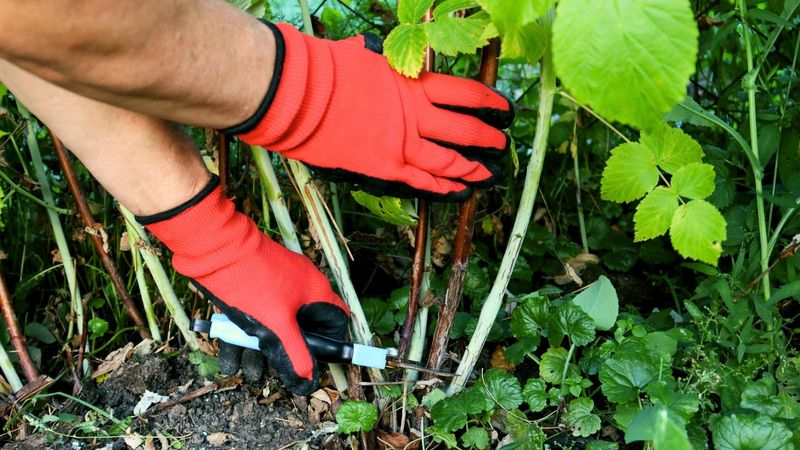
Your raspberry patch might look tired and tangled right now, but it is quietly getting ready for next year. A single smart cut this fall can steer your plants toward bigger, sweeter berries and a lot more of them.
The trick is knowing which kind of raspberry you have and which canes to remove. Get it right, and next summer you could be picking by the bucket instead of the handful.
1. Know Which Raspberry You Are Growing
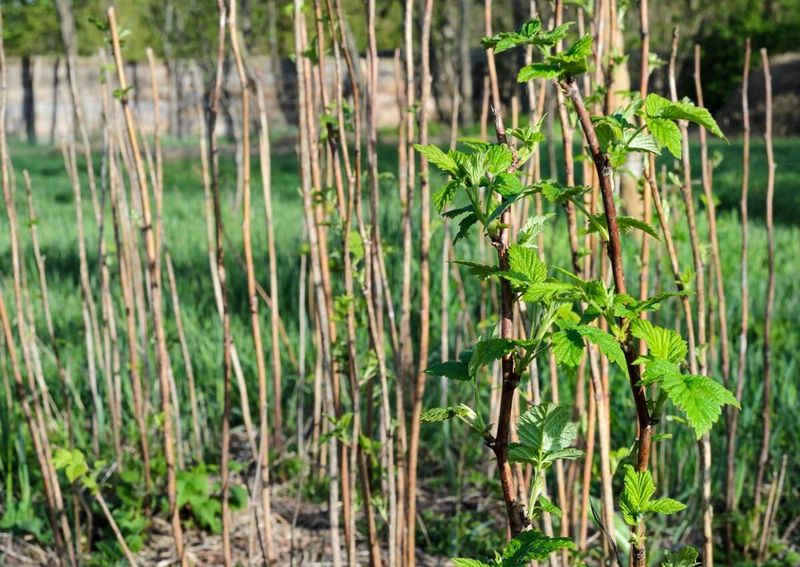
Before a single blade touches a cane, you need to answer one question. Do your berries show up in early summer, or do they keep coming into late summer and fall?
That answer decides everything about your cut.
Summer-bearing raspberries fruit once, in early to mid-summer, on second-year canes called floricanes. Fall-bearing types, also called everbearing or primocane-fruiting, can fruit on brand-new first-year canes late in the season.
Those same canes can then give a smaller crop the next summer on their lower parts.
Lost the plant tag? No worries.
Watch where fruit forms this year, or check your purchase records for variety names like Heritage or Caroline, which are popular fall-bearers.
2. The Mow-It-All-Down Cut for Fall-Bearers
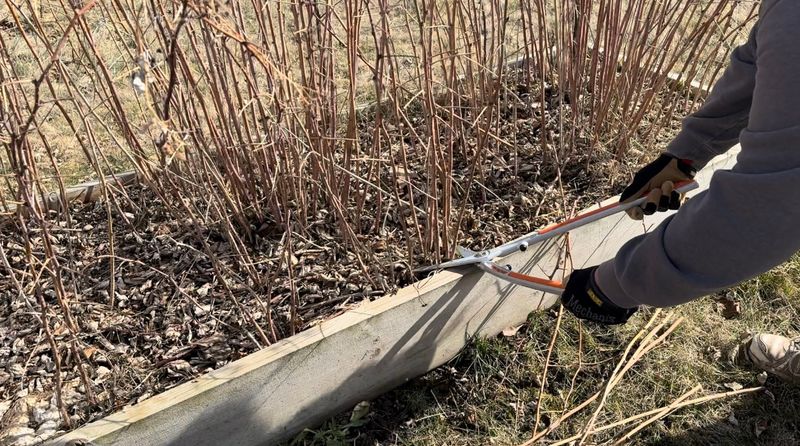
Here is the cut that sounds scary but works like magic. For fall-bearing raspberries, you can cut every single cane right down to the soil.
Yes, all of them.
You can use sharp loppers, hedge trimmers, or even a lawn mower set high on a big patch. Aim to leave nothing taller than an inch or so above the ground.
Then rake up the cut canes and haul them away.
What do you give up? The small early-summer crop those old canes would have made.
What you gain is a larger, earlier fall harvest from fresh canes that pop up in spring with all the plant’s stored energy behind them.
Many gardeners say the berries come in bigger and sweeter, too. And honestly, it is the easiest pruning job you will do all year.
3. Timing the Cut After Dormancy
Picture your raspberry roots as a pantry. All season, the leaves have been stocking it with food.
Cut too early, and you interrupt the shopping trip.
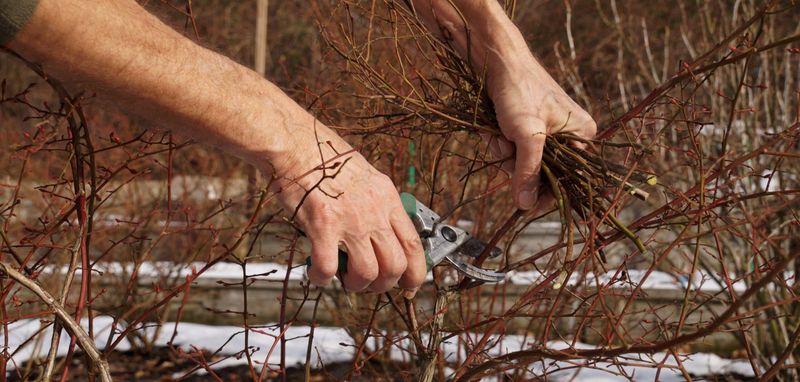
The best window is late fall, after leaves drop and plants go dormant. Early spring, before new shoots appear, works just as well.
Pruning during dormancy lets the plant send its saved energy into strong new canes instead of propping up dying wood.
In colder northern areas, some gardeners wait until late winter so snow cover stays trapped in the patch. In milder southern regions, late fall is usually simple and tidy.
Either way, skip pruning while canes are still green and leafy.
4. Removing Spent Floricanes on Summer-Bearers
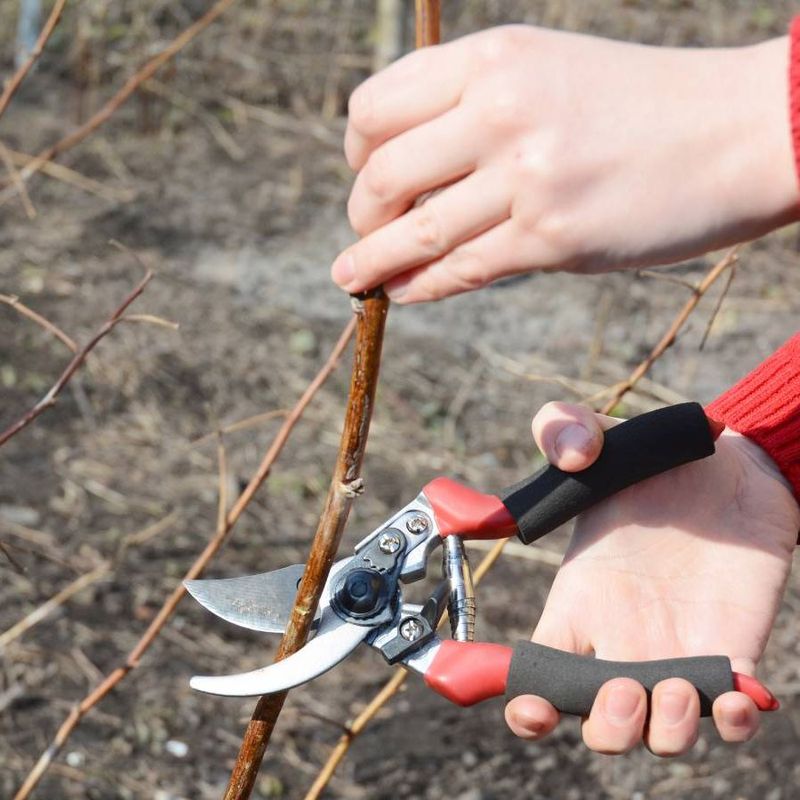
Summer-bearing raspberries play by different rules, and mowing them down would wipe out next year’s crop. Ouch.
So put the mower away for this one.
After harvest, look closely. Canes that just fruited turn grayish or brown, with peeling bark and dried flower stems.
Those spent floricanes are done for good, so cut them at ground level.
The fresh green canes that grew this year are your future. Leave them standing, because they will carry next summer’s berries.
Removing the old ones simply gives the young canes more light, room, and attention.
5. Thinning the Keepers for Bigger Berries
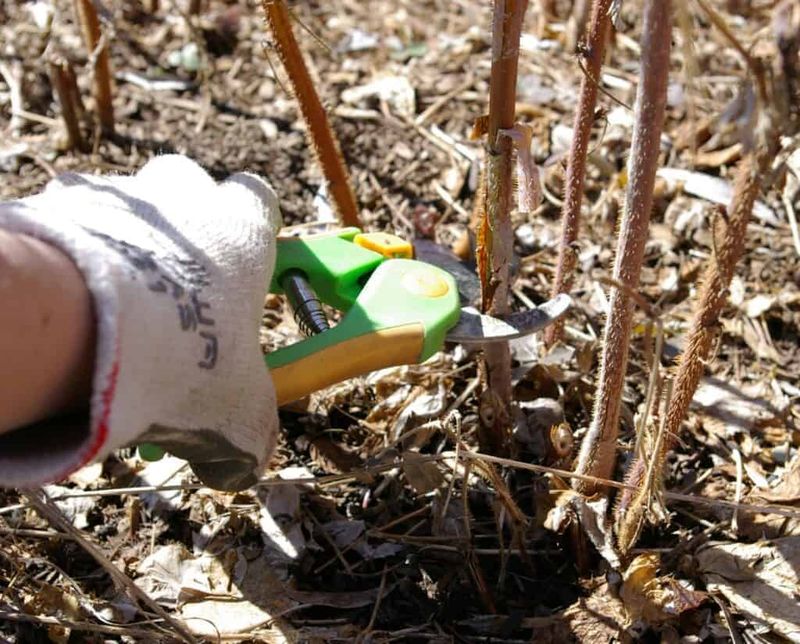
More canes do not mean more berries. Crowded canes often give you lots of tiny fruit and a jungle you cannot reach into.
In late winter or early spring, walk your summer-bearing row and thin what is left. Remove weak, skinny, broken, or damaged canes first.
Many extension guides suggest keeping the sturdiest canes spaced roughly 6 inches apart, in a row about 12 to 18 inches wide.
Think of it like thinning carrots. You are choosing the best athletes for the team.
Each remaining cane gets more sun and food, which can mean plumper berries.
6. Clearing Out Disease and Pest Hideouts
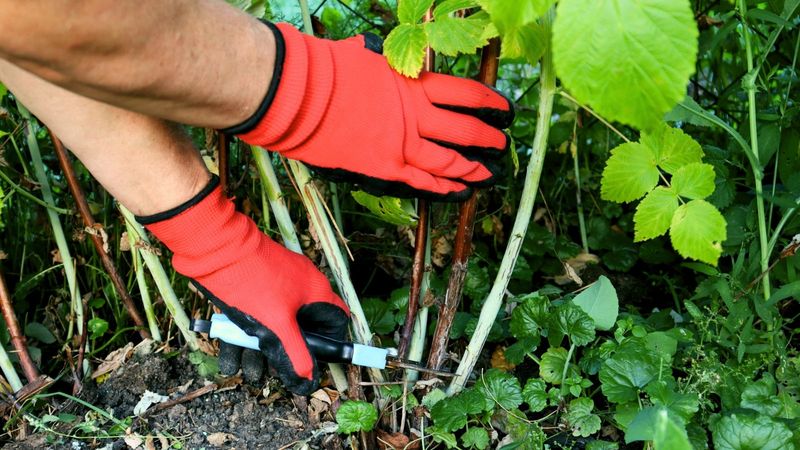
Old canes are more than clutter. They can shelter fungal spores and overwintering insects that wake up hungry in spring.
A tidy fall cleanup takes away their winter home.
Opening up the patch also improves air flow. Leaves dry faster after rain, which can reduce problems like cane blights and gray mold.
Look for canes with purple or dark sunken spots, swellings, or cracks, and remove those first.
Do not leave cuttings lying in the row. Bag them or burn them where allowed, and avoid tossing diseased wood in the compost pile.
Clean your pruners between cuts if you spot sick canes.
7. Easy Aftercare That Sets Up Summer
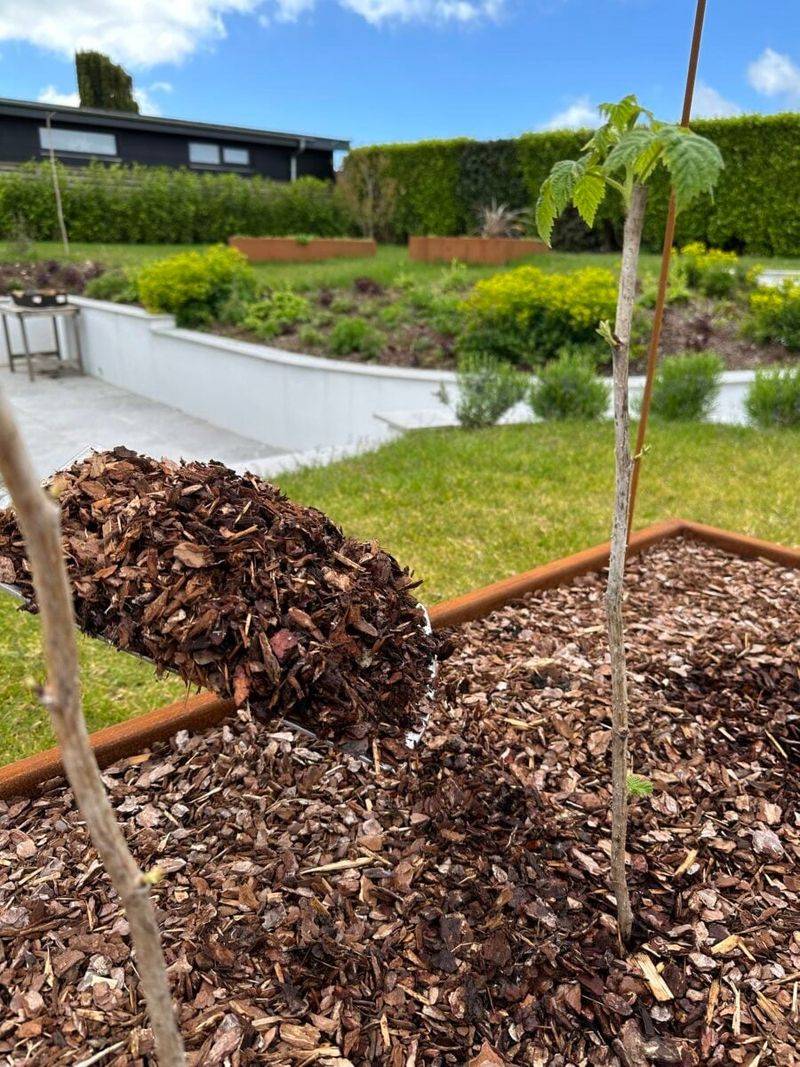
Done cutting? Great, the hard part is over.
A few small steps now help that one fall cut pay off.
Spread 2 to 3 inches of straw, shredded leaves, or wood chips over the row to protect roots and hold moisture. Keep weeds and grass pulled back, since they steal water and food from new shoots.
Hold off on heavy fertilizer until spring growth starts.
Come spring, watch for strong new shoots rising from the soil. That is your proof the plan is working.
By late summer, you may be grabbing a second bowl, then a bucket.