
Carolina Silverbell: A Spring-Blooming North Carolina Native Worth Considering for the Right Yard
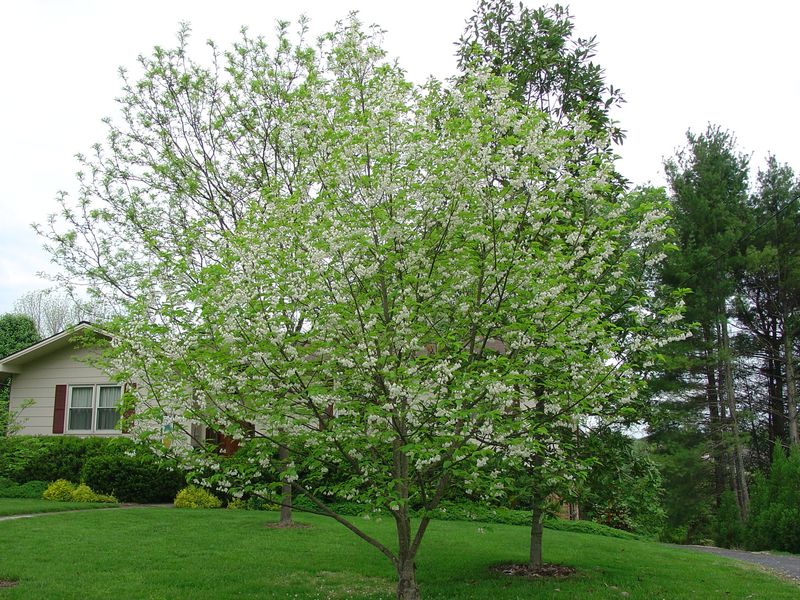
Picture a tree dripping with little white bells every spring, swaying over your yard like a row of tiny lanterns. Carolina silverbell does exactly that, yet many gardeners have never met it.
It grows wild in parts of the North Carolina mountains and Piedmont, and it can be a lovely fit if your site gives it what it needs. Here is how to tell whether it belongs in your yard.
Spring bells give this tree its moment
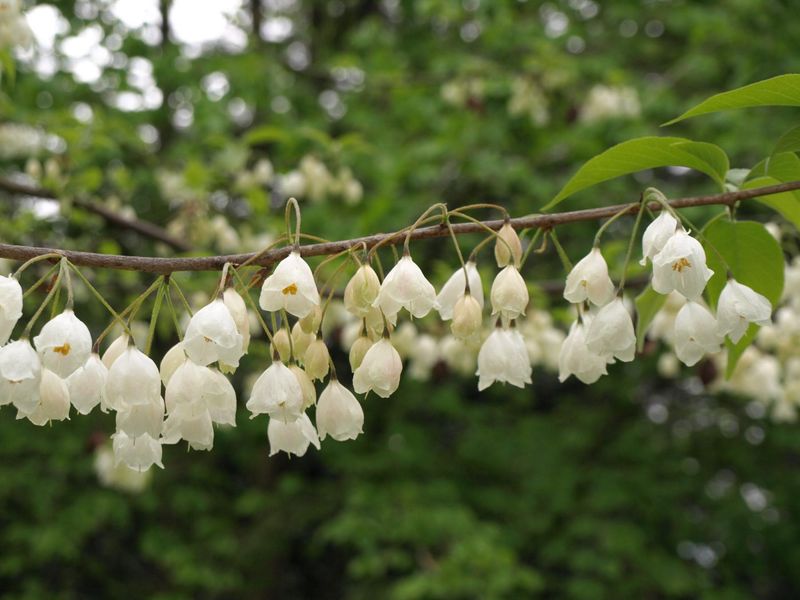
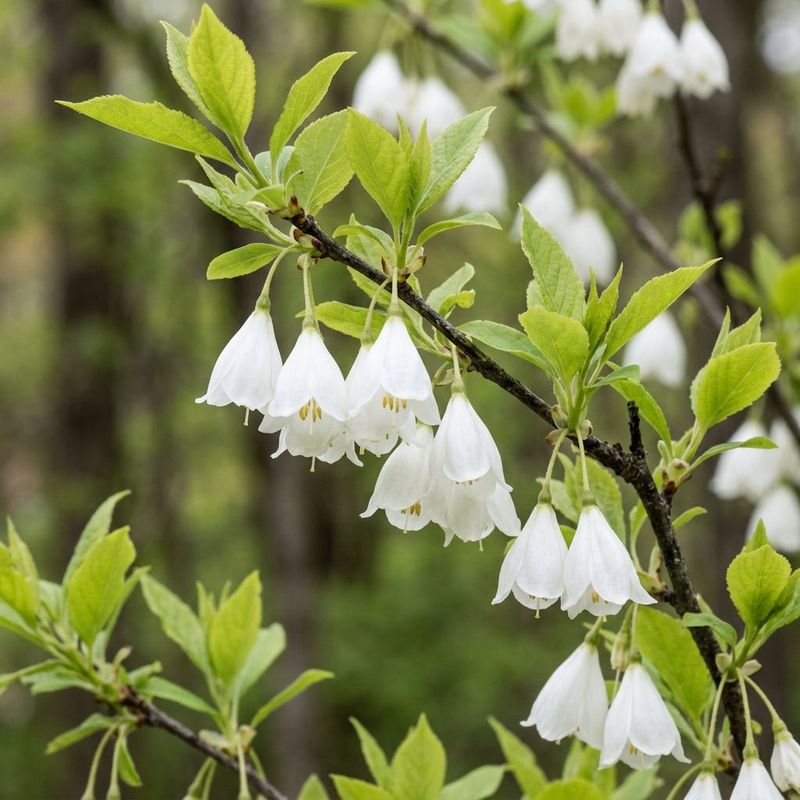
Stand under a Carolina silverbell in bloom and you will see why gardeners fall for it. Clusters of dangling, bell-shaped flowers hang along the branches, usually white with a blush of pink.
NC State’s Plant Toolbox describes the blooms as appearing with or just before the leaves, so the show happens as the tree is just waking up.
Timing depends on where you live. The state flora and the U.S.
Forest Service both place flowering anywhere from March through May, so a higher mountain yard may bloom weeks after a lower one. Treat the season as a window, not a date on the calendar.
The flowers hang downward, which shapes how you enjoy them. The Forest Service notes they are best appreciated from below.
That means planting the tree where you can walk beneath it, or see it from a porch, patio, or window set at the right angle.
Beauty is a matter of taste, so call this a personal impression rather than a ranking. Still, a small cloud of white bells shaking in a spring breeze is the kind of sight that makes people stop on the sidewalk and ask what it is.
For many yards, that alone makes the tree worth a closer look.
Check whether it is native where you live
Calling Carolina silverbell a North Carolina native is true, but only part of the story. NC State’s Extension Gardener Handbook lists it as native to the mountains and Piedmont, not the Coastal Plain.
The state flora paints a finer picture. It is frequent to common in parts of the mountains and western Piedmont, infrequent in the central Piedmont, and very rare or absent across most of the Coastal Plain and the northeastern Piedmont.
A gardener in Asheville and one in Wilmington are living in very different situations.
If you garden in a region where it is rare or absent, look up your county in the flora and call your local Extension office before you plant it as a local native. That quick check keeps you from claiming a native benefit that your area may not share.
One more wrinkle is the name. NC State uses Halesia carolina and treats H. tetraptera as a synonym, while the state flora lists Mountain Silverbell as Halesia tetraptera and notes a taxonomic change.
Nursery labels may use either name, so ask the grower what you are buying.
Moist soil and partial shade matter
Walk your yard before you shop. The tree does best in moist, organically rich soil with part shade, according to NC State.
Think of the soft, damp ground you often find near a woodland edge or at the base of a gentle slope.
Silverbell can tolerate anything from full sun to part shade, but tolerating is not the same as thriving. NC State also calls it sensitive to heat, drought, and soil compaction.
A sunbaked strip of packed clay beside a driveway is a poor match, even though the tree might technically survive there for a while.
Test your spot with a few simple checks. Dig a hole about a foot deep and see whether the soil crumbles and stays damp, or turns hard and dusty.
Note how many hours of direct afternoon sun the site gets in summer, and whether water pools or runs off after rain.
If your yard is dry and hot, you can improve the odds by adding compost and picking a site shaded from the harshest afternoon sun. Even then, expect to water during dry spells.
Drought sensitivity means this tree asks for attention, not neglect.
Make room for its mature spread
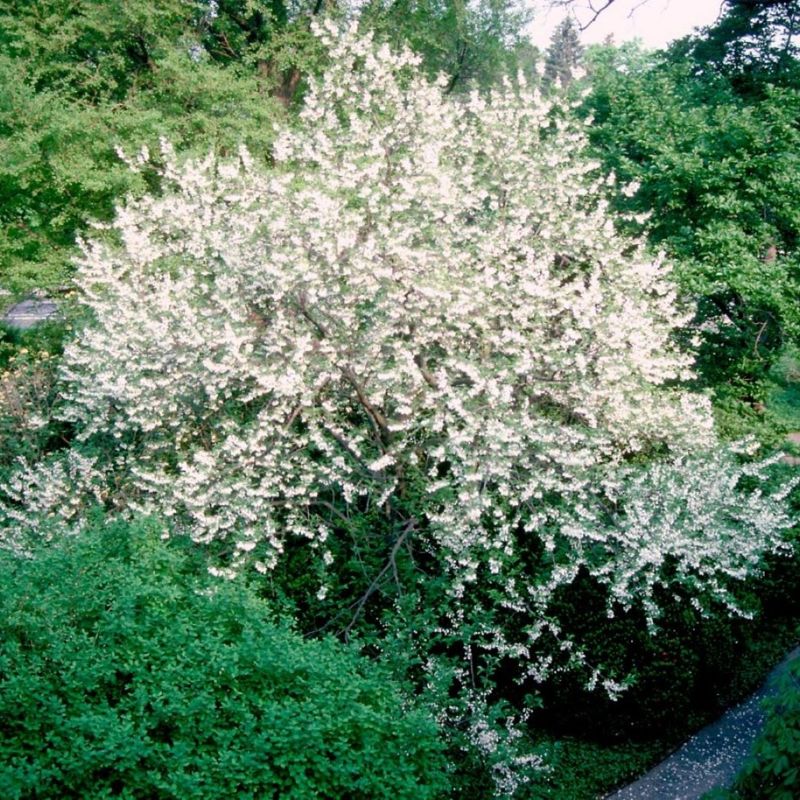
Numbers help here. The Plant Toolbox lists typical landscape size at 10 to 40 feet tall and 25 to 35 feet wide, according to NC State.
That is a lot of crown, and the width often surprises new owners.
You may hear it called an understory tree. That describes where it grows in a forest, beneath taller canopy trees, and does not promise that it stays compact.
In an open yard, it can spread wide and fill space you meant for something else.
Picture a circle about 30 feet across, centered on the trunk. Does it run into the house, a power line, a driveway, or a neighbor’s fence?
If so, shift the planting spot or choose a different tree.
A narrow side strip or a tight townhouse yard is probably not the place for silverbell. A larger lot, a woodland edge, or a corner where it can open up without crowding works far better.
Leave enough room and the tree can grow into its natural shape.
Plant carefully and monitor moisture as it establishes
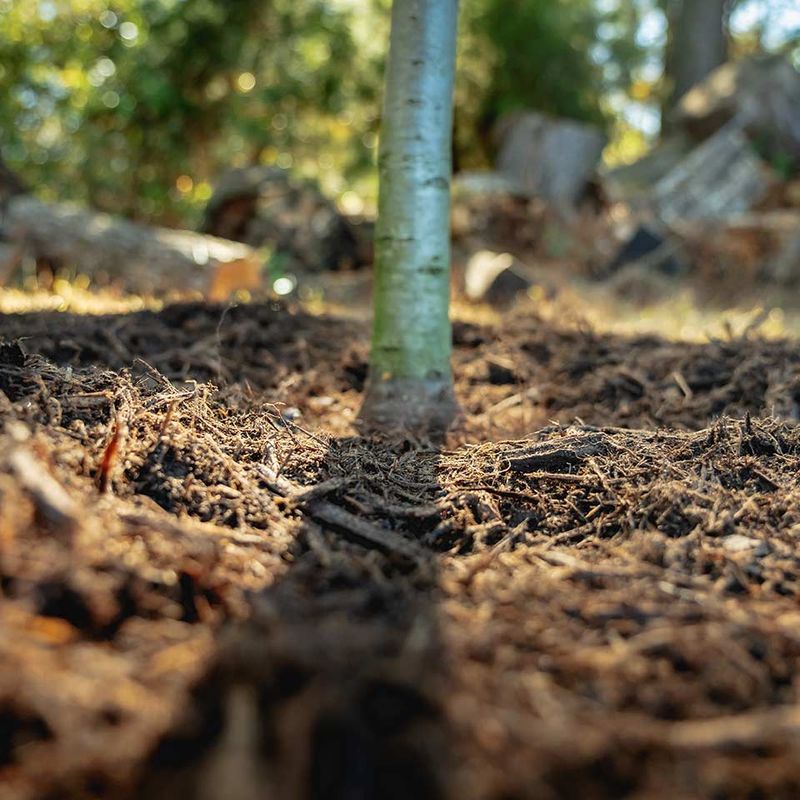
Planting directions here come from NC State Extension’s general woody-ornamental guidance, not from advice written just for silverbell. They are sound basics for most trees.
Set the root ball so the trunk flare sits just above the surrounding grade, then water it in well.
Next comes mulch. Spread 2 to 3 inches of organic mulch over the planting area and keep it at least 6 inches away from the trunk.
A mulch ring that touches the bark holds moisture against it, so leave a gap.
Early care is about the root ball. New trees need attention to how moist that ball stays, and the right watering frequency depends on weather, soil, tree size, and how established the tree is.
A sandy bed in a hot week needs more water than heavy soil during a cool, rainy stretch.
Push a finger or small trowel into the root ball and nearby soil to check. If it feels dry a few inches down, water.
Because silverbell is sensitive to drought, as the Plant Toolbox notes, do not treat it as maintenance-free, even after the first season.
Describe its wildlife value specifically
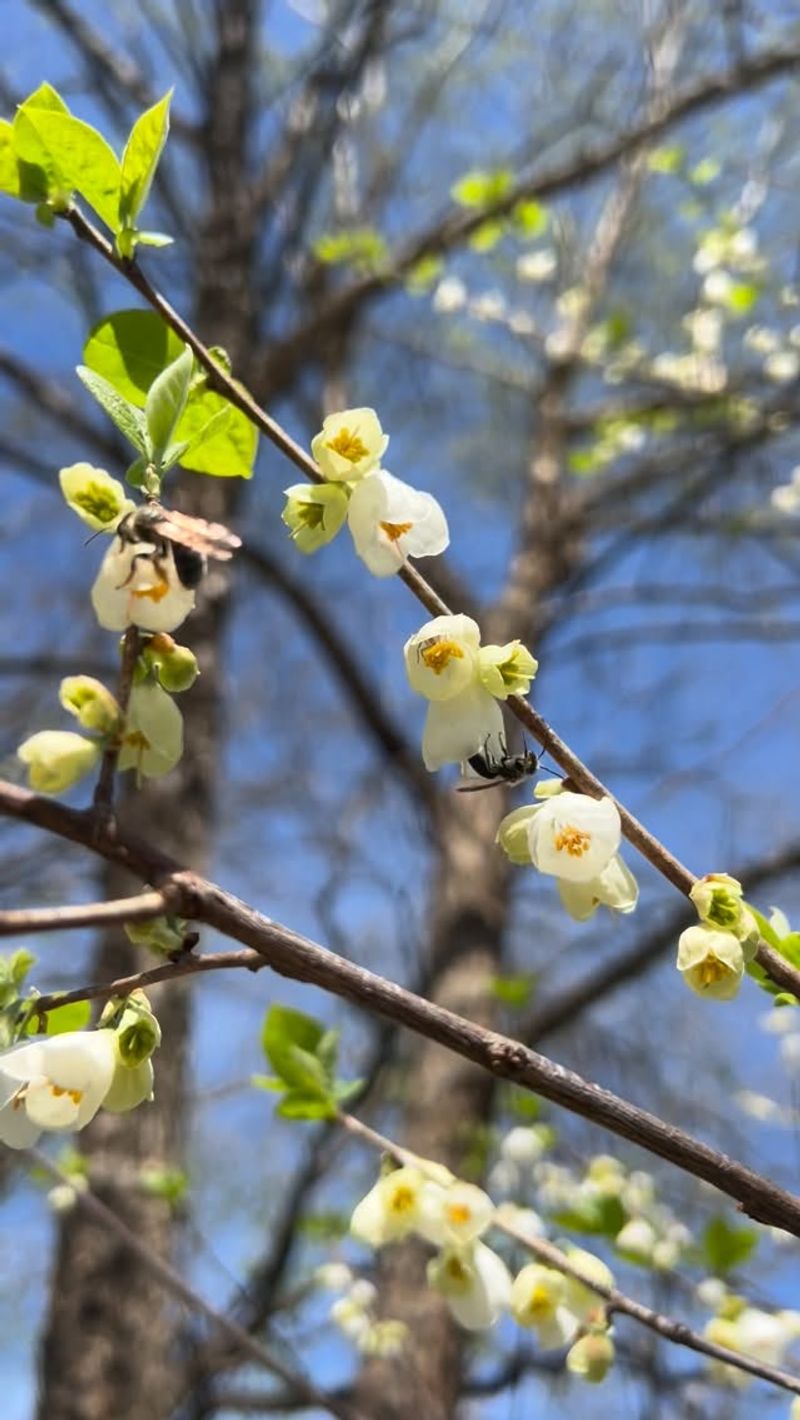
Wildlife benefits are easy to inflate, so here is what the sources actually document. NC State says the flowers provide nectar for bees, butterflies, and other pollinators.
It also lists the tree as a host for several butterfly and moth caterpillars.
The U.S. Forest Service adds that bees visit heavy flower crops.
On a good bloom year, a tree covered in bells can be a busy stop for early-season insects.
The same source reports that squirrels eat the seeds and use the trees for dens. So the tree offers food in spring and a possible home for squirrels later on.
That is the full documented list. The sources do not show that silverbell draws goldfinches, bats, or fireflies, controls ticks, or replaces an invasive plant.
Plant it for pollinators, caterpillars, and squirrels, and treat anything beyond that as a bonus if it happens.
Match the tree to your yard
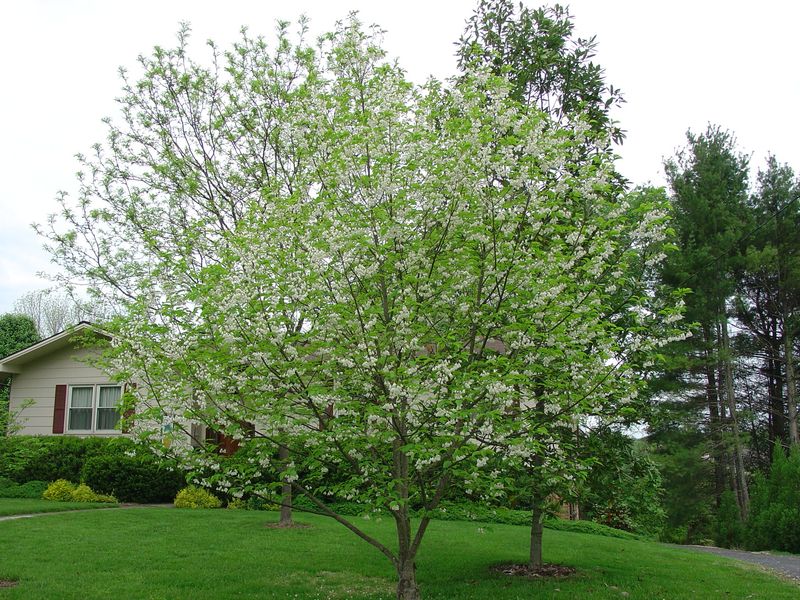
Carolina silverbell earns a spot on your shortlist when four things line up: you live in the mountains or the western or upper Piedmont, your soil stays moist, you have part shade, and you can spare a wide patch of lawn. Miss on any of those and another tree may serve you better.
A lovely spring display does not make it right for every property. If you are unsure about your area, check the state flora for your county and ask your Extension office.
The Plant Toolbox is a good place to compare your site against the tree’s needs.
Some trees are showy for a week. The right one in the right spot gives you bells for decades.