
What To Do In The First Few Seconds When A Copperhead Turns Up In Your North Carolina Garden Bed
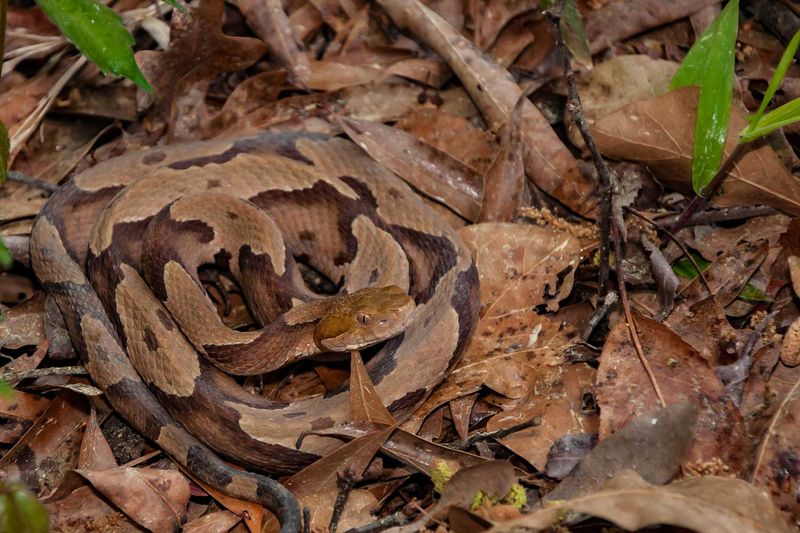
You reach into a pile of leaves to clear a bed, and something shifts that does not look like a leaf. Copperheads live all across North Carolina, and their colors blend in so well that people often notice them late.
What you do in the first few seconds can protect your family, your dog, and the snake itself. Here is a calm plan you can remember before you ever need it.
Stop work and back away before identifying the snake
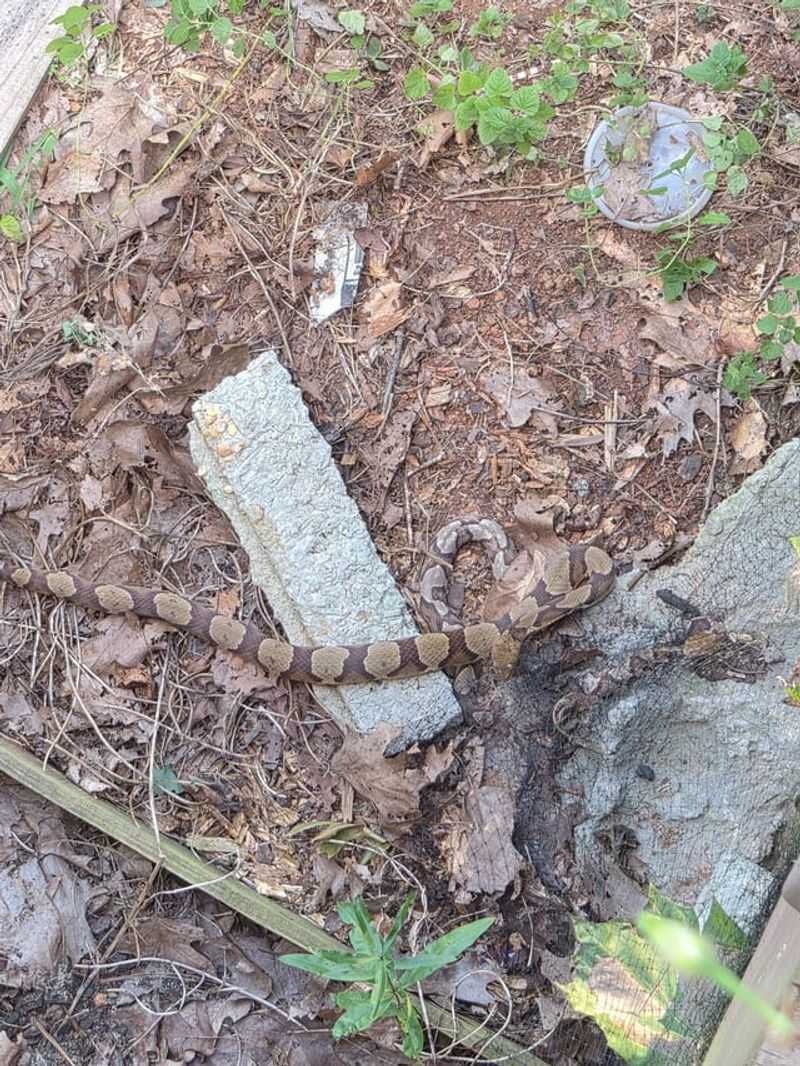
Freeze your hands and feet first. Set down the rake or trowel, stop moving forward, and take slow steps backward the way you came.
You do not need to know what kind of snake it is before you move away.
Copperheads are common and found across North Carolina, and they are the state’s most widespread venomous snake. Their coppery tan color and dark hourglass-shaped bands blend with fallen leaves, mulch, and pine straw.
That camouflage is why a snake can go unnoticed until you are very close.
Still, not every snake in your garden is a copperhead. NC State Extension cautions that harmless snakes are often mistaken for venomous ones, and that you should not handle a snake when you are unsure what it is.
Judging by pattern alone is a poor reason to step closer.
So skip the close-up photo and skip the leaning in for a better look. Getting nearer is the one move that puts you in range.
You can describe the snake later from memory, and a wildlife professional can work from your description if you need one.
Once you have moved back, think about how you work the rest of the bed. NCWRC yard-work advice includes watching where you step and where you place your hands.
That is general good practice, not a special copperhead rule. In a bed, it simply means looking over leaf litter and debris before you reach into it, and using a long-handled tool to move material when you can.
Keep children and pets away from the garden bed
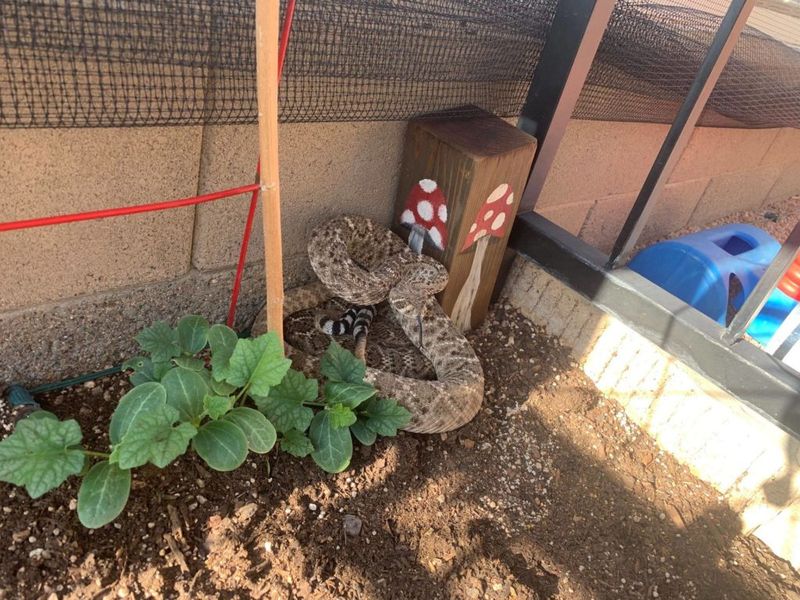
Once you have stepped back, the next job is the people and animals around you. Call children over in a calm, steady voice and walk them away from the bed.
Shouting or sudden panic can send a curious kid running the wrong way.
Teach kids one simple rule: they never touch a snake, no matter how still it looks. The NCWRC snake guidance says to keep children from touching snakes.
A short chat on the porch after the moment passes helps that rule stick.
Dogs need quick attention too, because their noses lead them straight to rustling leaves. Clip on a leash or carry a small dog, and bring them inside or to another part of the yard.
CDC guidance also advises keeping pets away from snakes.
Plan your route so nobody walks past the snake. Take the long way around the bed, even if it means crossing the lawn or going through a side gate.
Do not try to herd, corner, or poke the snake to clear a path for anyone.
If you can, close the back door or gate so the kids and pets stay put while you watch from a distance. Having one adult keep an eye on the area from afar makes it easy to tell later whether the snake has moved on.
Give the snake time and room to leave
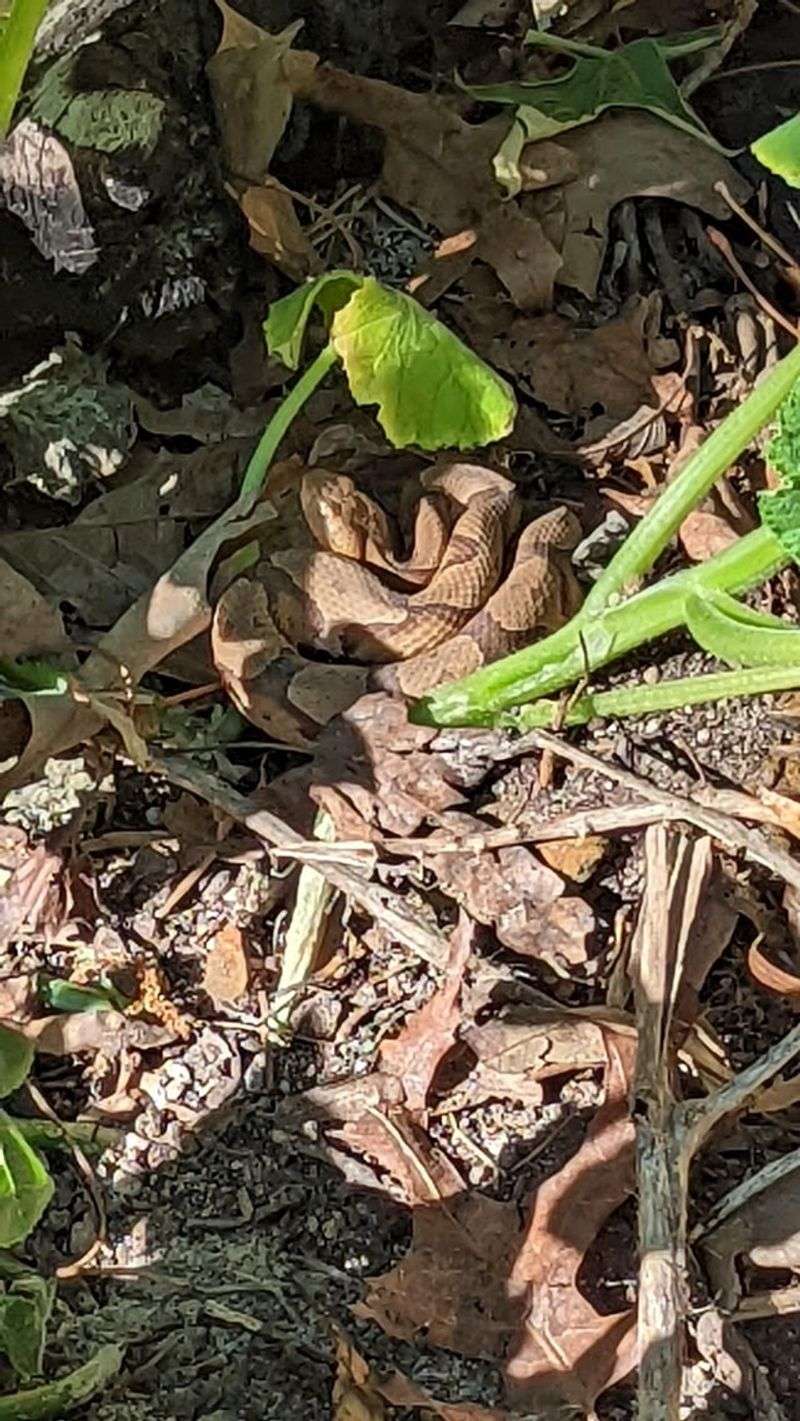
Most of the time, the safest move is the quietest one: leave the snake alone. A snake in your garden is usually not hunting you.
It is resting, hunting rodents, or passing through, and many will move along if given time and space.
That time may be minutes or longer, and nothing guarantees a snake will flee right away. Go inside, finish another chore, and check back from a distance later.
Patience costs you very little.
Resist every urge to take action with a shovel, hoe, bucket, or bare hands. According to the NCWRC copperhead page, many copperhead bites happen when people try to catch, kill, or handle the snake.
Chasing it or pinning it down turns a calm standoff into a bite risk.
Leaving it be also helps your yard. Snakes eat mice and rats that chew through bulbs and stored seed, and a living snake keeps doing that work.
Copperheads also mate in spring and fall, so you may notice them around then, though that does not mean leaf cleanup causes more encounters.
If the snake is sitting somewhere it needs to move from, NCWRC describes spraying it with a garden hose from a safe distance to encourage it to move. Never walk up to the snake to do this.
If you cannot reach it with a hose from well back, skip that step and wait.
Contact a licensed wildlife professional if the route stays blocked
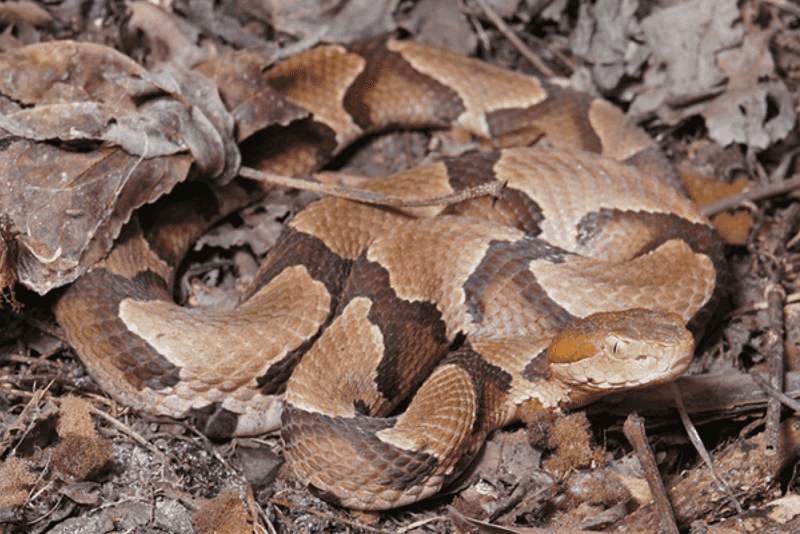
Some snakes can simply be left alone. Others cannot.
A snake inside your house, garage, or basement, or one that stays where people or pets have to walk, is a different situation.
In those cases, call a local licensed Wildlife Control Agent. NCWRC keeps a searchable list of licensed agents across the state, so you can look for someone near you.
It helps to know what the agency does not do. The NCWRC snake guidance notes that Commission staff do not come out to trap and remove snakes.
That is why the agent list matters.
When you call, describe where the snake is, how long it has been there, and who needs to get past it. Say what you saw, but do not go closer to confirm.
Every agent handles jobs their own way, so ask what they can do rather than expecting a certain result.
While you wait, keep the area closed off. Shut the door to the room, keep kids and pets elsewhere, and stay out of reach.
Watching from a safe distance is enough, and it spares you any attempt to move the snake yourself.
Get urgent medical care after a suspected human bite
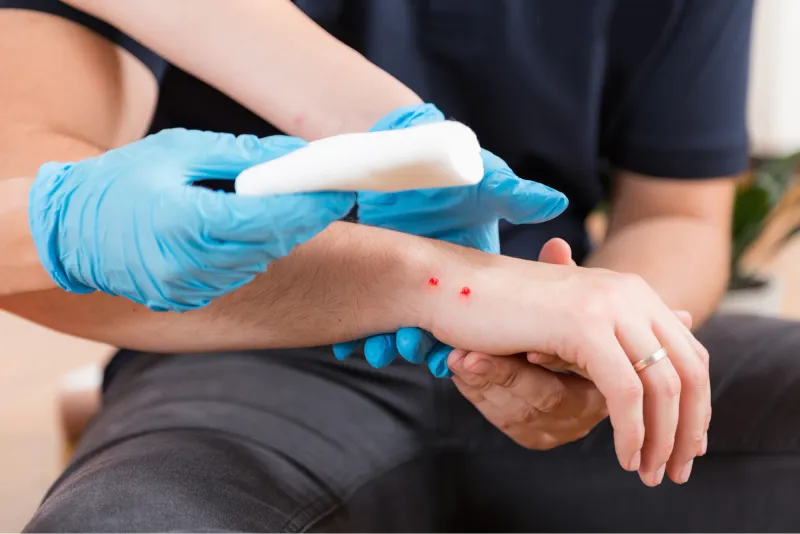
If anyone might have been bitten, move away from the snake right away and get medical help. Call 911 or get to a doctor as soon as you can.
CDC and NIOSH guidance calls for prompt care after a suspected venomous snake bite.
Copperhead bites are painful and should be taken seriously, even though they are not generally life-threatening. That is no reason to wait it out or decide on your own how bad it is.
Let medical staff make that call.
Do not spend time identifying or photographing the snake, and do not handle it. A description is enough if someone asks.
Every minute spent near the snake is a minute you could be heading for care.
The same CDC and NIOSH source lists first-aid steps to avoid. Do not use a tourniquet, cut the wound, suck out the venom, put ice on it, or try folk remedies.
These can cause more harm than the bite itself.
Stay as calm and still as you can while help is coming, and let someone else drive if you are going in. Keep the other people in your household and any pets away from the spot until things settle.
Take a dog with a suspected bite to a veterinarian immediately
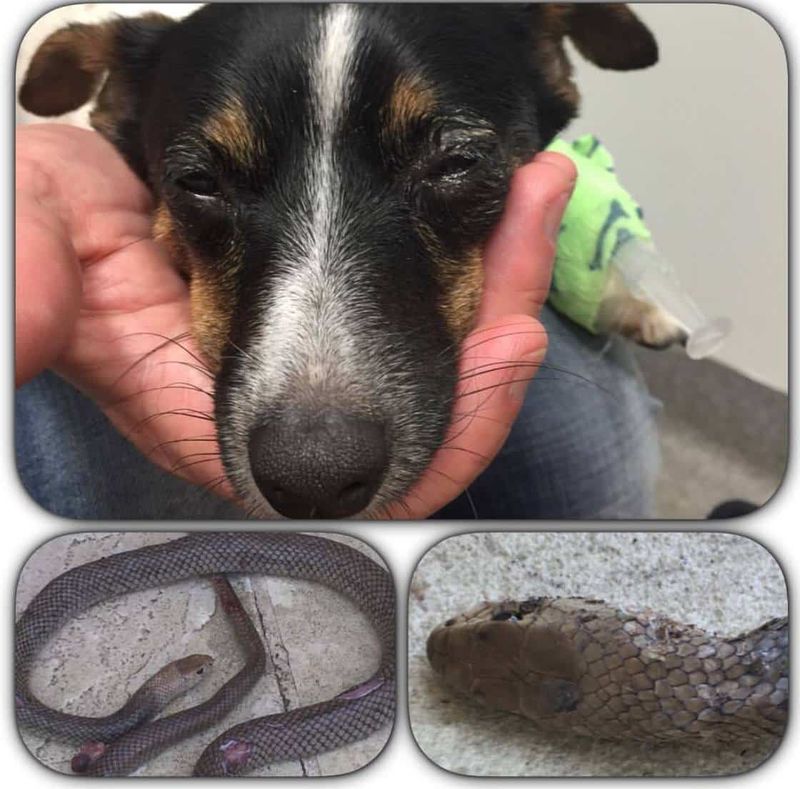
Dogs rarely stop to think, and they often get bitten on the face or legs after sniffing at a snake. If you think your dog was bitten, your first move is to pull it away from the snake.
Do not go toward the snake yourself.
Keep your dog as calm and quiet as you can. If possible, carry it rather than letting it walk or run.
Moving around less is better for a dog in this situation.
Then contact a veterinarian or go to one immediately. The American Red Cross pet first aid guidance gives these same steps.
Call ahead from the car so the clinic can get ready for you.
Do not wait to see whether symptoms show up. A dog may look fine at first, and a vet can only help once your dog gets there.
The same Red Cross guidance also warns against approaching or killing the snake to identify it, since that puts you at risk too.
The best protection is usually a plan made in advance. Know where your closest emergency vet is, and keep the number in your phone before you ever need it.
A calm yard, a quick exit, and a snake left in peace make for a good outcome all around.