
Cleaning Up Your Beds This Fall? Leave These 11 Plants Standing For A Stronger Garden Next Spring
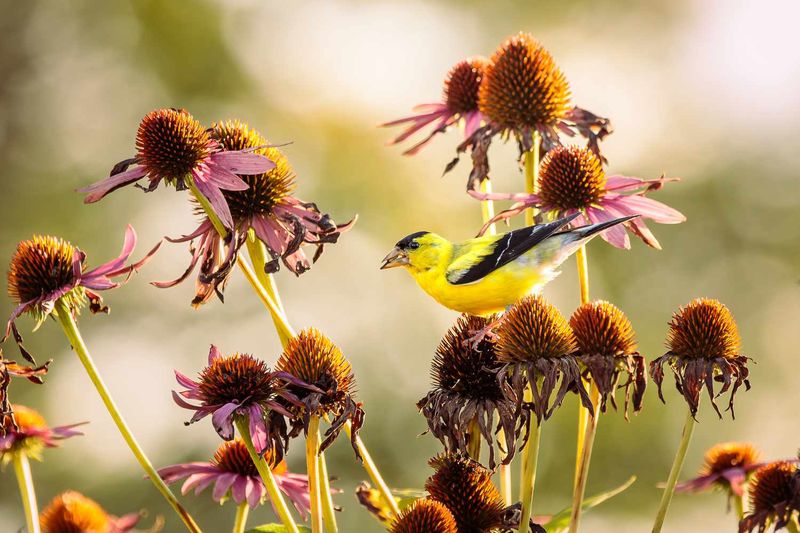
Cutting everything down in fall feels like the right thing to do, but it can actually leave some plants weaker by spring. Many perennials use their old stems and seed heads as a winter coat for their roots and crowns.
Those same stems also feed birds and shelter helpful insects when the weather turns cold. Before you grab the pruners, check this list so you know which plants are better off left alone until spring.
1. Sedum (Stonecrop)
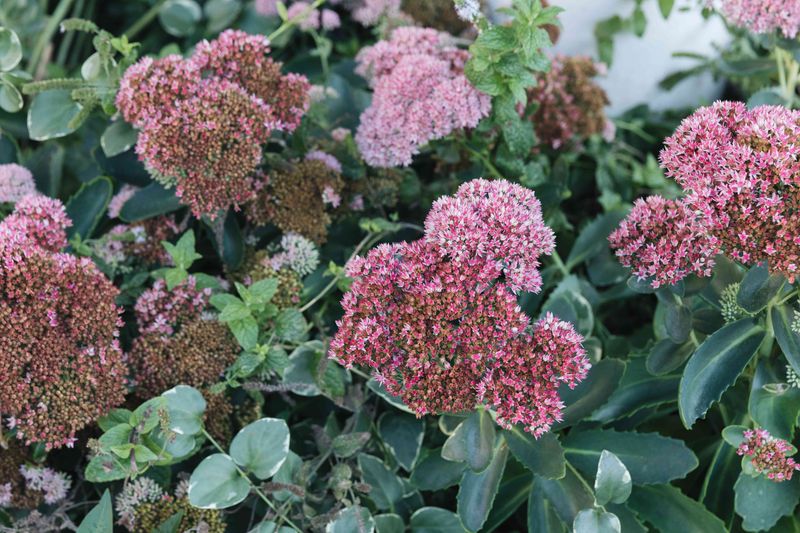
Picture a sedum in December, its flat flower heads turned deep brown and holding little caps of snow. It looks tidy even when it is dormant, which makes it one of the easiest plants to skip on cleanup day.
Those old stems do real work. They shield the crown at soil level from harsh freeze and thaw swings, which can damage the plant when it sits bare.
Small insects may also tuck into the dried heads for shelter.
Wait until you spot fresh green rosettes at the base in early spring. Then snip the old stems just above that new growth, and you are done.
2. Asters
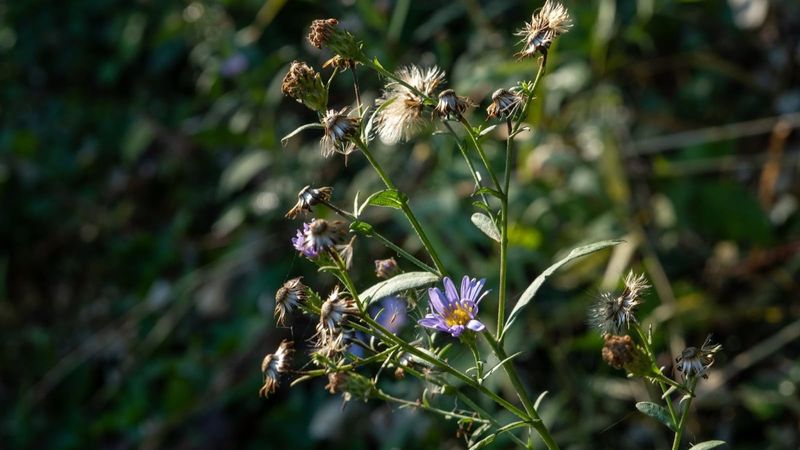
Asters put on the last big flower show of the season, so it can feel natural to chop them once the purple fades. Hold that thought for a few months.
Standing aster stems act like a little fence that catches blowing snow. Snow is a surprisingly good blanket, and it can help keep the crown from freezing too hard.
The fluffy seeds may also draw in hungry birds.
One tip: if your asters reseed too freely, you can clip just the seed heads and leave the stems. You still get crown protection without a crowd of volunteer seedlings next year.
3. Ornamental Grasses
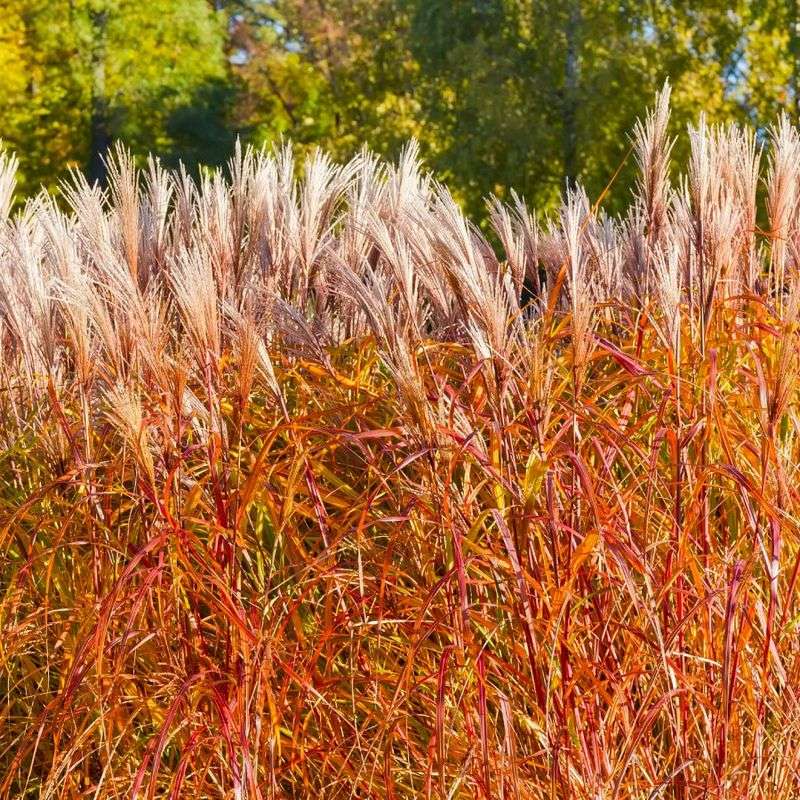
Few things move as nicely in a winter breeze as a clump of ornamental grass. On a frosty morning, every plume sparkles, and you will be glad you let it stay.
Beyond the looks, grasses give beneficial insects a dry spot to wait out the cold. The dense clump also protects the plant’s own center from soggy winter rot.
In late winter or very early spring, before new shoots appear, tie the clump with twine and cut it down to a few inches. The bundle makes cleanup quick and keeps blades from scattering everywhere.
4. Hydrangeas
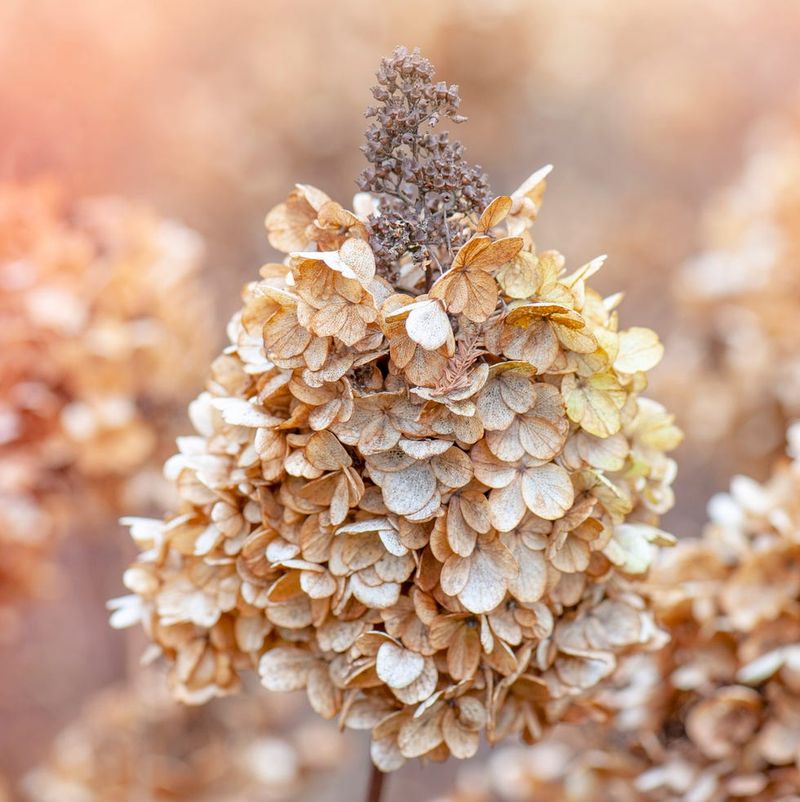
Here is the big one, because a fall pruning mistake is the number one reason hydrangeas skip blooming. If your bigleaf or oakleaf hydrangea gave you no flowers last summer, early cutting may be the cause.
Bigleaf and oakleaf types form next year’s buds on the old stems in late summer and fall. Cut them now, and you cut off the flowers before they ever open.
Leave those stems alone until you see green buds swell in spring.
Smooth types like Annabelle and panicle types like Limelight bloom on new wood, so they are more forgiving. Still, their dried flower heads look lovely all winter and give small critters shelter, so trimming them in late winter works just fine.
5. Coneflowers (Echinacea)
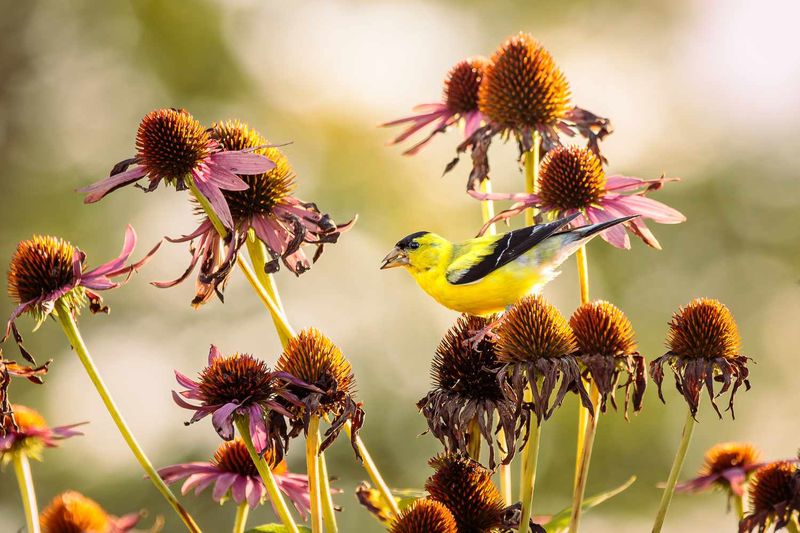
Ever seen a goldfinch balancing on a coneflower in January? That small moment is the best reason to leave these spiky seed heads up.
Coneflower seeds are a favorite winter meal for birds that stay put all year. The stems also offer cover for some pollinators.
There is a bonus, too. Seeds that drop and sit through the cold often sprout more readily in spring, so you may find free baby coneflowers nearby.
6. Black-Eyed Susans (Rudbeckia)
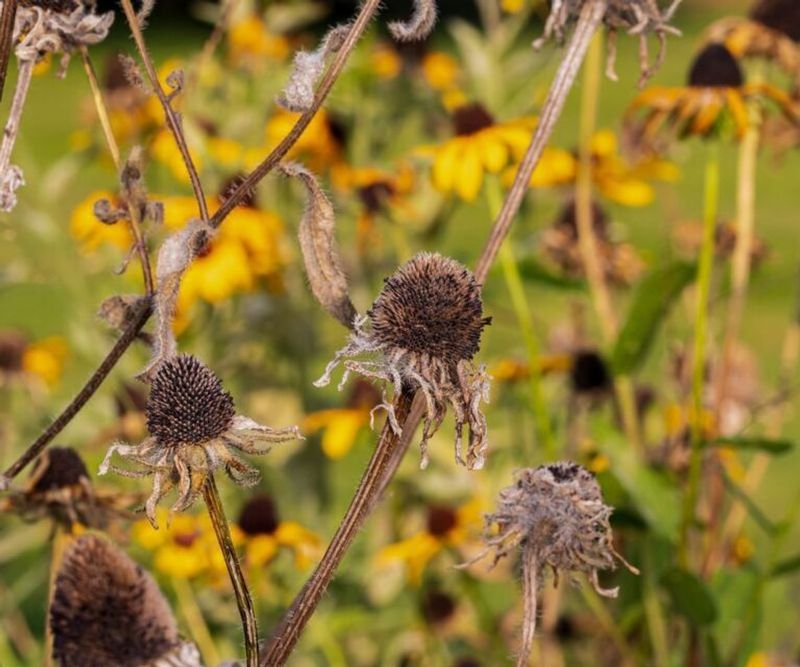
Once the golden petals drop, black-eyed Susans leave behind dark little buttons that look a bit like chocolate drops on sticks. Birds love picking at them.
The hollow stems matter just as much. Some small native bees may use them as winter shelter, then head out when warm weather returns.
Come spring, cut stems to different heights, around 8 to 15 inches, instead of hauling them all away. New growth will hide them fast, and any bees inside get a chance to finish their winter rest.
7. Milkweed
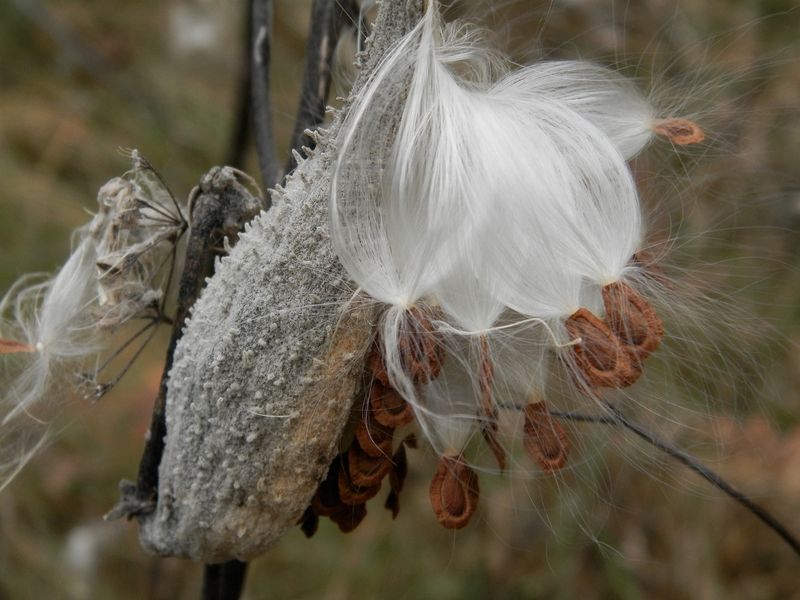
Milkweed pods split open in fall and spill silky seeds that drift off on the wind. It is one of the prettiest sights of the season, and it only happens if the stems stay up.
Standing milkweed can offer shelter and nesting fiber for wildlife. Late-season monarch caterpillars and chrysalises may also be attached to the plants, so an early cut could remove them.
If you would rather not have seedlings all over the yard, slip a small mesh bag over a few pods. You keep the stems standing and still control where the seeds end up.
8. Russian Sage
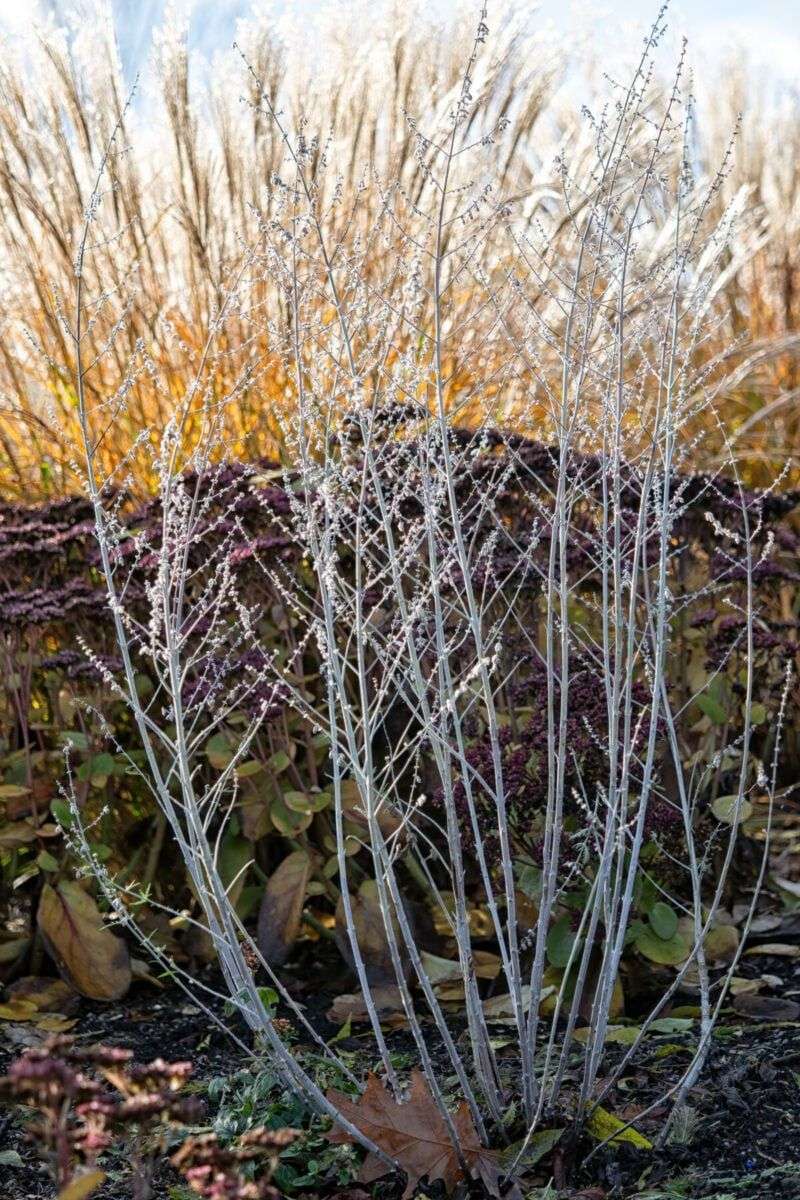
Russian sage acts more like a small shrub than a soft perennial. Its silvery stems turn woody by fall, and cutting them back too early is a common reason it struggles the next year.
That top growth helps shield the crown from frost damage. Fresh cuts in fall can also invite new tender growth right before a freeze, which is the last thing you want.
Wait until new leaves start to show along the lower stems in spring. Then trim back to just above them, usually about 6 to 12 inches tall.
9. Lavender
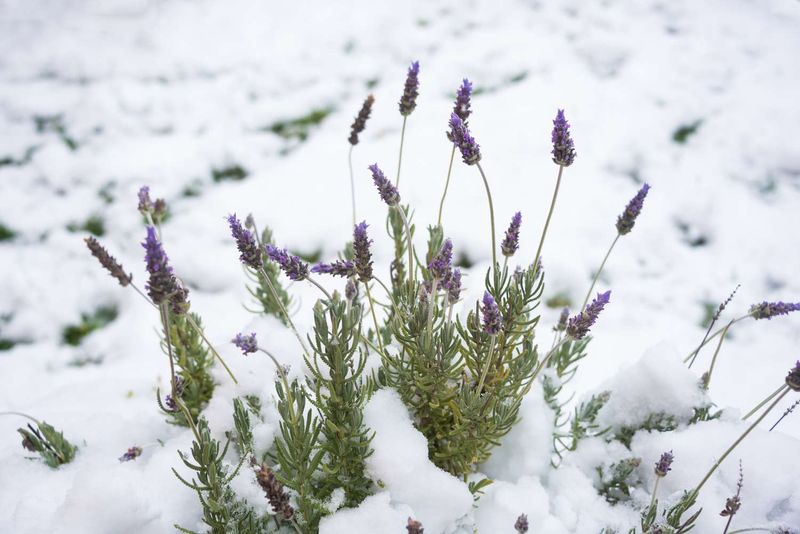
A hard fall haircut is one of the quickest ways to lose a lavender plant over winter. Many gardeners only find out in spring, when the plant stays gray and never greens up.
The old stems help insulate the woody crown from freezing weather. Lavender also hates cold, wet soil, so leaving its foliage in place may help it shed moisture a bit better.
In spring, after new growth appears, trim lightly and never cut into bare wood with no leaves. Old lavender wood rarely sprouts again.
10. Heuchera (Coral Bells)
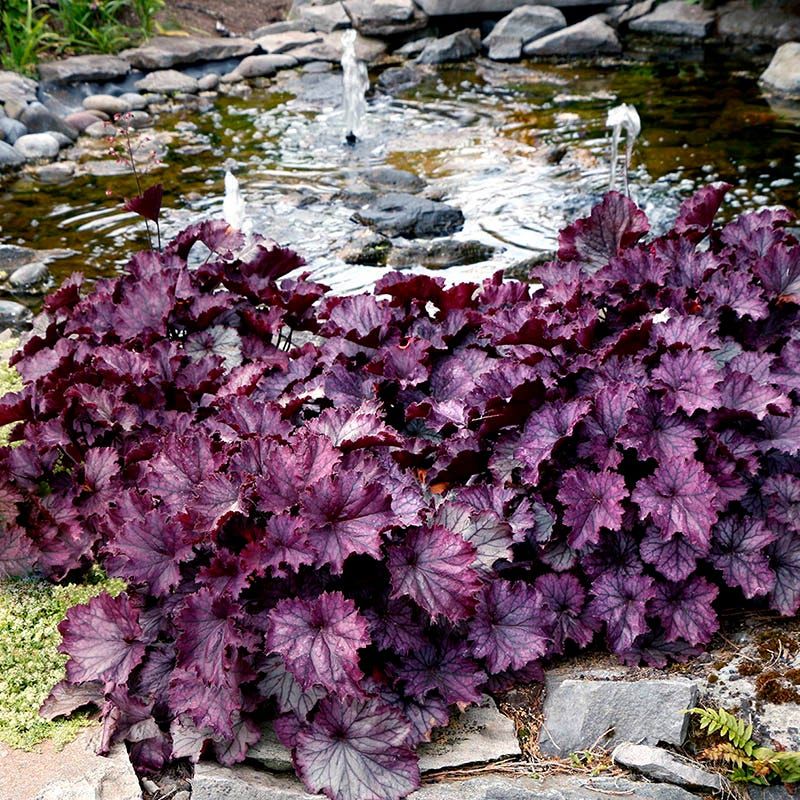
Coral bells are the overachievers of the shade bed. Many keep their colorful leaves right through winter, adding splashes of burgundy, lime, or caramel when everything else looks brown.
Those leaves also cover the crown and help keep it from heaving out of the ground during freeze and thaw cycles. If you do spot a crown pushing up in spring, press it gently back down and add a little soil.
Simply pull off any ragged or mushy leaves in early spring. Fresh new foliage will fill in quickly.
11. Hardy Geraniums
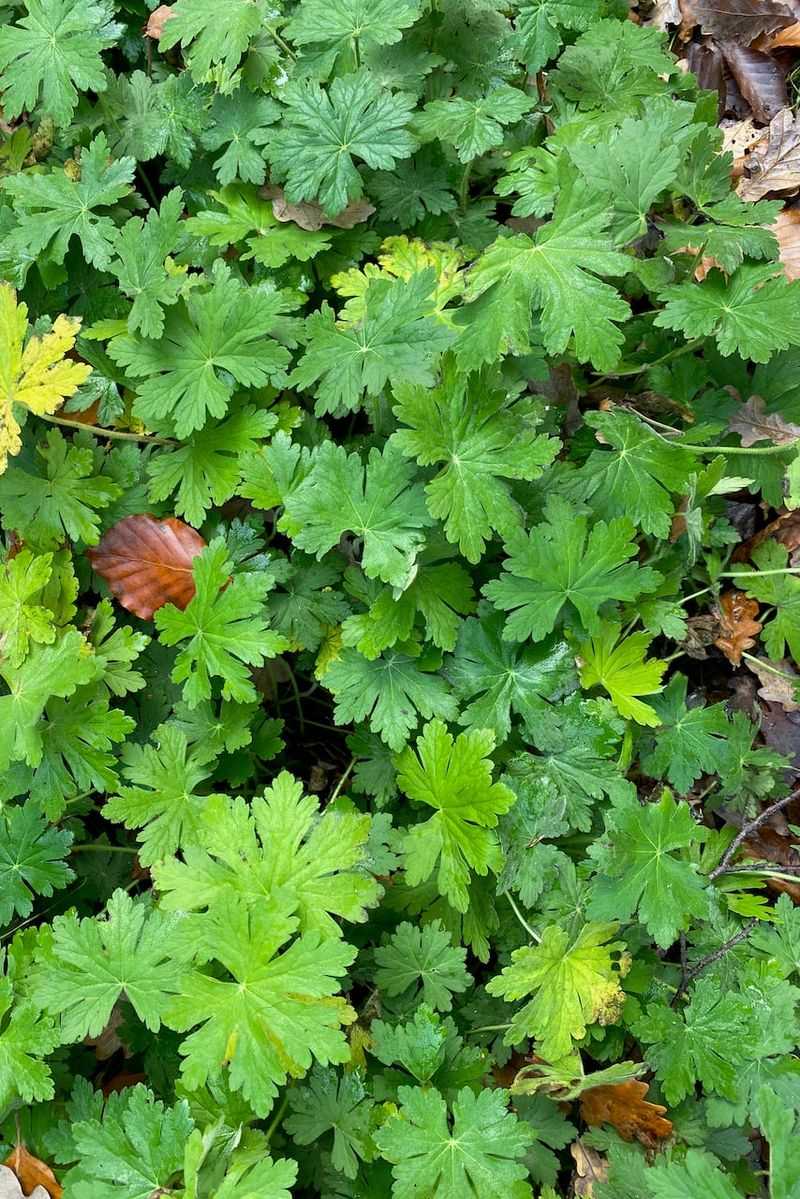
Not every geranium lives in a pot. Hardy geraniums, also called cranesbills, come back year after year, and many put on a nice red and bronze leaf show in fall.
Some types turn brown and look a little messy, but they do not need a fall trim. Evergreen varieties are best left completely alone until spring, when you can tidy up any tired leaves.
Leaving the foliage in place gives the crown extra cover from cold. A quick cleanup once new growth shows is all it takes to get them ready for another season.