
Leave These North Carolina Native Seed Heads Standing And Your Yard Fills With Winter Birds
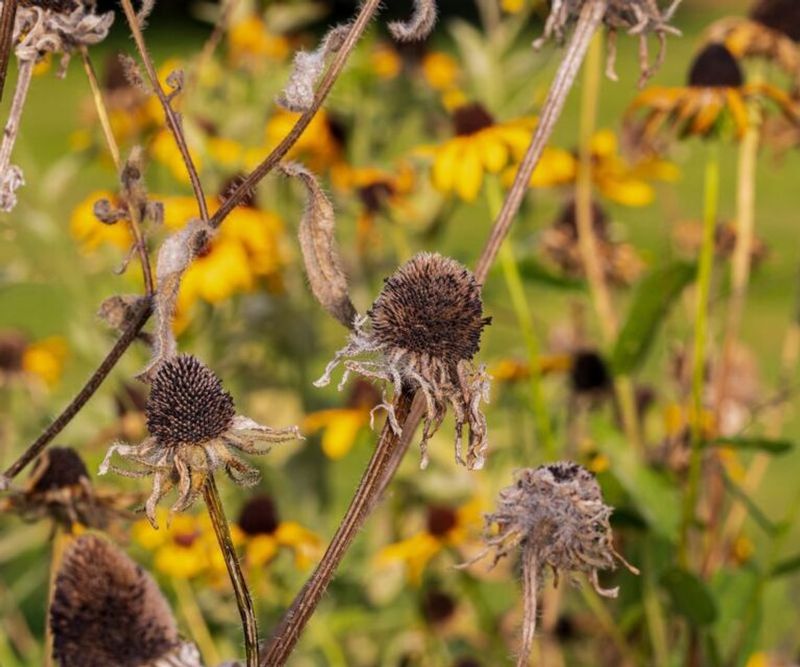
That messy patch of brown stems by your fence might be the busiest bird cafe on your street come January. When North Carolina winters get cold and food runs short, goldfinches, juncos, and sparrows go looking for seeds still clinging to dried flowers.
If you skip the fall cleanup and leave the right native plants standing, you hand them a free meal and a safe place to hide. Here are ten seed heads worth keeping, and the birds that will thank you for it.
1. Purple Coneflower
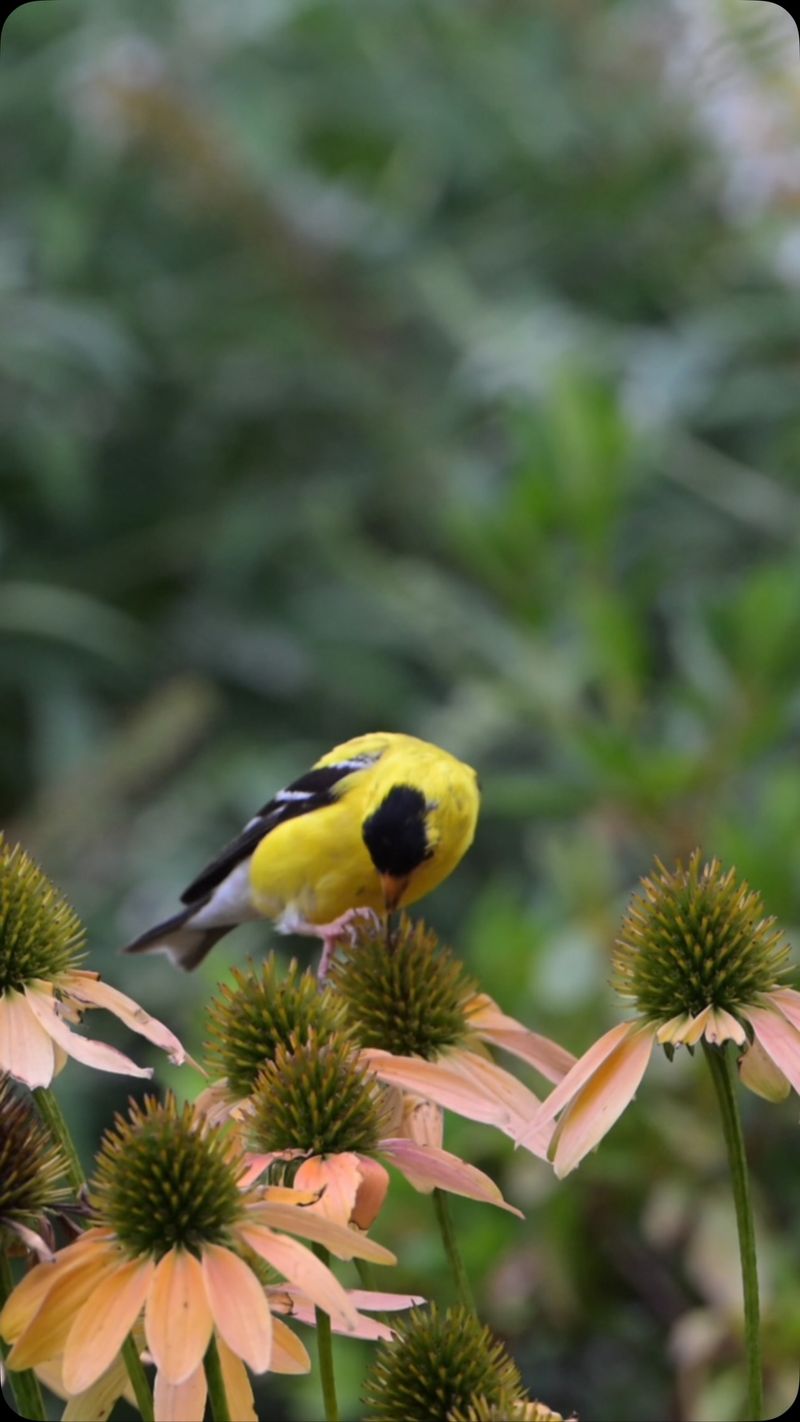
Watch a dried coneflower long enough and a goldfinch will show up and start picking it apart like a tiny jeweler. Those spiky brown cones are packed with seeds, and finches know exactly where to find them.
Purple coneflower (Echinacea purpurea) grows well across the Piedmont and much of the Coastal Plain. It handles heat, drought, and clay soil without much fuss.
After the petals drop in fall, the cone hardens and holds its seeds deep into winter.
Leave the stalks standing at full height. Goldfinches like to perch right on top while they feed, and cutting the plants short takes away that landing pad.
Come March, trim old stems back to about a foot tall so native bees can use the hollow pieces for nesting.
2. Black-eyed Susan
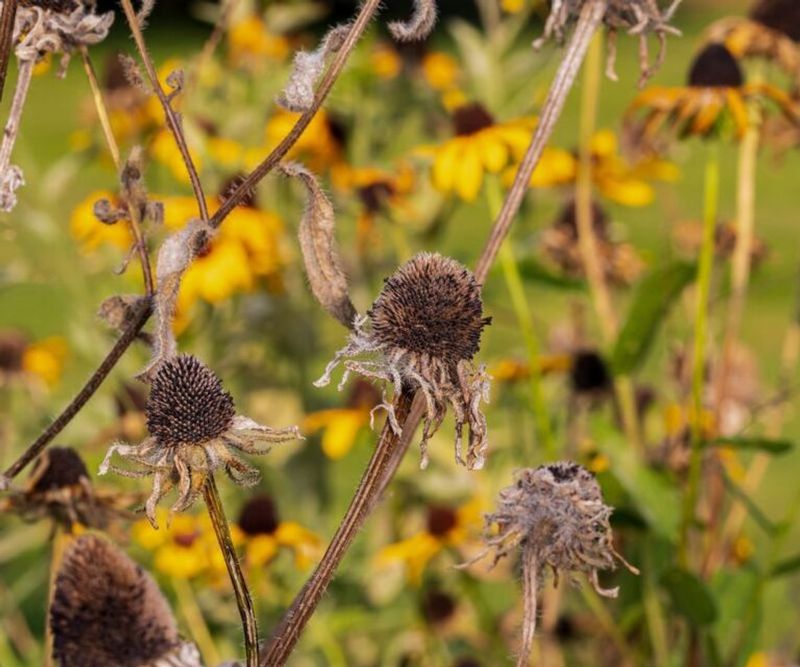
Sparrows are humble birds with big appetites. A white-throated sparrow can spend a whole gray morning working through a single clump of black-eyed Susans, flicking dropped seeds out of the leaf litter.
Rudbeckia hirta and Rudbeckia fulgida both grow naturally in North Carolina. Once the golden petals fade, the dark button centers stay put and turn into seed stores.
Some seeds fall to the ground, which is perfect for ground feeders like sparrows and juncos.
Here is a bonus for lazy gardeners. Whatever the birds miss often sprouts next spring, filling in bare spots for free.
Just plant them in a sunny bed where a little self-seeding will not bother you.
3. Native Sunflowers
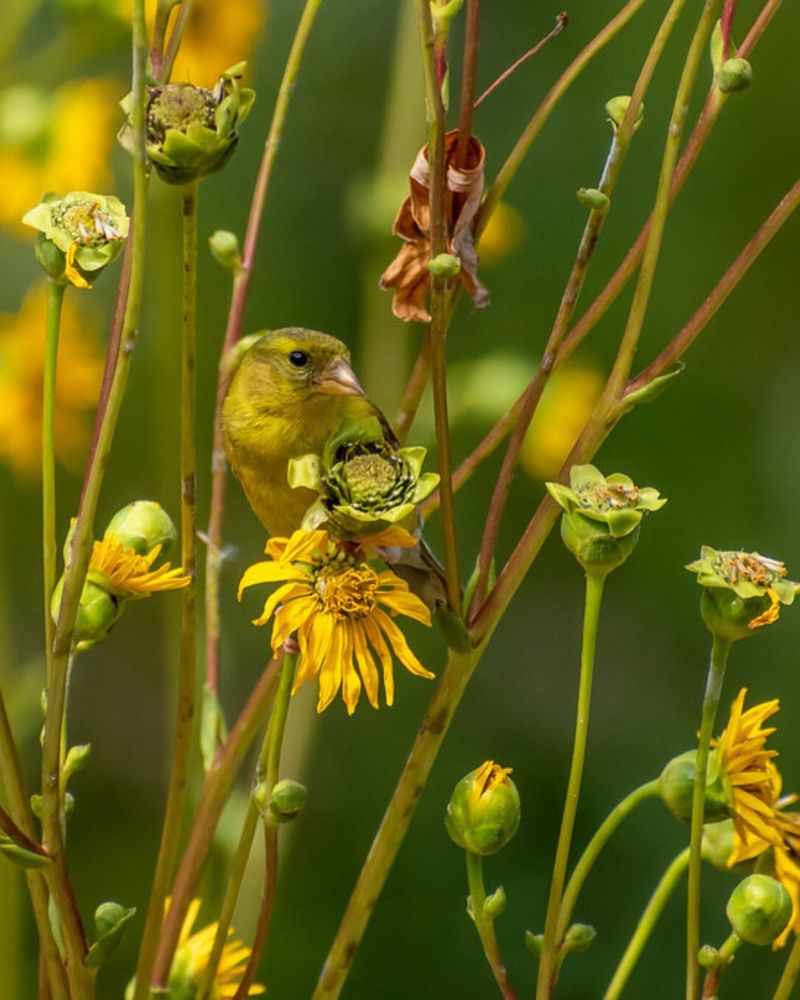
Did you know North Carolina has at least 29 native sunflower species? That is a huge menu, and songbirds treat it like a buffet.
Swamp sunflower (Helianthus angustifolius) blooms late in fall and loves wet spots, making it great for soggy Coastal Plain yards. Woodland sunflower and thin-leaf sunflower fit drier sites in the Piedmont and mountains.
All of them produce small, oily seeds that pack serious winter energy.
Chickadees, titmice, nuthatches, and cardinals all go after these seeds. Chickadees will often grab one, fly to a branch, and hammer it open with their beak.
It is one of the best free shows in a winter yard.
Skip the giant annual sunflowers from seed catalogs and choose a native perennial instead. You get blooms year after year and a seed source that matches your local birds.
4. Goldenrod
Poor goldenrod gets blamed for fall allergies it never caused. Ragweed is the real sneezing culprit, since goldenrod pollen is heavy and carried by insects, not wind.
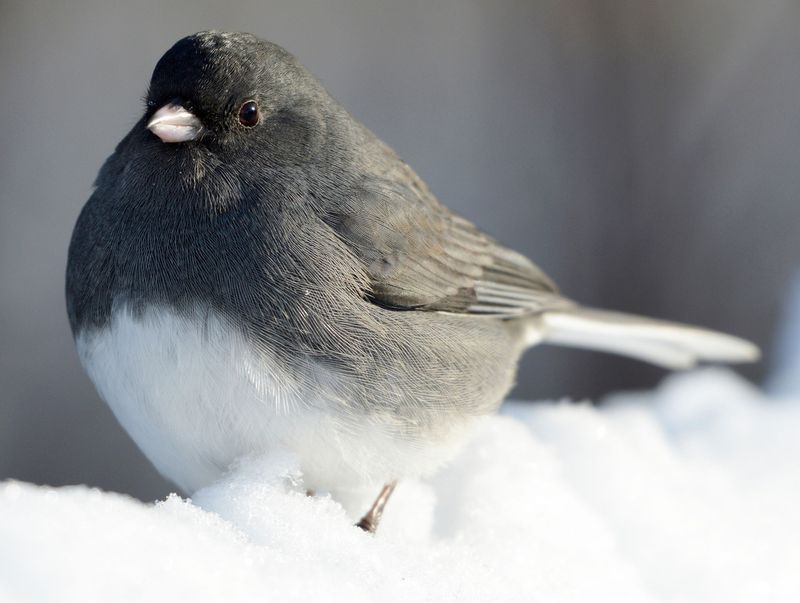
So go ahead and let Solidago stay. After its bright yellow show, the plumes turn soft and fluffy, holding tiny seeds that juncos and sparrows pick up from the ground all winter.
Dark-eyed juncos, those little gray birds North Carolinians often call snowbirds, especially like to hop beneath the stems.
The stems help insects too. Some native bees nest in the old stalks, and goldenrod galls shelter larvae that chickadees and woodpeckers peck out as winter snacks.
Choose clumping types like showy goldenrod or wreath goldenrod if you want a tidier bed.
5. Asters
Asters are the last party of the growing season. They bloom when almost everything else is done, feeding late butterflies and bees before turning into seed.
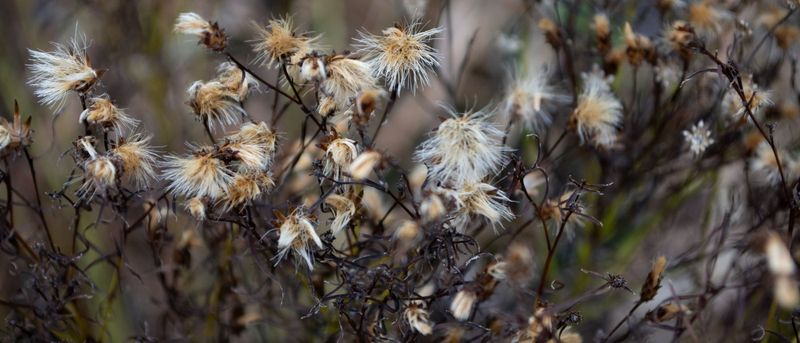
North Carolina has many native kinds, including aromatic aster, New England aster, and white wood aster. Their seed heads look like tiny puffs of cotton.
Goldfinches and sparrows pull those seeds loose through late fall and into winter.
White wood aster is a smart pick for shady yards under oaks and maples. Aromatic aster fits sunny, dry slopes where little else wants to grow.
Mix a couple of types and you will stretch the food supply over more weeks.
6. Little Bluestem
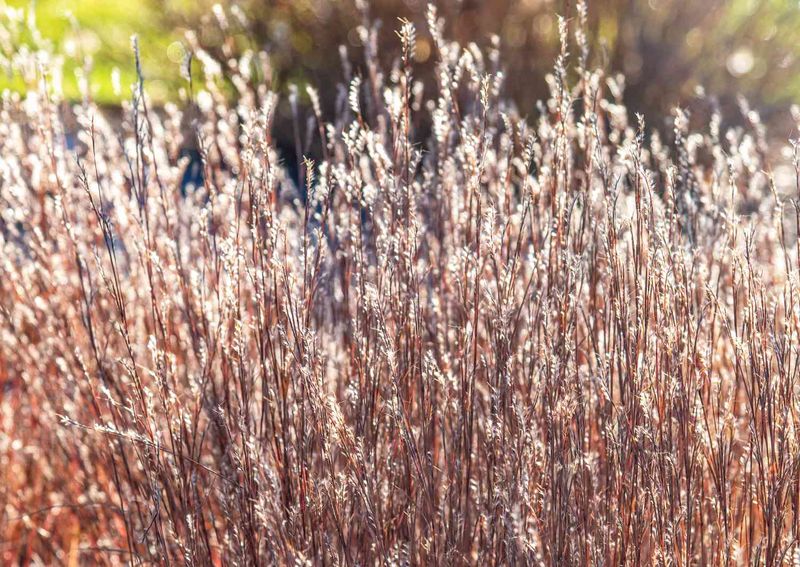
On a cold, sunny afternoon, little bluestem practically glows. The clumps turn coppery orange in fall and stay that way all winter, dotted with silvery seed tufts that catch the light.
Schizachyrium scoparium is a native bunchgrass found from the mountains to the coast. Its seeds are rich in carbohydrates, and sparrows and juncos eat them steadily through the cold months.
The dense clumps also give small birds a place to duck when a hawk flies over.
It grows best in full sun with poor, well-drained soil. Rich soil and extra fertilizer make it flop over, so treat it rough.
Cut it back to a few inches in late winter, right before new green shoots appear.
7. Blazing Star
Picture a purple bottle brush pointing at the sky. That is blazing star in summer, and monarchs and swallowtails can not resist it.
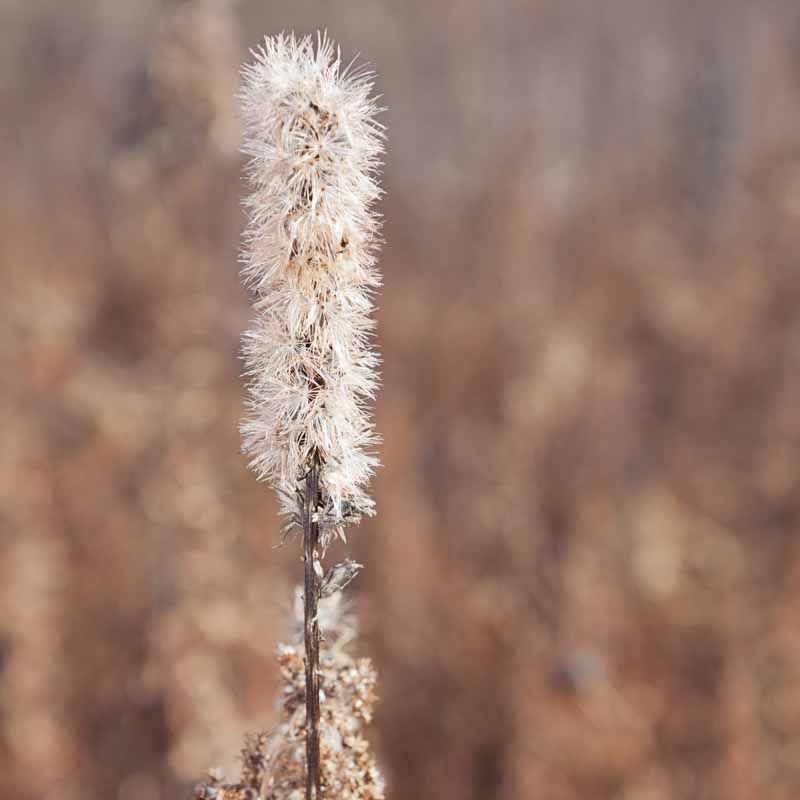
By winter, those spikes turn tan and fuzzy, packed with feathery seeds. Goldfinches and other small seed eaters pick at them, working their way down the stalk.
Native species such as dense blazing star (Liatris spicata) and the rarer Carolina-loving types do well in sunny NC beds.
The tall, straight stems also add strong lines to a winter garden. When frost coats them, they look like silver candles.
Plant them in groups of five or more for a bold look and a bigger seed supply.
8. Tickseed
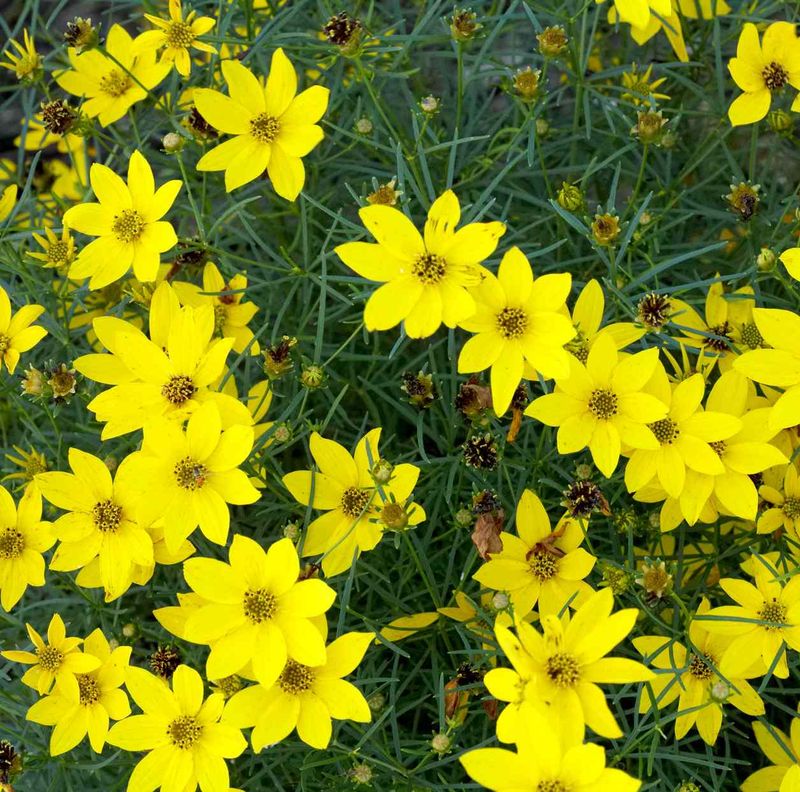
Despite the alarming name, tickseed has nothing to do with ticks. The name comes from its flat, dark seeds, which someone long ago thought looked like little bugs.
Coreopsis is a cheerful native that brightens summer borders with yellow blooms. Lanceleaf coreopsis and threadleaf coreopsis both grow well in North Carolina sun.
Their small seeds feed goldfinches and sparrows once flowering ends.
Tickseed tends to stay low, so it works nicely at the front of a bed where taller plants would block the view. Leave the spent heads in place instead of deadheading in late fall.
You will trade a few weeks of tidiness for a steady trickle of winter visitors.
9. Beautyberry
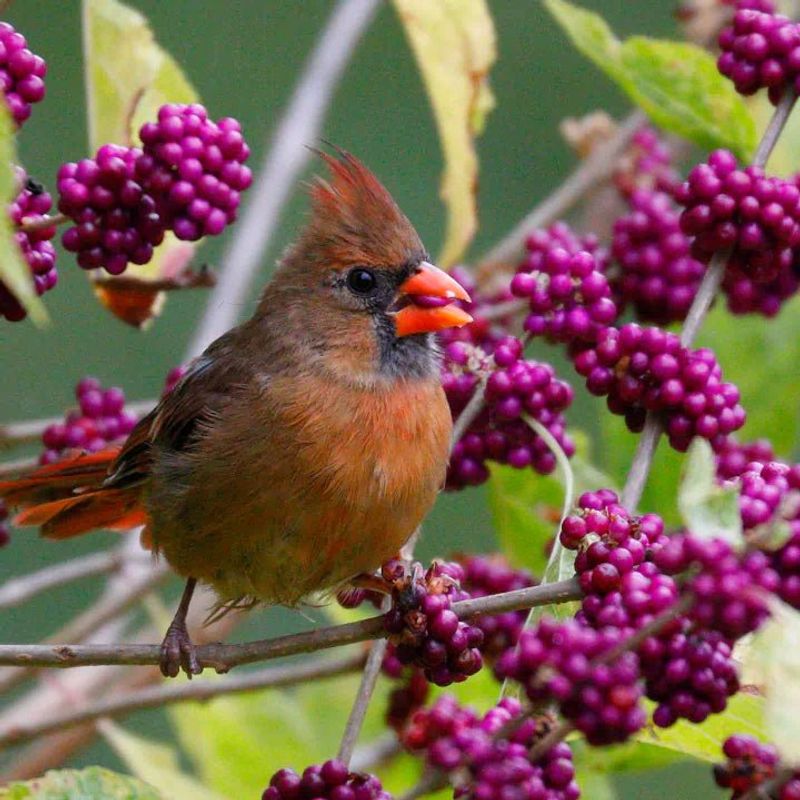
Okay, technically this one holds berries, not dry seed heads. But skipping the pruners on American beautyberry gives you the same reward, and cardinals would be upset if it got left off the list.
Callicarpa americana grows wild across the Piedmont and Coastal Plain. Its shocking purple berries cling tightly to the stems in fall, and birds like cardinals, mockingbirds, and brown thrashers work through them as the season cools.
Each berry holds small seeds that birds help spread.
It also makes a great swap for invasive shrubs. If you are pulling out Chinese privet or nandina, both of which spread into NC woods, beautyberry fills the same spot with real value for wildlife.
Prune it hard in late winter, not fall, so birds get the whole crop.
10. Joe-Pye Weed
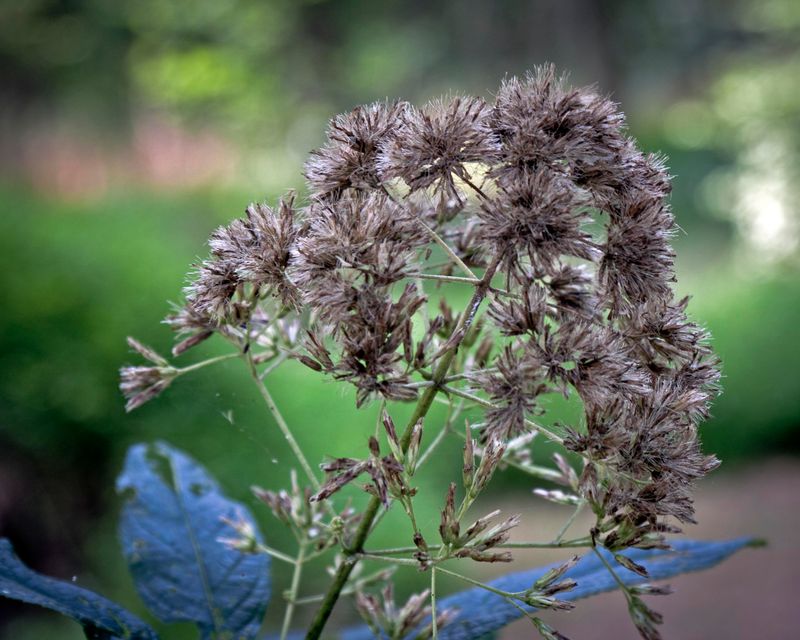
Standing seven feet tall in a damp corner, Joe-Pye weed is the giant of the native garden. In summer it pulls in swallowtails by the dozen.
Winter is its quiet second act. The big domed seed heads stay upright, and small birds pick at the fluffy seeds.
Even better, the thick hollow stems give overwintering insects a hiding place, and those insects become protein for wrens and chickadees on cold days.
Plant Eutrochium in rain gardens, low spots, or along a creek in your yard. Leave the stems all winter, then cut them to knee height in spring so stem-nesting bees can move in.
One more tip for the whole yard: pair your seed plants with a brush pile or evergreen native like wax myrtle, so birds have cover right next to the food.