
Tired Of Fussing Over Hydrangeas? These 13 Flowering Shrubs Bloom Just As Big With Half The Work
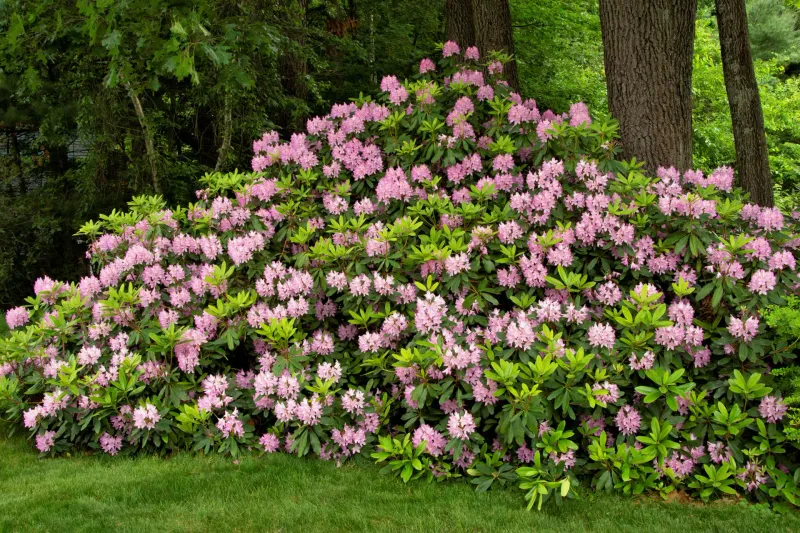
If your bigleaf hydrangea skipped blooming again or flops over every hot afternoon, you are not doing anything wrong. Those plants are simply picky about pruning, water, winter cold, and soil.
The good news is that plenty of other shrubs give you big, showy flowers without all that worry. Here are 13 tough, forgiving picks that can fill your yard with color while you finally relax.
1. Panicle Hydrangea
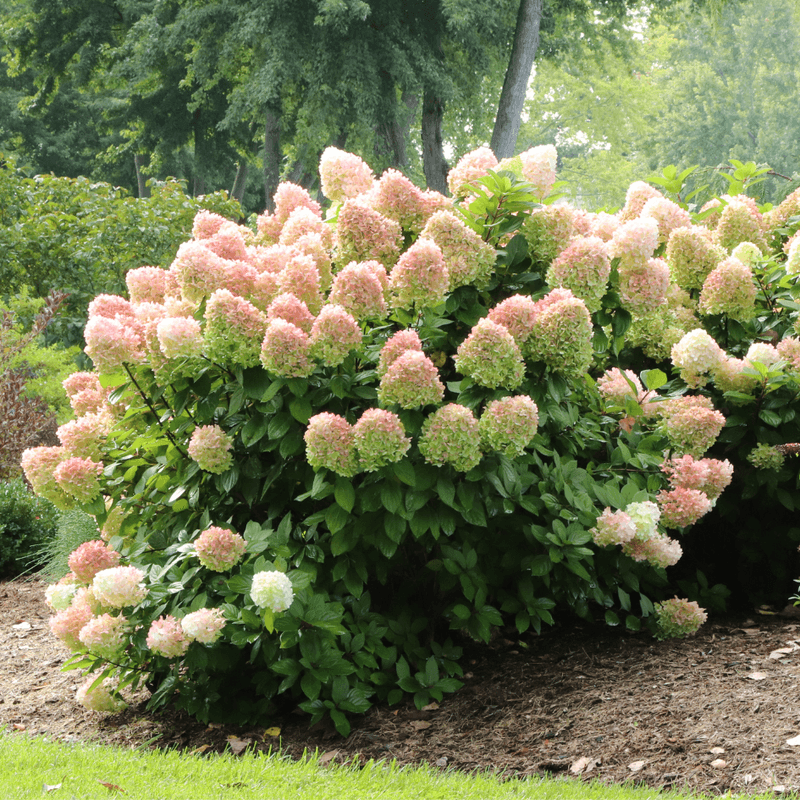
Here is the funny part: one of the best fixes for hydrangea stress is another hydrangea. Panicle types like ‘Limelight’, ‘Bobo’, and ‘PeeGee’ behave nothing like their moody bigleaf cousins.
They bloom on new wood, which means a late winter trim can’t accidentally cut off this year’s flowers. That one detail solves the most common reason people get leaves but no blooms.
The cone-shaped clusters can stretch 6 to 18 inches long.
Panicles also handle full sun, cold winters, and dry spells once their roots settle in. Many gardeners notice the white flowers slowly blush pink as fall arrives, giving you a second show for free.
If you love the hydrangea look but hate the guessing game, start here. Water deeply the first summer, then mostly let it be.
2. Viburnum
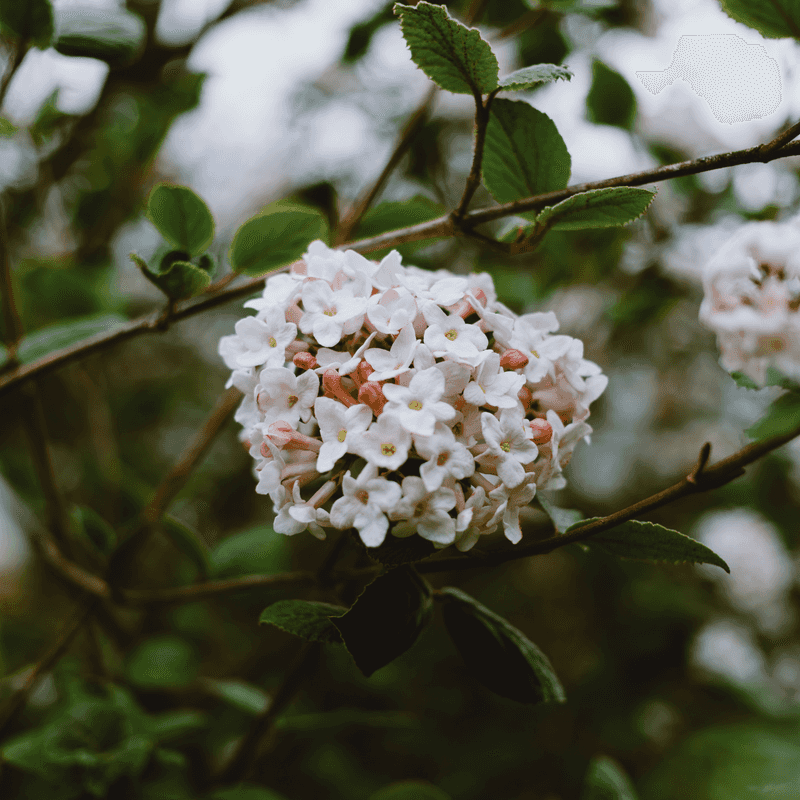
Walk past a blooming viburnum and you might do a double take. Its rounded or flat flower clusters look a lot like lacecap hydrangeas, but the shrub asks for far less attention.
Korean Spice Viburnum is a favorite for good reason. Its creamy white blooms smell sweet and spicy, and the plant is about as easygoing as shrubs get.
Want flowers more than once? ‘Steady Eddy’ Doublefile Viburnum can rebloom with clusters up to 6 inches wide. Many viburnums are also deer resistant, which can save you from waking up to nibbled stems.
Plant one in sun or part shade with decent soil. Prune lightly right after flowering if needed, and that’s about it.
3. Butterfly Bush
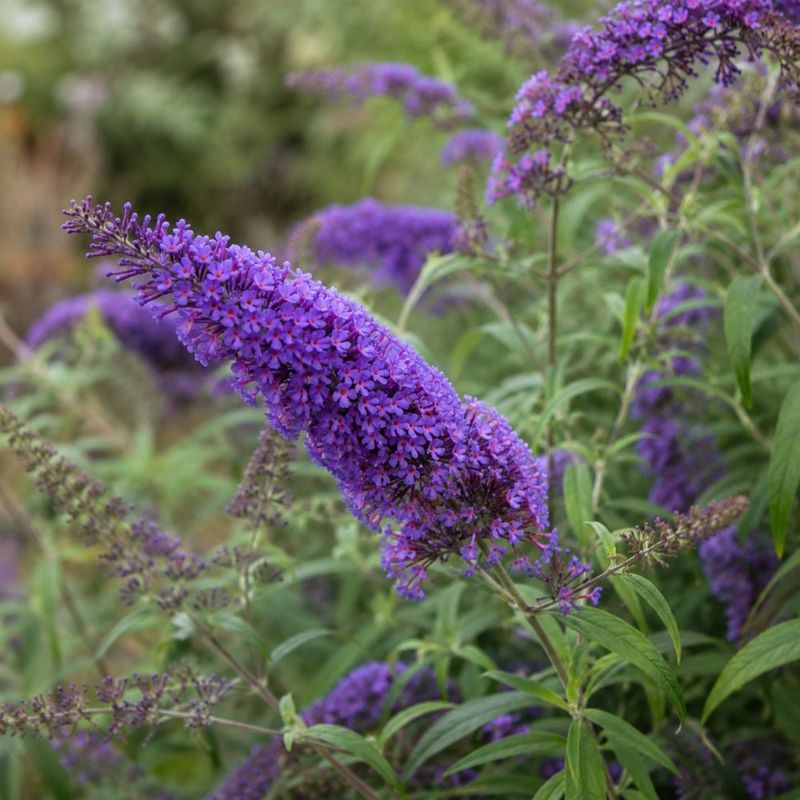
Monarchs, swallowtails, and hummingbirds will find this shrub before you finish planting it. Butterfly bush pushes out long, cone-shaped flower spikes from early summer right up until frost.
It actually likes the conditions that make hydrangeas wilt. Full sun, average or even poor soil, and dry spells once established don’t faze it one bit.
Care is refreshingly simple. Cut dead stems back in late winter, then watch new growth flower all season.
Some gardeners in warm regions prefer sterile or seedless varieties, which may help keep it from spreading where it isn’t wanted.
4. Spirea
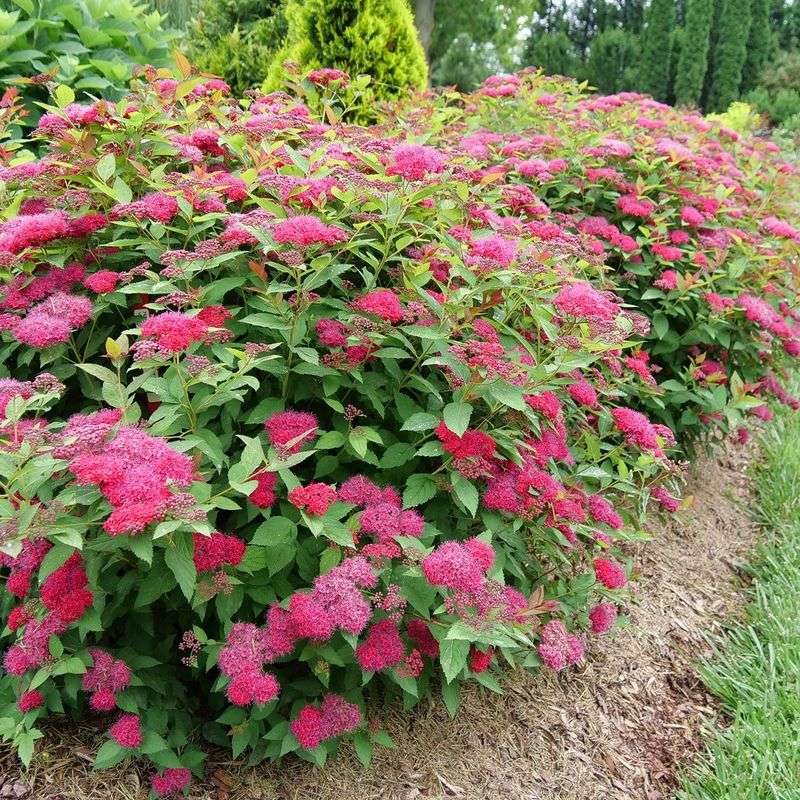
Spirea is the shrub your grandma probably grew, and there’s a reason it never went out of style. It just keeps going.
Newer types like Double Play Candy Corn and Double Play Doozie pack in colorful flower clusters up to 6 inches wide. Some also flash bright foliage in shades of gold, orange, and red, so the plant looks good even between blooms.
‘Glow Girl’ adds fragrant white flowers and can keep blooming longer if you snip off spent clusters. Most spireas shrug off drought and deer.
A quick shearing after the first flush often brings a second round. That’s the kind of five-minute chore anyone can handle.
5. Weigela
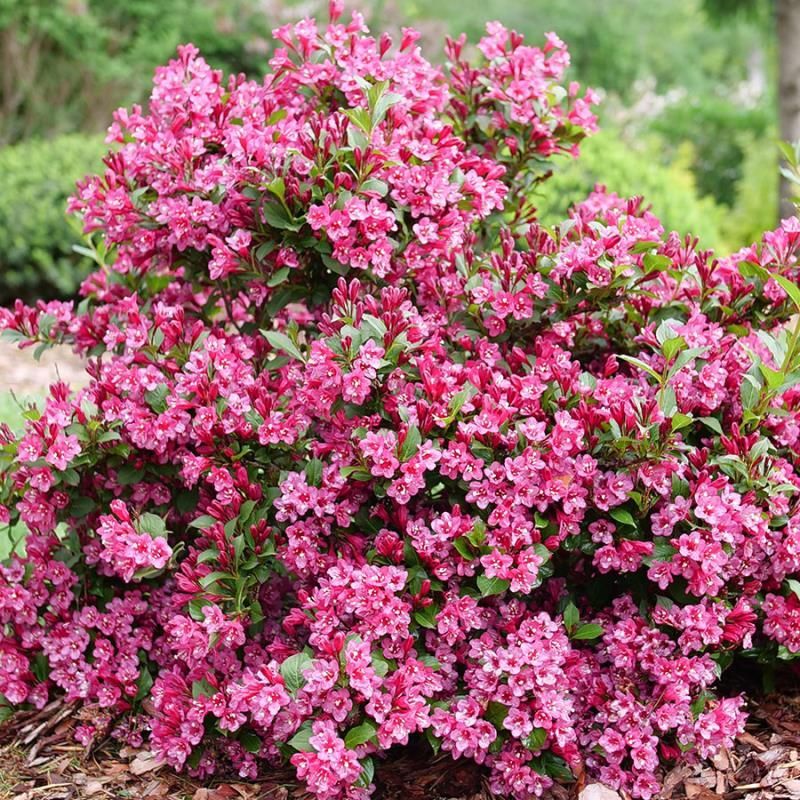
Picture arching branches absolutely loaded with pink, red, or white trumpets. That’s weigela in late spring, and hummingbirds love it as much as you will.
Each flower is small, but the whole shrub becomes one big wave of color. Reblooming types like ‘Sonic Bloom Pink’ keep producing flowers through summer.
Red Prince Weigela flowers twice a season and resists deer and rabbits. It also handles dry weather once established.
Give it sun for the most blooms and trim right after the spring flush if it gets leggy.
6. Shrub Roses
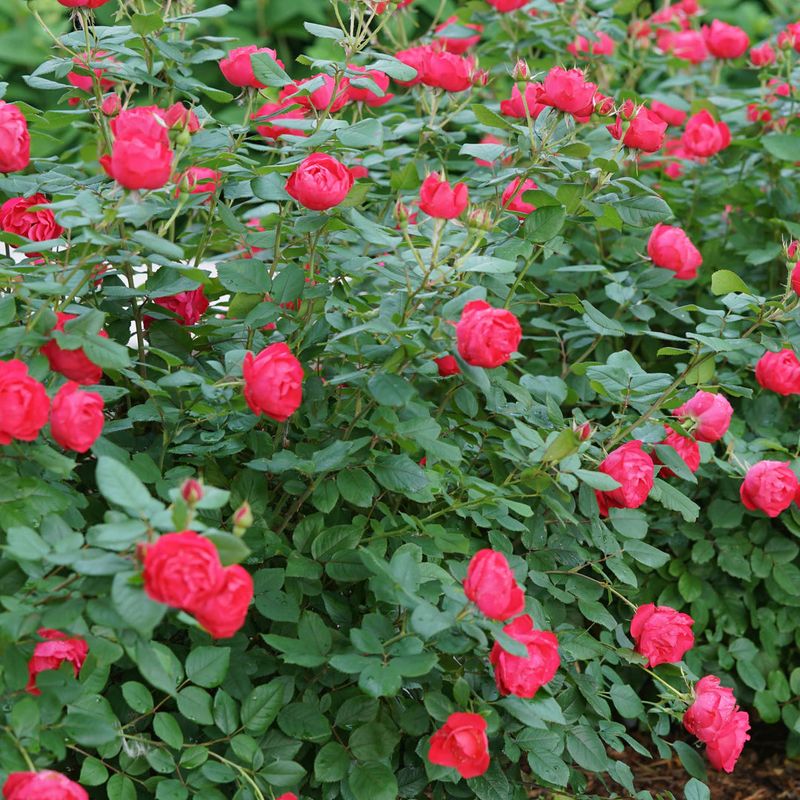
Forget everything you’ve heard about fussy roses. Modern shrub roses were bred for gardeners who don’t want to spray, fuss, or worry.
Varieties like Oso Easy Double Red resist disease and bloom for months. Many don’t even need deadheading to keep flowering.
Sure, a rose bloom looks different from a hydrangea mophead. But a shrub covered in color from late spring to fall delivers the same jaw-drop moment from across the yard.
Plant in full sun with good airflow, water at the base in the morning, and give a light trim in early spring. Black spot can still show up in humid summers, but these types usually bounce back.
7. Crapemyrtle
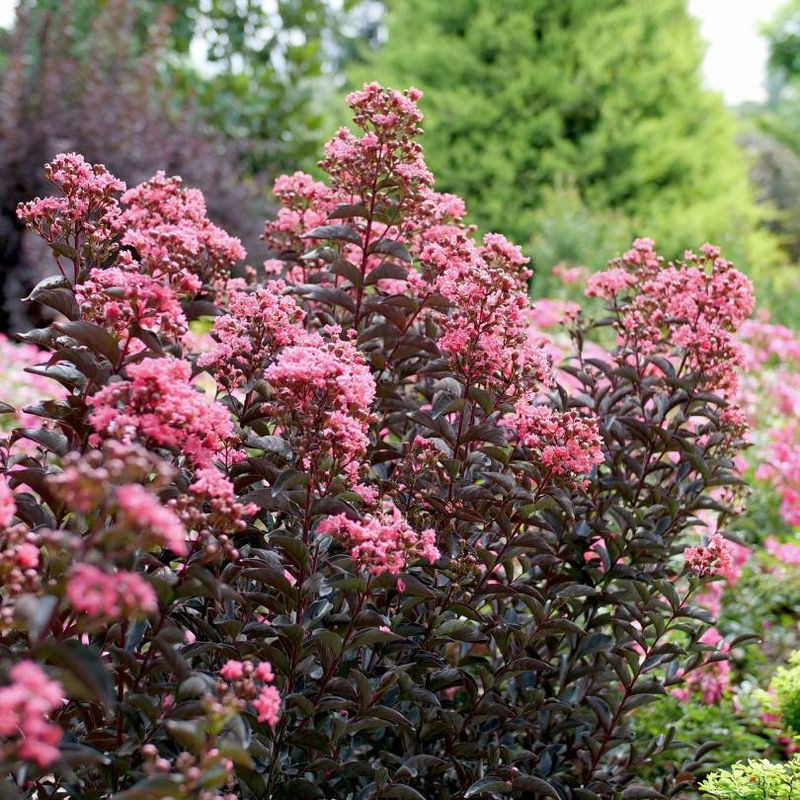
When July heat leaves your hydrangeas slumped and sad, crapemyrtle is just getting started. Southern gardeners have leaned on it for generations.
Hundreds of tiny ruffled flowers pack into big panicles that look a lot like panicle hydrangea blooms. Compact types like ‘Center Stage Coral’ carry clusters around 4 inches wide and 6 inches tall.
Heat and drought tolerance are its superpowers once established. Please skip the harsh topping some people call crape murder.
A light cleanup of crossing or dead branches in late winter is plenty.
8. Rhododendron
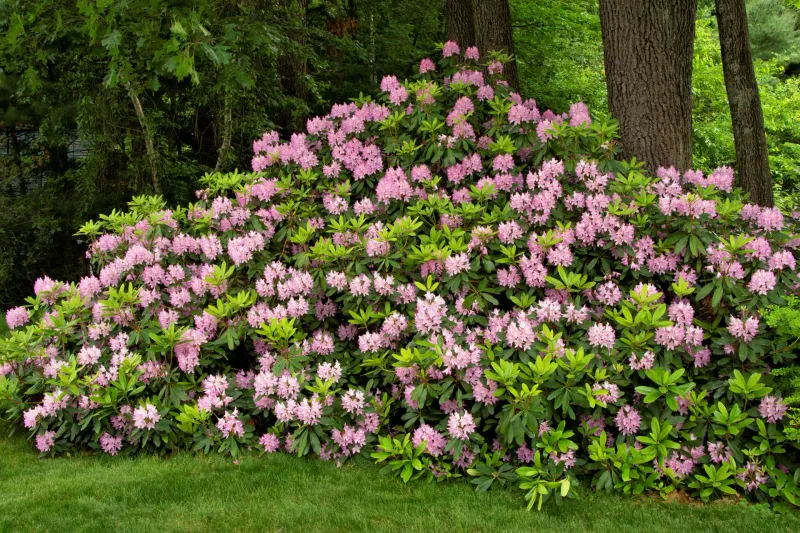
Got a shady corner where your hydrangea always struggles? A native rhododendron might be the answer you’ve been looking for.
Mountain Rosebay can grow 8 to 12 feet tall and covers itself in big pink flower clusters in spring and early summer. Its glossy leaves stay green all winter too.
The secret is placement. Give it rich, moist, acidic soil that drains well, plus some afternoon shade.
Get those basics right once, and it mostly takes care of itself for decades.
Mulch the roots to keep them cool. Avoid planting too deep, since buried crowns are a common reason rhododendrons decline.
9. Mountain Laurel
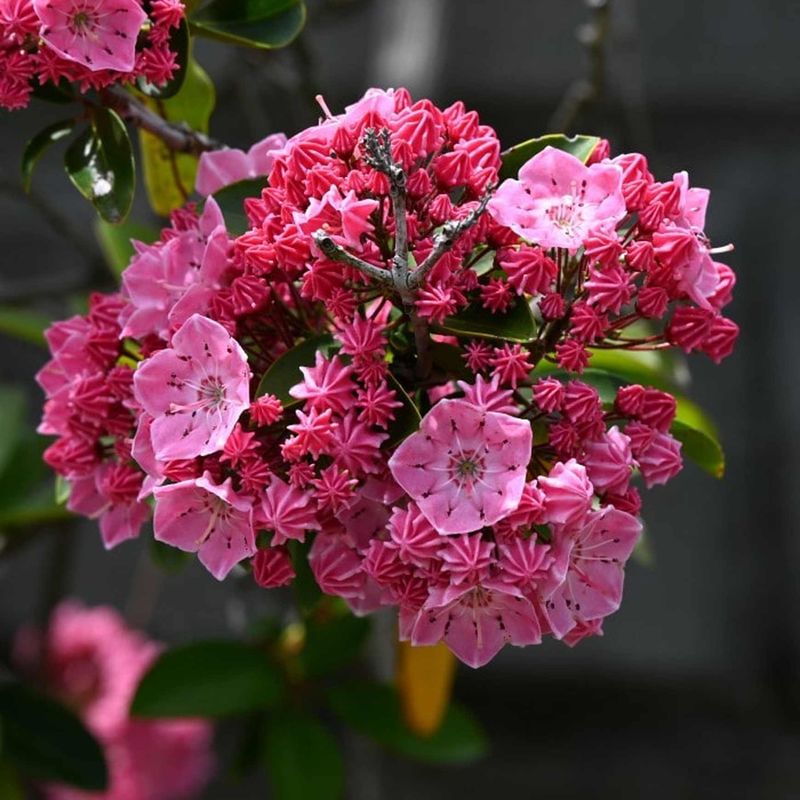
Look closely at a mountain laurel bloom and you’ll see tiny cups that look almost like piped frosting. Fun fact: each flower has little spring-loaded stamens that flick pollen onto visiting bees.
This native evergreen grows 5 to 15 feet and fills with pink and white clusters in spring. It’s the state flower of both Connecticut and Pennsylvania.
Keep the soil evenly moist and the roots mulched. Part shade suits it best, though it can take more sun than you might expect.
All parts are toxic if eaten, so plant thoughtfully around curious pets.
10. Lilac
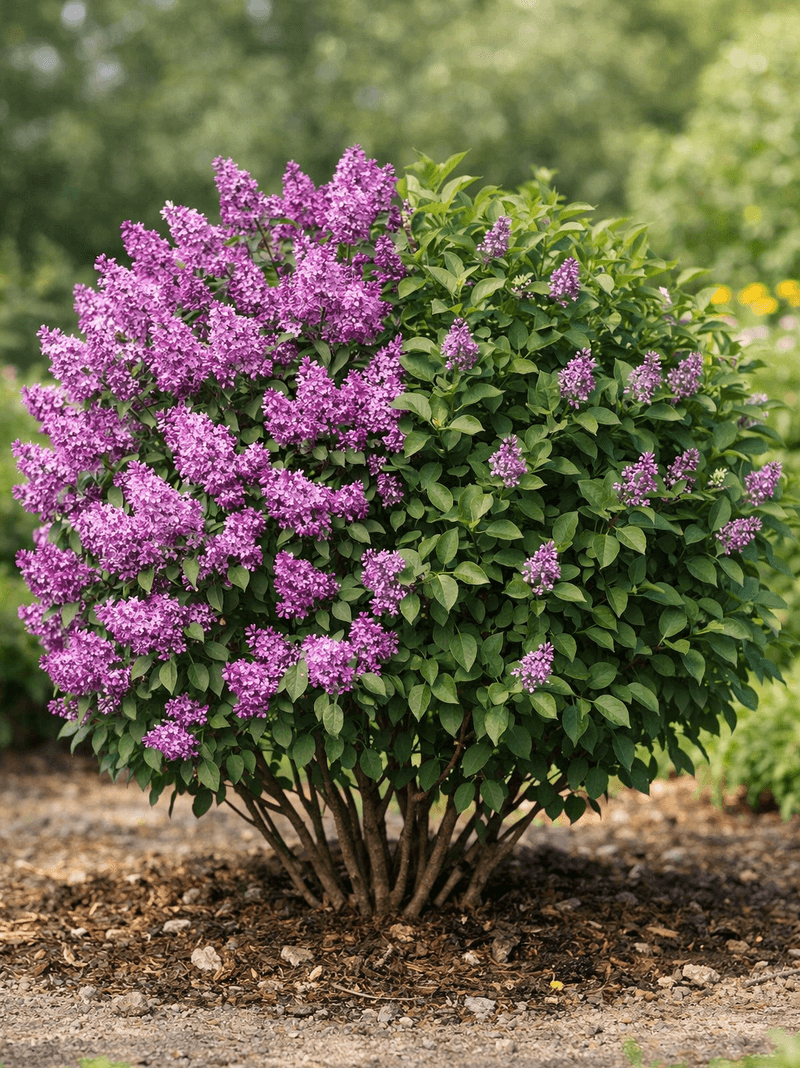
Nothing says spring like lilac perfume drifting through an open window. Those big flower clusters hold hundreds of tiny blossoms, shaped a lot like a hydrangea panicle.
Lilacs are tough and can live for generations. Many old farmhouses still have bushes planted a century ago.
Reblooming types like ‘Bloomerang Purple’ flower in spring, rest, then bloom again into summer and fall. Prune right after the spring show so you don’t cut off next year’s buds.
Full sun and good airflow can also reduce powdery mildew.
11. Potentilla
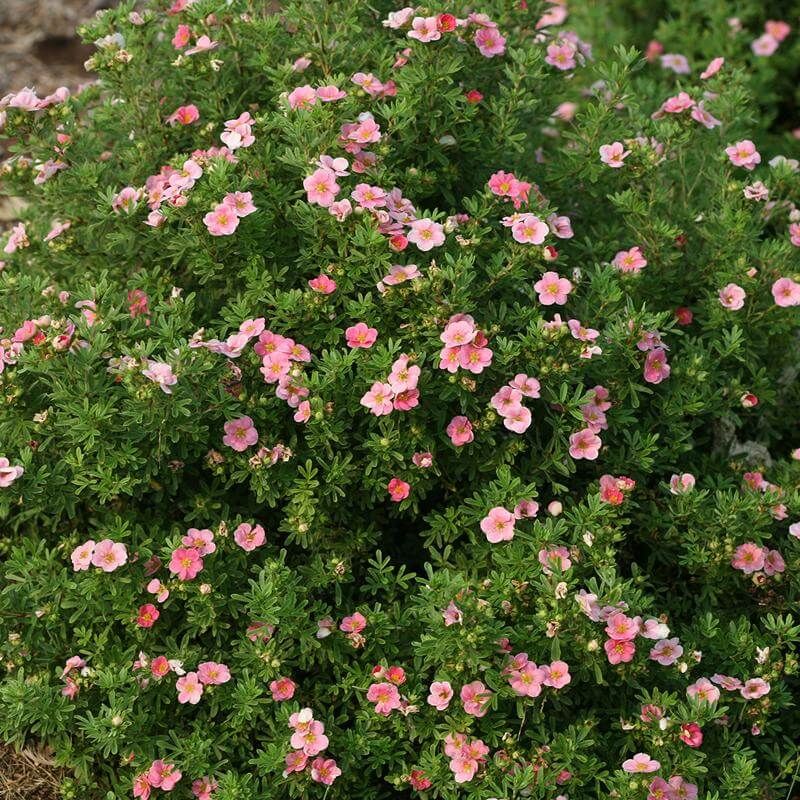
Potentilla is the shrub for that awful spot by the driveway where nothing survives. Road salt, deer, and heat barely slow it down.
‘Happy Face Pink Paradise’ flowers from June until frost. The blooms are small, but there are so many that the plant becomes a solid mound of color.
It stays compact, so you won’t be hacking it back every year. Give it sun and a quick trim in late winter.
Done.
12. Clematis
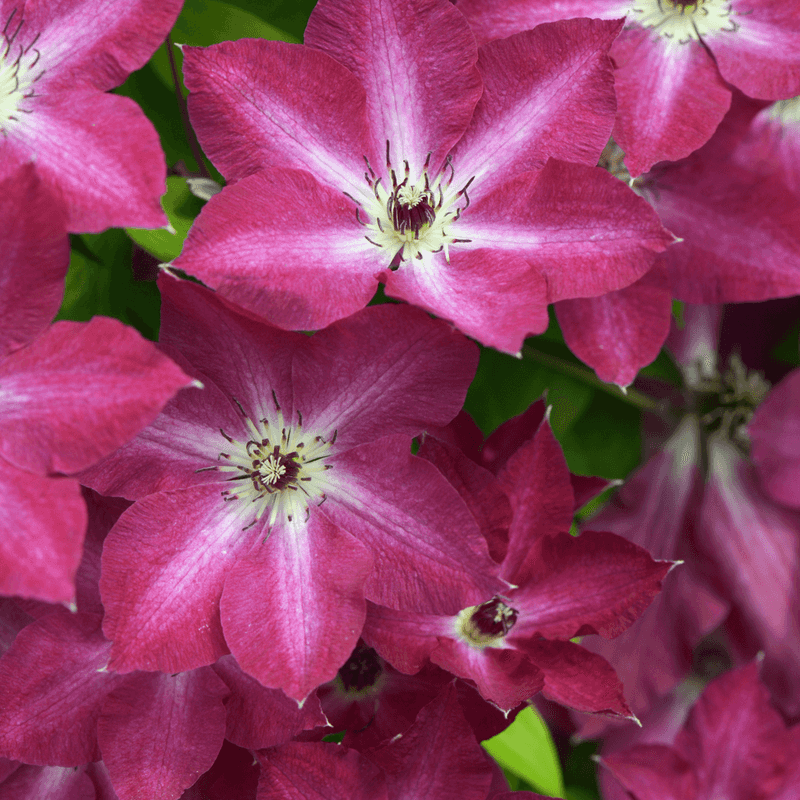
Most people picture clematis climbing a mailbox, but some kinds happily sprawl as a shrubby mound or groundcover. Their flowers can steal the show from anything nearby.
‘Viva Polonia’ produces bold blooms around 6 inches wide and can rebloom. That’s hydrangea-level drama in a much smaller footprint.
Clematis likes its head in the sun and its feet in the shade. A layer of mulch or a low plant at the base keeps roots cool.
If yours wilts suddenly, cut damaged stems back to healthy growth, since new shoots often return.
13. Smooth Hydrangea
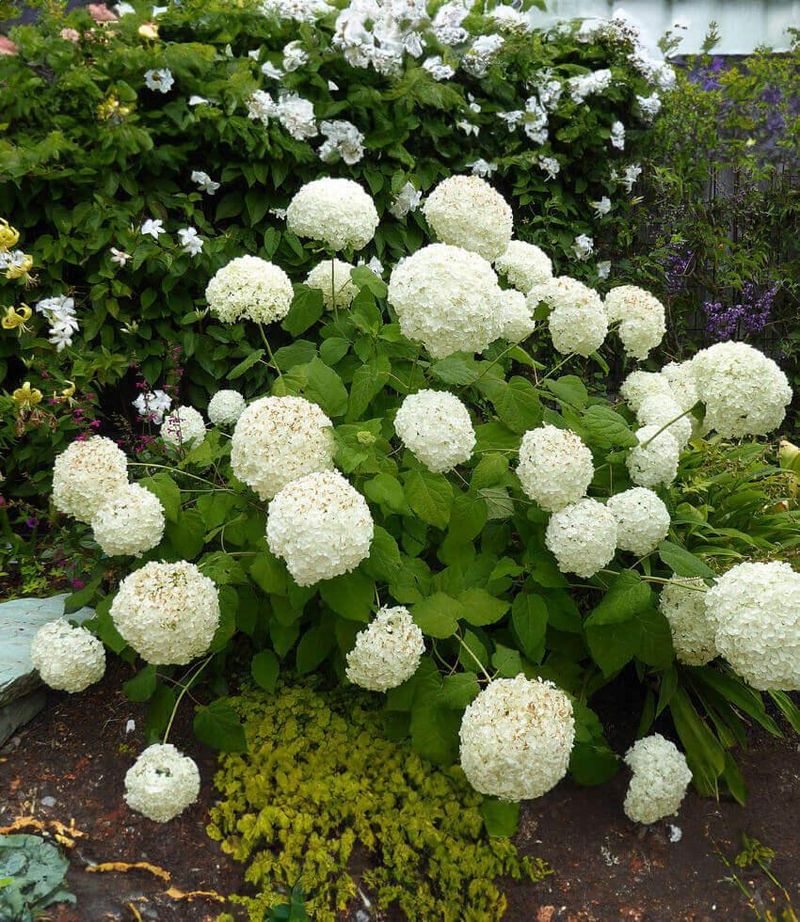
Ending where we started feels right. Smooth hydrangea gives you those giant snowball blooms without the heartbreak.
‘Annabelle’ and ‘Invincibelle Spirit’ carry round heads up to 10 inches wide. Because they flower on new wood, you can cut them back in late winter and still get a full show.
They’re hardy all the way to Zone 3, so a cold snap won’t wipe out your flowers. Heavy heads may flop after rain, so try a simple ring support or a sturdier variety.
Native to the eastern US, smooth hydrangea also feeds pollinators. It’s the classic look, finally made easy.