
You Don’t Have To See A Snake To Know One’s Living In Your Yard – 15 Clues It Leaves Behind
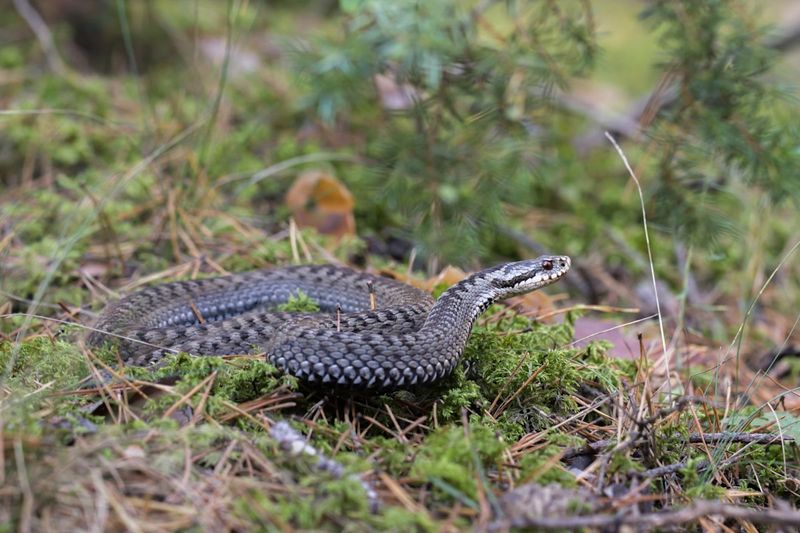
Snakes are masters of hiding, so most gardeners never spot the one sharing their tomato beds or hydrangea borders. But every snake leaves little clues behind, from papery skins to strange smells.
Learning to read these signs helps you stay calm, protect your pets, and decide whether your quiet visitor is a helpful rodent hunter or something to call a pro about. Here are 15 clues worth watching for the next time you head out to water.
1. Shed Snake Skins
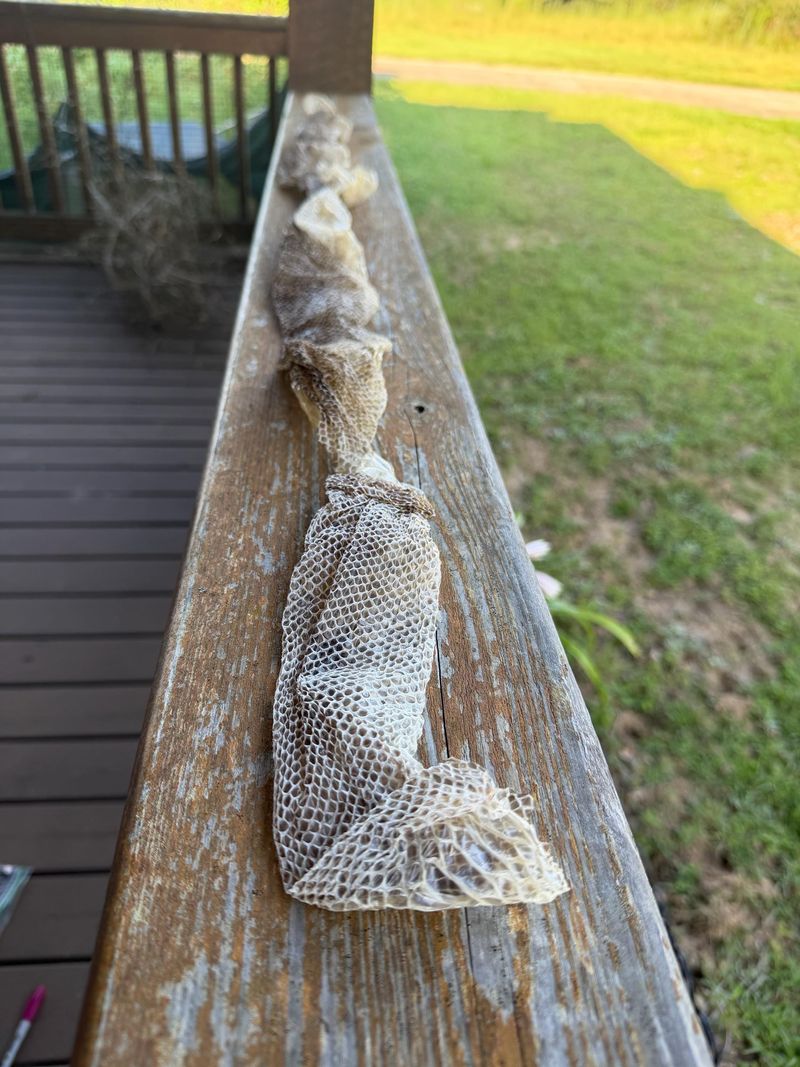
Nothing announces a snake quite like the ghostly skin it leaves draped over a fence board. Snakes shed, or molt, as they grow, and they rub against rough surfaces to peel the old layer free.
You will usually find these skins near woodpiles, shrubs, stone edging, or the shady base of a fence. The skin often looks longer than the snake really was, because it stretches as it comes off.
Look closely and you might even spot clear little eye caps at the head end. Fun fact: a healthy young snake can shed every few weeks during a growth spurt.
If you find one, that spot is likely part of its regular route, so wear gloves when weeding nearby.
2. Slither Tracks
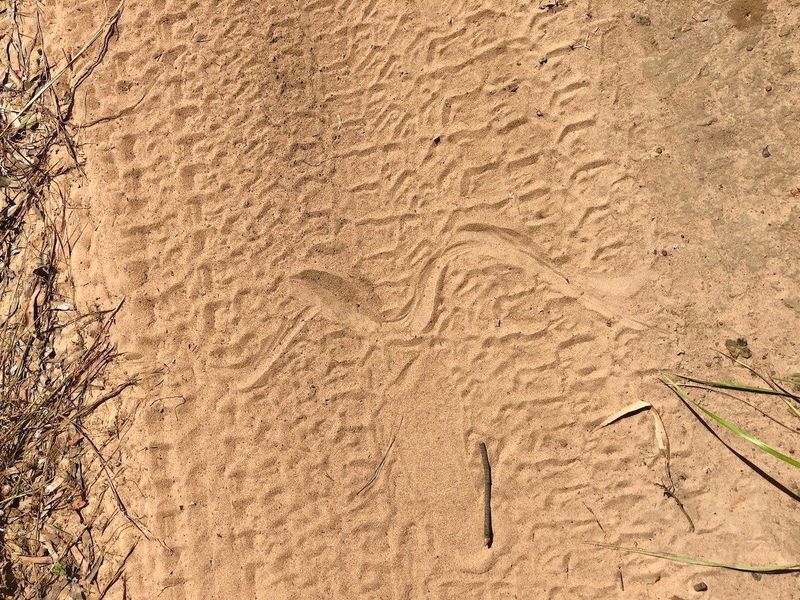
Picture a smooth, wavy line drawn across the dusty path by your raised beds, with no footprints anywhere. That is the calling card of a snake on the move.
These trails show up best in sand, mud, fine dirt, or dust after a dry spell. Some look like a loose S, while others run almost straight, depending on how the snake was traveling.
Check soft spots in early morning before foot traffic smudges them. A fresh, unbroken trail leading toward a woodpile or shed tells you where to look next.
3. Droppings With White Tips
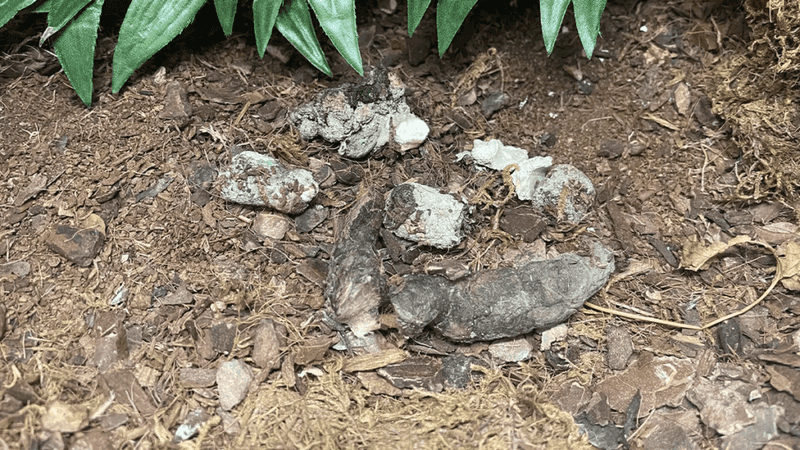
Not the most glamorous clue, but a surprisingly reliable one. Snake droppings are dark brown to black, tube-shaped or smeared, and often hold bits of hair, bone, or feathers.
The giveaway is a chalky white cap or streak. That white part is solid urine, since snakes release both kinds of waste from a single opening.
Rodent pellets are small and uniform, while bird droppings are mostly white and splashy. Use a stick or gloves if you need a closer look, and wash up afterward.
4. Smooth-Edged Holes
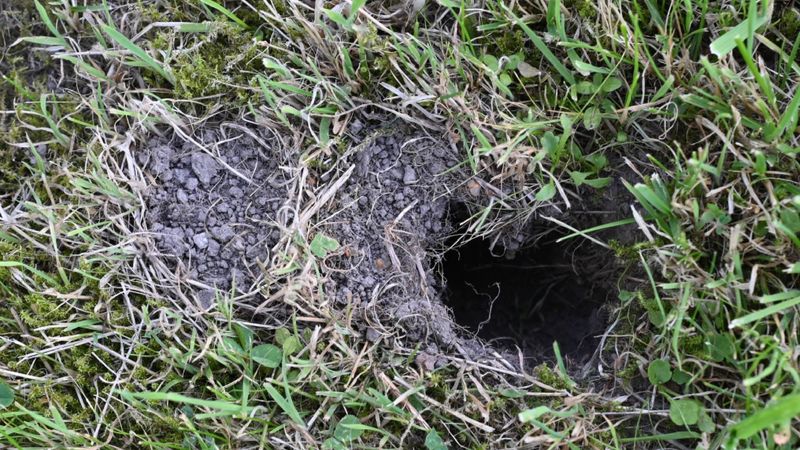
Here is a secret many gardeners never learn: snakes are terrible diggers. They prefer to move into holes someone else already made, usually old rodent burrows.
A snake-used hole tends to be about 1 to 3 inches across with smooth, rounded edges. Rodent holes in active use often have loose dirt, debris, or rough openings.
You may find these at the base of shrubs, along foundations, or under the edges of patio stones. Avoid sticking your hand or a garden tool straight into one.
5. Pets Acting Strange
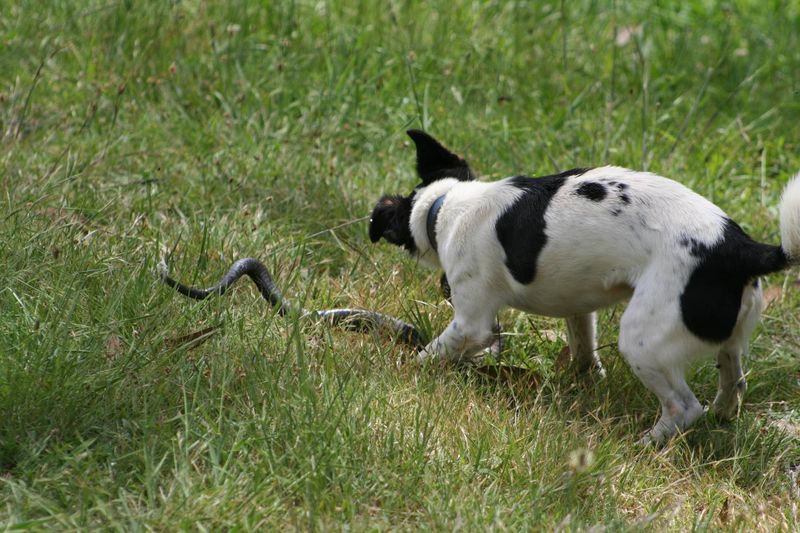
Your dog may know about the snake long before you do. Dogs and cats have sharp noses and ears, and they often lock onto a spot that seems totally empty to us.
Watch for nonstop barking at one bush, growling, hissing, or a cat crouched and frozen near the tomato cage. Sometimes the sign is the opposite, with a pet suddenly refusing to walk into a corner it used to love.
Call your pet away rather than letting it investigate. Curious noses are one of the most common places pets get bitten.
6. Fewer Mice and Frogs
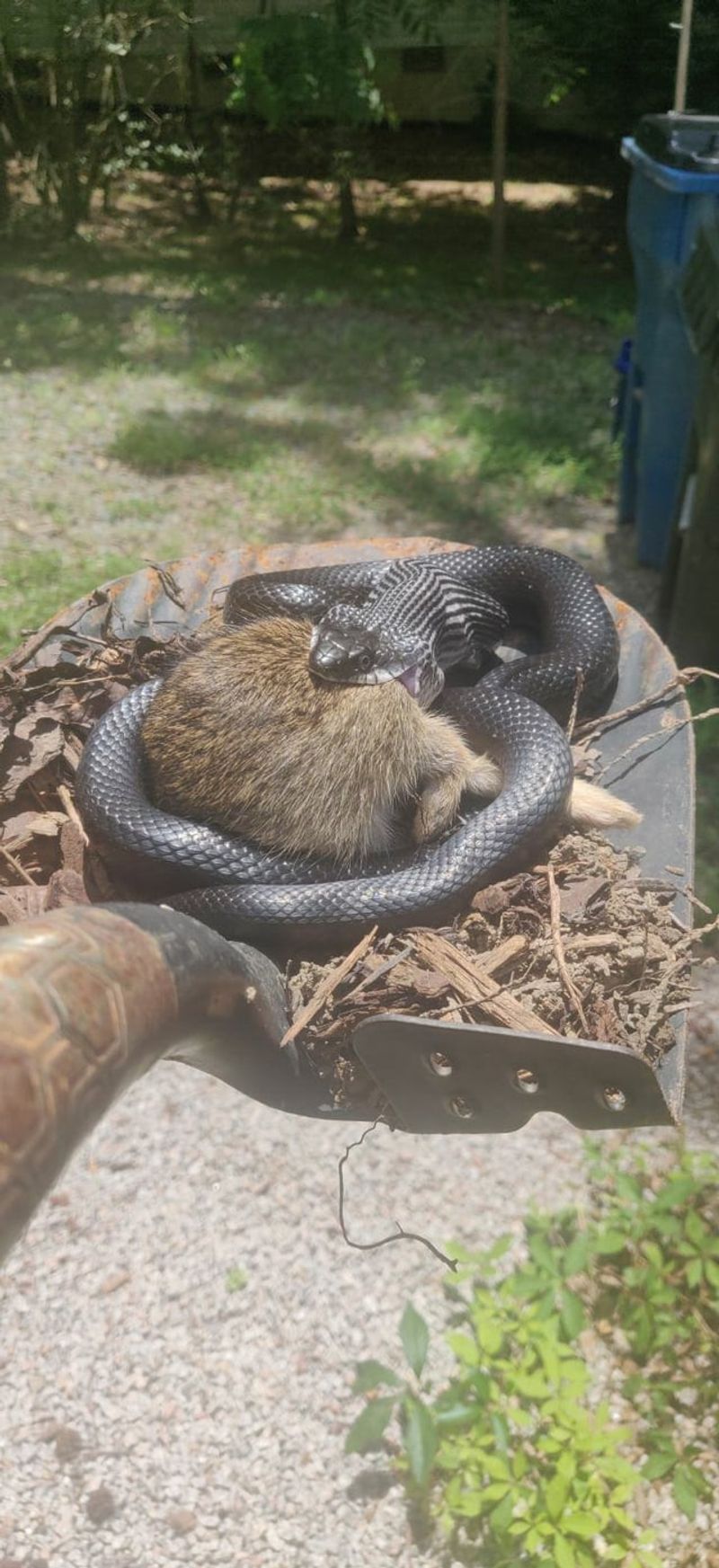
Remember last summer, when mice kept nibbling the strawberries? If those pests have suddenly vanished, you might have a new neighbor to thank.
Snakes are skilled hunters, and one can noticeably shrink the mouse, rat, frog, or small bird population in a yard. A sudden, unexplained drop is a quiet hint that something is eating well.
In many cases this is good news, since common garden snakes help protect your plants. Still, it is worth knowing so you can step carefully around sheds and compost bins.
7. Rustling Sounds
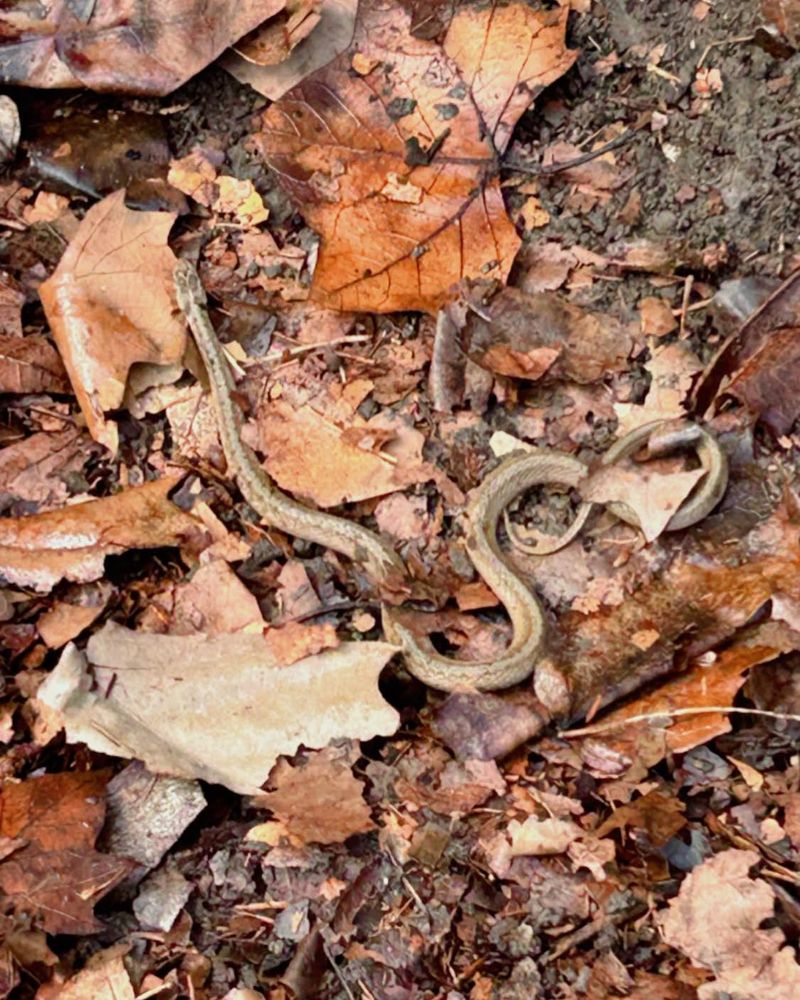
Stand still in the garden at dusk and just listen. Snakes are quiet, but leaf litter is not.
A soft, steady rustle that is too slow for a squirrel and too low for a bird can point to a snake moving through mulch or dry leaves. Faint dragging or thumping in walls, crawl spaces, or attics can mean one has found its way indoors.
Early morning and evening are prime times, especially on warm days. If the sound repeats in the same spot, mark it and check for other clues in daylight.
8. Musky Odors
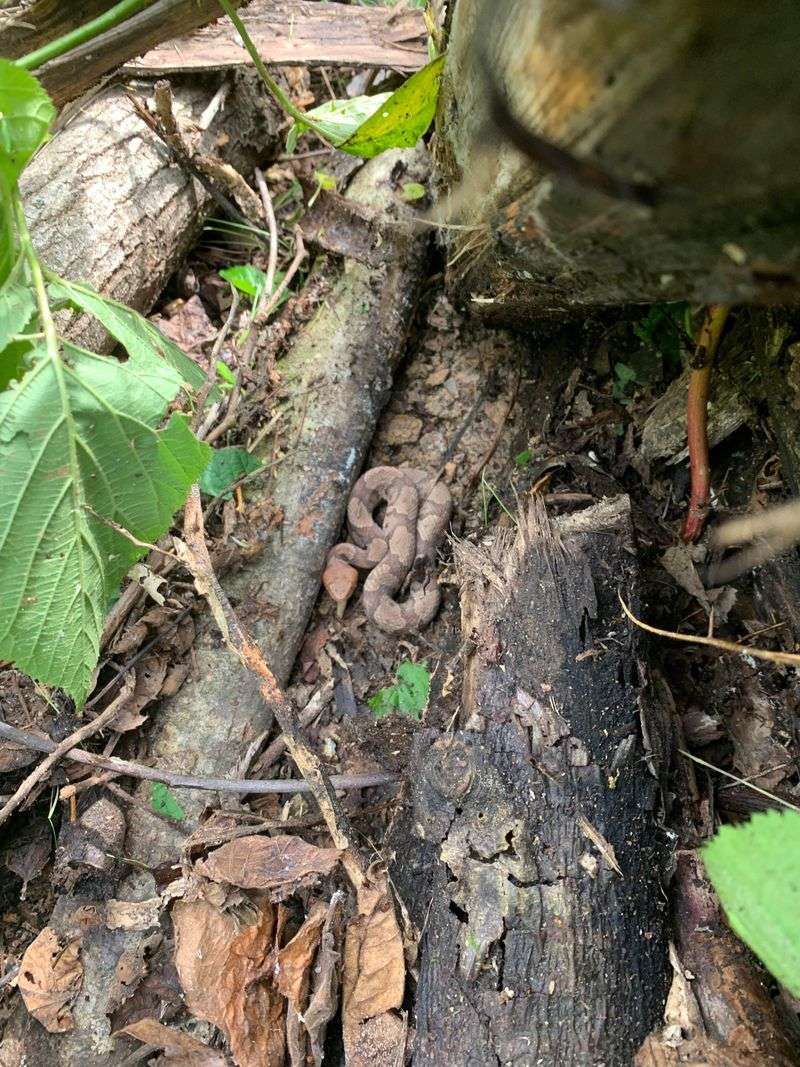
Some gardeners swear they can smell a snake before they see it, and they might be right. Rat snakes, cottonmouths, and some other species release a strong musk when they feel threatened.
People describe it as fishy, rotten, sharp, or oddly like cucumbers. The smell tends to hang around woodpiles, crawl spaces, basements, and other hiding places.
If a strange odor shows up with no clear source, look around for skins or droppings nearby. Together, those clues paint a much clearer picture.
9. Leathery Eggs
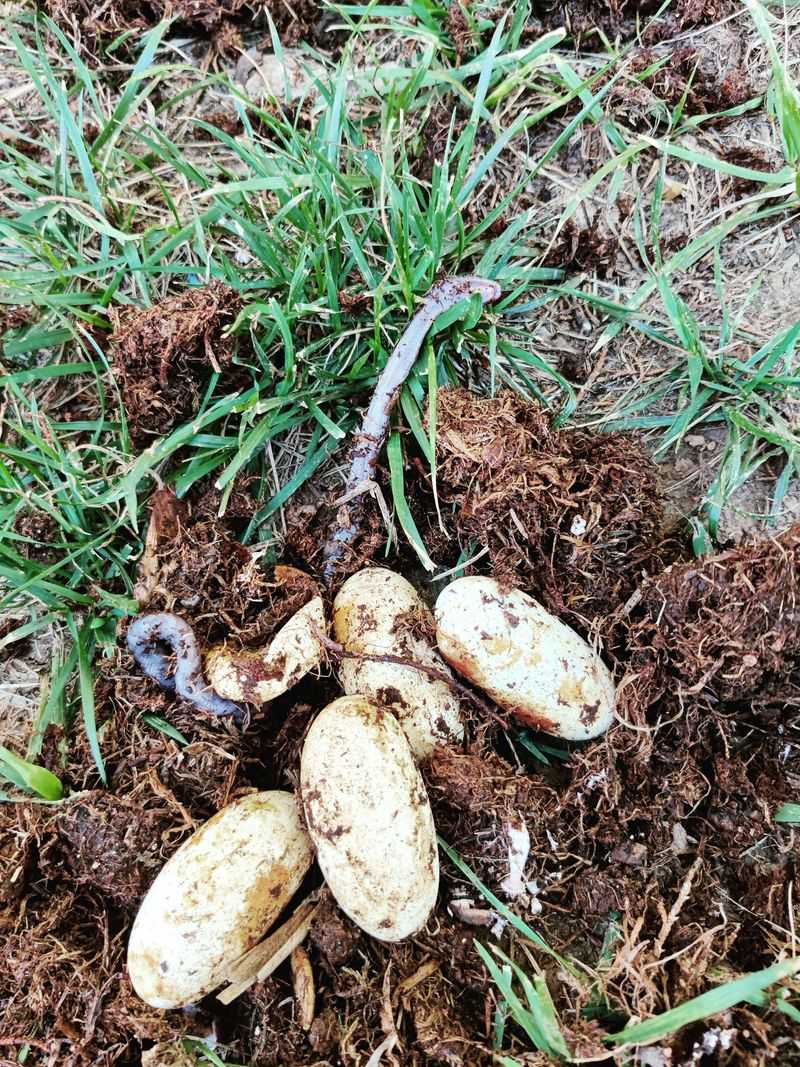
Turning the compost pile and finding a cluster of soft, white eggs is a moment few gardeners forget. Unlike hard bird eggs, snake eggs feel leathery and bend slightly when pressed.
They are oval, white or cream, and often stuck together in a clump. Snakes tuck them into warm, quiet spots like compost heaps, leaf piles, loose soil, under boards, or old burrows.
Leave them alone and back away. If you are unsure what species laid them, a local wildlife service can identify them and advise you.
10. Flattened Garden Plants
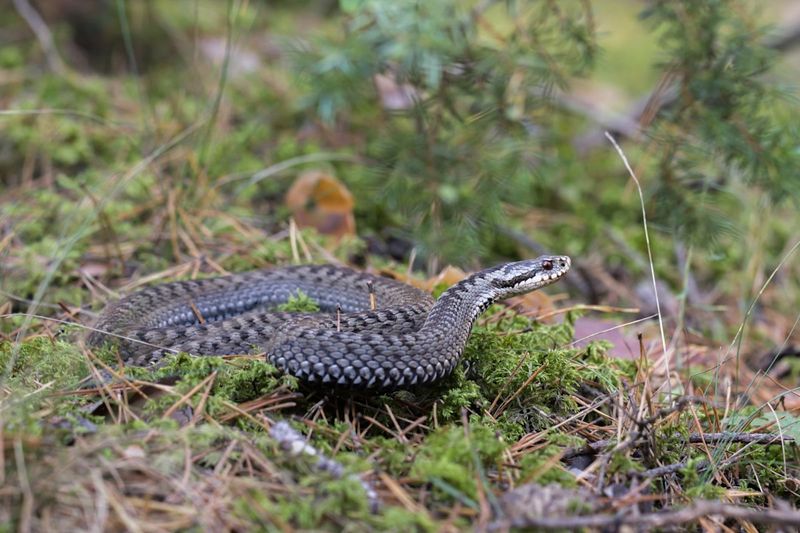
Ever notice one strip of your petunia bed that always looks pressed down? Gardeners often blame the cat, but a snake could be the culprit.
Snakes reuse the same routes and resting spots. Over time, grass, mulch, or low plants along those paths can look flattened or disturbed, even where no tracks show.
Check dense plantings and the cool edges of beds, especially after hot afternoons. A flattened patch near a water source is a favorite resting place.
11. Animal Distress Calls
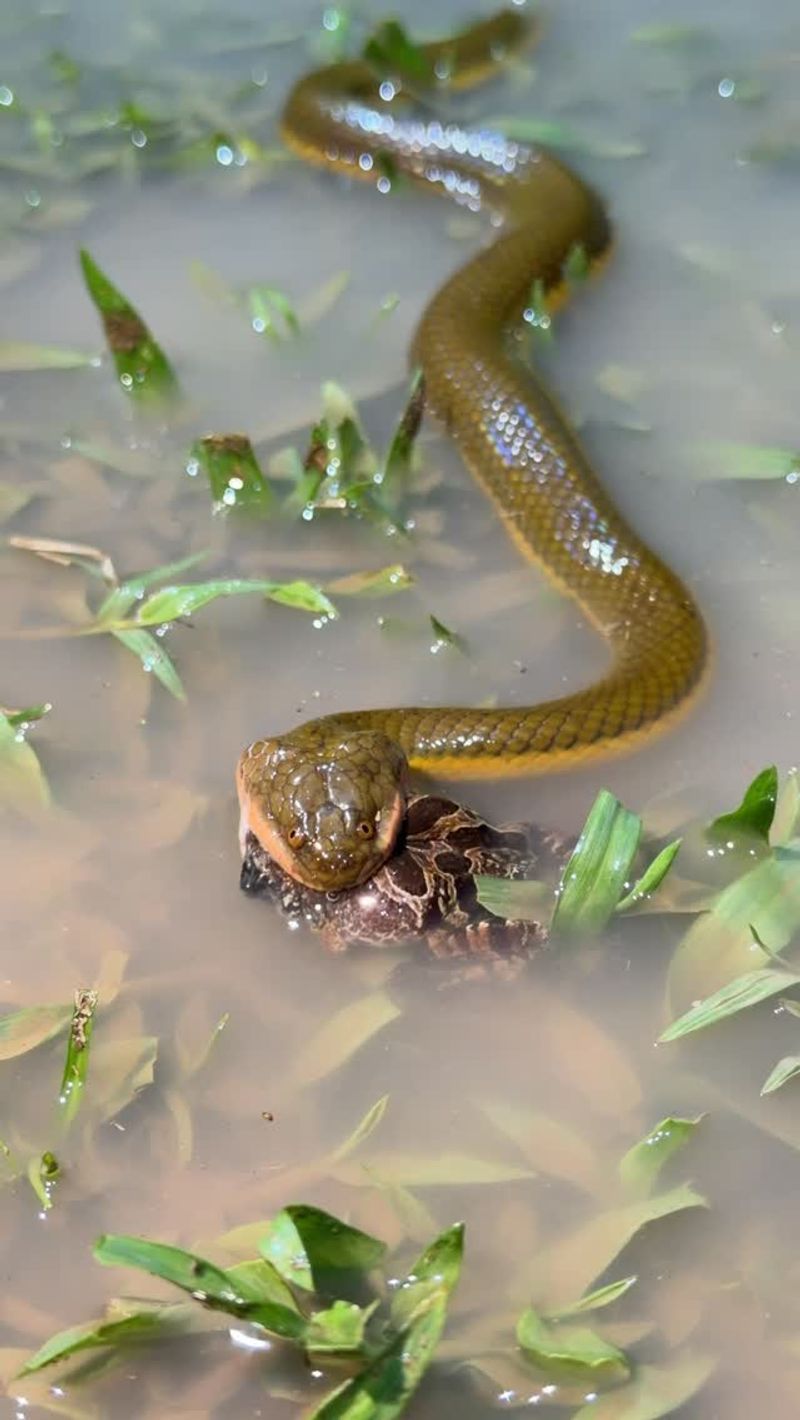
A frog scream in the dark is a sound you never forget. It is high, loud, and almost human.
Frogs and other small animals let out long distress calls when caught, and snakes are frequent hunters near ponds, birdbaths, and damp beds. A sudden outburst at night may mean one is feeding close by.
Grab a flashlight if you go look, and keep to clear paths. Wait until morning to search the area properly.
12. Broken Cobwebs and Dust Trails
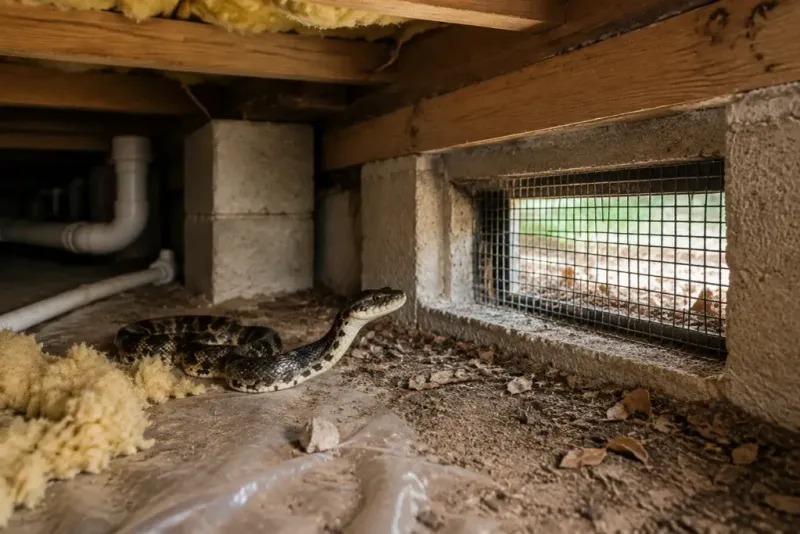
Sheds and crawl spaces are like a detective’s notebook. Dust settles, spiders spin, and anything moving through leaves a mark.
Look for narrow, curving trails in dust along walls or under shelves. Broken cobwebs low to the floor in a spot nobody has touched are another hint.
A flashlight held low to the ground makes faint trails easier to see. Check before reaching into stacked pots or bags of potting soil.
13. Worn Entry Points
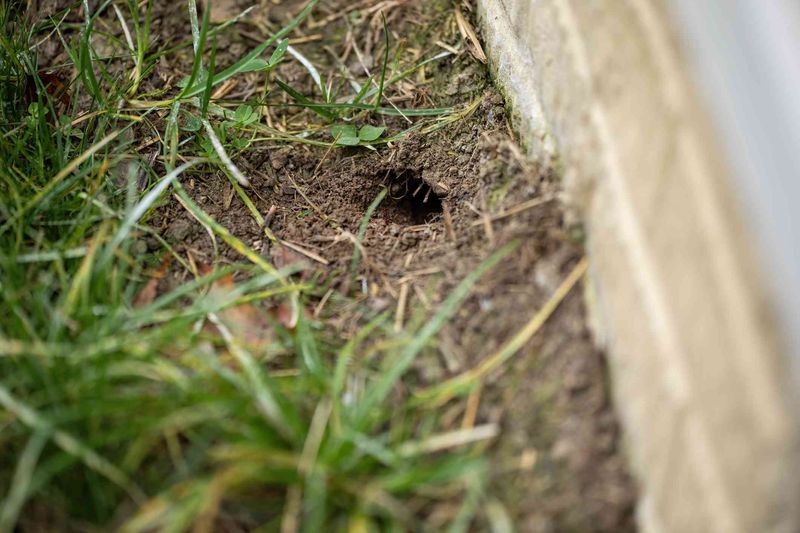
Snakes can squeeze through surprisingly small openings, sometimes no wider than a pencil for young ones. Gaps in foundations, under decks, and around pipes are prime doorways.
Look for openings with worn, smoothed edges, faint marks, or debris pushed aside. Those signs suggest repeated use rather than one passing visit.
Sealing gaps with hardware cloth or caulk can reduce the chance of snakes moving indoors. Just make sure nothing is inside before you close it up.
14. Vanishing Eggs From Ground Nests
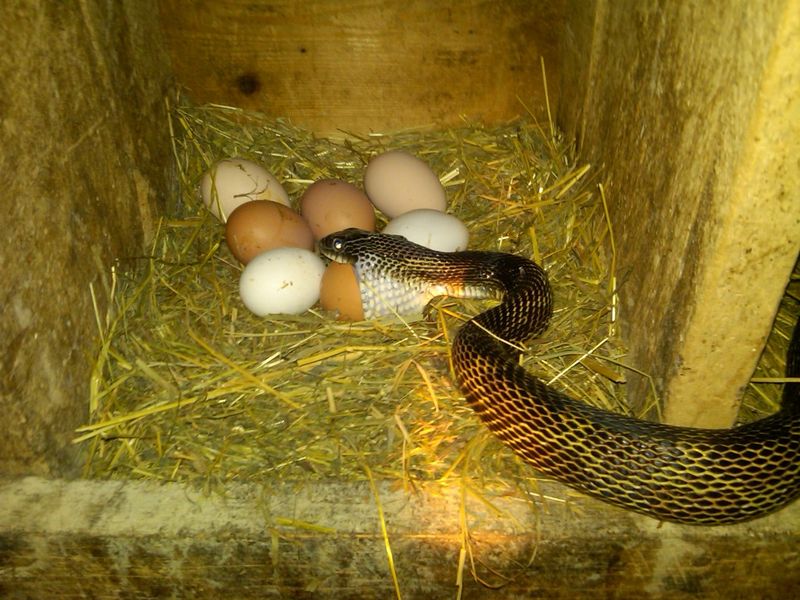
One day the killdeer nest by the garden edge has four speckled eggs. The next day it is empty, with no shells, no mess, and no feathers.
Raccoons and skunks usually leave crushed shells and scattered debris. Snakes swallow eggs and nestlings whole, so the nest often looks oddly tidy.
This clue matters most for people with chickens or ground-nesting birds. Secure coops at night and check for small gaps.
15. Odd Channels in Soil or Mulch
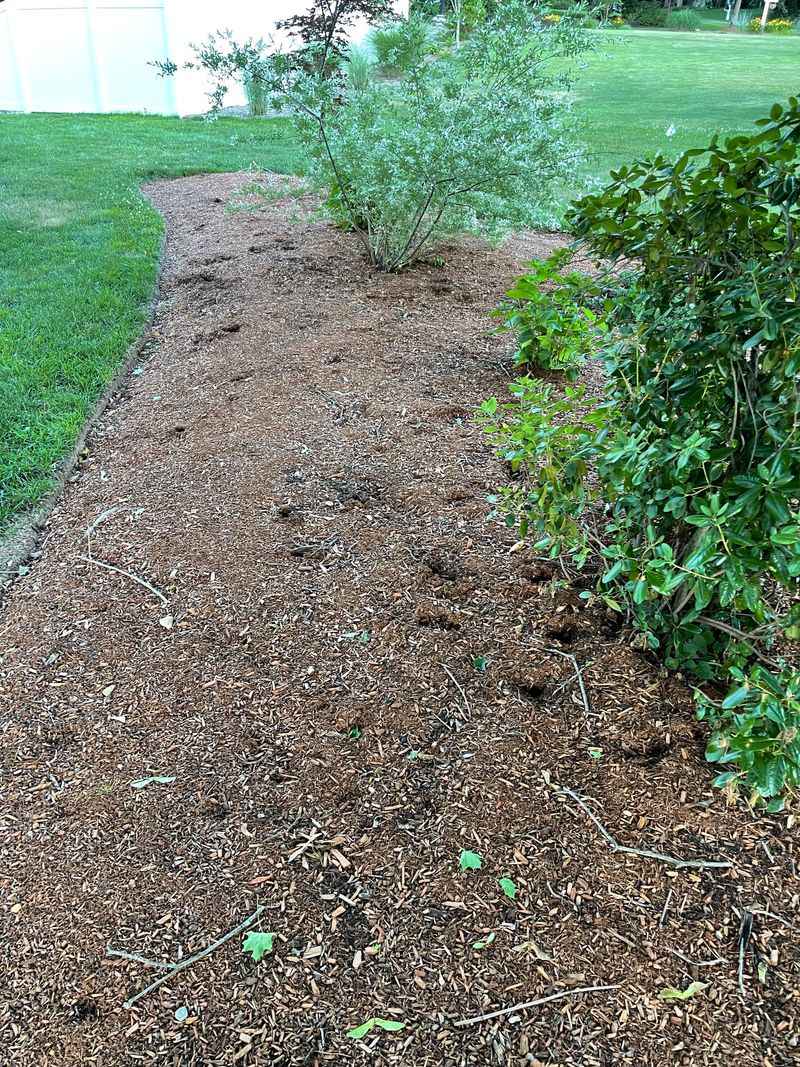
Mulch is a cozy blanket for your tomatoes, and snakes like it for the same reasons. It stays cool, moist, and full of hiding spots.
Watch for small dips, shallow channels, or tunnels in loose soil or mulch that do not look like rodent work. Snakes sometimes push just under the surface to rest or travel.
Rake mulch back now and then and keep it a few inches thin. That keeps your plants happy while giving snakes fewer places to hide.
A single clue is not proof, but two or three together usually tell the story. Most backyard snakes are harmless helpers, and if you suspect a venomous one, call a local wildlife pro.