
If You Spot These 13 Signs In Your Yard This Fall, Snakes Are Settling In For Winter Nearby
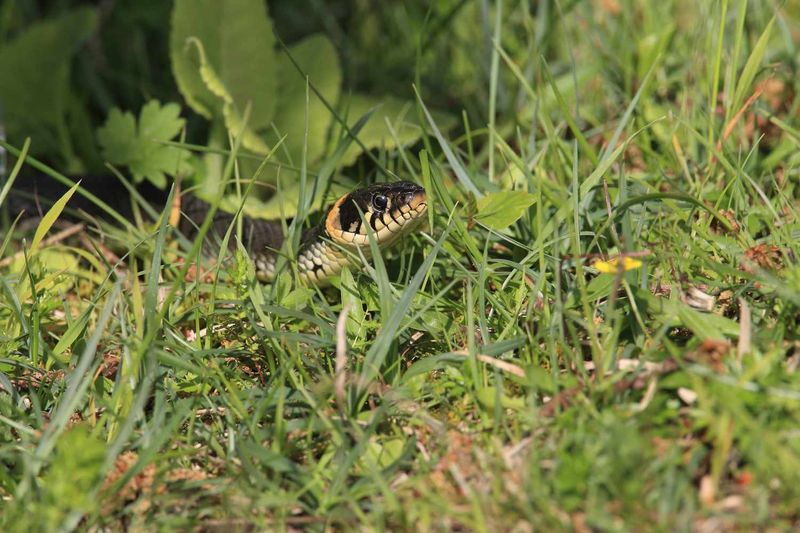
When the air turns crisp and your tomato vines start to fade, snakes in your neighborhood are busy hunting for a cozy place to spend the winter. They look for warm, hidden spots where they can rest until spring, and your garden beds, woodpile, or shed might be on their short list.
Knowing the clues helps you stay calm, protect your pets, and keep snakes out of places you would rather they skip. Here are 13 signs worth checking for the next time you head out to tidy up your yard.
1. More Snake Sightings Than Usual
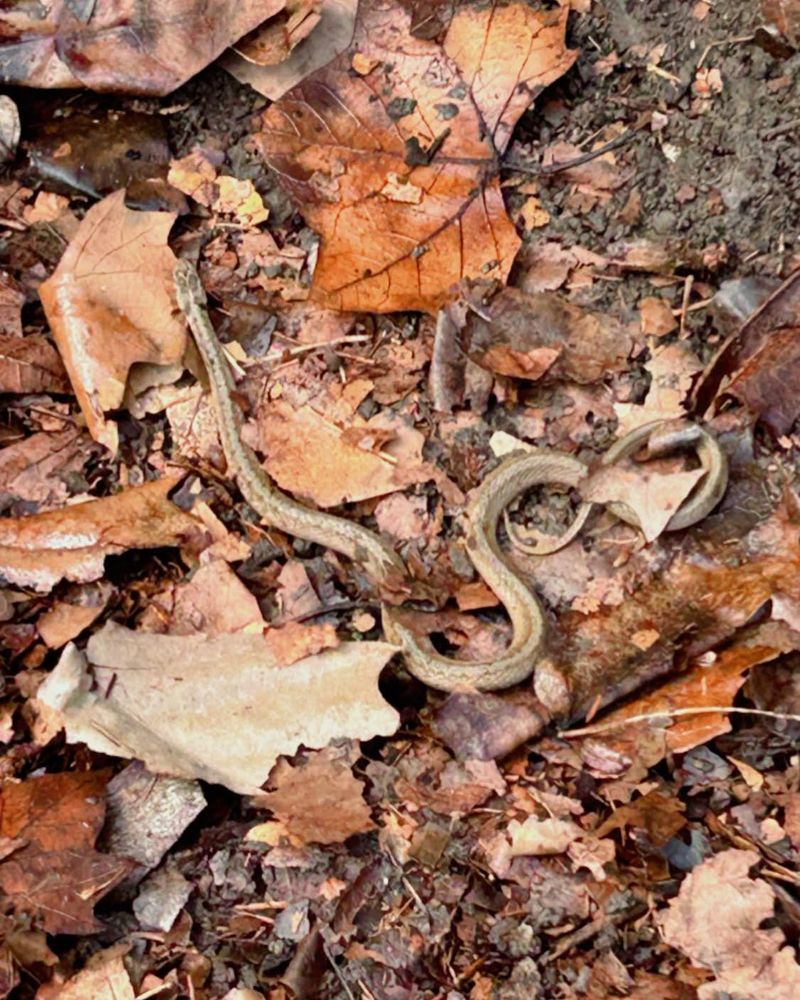
Last week you saw one near the hose. Yesterday there was another by the hydrangeas.
If it feels like snakes are suddenly everywhere, you are probably not imagining it.
Fall is a busy season for snakes. They roam more widely to grab a last few meals and scout for a safe winter den before cold weather slows them down.
A spike in sightings from September into October often means a den site is somewhere close by. Keep a simple note of where and when you spot them, because a pattern can point you right to the hiding place.
2. Snakes Basking in Sunny, Sheltered Spots
Picture a chilly October morning. The sun hits your stone wall, and a snake is stretched out on it like a cat on a windowsill.
Snakes are cold-blooded, so they borrow heat from their surroundings. On cool fall days they hunt for sunny, protected spots such as rock walls, south-facing foundations, patio edges, and warm pavers.
Those basking spots are rarely random. Most snakes stay close to their chosen winter shelter, so a favorite sunbathing area may sit just a few feet from the entrance to a den.
3. Shed Snake Skins
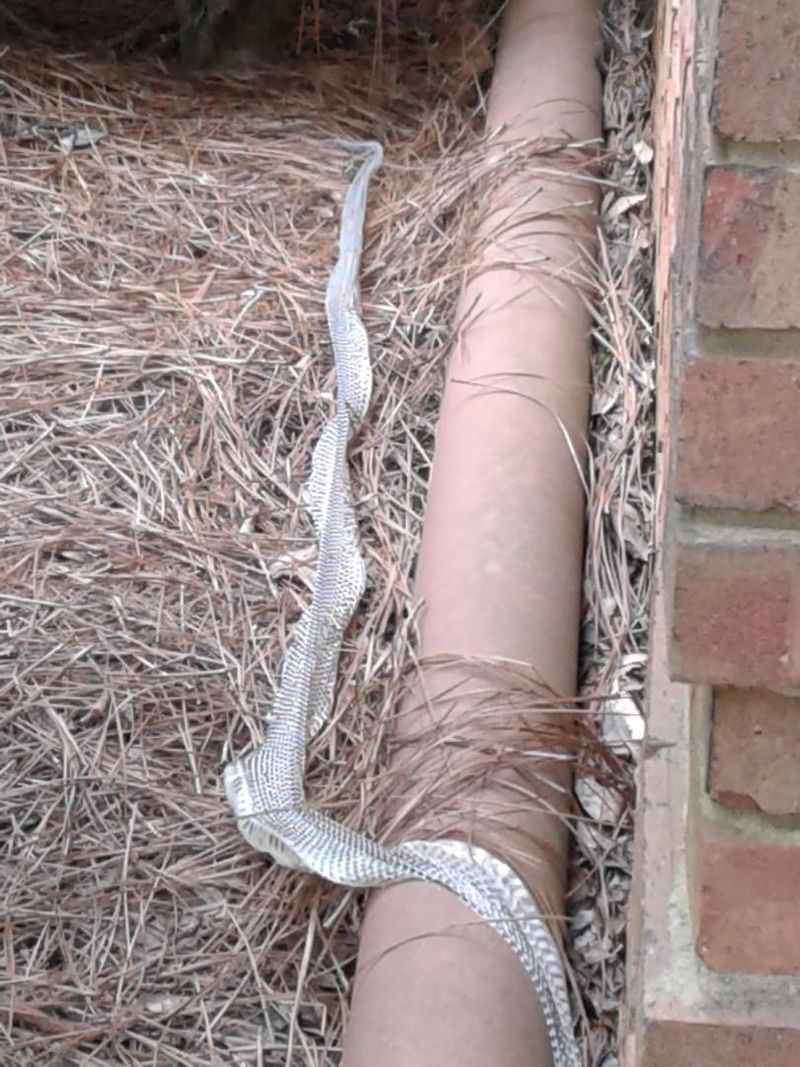
Few things make a gardener jump like pulling weeds and finding a crinkly, see-through tube of snake skin. It looks spooky, but it is actually a helpful clue.
Snakes shed as they grow, often rubbing against rough surfaces to peel the old skin away. You will usually find skins near rocks, under shrubs, along foundations, or wedged in gaps where a snake squeezed through.
Fun fact: a shed skin often comes off inside out, a bit like pulling off a sock. If you find one near your shed or porch, that structure deserves a closer look before winter.
4. S-Shaped Tracks in Dust or Mud
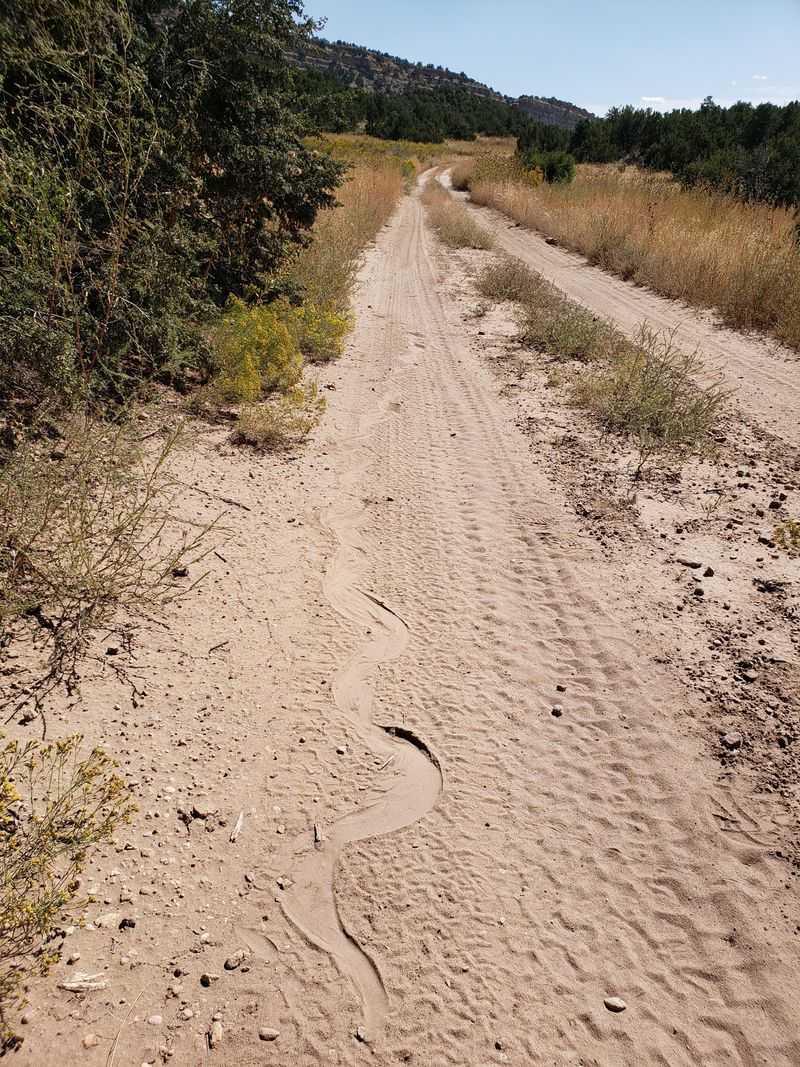
Dusty paths and muddy garden edges are like a guest book for wildlife. Snakes leave behind a smooth, wavy line instead of footprints.
Look for curving S-shaped marks in bare soil, sand, or the dust in your shed. You might also notice a narrow strip of flattened grass or bent seedlings where something low and long slid through.
Tracks tell you which direction a snake was heading. Follow a few of them and you may find they lead toward a woodpile, a hole, or a gap under your deck.
5. Odd Droppings With a White Tip
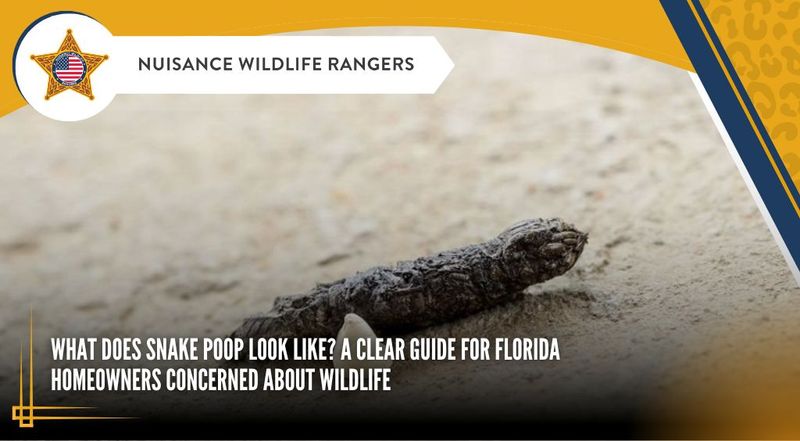
Not exactly the fun part of yard work, but droppings can tell you a lot. Snake droppings often look a bit like bird mess at first glance.
The giveaway is a white, chalky cap, which is how snakes get rid of waste. Up close you may also spot tiny bits of fur, bone, or feathers from their meals.
Wear gloves or use a paper towel if you clean it up, since reptiles can carry bacteria like salmonella. Finding droppings near steps, sheds, or crawl spaces suggests a snake is spending real time there.
6. Unexplained Holes and Old Burrows
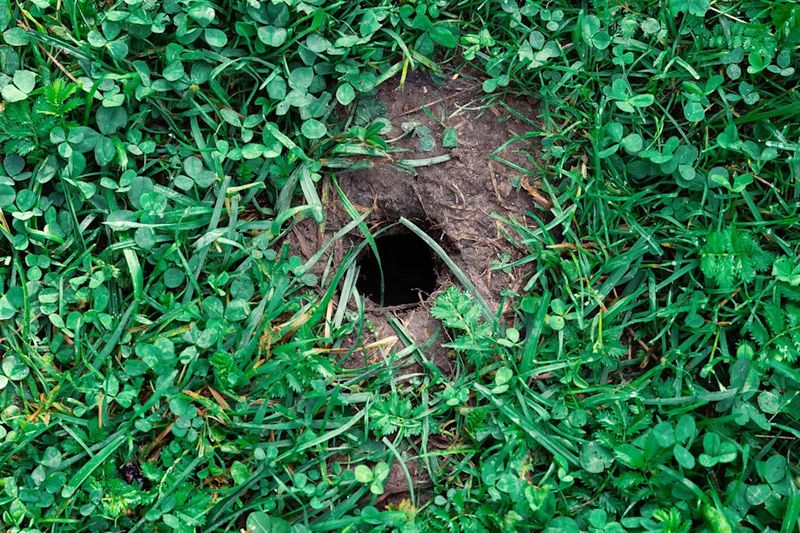
Snakes are terrible diggers. Rather than build their own homes, they move into tunnels that chipmunks, mice, voles, or groundhogs already made.
Those old burrows are perfect winter housing because they reach below the frost line, where the ground stays a steady temperature. A clean, round hole with no fresh dirt piled around it may be an empty rodent home with a new tenant.
Watch the hole for a few days rather than poking into it. If you suspect a venomous species lives in your area, call a local wildlife pro instead of handling it yourself.
7. Cracks in Your Foundation or Steps
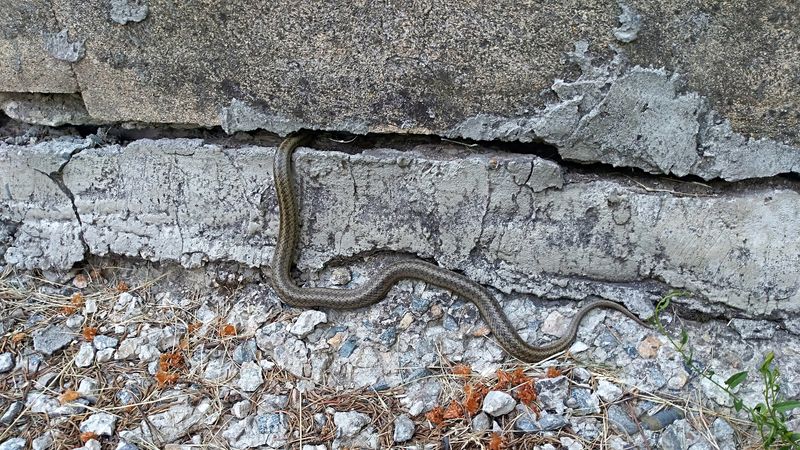
Here is a sign that hits close to home, literally. A thin crack along your foundation or concrete steps can be a front door for a snake hunting for a frost-free bedroom.
Small snakes can squeeze through gaps about a quarter inch wide. Once inside, basements, crawl spaces, and wall voids offer steady warmth all winter long.
Walk around your house with a flashlight on a sunny afternoon. Seal small cracks with caulk or mortar, but make sure nothing is living inside before you close them up.
8. Piles of Leaves, Wood, or Rocks
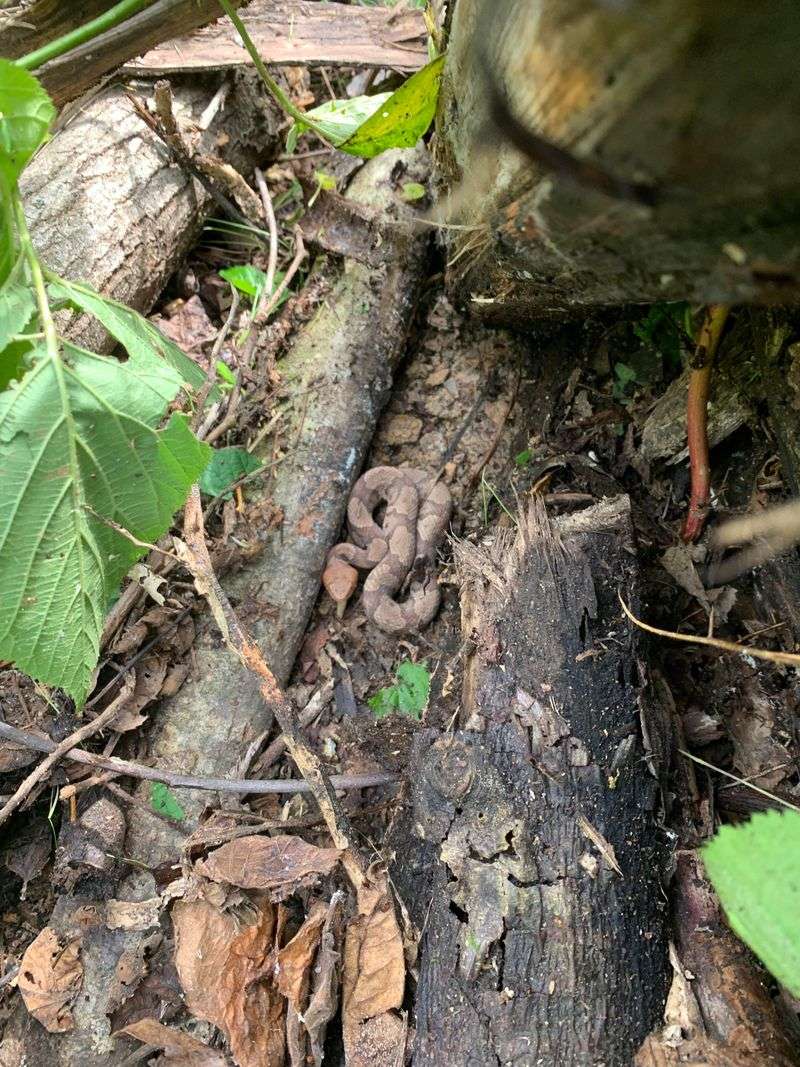
Raking leaves into a big pile and saving it for later sounds harmless. To a snake, though, that pile is a warm sleeping bag with a built-in snack bar.
Leaf heaps, firewood stacks, brush piles, and loose rock piles hold heat and keep out wind. They also attract mice and insects, which bring hungry snakes along.
Store firewood on a raised rack at least 18 inches off the ground and away from the house. Bag or compost leaves instead of leaving them sitting in corners, and your yard becomes much less inviting.
9. Overgrown Shrubs and Tall Grass
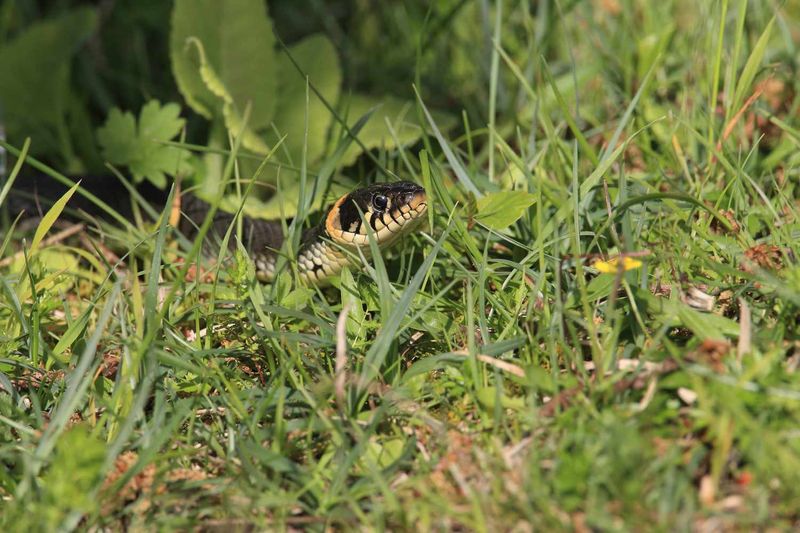
Maybe the back corner got away from you this summer. It happens to every gardener, and snakes notice.
Tall grass, thick groundcover, and shrubs that touch the ground give snakes a safe hallway to travel through without hawks spotting them. Dense growth also stays cooler and damper, which draws frogs and insects they like to eat.
Mow those wild edges short and lift the lower branches of shrubs a few inches off the soil. A tidier perimeter may help reduce the cover snakes rely on as they search for a winter home.
10. Lots of Mice, Frogs, or Bugs
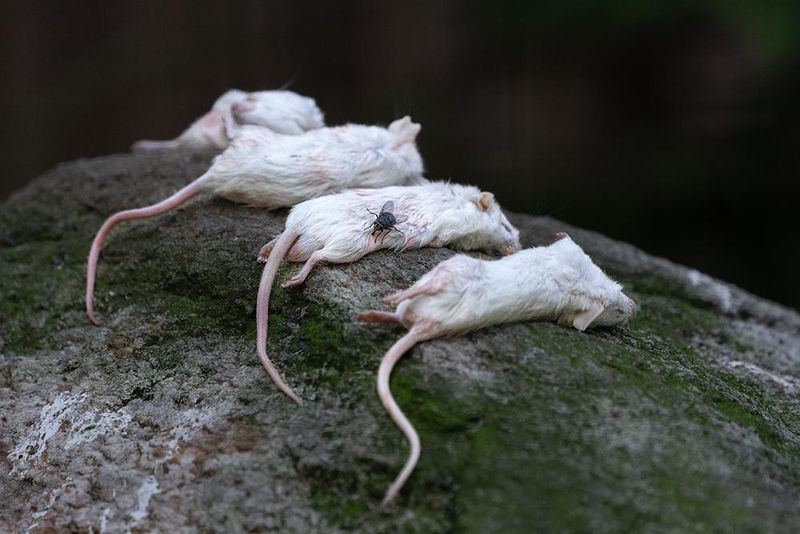
Follow the food, and you will find the snakes. If chipmunks are raiding your tomatoes or mice are nibbling spilled birdseed, you have built a buffet.
Before brumation, which is the snake version of a winter slowdown, snakes eat heavily to store energy. A yard full of rodents, toads, frogs, or crickets is hard for them to pass up.
Clean up fallen fruit and spilled seed, and keep pet food indoors. Cutting the menu is one of the simplest ways to make your yard less tempting.
11. Activity Under Sheds, Decks, and Porches
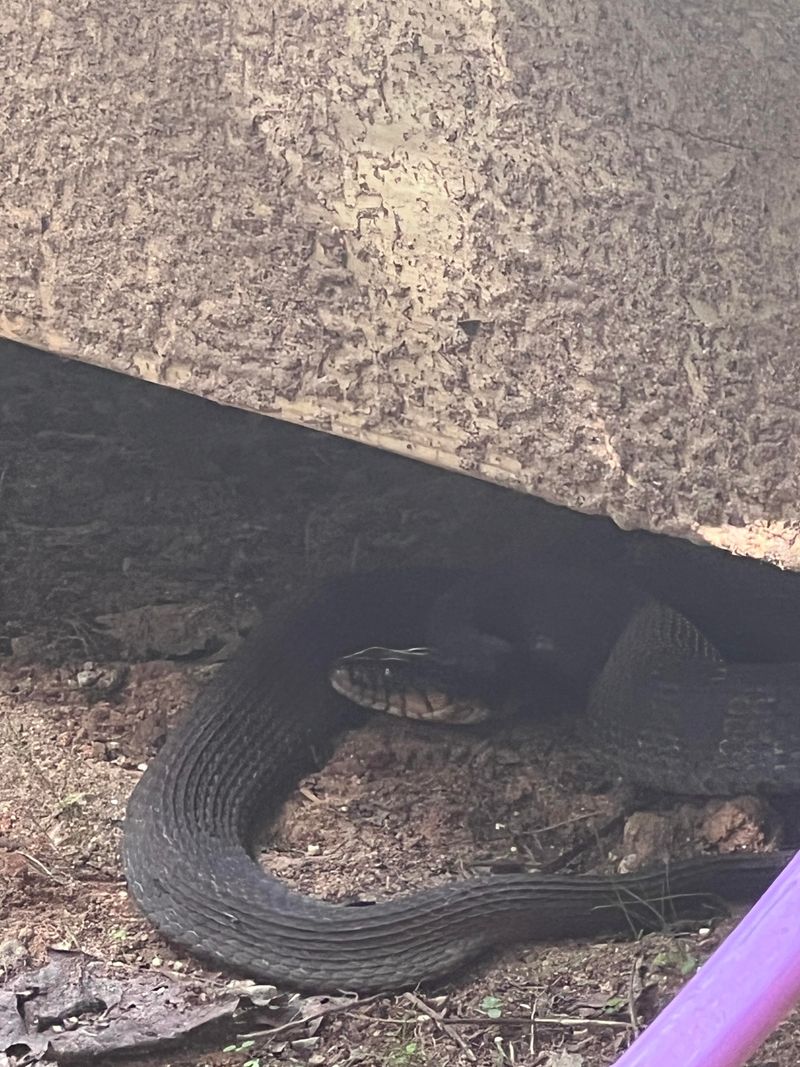
That shadowy space under your deck? A snake might call it a luxury suite.
It stays dry, blocks wind, and holds a little warmth from the house above.
Sheds, porches, and raised garden structures all offer the same perks. Look for skins, tracks, or droppings near the edges, and listen for rustling when you step close.
Hardware cloth with small openings, buried a few inches into the soil around the base, can block access. Do this on a warm day when snakes are more likely out and about.
12. Gaps Around Pipes, Wires, and Vents
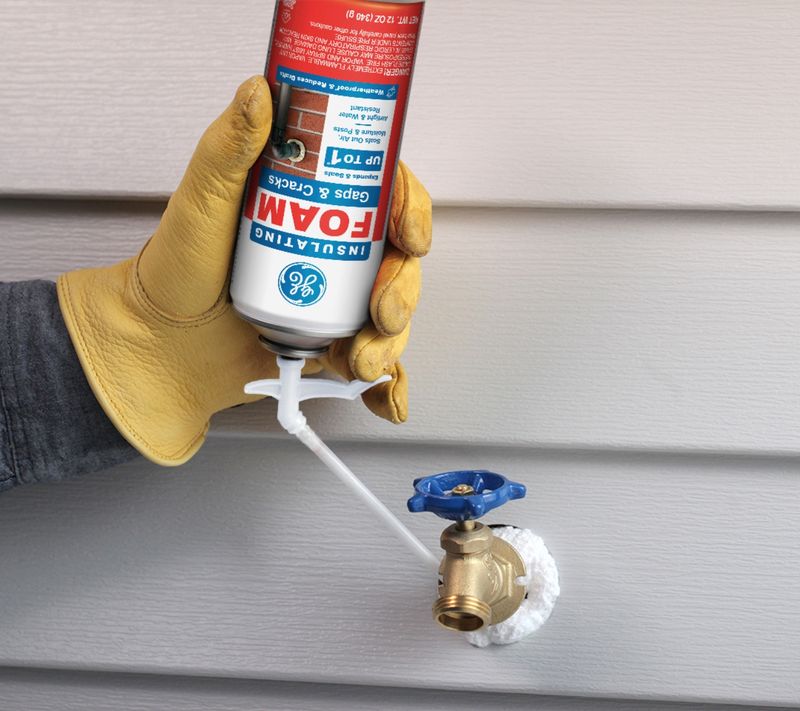
Your outdoor spigot, AC line, and dryer vent all have one thing in common. Each one passes through a hole in your wall, and those holes are rarely sealed perfectly.
Snakes follow warm air leaking out of these openings. From there, they can slip into walls, basements, or utility rooms for the winter.
Check where pipes and wires enter your home and fill gaps with expanding foam, caulk, or metal mesh. Add vent covers that let air out but keep critters from crawling in.
13. Several Snakes in the Same Spot
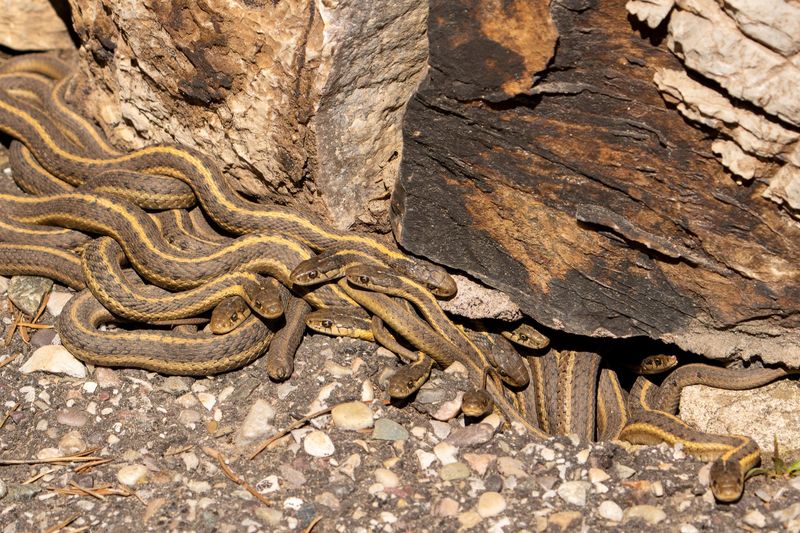
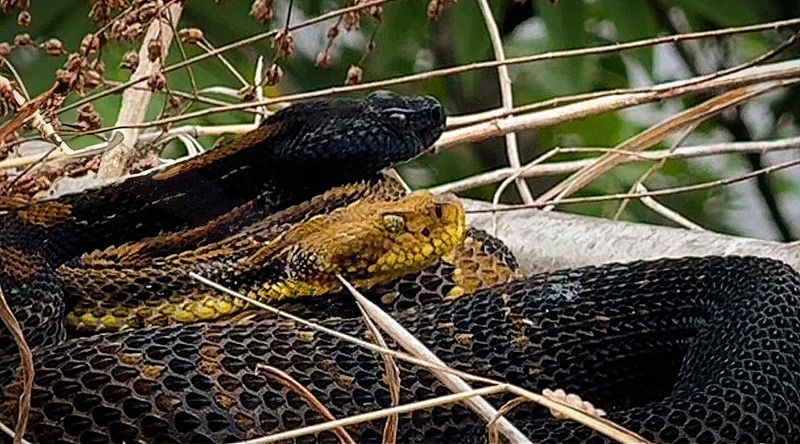
Seeing two or three snakes together near the same rock or crack can be startling. Believe it or not, some snakes like to bunk together for winter.
In parts of the US, garter snakes, rattlesnakes, and others share communal dens called hibernacula. Sometimes dozens gather in one spot, and different species may even share space.
If you keep spotting multiple snakes in one area, keep pets and kids away from it. Contact your state wildlife agency or a licensed removal service, since many snakes are helpful and some are protected.