
13 Perennials That Look Better Every Single Year You Leave Them Alone
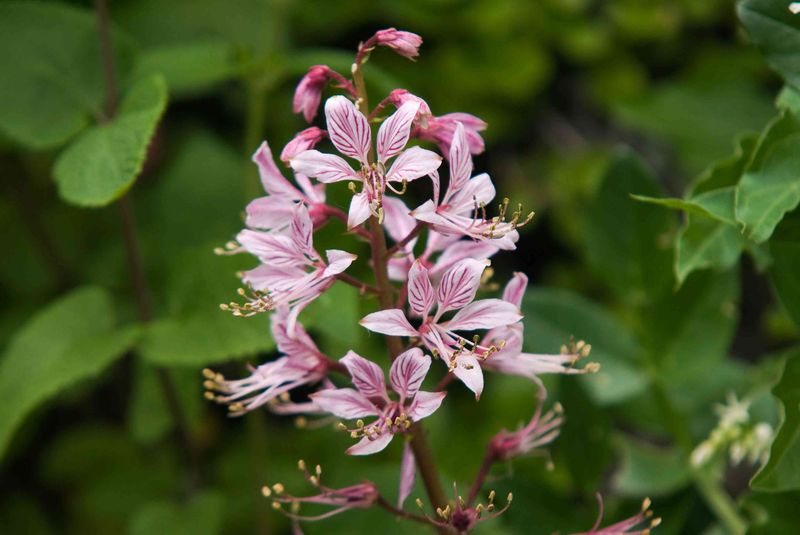
Some plants get bigger, fuller, and prettier every year, as long as you stop fussing with them. If you have ever worried that you are killing a plant by doing too little, these perennials will put your mind at ease.
Each one on this list rewards patience instead of constant digging, dividing, and feeding. Plant them once in the right spot, then mostly step back and enjoy the show.
1. Peony
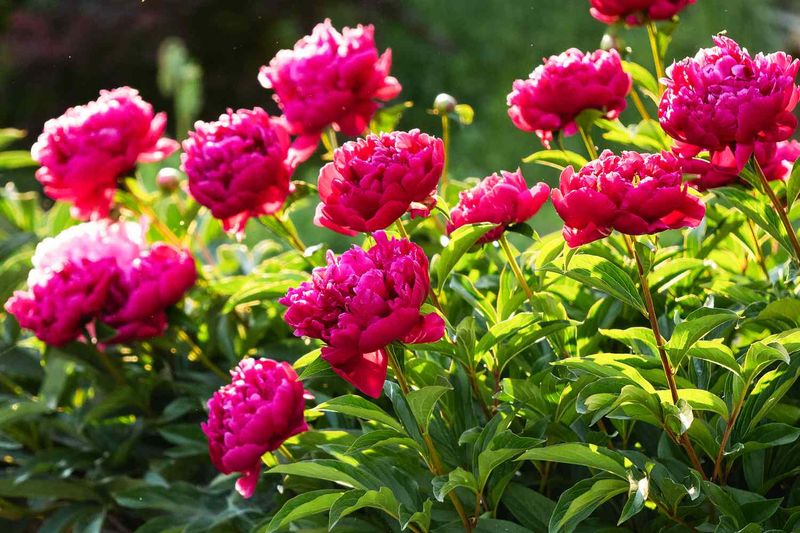
Grandma’s peony bush might still be blooming by the old fence long after the house changed owners. That kind of staying power is normal for peonies, which can live 50 to 100 years in one spot.
The catch is that young peonies can look a little sad for the first two or three seasons. Many gardeners panic and move them, which sets the clock back to zero.
Moving is the single biggest mistake you can make with a peony.
Give your plant full sun and well-drained soil, and plant the eyes no more than about 2 inches deep. Planting too deep is a common reason peonies refuse to flower.
After that, your main jobs are cutting stems back in fall and maybe adding a support ring in spring.
Fun fact: those ants crawling on the buds are not hurting anything. They are just after the sweet nectar, so leave them be.
2. Baptisia (False Indigo)
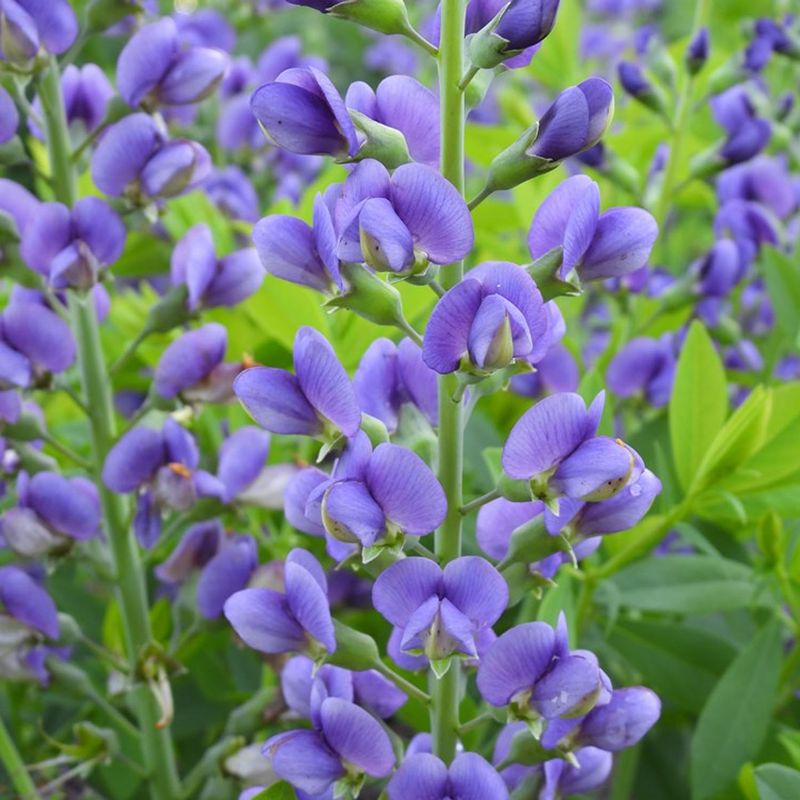
Think of baptisia as the strong, silent type of the flower bed. Year one, it barely seems to grow.
By year four, it can look like a tidy blue-flowered shrub that showed up overnight.
The secret is underground. Baptisia sends down a deep taproot that lets it shrug off drought, heat, and poor soil.
That same root is why it hates being moved or divided, so pick its forever home carefully.
You do not need to fertilize it or deadhead it. In fact, the dark seed pods that form after bloom rattle in the wind and look great in fall arrangements.
If your baptisia flops open in the middle, it may be getting too much shade or rich soil. More sun and less pampering usually fix it.
3. Hosta
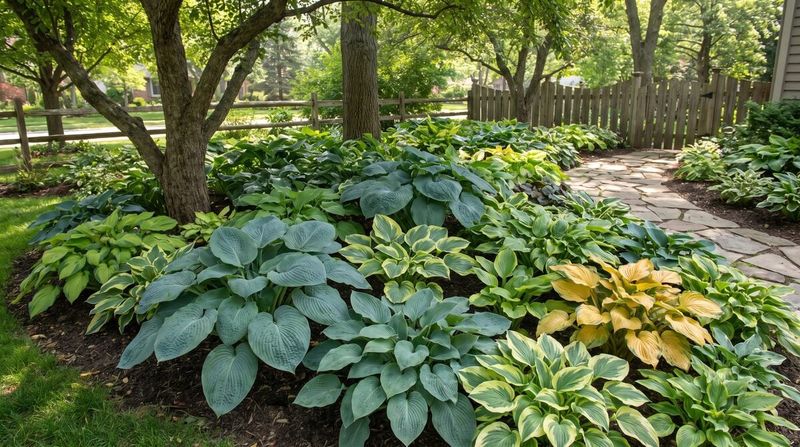
Shade gardeners, here is your best friend. Hostas can live more than 50 years, and every spring the clump comes back wider and more impressive than the last.
A small hosta from the garden center often looks like a few lonely leaves. Give it three to five years, and the same plant can stretch several feet across.
Big leaf varieties especially need that time to show their true size and color.
Leaving them alone is the easy part. Keep the soil evenly moist during hot summers, and watch for slugs, which leave ragged holes in the leaves.
A shallow dish of beer or some hand-picking in the evening can reduce the damage.
If your leaves look scorched and brown at the edges, the plant is likely getting too much afternoon sun. Morning sun and afternoon shade keep hostas happiest.
4. Daylily
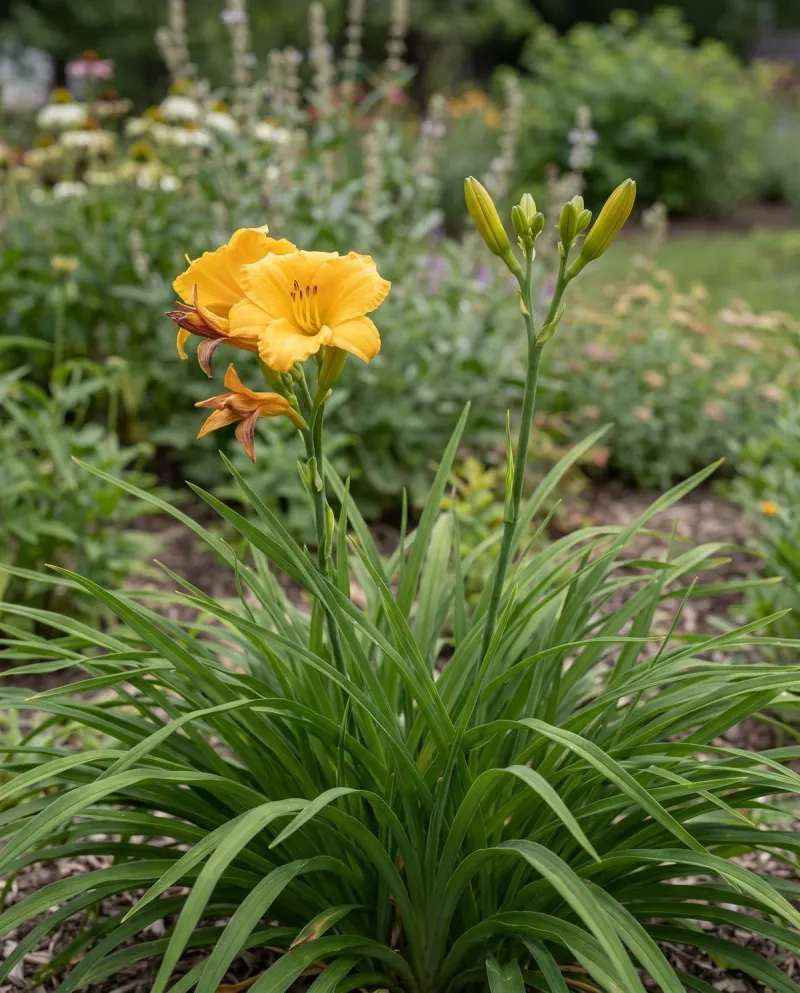
Ever notice those orange flowers thriving in roadside ditches with zero care? That is the daylily, one of the toughest plants you can grow.
Each bloom lasts only a day, but a mature clump pushes out dozens of buds over several weeks. The older the clump, the more flower stalks it sends up.
Full sun is the key, since shade means more leaves and fewer flowers.
Daylilies handle heat, drought, and poor soil like champs. They can be divided, but they do not need it until the center gets crowded and blooms slow down, which may take many years.
Snap off the spent flower stalks if they bother you. Otherwise, let this hard worker do its thing.
5. Sedum (Stonecrop)
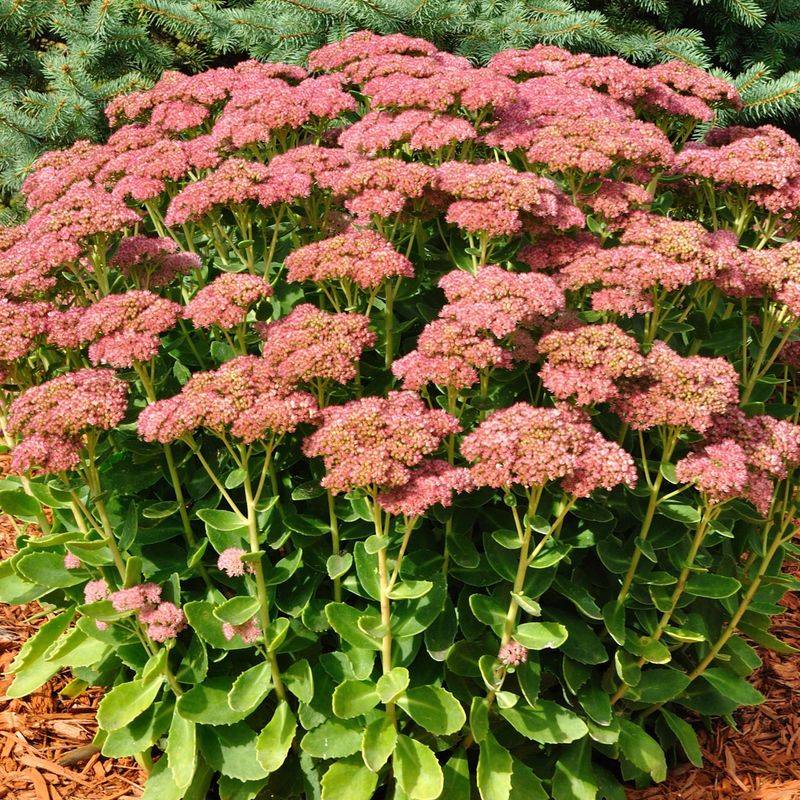
Hot, dry spot that cooks everything you plant? Sedum laughs at that problem.
Its thick, juicy leaves store water like a cactus, so it keeps looking fresh during summer heat waves. Tall types like Autumn Joy bloom late in the season, just when the rest of the garden starts to fade.
Bees and butterflies flock to them.
Here is the leave-it-alone bonus. Do not cut the flower heads in fall.
They dry to a rusty brown and hold snow beautifully all winter.
If yours flops open, the soil may be too rich or wet. Sedum actually performs better when you ignore the fertilizer bag completely.
6. Lavender
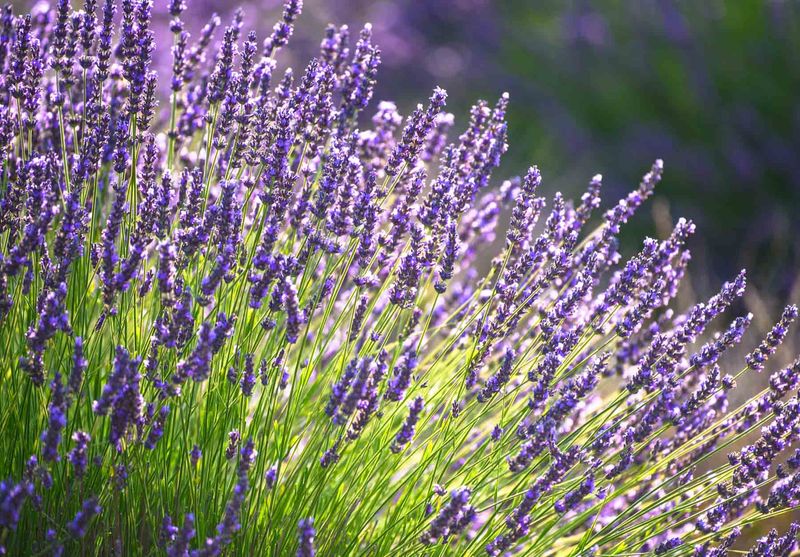
More lavender plants die from too much love than from neglect. Overwatering is the classic killer, causing roots to rot in soggy soil.
Once established, lavender is drought-tolerant and blooms for weeks with very little help. Plant it in full sun with fast-draining soil, and let the soil dry between waterings.
Gravel or sandy soil works better than rich garden beds.
The one chore worth doing is a light trim after flowering. Avoid cutting into the old woody stems, since they often will not sprout again.
If the base turns gray and limp while the soil is damp, stop watering and improve drainage. That simple change can save a struggling plant.
7. Perennial Salvia
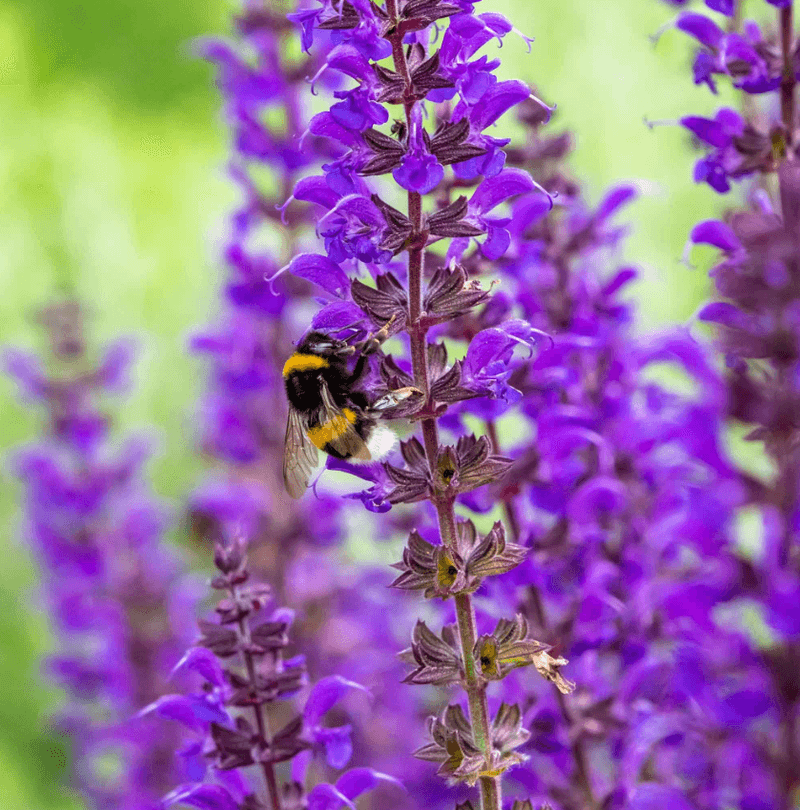
Pollinators treat a salvia patch like an all-you-can-eat buffet. Bees and hummingbirds visit those purple spikes from early summer onward.
Salvia earns its spot by not needing you to hover. It handles heat, humidity, and dry spells, and deer usually leave it alone thanks to its strong-smelling leaves.
When the first flowers fade, shear the plant back by about a third. That quick haircut can trigger a second wave of blooms within a few weeks.
Each year the clump gets thicker and sends up more spikes. Just give it sun and decent drainage.
8. Liatris (Blazing Star)
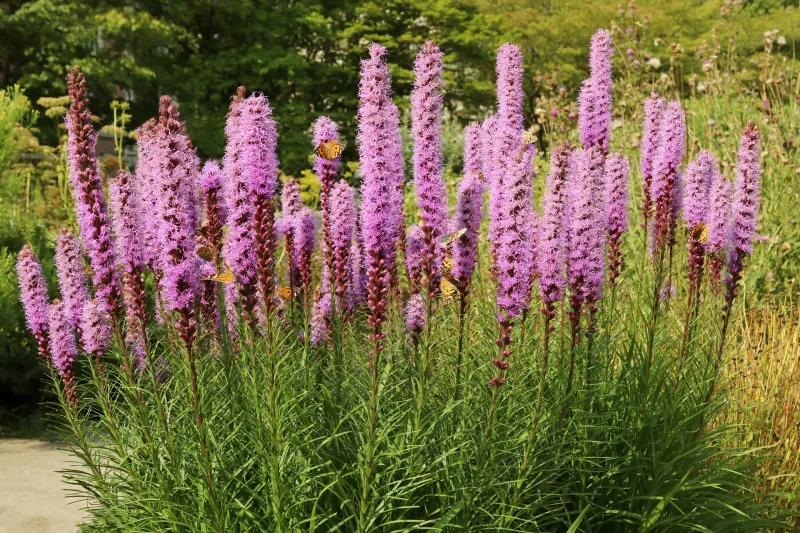
Most flower spikes open from the bottom up. Liatris breaks the rule and blooms from the top down, which makes it a fun conversation plant.
Native to American prairies, blazing star grows from corms, which are bulb-like roots. Left undisturbed, those corms multiply slowly, so each summer brings more of those fuzzy purple wands.
Give it full sun and soil that drains well, especially in winter. Wet, soggy ground can rot the corms.
Monarchs and other butterflies love it. Leave the seed heads standing in fall, and finches may stop by for a snack.
9. Gas Plant
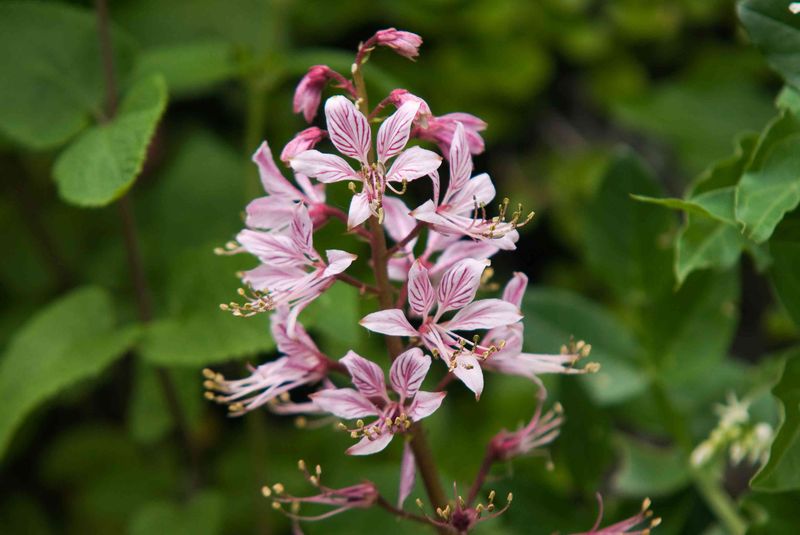
Here is a quirky one. On hot, still summer evenings, the gas plant gives off a lemon-scented oil that some people claim can flicker briefly if you hold a match near the flowers.
Beyond the party trick, gas plant is one of the slowest and longest-lived perennials around. It may take a few years to bloom well, but mature plants can thrive for decades without division.
Plant it in sun with well-drained soil and then truly forget about moving it. Its roots dislike disturbance.
Wear gloves when handling it. The sap can irritate skin in sunlight for some people.
10. Amsonia (Bluestar)
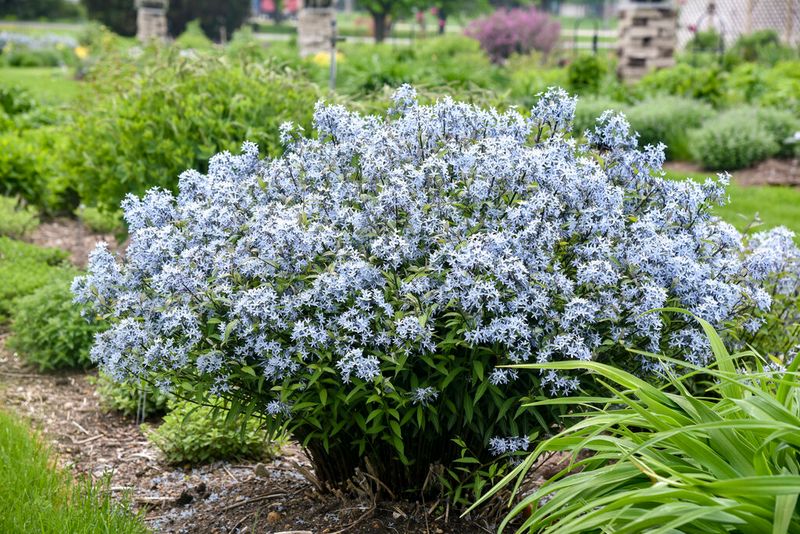
Spring brings soft, star-shaped blue flowers. Fall brings the real surprise, when the feathery leaves turn bright golden yellow.
Amsonia is a native plant that grows into a full, rounded clump over several years without ever needing division. Pests and deer usually ignore it.
Plant it in sun to part shade. More sun means better fall color and a sturdier shape.
If the clump opens up after flowering, trim it back by a third. Otherwise, it asks for almost nothing.
11. Wild Columbine
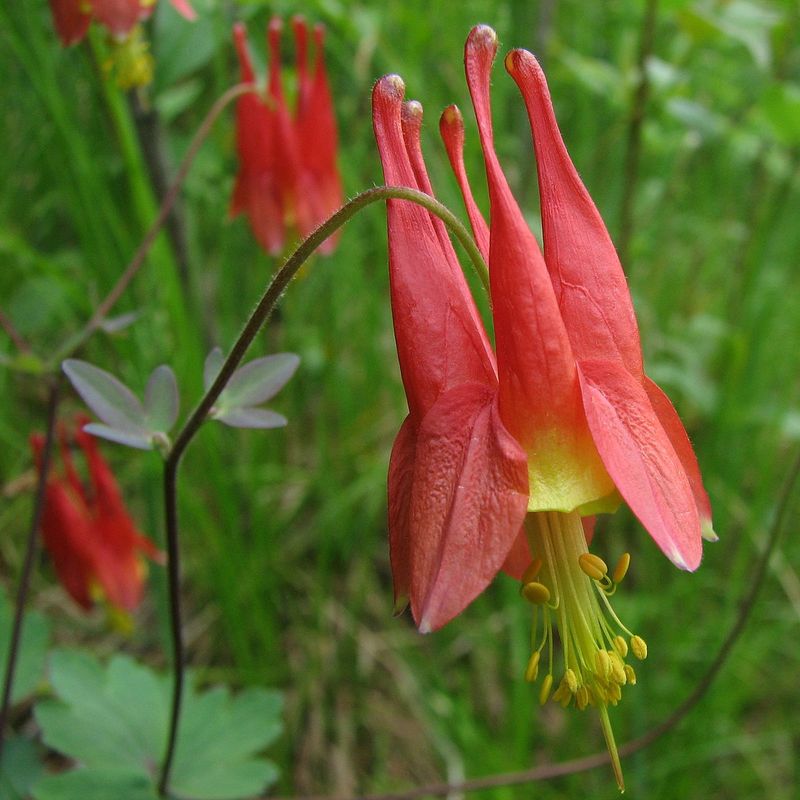
Hummingbirds coming back in spring often head straight for wild columbine. Its red and yellow nodding flowers are packed with nectar.
Individual plants are short-lived, but do not worry. Columbine reseeds itself, so a small patch slowly becomes a lovely drift if you let the seeds fall.
The leave-it-alone trick matters here. Skip deadheading at least some flowers, and avoid heavy mulch where seedlings sprout.
Leaf miners may draw squiggly lines on the leaves. It looks odd but rarely harms the plant.
12. Coneflower
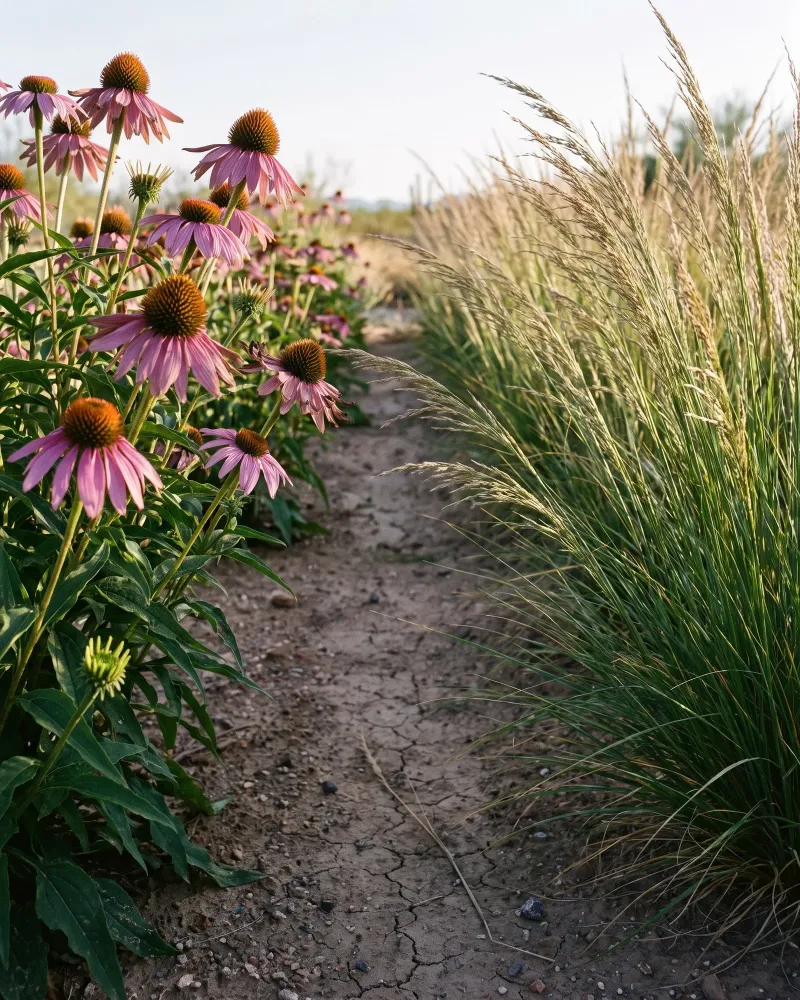
One coneflower this year can turn into a whole patch in a few summers. These tough natives spread and self-seed, filling space naturally.
They handle heat and dry spells once settled and bloom for weeks. Full sun keeps stems strong.
Resist the urge to tidy up in fall. Goldfinches love the seeds, and the dark cones look striking against winter snow.
Too much water or fertilizer can make them weak, so let them be.
13. Hardy Geranium (Cranesbill)
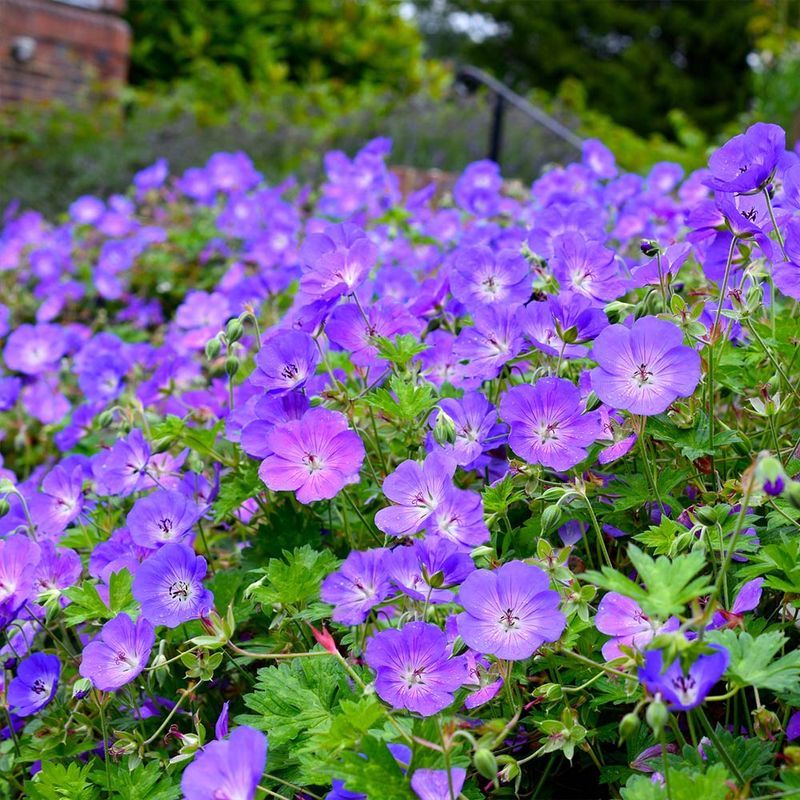
Not to be confused with the potted geraniums on your porch, hardy geraniums are true perennials that come back year after year.
Varieties like Rozanne spread into wide mounds covered in blue-purple flowers from late spring until fall. Each season the mound grows fuller.
If plants look tired by midsummer, cut them back. Fresh leaves and new blooms usually return.
Give them sun or light shade and you have a reliable, long-lived edger.