
Stink Bugs Sneaking Indoors For Winter Turn Around At The Door When You Use These 9 Natural Repellents

Every fall, stink bugs crowd onto sunny walls and start squeezing through tiny cracks to spend the winter inside your home. They won’t bite you or your houseplants, but squish one and the smell lingers for hours.
The good news is that simple kitchen and garden ingredients can make your doorways and windowsills feel like a place they want to avoid. Here are nine natural repellents that may help send them back outside before they settle in.
1. Garlic
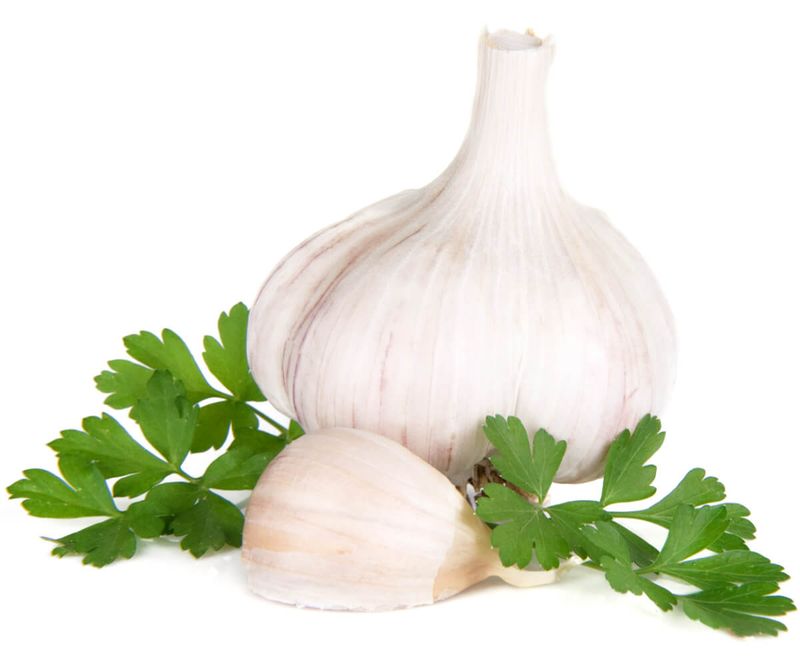
Your grandmother may have sworn by garlic for colds, but stink bugs seem to hate it even more than germs do. That sharp, pungent smell confuses their senses and can make an entry point feel unwelcoming.
For a quick spray, mix 2 cups of water with 4 teaspoons of garlic powder in a spray bottle. Mist it along windowsills, door frames, and the soil and leaves of potted plants you bring indoors for winter.
Reapply every two to three days, since the scent fades fast.
Prefer something even easier? Crush a few fresh cloves and set them in a shallow tray near drafty windows.
Swap them out once they dry up and lose their punch.
2. Peppermint and Spearmint
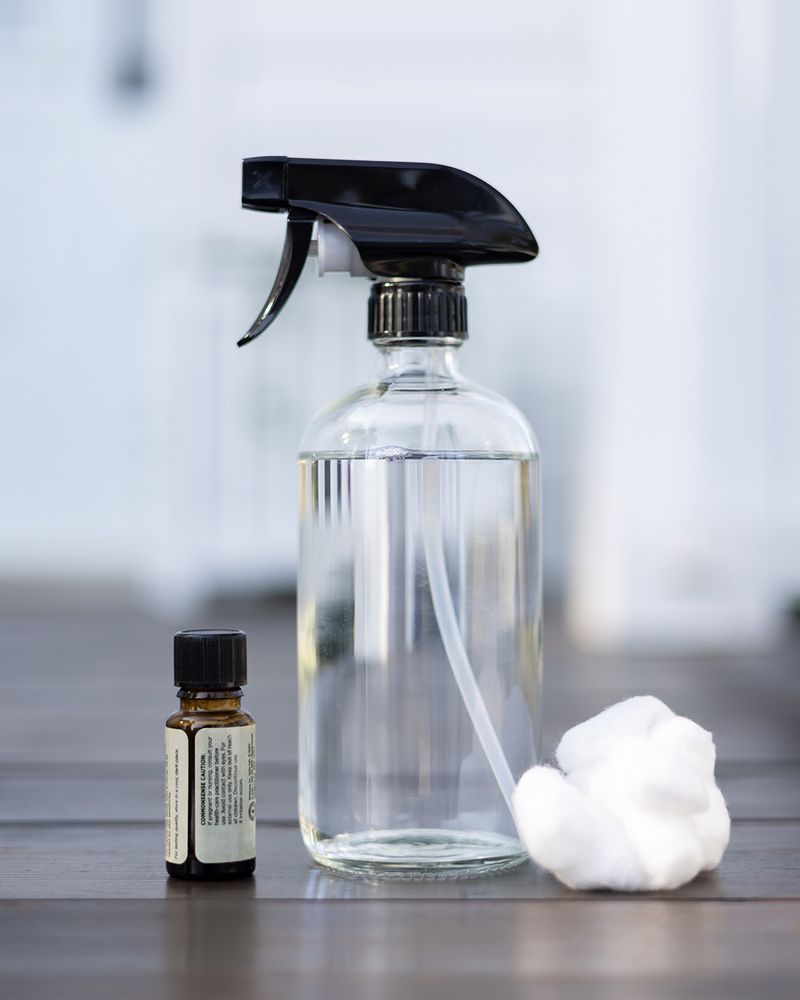
Fresh, cool, and clean to us. Overwhelming and unpleasant to a stink bug.
Mint is one of the most popular natural deterrents for good reason.
Combine 2 cups of water with 10 drops of mint essential oil, or 2 teaspoons of ground mint leaves, in a spray bottle. Spray around doorways, baseboards, window tracks, and on the leaves of houseplants that spent summer on the porch.
Cotton balls soaked in peppermint oil also work well tucked behind curtains or in corners.
As a bonus, the same scent may help discourage ants and spiders too. Just keep the oil away from curious pets and small kids, because concentrated peppermint oil can irritate skin and is unsafe to swallow.
3. Whole Cloves
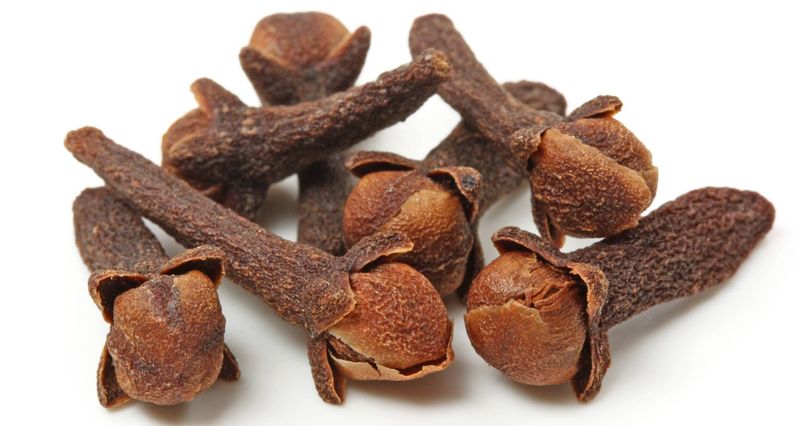
Here’s a fun one from the spice rack. In controlled lab tests, clove oil proved nearly 100 percent repellent to brown marmorated stink bugs, the invader most homeowners battle each fall.
Start simple by sprinkling whole cloves along windowsills, beside door thresholds, and even on your doormat. They smell cozy to people and stay effective for a while without any mixing.
Clove oil is much stronger and can even kill stink bugs on contact when sprayed outdoors around frames. Use it sparingly, though, because it can also harm beneficial insects like pollinators visiting your fall mums and asters.
4. Lemongrass
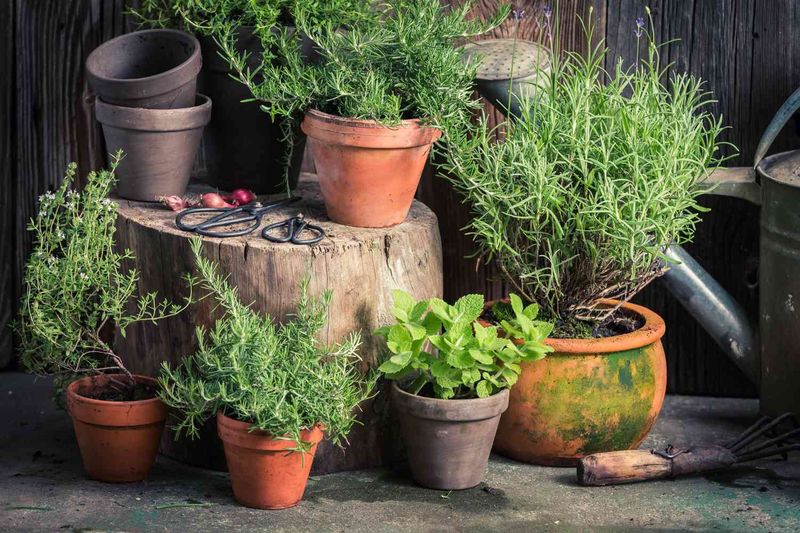
Picture a tall, grassy pot of lemongrass standing guard by your front step. Not only does it look nice, but its citrusy aroma may keep stink bugs from lingering near the door.
Lemongrass is a close cousin of citronella. A 2014 study found its oil nearly 100 percent repellent to brown marmorated stink bugs, which makes it one of the better-backed choices on this list.
Mix 10 to 15 drops of lemongrass essential oil into 2 cups of water and spray around windows, doors, and garden beds near the house. Potted plants can stay out until frost, then come inside as a fragrant sunny-window houseplant.
5. Neem Oil

If stink bugs have been chewing your tomatoes all summer, neem oil deserves a spot on your shelf. It goes beyond smell, interfering with the hormones young bugs need to molt and reproduce.
Mix 1 to 2 tablespoons of quality neem oil and 1 to 2 teaspoons of mild, unscented dish soap into 1 gallon of warm water. Spray window frames, door jambs, siding cracks, and the undersides of plant leaves where bugs love to hide.
Reapply every 7 to 10 days or after a heavy rain. Store it well out of children’s reach, since neem can be harmful if swallowed.
6. Food-Grade Diatomaceous Earth
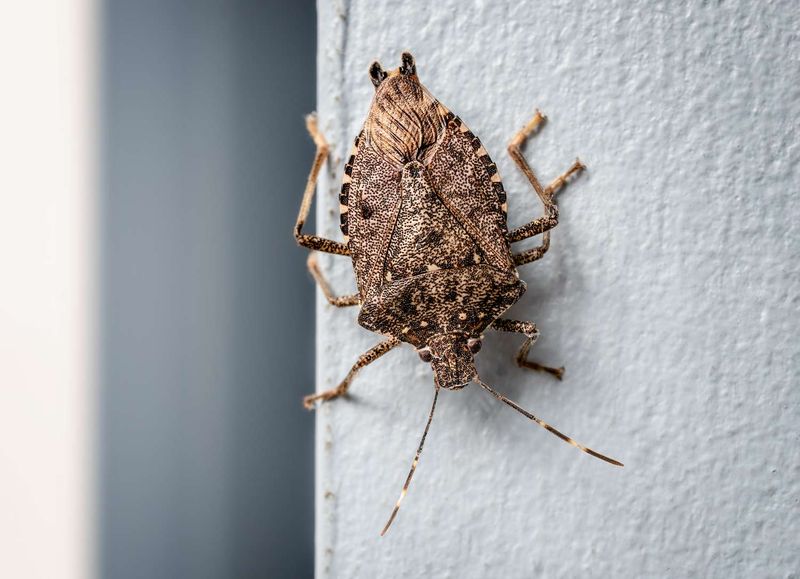
Think of it as a powdery tripwire. Food-grade diatomaceous earth is made from fossilized microscopic water organisms, and up close its edges are sharp enough to scratch an insect’s protective shell.
Once that outer coating is damaged, the bug dries out. Sprinkle a thin line across thresholds, windowsills, and outside entry points, or use a dust applicator to puff it into cracks.
Wear a mask while applying so you don’t breathe in the dust. Keep it away from flower beds where bees forage, since it doesn’t pick favorites among insects.
7. White Vinegar and Dish Soap Spray
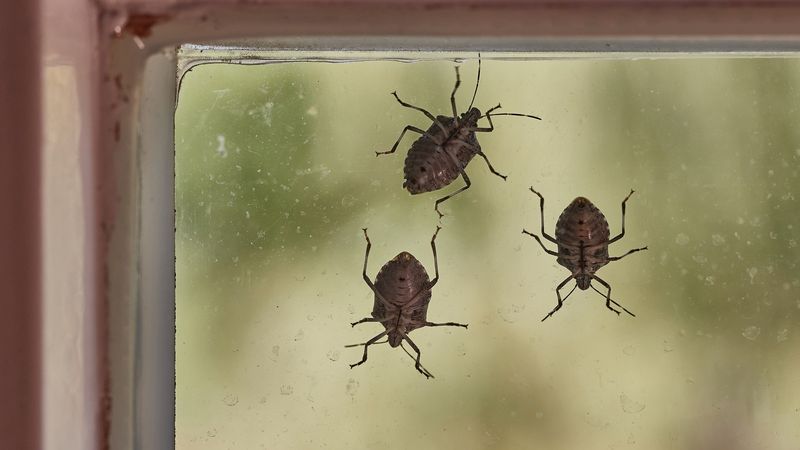
Sometimes one sneaky bug is already on the curtain, and you need a fix right now. That’s where this pantry spray shines.
Combine 2 cups of water, 1 cup of white vinegar, and half a teaspoon of liquid dish soap in a spray bottle. Shake gently, then spray directly on stink bugs or along sills and window tracks.
Think of it as a spot treatment rather than an all-season shield. It works best on contact, so keep a bottle handy near the windows that get the most visitors.
8. Simple Insecticidal Soap
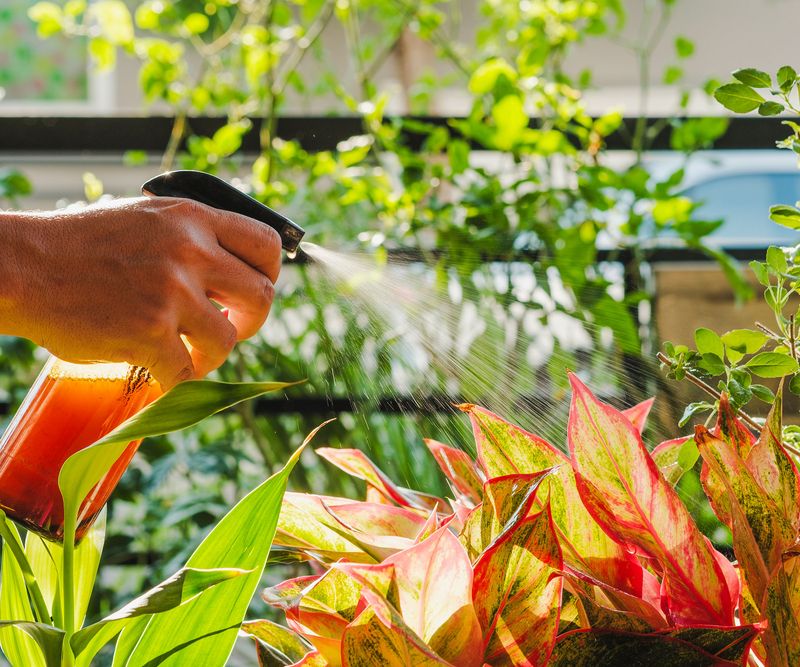
Bringing geraniums or herbs indoors for winter? Give them a once-over with soap spray first so you don’t carry hitchhikers inside.
Mix 2 cups of water with 10 drops of liquid dish detergent. The soap coats the bugs and kills them on contact, and it also clings to leaves, door frames, and sills a little longer than plain water would.
Test a few leaves first and wait a day to check for spotting. Rinse plants afterward if they look stressed.
9. Cedarwood Oil
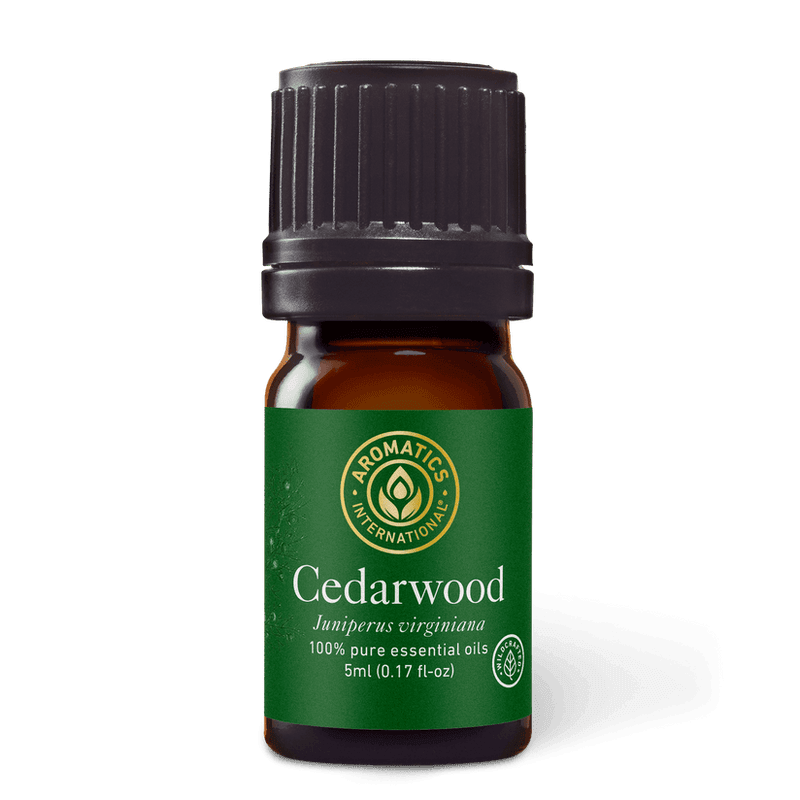
Cedar chests have protected wool sweaters for generations, and that same woodsy scent may help with stink bugs. The oil seems to scramble their sense of direction, creating a barrier they’d rather skip.
Dilute cedarwood oil in water and spray around windows, vents, baseboards, and plants near doors. It’s widely considered gentle enough for use around kids, pets, and food areas.
For best results, pair it with sealing gaps using caulk and weatherstripping and fixing torn screens. And whatever you do, never crush a stink bug, or you’ll be smelling it long after it’s gone.