
These 9 Everyday Mistakes Turn Your Petunias Into Leggy Stems With Barely Any Flowers
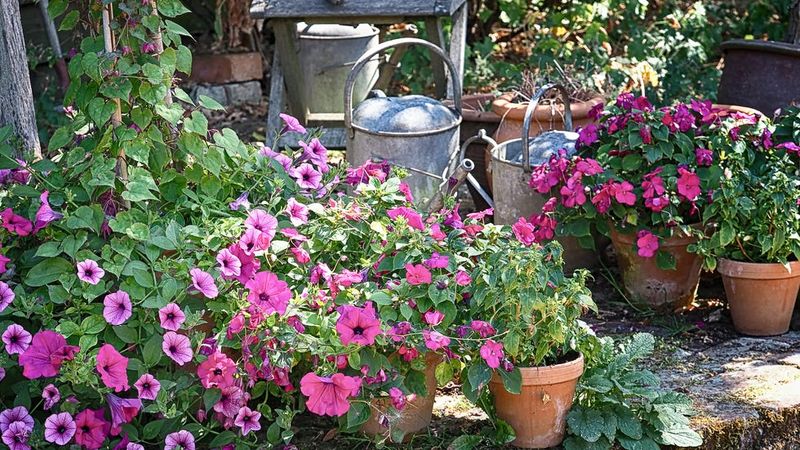
You planted petunias for big waves of color, but now you have long, bare stems with a flower or two stuck at the tips. That sad look is one of the most common petunia problems, and it usually comes from small habits we repeat without thinking.
The good news is that most of these mistakes are easy to fix with a pair of scissors, a watering can, or a better spot in the yard. Here are nine habits to watch for, plus the simple rescue for each one.
1. Growing Them in Too Little Sun
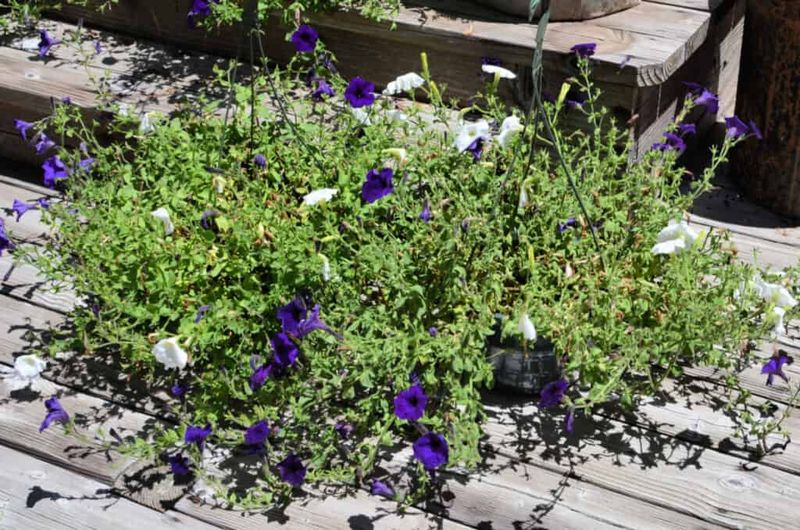
Picture a petunia on a shady porch, stretching its stems sideways like it is trying to peek around the corner. That stretching has a name: etiolation.
The plant is literally reaching for light it cannot find.
Petunias need at least six hours of direct sun each day to stay bushy and keep flowering. With less, stems grow long and thin, leaves spread farther apart, and blooms become rare.
A spot that looks bright to you may still be too dim for a sun lover.
The fix is simple if your petunias live in pots. Move them to the sunniest place you have and watch new growth tighten up within a couple of weeks.
For in-ground plants in a shady bed, consider moving them or swapping in shade-friendly flowers like impatiens. In very hot parts of the country, morning sun with a little afternoon shade can be the sweet spot.
2. Watering on a Whim
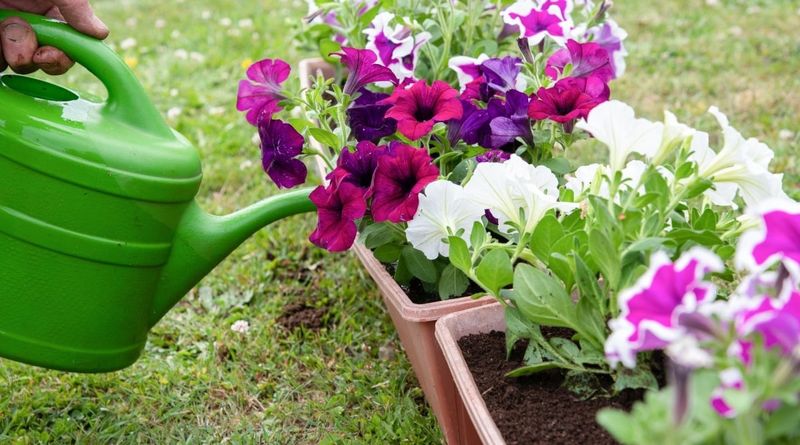
Some days the hose comes out twice, and other days nobody remembers the hanging basket at all. Petunias notice.
Swinging between soggy and bone dry sends them into survival mode, and flowers are the first thing they give up.
Dry spells make the plant stop pushing out new buds. Constant wet soil, on the other hand, can lead to root rot, which weakens stems and can make growth floppy and stretched.
Peat-based potting mix adds a sneaky twist, since it can repel water once it dries out completely.
Try the finger test instead of a schedule. Push a finger about an inch into the soil, and water deeply when it feels dry.
Containers in summer heat may need water every day, while garden beds can go longer.
If your pot dried out hard, set it in a tub of water for 20 to 30 minutes so the root ball can soak it back up. Good drainage holes matter just as much as the water itself.
3. Skipping Deadheading
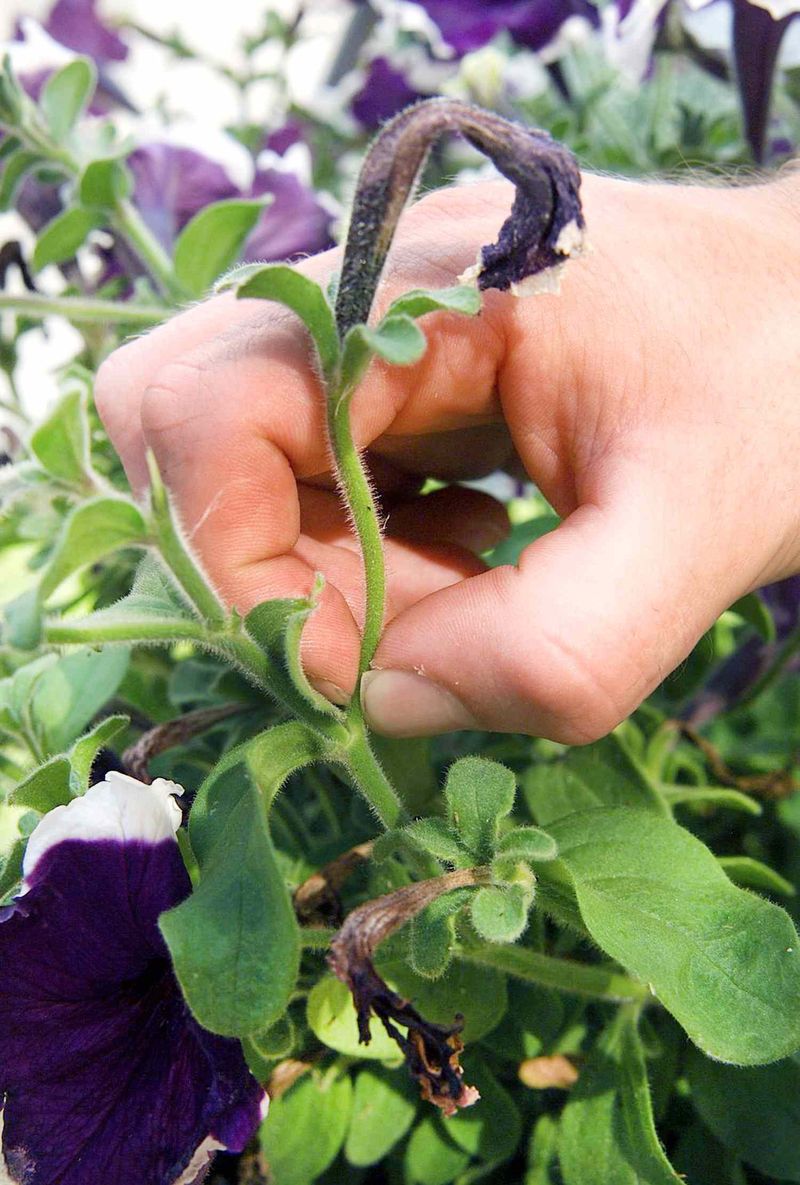
Every faded petunia flower is a little seed factory in the making. Once a bloom wilts, the plant starts building a tiny green pod behind it, and that job eats up energy that could have gone into new flowers.
Leave enough of those pods in place and the plant decides its work is done. Blooming slows, and stems keep stretching without much to show for it.
Here is the trick many people miss: pulling off just the papery petals is not enough. You need to remove the swollen pod at the base too.
Pinch or snip just above the nearest leaf so the stem stays tidy.
A quick five-minute walk-by every few days keeps you ahead of it. Think of it as a morning coffee habit for your flowers.
4. Never Cutting Them Back
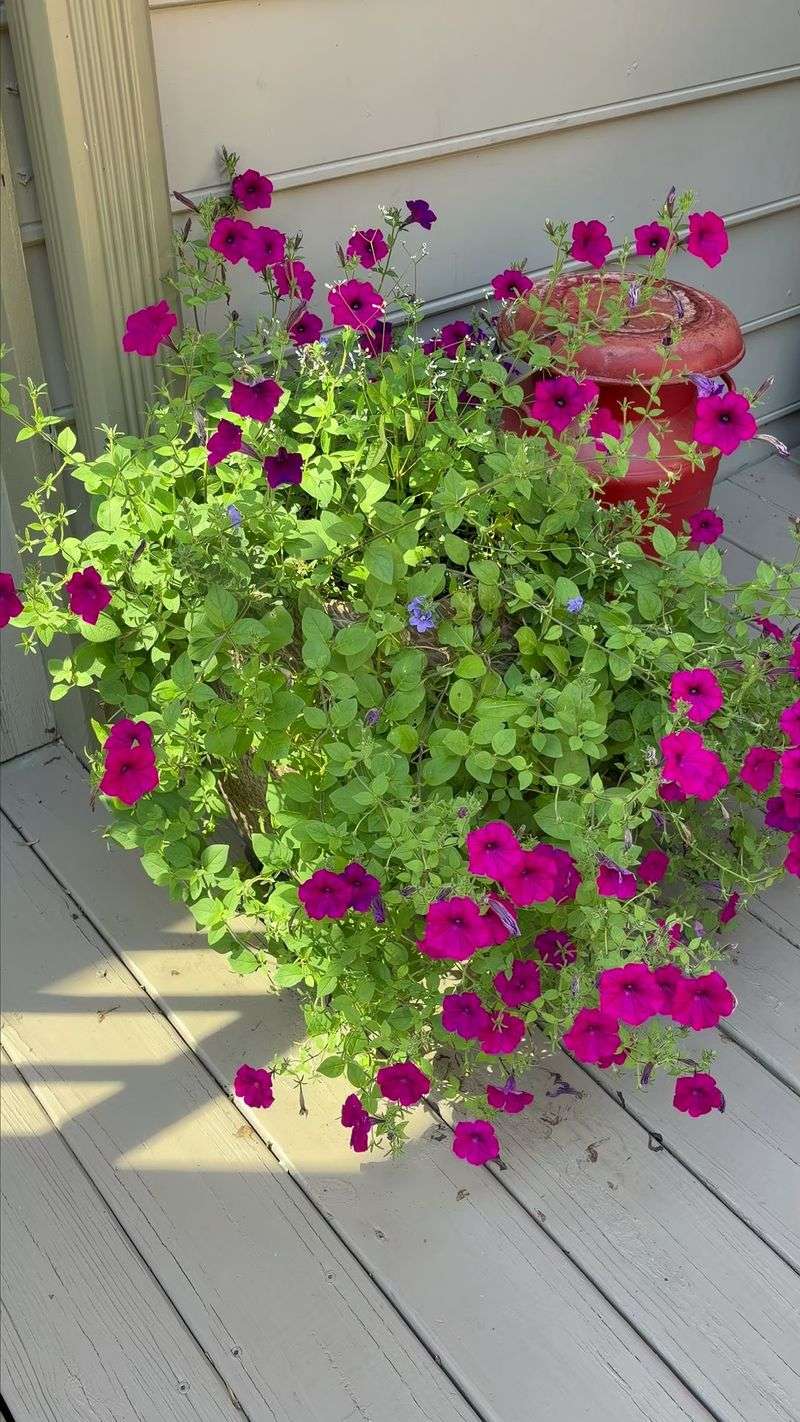
Cutting off healthy stems feels wrong. Most gardeners hesitate, hoping the plant will fill back in by itself, but petunias rarely do.
By midsummer, many have long bare runners with blooms only at the very ends.
A haircut is the best rescue. Trim stems back by about a quarter to a half, cutting just above a leaf node, and new side shoots will sprout from there.
For a plant that already looks like spaghetti, you can go as far as two-thirds.
Yes, you lose some color for a week or two. Then the plant comes back fuller, with more stem tips, and more tips mean more flowers.
Some gardeners stagger it, cutting a few stems each week so the pot never looks bare.
Young plants benefit too. Pinching the growing tips early in the season encourages branching before legginess ever starts.
5. Feeding the Wrong Way
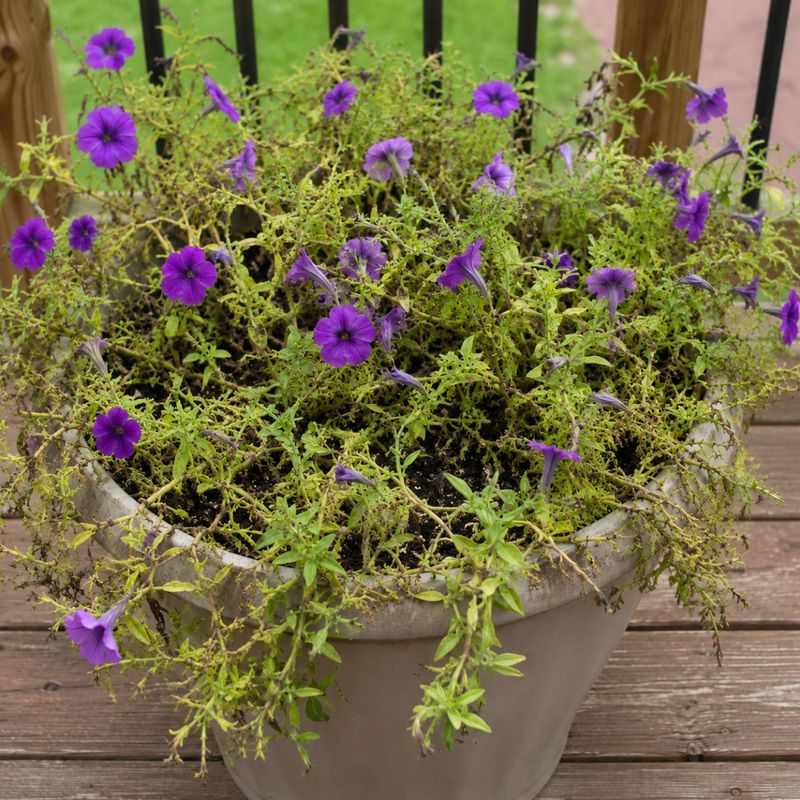
Petunias are hungry plants. Containers especially lose nutrients fast, because every watering flushes a little food out the bottom holes.
Underfeeding leaves plants pale and stingy with flowers. Overdoing nitrogen causes the opposite issue: lots of lush green leaves and long growth, but hardly any blooms.
Lawn fertilizer is a classic culprit here.
A balanced liquid fertilizer, such as 10-10-10 or 20-20-20, every one to two weeks during the growing season keeps most petunias happy. If you mainly want more flowers, a formula with a slightly higher middle number may help.
Always water first, then feed, so the roots do not get burned.
6. Cramming Too Many Into One Pot
Garden centers sell petunias in tidy six-packs, and it is tempting to squeeze all six into one pretty pot. For a few weeks it looks amazing.
Then the roots run out of room.
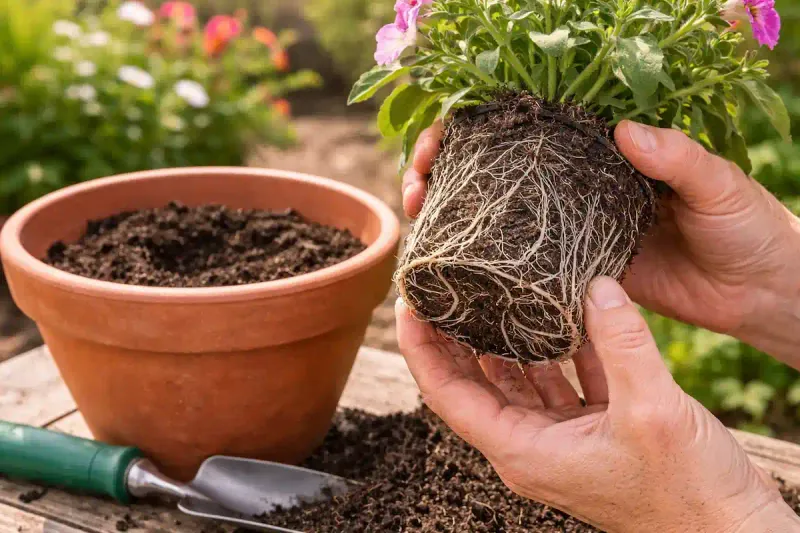
Crowded or root-bound petunias compete for water and food. Growth stalls, stems get thin and stretched, and blooming drops off.
A pot that dries out within hours of watering is often a clue.
Check by sliding the plant out of its container. If roots are circling the outside in a thick mat, it is time to move up a size or split the group.
As a rough guide, a 12-inch pot holds about three plants comfortably. In beds, give each one roughly 10 to 12 inches of space.
7. Leaving Them to Bake in a Heat Wave
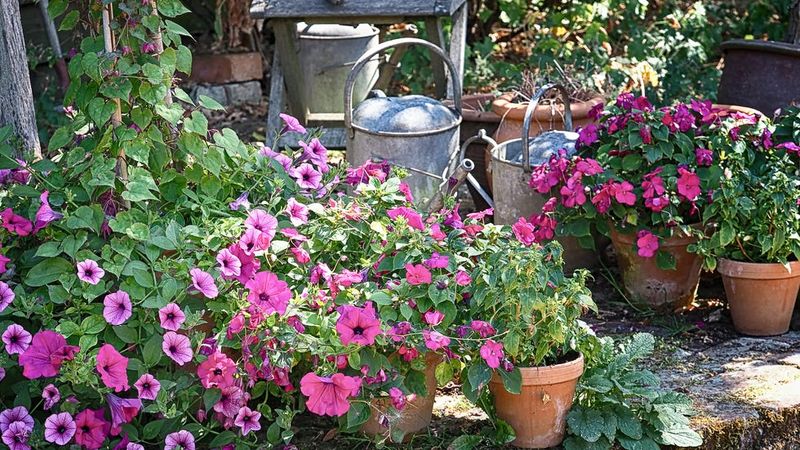
Sun lover does not mean heat proof. Once daytime temperatures stay above the mid-80s, many petunias simply take a break from blooming to protect themselves.
Stems may keep growing while flowers fade, which leaves you with a stretched, tired plant in July. Dark pots sitting on concrete or against a south-facing wall can get far hotter than the air temperature.
Give potted petunias some afternoon shade during the worst stretches, and keep watering steady. Lifting containers off hot pavement with pot feet or a plant stand can help.
A light trim plus a dose of fertilizer as the weather cools often sparks a strong late-summer comeback.
Fun fact: petunias come from South America, and their name traces back to a native word related to tobacco, which is a close cousin.
8. Overlooking Pests and Disease
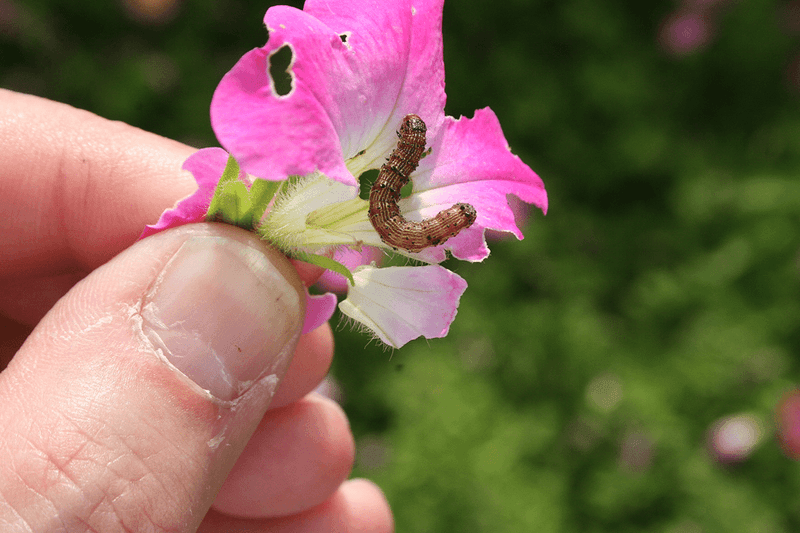
Aphids are tiny, green, and very good at hiding under leaves. Budworms chew holes right into flower buds before they open.
Gray fuzzy mold, called botrytis, loves wet, crowded petals.
A plant fighting off any of these has less energy for flowers. Over time, it can look thin, weak, and patchy.
Flip a few leaves over every week and look closely at buds. A strong spray of water can knock off aphids, and handpicking works for caterpillars.
Insecticidal soap may help with heavier infestations.
For mold and rot, water at the soil instead of over the top, and pull off soggy dead blooms. Good airflow between plants can reduce fungal problems a lot.
9. Fighting Their Natural Growth Habit
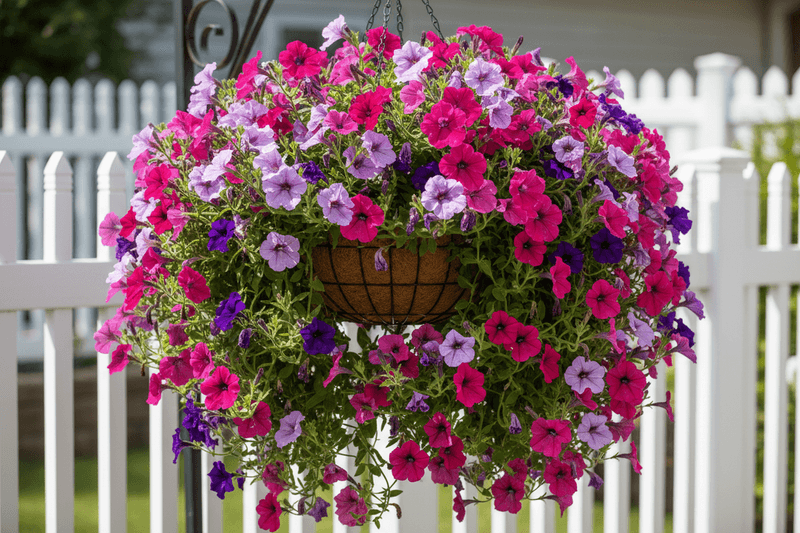
Sometimes you did nothing wrong at all. Many classic trailing petunias are simply built to sprawl, and by late summer they naturally push flowers out toward the ends of long stems.
Knowing that takes the guilt away. It also means trimming and deadheading are regular care, not emergency surgery.
If you would rather skip the upkeep, look for varieties labeled self-cleaning, such as many Wave, Supertunia, and calibrachoa-style types. These are bred to drop spent flowers on their own and stay fuller with less fuss.
Pick plants that match the time you actually have, and next summer may be your most colorful yet.