
Hellebores: One Late-Winter Option for North Carolina Shade Gardens
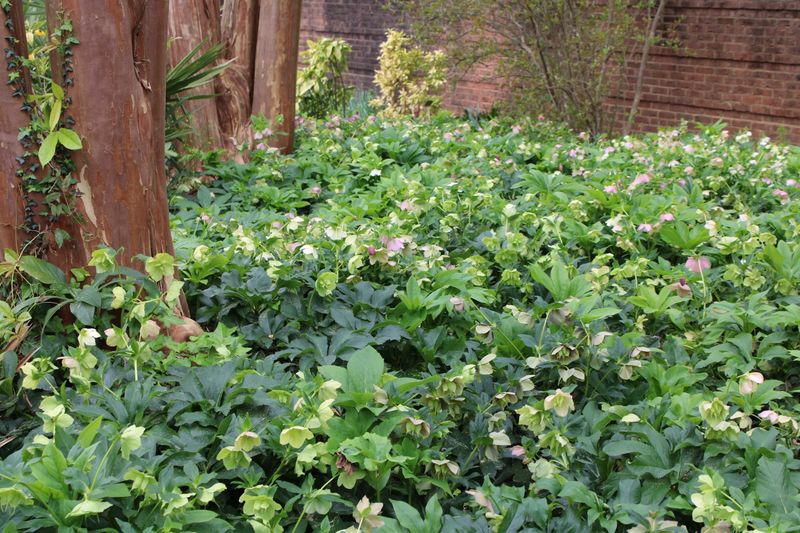
A shady corner of a North Carolina yard can look pretty plain once the leaves drop. Hellebores are tough perennials that can change that with nodding flowers in late winter and early spring.
They are not the only plants that bloom in the cold months, and they are not native here. Knowing where they fit helps you choose, plant, and watch them like a good steward of your yard.
A late-winter option, not the only flower in the garden
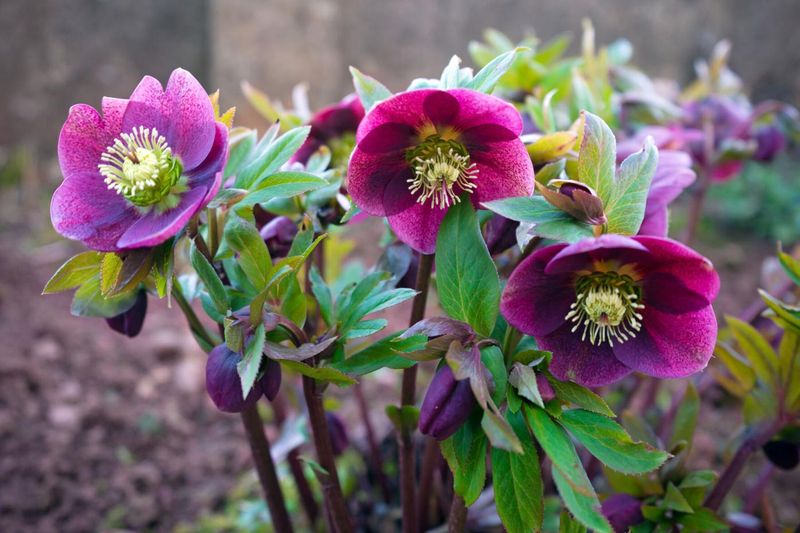
Picture the shady side of your house in February. The ground is brown, the trees are bare, and then a few nodding blooms show up near the base of the shrubs.
That is the appeal of hellebores, and it is easy to see why gardeners fall for them.
Still, they are not blooming across the whole state while everything else sits bare. NC State Extension describes hellebore blooms as arriving from late winter into early spring.
That is the safest window to plan around.
Some local reports stretch longer. Dare County Extension mentions a November through March season, but that describes conditions on the coast, not a promise for your yard in the Piedmont or the mountains.
Timing shifts with the species, the cultivar, the weather, and the exact spot where the plant sits. A clump in a sheltered bed near a warm wall may open earlier than one in a cold hollow.
Expect some variation from year to year, too.
Other plants flower in the cold months as well. Native witch hazel blooms from late fall into late winter.
Red maple flowers can open in early February in eastern North Carolina but not until late February in western counties. Hellebores are one good choice among several.
Nodding flowers and dark leaves shape the display
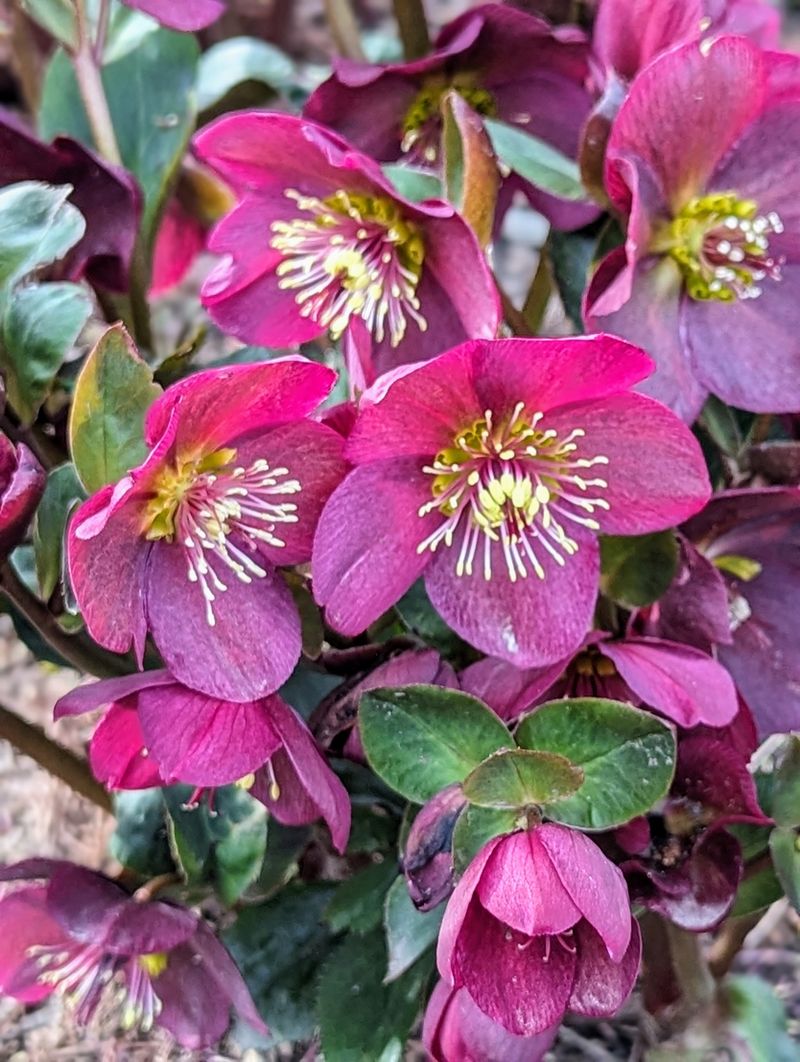
Lean down and lift a hellebore bloom with one finger. You will find a cup-shaped flower that often hangs its head, held above the plant on sturdy stems.
The look is quiet but striking, especially against dark leaves.
The colorful parts are mostly sepals, not true petals. That is one reason the flowers last so long, since sepals hold their color for weeks.
NC State Extension’s hellebore profile describes these flower traits and the plant’s overall form.
Foliage is a separate story from bloom time. Leaves are described as evergreen in warmer conditions, so a plant on the coast may look good all winter.
In colder climates they can be deciduous, and harsh winter weather can damage them.
The Lenten rose profile notes that leaves may be damaged by hard weather. If yours look ragged after a freeze, that is not a sign you did something wrong.
So think of the leaves as a bonus, not a promise. Some plants will stay lush, some will look tattered, and some will vanish for a while before returning.
Plan for a range of looks and enjoy the flowers when they come.
A shady corner still needs good drainage
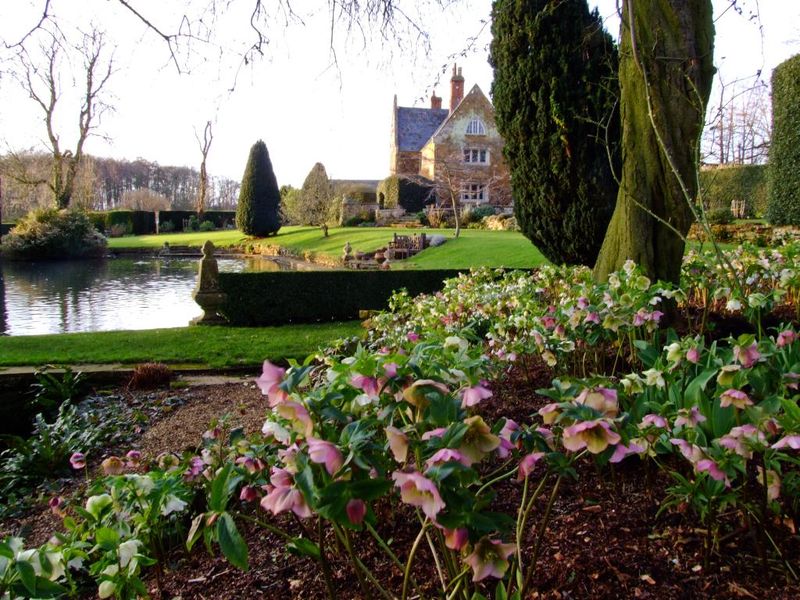
Shade alone does not make a spot right for hellebores. Soil matters just as much.
Walk your yard after a heavy rain and notice which corners stay soggy for days.
Light to moderate shade and organically rich, well-drained soil suit these plants best. NC State Extension’s general guidance points to those conditions.
A low spot where water pools is a poor match, because roots that sit wet tend to struggle.
If your soil is heavy clay, as it is across much of the Piedmont, mix in compost before planting. On a slope or the edge of a raised bed, water drains away faster.
In sandy Coastal Plain yards, compost helps hold a little moisture without turning soggy.
For Lenten rose specifically, NC State recommends moist, well-drained soil and a sheltered spot. A place near the house or under high tree branches can give that kind of shelter from the worst wind.
Remember that hellebore is a group of several species and hybrids, and they can be hard to tell apart. Do not assume the tag on one plant describes them all.
Read the label, watch how your plant responds, and adjust.
Can early insects use hellebore flowers?
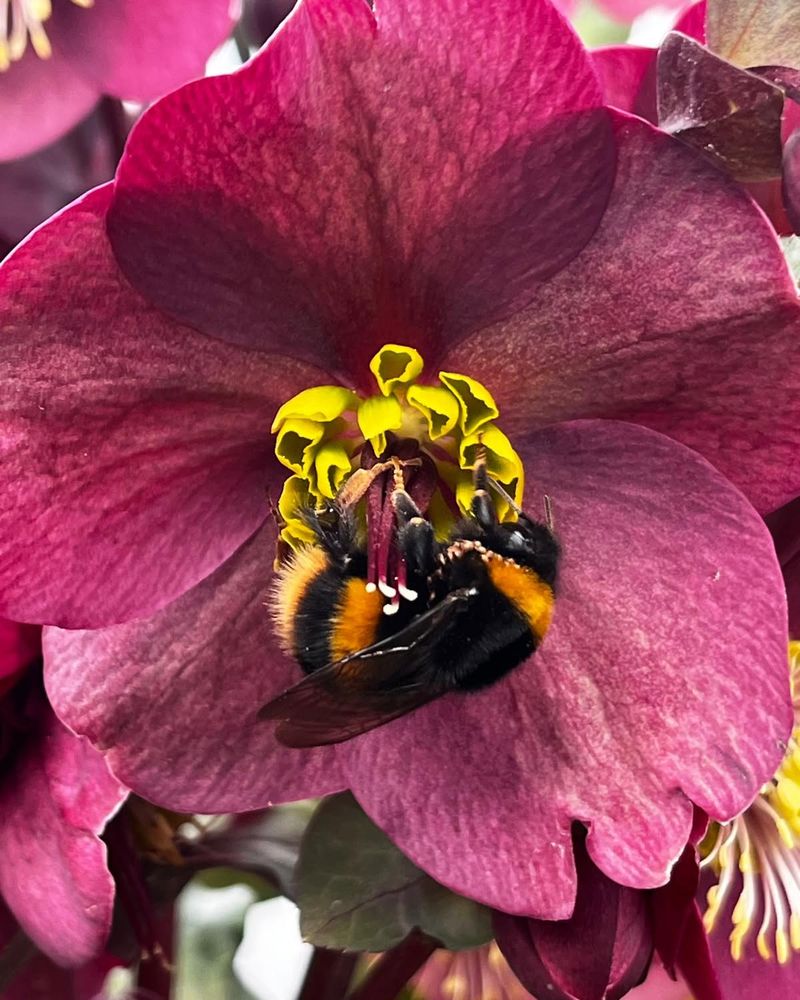
The idea that hellebores feed bees in winter is popular, but the real picture is more modest. Whether an insect finds the flowers depends on when they open and whether any insects are flying that day.
The sources even differ a bit. NC State’s plant profile says pollinators may benefit from the early flowers.
Dare County Extension says hellebores are not winter pollinators but can feed insects in spring.
Research shows that insects do visit winter-flowering hellebores. One study looked at Helleborus foetidus in the Iberian Peninsula.
It found that visits differed among regions and that bigger flower displays drew more visitors.
That study did not look at garden hybrids in North Carolina, so it cannot tell us how much benefit your plants offer. Treat it as proof that a visit is possible, not a measure of what happens in your yard.
Other plants can fill the gap. Native witch hazel blooms from late fall to late winter, and red maple flowers open in February in many places.
Hellebores are not the only food source, and they are not a dependable one. If a warm afternoon brings a bee to your blooms, enjoy it as a bonus.
Seasonal care and careful handling
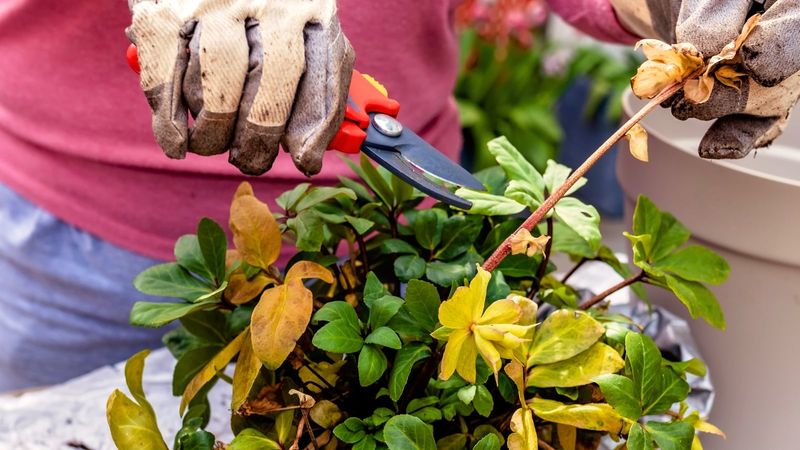
Grab your gloves before you head out. Every part of a hellebore is poisonous if eaten, and the plant can cause contact dermatitis, a skin rash, in some people.
NC State Extension warns about both risks and recommends gloves and protective equipment when handling. Do not treat these plants as safe around curious children or pets.
Wash your hands and tools after working with them.
Seasonal care is simple. If the old leaves look damaged, you can remove them before the flowers open so the blooms show off better.
NC State’s hellebore guidance covers this step.
After the flowers fade, cut the flowering stems back. That encourages fresh foliage to fill in.
Cutting is a good moment to check for seedlings around the base too.
Established clumps can be divided in late summer to early fall. Dig carefully, split the clump, and replant at the same depth in well-drained soil.
Water new divisions in until they settle.
Skip the heavy fuss. Hellebores do well with a light touch, a yearly tidy, and a bit of compost.
Introduced plants can complement native winter interest
Good stewards know where their plants come from. Hellebores are not native to North Carolina.
They came from elsewhere and found a comfortable home in our gardens.
They can also spread. NC State documents self-seeding, so small seedlings may pop up around the parent plant.
The NC Native Plant Society’s invasive plant list places Helleborus species in Rank 3, a lesser threat that is presently low for native plant communities.
That is no reason for alarm. It is a reason to pay attention.
Check the ground around your plants each spring, and pull or move seedlings you do not want, especially if your yard borders woods or a natural area.
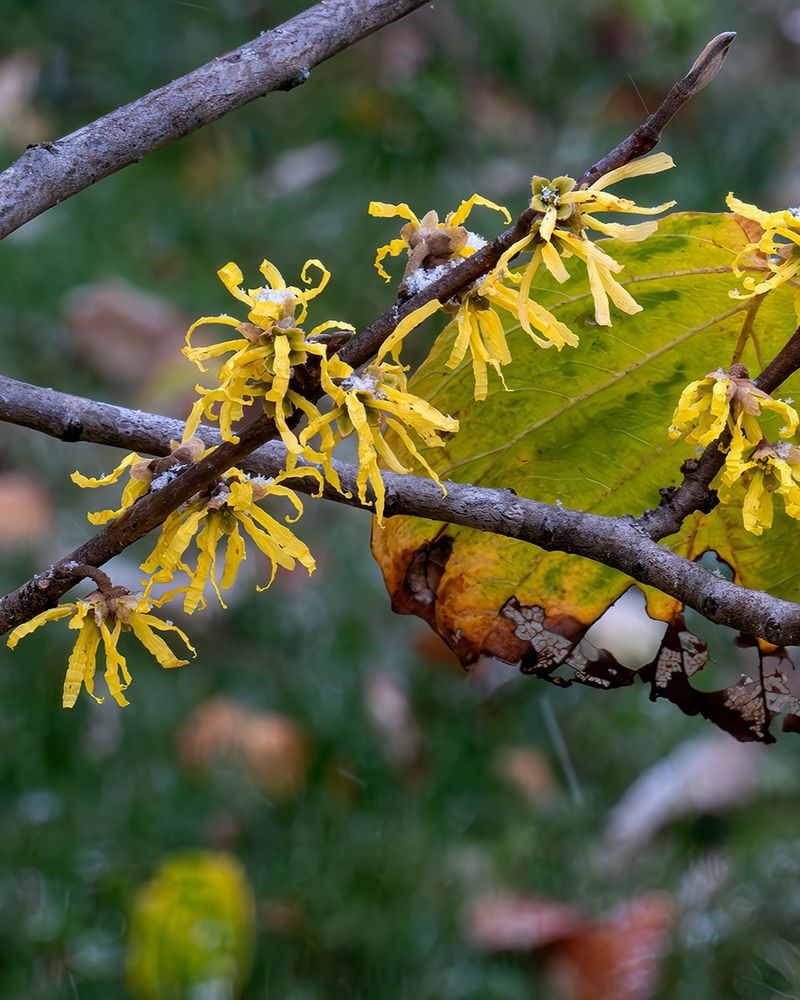
Pairing hellebores with native plants gives your yard a wider range of winter interest. NC State identifies witch hazel as native to North Carolina.
It grows in partial shade and blooms from late fall to late winter.
Witch hazel is not a swap for hellebores, since its bloom timing and shape are different. Think of it as a partner.
One gives you a shrub with spidery flowers, and the other gives you a low clump of nodding blooms.
Choose hellebores for the conditions you have
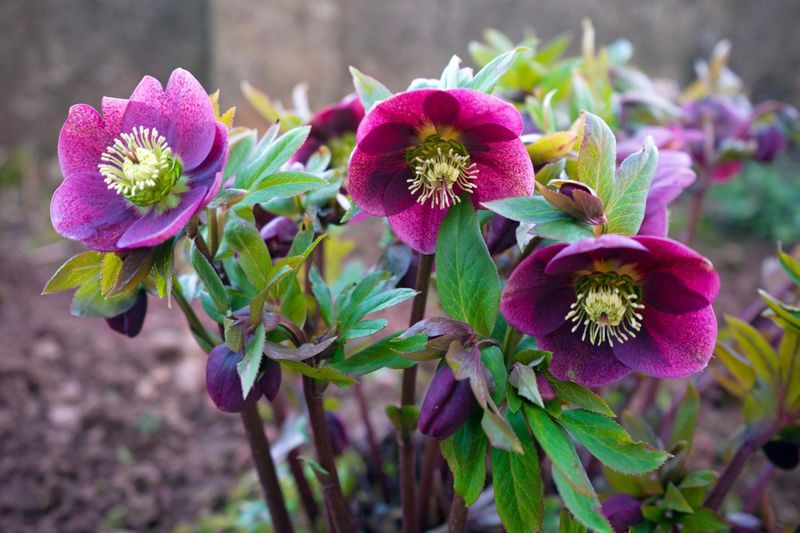
If you have light to moderate shade and soil that drains well, hellebores are worth a try. Expect flowers sometime between late winter and early spring, with timing that shifts by plant and place.
NC State’s hellebore profile is a good place to start.
Treat any visiting insects as a bonus. Keep an eye out for seedlings, and wear gloves whenever you handle the plants.
A well-placed clump will reward you for years.