
This Mowing Habit Is Quietly Inviting Crabgrass Back Into Your Lawn Next Spring (And How To Fix It Now)
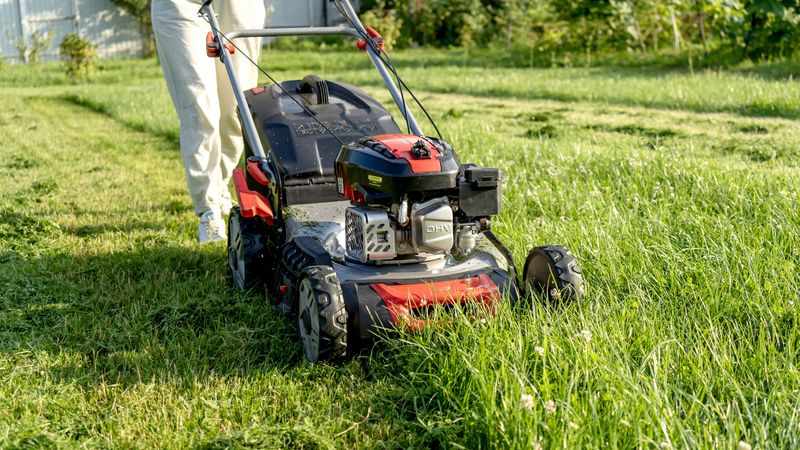
Crabgrass seems to pop up again every spring, even after you pulled it, mowed it, or watched frost wipe it out. Many people blame themselves or their weed killer.
The real story starts with seeds in the soil and the height of your mower during summer. Here is what actually helps, and what a last mow of the year can and cannot do.
Crabgrass can return even after last year’s plants die
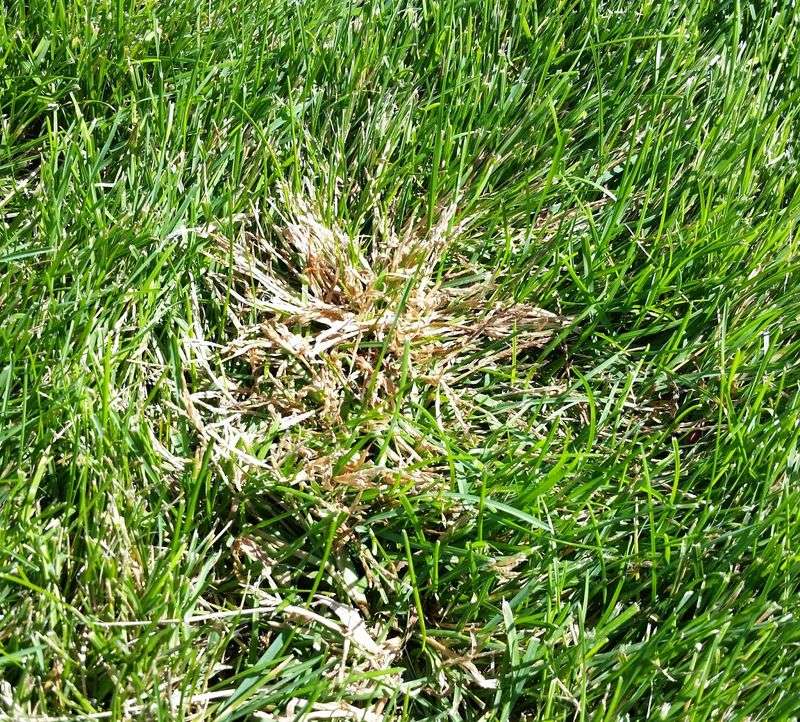
Picture the first hard frost of the year. The crabgrass in your lawn turns tan and flat, and it looks finished.
In a way it is, because crabgrass is a summer annual, which means each plant lives for one season and then dies.
So why does it seem to return? Penn State Extension explains that the plants die after frost, but the seeds they dropped stay behind in the soil.
When conditions are right in a later season, those seeds sprout. The new plants are not last year’s survivors.
They are a fresh crop from a seed supply already waiting in your yard.
That seed supply can last a while. UC IPM notes that crabgrass seed can stay viable in soil for at least three years.
Seeds can also hitch a ride in from elsewhere on shoes, equipment, or soil.
This is good news in one sense. Seeing crabgrass again does not mean you ruined your lawn or that one mistake caused it.
It means seeds met an opening. The rest of this article is about how to make that opening smaller, starting with how you mow during the growing season.
The risky mowing habit happens during the growing season
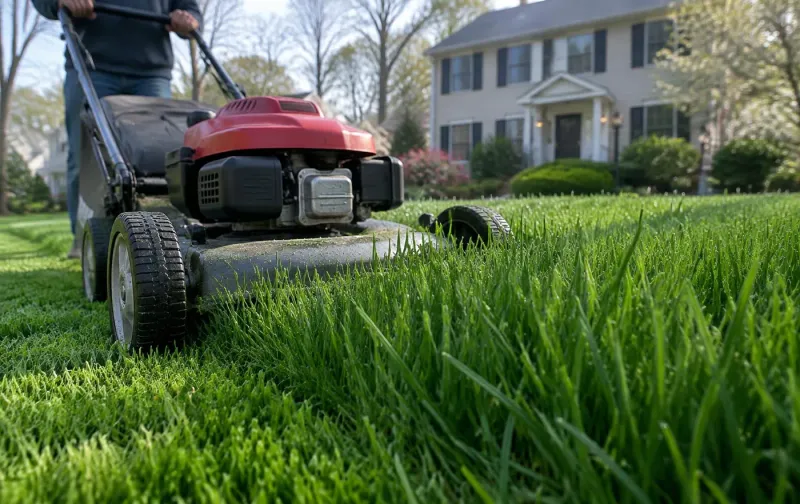
Here is the habit worth changing: cutting your grass very short again and again while it is actively growing. Scalping the lawn can stress the grass and thin it out.
Thin turf lets more light reach the soil, and that gives crabgrass seeds room to sprout and settle in.
Short mowing is not the only reason crabgrass shows up. Seeds, weather, watering, and soil all play a part.
But height is one factor you control every week.
A North Carolina field trial on tall fescue shows how big the effect can be. According to NC State Extension, crabgrass cover by mid-September was 95% where the grass was mowed at 1 inch.
It was 48% at 2 inches, 13% at 3 inches, and 0% at 4 inches. The work builds on research like a Crop Science study on mowing, nitrogen, and herbicides.
Keep the limits in mind. This was one trial on one type of grass in one place.
Your lawn may not match those numbers, and taller mowing will not make crabgrass vanish. The takeaway is the direction: lower cuts tended to leave more room for crabgrass, and higher cuts tended to leave less.
Set the mower for your grass, not a universal number
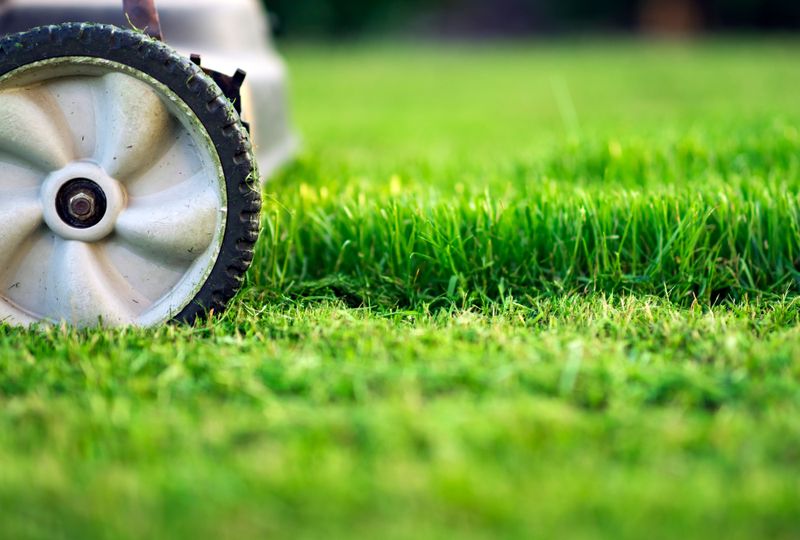
Start by finding out what grass you have. Tall fescue, Kentucky bluegrass, and perennial ryegrass are cool-season types, while bermudagrass and zoysia are warm-season types.
Each one has its own comfortable mowing range, and your local extension office can confirm it.
For common cool-season home lawns, extension guidance often falls around 2.5 to 3.5 inches, as Penn State Extension describes. Minnesota guidance goes a bit further for typical Midwest lawns, recommending 3 inches or higher.
Those are regional examples, not rules for every yard. Warm-season grasses can have different recommendations, so do not copy a cool-season number onto them.
Next, mind the one-third rule. Illinois Extension advises removing no more than one-third of the blade at a time.
If your target is 3 inches, mow when the grass reaches about 4.5 inches. In a fast growth spell that may mean mowing more often.
Finally, keep expectations realistic. Proper height helps build thick turf, and Purdue Extension treats a dense, healthy lawn as a central part of crabgrass management.
Watering, fertility, and grass choice matter too. Height is a helper, not a cure.
Can a final mow stop next spring’s crabgrass?
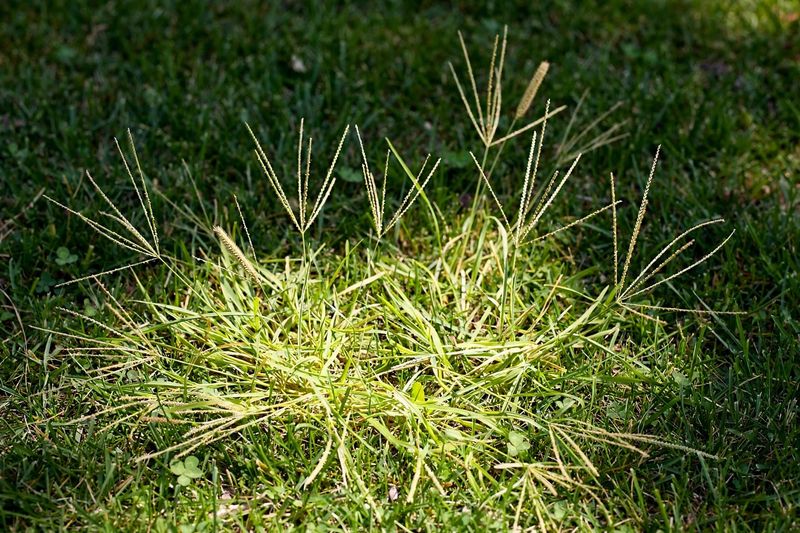
No, a last mow is not a dependable way to stop crabgrass next spring. Crabgrass seedheads generally form from summer into early fall, according to Penn State Extension.
By the time you make a final cut, many seeds may already have dropped.
There is another catch. Crabgrass is low-growing, and Penn State also notes it can form seedheads below normal mowing height.
A mower may pass right over them.
That said, some regions do suggest adjusting height in late fall for winter. This is regular winter lawn care, which is a separate job.
Minnesota guidance in its late fall lawn care advice says not to mow below 2 inches. Illinois says a final cut may be slightly shorter, but it warns against scalping, as noted in its mowing guide.
Those are regional tips, not national rules. If your area recommends a fall adjustment, follow it for the health of your grass.
Just do not cut extra short hoping to undo seeds already made, because that can stress the turf you want to protect.
Remove plants that remain, but do not rely on mowing to stop seed
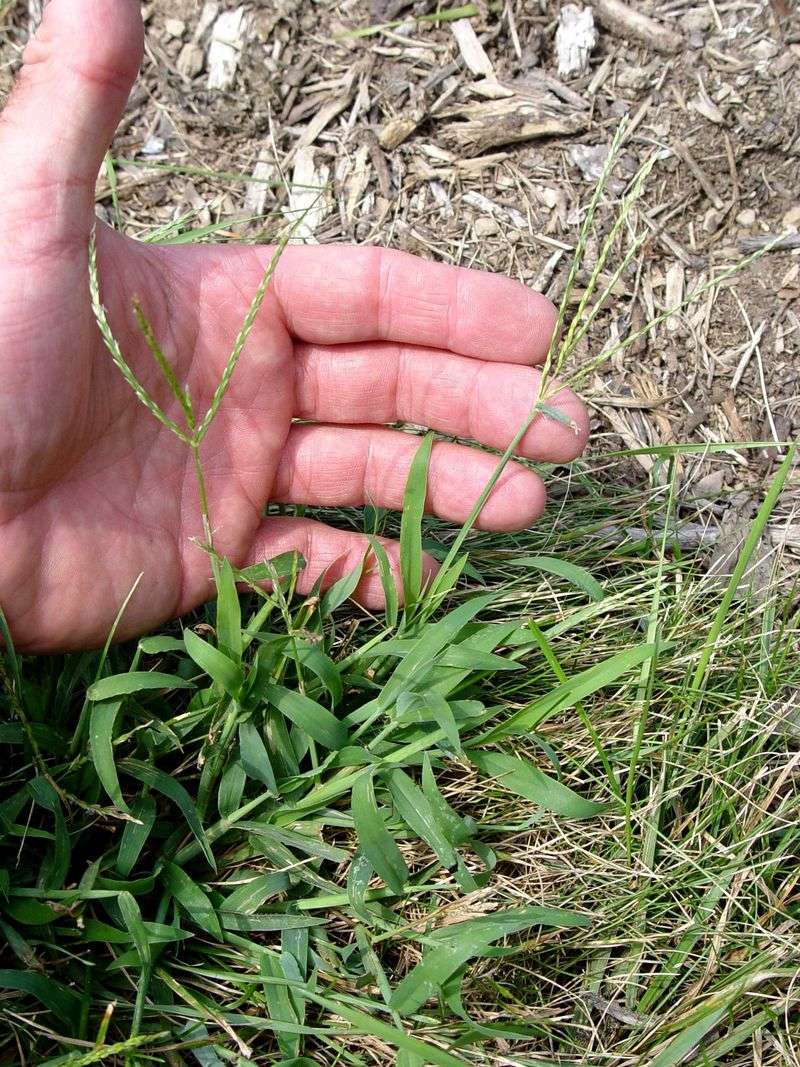
If you still see crabgrass in the lawn, early fall is a good time to act. Keeping plants from making seed can reduce how many seeds land in the soil for next year.
Fewer seeds can mean fewer seedlings later.
Mowing alone may not get this done. As Penn State Extension points out, crabgrass can produce seed at very low cutting heights, so routine mowing does not reliably stop it.
For small patches, hand tools work well. Pull or dig out the whole plant, getting the roots if you can, and check the lawn for the low, spreading stems that hide near the soil.
Bag the plants with seedheads rather than tossing them on the compost or lawn. Penn State lists hand removal as an option for small infestations.
Be honest about what this does. Removing visible plants does not erase seeds already in the soil, so a few seedlings next year would not mean you failed.
Think of it as shrinking the problem, not ending it.
Use spring prevention as one part of the plan
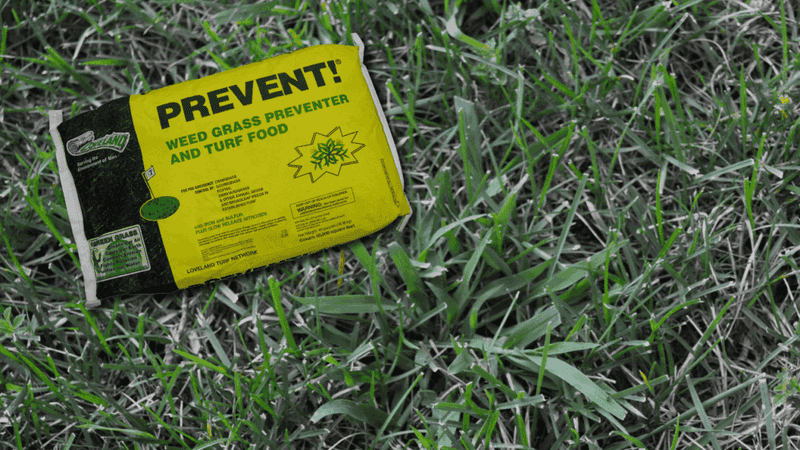
For a lawn with stubborn, repeat crabgrass, a preemergence herbicide may be one spring tool. It works only if it goes down before the seeds germinate, not after seedlings show up.
The right timing depends on where you live and the weather that spring, so local guidance matters.
Read the product label closely. It tells you where the product can be used, when to apply it, and what to avoid.
University of Minnesota Extension and Penn State Extension both describe preemergence products as an option, not a one-size answer. No single product, rate, or date fits every yard.
A herbicide also does not replace fixing thin turf. If the grass stays sparse, open soil keeps inviting weeds, so mowing height, watering, and feeding still count.
One more caution applies if you plan to seed. Preemergence products can interfere with grass seed coming up.
Before you use one, check the label and your local extension guidance, especially for dormant seeding or any fall or spring overseeding. Penn State raises the same seeding concern.
Make the next cut count for the right reason
Set your mower for your type of grass, and mow often enough that you never remove more than one-third of the blade, as Illinois Extension advises. Save any final fall adjustment for regional winter care.
Together with good watering and feeding, those habits help build the dense turf that Purdue Extension highlights.
They improve your lawn’s odds, though they cannot promise a crabgrass-free yard. Thick grass is simply the best neighbor a weed seed can face.