
These Cold-Hardy Greens Keep Feeding North Carolina Gardeners Straight Through The Winter Months
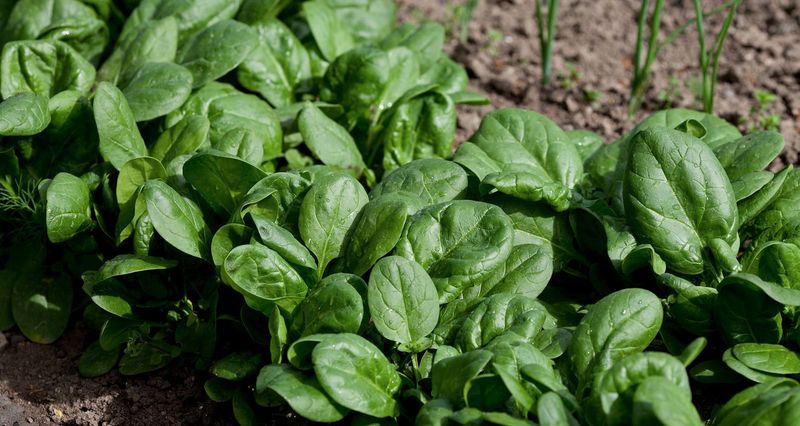
When the tomato vines turn brown and the first frost silvers the grass, most yards in North Carolina go quiet. But a smart backyard gardener can keep picking fresh, leafy food all the way to spring.
Our mild winters, from the mountains to the coast, give us a rare chance to grow greens that actually taste better after a cold snap. Here are ten tough, tasty plants that will keep your kitchen stocked and your garden beds alive while you wait for warmer days.
1. Kale
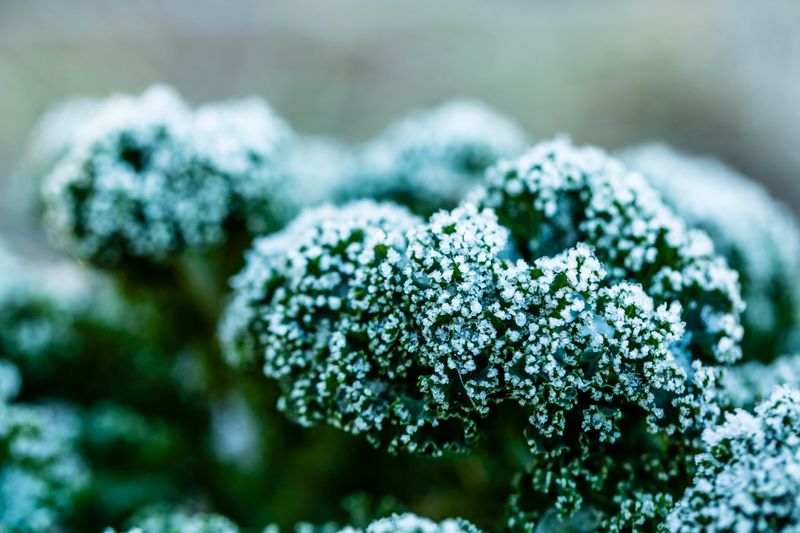
Picture a January morning in the Piedmont, frost crunching underfoot, and a row of kale standing tall like nothing happened. Few vegetables shrug off winter quite so well.
Varieties like ‘Winterbor’, ‘Red Russian’, and ‘Lacinato’ can handle temperatures in the low 20s, and some hold on well below that.
The best part is the flavor shift. Cold weather pushes the plant to turn starches into sugars, so leaves picked after a frost taste sweeter and less bitter.
Many gardeners swear they never buy store kale again once they try a December harvest.
Set transplants out by late September so roots settle before the cold arrives. Pick the lower, outer leaves and leave the center crown alone, and the plant will keep pushing out new growth for months.
Watch for cabbage worms early in fall. A spray of B.t. targets caterpillars on your kale while sparing the bees, ladybugs, and songbirds that call your yard home.
2. Collard Greens
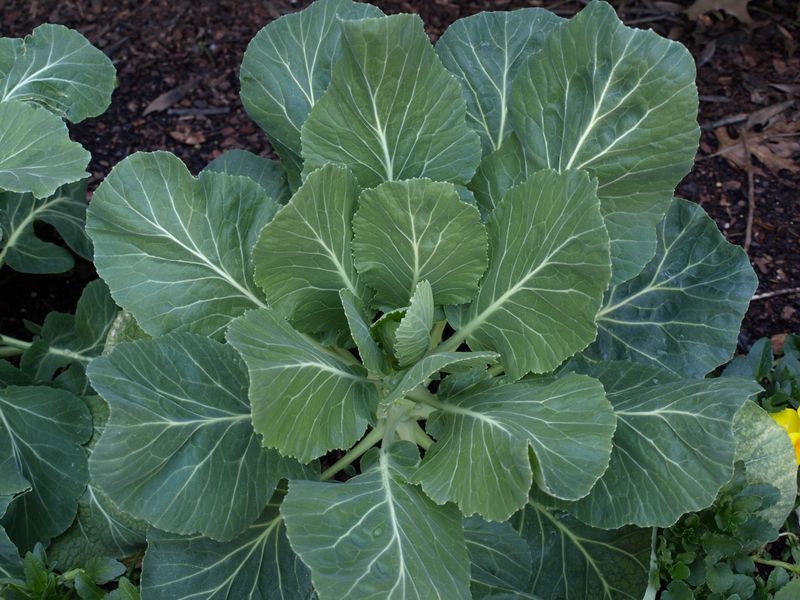
Ask any grandmother from Goldsboro to Gastonia and she will tell you collards are not worth eating until they have been kissed by frost. She is right.
These broad, leathery leaves are among the hardiest winter crops you can grow, and they get noticeably sweeter as the weather turns.
Collards have deep roots in Southern food history, and they fit a backyard bed just as easily as a farm field. One well-grown plant can grow waist high and feed a family for weeks.
Space them about 18 inches apart so air can move between the leaves.
Plant transplants in late August through September. Harvest from the bottom up, and a single plant can keep producing from November straight into early spring.
Fun fact: collards are so tough that some plants in coastal yards survive for two or three seasons, turning into odd little tree-like stalks crowned with leaves.
3. Spinach
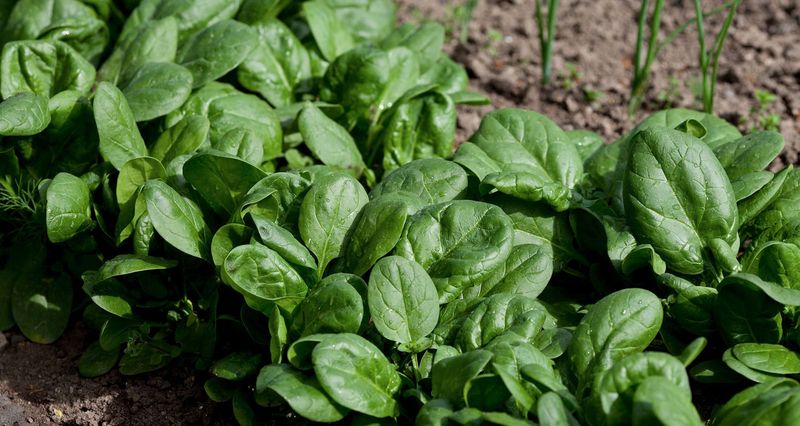
Speed is spinach’s superpower. Some varieties are ready to pick just a few weeks after sowing, which makes it a great crop for gardeners who got a late start on fall planting.
Savoy types with crinkled leaves, such as ‘Bloomsdale Long Standing’ and ‘Tyee’, tend to handle cold better than the smooth-leaf kinds. ‘Space’ is another solid pick for North Carolina beds. Sow seeds from mid-September into early October, and plant a fresh short row every week or two for a steady supply.
Spinach also pulls double duty in late winter. Seeds sown in mid to late February can give you an early spring harvest before the heat makes plants bolt.
It tolerates a bit of afternoon shade, so a bed near your native shrub border can still work well. Keep soil evenly moist, about an inch of water a week.
4. Swiss Chard
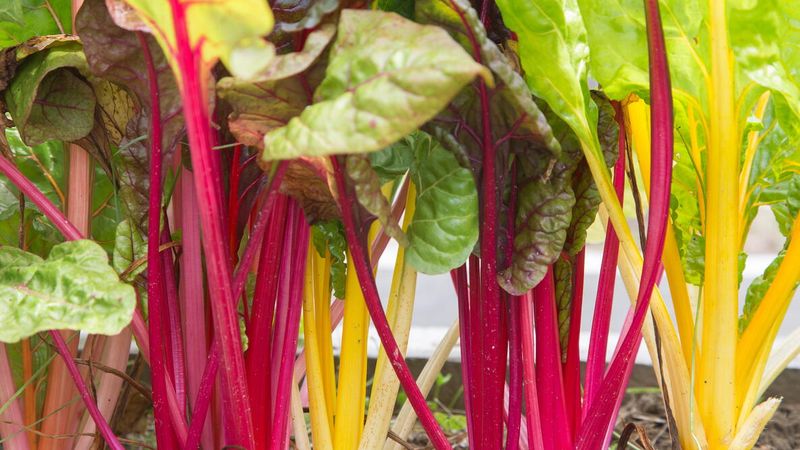
Some vegetables feed you. Swiss chard feeds you and makes your winter yard look like a party.
Varieties like ‘Bright Lights’ and ‘Celebration’ flash ruby, gold, and orange stems against gray December skies.
Chard handles cold well and can overwinter beautifully, especially with a little help. Throw a row cover over it on the coldest nights, and you will likely see it bounce right back once temperatures climb. ‘Ford Hook’ is a classic white-stemmed option known for vigor.
Sow seeds in mid-September or tuck in transplants. Cut outer stalks an inch or two above the soil, and new ones will rise from the center.
Mountain gardeners in the Blue Ridge may want to mulch around the base with shredded leaves. That simple layer protects roots and gives overwintering ground beetles a cozy spot too.
5. Loose-Leaf Lettuce
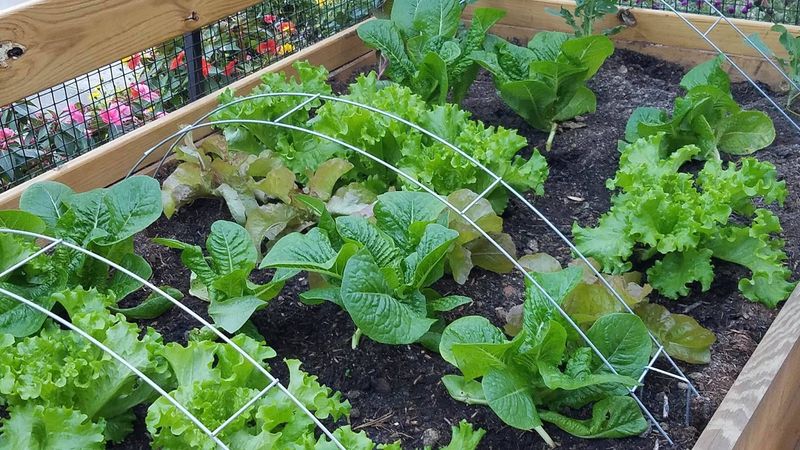
Fresh salad in December sounds like a grocery store luxury. With the right varieties, it can come from twenty steps outside your back door.
Lettuce is more tender than kale or collards, so choosing well matters. ‘Winter Density’, ‘Black Seeded Simpson’, and ‘Red Sails’ are all reliable cool-weather picks. Loose-leaf types are easier than heading types, since you can snip a few leaves at a time.
The real secret is a row cover. A lightweight fabric tunnel can add about five degrees of protection, which is often the difference between crisp leaves and mush after a hard freeze in the Piedmont.
It also keeps aphids off.
Direct sow in mid-September, and keep the seedbed moist until sprouts appear.
6. Arugula
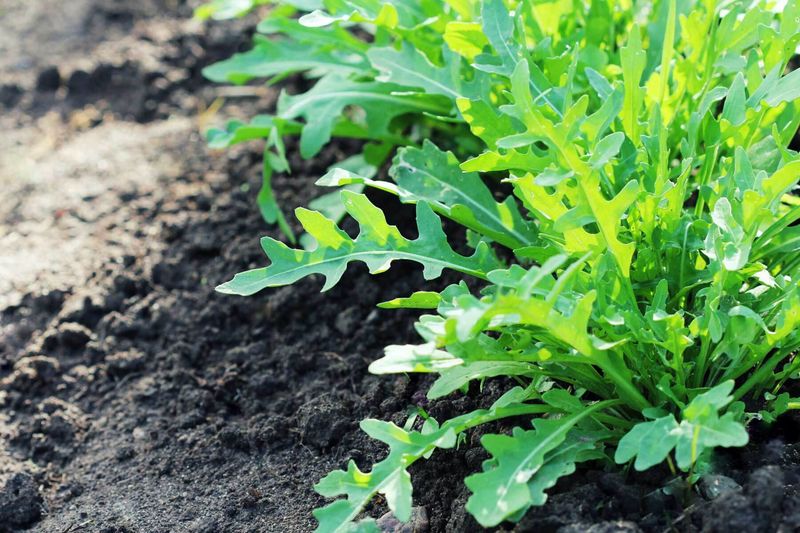
Zippy, peppery, and a little bit wild, arugula brings a kick that wakes up any winter plate. It is the green for people who think lettuce is boring.
Arugula, also called rocket, grows fast and loves cool weather. In the heat of a Carolina summer it bolts almost overnight, but fall and winter calm it down and keep the flavor pleasant rather than harsh.
Sow seeds thickly in mid-September and start cutting baby leaves in about a month.
Try a cut-and-come-again approach. Shear the patch a couple inches above the soil, and it regrows for another round.
If a few plants flower in late winter, let them. Those small creamy blooms feed early native bees on warm February afternoons, a small kindness to your yard’s pollinators.
7. Cabbage
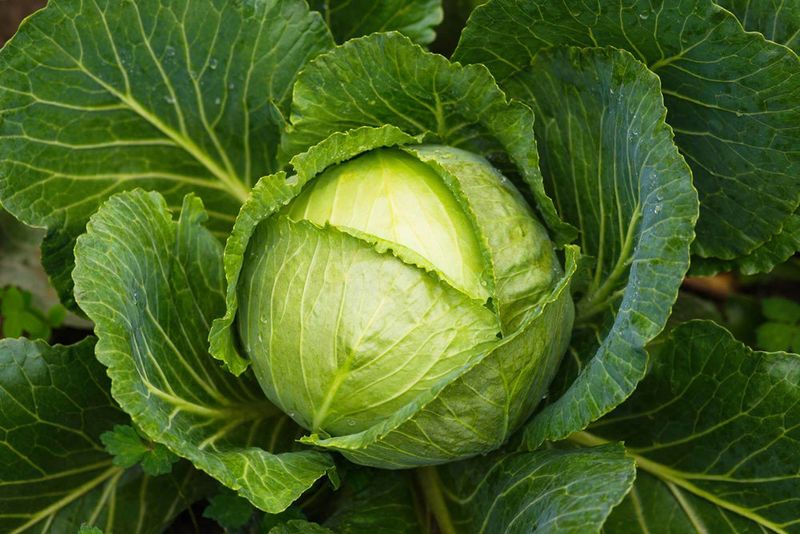
There is something deeply satisfying about cutting a solid, heavy head of cabbage on a cold afternoon. It feels like a real reward for patience.
Round green, crinkly Savoy, red, and Chinese types all grow well through a North Carolina fall and winter. Savoy cabbage tends to be especially cold-hardy, and its puckered leaves look striking in a bed.
Set transplants out by late September so heads have time to form.
Cabbage needs rich soil and steady moisture. Work in compost before planting and aim for a soil pH around 6 to 6.5.
Uneven watering can cause heads to split.
Loopers and cabbage worms are the main troublemakers. Hand-picking or B.t. handles them without harming the toads and wrens that hunt insects in your garden.
8. Mustard Greens
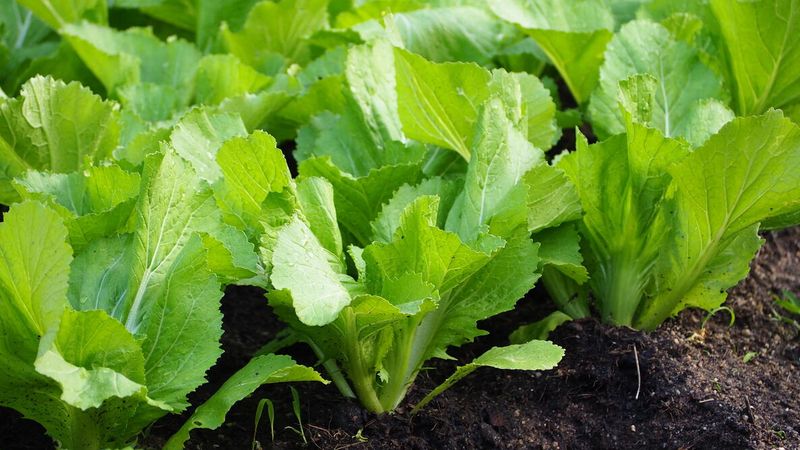
Bold is the only word for mustard greens. Some taste like a mild horseradish, others like a spicy salad, and every variety stands up to cold weather with attitude.
Mustards have long shared space with collards in Southern pots, simmered low and slow. Red frilly types add color to winter beds, while broad green kinds give big harvests fast.
Sow seeds from late August through September.
Young leaves work raw in salads. Older leaves are best cooked, which mellows their bite.
One quick tip: mustards grow so fast they can serve as a trap crop. Aphids and flea beetles often go for them first, which can take pressure off your kale and cabbage nearby.
9. Pak Choi
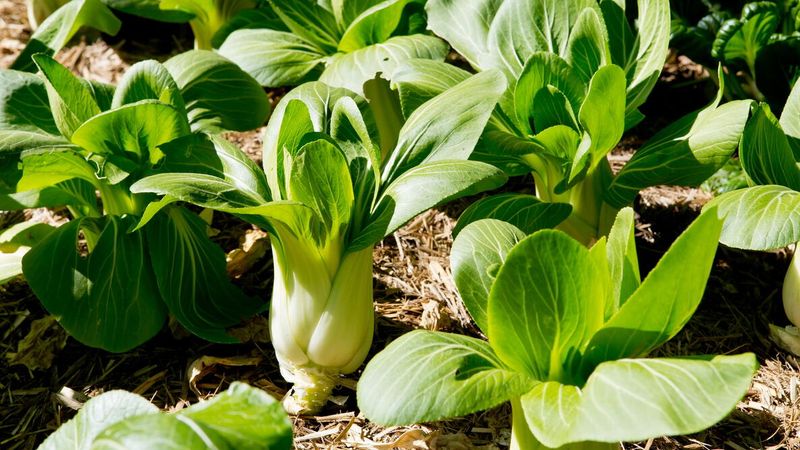
Short on space? Pak choi might be your new best friend.
These tidy little plants fit into gaps between bigger crops and are often ready in under two months.
Also spelled bok choy, this Asian green has crunchy white stems and tender dark leaves. It handles light frost well and works beautifully in stir-fries, soups, or simply halved and grilled.
Baby varieties are especially quick and forgiving.
Sow in early to mid-September for a fall crop, or start a second batch under row covers. Harvest the whole head or pull outer leaves as needed.
Keep it watered evenly. Dry spells stress pak choi and push it toward flowering early.
10. Parsley
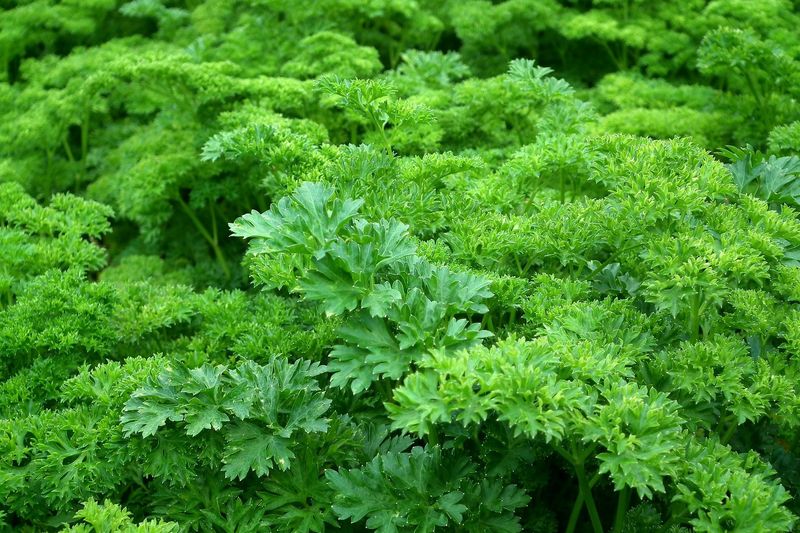
Herbs belong in this lineup too, and parsley earns its spot by quietly surviving many North Carolina winters. While basil dies at the first chill, parsley keeps right on going.
Both curly and flat-leaf types grow well when sown in mid-September or planted from transplants. Snip stems from the outside, and the plant keeps producing.
In milder parts of the state, it often makes it all the way to spring.
Here is a stewardship bonus. Parsley is a host plant for the black swallowtail butterfly, a native beauty found across NC.
If you spot striped green caterpillars munching, plant a little extra and share.
Cilantro and dill also love cool months, so tuck a few in nearby for a full winter herb corner. Your soups and your butterflies will both thank you.