
Skip Routine Fall Pruning on North Carolina Fig Trees and Follow Late-Winter Timing
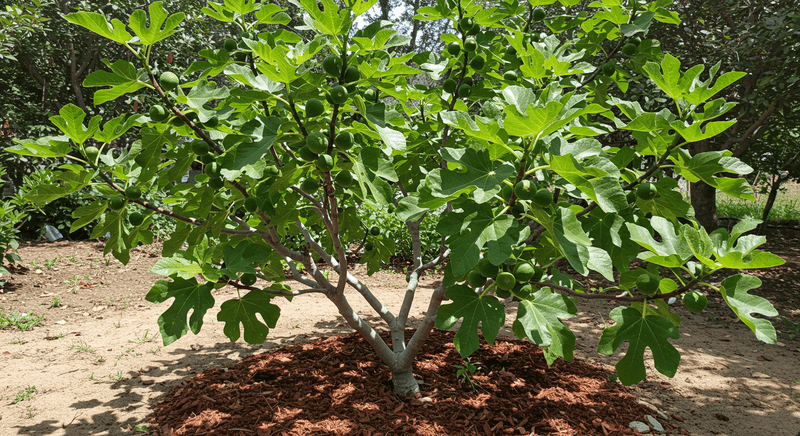
A tidy fig tree in November looks like good yard care, but figs run on a different schedule than most shrubs. North Carolina winters can be rough on these warm-loving plants, especially in colder parts of the state.
Knowing when to cut, and when to leave the clippers in the shed, helps you protect the tree you already have. Here is a calm, practical plan built on guidance from NC State Extension.
Routine fall pruning is not the recommended schedule
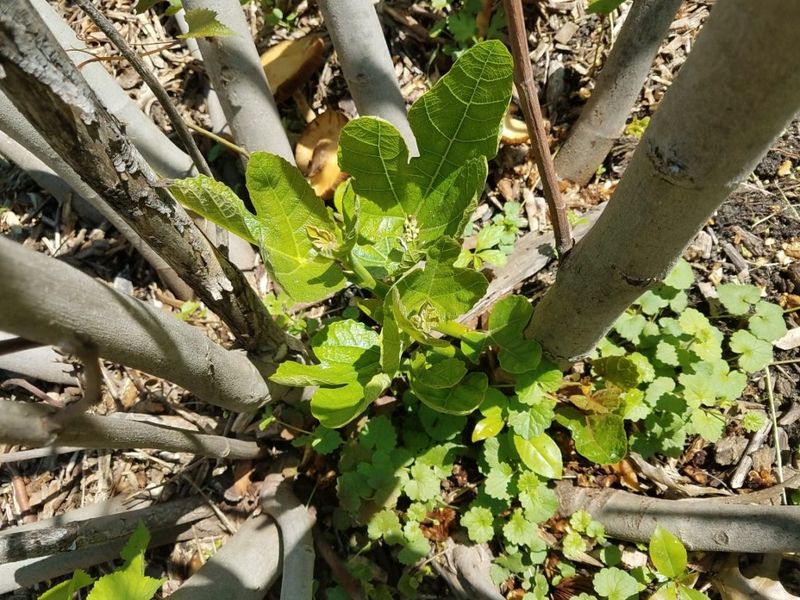
Garden lore says to tidy everything before winter, but the headline rule of “never prune in fall before a hard freeze” is too absolute. NC State Extension’s fig guide simply says figs need little pruning, and that routine cuts should wait until late winter, just before growth starts.
It does not set a hard-freeze date, and it does not ban every fall cut.
It also does not say that a fall cut is the cause of winter injury or a lost crop. What the guidance gives you is a dependable schedule.
Late winter is the time for planned shaping, so there is little reason to rush the job in autumn.
It helps to separate two kinds of cutting. Routine shaping is the optional, modest trimming you plan ahead of the growing season.
Removing cold-injured branches is a different job, and NC State’s fig disease publication advises waiting until early spring to do it. We will get to that assessment later, once you know what winter actually did to your tree.
How cold can affect North Carolina figs
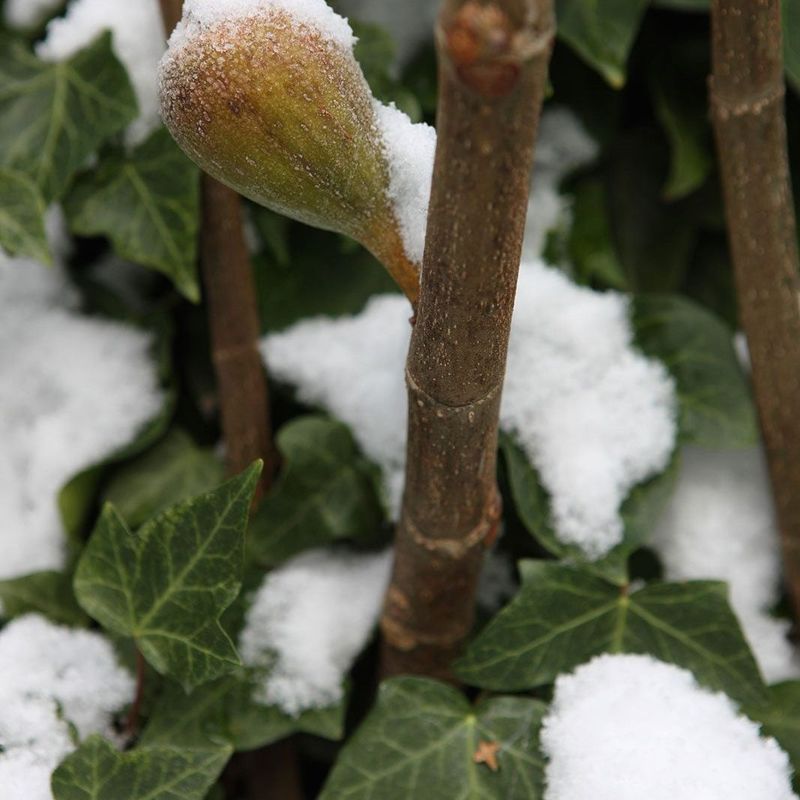
Winter cold is the real threat to figs here, and it has nothing to do with whether you pruned in October. NC State reports that figs may freeze back to the ground at 20°F or lower.
Young bushes and trees are especially susceptible.
That number is a general benchmark, not a forecast for your own yard. A sheltered spot near a south-facing wall, a low-lying frost pocket, and a windy open lawn can all behave differently on the same night.
Think of 20°F as a warning level rather than a precise line.
A frozen-back fig is not always a dead fig. A plant may recover from the roots or lower trunk, but fruiting can be delayed until new growth develops. That means a hard winter can cost you a season of figs even when the plant survives.
Risk also changes across the state. NC State identifies the Piedmont and the mountains as places where cold injury is a particular limitation, and figs are more commonly grown farther east.
If you garden in Asheville or Greensboro, plan for winter protection more seriously than a gardener near the coast might need to.
Knowing your own microclimate is the best habit you can build. Note where frost settles first, which side of the house stays warmest, and how your tree looked after past cold snaps.
Make routine shaping cuts in late winter
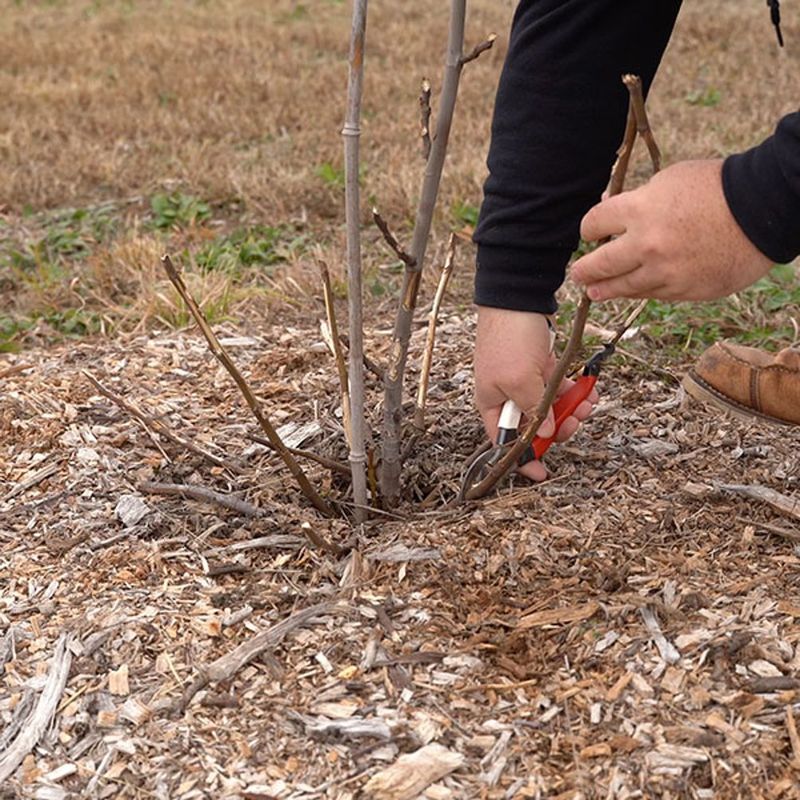
Late winter, just before growth begins, is the window NC State recommends for routine fig pruning. It is a seasonal recommendation, not a rule that switches on after a particular freeze.
Watch the buds on your tree and the calendar rather than a single cold night.
Keep the cuts modest. According to NC State’s fig culture guide, figs need little pruning, and pruning stimulates new wood.
Fruit develops in the leaf axils of that growth, so a gentle hand makes sense.
Severity matters for the crop. UF/IFAS says figs do not need pruning to be productive and warns that heavy winter pruning can eliminate the following crop.
It also notes that late-summer pruning may reduce yield for late-maturing cultivars.
That advice comes from Florida, so treat it as a caution about heavy cutting rather than a prediction for every North Carolina yard. NC State’s home-garden advice is modest late-winter pruning, and the two sources agree on one thing: a light touch is safer than a big overhaul.
Cultivar matters too, so keep notes on how your variety responds from year to year.
A simple test before each cut is to ask what problem it solves. If you cannot name one, leave that branch alone.
Remove only branches that need attention
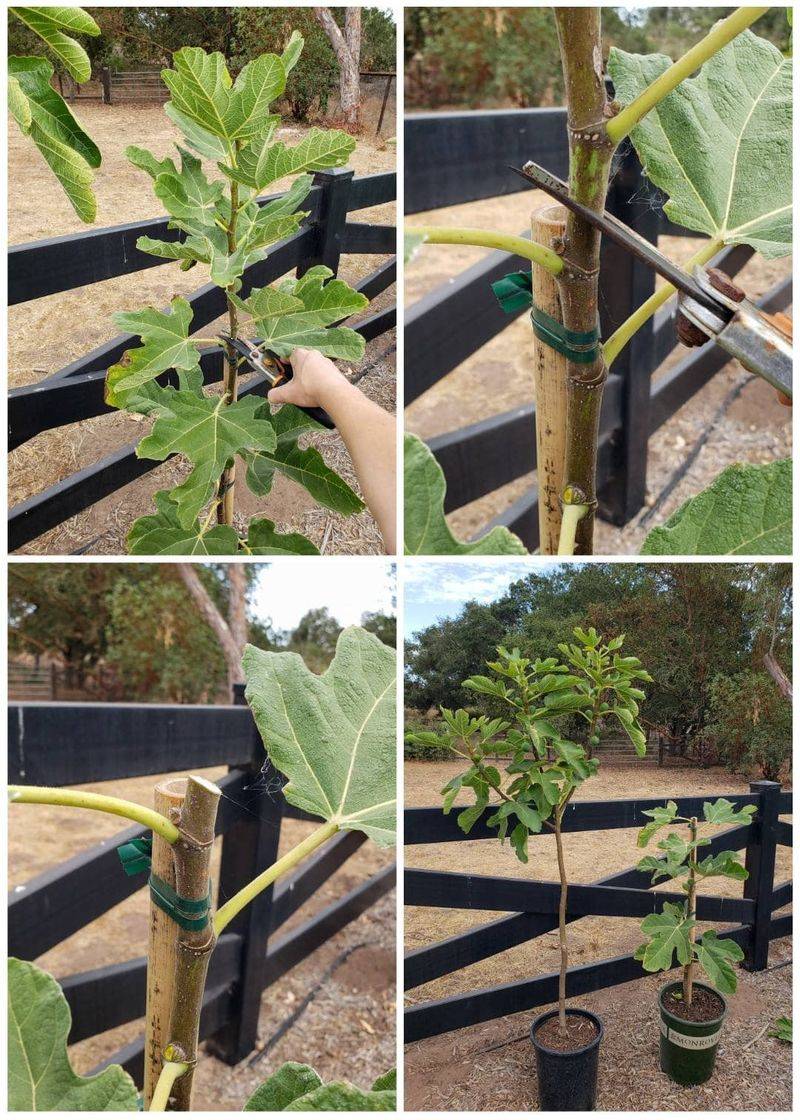
Good fig pruning has a short to-do list. NC State says to manage height and shape, and to remove dead wood, suckers, and drooping branches.
If a branch does not fit one of those jobs, it can stay.
Technique matters as much as timing. Make clean cuts close to a lateral branch, and avoid leaving stubs.
Stubs tend to die back and give you more cleanup later.
Skip the urge to cut back every branch or to reshape the whole tree in fall. Big changes remove the wood that carries future growth, and NC State’s guidance points toward little pruning overall.
A tree you leave mostly alone is often a happier one.
Fig sap can bother some skin. NC State advises gloves for people sensitive to the latex, and UC Extension notes that latex can ooze from pruning cuts.
If you have never had a reaction, you may be fine, but gloves cost very little.
Sharp, clean tools make neater cuts and are easier on the tree. Wipe your blades between plants if you have any diseased wood on your property.
Assess winter injury before pruning in spring
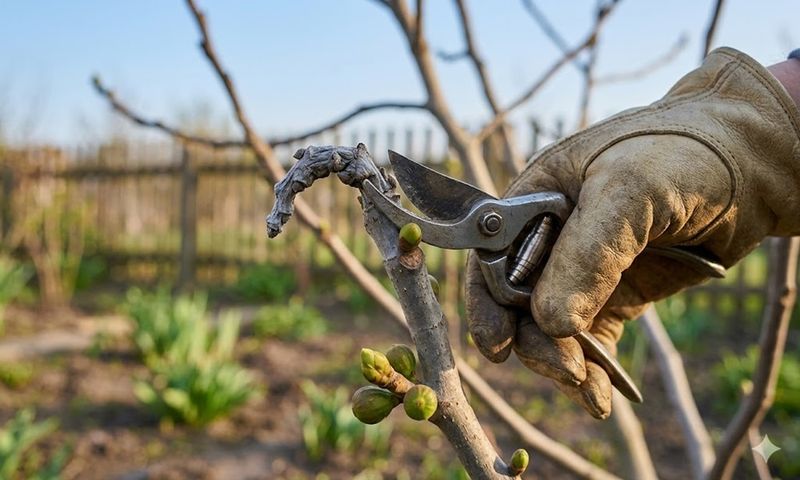
Spring cleanup after a cold winter is its own job, separate from late-winter shaping. NC State advises waiting until early spring to prune out injured or dead branches.
That patience lets you see which parts of the tree are alive.
Look closely before you cut. NC State notes that cold-injured buds may shrivel and fail to leaf out.
A branch with dried, dark buds and no sign of growth is a likely candidate for removal, while neighbors with swelling buds deserve more time.
A gentle scratch test on a twig can help. Green tissue under the bark suggests life, and brown, dry tissue suggests damage.
Check several spots along a branch, since injury is often uneven.
Resist the urge to judge too fast. A tree that looks bare in March may still push growth from lower on the trunk or from the base.
Recovery and fruiting timing vary, and no one can promise that an injured plant will bounce back on a set schedule.
When growth has clearly started and the dead wood is obvious, cut back to healthy tissue using the same clean-cut method described earlier.
Protect young figs when severe weather threatens
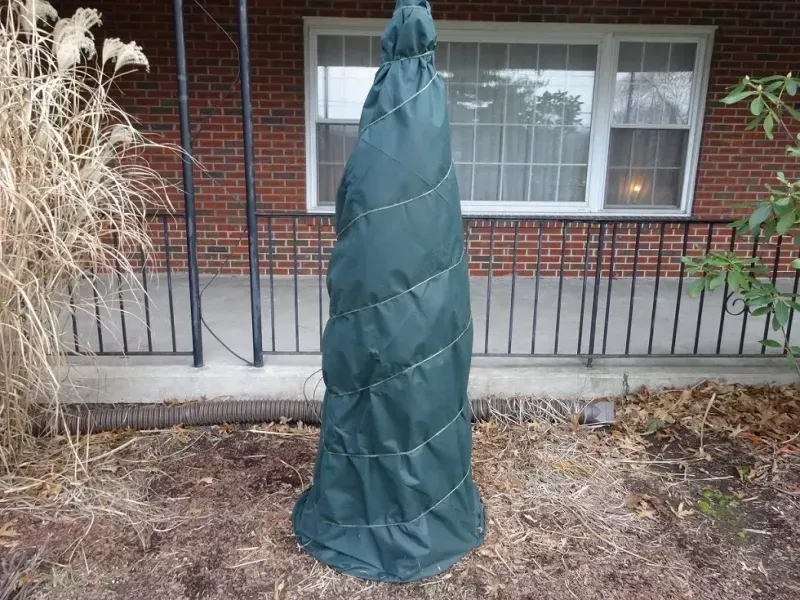
Young figs are the plants that most need a winter plan. NC State recommends covering plants when severe weather is predicted.
It also advises piling loose soil or mulch 1 to 2 feet high around the trunks of young trees or bushes in late fall.
Take that mound off in spring, when frost is no longer a hazard. Leaving it in place too long can keep the trunk damp and warm when it should be waking up on its own schedule.
These steps lower the chance of injury, but they do not guarantee a plant will escape it.
Fertilizer timing matters too. NC State warns that excess nitrogen can encourage succulent late-season growth and increase winter-injury risk.
Hold off on heavy feeding as summer winds down.
Put the whole year together and the routine is simple. Skip routine fall shaping, prune modestly in late winter, and reassess cold damage in early spring.
Protection and good timing help, though a severe freeze can still set a fig back and delay fruit.
Your fig does not need a fall haircut, only a little patience and a warm blanket of mulch.