
How a Simple Winter Leaf Cage Can Help Protect Your North Carolina Fig Tree From Dieback
A hard freeze can turn a leafy fig into a bare set of sticks, and sometimes the damage goes all the way to the ground. Many North Carolina yards have a fig tree, and most owners would love to keep its stems alive through the coldest nights.
A loose cage of wire and dry leaves is one low-cost way to improve the odds. Here is how to build one, keep it healthy, and know what to expect come spring.
How much winter risk does your fig face?
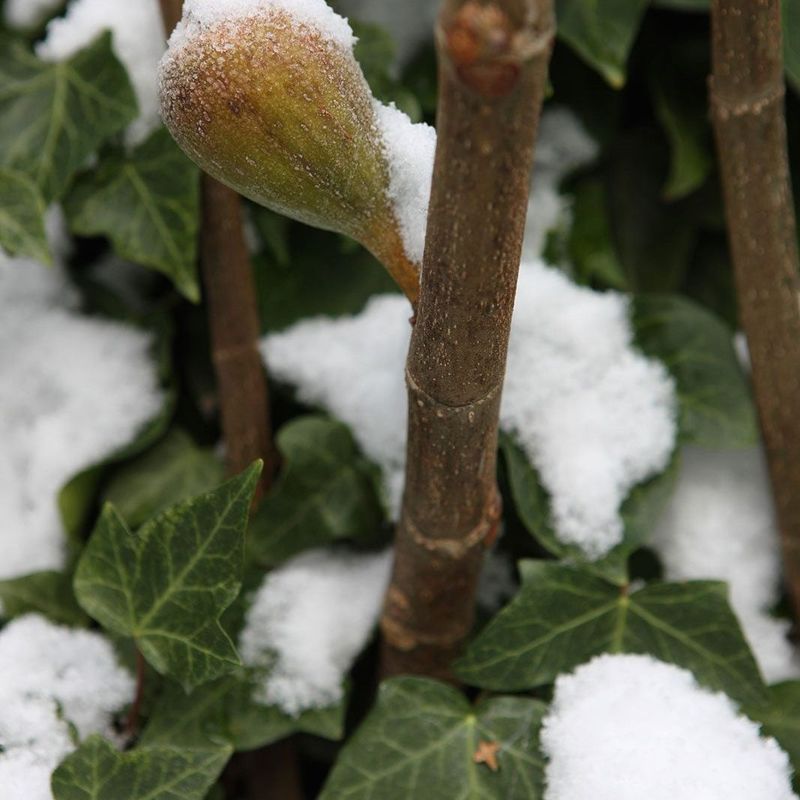
Figs are not fully cold-hardy in North Carolina. NC State Extension notes that plants can freeze back to the ground at temperatures around 20°F or lower.
Think of that number as a warning point, not a magic line. A quick dip to 20°F on a calm night is very different from several days of deep cold.
Several things shift your fig’s risk. Cultivar matters: NC State describes Celeste as fairly hardy and says Brunswick (also called Magnolia) seems hardier than Brown Turkey or Celeste.
Whether the tree is fully dormant when the cold arrives also counts. So does the spot where it grows, since cold winds and winter sun can add stress.
NC State suggests shielding figs from both.
Where you live changes the picture too. The USDA Plant Hardiness Zone Map is based on average yearly extreme low temperatures, and it varies from block to block.
A sheltered fig near a brick wall in the Coastal Plain faces different odds than one in an open Piedmont yard or a mountain hollow.
Because of that, there is no single statewide protection schedule. Look at your own low temperatures, your tree’s variety, and how exposed its spot is before deciding how much protection to give it.
Why does saving old wood matter?
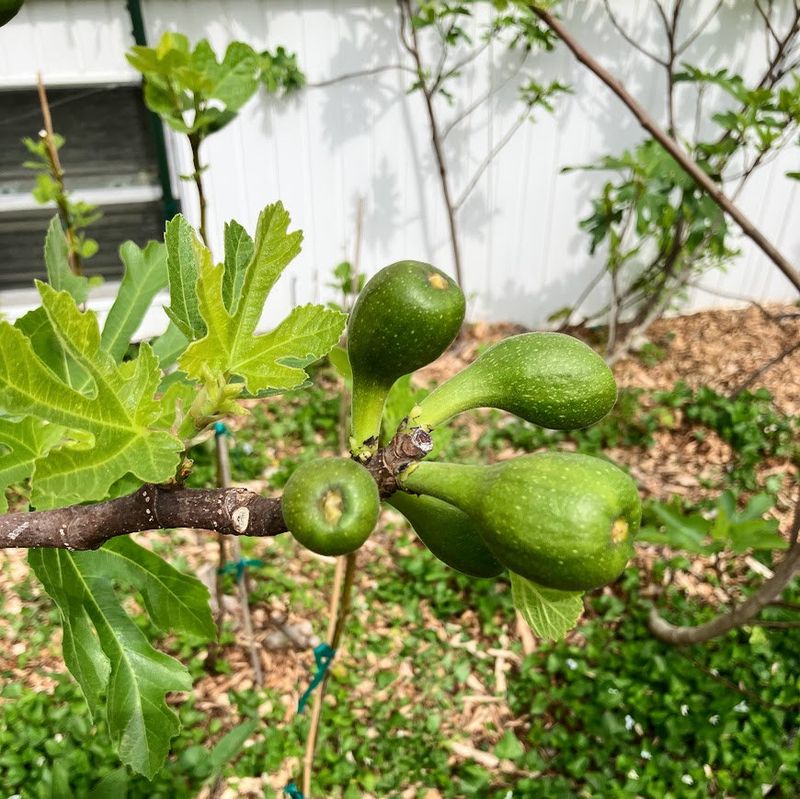
Figs can bear fruit in two ways. The early crop, called breba, forms on last year’s shoots, as University of Tennessee Gardens explains.
The main crop forms on the new shoots that grow this season.
That split is why old wood matters for some gardeners. If your fig makes brebas, losing the stems means losing that early round.
Many varieties give little or no breba crop anyway, so for some trees the old wood is a bonus rather than a necessity.
A fig that freezes back is not necessarily finished. If the roots survive, the tree can send up fresh shoots and still ripen a main crop.
Still, NC State says fruiting may be delayed until new growth emerges after injury above ground.
So protecting stems is about keeping a head start. Living wood can mean earlier fruit and a bigger, faster-growing tree in spring.
Without it, the tree rebuilds, and you may wait longer or harvest less.
Build the cage after the tree goes dormant
Timing comes first. Wait until the fig has dropped its leaves and gone dormant, since sealing in a tree that is still active invites trouble.
The method below follows the approach described by University of Maryland Extension.
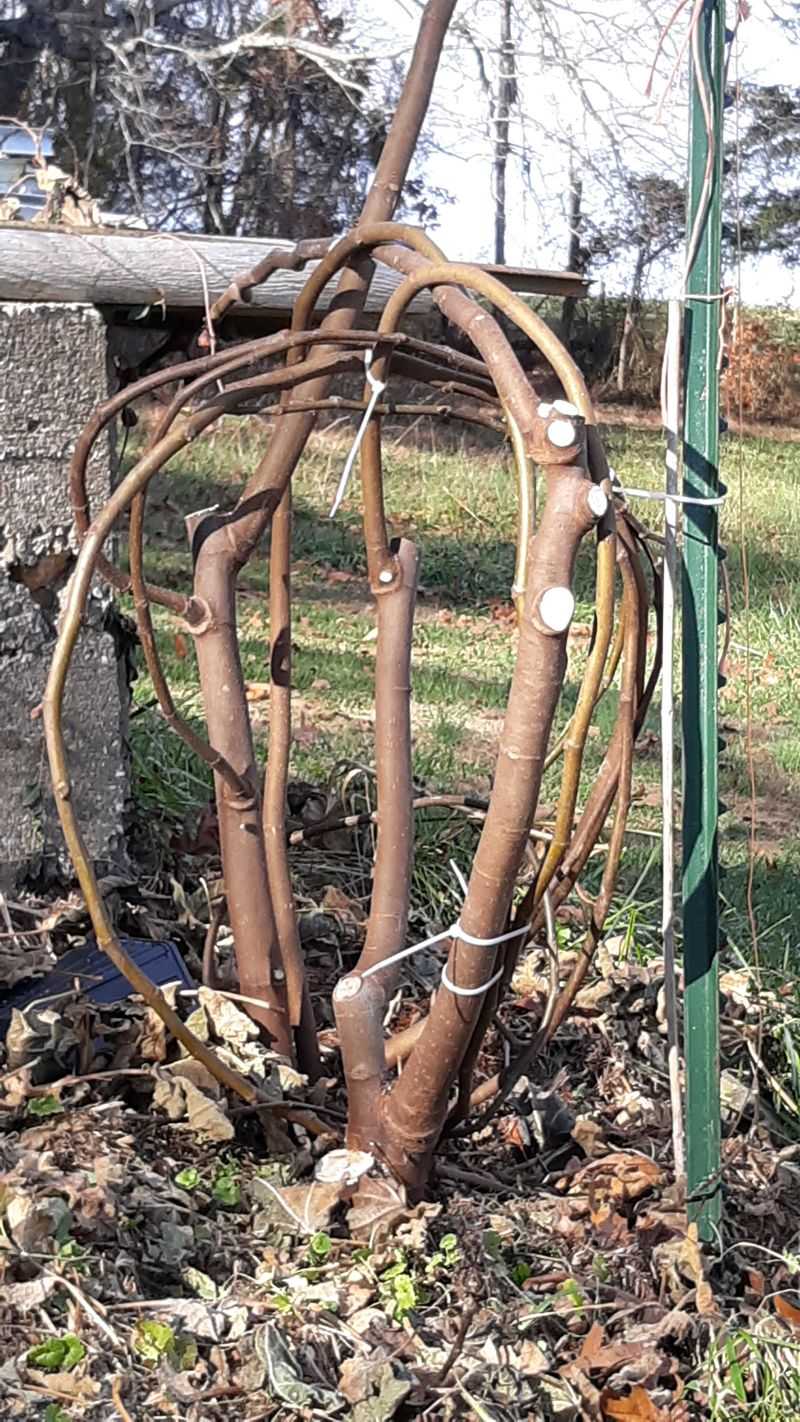
If the stems are flexible, gather them gently and tie them loosely into a bundle. Do not yank them upright or force them, because cold wood snaps easily.
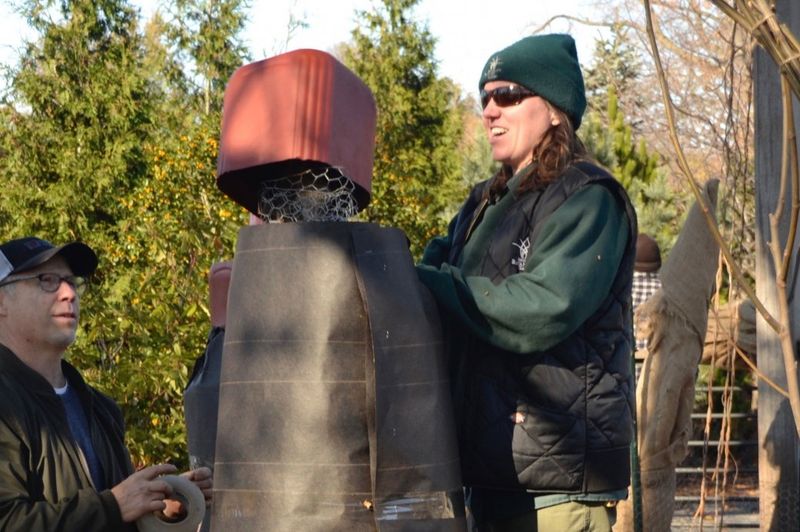
Then circle the bundle with wire fencing, leaving a few inches of space all around the stems.
Next, fill the cage with dry leaves or straw. Oak leaves from your own yard work well, as long as they are dry.
Pack them in loosely enough to trap air without crushing the stems. Air pockets do the insulating, so a fluffy fill beats a dense, packed one.
A word on evidence. A University of New Hampshire report found that figs in leaf cages yielded earlier and more than those under a winter blanket or low tunnel.
The authors call the results preliminary. It was a small study over two years in New Hampshire, so treat it as encouraging, not as proof for a North Carolina yard.
Let the cage breathe while shedding rain
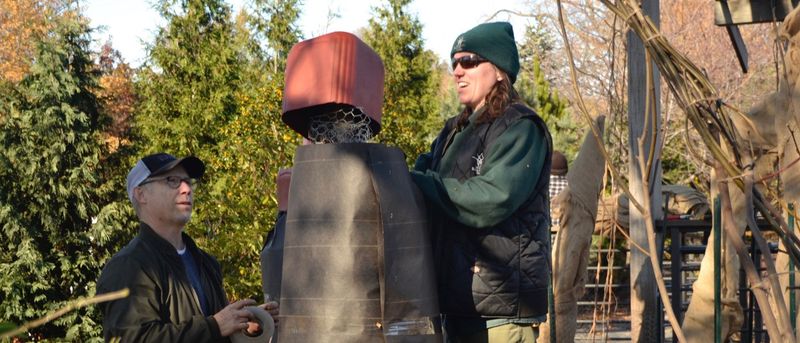
Wet leaves are poor insulation. Once soaked, they pack down, hold cold, and can encourage rot.
That is why the cage method from Maryland Extension adds a tarp over the top to shed rain and snow.
Think of the tarp as a roof, not a sealed bag. Drape or secure it over the cage so water runs off, and leave the lower sides open or loosely held so air can move.
Weigh the edges down with bricks or stakes so wind cannot whip it loose.
Plastic pulled tight against the stems is a different story. Virginia Cooperative Extension warns that wrapping that does not breathe can trap moisture and encourage disease.
An airtight cover over soggy fill is the situation to avoid.
During a mild spell, peek under the tarp. If the fill feels damp, lift the cover on a dry day and let things air out.
A little attention keeps your insulation working instead of turning into a wet blanket.
Check the base for vole damage
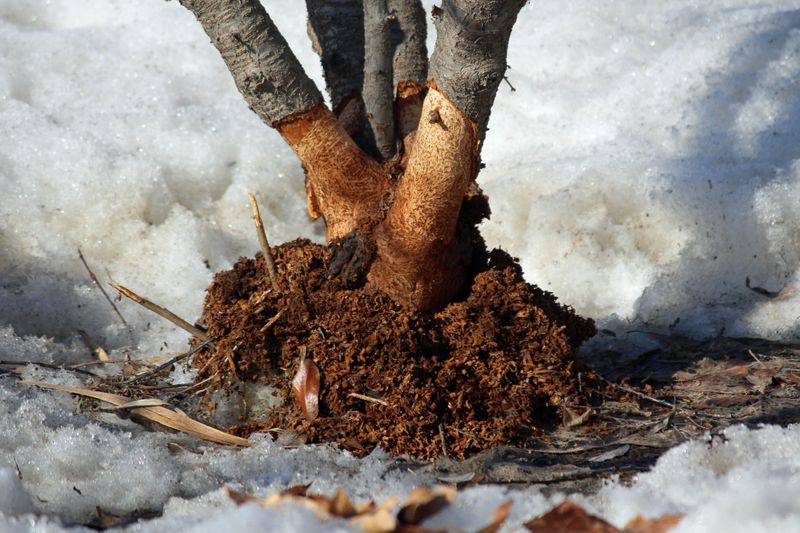
Cozy leaf piles appeal to more than figs. Maryland Extension flags voles as a possible problem with insulated figs, since they may chew bark.
That does not mean they will show up in your yard, only that it is worth a look.
Every few weeks, lift the tarp and check around the cage and trunk base. Watch for small tunnels, runways in the leaf fill, or bark that looks gnawed near the ground.
Bark damage around the whole trunk can hurt a tree badly, so catching it early helps.
If you see signs, open the cage or thin out the fill near the base and keep the area tidy. Keeping grass and debris cleared near the cage also gives small gnawers less cover.
Do this on a mild day so you can close everything back up quickly.
Test stems before you prune in spring
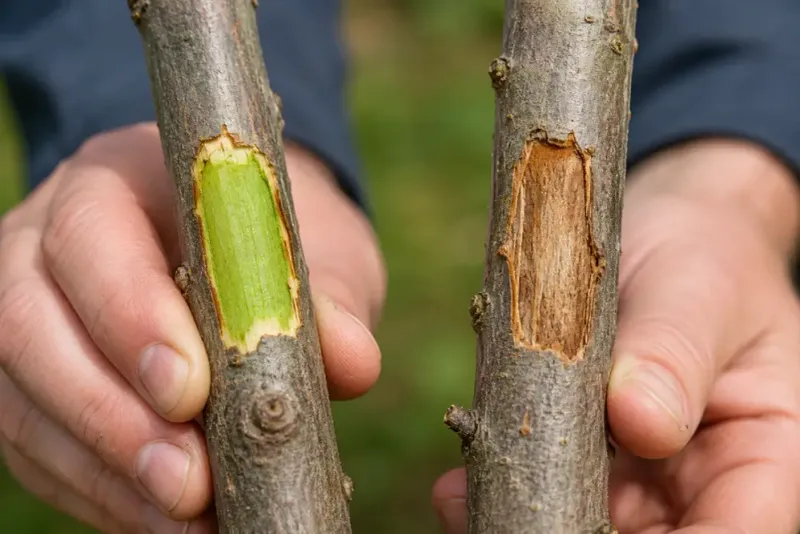
After a cold winter, stems can look dead when they are not. Before you reach for the pruners, check.
Maryland Extension advises lightly shaving the bark on several stems. Green tissue underneath means the stem is alive.
Test more than one stem, and try spots at different heights. A stem may be brown near the tip and green lower down, which tells you where to cut.
Scrape only a small patch so you do not harm wood that is still alive.
Dead stems can be pruned in early spring. Cut back to where you find living green, and leave the rest alone.
Patience helps here, since buds on live wood may take a while to swell. If nothing is green above ground, watch the base, because new shoots can still rise from the roots.
A wrap improves the odds, not the forecast
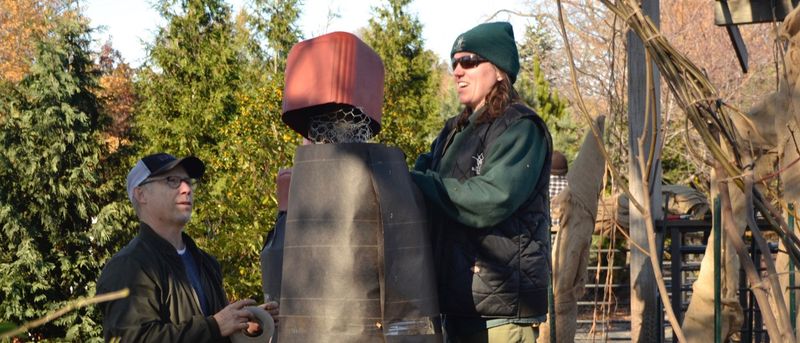
A dormant-season cage of dry leaves or straw, topped with a ventilated rain shield, can help protect your fig’s aboveground wood. It cannot stop every freeze from causing damage.
NC State notes that fruiting may be delayed until new growth comes in after injury.
Plan for both outcomes. If the stems survive, you may get an earlier crop.
If they do not, new shoots can still carry a main crop, though Maryland Extension says severe injury can take two growing seasons to restore normal production.
Winter will do what it does, and your cage simply tilts the odds a little your way.