
Your Christmas Cactus Looks Weak And Limp? 13 Steps That Get It Strong Enough To Bloom By The Holidays
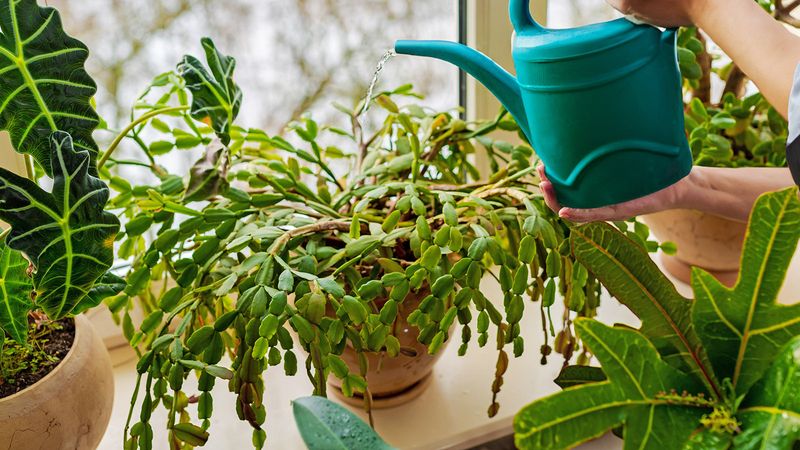
A droopy Christmas cactus can make your heart sink, especially when the holidays are getting close. The good news is that limp stems are usually a sign of a fixable care problem, not a dead plant.
With a few simple changes to water, light, and temperature, most plants bounce back fast. Follow these 13 steps and your cactus can be firm, healthy, and covered in buds by December.
1. Do the Finger Soil Test First
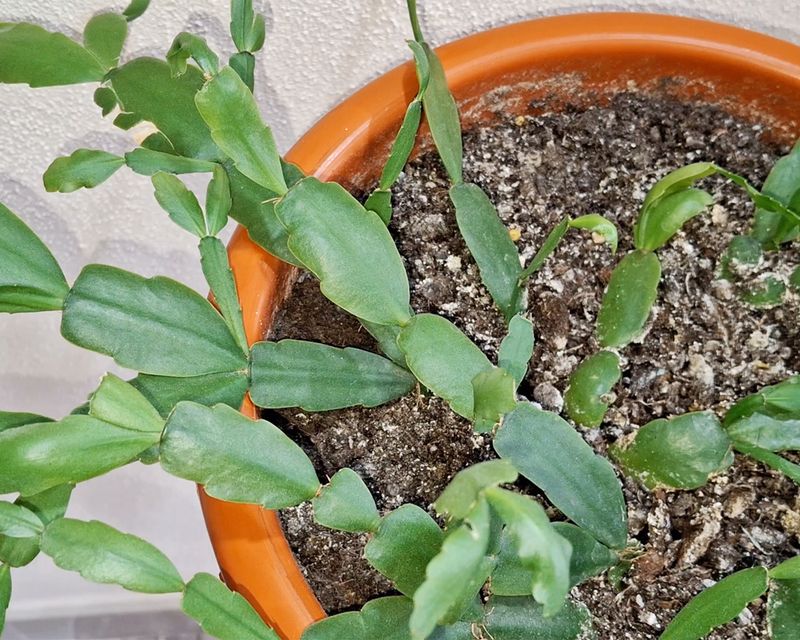
Before you fix anything, you need to know what went wrong. Limp stems can come from too much water or too little, and the two problems need opposite fixes.
Push your finger about 1 to 2 inches into the soil. Soggy, cold, or smelly soil points to overwatering.
Bone-dry soil that pulls away from the edge of the pot means your plant is thirsty.
Take ten seconds to check. Guessing wrong here is how many good plants get pushed over the edge.
2. Rescue Soggy Roots From Rot
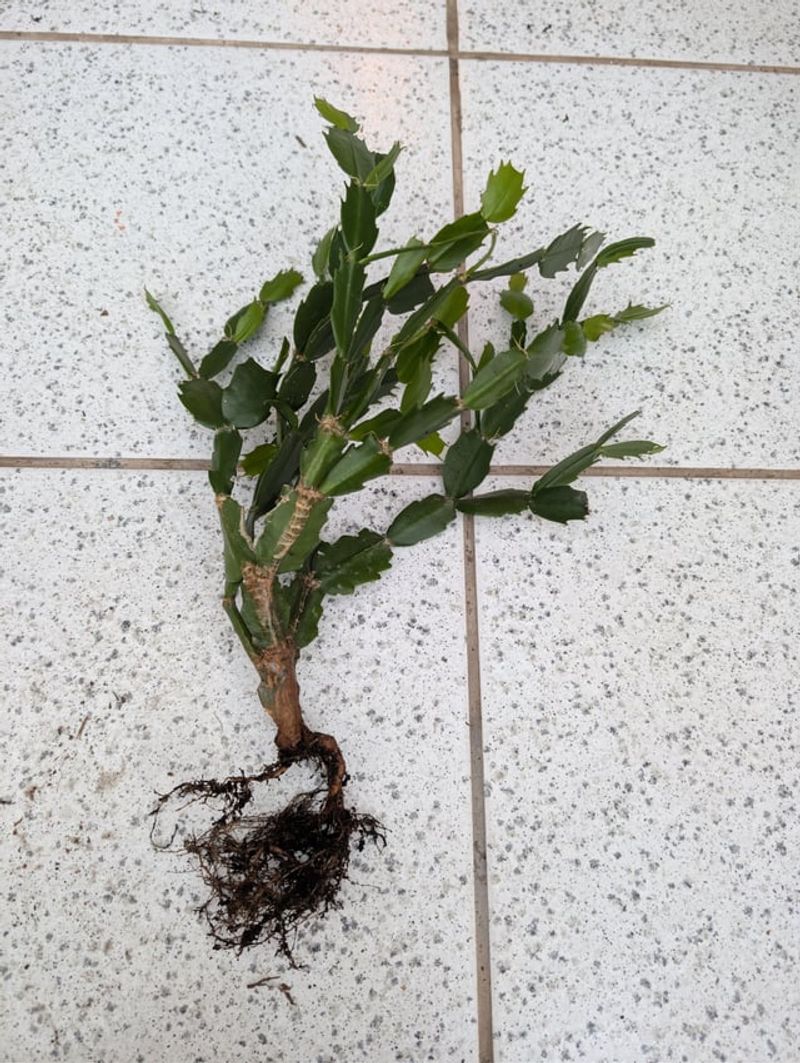
Picture roots sitting in a puddle for weeks. They can’t breathe, so they turn black, soft, and mushy, and the stems above go floppy.
If the soil is soaked, slide the plant out of its pot right away. Rinse off the old soil and snip away any squishy or dark roots with clean scissors.
Healthy roots look pale and feel firm.
Badly shriveled stem segments can come off too. It feels harsh, but removing rot gives the healthy parts a real shot at recovery.
3. Repot Into Fast-Draining Mix
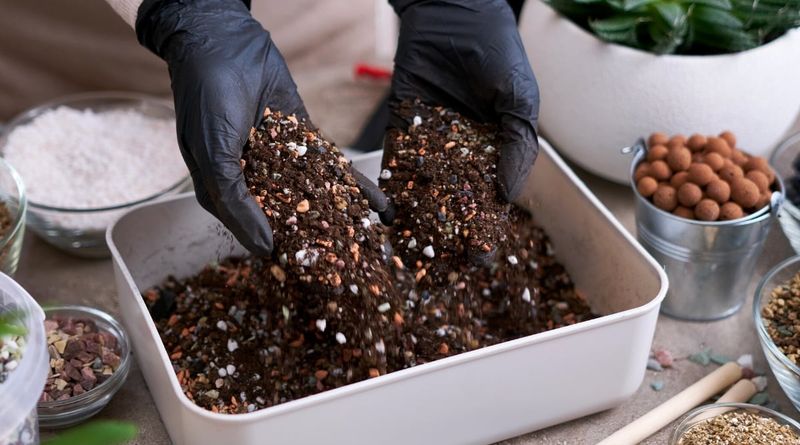
Heavy garden soil holds water like a sponge, which is the last thing a recovering cactus needs. Christmas cacti grow on trees in Brazilian rainforests, so their roots expect loose, airy footing.
Use a cactus or succulent mix, or stir perlite into regular potting soil. Pick a pot only slightly bigger than the root ball, since these plants actually bloom better when a little snug.
Keep the fresh mix barely moist. Then wait until the top inch or two dries before watering again.
4. Give a Thirsty Plant a Deep Drink
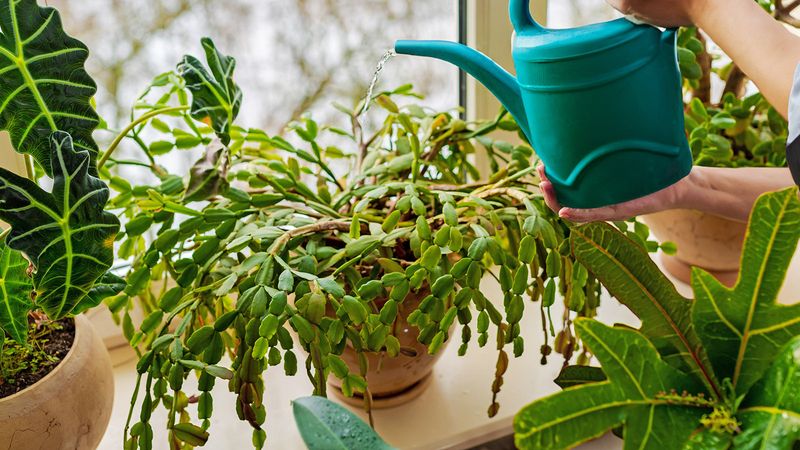
Shriveled, wrinkly stems on a plant in dusty dry soil tell a simple story. Your cactus ran out of water and started using up its own stored moisture.
Set the pot in the sink and water slowly until it runs out the bottom. If the soil is so dry that water rushes straight through, let the pot soak in a few inches of water for 15 minutes.
Going forward, water whenever the top 1 to 2 inches feel dry. Plump stems usually return within a week or two.
5. Empty the Drip Tray Every Time
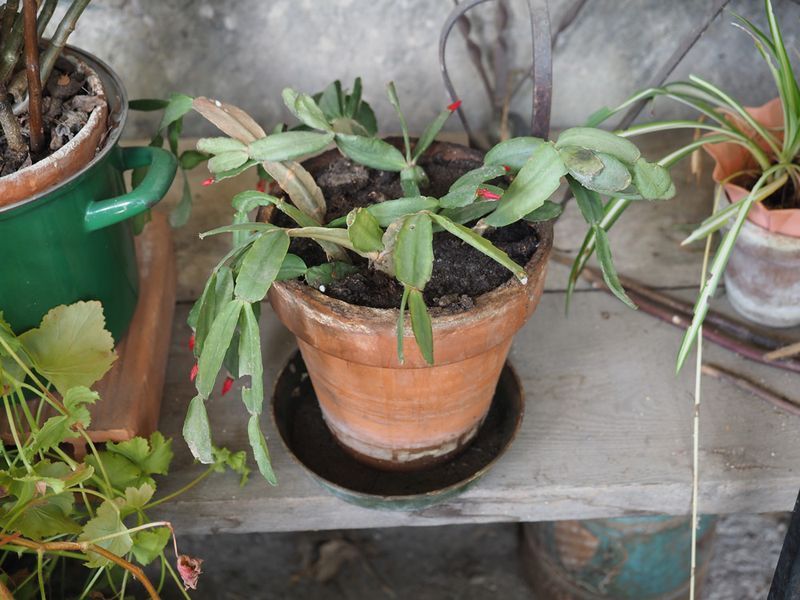
Here’s a sneaky mistake almost everyone makes. You water perfectly, then let the pot sit in a saucer full of runoff for days.
Roots pull that water right back up, and soon you’re dealing with soggy soil again. Dump the tray 15 to 30 minutes after watering.
Also double-check that your pot has a drainage hole. Pretty decorative pots without one are a common cause of slow, silent rot.
6. Move It to Bright, Indirect Light
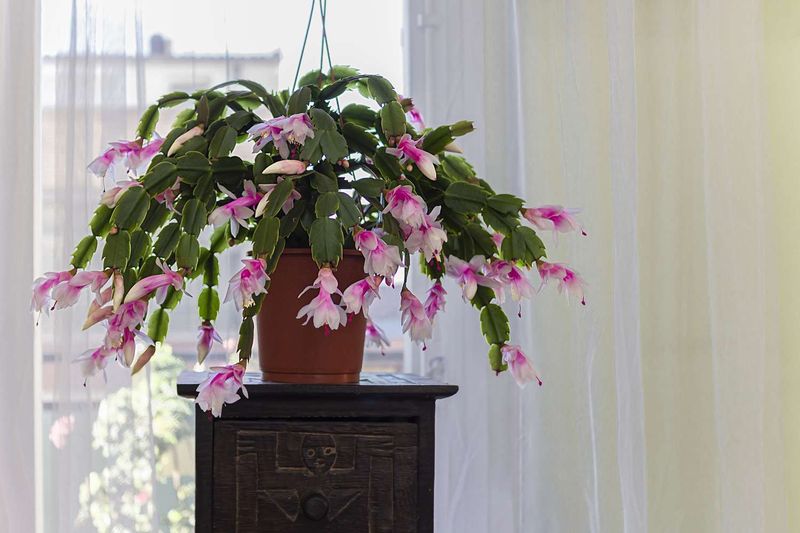
In the wild, these plants live under a leafy forest canopy where the light is bright but dappled. Your living room should copy that feeling.
Too little light makes stems thin, stretched, and weak, and it can stop flowers from forming. Too much hot sun can scorch the pads and turn them red or purple.
An east window or a spot a few feet from a sunny south window behind a sheer curtain usually works great. If the stems are reddish, scoot the plant back a bit.
7. Keep It Away From Drafts and Heaters
Think about how you feel when a cold blast hits you every time the door opens. Your cactus feels that stress too, and it shows it by drooping.
These plants like a steady 60 to 70 degrees. Keep them away from heating vents, fireplaces, radiators, and leaky doors or windows.
A calm, stable corner does more for a limp plant than any product you could buy.
8. Check for Hidden Sap-Sucking Pests
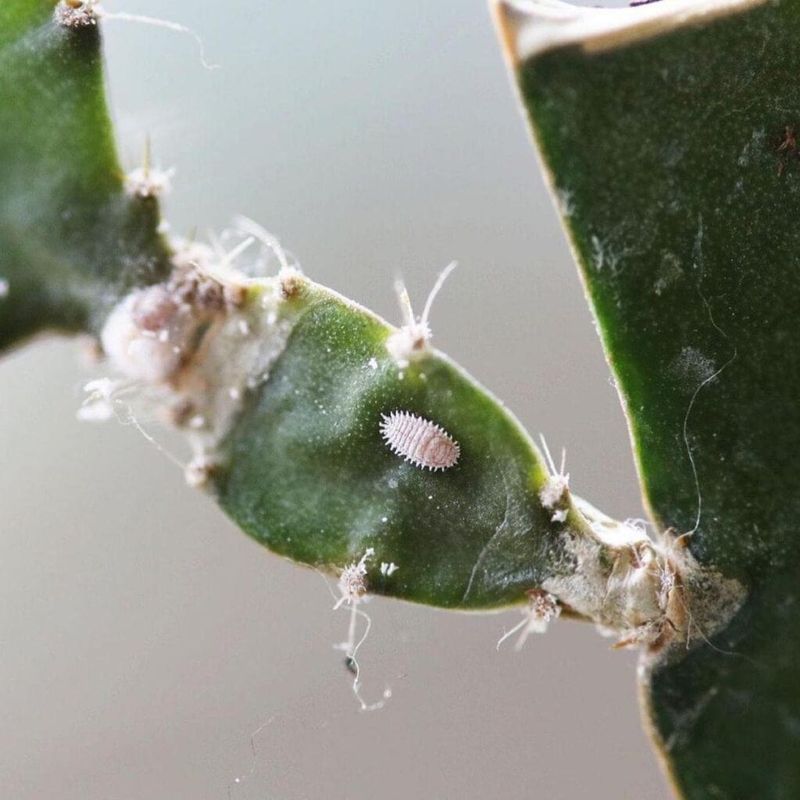
Sometimes the culprit is tiny. Mealybugs, spider mites, and aphids drink sap from the stems, leaving the plant tired and limp.
Look closely where the segments join and under the pads. Mealybugs look like little bits of white cotton, while spider mites leave fine webbing.
Dab mealybugs with a cotton swab dipped in rubbing alcohol. Rinsing the plant and repeating checks every few days can help reduce a light infestation before it spreads.
9. Feed in Spring and Summer Only
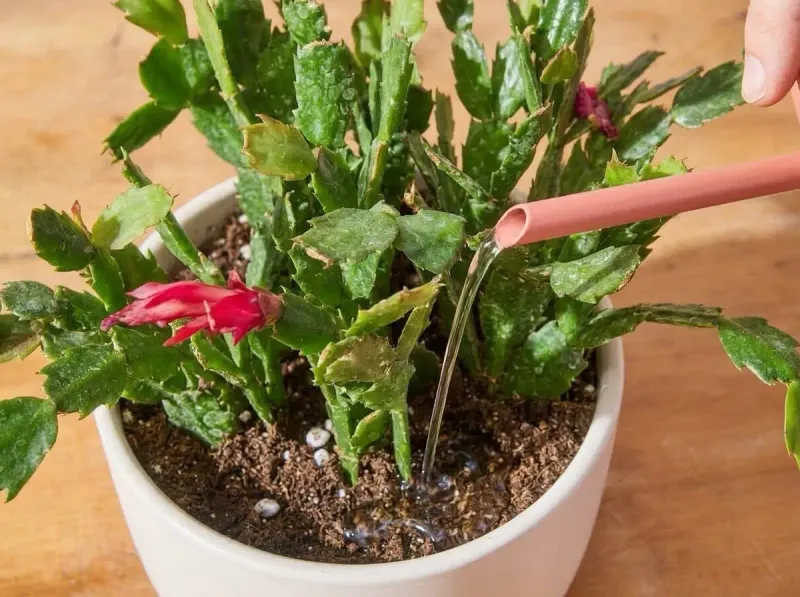
Strong stems are built during the warm months. From spring through late summer, feed once a month with a balanced houseplant fertilizer mixed at half strength.
Once early fall arrives, stop feeding or switch to a low-nitrogen formula. Fertilizer does not make the plant bloom, and too much can push leafy growth instead of buds.
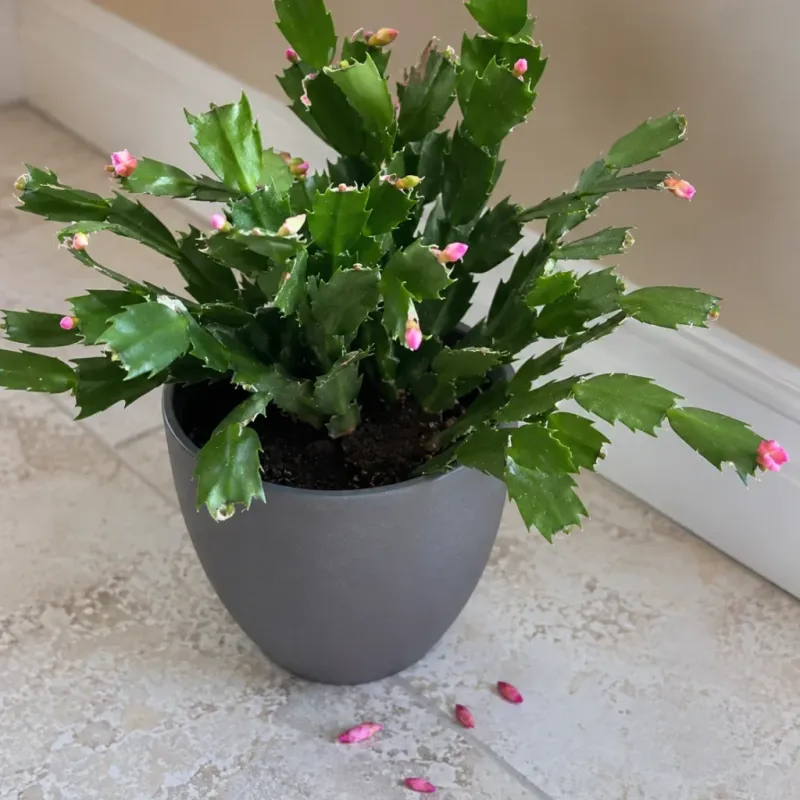
Fun fact: many plants sold as Christmas cacti are actually Thanksgiving cacti, which have pointy, claw-like edges on their pads. Both get the same care.
10. Start Long Nights in Early October

Now for the real bloom secret. Christmas cacti are short-day plants, which means long nights tell them it’s time to make flowers.
About 6 to 8 weeks before you want blooms, usually early October, give the plant 12 to 14 hours of total darkness every night. Even a lamp flicking on can interrupt the signal.
A spare room, a closet, or a box over the pot works fine. Bring it back to its bright spot each morning.
11. Let Nights Turn Cool
Darkness works best with a partner, and that partner is cool air. Night temperatures of 55 to 65 degrees help buds set.
If your home stays above 68 degrees at night, flowering may stall. A cool bedroom, basement window, or enclosed porch can do the trick.
Just bring the plant inside before any frost. Cool is helpful, freezing is not.
12. Raise the Humidity a Little
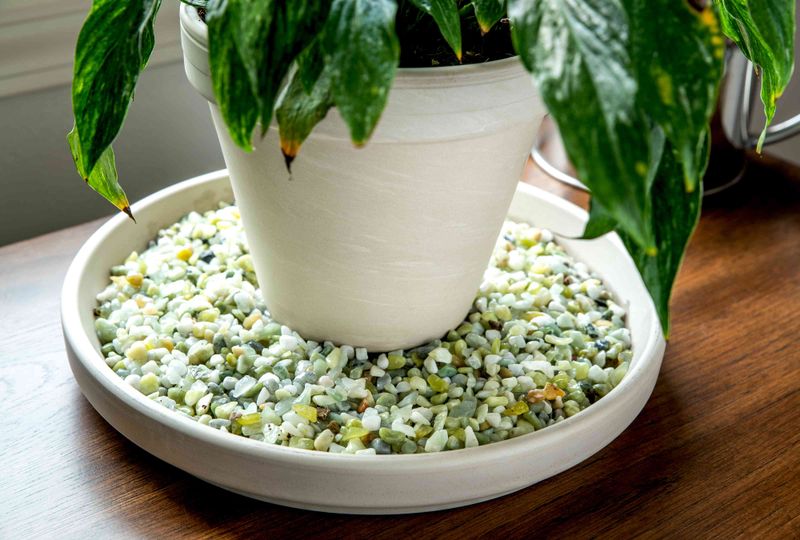
Winter heating can make indoor air as dry as a desert, but this cactus is a rainforest plant at heart.
Set the pot on a tray of pebbles with water poured just below the tops of the stones. The water evaporates around the plant without soaking the roots.
A light mist now and then may help too. Grouping plants together also adds a little extra moisture to the air.
13. Leave It Alone Once Buds Appear
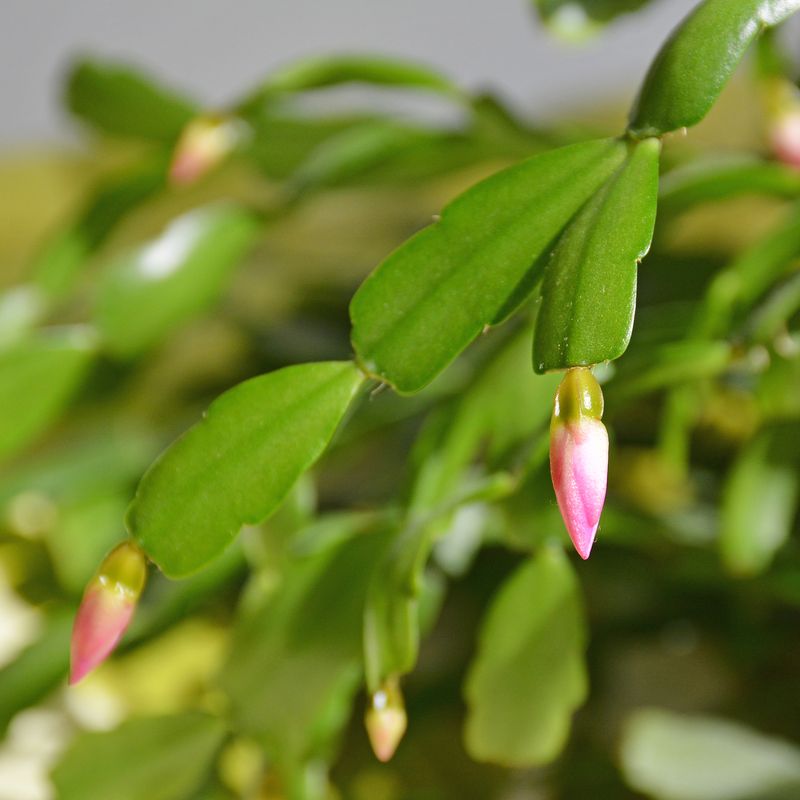
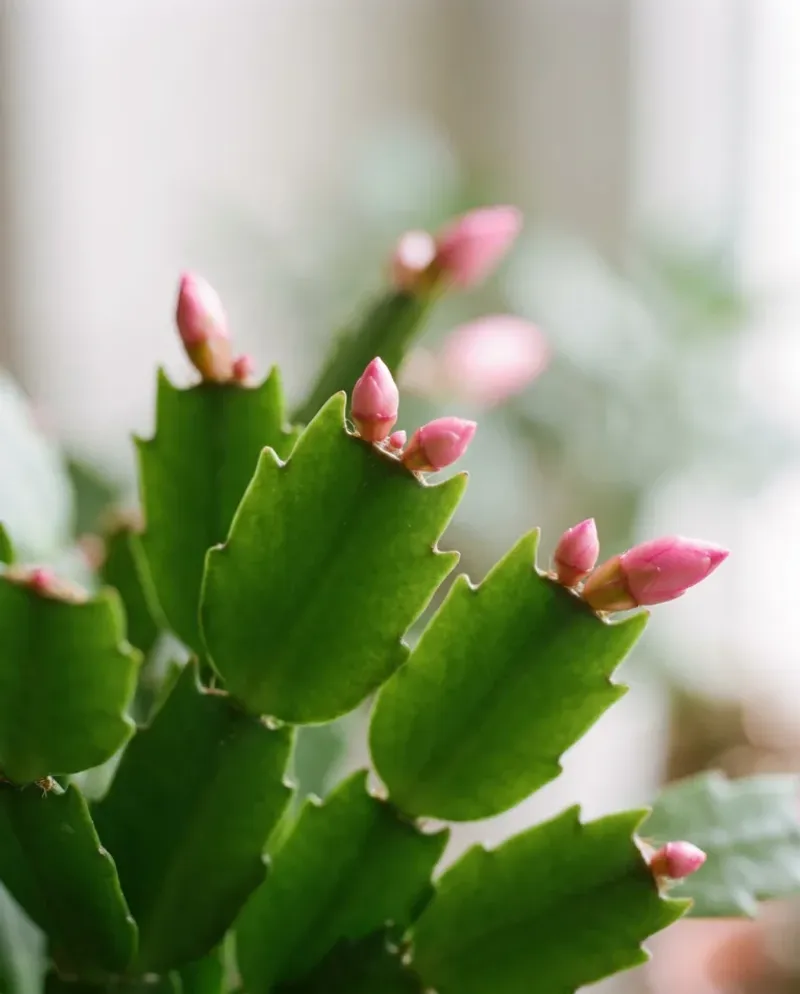
You’ve done the work, and tiny buds are showing at the stem tips. This is the moment to resist the urge to show it off in a new spot.
Sudden changes in light, temperature, or location can make buds drop overnight. Keep the soil evenly moist but not wet, and let the plant stay put.
After blooming ends, a light trim can make it bushier for next year. Then you get to enjoy the payoff all season long.