
16 Tricks That Keep Your Potted Petunias Blooming Like Crazy Long After You Bring Them Indoors
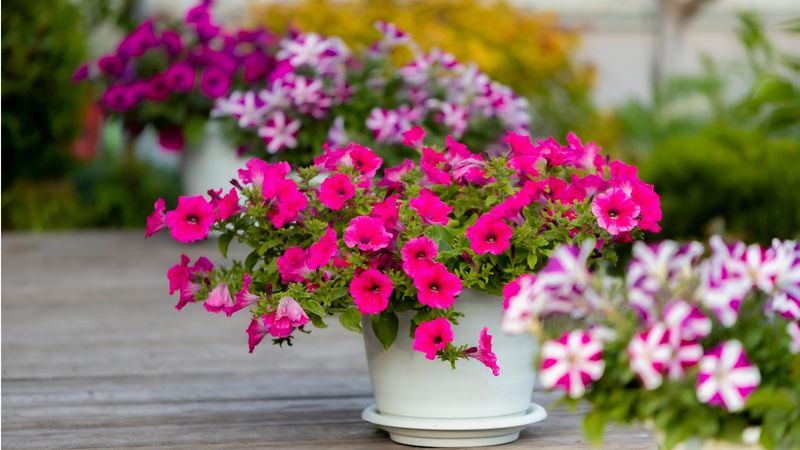
Your petunias looked amazing all summer, and now frost is coming fast. Many gardeners toss them in the trash, but potted petunias can keep flowering inside if you give them the right care.
The trick is copying the sunny, warm, well-fed life they had outdoors. These 16 simple fixes will help you avoid the droopy, flowerless slump that hits so many indoor petunias.
1. Cut Back and Inspect Before the First Frost
Timing is everything with the big move indoors. Wait too long, and one frosty night can turn lush petunias into brown mush by morning.
Aim to bring them in a week or so before your area’s first expected frost.
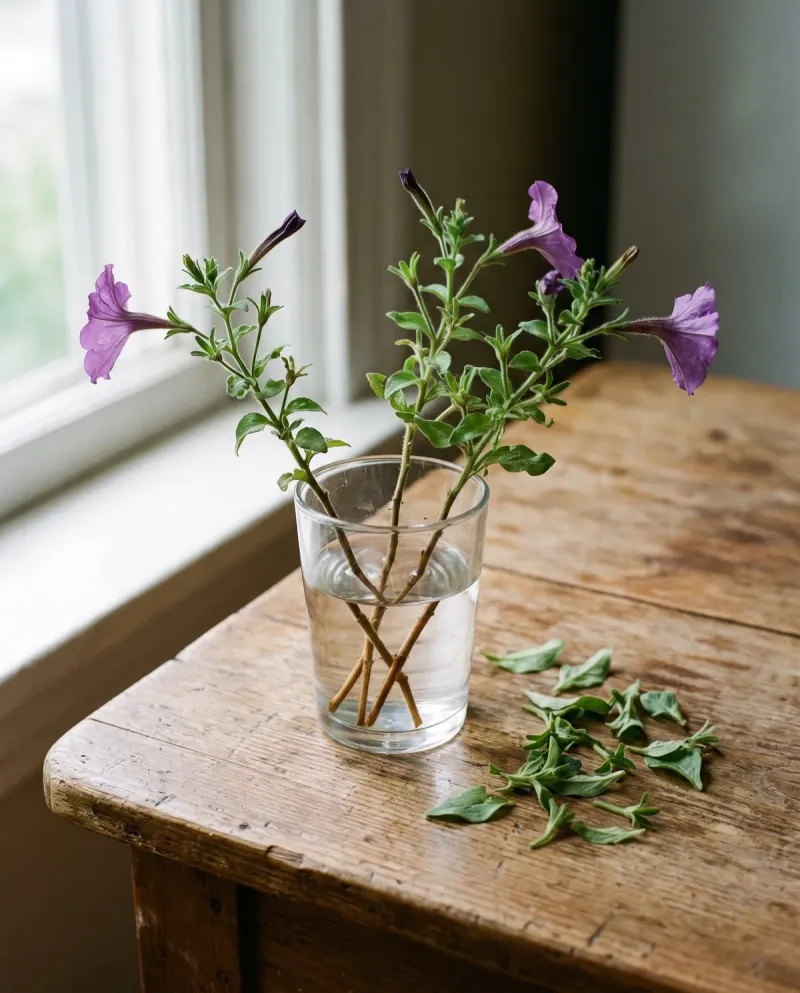
Before they cross the doorway, trim the stems back hard, to about 2 inches above the soil if the plant is tired and sprawling. Lighter trims work fine on compact, healthy plants.
A fresh cut gives the plant a chance to push out tidy new growth suited to life on a windowsill.
Next, play detective. Flip leaves over, peek at stem joints, and check the soil surface for tiny crawlers.
Rinsing the plant with a gentle hose spray or treating it with insecticidal soap can reduce the chance of bringing aphids or whiteflies inside to bother your houseplants.
2. Claim the Sunniest Window in the House
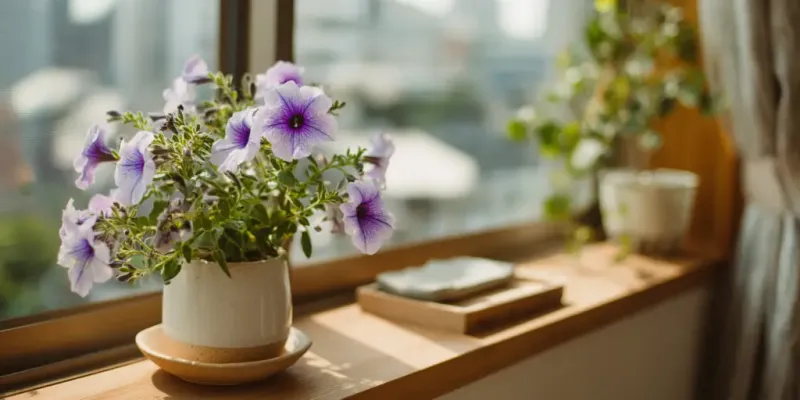
Petunias are sun worshippers, plain and simple. Outdoors they soaked up full sun from morning to evening, and that light is the fuel behind every bloom.
Indoors, they still want at least 6 hours of direct sun, and 8 or more is even better.
A south-facing window is the gold standard in most US homes. West-facing windows come in second, giving strong afternoon rays.
East and north windows usually leave petunias stretching and sulking.
Keep the glass clean, too. A dusty window can block more light than you might guess, and in winter every bit counts.
3. Add a Grow Light for Short Winter Days
Picture December at 4:30 in the afternoon. The sun is already gone, and your petunias are left waiting in the dark.
Fewer hours of light often signal the plant to slow down or quit flowering.
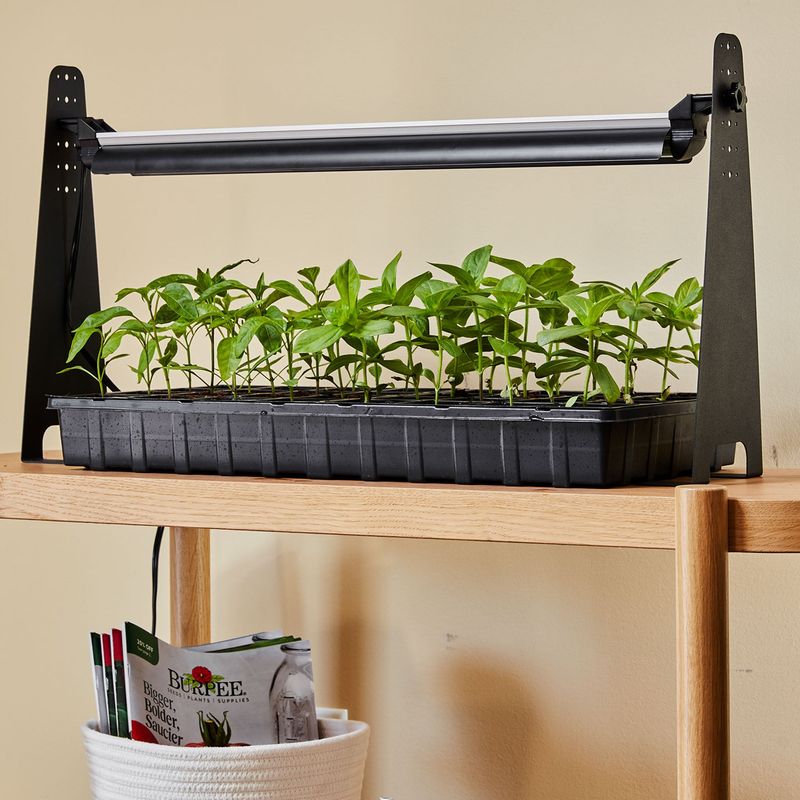
A simple LED grow light can fix that gap. Set it a few inches to a foot above the plant and run it for 12 to 14 hours a day, depending on how much window light you get.
A cheap outlet timer makes this nearly automatic.
The payoff is compact stems and steady buds instead of thin, pale growth reaching for the glass. For many indoor petunias, this one change makes the biggest difference of all.
4. Water When the Top Inch Feels Dry
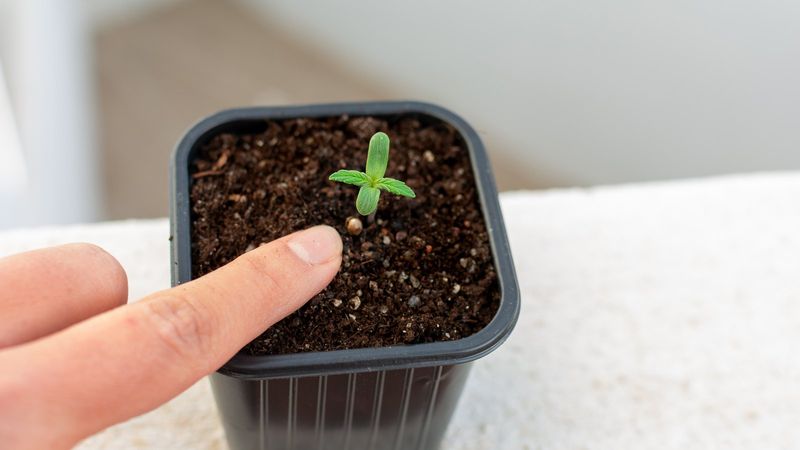
Here’s a habit that saves more petunias than any gadget: the finger test. Push a finger into the soil up to the first knuckle.
Dry? Time to water.
Still damp? Walk away.
Petunias like soil that stays lightly moist, never soggy. Roots sitting in wet soil for days can start to rot, and the first warning is often yellow leaves and a droopy plant that looks thirsty, even though it’s drowning.
Checking every couple of days takes seconds. It beats guessing on a fixed schedule that ignores what the plant actually needs.
5. Empty the Saucer Every Single Time
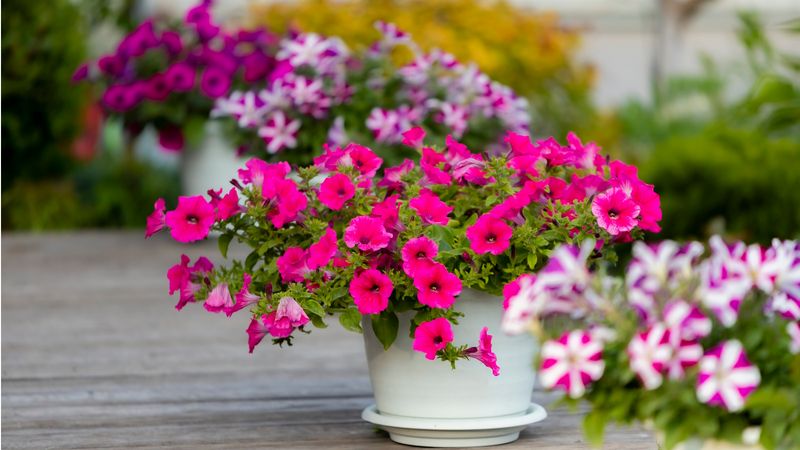
Saucers protect your windowsill, but they can quietly hurt your plant. When water pools underneath, the bottom of the pot stays soaked and roots can’t breathe.
The better routine is simple. Water slowly until it runs out the drainage holes, wait about 10 minutes, then dump whatever collected below.
Some gardeners water right in the kitchen sink and return the pot once it stops dripping.
Also double-check that your pot actually has drainage holes. Decorative pots without them are a common hidden cause of root rot in winter.
6. Rethink Your Summer Watering Habits
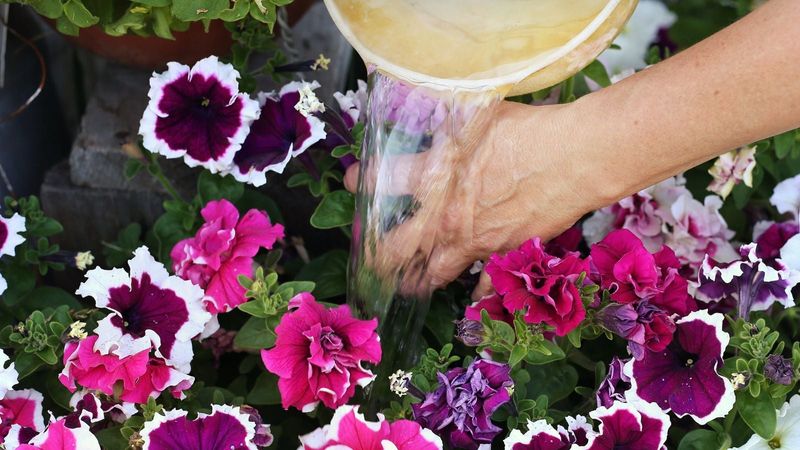
In July, you might have watered your petunias every single day. Bring that same routine indoors in November, and trouble can follow fast.
Cooler rooms and weaker sun mean soil dries much more slowly. Many indoor petunias only need water every few days, sometimes once a week.
Still, furnace heat can dry pots unevenly, so keep checking rather than forgetting about them.
Think of it as shifting gears, not stopping. Pots near heat vents may need more attention, while those in a chilly corner may need less.
7. Keep Feeding Your Hungry Petunias
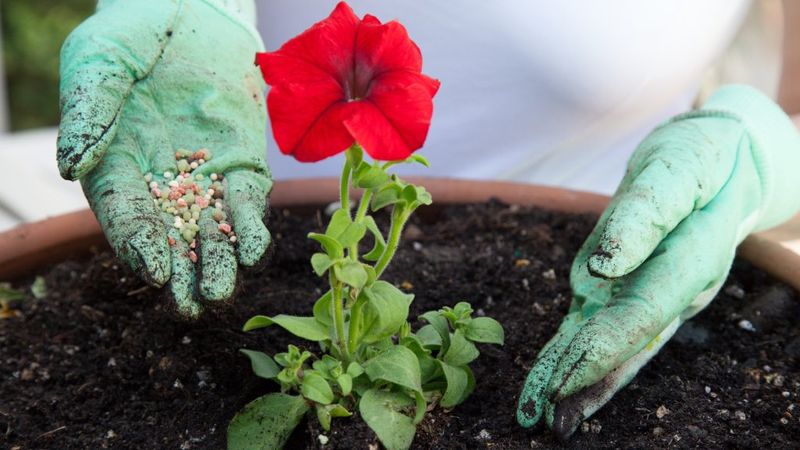
Petunias are famous for having big appetites. All those flowers use up nutrients quickly, and a pot holds only so much food.
Once the soil runs low, blooms often fade first.
Plenty of gardeners stop fertilizing when the weather cools, assuming the plant is resting. If you want indoor flowers, though, regular feeding needs to continue.
Watch the plant as your guide. Pale leaves and fewer buds may hint it’s hungry, while plenty of leaf growth with few flowers can mean it’s time to adjust the formula.
8. Pick a Balanced, Bloom-Friendly Fertilizer
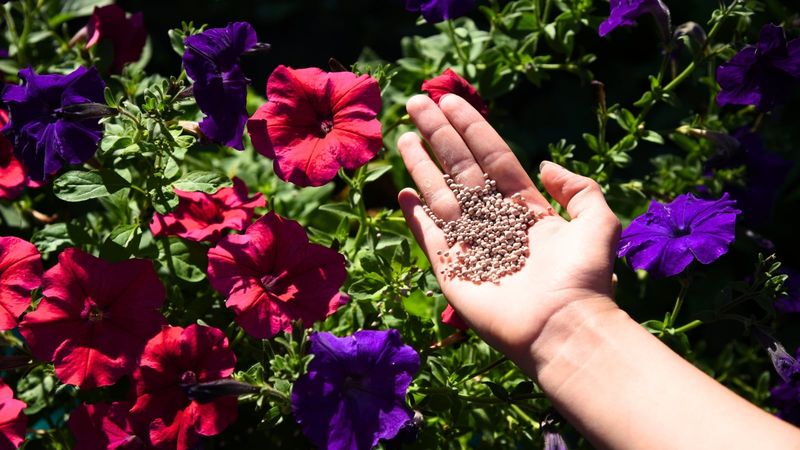
Those three numbers on the fertilizer label aren’t just decoration. They stand for nitrogen, phosphorus, and potassium, and the balance shapes how your petunia grows.
A balanced liquid feed like 10-10-10 or 12-12-12 works well every one to two weeks. Formulas a little higher in phosphorus and potassium can help power more blooms.
Mix at half strength indoors, since slower growth means the plant uses less.
Fun fact: liquid feeds work faster than slow-release pellets, which is handy when you want quick help for a flagging plant. Always water first so you never feed dry roots.
9. Deadhead Like It’s Your Daily Ritual
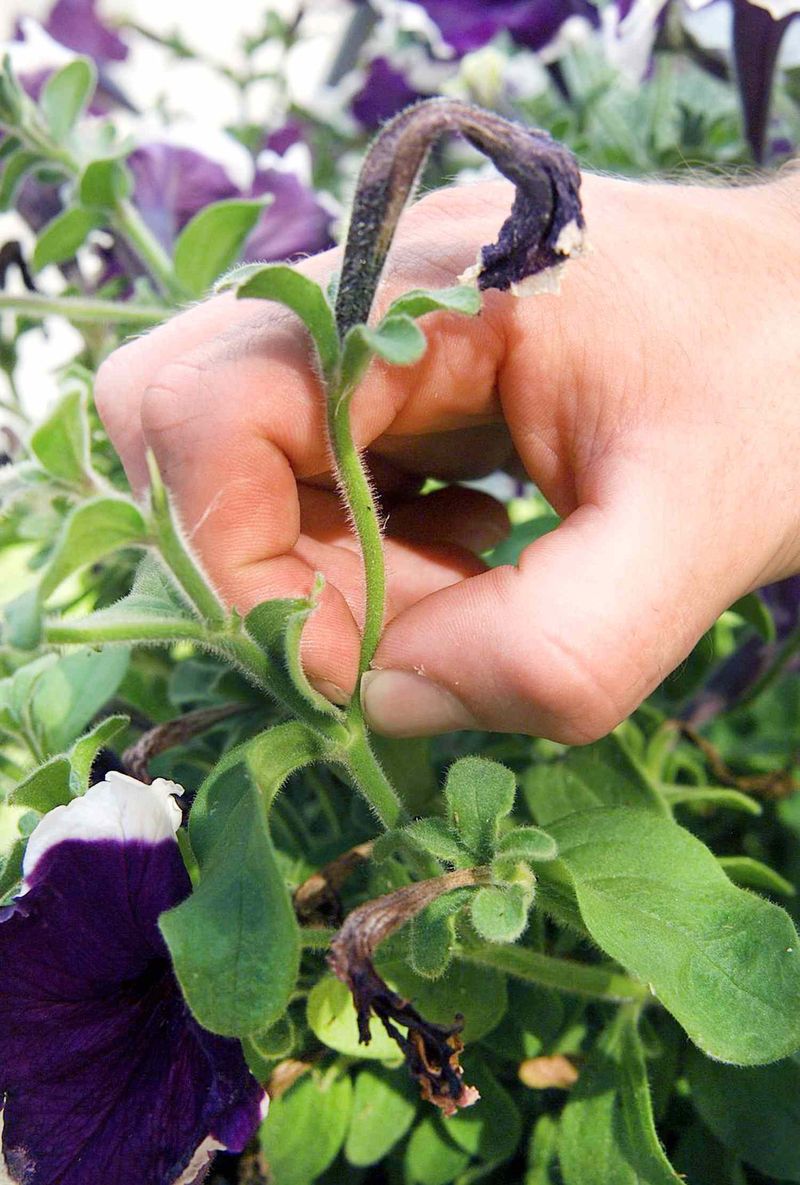
Grab your morning coffee and give your petunias a quick once-over. Every faded flower you remove sends a message: make more blooms.
When old flowers stay on, the plant starts making seeds. Seed production eats up energy that would otherwise go toward fresh buds.
Removing spent blooms keeps the plant focused on flowering.
Indoors, this chore is actually easier than outside. The pot is right there at eye level, so a two-minute check can become a relaxing daily habit.
10. Snip the Seed Pod, Not Just the Petals
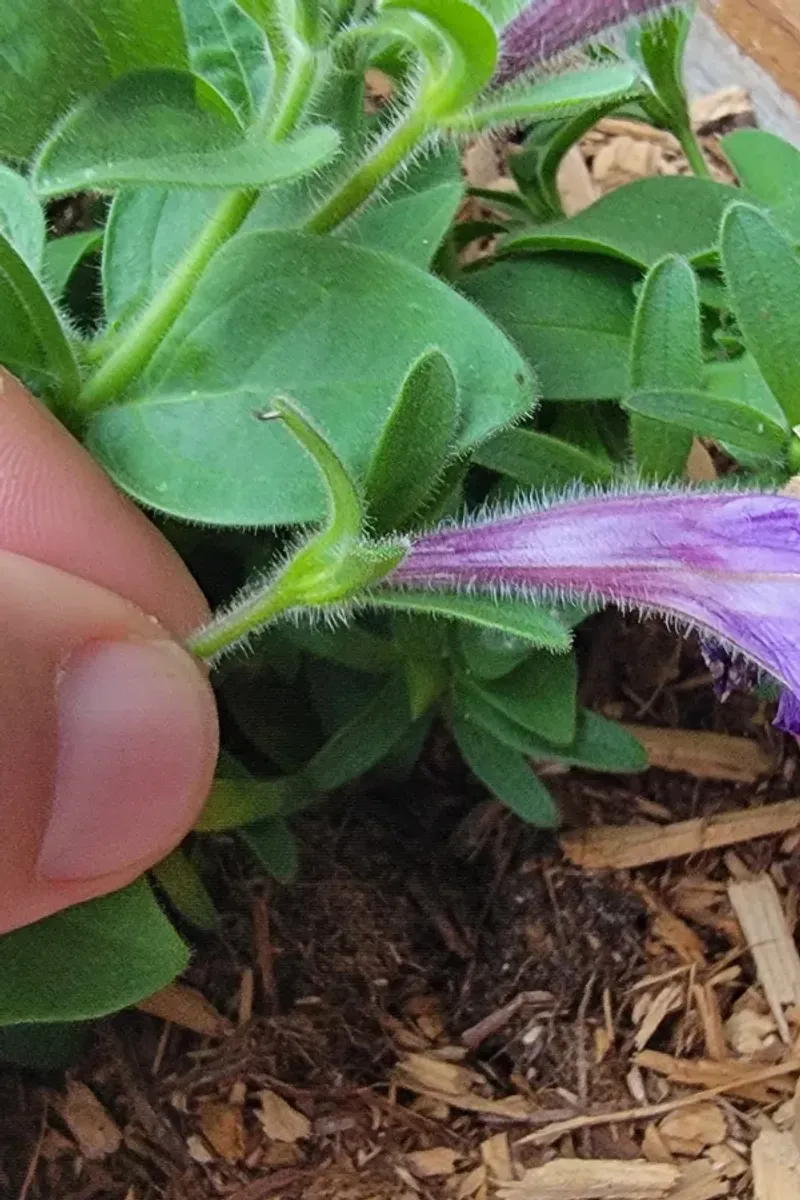
Plenty of well-meaning gardeners pull off wilted petals and think the job is done. Sadly, the plant has a sneaky secret.
A small green seed pod sits at the base of each flower, and if it stays, seeds keep developing.
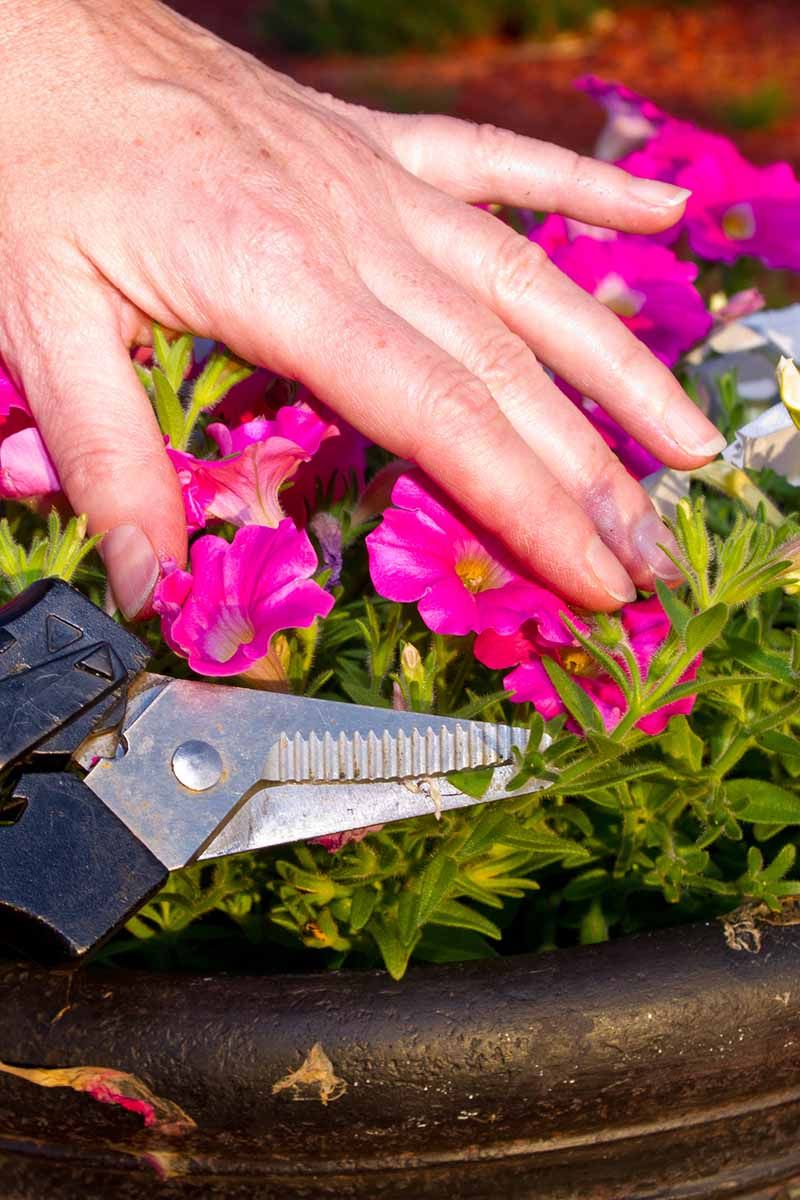
To deadhead properly, follow the flower stem down past that pod. Pinch or snip just above the next healthy pair of leaves.
Your fingernails work, but small scissors give a cleaner cut on tougher stems.
This tiny detail can change everything. Done right, new side shoots often appear right where you cut.
11. Trim Leggy Stems Back to Bushiness
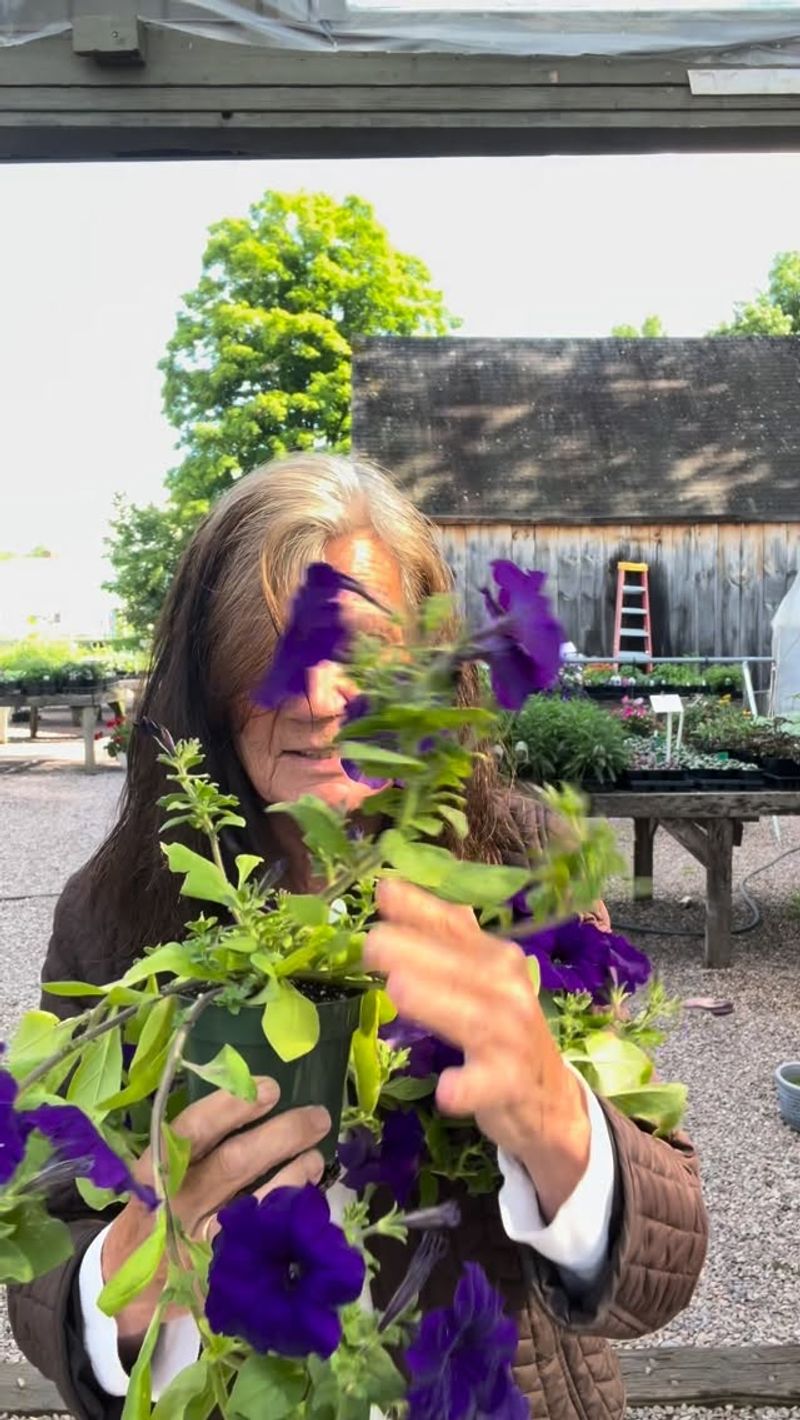
Long, bare stems with a lone flower at the tip? That’s the classic leggy petunia, and it’s one of the most common indoor complaints.
Don’t panic. Cut those stretched stems back by a few inches, just above a leaf.
The plant usually answers by sending out new branches, and more branches mean more spots for buds.
Legginess also hints that light may be too low. Pair this trim with a brighter spot or grow light so the new growth stays compact.
12. Prune a Third at a Time
Nobody wants a pot of bare sticks all winter. Luckily, you don’t need to chop everything at once.
Choose about one-third of the longest, scraggliest stems and cut them back. Leave the rest flowering.
A couple of weeks later, once the first batch starts regrowing, trim another third.
This rotating approach keeps color in the room while the plant slowly renews itself. It’s a gentle way to get a fuller petunia without any awkward bald phase.
13. Use Fresh, Well-Draining Potting Mix
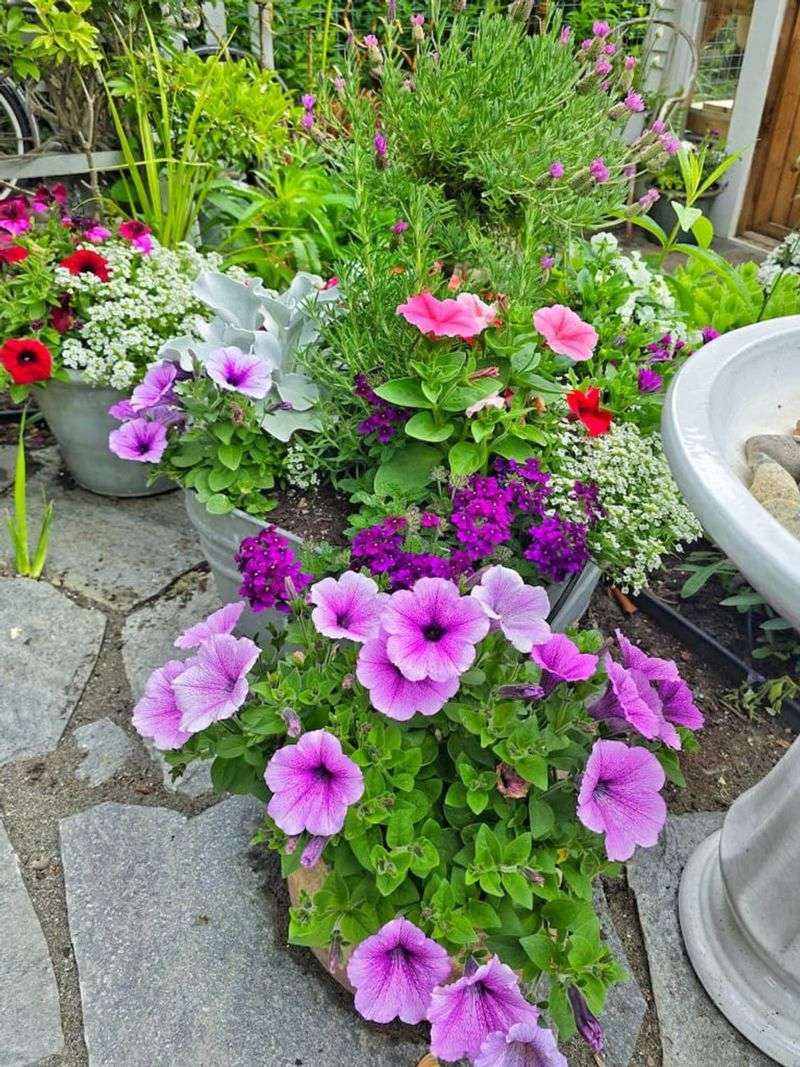
Garden soil scooped from a flower bed might seem fine, but in a pot it packs down hard and holds too much water. Petunias need something lighter.
A quality potting mix that drains well and leans slightly acidic to neutral gives roots room to breathe. If your summer mix looks crusty or compacted, refreshing the top few inches can help.
Healthy roots are the hidden engine behind every bloom you see. Better soil may help prevent root problems before they start.
14. Give Each Plant Room to Breathe
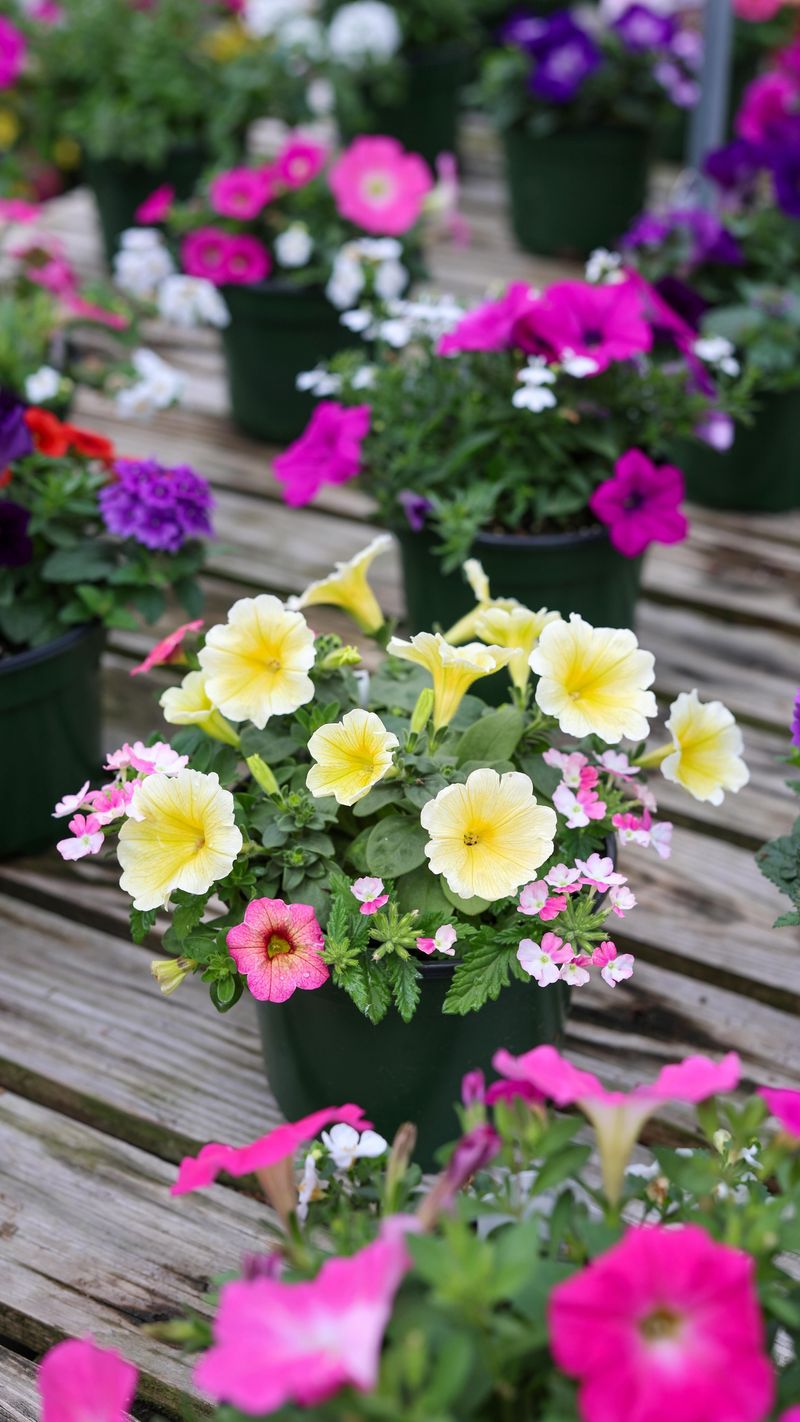
Squeezing five petunias into one container looked gorgeous in June. By winter, those roots may be fighting each other for every drop of water and food.
Crowded plants often bloom less and dry out faster. If a pot feels jammed, divide the plants into separate containers.
Spacing pots apart on the windowsill also improves airflow, which can reduce mildew issues.
A little elbow room lets each plant focus its energy on flowering instead of competing.
15. Keep Temperatures Cozy and Drafts Away
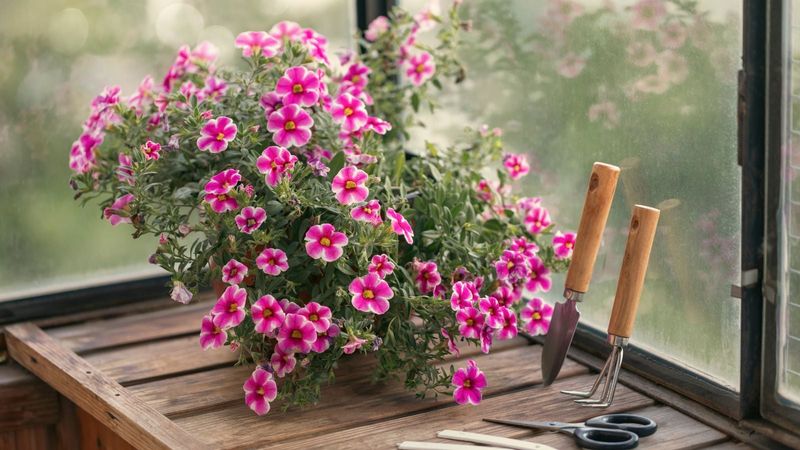
Petunias are comfortable in about the same temperatures you are. Indoors, aim for roughly 65 to 80°F to keep them actively flowering.
Watch out for trouble spots. Cold drafts from a leaky window or front door can stress the plant, while blasting heat vents dry it out fast.
Leaves touching freezing glass at night can also get damaged.
On very cold nights, sliding the pot a few inches back from the window may help. A small humidifier nearby can soften the dry furnace air too.
16. Watch for Pests and Transition Stress
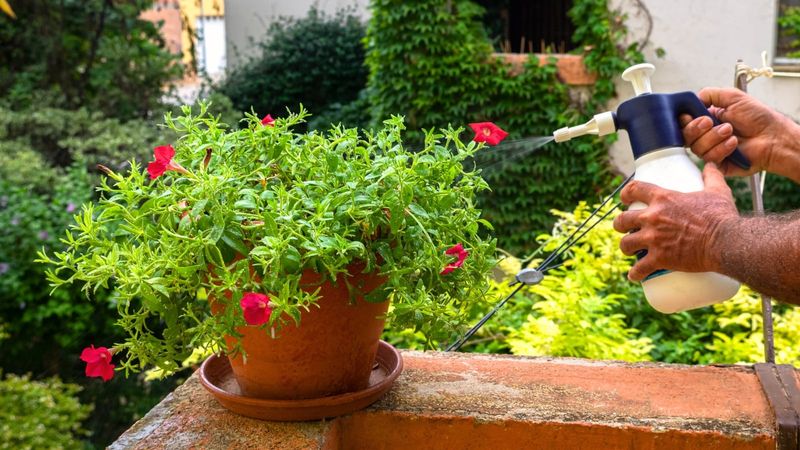
Don’t be shocked if your petunia drops a few leaves the first week inside. Moving from open air to a living room is a big change, and some leaf loss is normal while it adjusts.
Pests are a different story. Aphids and whiteflies can multiply quickly indoors without birds or rain to keep them in check.
Check under leaves weekly, and wipe or spray small outbreaks with insecticidal soap right away.
Catching problems early keeps them small. With a watchful eye, your petunias can keep bringing summer color into the darkest months.