
Cut Your Delphiniums Back Like This Before Winter And They Come Back With Taller Spikes Next Summer
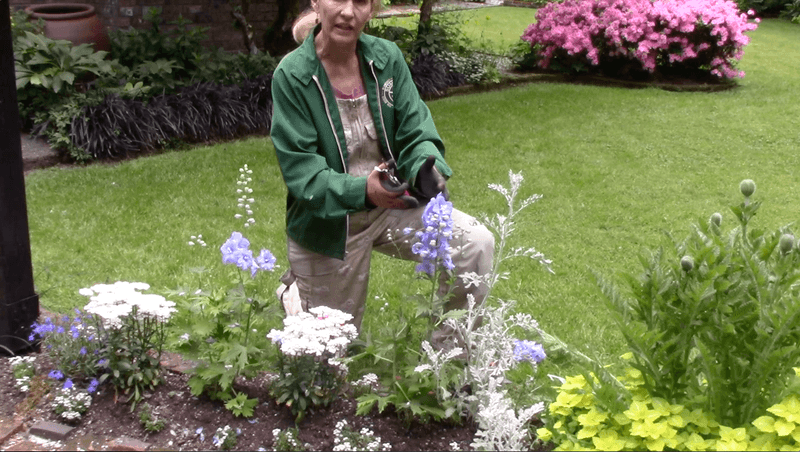
Your delphinium spikes have faded, and now you are staring at a tall stalk of brown seed pods wondering what to do. The answer is simpler than most gardeners expect, but the timing and the purpose of each cut matter.
Some popular advice promises taller spikes next summer from one fall cut, and that promise goes further than the guidance supports. Here is what each cut really does, so you can care for your plants without worrying you are doing it wrong.
Remove spent flower stalks after the blooms fade
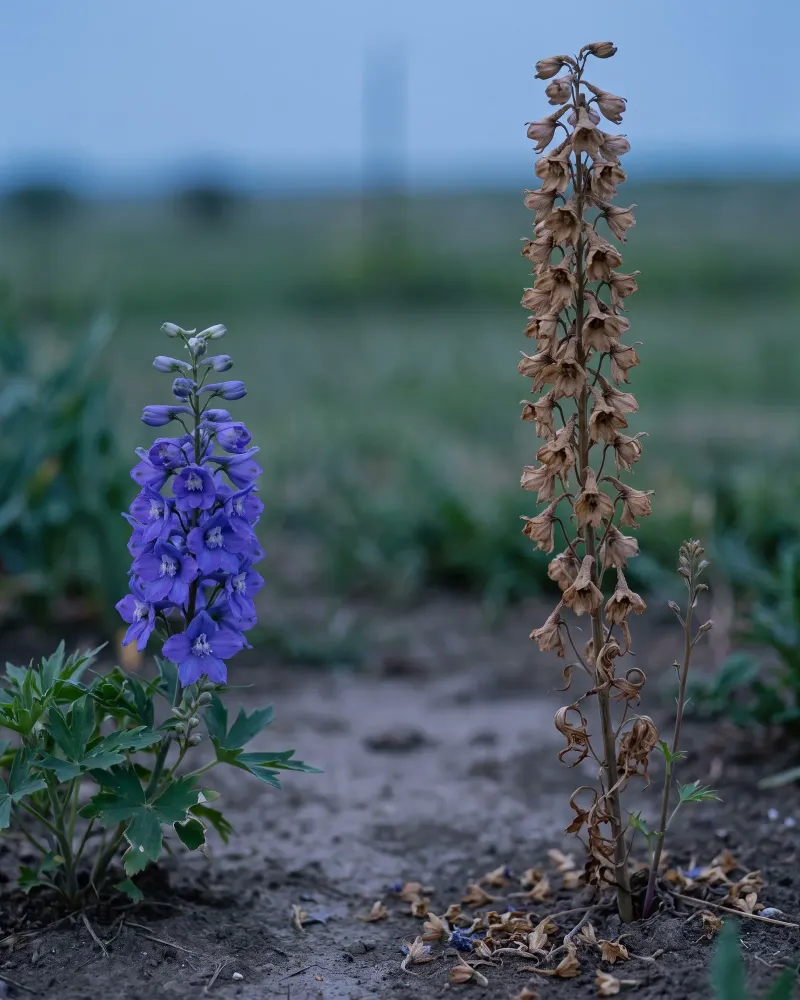
Once the blooms on a flower stalk have faded, cut that stalk down. Do it for each spike as it finishes, rather than waiting for the whole clump to look tired.
Extension sources, including North Carolina State Extension, describe cutting back spent stalks to encourage more blooms.
Follow the stalk down toward the bottom of the plant and cut near the base. Look first for fresh green growth sprouting around the crown.
Keep your shears clear of those young shoots, because they are the plant’s next round of leaves and possibly flowers. The Royal Horticultural Society growing guide gives the same advice to take care around fresh basal growth.
Notice what this cut is and is not. It is a way to encourage a possible further flush of flowers, as explained in Iowa State guidance on deadheading.
It is not a pre-winter treatment that sets next summer’s spike height, and it does not decide whether the plant survives the cold.
It is also a different job from cutting back foliage. You are removing only the finished flower stalk, so the healthy leaves stay on to keep feeding the plant.
Cutting leaves comes much later, and the next section explains when.
A practical example: if your delphiniums finished in early summer, you may do this cut while the weather is still warm. If a late bloom finishes as autumn arrives, you can still remove the spent stalk for tidiness, but you may not see new flowers.
A second flush is possible, not promised
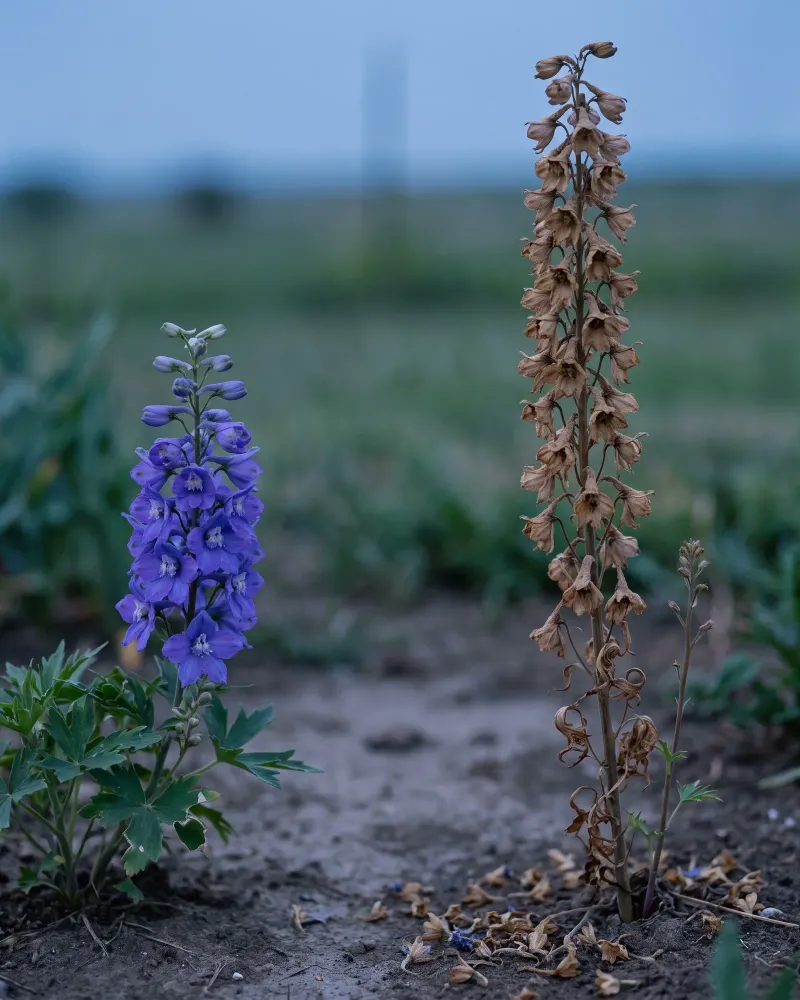
Plenty of gardeners cut their delphiniums back and then wait for a repeat show that never comes. That does not mean you did it wrong.
Rebloom depends on conditions, and some of them are out of your hands.
Several things shape the result: when the first bloom happened, how much growing time is left, the condition of the plant, the cultivar, and your local climate. Burpee’s delphinium guidance describes rebloom as possible when the first bloom came early.
A plant that finished late has less time to try again.
If a second flush does appear, expect something more modest. Nebraska Extension cautions that it may be smaller and less full than the first.
Think of it as a bonus, not a repeat of June.
There is no single calendar date that works for every yard in the country. A gardener in a mild climate with a long season has different odds than one who gets early frost.
Watch your own plant and your own weather instead of a date on the calendar.
Some diagnostic clues help. Fresh green shoots and a healthy clump after cutting are good signs that the plant is putting energy back into growth.
A stressed, floppy, or spotted plant may skip a second show entirely, and that is a plant-condition issue more than a pruning one. The Iowa State deadheading advice frames the cut as encouraging more blooms, not forcing them.
Wait for foliage to die before fall cleanup
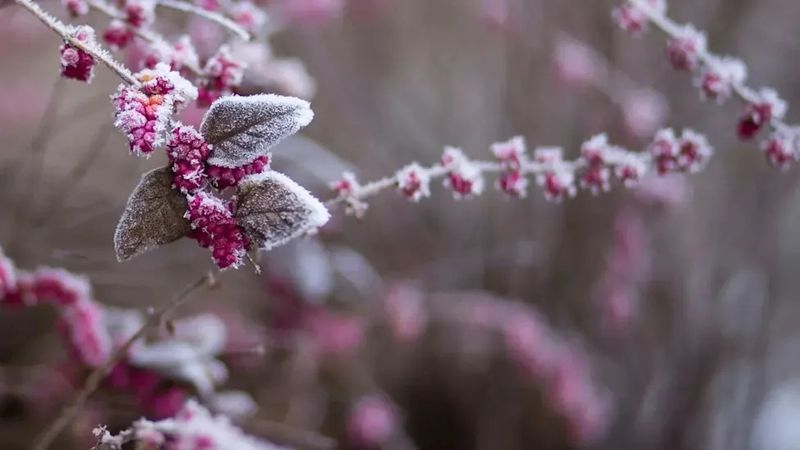
Fall cleanup is its own task, separate from removing spent flower stalks. The first happens soon after bloom.
The second waits for the plant to tell you it is finished.
The Royal Horticultural Society advises cutting back old leaves once they have died down, after the first frosts. So the signal is the foliage itself: yellow, brown, and collapsed from the cold.
Green, healthy leaves can stay.
Winter being close is not a reason to cut a healthy plant. Many gardeners feel a pull to shear everything flat by a certain weekend, but a date on the calendar is not a good guide.
Letting the leaves finish their season means you are working with the plant rather than ahead of it.
Once the leaves have died back, trim them off and tidy the area. Removing old, dead material leaves the bed neat and clears away debris.
It is a housekeeping step.
What it is not is a guarantee. Published guidance separates deadheading after flowering from cutting down old leaves after frost, and it does not show that fall cleanup makes a plant return or come back stronger.
If you have been told that one fall cut decides everything, you can relax. Do the cleanup when the foliage is ready, and put your real effort into healthy soil, good drainage, and sensible watering.
Thin young shoots in spring for taller stems
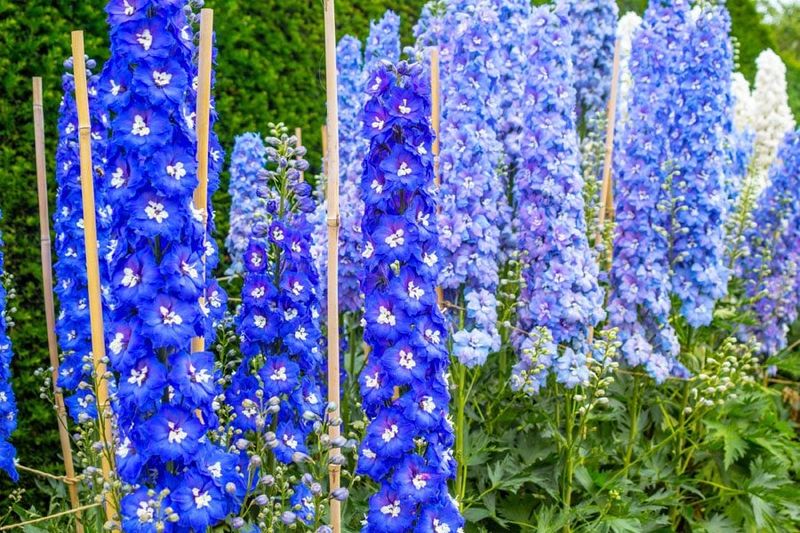
If taller flower stems are what you are after, the Royal Horticultural Society points to spring, not fall. On mature clumps, thin the young shoots and leave five to seven of the strongest.
That gives each remaining stem more room and resources.
This is a different practice from removing spent flower stalks. Deadheading happens after bloom and aims at a possible later flush.
Shoot-thinning happens in spring, on established clumps, and is the step the RHS growing guide connects with stronger, taller stems.
To thin, wait until the shoots are young and you can tell which are sturdy. Pick the thickest, healthiest ones to keep, and remove the thin, weak extras at the base.
Wear gloves while you do it.
Height still varies a great deal. Nebraska Extension describes garden forms from short cultivars to some perennials reaching five to six feet, so no technique promises a particular height.
Your cultivar sets the range.
Tall types also need support. Their hollow spikes can bend or snap in wind and rain, so stake them early and, if you can, plant them in a spot sheltered from strong gusts.
A tall spike that has fallen over is often a staking problem rather than a pruning problem.
A plant that fails to return may not be a pruning mistake
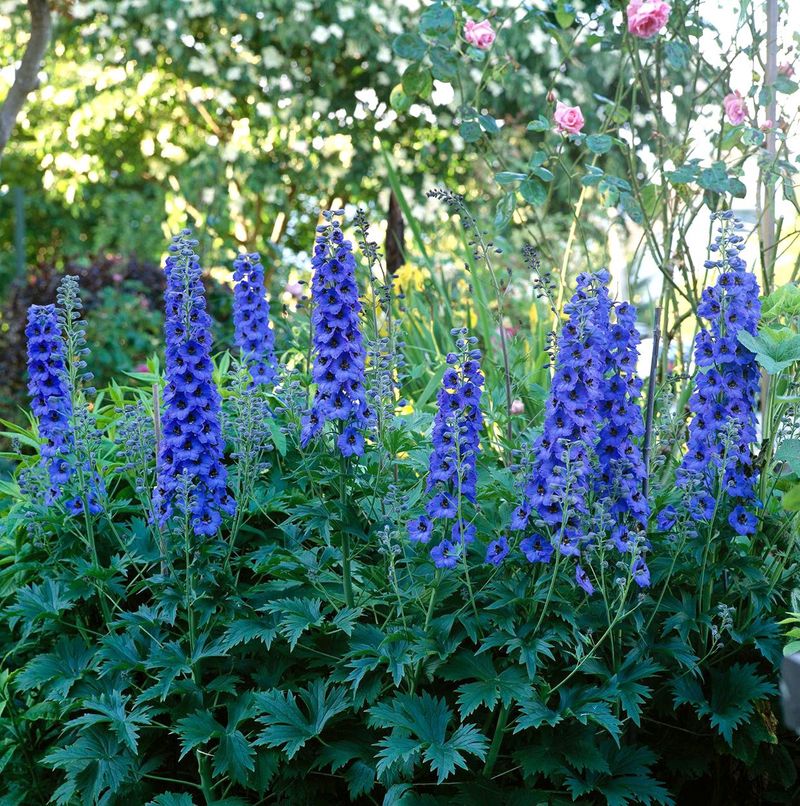
Few things sting like a missing plant in spring. Before blaming your shears, consider two other explanations that have nothing to do with how you pruned.
The first is a name mix-up. Common names blur the line between delphinium and larkspur.
Nebraska Extension distinguishes perennial garden delphiniums from annual Consolida larkspurs, and Utah State Extension describes larkspur as a closely related annual. Annuals finish their life in one season, so they will not return as the same perennial clump.
Check your plant tag or seed packet. If it says Consolida or annual larkspur, a gap next spring is normal, though it may reseed some seedlings.
The second explanation is lifespan. Some cultivated delphiniums are short-lived perennials, and Nebraska Extension says many last only two or three years in the garden.
A plant fading after a few seasons is common.
None of this means pruning does not matter. Good cuts keep the plant tidy and may encourage extra flowers.
They just do not guarantee survival, and a missing plant was not necessarily pruned incorrectly.
If you want to keep delphiniums going, consider adding a new plant every so often so your border does not depend on one aging clump.
Wear gloves and keep clippings away from children and pets
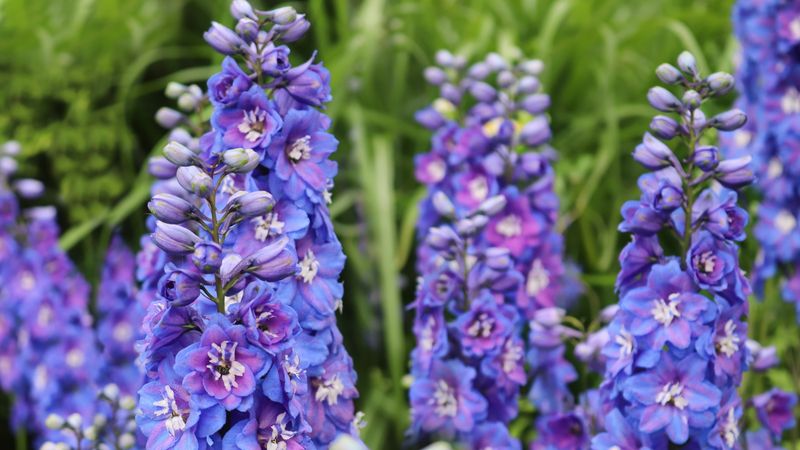
Put on gloves before you pick up the shears. The Royal Horticultural Society recommends gloves when handling or pruning delphiniums, because the foliage may irritate skin.
Long sleeves are a sensible extra on a day with lots of cutting.
Safety does not stop when the cut is done. North Carolina State Extension identifies delphinium as toxic to people and pets if ingested.
Keep both the growing plants and the clippings out of reach of children and animals.
That means picking up spent stalks as you go instead of leaving them on the lawn or path. Put them straight into a closed bin or bag, and take them to your yard waste or compost system right away.
If your dog digs in the border, think about where the plants sit.
Wash your hands when you finish, and clean your tools while you are at it.
A few minutes of care keeps a lovely plant a safe one.