
Watering At The Wrong Hour Quietly Stresses Your Garden – Here’s When To Do It (Plus 11 Smart Habits For Fall)
Your hydrangeas droop by afternoon, your tomatoes split, and your geraniums look tired even though you water them every day. The problem might not be how much you water, but when.
The hour you pick can decide whether water reaches the roots or just disappears into the air. Fall brings its own set of watering and care changes, so here are 11 smart habits to keep your plants healthy right up to frost.
1. Water Between 5 and 9 in the Morning
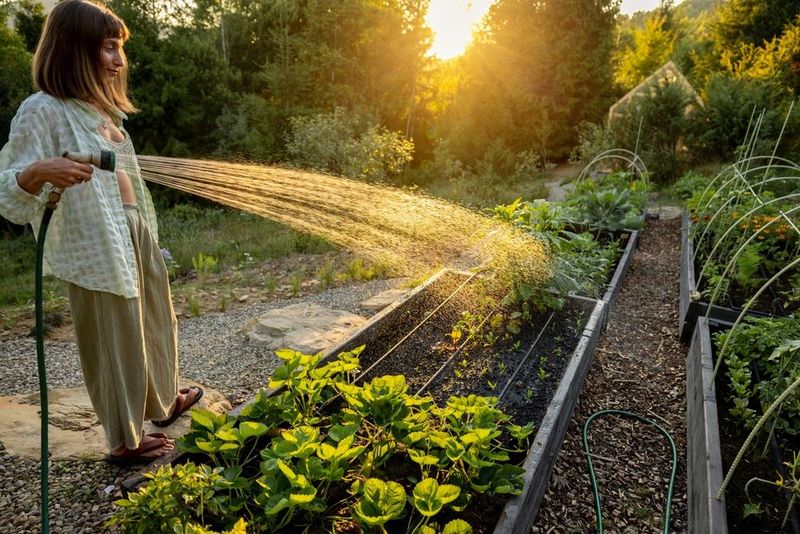
Picture the garden at 6 a.m. The air is cool, the wind is calm, and the sun has not started its daily drying job yet.
That window, roughly 5 to 9 a.m., is the sweet spot for watering. Less water evaporates, so more of it soaks down to the roots where your tomatoes and hydrangeas actually need it.
Any splashes on the leaves dry quickly once the sun comes up, which can reduce the chance of fungal trouble.
Clay soil gardeners get an extra perk. Morning soil is softer and more willing to absorb water before the midday sun bakes it into a crust that makes water run right off.
Keep a hose coiled by the back door so a quick morning soak becomes part of your coffee routine.
2. Skip the Midday Sprinkler
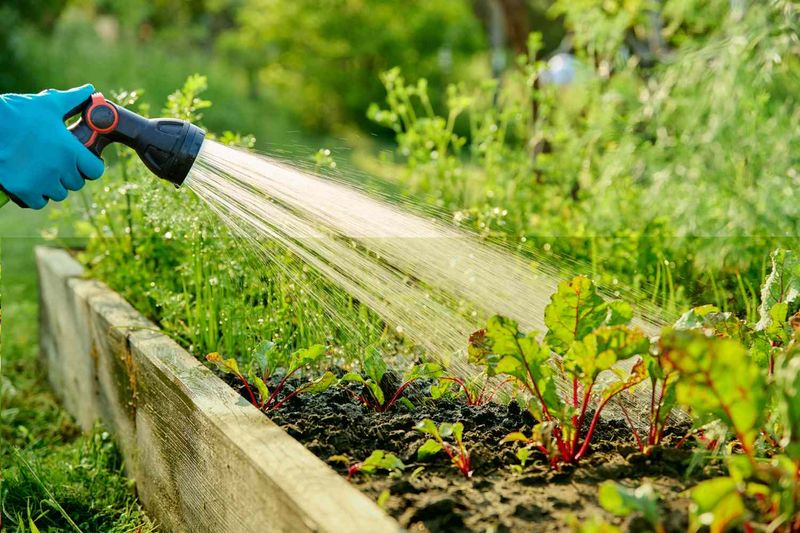
Ever notice how a puddle on a hot sidewalk vanishes in minutes? The same thing happens to water you pour on the garden between noon and 4 p.m.
With the sun high and temperatures climbing, a big share of that water evaporates before it gets deep into the soil. Light, frequent midday watering can also coax roots up toward the surface, where they sit in the hottest, driest layer of dirt.
That leaves plants like petunias more stressed, not less.
You may have heard that water drops on leaves act like tiny magnifying glasses and burn them. Many experts say brown spots are usually caused by leaf-spot fungi instead, and rain at noon does not scorch plants.
The real cost of midday watering is waste. One exception: if a plant is badly wilted and the soil is bone dry, give it a drink at the base right away rather than waiting.
3. Keep Leaves Dry If You Water at Night
Evening watering feels relaxing after a long day. The catch is what happens while you sleep.
Leaves that stay wet all night create a damp, cozy home for fungi and bacteria. Powdery mildew on your clematis and blight on your tomatoes love those conditions.
Sprinklers and overhead hose spraying make the problem worse because they soak every leaf.
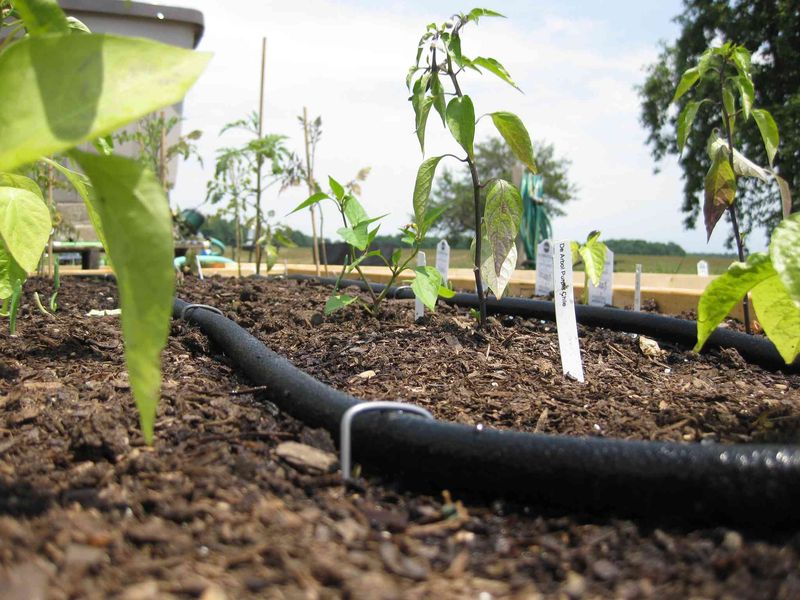
If evenings are your only free time, aim low. Water at the soil line, or lay down a soaker hose or drip line that delivers moisture straight to the roots.
Your plants get their drink, and the foliage stays dry enough to stay healthy.
4. Do the Finger Test Before Every Watering
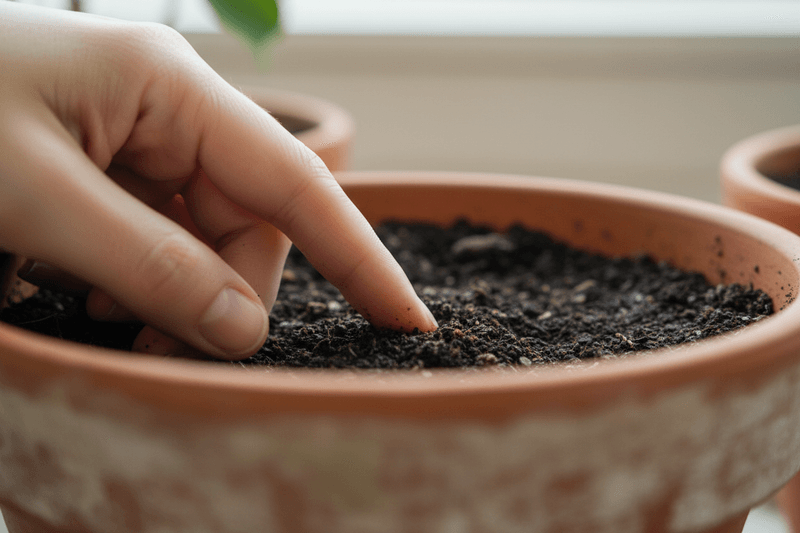
Here is the cheapest garden tool you own: your index finger.
Push it 1 to 2 inches into the soil. Dry at that depth means it is time to water.
Still moist or soggy means wait a day or two, even if your calendar says otherwise.
Most gardens do best with about 1 inch of water a week, split into roughly three deep soakings instead of daily sprinkles. Deep watering trains roots to grow down where soil stays cooler.
As fall temperatures drop, the finger test matters even more, because plants drink less and overwatering sneaks up fast.
5. Keep Watering Until the Ground Freezes
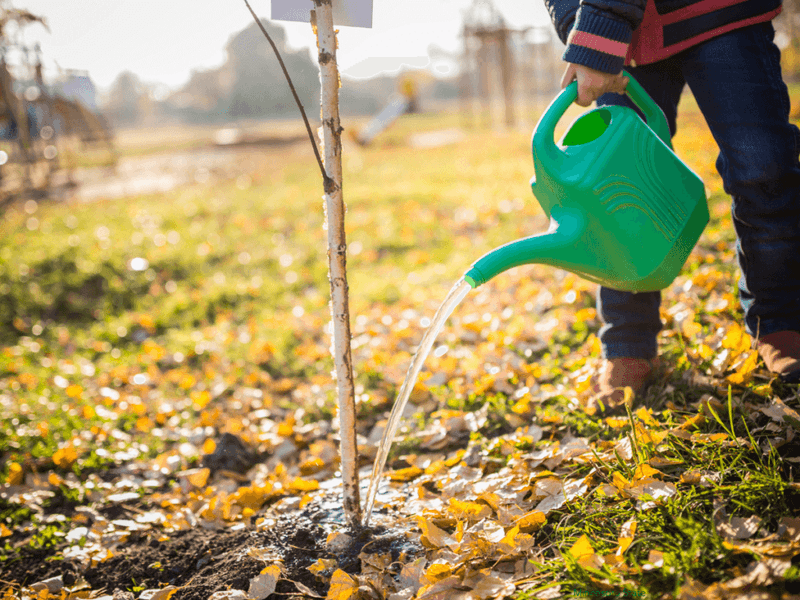
Cooler weather tricks a lot of gardeners into putting the hose away in September. Plants still need moisture as they settle into dormancy, especially during dry fall spells.
Drought-stressed shrubs head into winter weaker. They are more likely to suffer winter burn and disease, and evergreens can brown badly by spring.
A deep soak every week or two during dry stretches can make a real difference.
Once the ground freezes solid, you can stop. Roots cannot pull water from frozen soil, so extra watering at that point does nothing helpful.
Remember to drain and store your hose before a hard freeze cracks it.
6. Tuck Roots In With Organic Mulch
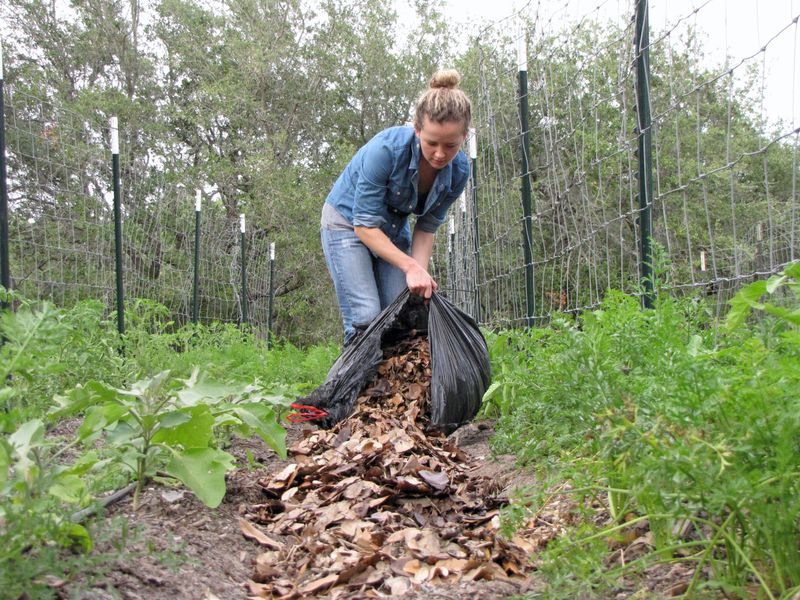
Think of mulch as a winter blanket that also saves you water. A 2 to 3 inch layer of shredded bark, wood chips, pine needles, or chopped leaves keeps soil moisture from escaping and evens out temperature swings.
Those swings matter. Freeze and thaw cycles can heave plant roots right out of the ground, and mulch softens the shock.
Leave a gap of a few inches between the mulch and plant stems. Piling it against bark or crowns traps moisture and may lead to rot.
Fun bonus: running the mower over fallen leaves gives you free mulch in minutes.
7. Protect Hydrangea Buds From Fall Pruning
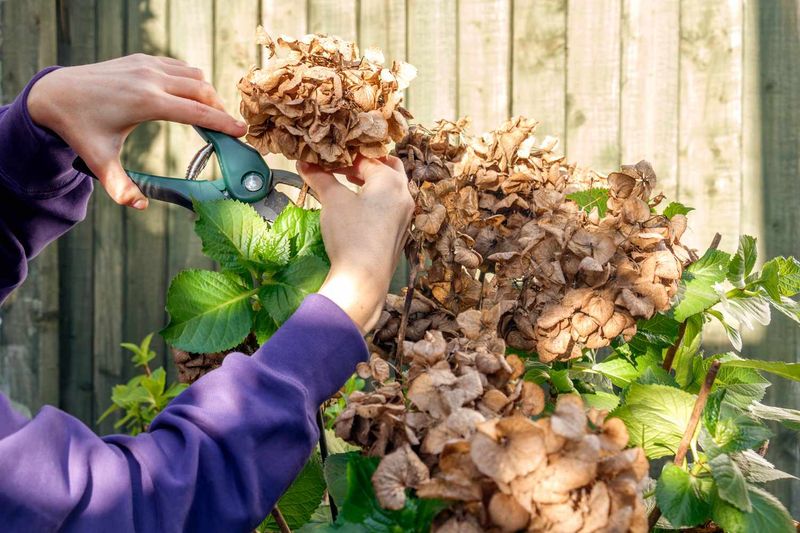
Few things sting like a hydrangea that refuses to bloom next summer. Very often, the culprit is a well-meaning fall haircut.
Bigleaf and oakleaf hydrangeas set next year’s flower buds on old stems. Cut them back hard in fall and you remove those buds.
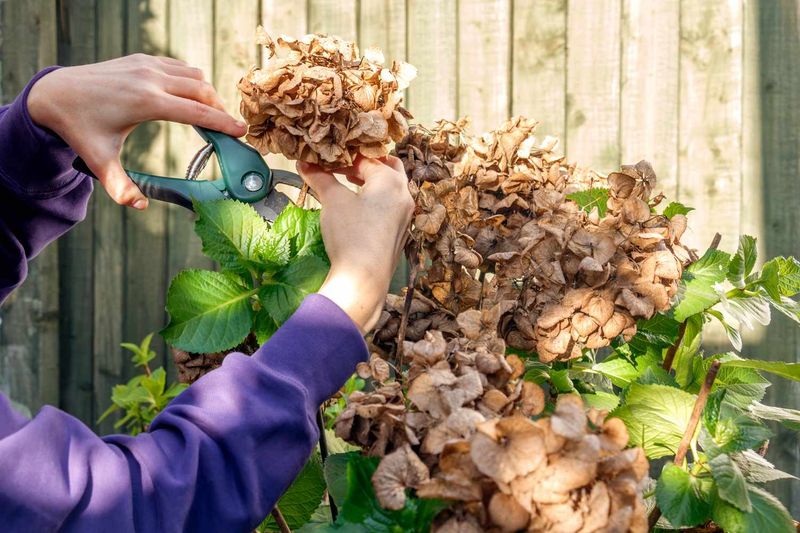
Instead, only snip spent blooms just below the flower head or above the first healthy leaves. Panicle types like Limelight and smooth types like Annabelle bloom on new growth, so they can be pruned in late winter.
Watch for stress clues while you are out there. Crispy leaf edges and wilting that lasts into evening point to thirst.
Yellow lower leaves with soggy soil suggest too much water. In cold zones, a burlap wrap stuffed with leaves can help shield old-wood buds through winter.
8. Help Late Tomatoes Ripen Before Frost
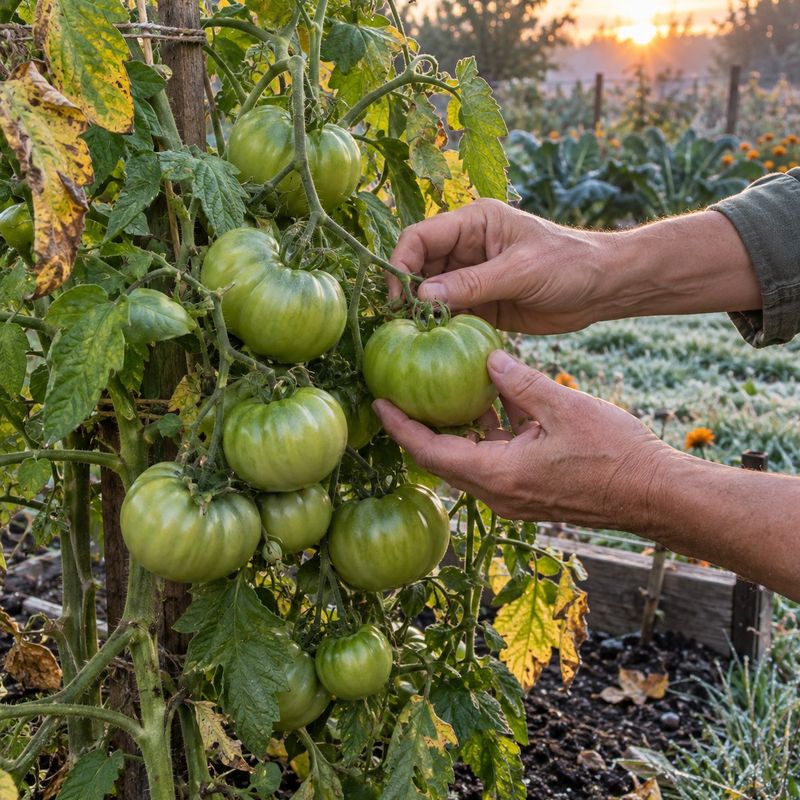
Green tomatoes in October can feel like a race against the calendar. You can tilt the odds in your favor.
On indeterminate plants, pinch off new flowers and late shoots. Those blooms will not have time to become ripe fruit, and removing them sends the plant’s energy into the tomatoes already hanging there.
Steady watering matters too, since big swings between dry and soaked soil often lead to split fruit. Water in the morning and lay mulch so muddy splashes do not carry fungus onto leaves.
If you see yellowing from the bottom up and wilting in wet soil, back off; that may signal root trouble. Gardeners in zones 8 to 11 can even plant a fresh fall crop in late summer.
9. Keep Petunias Blooming Into Autumn
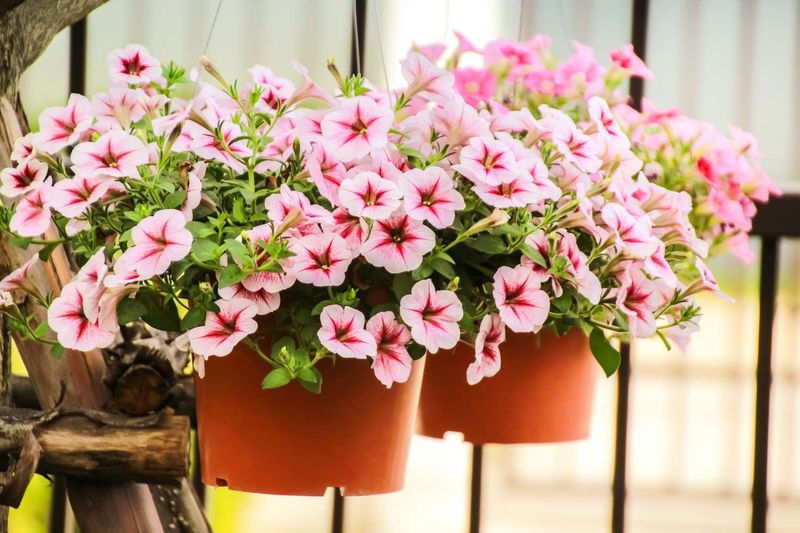
Petunias do not have to fizzle out on Labor Day. With a little attention, many keep flowering until the first real frost.
Pinch off faded flowers regularly so the plant keeps making new buds instead of seeds. While days are still warm, a balanced liquid fertilizer every two to three weeks can fuel more color.
Once temperatures dip, ease off on feeding.
Water less as the weather cools, but never let the soil dry out completely. Baskets and pots dry faster than beds, so check them often.
When a light frost is forecast, slide containers under the porch or toss an old sheet over bedded plants overnight.
10. Ease Off Water and Food for Clematis
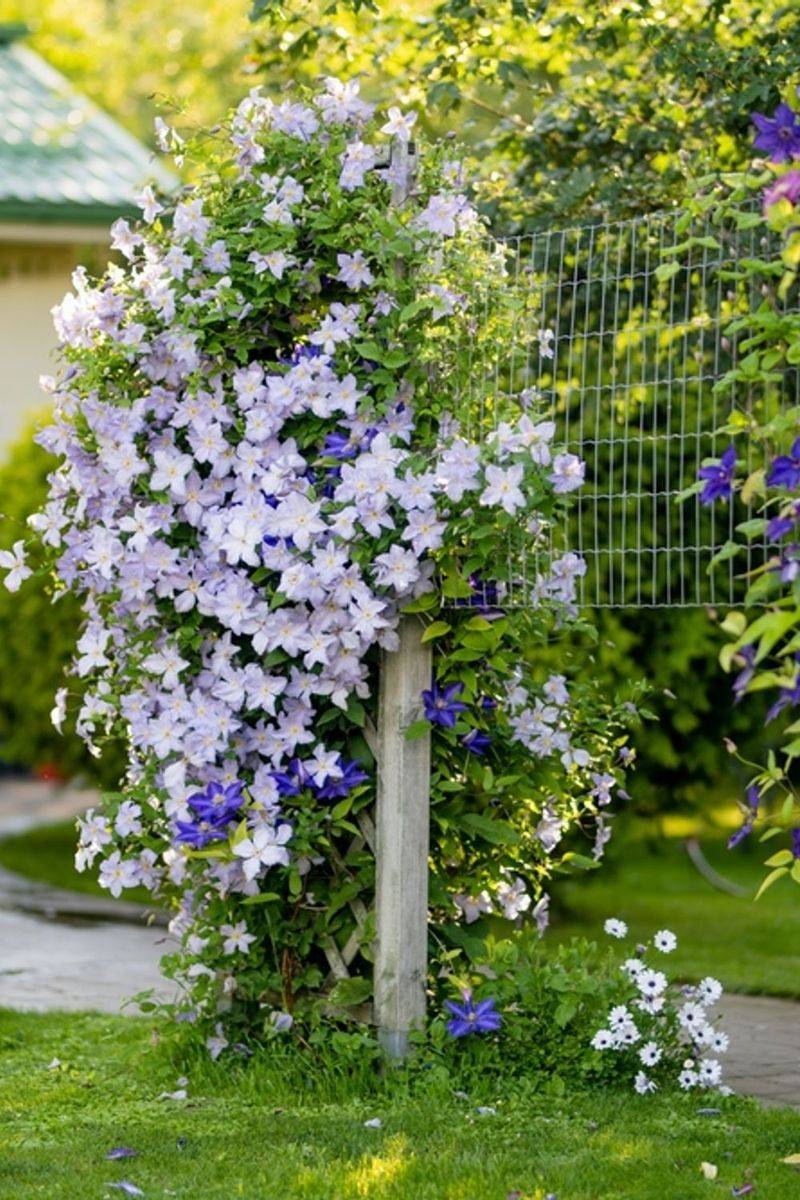
Clematis likes cool feet and a calm fall. Summer watering habits can actually work against it now.
Cut back on watering as weather cools, keeping soil only slightly moist during dry spells. Soggy soil and poor airflow can invite clematis wilt, which shows up as withered leaves and dark spots.
Skip fertilizer until early spring, since late feeding pushes tender growth that frost will nip.
Pile a few inches of compost topped with hardwood mulch around the base, keeping it off the stems. Types that bloom on new wood can be cut back by a third to a half in fall or early spring.
Leave old-wood bloomers alone so next year’s flowers survive, and insulate any clematis growing in pots.
11. Bring Tender Geraniums Indoors Before 45 Degrees
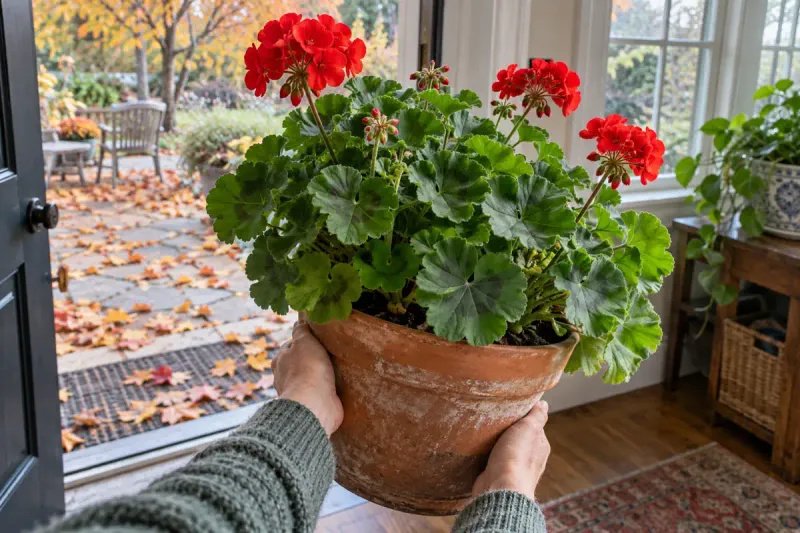
Grandma’s trick of keeping the same geranium for a decade is easier than it sounds. Those classic bedding geraniums are really pelargoniums from South Africa, and they cannot handle frost.
Bring them in before nights fall below 40 to 45 degrees. Trim back about a third of the foliage, check carefully for pests, and set them in a bright window away from heat vents.
Water only when the soil dries out, since soggy indoor pots are a fast track to root rot, and stop fertilizing by October.
Short on window space? Take a few stem cuttings and root them in small pots instead.
Hardy cranesbill geraniums are a different story; they can stay outside in zones 3 to 8, and their fading leaves act as natural mulch.