
The One Hydrangea Chore Before Frost That Makes Next Spring’s Blooms Noticeably Bigger
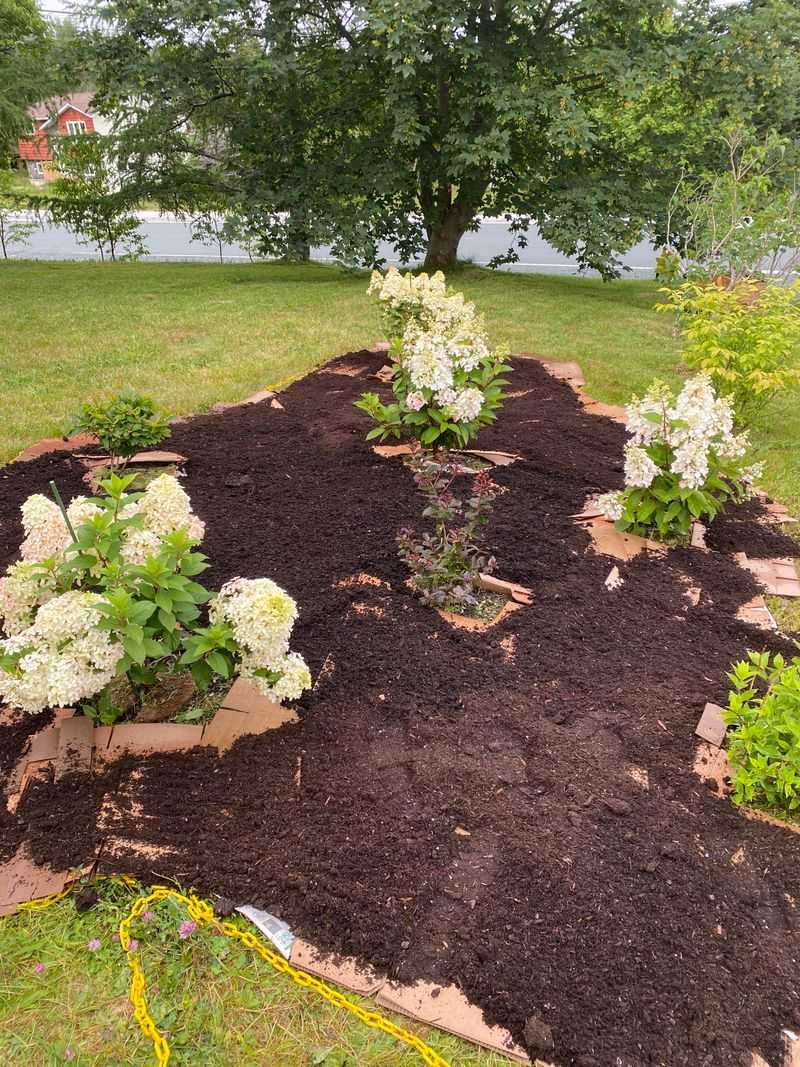
Your hydrangea is already planning next spring’s flowers, even while its leaves turn brown and drop. What you do in the few weeks before frost can decide whether those blooms come back small and sparse or big and full.
Many gardeners grab the pruners this time of year, but that one move can cut off next year’s flowers. There is a far easier chore that feeds the plant all winter long, and it takes about ten minutes.
1. Spread Well-Rotted Compost Around the Base
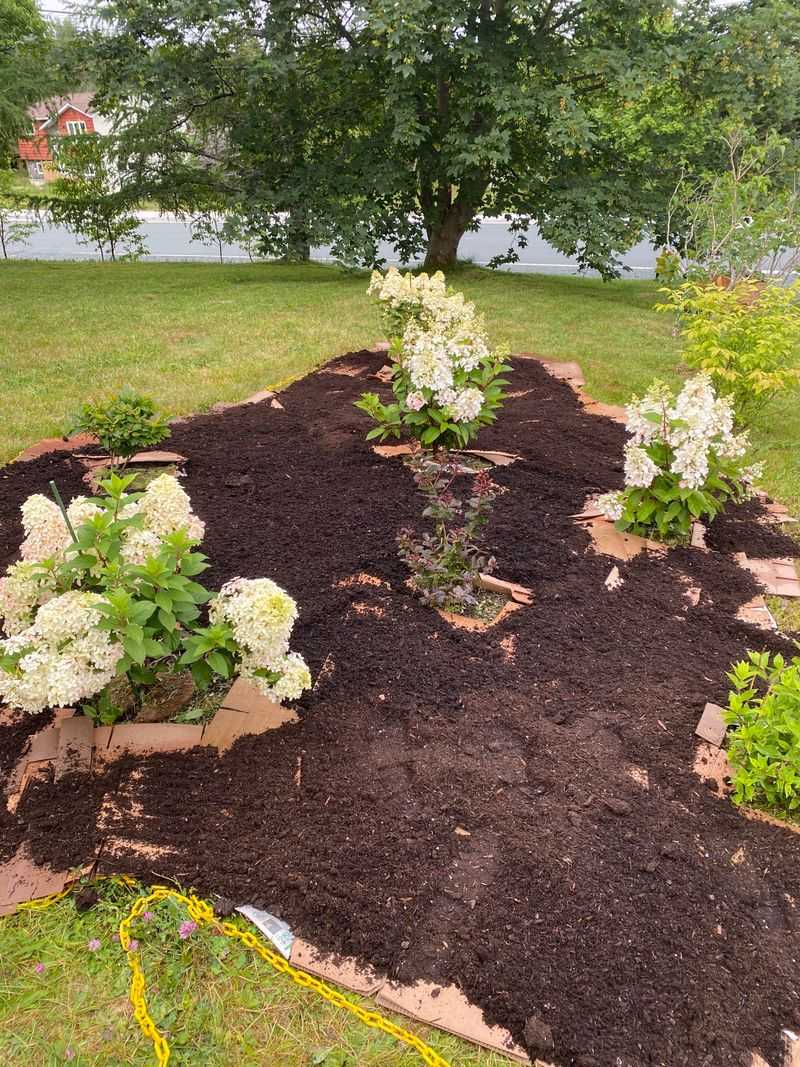
Picture a thick ring of dark, crumbly compost tucked around your hydrangea like a warm blanket. All winter, rain and snowmelt carry its nutrients slowly down to the roots.
By spring, the plant wakes up in richer, looser soil with more energy to push out big flower heads.
Compost works better than fertilizer this late in the year. Regular plant food can trigger soft new growth that frost quickly kills, which weakens the shrub and may shrink next year’s blooms.
Compost is gentle, so it feeds the soil without waking the plant up too early.
Here is how to do it. Rake away weeds, then spread 1 to 2 inches of well-rotted compost from the stems out to the drip line, keeping it a couple of inches away from the woody base.
Water it in deeply, and keep watering every week or so until the ground freezes.
For extra protection, add 2 to 3 inches of shredded leaves or bark mulch on top. That layer helps insulate the roots from wild temperature swings.
Fallen leaves from your own yard work great and cost nothing.
One thing to skip: pruning. Bigleaf and oakleaf hydrangeas already have next spring’s flower buds sitting on their stems, so fall cuts can mean few or no blooms.
Leave the dried flower heads on, too, since they help shelter those buds through winter.