
When a Hard Fall Pruning Cut Can Put Roses at Risk Next Spring
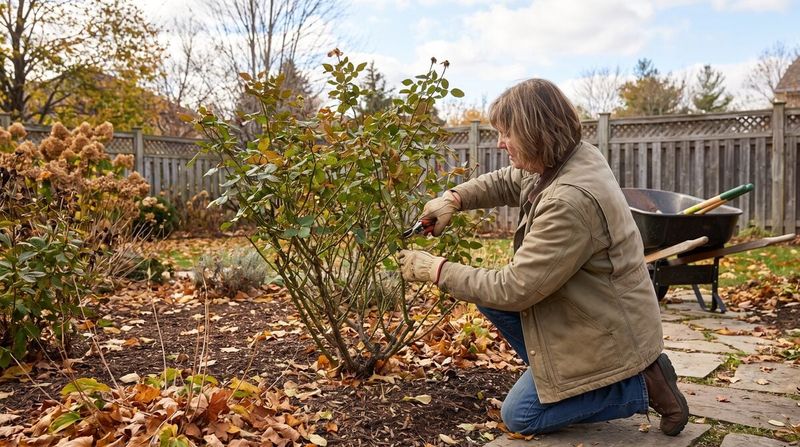
You walk out to your rose bushes in October, see long, messy canes, and reach for the pruners. It feels like the tidy thing to do before winter.
But one kind of fall cut can leave your roses open to cold damage, and on some rose types it can even snip off next year’s flowers. Here is how to tell which cuts help and which ones can cause trouble.
The risky fall cut is a hard reshape of healthy canes
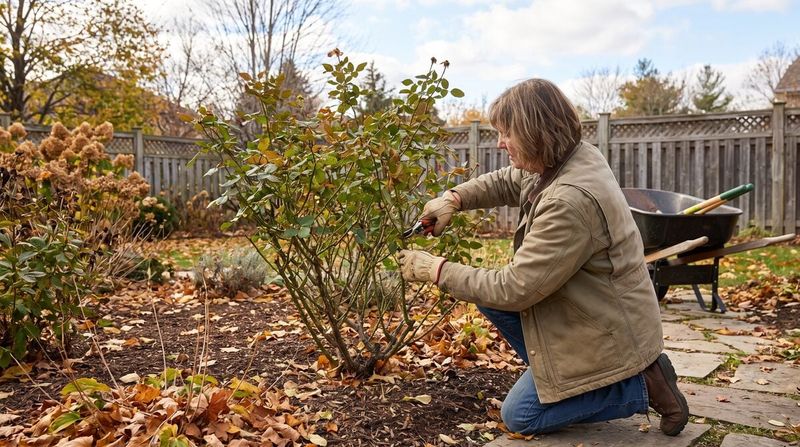
Picture the cut that feels so natural in October: trimming a healthy, leafy rose bush back by a third or more so it looks neat for winter. That is the mistake this article is about.
It is a big shaping cut to canes that are alive and well, made only for looks or size.
Plenty of other fall cuts are a different story. Taking out a dead or broken cane is not a haircut.
Shortening one very tall cane that whips around in the wind is a small, purpose-driven step. Snipping off a spent flower is deadheading, which is its own job and has its own timing.
Extension guidance draws a clear line here. Iowa State Extension advises against pruning roses back in fall, and other Extension programs also save main pruning for spring.
At the same time, some regions allow limited cuts for winter protection, such as the waist-height trim for hybrid teas and floribundas that Oregon State suggests around November.
So the goal is not to put your pruners away for the whole season. The goal is to skip the unnecessary structural pruning and keep only the cuts that have a real reason behind them.
Cleanup of problem wood, a careful wind-rock trim where your region recommends it, and a pause on reshaping healthy canes will keep your plants in good shape for spring.
Why a late-season haircut can backfire
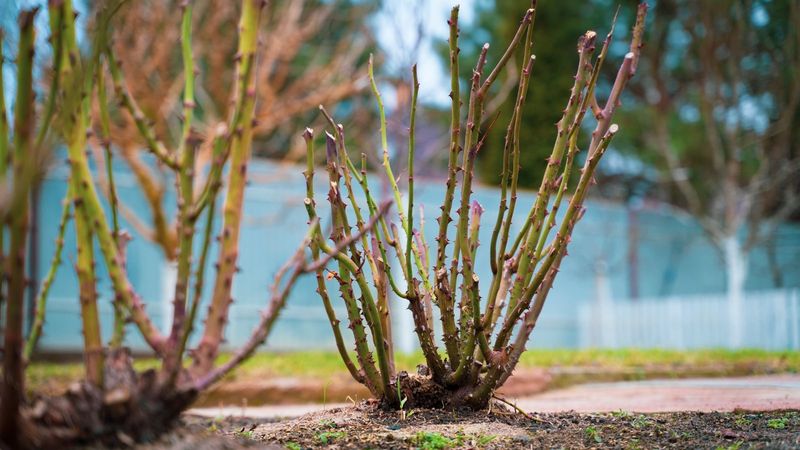
Roses respond to a heavy cut by pushing out new shoots. In spring that is exactly what you want.
In fall it can be a problem, because new growth is soft and has not had time to toughen up before cold weather arrives.
Both Iowa State and Oregon State Extension warn about this. Oregon State guidance on fall rose care and Iowa State both point out that major fall pruning can stimulate growth that cold can damage.
That is why advice for cold-winter areas leans toward waiting on major shaping.
The risk depends on your conditions. A mild-winter garden with few hard freezes faces less danger than a yard where temperatures drop fast.
A warm spell in November can also tempt roses to sprout, then a sudden freeze can catch that growth off guard.
It also helps to be honest about what this does not mean. A winter-damaged shoot is not a guarantee that your rose will struggle all spring.
Many roses recover, and you can trim off dead tips once you see where the live wood begins. Still, there is no reason to hand the cold a batch of tender shoots when waiting costs you nothing.
If you see a flush of fresh red growth after a fall cut, do not panic. Hold off on more pruning, keep the plant watered if the weather is dry, and check the tips again in spring.
Some roses carry next year’s flowers on older canes

Here is a detail that catches many gardeners off guard. Some climbing roses and shrub roses form their flowers on last year’s canes.
Those canes may look bare or ragged in October, yet they are holding next summer’s buds.
Cutting them back in fall can remove the very wood that would have flowered. University of Minnesota Extension specifically warns against fall pruning of climbers and shrub roses that bloom on the previous year’s growth.
A hard trim could mean a lot of green leaves and few blooms the following season.
Many modern repeat-blooming roses are different. Types such as hybrid teas and floribundas are generally pruned more substantially in spring, and Illinois Extension pruning advice covers how timing varies by type.
Even so, spring is still the usual time for those bigger cuts, not fall.
Not every rose fits neatly into one group, and some bloom on both old and new wood. A practical clue is to check your plant tag, your garden notes, or the rose name.
If you are unsure what you have, treat it as a rose that might carry flower buds on old canes and leave the healthy wood alone until spring.
That small bit of patience protects your flowers, and it gives you time to see which canes made it through winter.
Which fall cuts still belong?
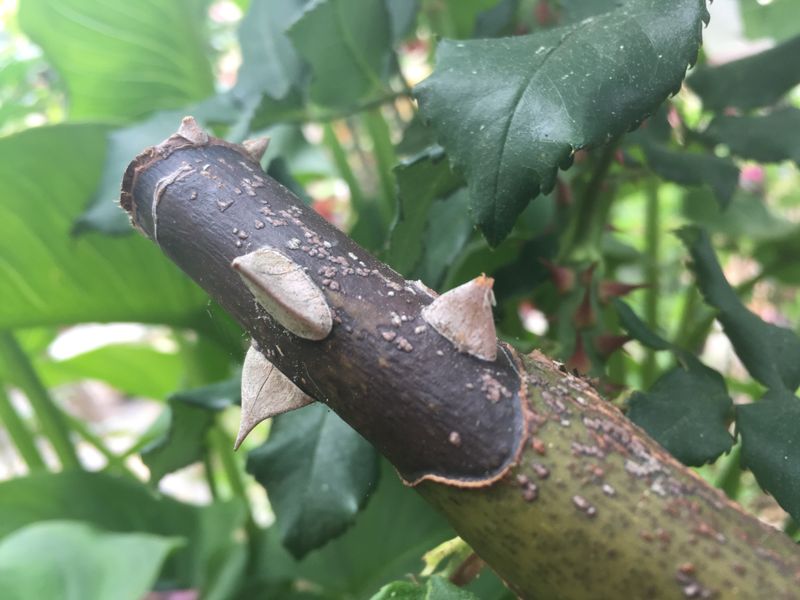
Fall cleanup is a good use of your time. Dead, diseased, or damaged canes are worth removing when you spot them, and that is very different from trimming healthy wood for shape.
If a cane is broken, shriveled, or clearly sick, take it out at a healthy point.
Black spot is the main reason to keep an eye on the ground beneath your roses. Illinois Extension notes that the black spot fungus can overwinter on fallen leaves and infected canes.
Leaving that material in place gives the fungus a spot to wait out the cold and start again next season.
So rake up spotted leaves from the soil and mulch, and remove canes that show infection. Throw this material away in the trash rather than adding it to a home compost pile that may not get hot enough.
University of Minnesota Extension also recommends fall cleanup, and it separates this task from heavy shaping. Cleaning up problem material does not call for cutting the whole bush back.
A simple test can guide you. Ask whether you are cutting because the wood is dead, sick, or damaged, or only because it looks untidy.
The first reason belongs in your fall routine. The second can wait for spring.
Follow regional guidance on when to stop deadheading
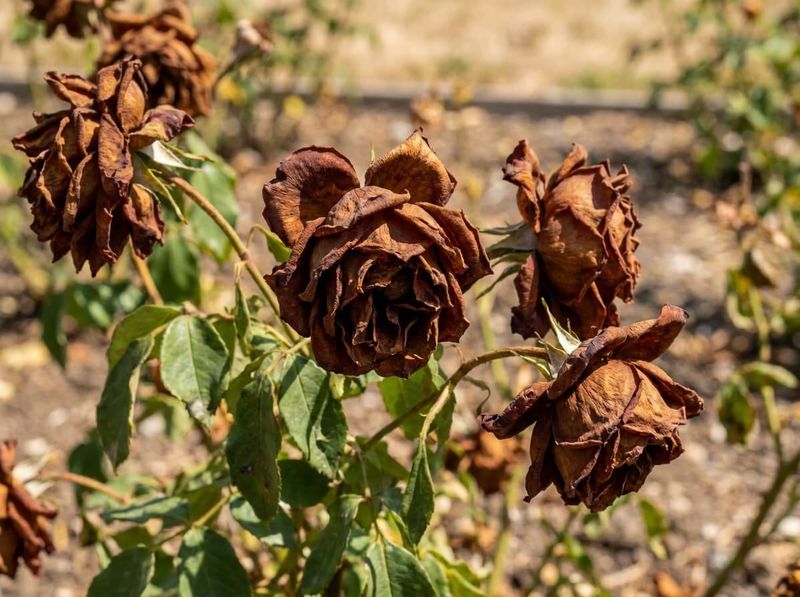
Deadheading means snipping off spent flowers, and it is not the same as pruning a bush into shape. You are removing a single faded bloom, not cutting back healthy canes.
That difference matters when the calendar turns toward fall.
Extension programs suggest ending the habit near the end of the season, though the dates depend on where you garden. Illinois Extension says not to cut flowers after October 1.
Minnesota guidance for hybrid teas, floribundas, and English roses points to around mid-September.
Treat those dates as regional examples. They show that a gardener in Minnesota and one in Illinois get different timing, and neither date is a national rule.
Your own first-frost date and local Extension office are the better guides.
The sources here do not spell out why the recommendation exists, so there is no need to guess. What you can do is follow the guidance for your area and note the date in your garden calendar.
After you stop, spent blooms can stay on the plant. If you see a diseased leaf or a damaged cane while you are out there, handle it as cleanup rather than as deadheading.
A local winter-protection exception
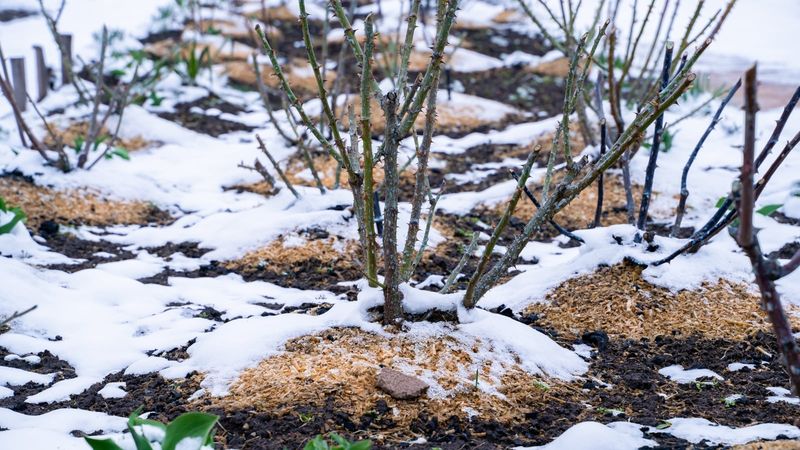
Advice on fall cutting is not identical everywhere, and that is worth knowing. Iowa State tells gardeners not to prune roses back in fall.
Other Extension programs make a narrow exception for roses that are tall or tender in certain conditions.
University of Minnesota Extension recommends shortening tall hybrid tea canes after hard frosts to reduce wind rock, which happens when wind rocks long canes and loosens the plant at its base. Oregon State Extension suggests cutting hybrid teas and floribundas to about waist height around November to limit wind damage.
Notice what these recommendations have in common. They are limited, they have a clear purpose, and they apply to specific rose types in specific regions.
They are not a general fall haircut, and they do not replace the main pruning that happens in spring.
With Iowa State’s advice against fall pruning on one side and these targeted tips on the other, the smart move is to check with your own state or county Extension office. Tell them your rose type and describe your winter wind and cold.
If your local office does not recommend a protective trim, skip it. If it does, keep the cut modest and leave the rest of the shaping for spring.
Save structural pruning for your local spring window
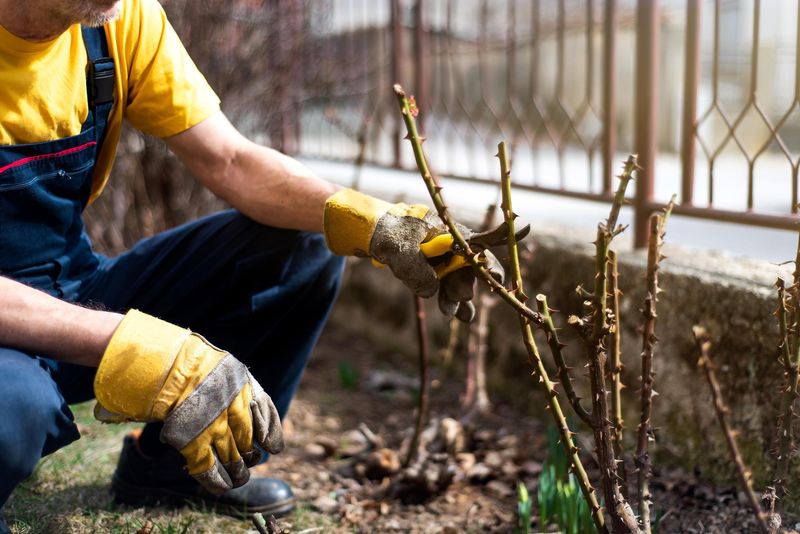
Think of fall rose care as a short checklist. First, remove material that needs sanitation, such as dead or damaged canes and black-spot-infected leaves.
Second, make a limited protective cut only if your local guidance calls for it. Third, leave the healthy canes alone.
Spring is when the bigger pruning decisions get made, and the right window changes by place. Iowa State Extension gives late March to mid-April for Iowa, while University of Minnesota Extension points to late April or early May.
Those two examples show why no single national date works.
Your local Extension office can give you a timing that fits your climate and rose type. Look it up now, write it on your calendar, and the fall urge to tidy up will be easier to resist.
A bare rose in November is not a neglected one. It is a plant waiting for the right moment.