
The Fall Cleanup Habits That Quietly Wipe Out Fireflies In North Carolina Yards Before Spring
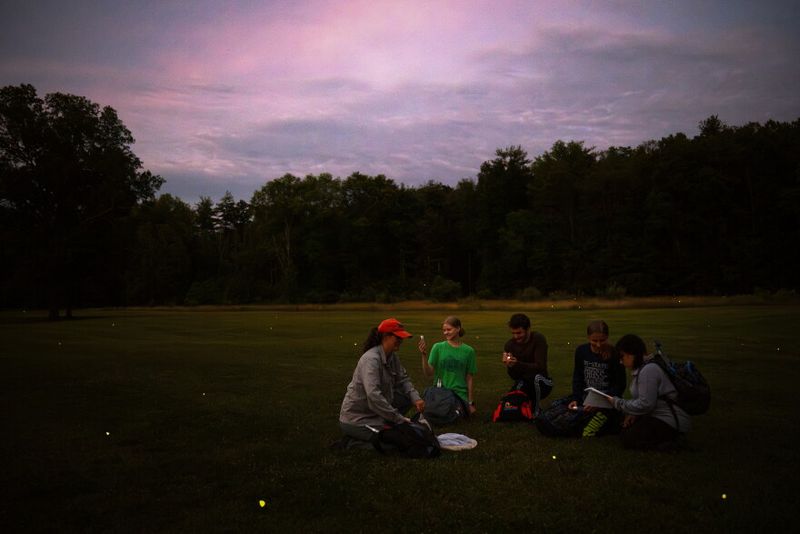
Those blinking lights you love on June nights in North Carolina actually start their lives in the dirt and leaves of your own yard. Firefly babies, called larvae, can spend up to two years hiding near the ground, and they ride out winter right under the stuff we rush to clean up every fall.
A tidy yard can feel like a job well done, but some of our favorite autumn chores may be erasing next summer’s light show before it begins. Here are eight common habits to rethink, plus easy swaps that keep your yard neat enough and full of fireflies.
1. Raking and Bagging Every Last Leaf
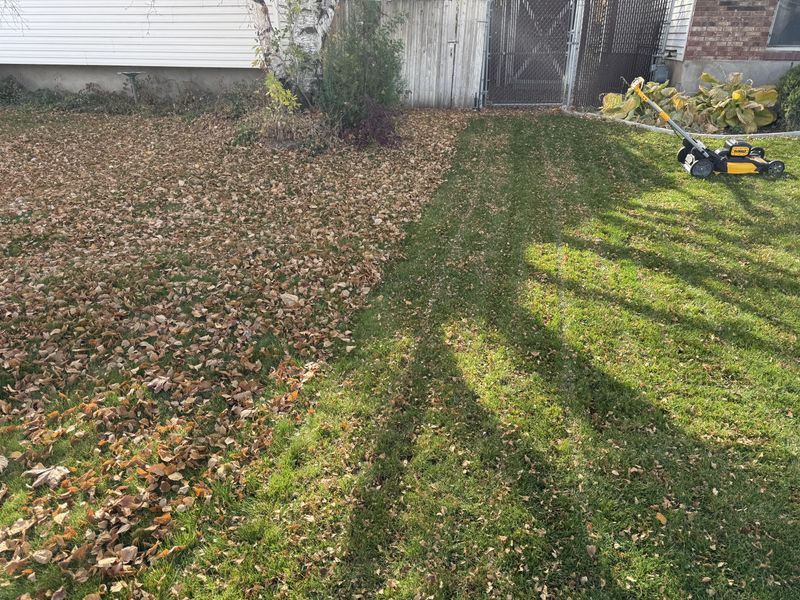
Picture a curb lined with brown paper bags stuffed full of oak leaves. Somewhere inside those bags, there is a good chance a few firefly larvae are headed to the landfill with them.
Leaf litter is the winter blanket firefly larvae depend on. It holds moisture, softens freezing nights, and shelters the snails, slugs, and worms the larvae hunt.
Research on backyard fireflies suggests yards with undisturbed leaves can hold noticeably more fireflies than spotless ones.
You do not have to give up on a tidy lawn. Rake leaves off the grass and onto garden beds, under trees, or along a back fence line where they can sit quietly until spring.
Around Piedmont red oaks and Coastal Plain live oaks, a ring of leaves even looks intentional, like free mulch.
2. Running the Leaf Blower Down to Bare Soil
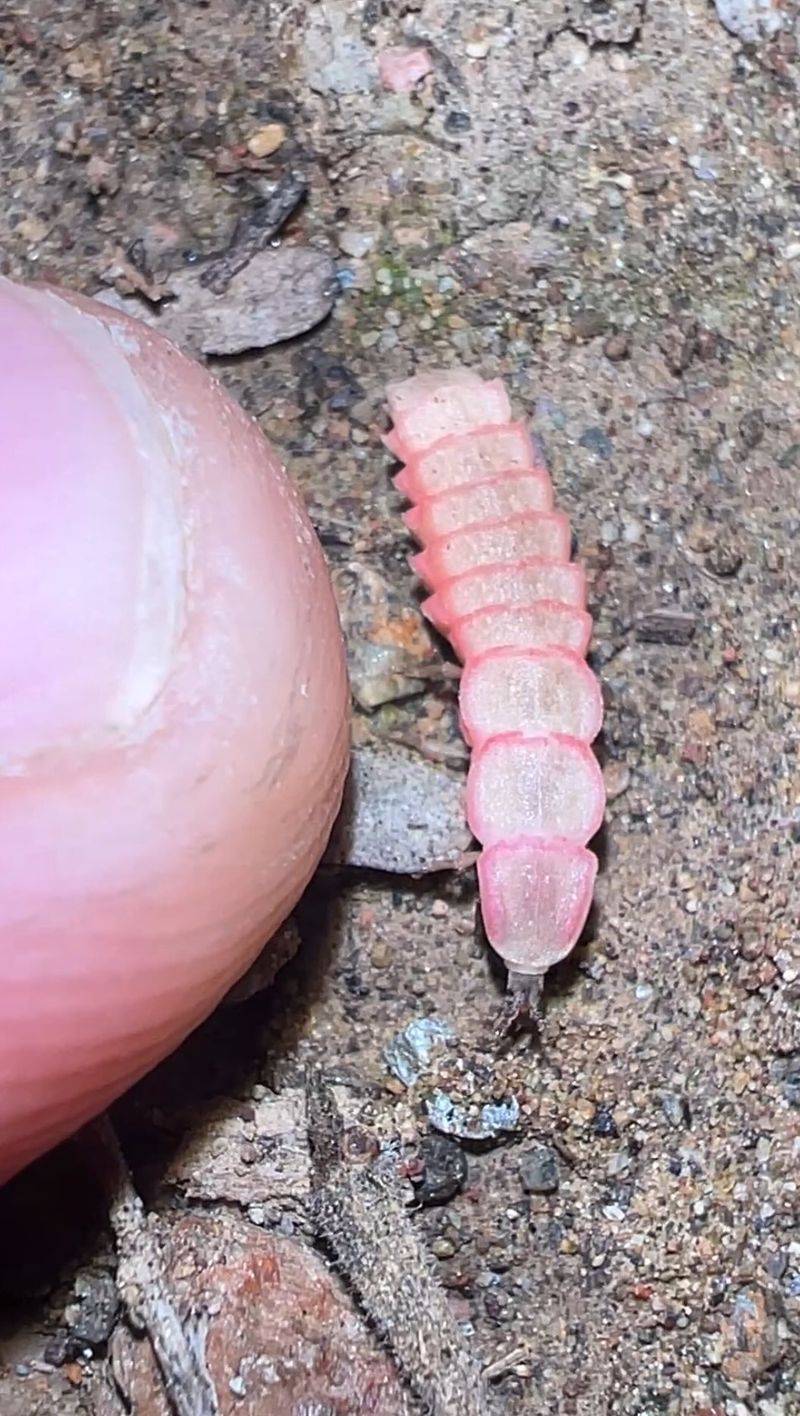
Loud, fast, and satisfying, a leaf blower can clear a bed in minutes. The trouble is how thorough it is.
Many firefly larvae rest right at the soil surface, tucked under the top layer of leaves and loose debris. A strong blast can scatter them, dry them out, or leave them exposed to cold and hungry birds.
Bare soil also loses the damp, spongy feel that both larvae and their prey need.
Try this instead: use the blower only on driveways, patios, and walkways. Let beds keep a few inches of leafy cover.
If you want the beds to look cleaner, run a mower over leaves on the lawn first and spread the chopped bits in the beds, which break down faster and still offer shelter.
3. Cutting Perennials to the Ground in October
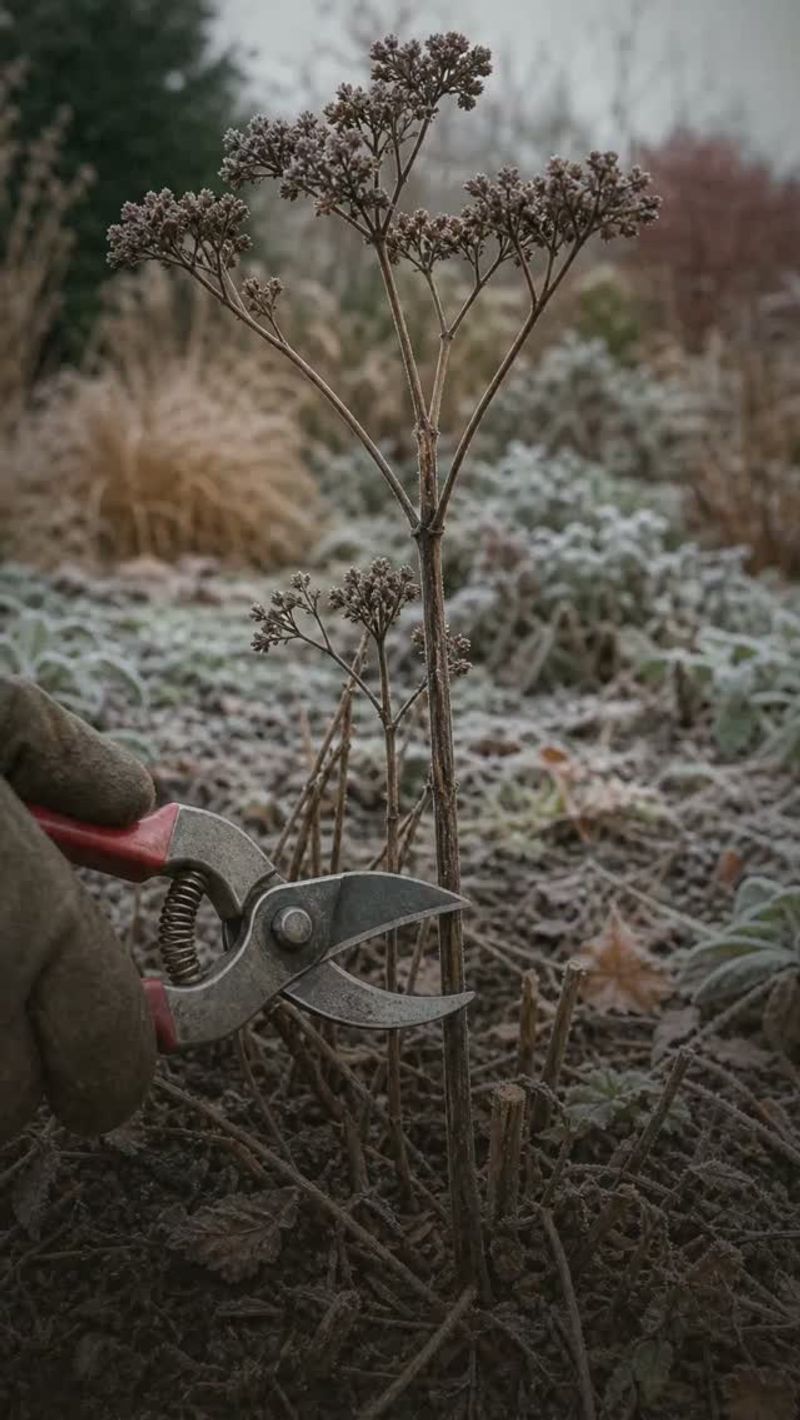
My neighbor used to call her winter garden messy. Then she noticed goldfinches showing up daily to pick at the coneflower seed heads she had skipped cutting, and she has not touched her pruners in fall since.
Standing stems of native plants like purple coneflower, Joe Pye weed, goldenrod, and little bluestem shelter loads of overwintering insects. Hollow and pithy stems are used by native bees and other helpers, and the leaves gathered at their base create the damp pockets firefly larvae like.
Wait to cut back healthy perennials until spring days stay above about 50 degrees. In most of the Piedmont, that lands around late March or April, a little later in the mountains.
When you do trim, leave 12 to 18 inches of stem standing so next year’s bees have a place to nest.
4. Scalping the Lawn With a Short Final Mow
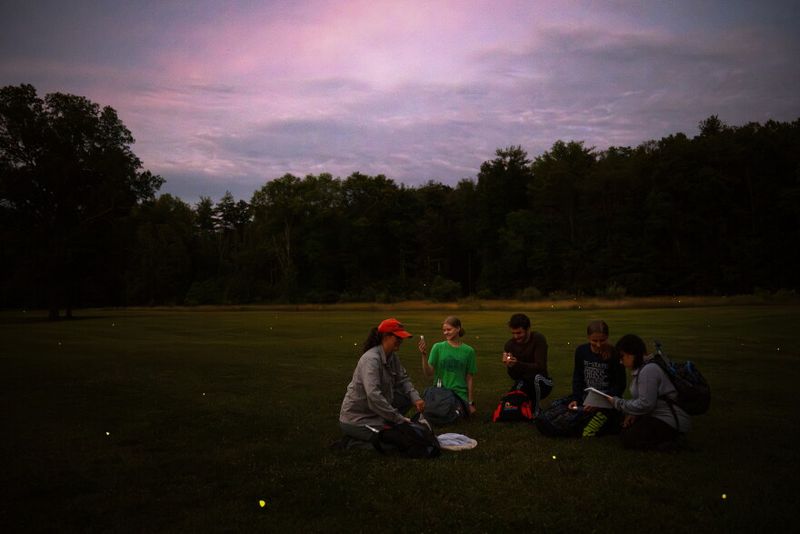
A last mow set low feels like closing the season with a clean slate. For fireflies, it is more like ripping the roof off their house.
Adult fireflies spend daylight hours resting in grass, and larvae hunt in the thatch and soil underneath. Mowing short removes cover, dries out the ground, and makes the lawn more of a desert than a meadow.
Frequent mowing in late summer and fall can also crush insects outright.
Raise the mower deck to around 4 inches and mow less often. Fescue lawns in the Piedmont and mountains handle taller cuts well.
Better yet, let one corner of the yard grow out with native grasses like purple lovegrass or broomsedge for a low-effort firefly refuge.
5. Spraying Fall Grub and Bug Treatments
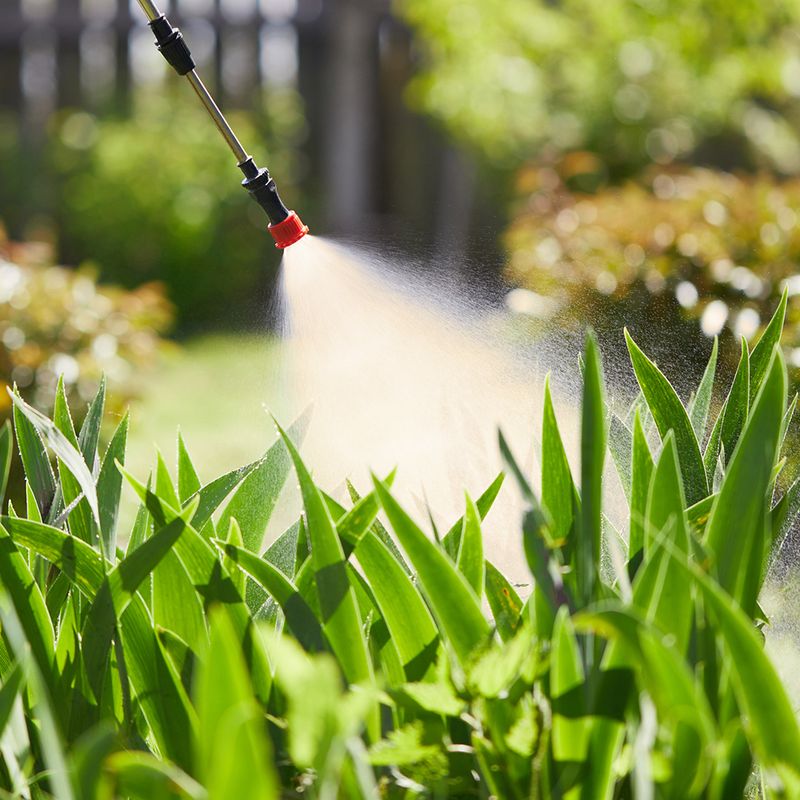
Fall is when many lawn products push grub control and perimeter bug sprays. The label targets Japanese beetle grubs, but broad-spectrum insecticides do not stop at the pests.
Firefly larvae live in the same soil and thatch. They also eat slugs, snails, and soft-bodied invertebrates, so killing off those prey animals starves them too.
Mosquito fogging services, popular across the Coastal Plain, can drift into the leafy edges where fireflies rest.
Here is a gentler plan:
Treat only if you actually find more grubs than a healthy lawn tolerates. Spot-treat instead of blanket spraying.
For mosquitoes, dump standing water and use mosquito dunks in rain barrels. Fun fact: firefly larvae inject a numbing chemical into snails and slugs, so they work as tiny free pest control.
6. Hauling Off Fallen Logs and Brush
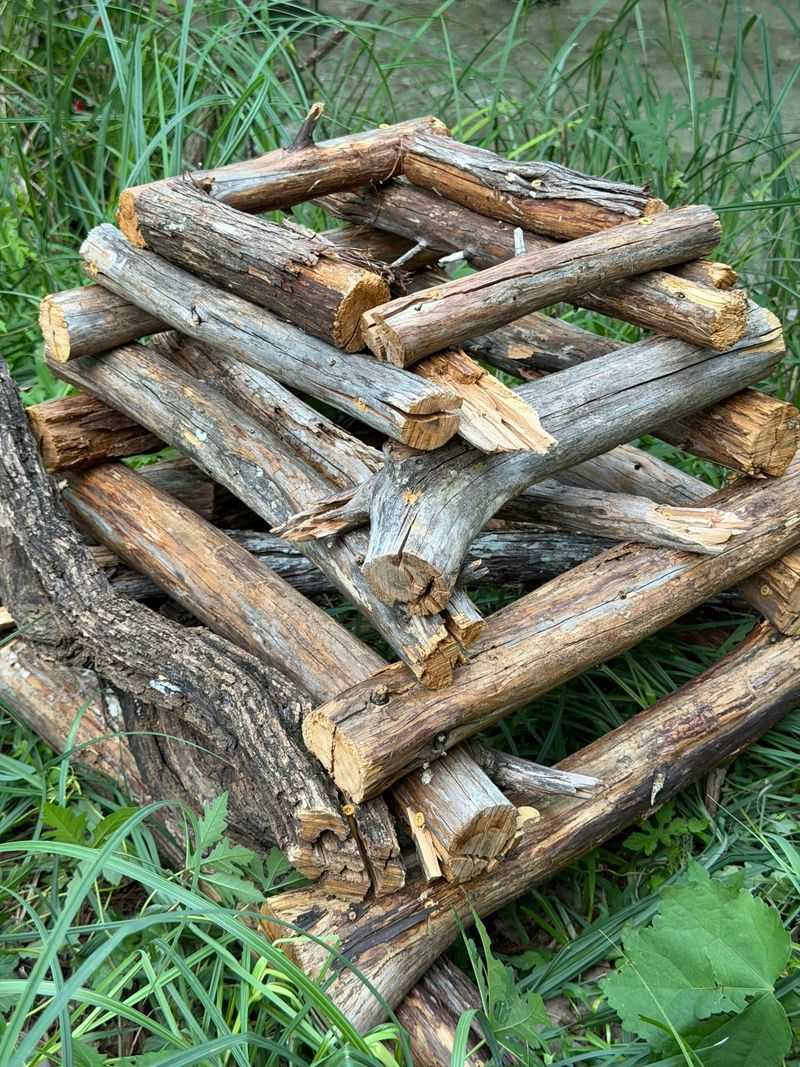
That storm-felled limb from a hurricane remnant might look like an eyesore. To a firefly larva, it is prime real estate.
Rotting logs, loose bark, and brush piles stay damp and cool. Several of North Carolina’s roughly 35 firefly species overwinter in or beside decaying wood, where slugs and snails gather too.
Box turtles, salamanders, and wrens also use these spots.
Pick a shady back corner and leave a log or two lying flat on the ground. Stack trimmed branches into a loose brush pile.
Keep wood piles away from the house to reduce termite and tick worries, and border them with native shrubs like spicebush or inkberry so the area looks purposeful.
7. Clearing Out Damp, Shady Corners
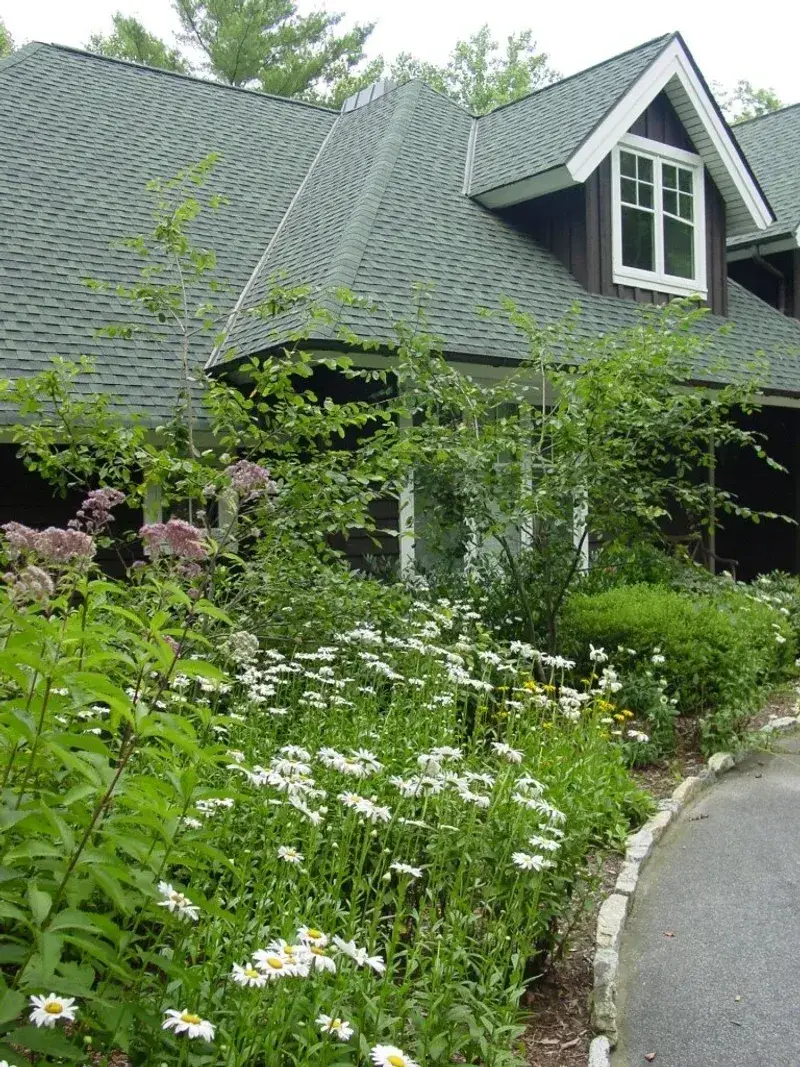
Soggy spots under trees or along a drainage swale often get raked, filled, or graveled in fall. Those happen to be firefly nurseries.
Moisture matters enormously to larvae. Dry ground can kill them, which is one reason firefly numbers dip in drought years.
The low, damp part of your yard may be the single most valuable firefly habitat you own.
Rather than fighting wet ground, plant into it. Native sedges, Christmas fern, cinnamon fern, and cardinal flower thrive in shady damp spots statewide.
While you are at it, pull invasive English ivy or Japanese stiltgrass that often creeps into these corners and swap in native wild ginger or golden ragwort.
8. Installing Bright New Outdoor Lights

Shorter fall evenings tempt plenty of us to add floodlights and string lights. It is not a cleanup chore exactly, but the timing is the same, and the effects show up next summer.
Fireflies talk with flashes. Males blink a pattern and females answer from the grass.
Bright light drowns out that conversation, and fewer matches in June means fewer larvae in your leaves the following fall.
Choose warm, dim bulbs aimed downward, and add motion sensors or timers. During peak firefly season, roughly May through July in North Carolina, switch off porch lights after dark and close blinds.
Your reward is a backyard that glows on its own.