
Your Peppers Keep Struggling Because Of What’s Growing Right Next To Them – 13 Plants To Keep Far Away Next Season
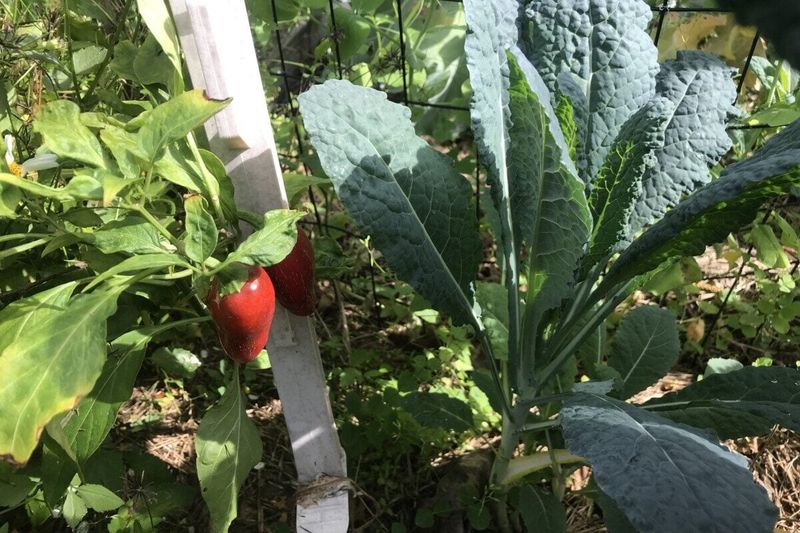
You watered your peppers, gave them sun, and fed them well, yet they still look small, yellow, or tired. The real trouble might be the plant growing a foot away.
Some garden neighbors steal food, cast shade, spread disease, or even release chemicals that hold peppers back. Knowing who to move next season can be the easiest fix you will ever make.
1. Fennel
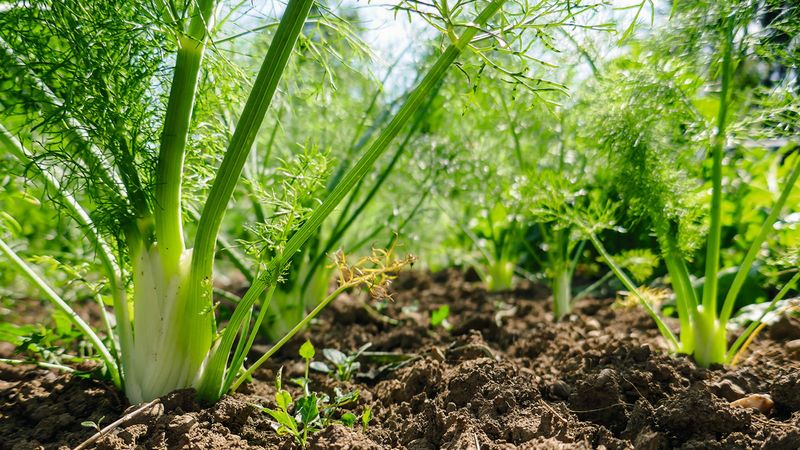
Gardeners have a nickname for fennel: the loner of the vegetable patch. It looks harmless with its soft, feathery fronds, but its roots tell a different story.
Fennel releases allelopathic chemicals into the soil. That is a fancy way of saying it pushes out substances that can slow the growth of nearby plants, and peppers are among the plants that seem to mind most.
You may notice yellowing leaves, short stems, and fruit that never reaches full size.
The fix is simple. Give fennel its own pot or a far corner of the yard, well away from any vegetable bed.
Pollinators still love its flowers, so you do not have to give it up entirely.
2. Brassicas
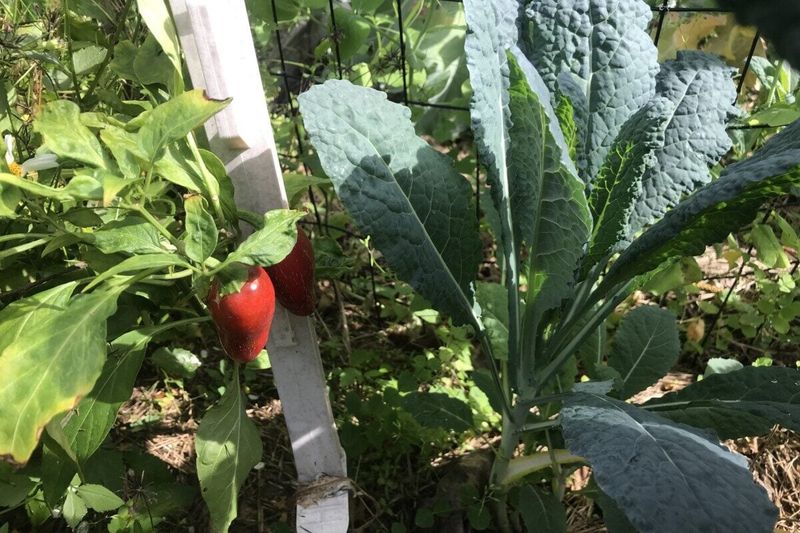
Picture a dinner table where one guest grabs every plate before anyone else can reach. That is what cabbage, broccoli, kale, cauliflower, kohlrabi, and mustard greens can do in a shared bed.
Brassicas are heavy feeders, and they compete hard for nitrogen and other nutrients your peppers need. As their leaves and roots break down, they also release compounds called glucosinolates, which may affect neighboring plants.
Brassicas also prefer cool weather while peppers want heat, so their schedules rarely match anyway. Plant your cabbage family in a separate bed, and let peppers have their own warm, well-fed spot.
3. Sunflowers
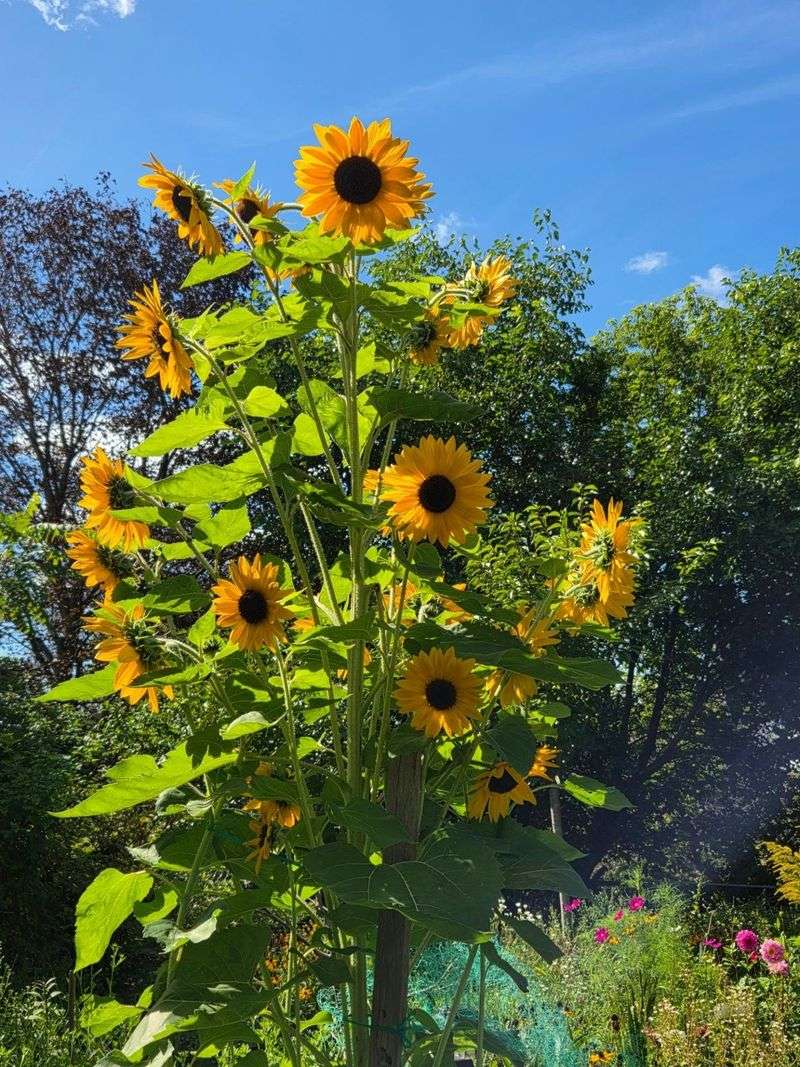
Cheerful, bright, and loved by bees, sunflowers seem like the friendliest plant in the yard. Your peppers would probably disagree.
The first issue is shade. A mature sunflower can grow taller than you, and peppers need six to eight hours of direct sun to set plenty of fruit.
Stick a sunflower on the south side of a pepper row and you have built a wall between your plants and the light.
Second, sunflower roots and fallen hulls can release substances that may slow nearby growth. Plant them on the north edge of the garden, at least several feet away, where they can shine without blocking anyone.
4. Potatoes
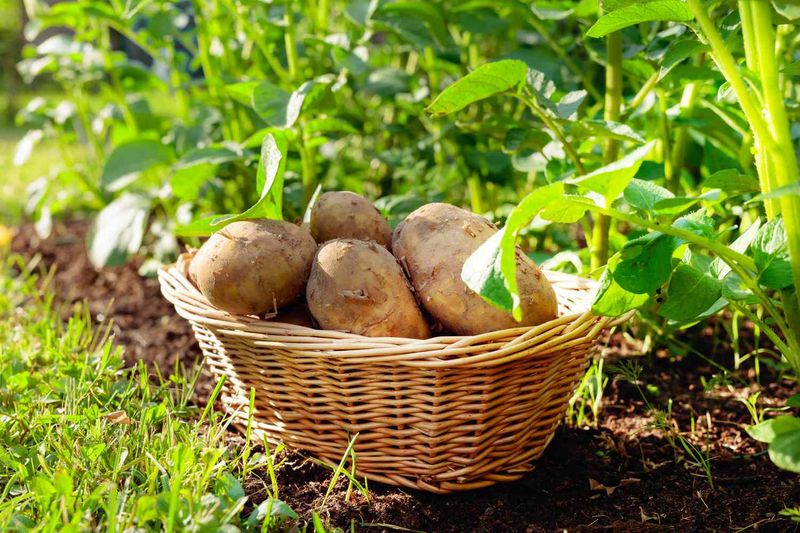
Here is a fun bit of plant trivia: peppers and potatoes are cousins. Both belong to the nightshade family, along with tomatoes and eggplant.
Family ties are not always a good thing in the garden. Potatoes and peppers can share soilborne diseases like Verticillium wilt and Fusarium wilt.
If one plant picks up a fungus, its neighbor is right in line to catch it.
Harvest day adds another problem. Digging up potatoes can tear the roots of any pepper growing close by, right when the peppers are loaded with fruit.
Keep potatoes in a different bed and rotate where nightshades go each year.
5. Tomatoes
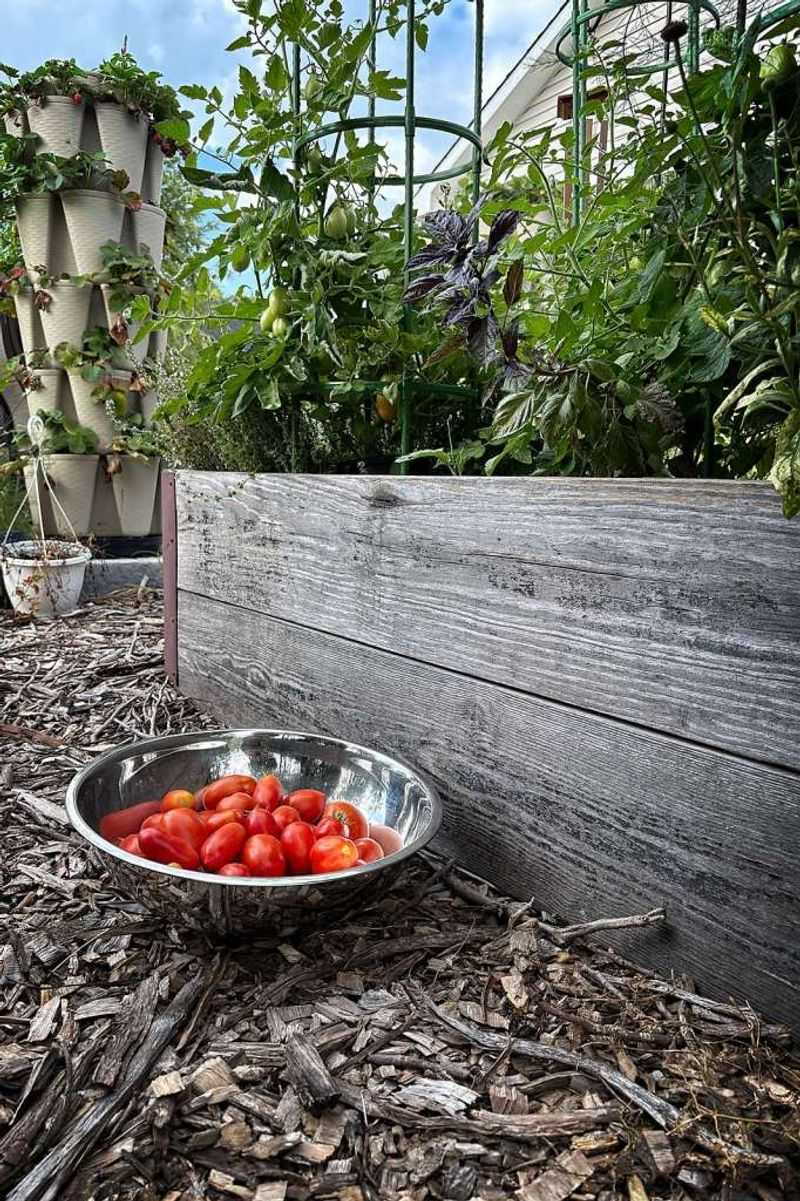
Plenty of us grow tomatoes and peppers side by side because that is how we saw it done growing up. So why is it on this list?
Like potatoes, tomatoes are nightshades. They can share early blight, late blight, Verticillium wilt, and Fusarium with your peppers.
When the two are packed tightly together, spores and fungus travel easily from leaf to leaf.
You do not have to banish tomatoes completely. Leave at least 24 inches between them, prune lower tomato leaves for airflow, and avoid planting in last year’s tomato spot.
If your garden had blight before, separate them even more.
6. Black Walnut
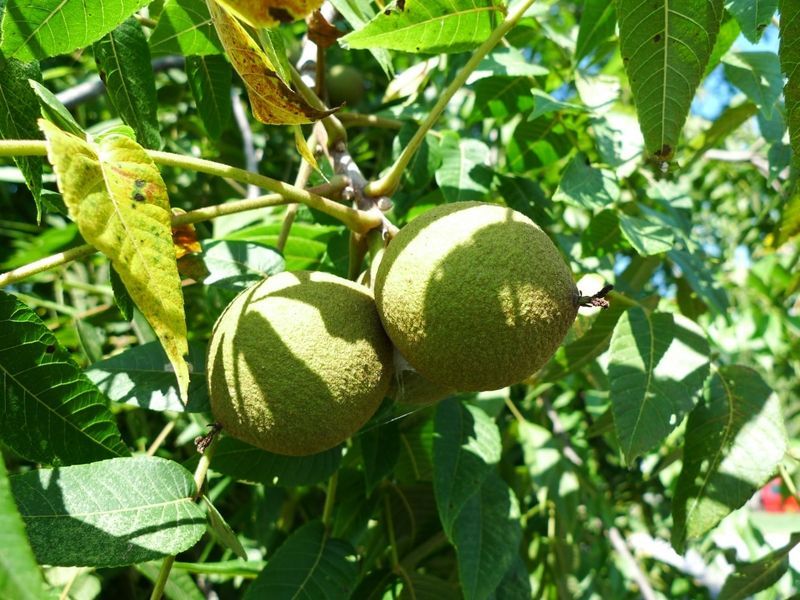
If your peppers wilt and yellow no matter what you try, look up. A black walnut tree nearby could be the hidden culprit.
Black walnut leaves, hulls, and roots produce a chemical called juglone. It is toxic to many plants, and nightshades like peppers are especially sensitive.
Symptoms include weak roots, yellow leaves, and sudden wilting.
Juglone can reach well beyond the tree’s canopy, since roots spread wide. Move your pepper bed far away, or grow in raised beds or containers with fresh soil.
Never use walnut leaves in compost meant for vegetables.
7. Eggplant
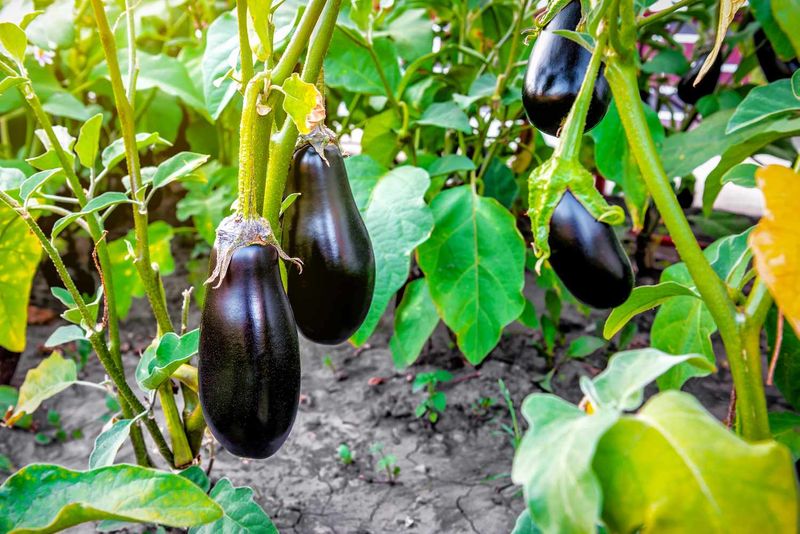
Eggplant and peppers love the same heat, the same sun, and the same rich soil. That sounds like a match, but sharing everything means fighting over everything.
As another nightshade, eggplant competes for the same nutrients and is open to many of the same diseases and pests, like flea beetles and wilt. One sick plant can quickly turn into a whole row of trouble.
Give each crop some breathing room or separate beds. Spacing them apart also makes it easier to spot a problem early before it spreads.
8. Corn
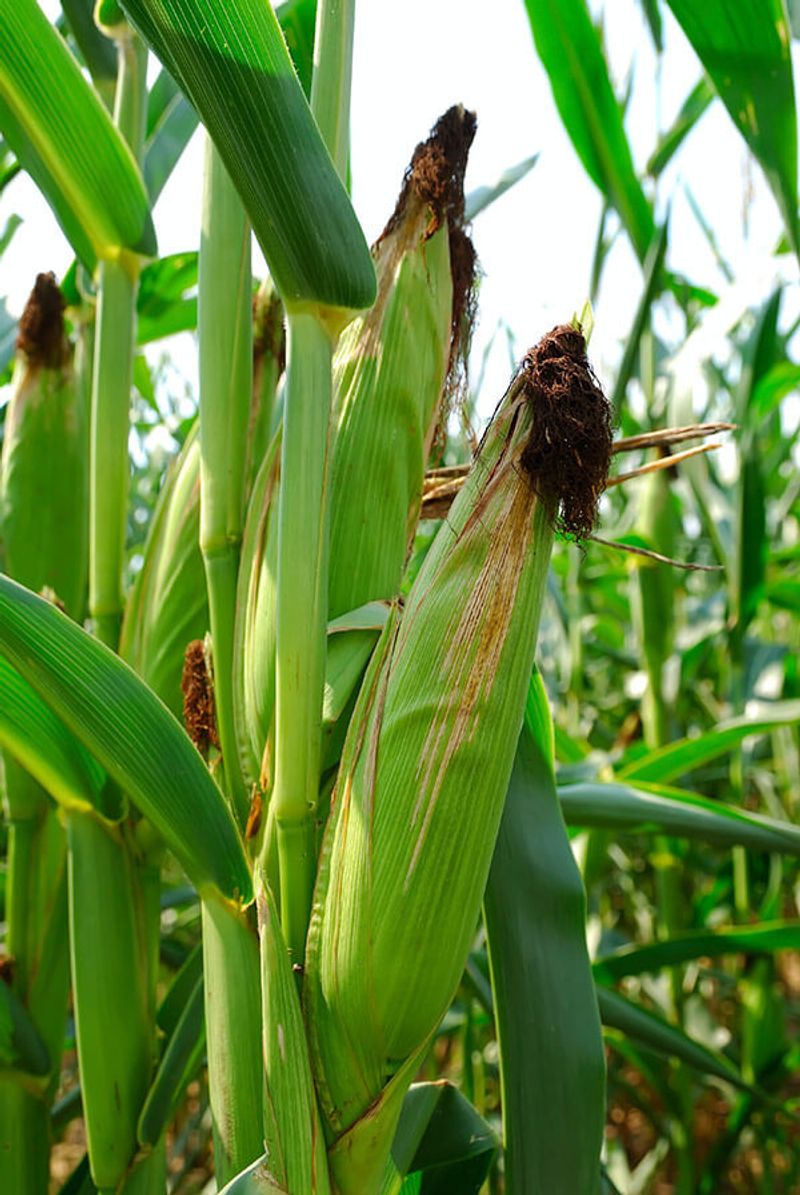
Knee high by the Fourth of July is the old saying, but corn does not stop there. By late summer, stalks can tower six feet or more over everything around them.
Peppers sitting in that shade often flower less and drop blossoms. Corn is also a hungry crop that pulls a lot of nitrogen from the soil, leaving less for its neighbors.
Plant corn in blocks on the north side of your garden. That way it still pollinates well, and your peppers keep their sunny seats.
9. Fruit Trees
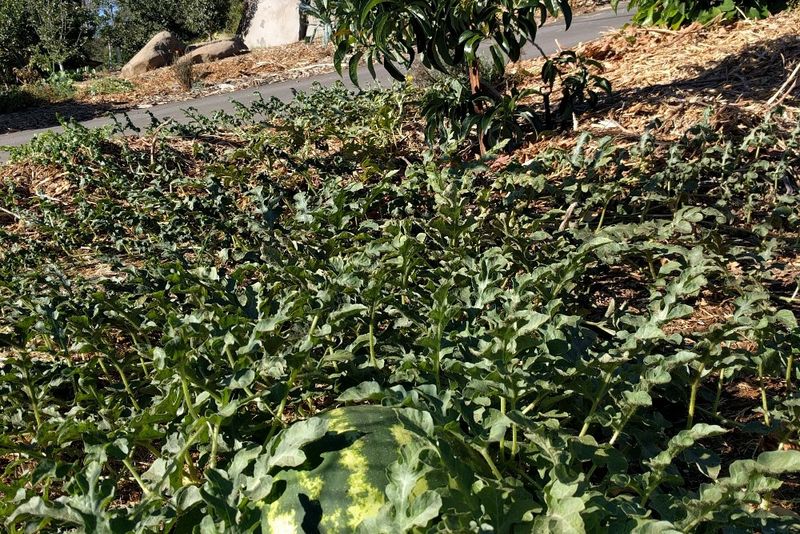
Tucking a pepper bed under the apple tree seems like smart use of space. Sadly, the tree wins that deal every time.
A wide fruit tree canopy blocks the strong sun peppers need. Tree roots also spread under the bed and soak up water and nutrients.
On top of that, some fruit trees can carry Verticillium wilt, a soil fungus that can spread to peppers.
Find the sunniest open spot in your yard for peppers instead. If space is tight, containers on a bright patio work beautifully.
10. Peas
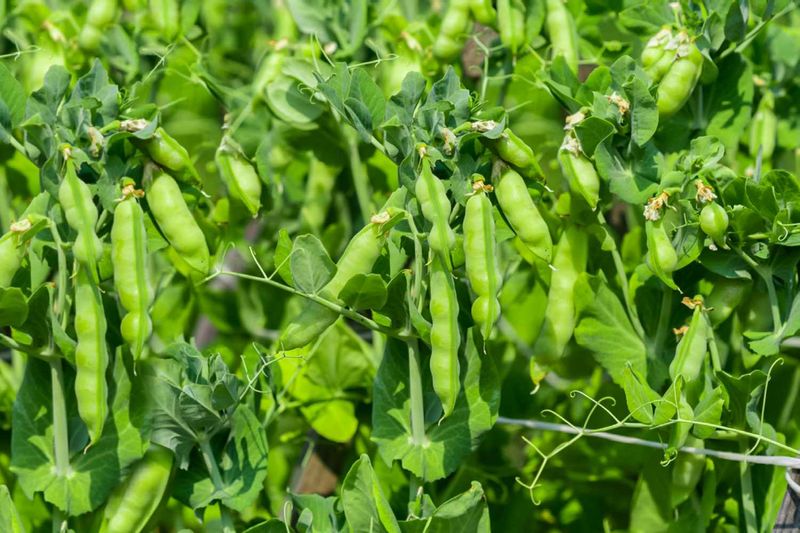
Peas usually get praise for adding nitrogen to soil, so seeing them here may surprise you. The issue is more about timing and crowding than anything dramatic.
Some gardeners report that peas may inhibit pepper growth or compete with young pepper plants for space and moisture. Their climbing vines can also tangle and shade small transplants in late spring.
Grow peas early in their own bed, then pull them once the heat arrives. Their spent roots can enrich that soil for a later crop.
11. Beets
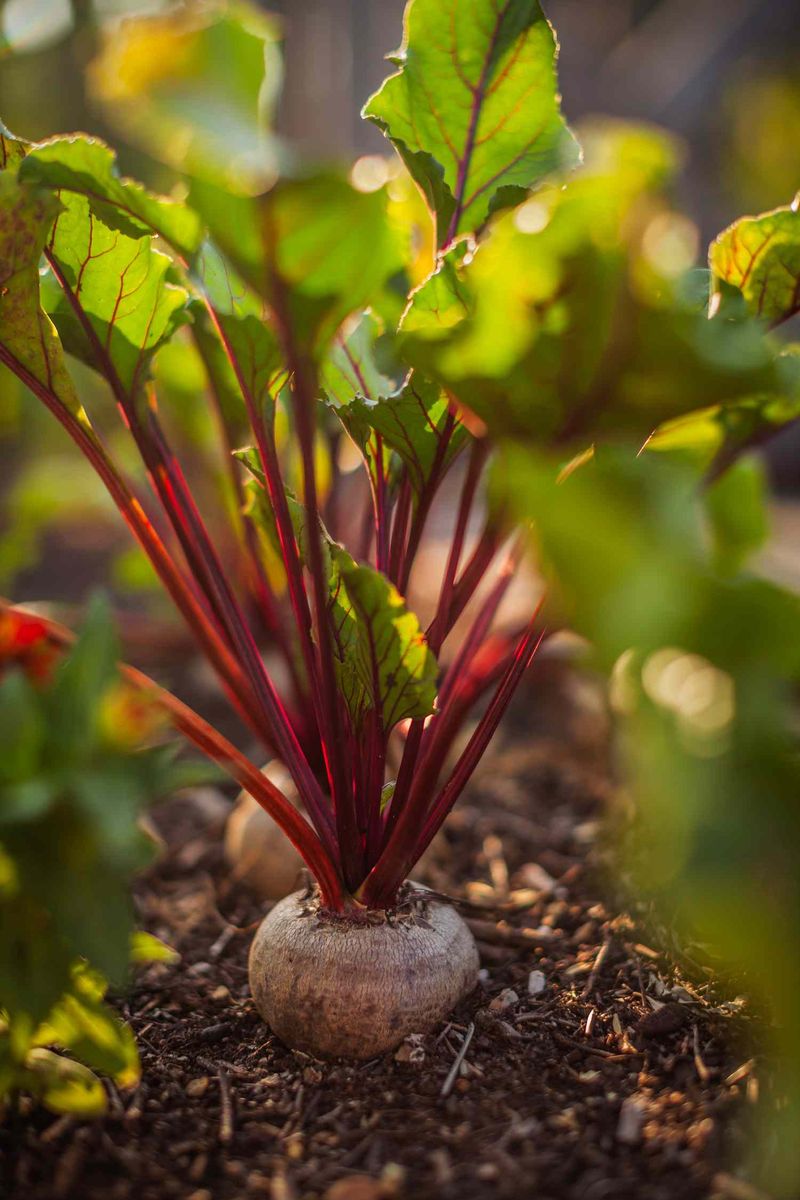
Beets quietly do their work underground, which makes them easy to overlook as a problem. Yet some growers list them as poor pepper neighbors.
Beets may compete for nutrients in the root zone, and a few sources suggest they can slow pepper growth. Pulling beets also disturbs the soil around pepper roots.
Give beets their own row a couple feet away. A light side dressing of compost helps both crops if they must share a bed.
12. Zucchini and Pumpkins
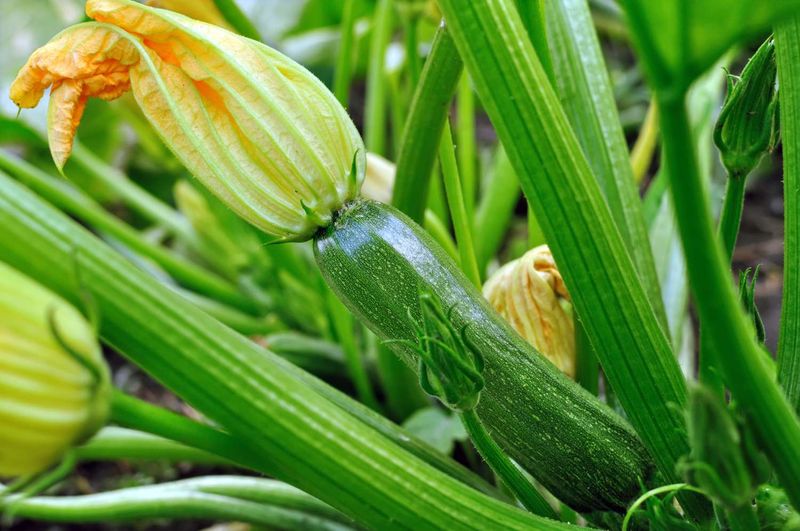
Anyone who has grown zucchini knows it takes over. One week you have a cute seedling, the next it has swallowed the walkway.
Squash and pumpkin leaves are huge and block light from shorter plants. Their sprawling vines also compete for water and food, and the damp air under them can invite fungal problems.
Give these sprawlers plenty of room or train them up a sturdy trellis. Keep at least three feet between them and your peppers.
13. Celery
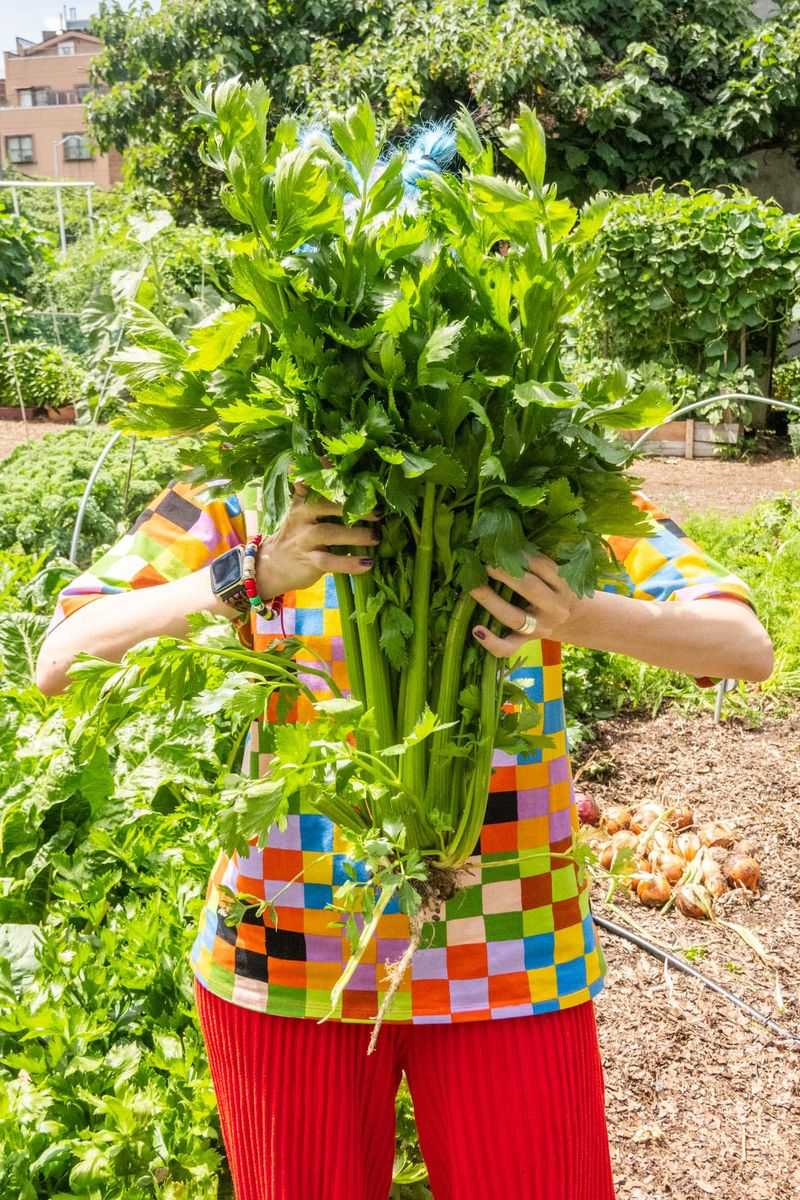
Celery is thirsty and slow, needing constant moisture for months. Peppers prefer soil that dries slightly between drinks.
That mismatch alone can cause trouble, since soggy soil may lead to root stress for peppers. Celery is also listed as a possible inhibitor and competitor for nutrients.
Plant celery near crops that enjoy the same wet conditions, like leeks. Your peppers will thank you with steadier growth and more fruit.