
Fall-Sown Hollyhocks of Traditional Biennial Varieties Can Flower the Following Summer: How To Start Them Right
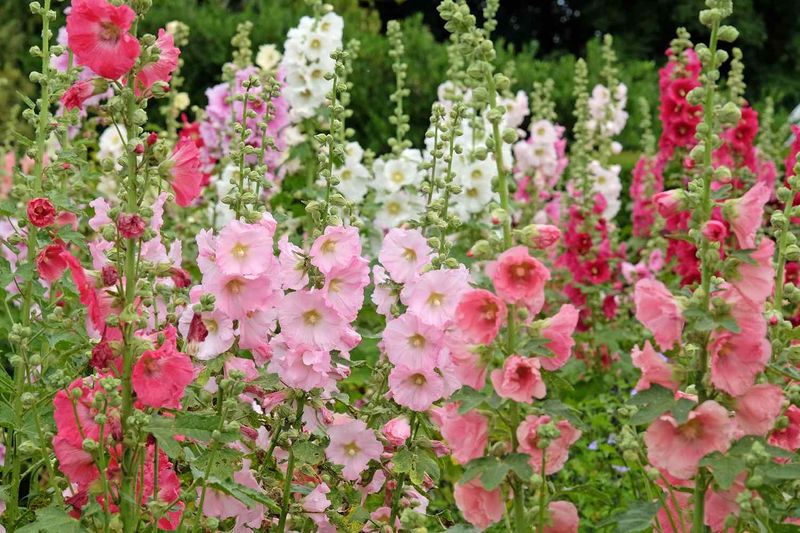
Hollyhocks are old-fashioned favorites, but many gardeners wait a whole extra year for the first flowers. Sowing seed at the right moment in late summer or early fall may shorten that wait for traditional varieties.
The trick is timing, because your local frost date matters more than the calendar. Here is how to tell if your window is open and how to get seeds off to a good start.
Is there still time to sow?
Your calendar can’t answer this one. Your local first killing frost can.
Find the typical date for your area, then count backward to today.
Extension guidance gives a handy benchmark. Iowa State Extension says outdoor-sown hollyhock seed planted from spring until about two months before frost can bloom the following summer.
Maine Extension likewise says fall-sown heirloom types need roughly two months before the first killing frost to germinate and grow.
Treat two months as a useful rule of thumb, not a promise. A gardener in a warm southern zone may have plenty of runway in October, while someone in a cold northern state may have already passed the cutoff by late summer.
Seedlings need time to sprout and grow a few real leaves before the ground freezes.
If your frost is less than about two months away, or has already come, don’t panic. You can still sow in spring and enjoy flowers later.
Just don’t count on next-summer blooms from a sowing that missed the window.
Why timely fall seedlings can flower the following summer
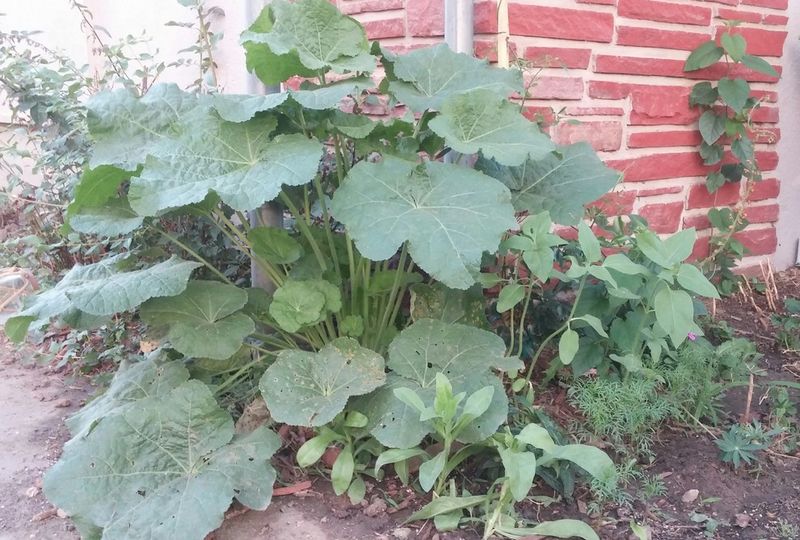
Most traditional hollyhocks (Alcea rosea) are biennials. That means they spend their first season growing leaves and roots, then flower in their second season.
The plant is building energy before it ever makes a flower spike.
A seedling that sprouts and settles in before winter has already used up part of that first season. When spring returns, it picks up growing again and can bloom the following summer.
A spring-sown traditional biennial often waits until the summer after that, so a well-timed fall sowing can mean flowers a season sooner. That is a possible comparison, not a rule.
Varieties do not all follow the same schedule. Some cultivars can flower in their first season.
The University of Kentucky publication names ‘Queeny Purple’ as a first-season bloomer, and a University of California fact sheet also notes differences among hollyhock types.
Check your seed packet for words like biennial or first-year bloomer. That small detail tells you what schedule to expect and whether fall sowing even gives you an edge.
Choose a sunny, well-drained spot
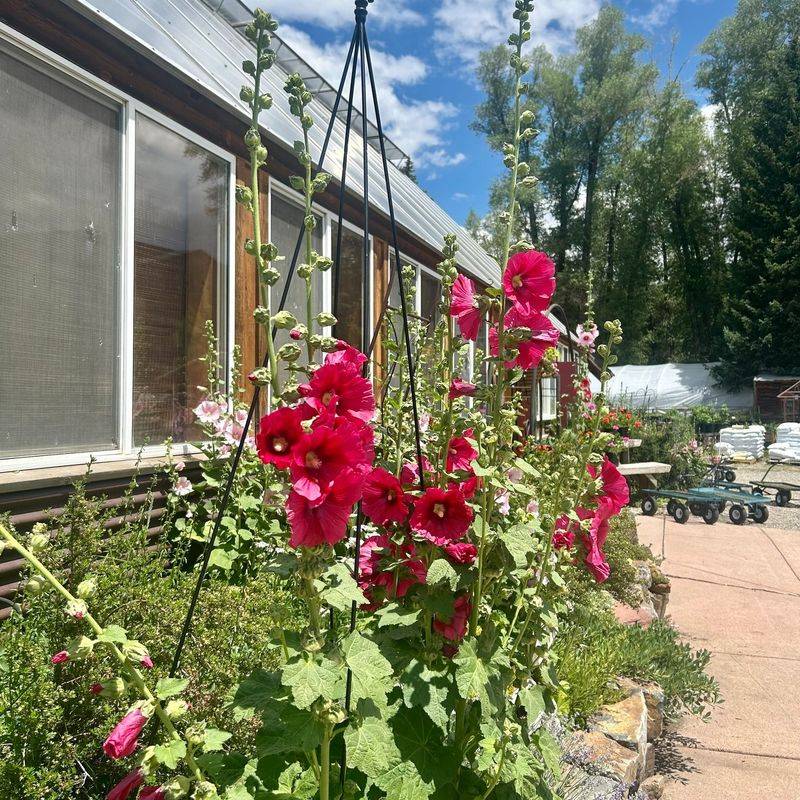
Picking the site comes before opening a single seed packet. Hollyhocks do best in full sun, and they want soil that drains instead of staying soggy.
Wet feet and shade tend to make for weak, leggy plants.
Height matters here too. Tall flower stalks catch the wind, and Illinois Extension points out that hollyhocks are vulnerable to wind damage.
South Dakota State Extension also notes that exposed plants may need staking.
A spot against a fence, wall, or shed can offer some shelter and a handy support later. Leave a little breathing room around the planting so air can move through the leaves.
Walk your yard in the afternoon and look for the sunniest, driest patch. If water puddles there after rain, loosen the soil or pick a better location.
Staking details come later, once plants are growing.
Sow seeds close to the soil surface
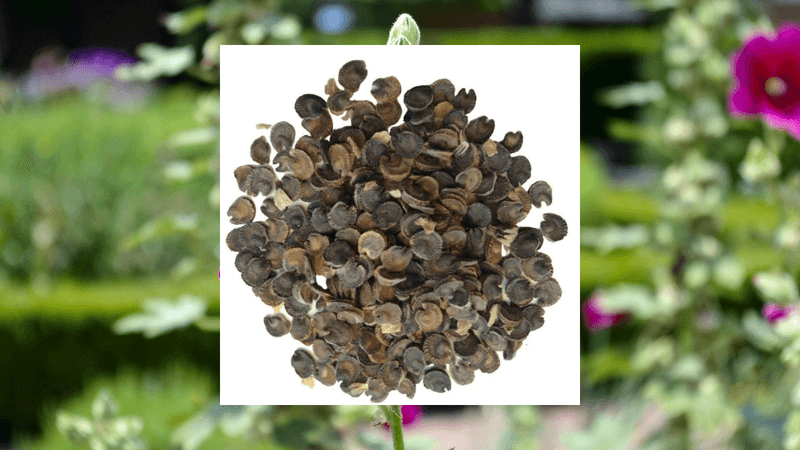
Hollyhock seeds are flat and disc-shaped, and they do not want to be buried deep. Rake the soil smooth, scatter or place the seeds, and press them down so they touch the soil firmly.
Cover them lightly with a dusting of soil, if at all.
Iowa State Extension says good soil contact matters, light helps germination, and seeds should not go in deep. A University of California fact sheet gives similar shallow-sowing guidance.
Advice on pretreatment varies. Iowa State says no special pretreatment is necessary, while Maine Extension recommends a warm-water soak.
Neither step is a must for every gardener.
Your best guide is the seed packet. Different varieties come with their own directions, so follow those for depth, spacing, and any soaking suggestion.
Water gently after sowing so the seeds stay in place.
Help seedlings establish before winter
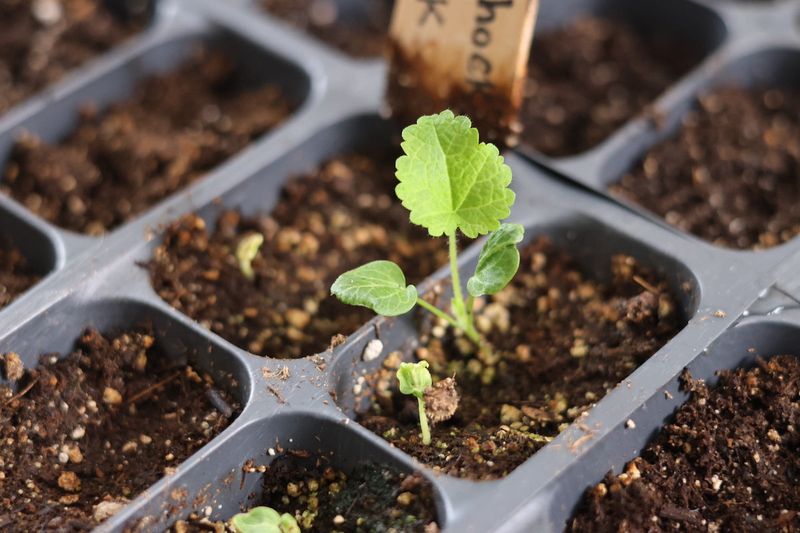
After sowing, the main job is steady moisture. Keep the planting watered while seedlings sprout and settle in, so the soil never dries out completely.
A gentle sprinkle works better than a hard blast that washes seeds away.
The goal is a low, leafy rosette before winter arrives. That outcome belongs to seedlings that germinate and establish foliage in time, which is why the two-month benchmark from Iowa State Extension matters so much.
Seed sown too late may behave differently. Instead of forming a rosette, it can sit ungerminated until spring.
If that is what happens in your yard, those plants are following the spring-sown schedule, and flowers may come later than hoped. Guidance like Maine Extension’s is tied to getting seedlings growing before the first killing frost.
Look for small rounded leaves a few weeks after sowing. Seeing them is a good sign, but no one can promise a rosette or next-summer bloom from every fall sowing.
Set realistic expectations for bloom, height, and return
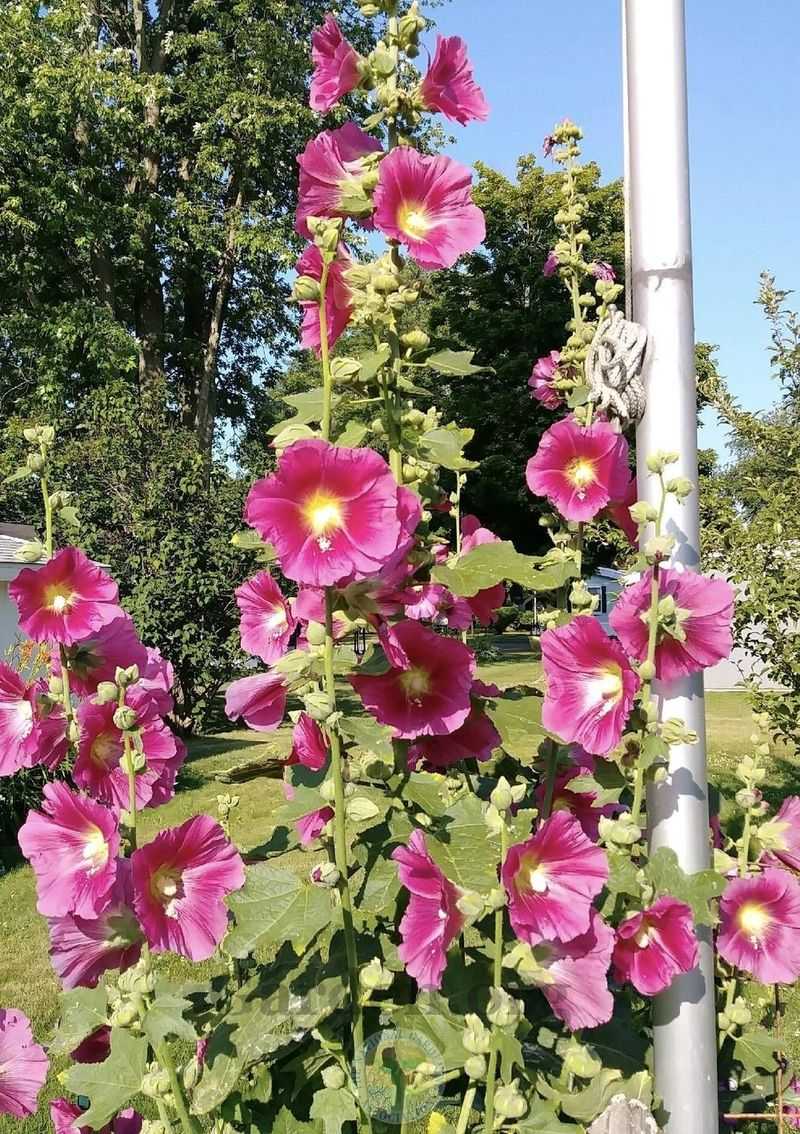
Hollyhocks vary, so your results may not match the photo on the packet. Some bloom in their second season, while certain cultivars, such as ‘Queeny Purple’ in the University of Kentucky publication, can flower in their first.
A University of California fact sheet shows how types differ too.
Height is not fixed either. South Dakota State Extension reports many hollyhocks reach 6 to 8 feet, while Illinois Extension lists a mature height of 2 to 6 feet.
Cultivar and growing conditions both play a part.
Plan on the original plant not lasting forever. Traditional biennials often die after flowering.
A display that seems to come back year after year is often made of new seedlings dropped by earlier plants, as Ask Extension explains. Some individual plants may bloom again, but that is hard to predict.
If you want a lasting patch, let a few spikes set seed and leave the seedlings that pop up. Think of it as a rolling crew rather than one plant returning.
Stake exposed plants and manage rust
As plants shoot upward toward bloom, windy spots can cause trouble. If yours is exposed, a sturdy stake and soft ties give the stalks something to lean on.
Both South Dakota State Extension and Illinois guidance note that tall plants in open sites can need support.
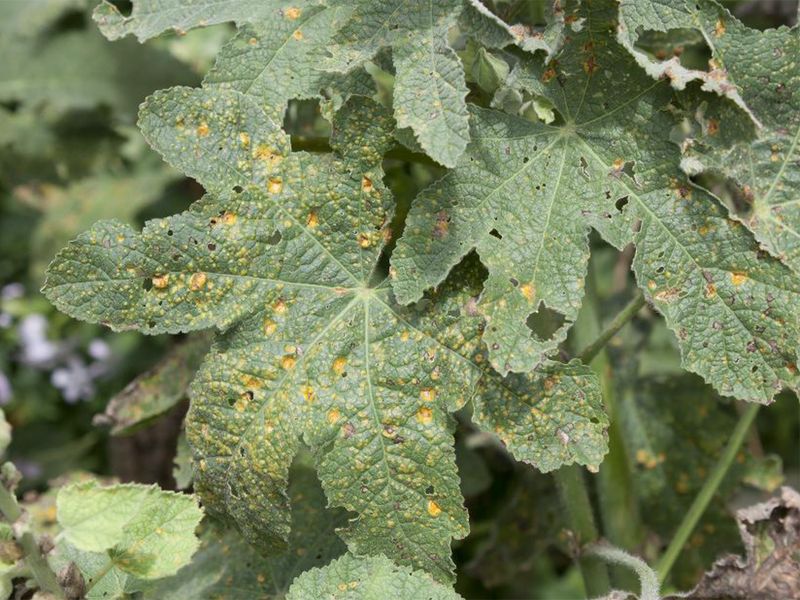
Rust is the other common worry. You may see orange or brown spots on leaves.
Illinois Extension suggests ways to reduce risk and limit spread: avoid dense planting, water at the soil instead of wetting the leaves, and remove and dispose of infected debris.
None of this is a cure. Still, rust usually does not kill the plant, according to South Dakota State, so a spotted leaf is not a reason to give up.
Clear fallen leaves in autumn and don’t add them to your compost pile.
Flowers next summer come down to two things: sowing in time and growing a variety that suits that schedule. Get those right, and the stakes and good habits simply help the show along.