
The One Choice Between Compost And Bagged Soil That Wakes Up Your North Carolina Clay Beds By Spring
If your shovel bounces off orange North Carolina clay, you already know the struggle. That sticky, heavy ground holds water like a bowl, then bakes hard as a brick by July.
The good news is that one simple choice this winter can turn those beds soft, crumbly, and alive by spring. Pick the right one, and you help your plants, your soil critters, and even the fireflies and box turtles that share your yard.
1. Compost Wins Over Bagged Soil
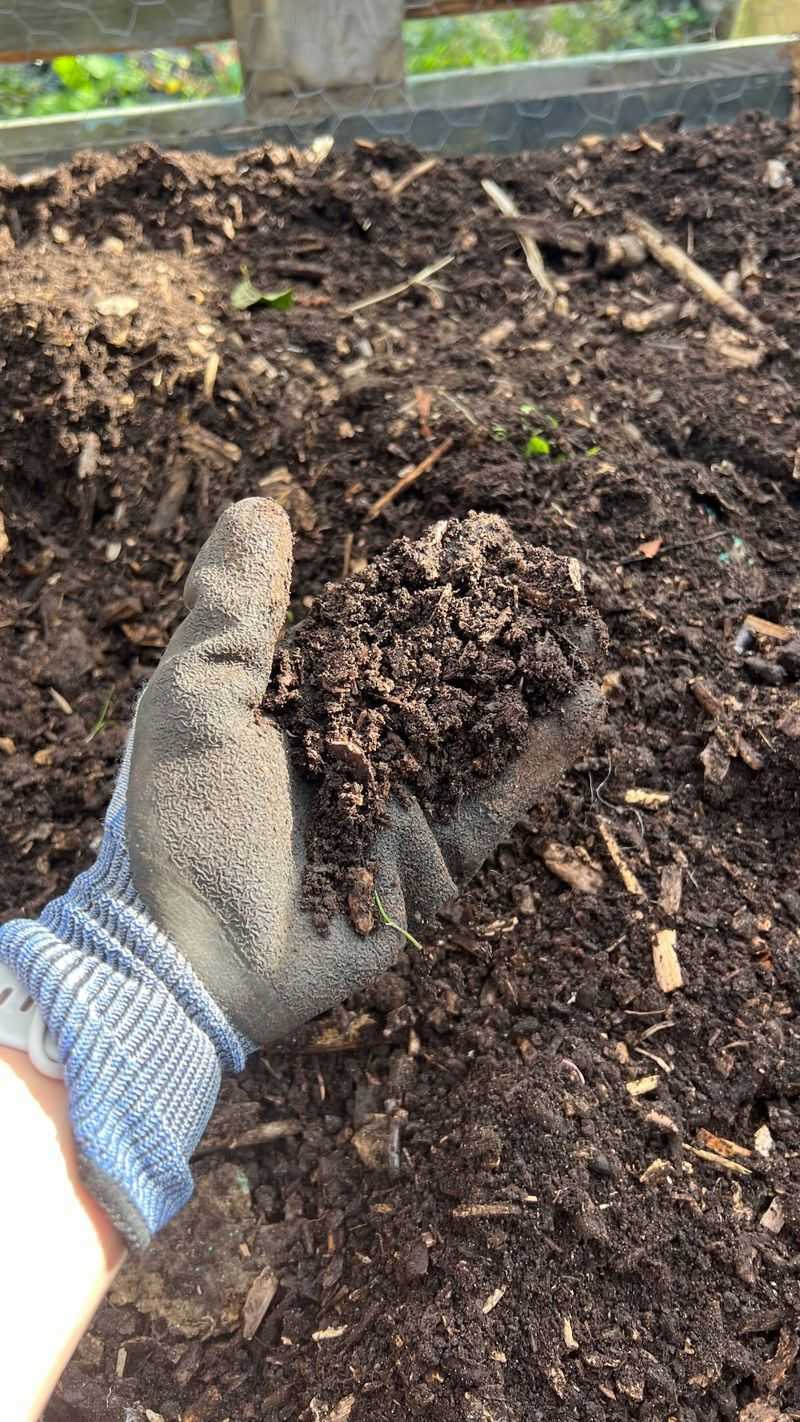
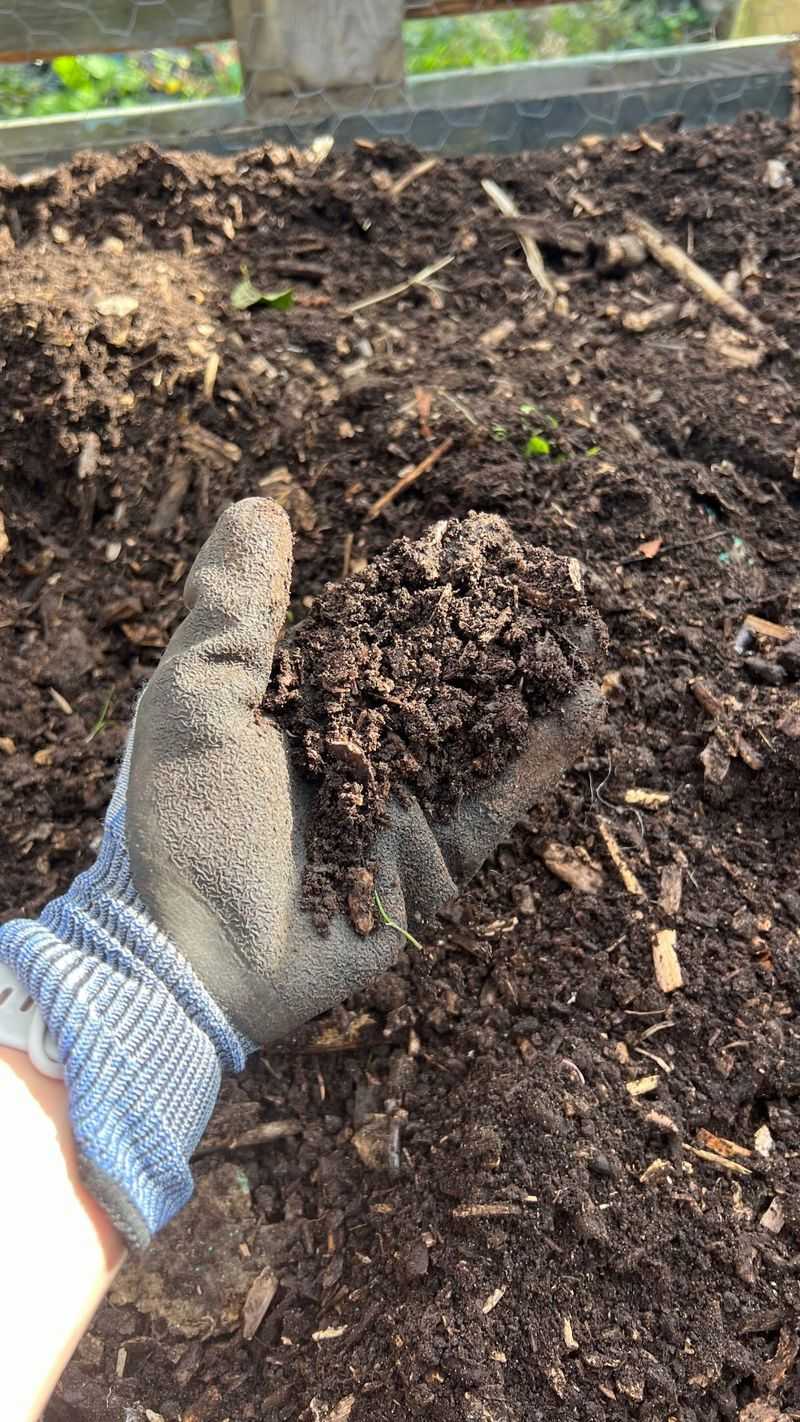
Picture a handful of red Piedmont clay squeezed tight, then a handful of dark compost tumbling loose through your fingers. Mix the two, and something almost magical happens over a single season.
Compost is the clear winner, and it is not even close.
Clay is made of tiny flat plates that stack together like wet playing cards. The lumpy, uneven bits in compost wedge between those plates, opening pockets for air, water, and roots.
Compost also feeds the fungi, microbes, and earthworms that keep building better soil long after you put the shovel away.
Bagged topsoil and potting mix often fall short. Many brands compact fast, carry little real organic matter, and sometimes hide weed seeds or debris.
Plenty also lean on peat moss, which is dug from ancient bogs that took centuries to form and shelter birds, reptiles, and insects. In clay, peat can even act clay-like, slow to soak up water and then holding too much.
Your backyard wildlife notices the difference, too. Firefly larvae hunt slugs and snails in moist, rich soil, and box turtles burrow into loose, damp ground to hide and stay hydrated.
Healthier soil may also reduce your need for synthetic fertilizers and sprays that can harm pollinators and the goldfinches feeding on native seedheads.
Here is your weekend plan for late winter. Spread 1 to 4 inches of compost and work it into the top 6 inches when the soil is not soggy.
Make your own from fallen leaves and kitchen scraps, leave some leaf litter at the edges for fireflies, and skip cedar or pine mulch where turtles roam.