
Wasps Crawling Out Of Your North Carolina Woodpile In November May Be Queens Looking For A Winter Bed
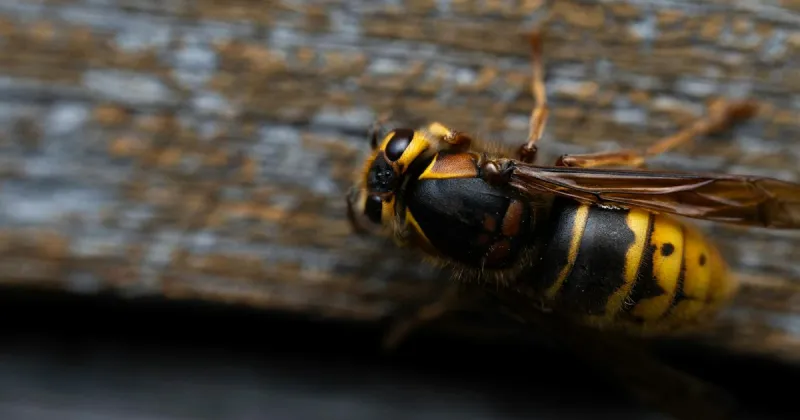
You reach for a log on a chilly November afternoon and a slow wasp crawls out of the stack. Your first thought might be that a nest is hiding in there.
Late fall is a time when wasps move around looking for places to wait out the cold, so the sighting may have a simple explanation. Here is what it can and cannot tell you, and how to protect your family without overreacting.
A November sighting cannot identify the wasp
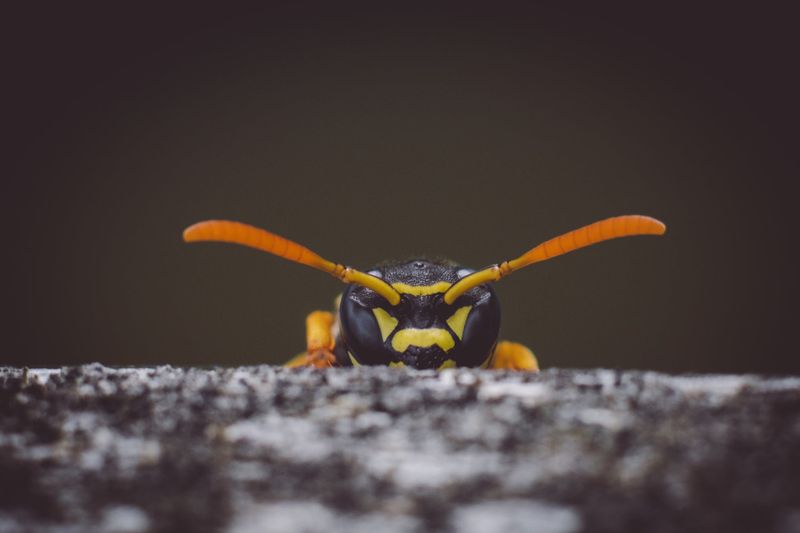
A wasp climbing out of your woodpile in November may be heading toward a place to spend the winter. It might even be a queen.
But the sighting alone cannot tell you its species, whether it is a queen or a worker, or what it is up to.
Here is the part that surprises people. According to NC State Extension, paper wasp colonies break up in the fall, and next year’s queens go looking for overwintering sites.
Wasps can emerge from firewood piles during this time. The same guidance describes workers dispersing in fall too, so a wasp on your logs could be either one.
Fall dispersal is a plausible explanation for what you saw, but it is not a confirmed diagnosis. Think of it like spotting a bird at your feeder in October.
It could be a local resident or a traveler passing through, and one look will not settle it.
Telling wasp species apart takes a close look at body shape, color pattern, and behavior, and even experts prefer a good view of the insect. A slow wasp on a cold afternoon rarely gives you that.
So the honest answer is that you do not know yet, and that is perfectly fine.
You do not need a name for the wasp to make a good decision. What matters is that it is probably looking for shelter, it can still sting, and the best response is calm and careful.
The next sections explain how the seasonal pattern works and what to do about it.
Queens overwinter as colonies die out
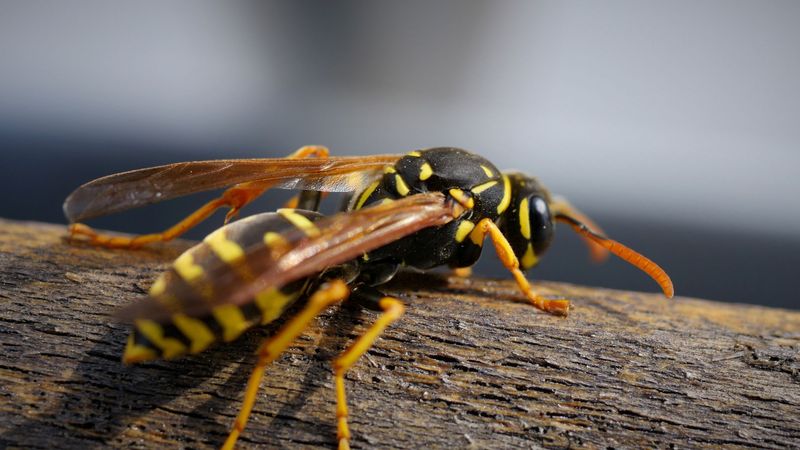
Wasp life follows a yearly loop. Colonies grow through spring and summer, then wind down as the weather cools.
What carries on is the mated queen, who finds a protected spot and waits for spring.
NC State’s yellowjacket fact sheet says mated queens of the eastern yellowjacket overwinter in dry, sheltered places, and that yellowjacket colonies do not reuse their old nests. Another NC State piece on wasp queens waking after winter reports that paper wasps, yellowjackets, and hornets all overwinter as mated queens while their previous colonies die out.
Keep two ideas separate here. The general queen pattern applies to several kinds of wasps.
The specific mention of wasps emerging from firewood piles in NC State’s fall guidance names paper wasps. Neither source proves that the particular wasp on your log is a queen of any kind.
Timing also bends with the weather. Late fall fits the dispersal pattern, but activity varies from yard to yard and year to year.
NC State notes that wasps may become active on warm winter days, so a lone wasp in December or January on a mild afternoon is not unusual either.
If you see one in the Piedmont, the coast, or the mountains, the season is a helpful clue, not a verdict.
A woodpile sighting does not prove a nest is present
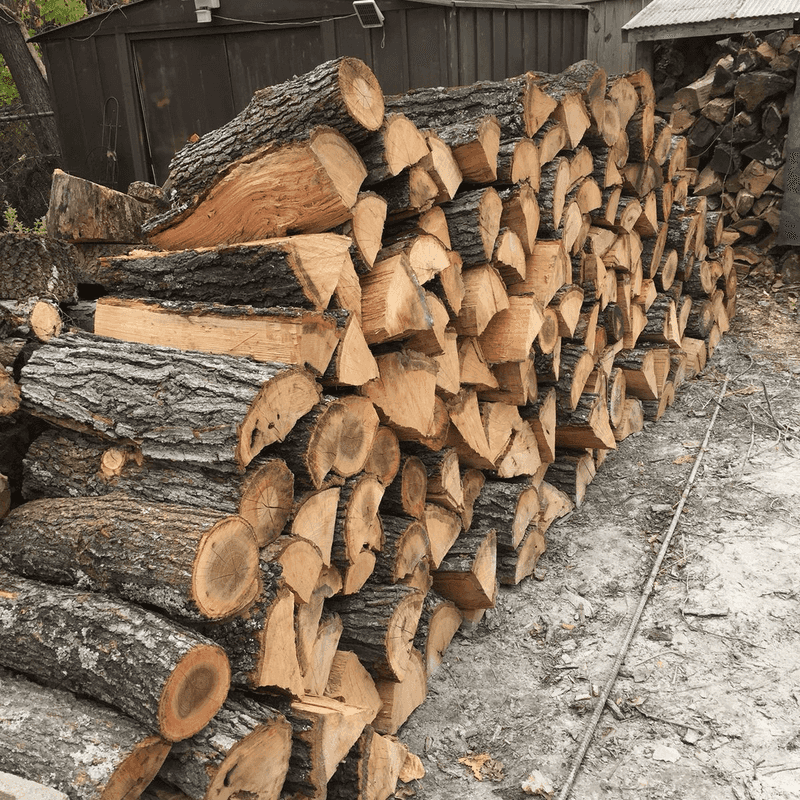
A lone wasp wandering a log is not the same as a busy colony guarding its home. Fall dispersal is different from a functioning, nest-defending colony, and NC State describes dispersing wasps as not protecting an active nest.
That said, one wasp cannot rule a nest out. Wasps can also come from nests in or near a woodpile, so the sighting neither proves a nest is there nor proves it is not.
If you see several wasps coming and going from the same spot, or you notice a papery structure, treat that as a different situation and keep your distance.
A woodpile can also hold more than wasps. The University of Kentucky’s firewood insect guidance notes that many kinds of insects shelter under bark or in logs.
Beetles, spiders, and other small creatures may be tucked in there for the winter as well.
For a wildlife-friendly yard, that is not necessarily bad news. A stack of logs is a small winter shelter, and most of what lives in it is simply waiting for spring.
The goal is to use the wood safely, not to treat the whole pile as an emergency.
Leave a lone wasp undisturbed
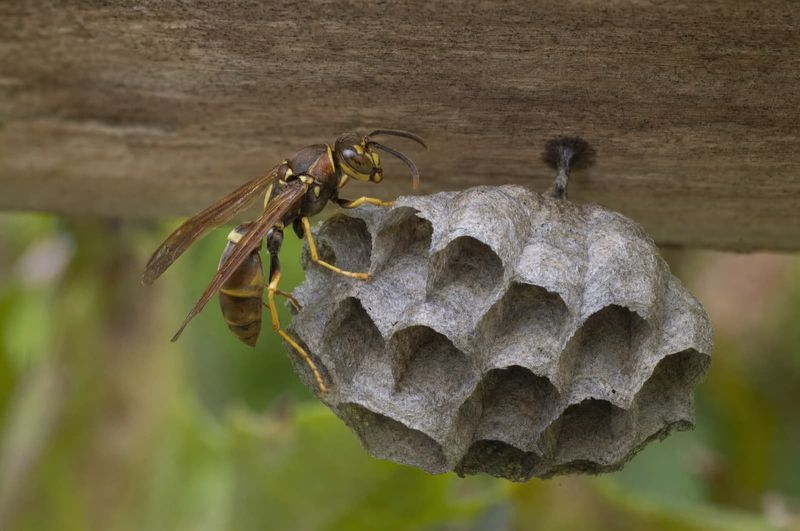
If you spot one wasp, the best move is the simplest: let it be. Do not grab it, swat it, or step on it.
A quiet wasp that is left alone usually just wanders off or stays put.
Wasps dispersing in fall are not guarding a working nest, according to NC State Extension. They can still sting, though, if they are stepped on or swatted.
A crushed wasp is a wasp that may defend itself.
Slow movement is not a safety signal. Cold makes wasps sluggish, but it does not make them harmless, and a fumbling insect on your glove or sleeve can still react.
If the wasp is on a log you want, take a different one. If it is on a path, step around it, or wait a bit for the sun to warm the spot and let it move along.
Keep kids and pets from poking at it.
Check firewood before bringing it indoors
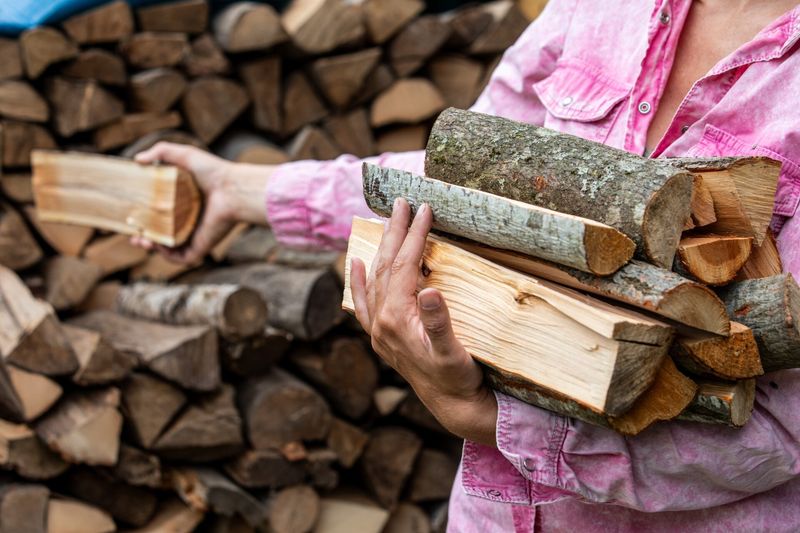
Logs stored outside can carry hitchhikers, so a quick routine at the woodpile goes a long way. Before you carry wood inside, look it over and sharply knock the logs together.
This can shake loose insects that are tucked in the bark, and you can do it outdoors where they have room to move off.
Both NC State and the University of Kentucky’s firewood guidance point to this kind of careful handling. Bring in only the wood you plan to burn soon.
Wood stacked beside the hearth for weeks gives any sheltering insect time to warm up and wander.
Wear gloves, and keep your face back from the stack when you pull logs. Work on a sunny afternoon if you can, so you can see what you are doing.
One firm rule: never spray firewood with insecticide. The fumes from burning treated wood can be dangerous to breathe in your home.
The aim here is safe handling, not wiping out everything living in your pile.
The rest of the stack can stay where it is, still doing its quiet job as winter shelter for the creatures that share your yard.
Know when a sting needs emergency care
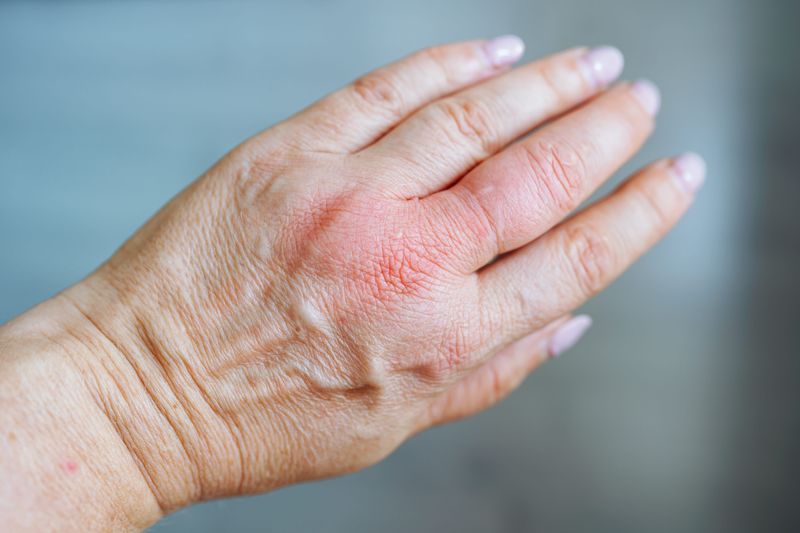
Most woodpile encounters end with nothing worse than a startled homeowner, but stings can be serious for some people. According to HRSA Poison Help, seek emergency care if a person who has been stung develops breathing trouble, dizziness, hives, or swelling around the eyes or mouth.
A woodpile sighting may fit the fall dispersal pattern described by NC State, but it cannot identify a queen or show that a nest is present. Choose caution over panic, and give the wasp its space.