
Snake Plant Pups: How Offsets Form and How to Propagate Them
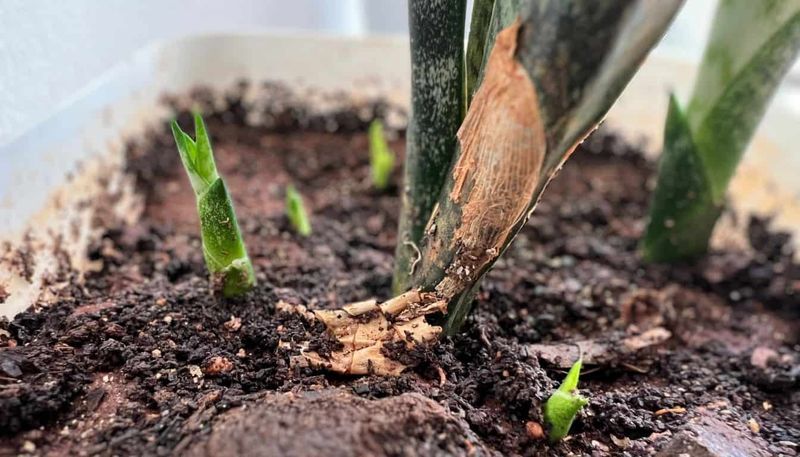
Your snake plant may be sending up new shoots right now, or it may be sitting there looking exactly the same as last year. Both are normal, and neither means you are doing something wrong.
Snake plants spread in their own time, and some never rush. Here is what really helps, what is only a myth, and how to make new plants once a pup shows up.
Snake plants produce offsets as part of natural growth
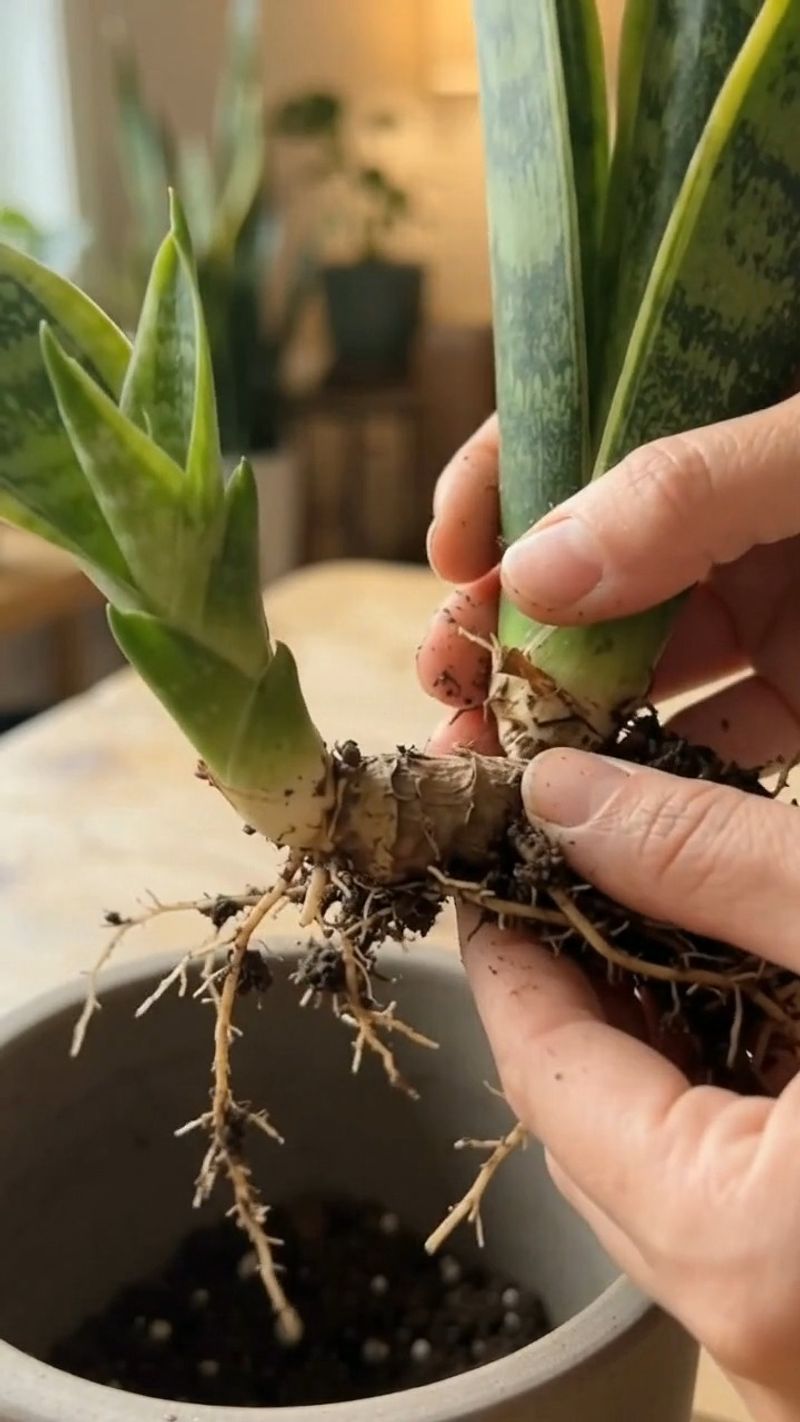
Snake plants grow outward through underground stems called rhizomes. As those rhizomes spread, the plant may send up new shoots beside the original leaves.
Gardeners call these shoots pups or offsets. The plant is known botanically as Dracaena trifasciata, though you will still see the older name Sansevieria trifasciata on plenty of plant tags.
Here is the part that surprises people: pups are a growth habit, not a reward for a perfect routine. National Parks Board Singapore describes the plant as slow-growing and spreading by rhizomes.
That slow pace is a big reason many owners wait a long time for a first pup.
If you have been hunting for the one trick that forces new shoots, you can relax. The sources I reviewed do not point to a dependable care change that makes pups appear.
A plant with no pups is not a failed plant. It may simply be taking its time.
What you can do is keep the plant healthy and be ready when an offset does appear. Iowa State University Extension explains that plants with offsets can be propagated by division, which means you separate the extra shoot and pot it up on its own.
Think of pups as a bonus when they arrive, not a test you have to pass.
Look near the soil line for small pointed shoots poking up beside the main clump. Those are your pups in the making.
If you see none, there is nothing to fix.
A pot-bound plant is not a pup-making trick
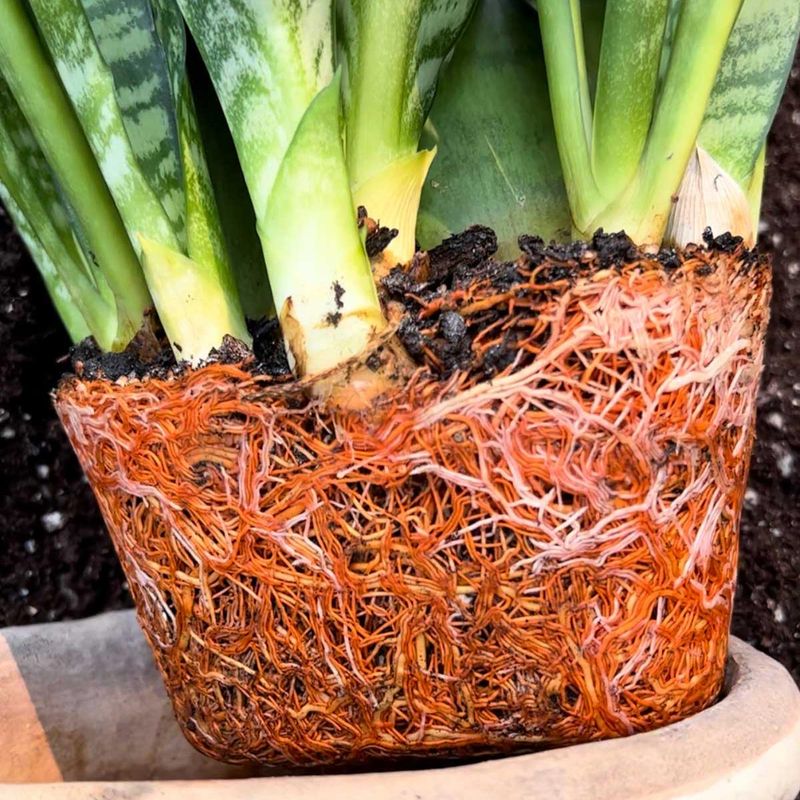
You may have heard that a snake plant needs to be squeezed in a tight pot before it will multiply. That idea gets repeated a lot, but it is not backed up by the sources I checked.
Squeezing the roots on purpose is not a plan I would recommend.
The Royal Horticultural Society plant profile says to pot on a Sansevieria when it becomes pot-bound. That is simple advice about when to give the plant more room.
It does not say a cramped pot causes extra offsets.
So what does pot-bound look like? Roots may circle the inside of the pot, push up through the surface, or crowd the drainage hole.
A plant in that shape needs a bit more space, so move it into a slightly larger pot with a drainage hole.
The RHS growing guide also lists spring as a suitable time for repotting and propagating. If your plant is sitting happily in its pot with no crowding, you do not need to rush into a bigger one.
Pups sometimes show up on plants that are snug and on plants that are not. Rather than tightening or loosening anything on purpose, repot when the plant actually outgrows its container.
That keeps roots healthy, and healthy roots are what you want if you plan to divide later.
Brighter light supports growth but cannot promise pups
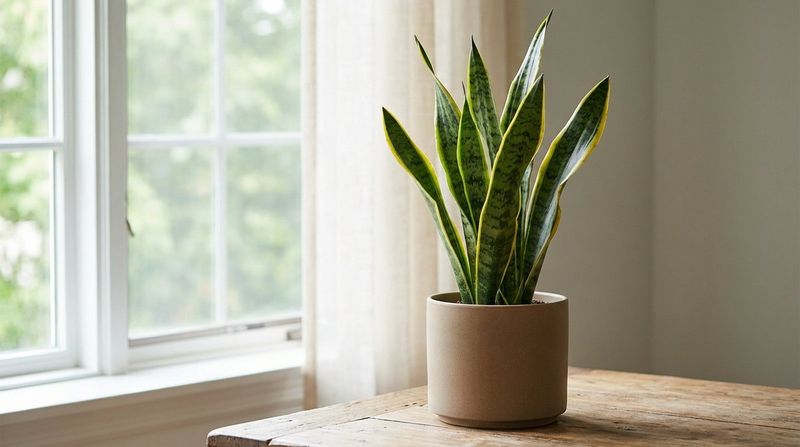
Snake plants have a reputation for surviving dim corners, and that reputation is earned. According to North Carolina State Extension, the plant tolerates low light, though brighter light suits healthy growth.
Moving yours closer to a bright window is reasonable care.
Still, better light is not a pup button. No source I reviewed shows that extra light makes a snake plant multiply.
The same goes for warmth. Cranking up the heat will not make pups appear, and the same NC State page notes the plant can handle cool temperatures down to about 50 degrees F.
Why mention that? It helps set expectations.
A plant that tolerates both dim rooms and cooler spots is a tough, slow-moving houseplant, not one that responds quickly to small tweaks. National Parks Board Singapore describes it as slow-growing, which fits what many owners see.
If your plant has pale, floppy, or stretched leaves, try a brighter spot with indirect light. If it looks fine, leave it alone.
Healthy leaves are a good sign, and pups, when they come, are a bonus.
Divide an offset only after it is well-rooted
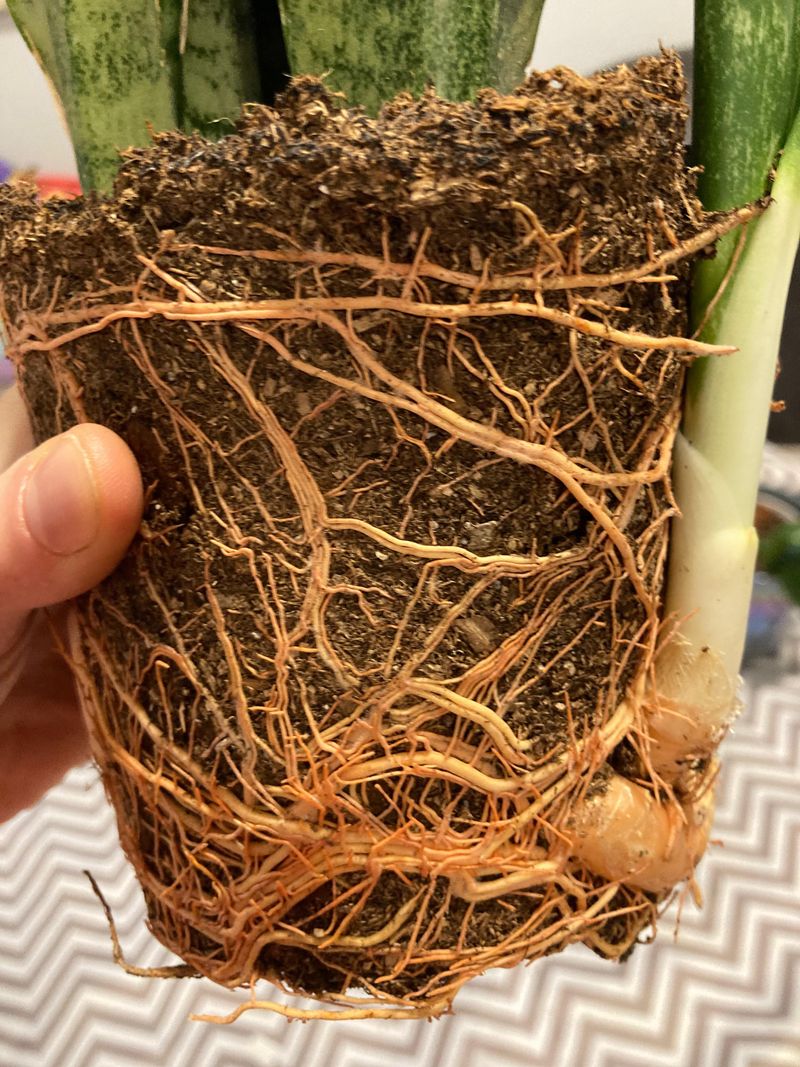
When a pup does appear, patience pays off. The RHS growing guide advises waiting until the offset is well-rooted before you separate it.
A pup with its own roots has a much better shot at settling in on its own.
Division does not cause new pups. It simply harvests one that already exists.
Iowa State University Extension describes how to divide plants with offsets, and says early spring is ideal, though many houseplants can be divided at other times too.
Here is a simple sequence. Ease the plant out of its pot and brush away loose soil so you can see where the pup connects.
Gently pull the pup free with its roots, or use a clean, sharp knife if it will not come away easily. Keep as many roots on the pup as you can.
Next comes aftercare. Pot the pup in well-drained mix in a container with a drainage hole.
Iowa State’s succulent propagation guidance stresses drainage and light watering, so avoid soggy soil.
Set the new plant in bright indirect light. Water lightly and let the mix dry before the next drink.
Spring is a good time to do all this, but it is not your only window.
Meanwhile, put the parent plant back in its pot and treat it as usual. It does not mind losing a pup.
Leaf sections offer a separate propagation option
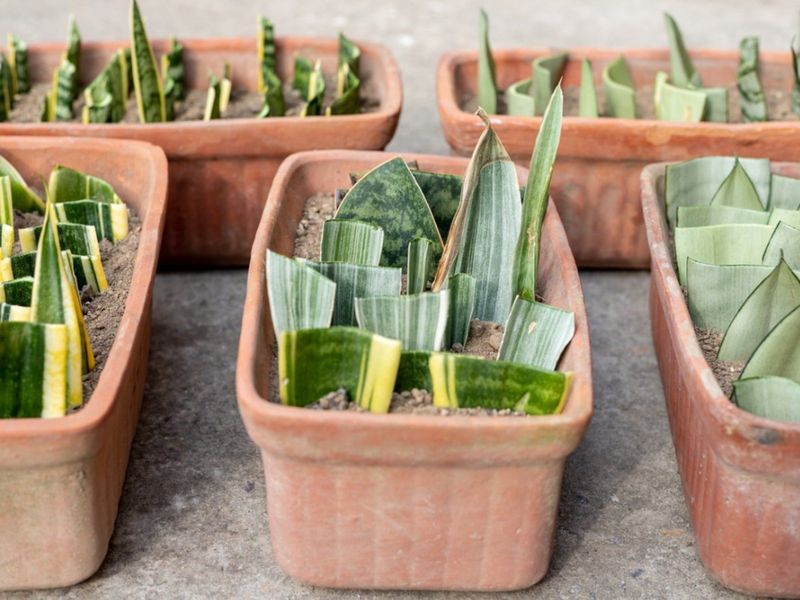
No pups yet, but you still want another plant? Leaf-section cuttings are an option.
The RHS growing guide lists leaf cuttings as a way to propagate Sansevieria.
Keep one distinction clear. A leaf section is not a pup, and cutting a leaf does not harvest or produce an offset.
It is a different method with a different starting point. Use it when there is nothing to divide, and do not expect it to be quicker than waiting on a pup.
Variegation is the big catch. Iowa State University Extension notes that most variegated Sansevieria forms do not come true-to-type from leaf sections.
That means a plant with yellow-edged leaves may grow plain green instead.
If you love the look of your striped or edged plant, wait for a pup and divide it. Division keeps the parent’s appearance, which leaf cuttings may not.
For a plain green plant, a leaf section can be a fun project. Use a clean, sharp blade, and plan on some patience, because snake plants are slow whichever route you pick.
Keep snake plants away from pets that might chew them
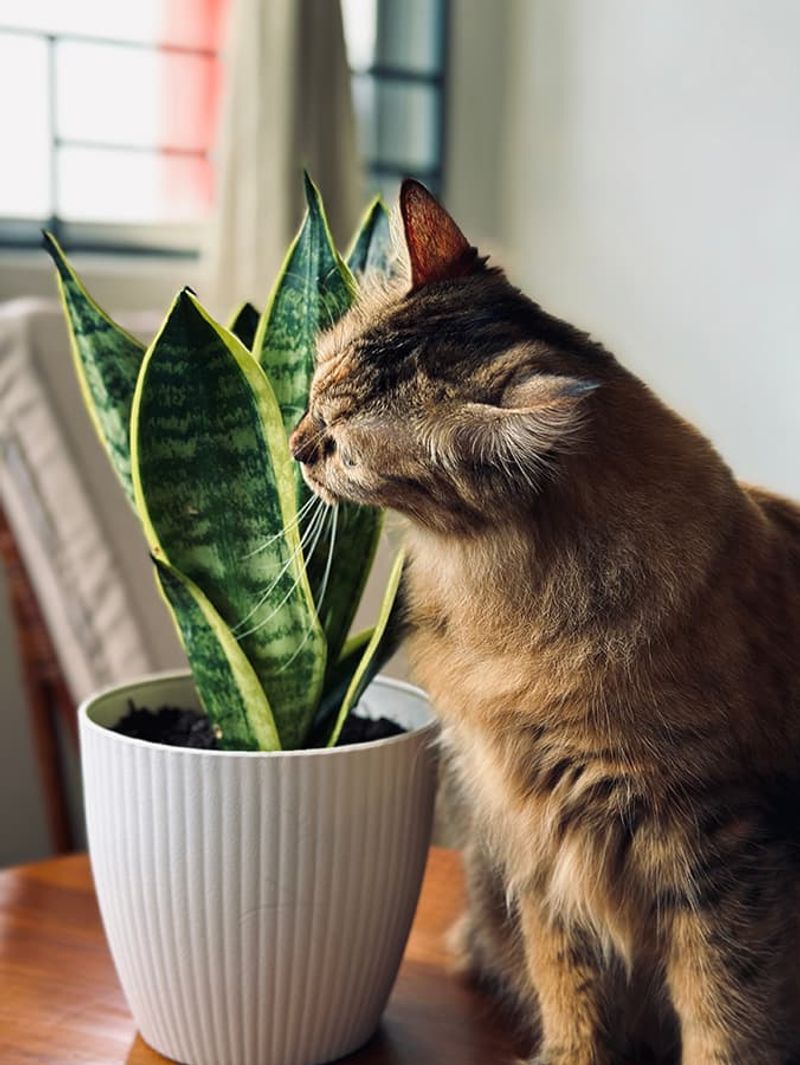
Before you start dividing and potting, think about who else shares your home. The ASPCA lists snake plant as toxic to cats and dogs if eaten.
It names saponins as the cause and says nausea, vomiting, and diarrhea are possible. Not every nibble will lead to those signs, but it is smart to keep the plant out of reach.
New pups and leaf cuttings are small and easy to knock around, so keep them up high too. Sweep up any trimmed bits right away.
As for the pup question, good care keeps the plant healthy, but it is not a guarantee of offsets. Plants described by National Parks Board Singapore as slow growers set their own schedule.
When one does appear, divide it once it is well-rooted, as the RHS guide suggests, or try leaf sections as a separate route.
A snake plant rewards the owner who stops fussing and keeps showing up.