
Tired Of Petunias Frying In That One Sunny Spot? 15 Heat-Loving Flowers To Plant There Next Summer
Every garden seems to have that one spot where the sun blasts all afternoon and your petunias turn crispy by July. You water, you deadhead, and they still look tired and stringy.
The good news is that the problem is not you, it is the plant. Some flowers actually love that heat, and swapping in the right one can turn your toughest corner into your happiest one.
1. Calibrachoa (Million Bells)
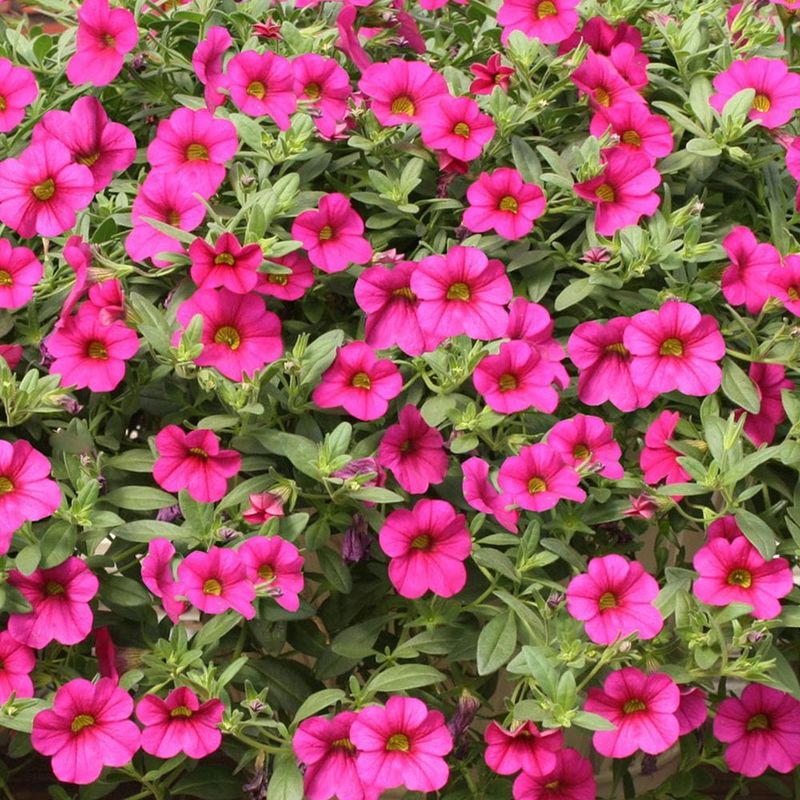
If you love the look of petunias but hate watching them melt, meet their tougher little cousin. Calibrachoa has the same trumpet-shaped blooms, just smaller and packed together by the hundreds.
The best part is that it cleans itself. Old flowers drop off on their own, so you can skip deadheading altogether.
It also handles dry spells better than petunias do.
Give it well-drained soil, since soggy roots are its one real weakness. Let the top inch of soil dry before watering, and feed it lightly every couple of weeks.
You may find it blooming happily from spring right into fall.
2. Lantana
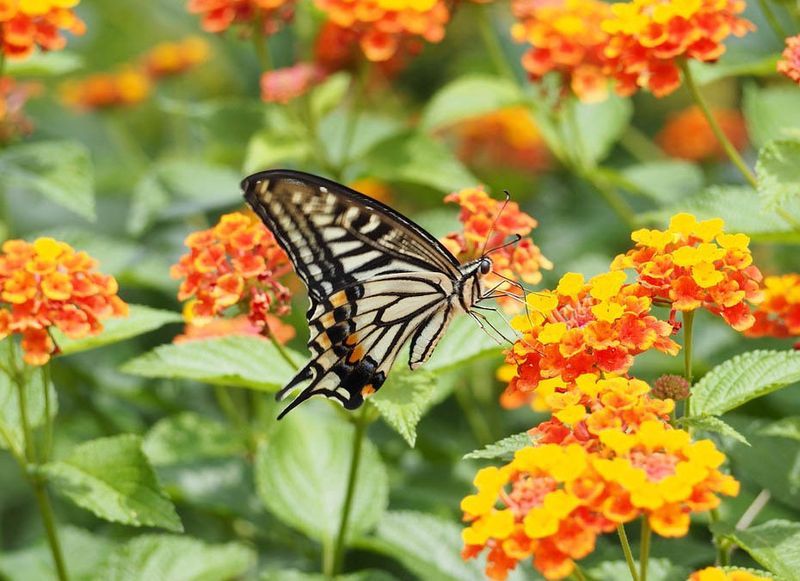
When the thermometer hits 95 and everything else droops, lantana acts like the party just started. Its flower clusters seem to glow brighter as the heat climbs.
Each little bouquet often shifts color as it ages, so you might see yellow, orange, and pink on the same head. Butterflies and hummingbirds can hardly stay away.
Once settled in, lantana needs very little from you. Water deeply while it gets established, then back off.
One heads-up: the berries and leaves are toxic if eaten, so plant it away from curious pets and small kids.
3. Zinnia
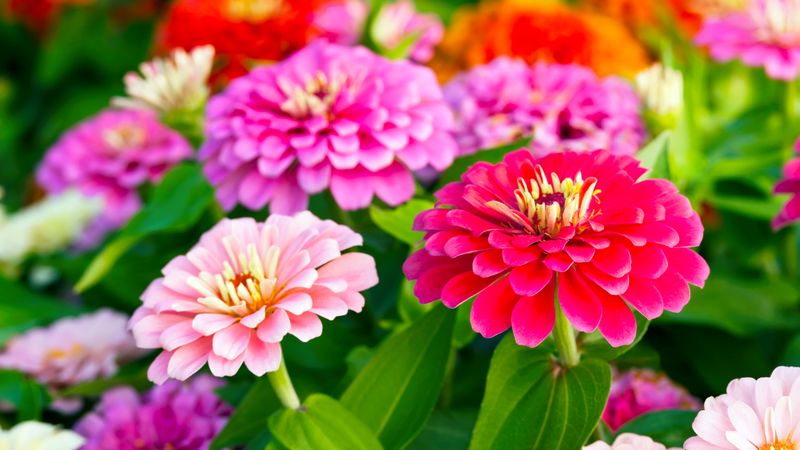
Here is a flower that actually rewards you for picking it. The more zinnias you cut for a vase, the harder they bloom.
Zinnias grow fast from seed, so you can sow them right in that hot spot once the soil warms up in late spring. They come in nearly every color except blue, and bees love them.
To help prevent powdery mildew, water at the base of the plant instead of over the leaves, and give each plant some breathing room. Varieties like the Zahara series are known for better disease resistance if mildew has bugged you before.
4. Moss Rose (Portulaca)
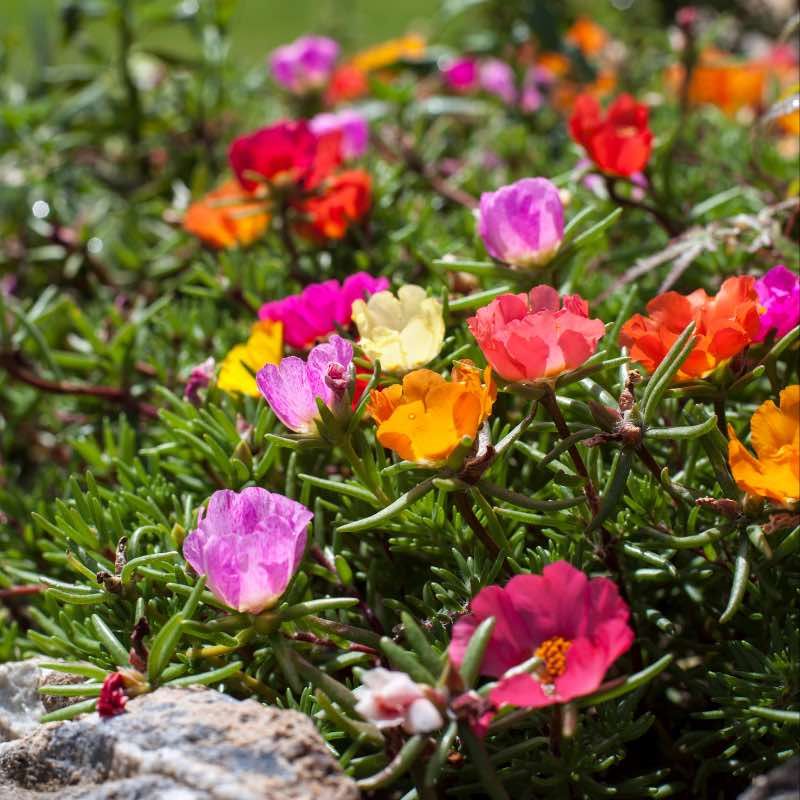
Got a spot near the driveway where nothing survives? Moss rose was practically made for it.
Its fleshy little leaves store water like a cactus does, so it shrugs off heat and dry soil. The bright, rose-like flowers open wide in sunshine and close up on cloudy days, which is kind of charming once you notice it.
Plant it in poor, sandy soil and resist the urge to fuss. Too much water or rich soil can actually make it sulk.
It works beautifully along walkways, in rock gardens, and in shallow pots.
5. Vinca (Periwinkle)
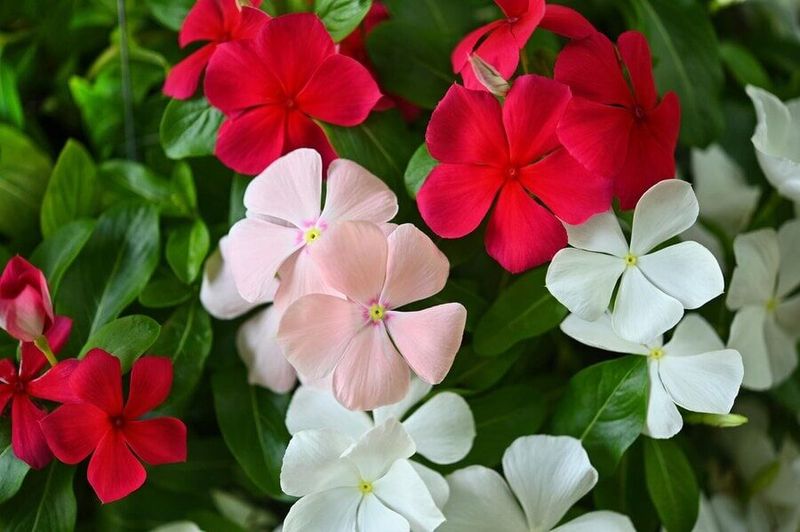
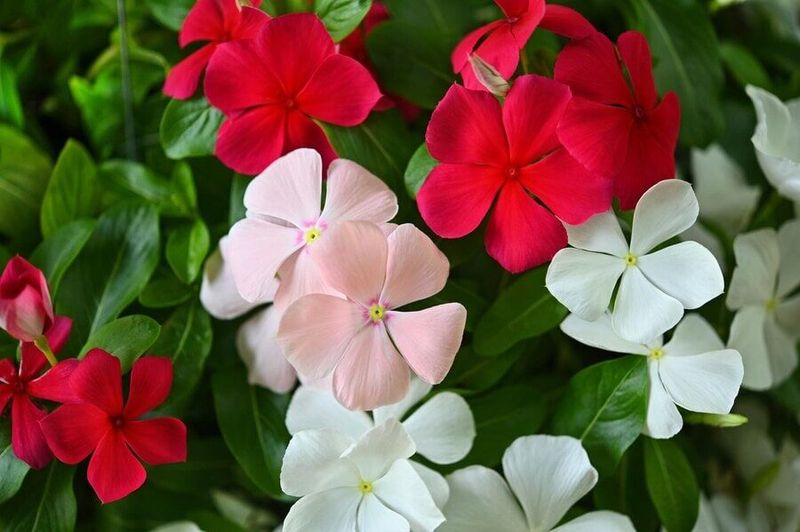
Glossy leaves, tidy shape, and flowers that just keep coming. Annual vinca is the neat, well-behaved option for gardeners who want color without drama.
Plants stay about a foot tall and bloom in pink, white, red, rose, and lavender. Heat and drought barely slow them down.
The one mistake to avoid is planting too early. Vinca hates cold, wet soil and can rot if you rush it.
Wait until nights stay warm, then plant and water sparingly. Overwatering is the fastest way to lose it.
6. Salvia
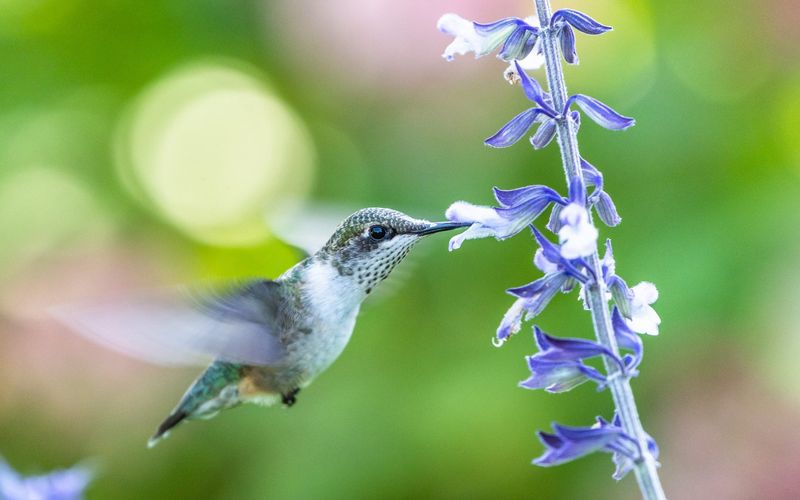
Hummingbirds seem to have a map with every salvia in the neighborhood marked on it. Plant a few and you will likely see them zipping in within days.
There are hundreds of salvia types, but many share the same talent for handling heat. Look for ‘Victoria’ blue, scarlet sage, or perennial types like ‘May Night’ for that hot strip.
Trim off faded flower spikes and many salvias will push out a fresh round of blooms. They do best in full sun but can tolerate a little afternoon shade in the very hottest regions.
7. Coreopsis (Tickseed)
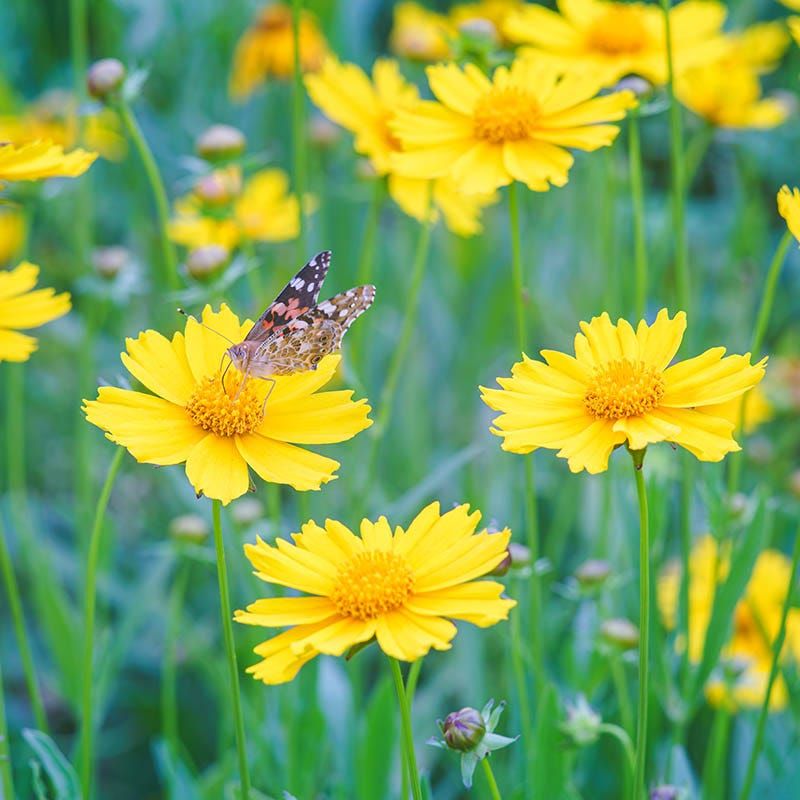
Sunshine yellow and tough as nails, coreopsis is a North American native that grew up handling harsh conditions. Lean soil, blazing sun, and long dry stretches do not scare it.
In fact, too much fertilizer can make it floppy. This is one plant that does better when you leave it alone.
Fun fact: the name tickseed comes from its small seeds, which look a bit like ticks. Do not let that turn you off, because goldfinches love snacking on them in fall.
Shear plants back by a third after the first flush to encourage more flowers.
8. Echinacea (Coneflower)
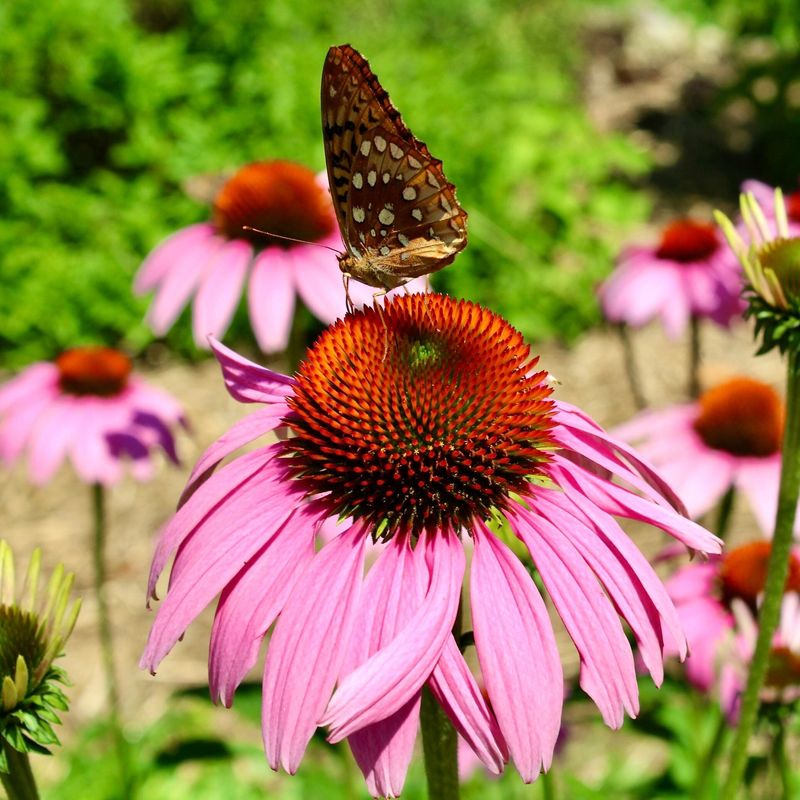
Coneflowers are the dependable friend who shows up every year without being asked. Plant them once and they can return for many summers.
They handle heat, humidity, drought, and even poor soil. The daisy-like flowers with raised centers bloom from early summer into fall and pull in bees and butterflies all season.
Leave a few seed heads standing at the end of the season. Birds will thank you, and the plants may reseed nearby.
Just keep the soil well-drained, since wet winter roots are their main enemy.
9. Achillea (Yarrow)
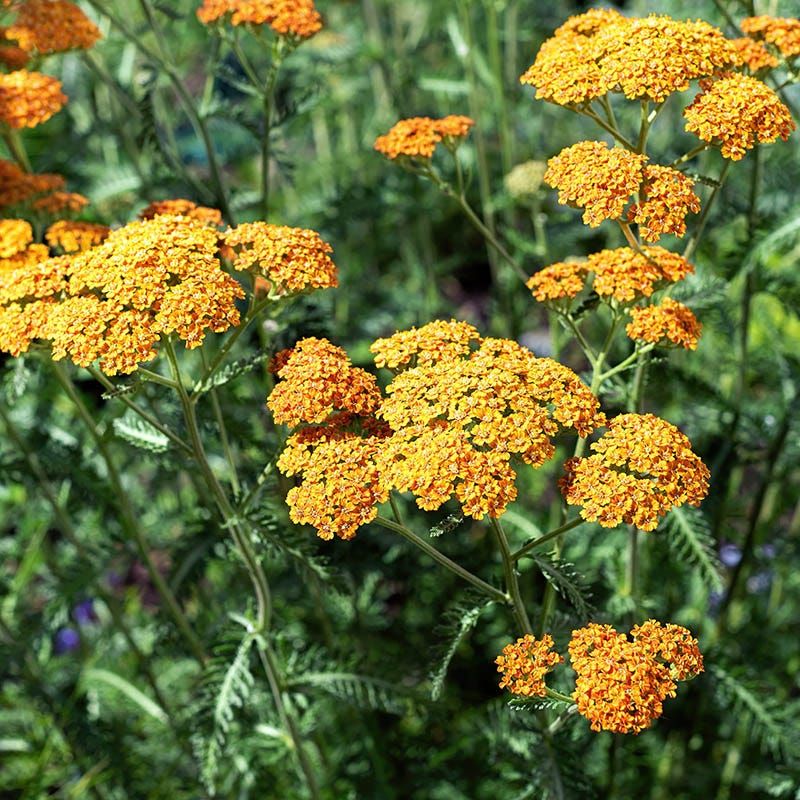
Soft, feathery leaves might fool you into thinking yarrow is delicate. It is anything but.
Once its roots settle in, yarrow handles long dry spells with ease. Flat clusters of tiny flowers in yellow, pink, red, or white float above the foliage and add a nice texture next to bolder blooms.
Skip the rich soil and heavy watering, which can make stems flop over. If yours spreads more than you like, just divide it every few years and share with a neighbor.
10. Lavender
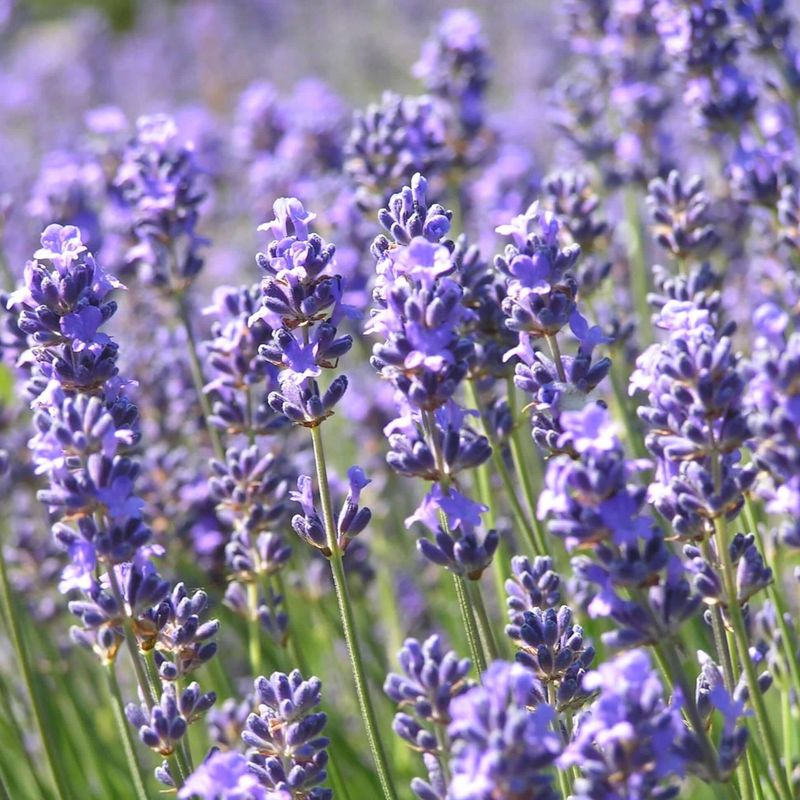
Brush past lavender on a hot afternoon and the whole patio smells like a spa. That sunny spot where petunias gave up might be exactly what this herb has been waiting for.
Lavender wants full sun and sharp drainage. Heavy clay or constant watering is what usually kills it, not the heat.
Plant it in a raised bed or mix in gravel if your soil holds water. Deer tend to leave it alone, and bees adore it.
Trim lightly after flowering to keep plants from getting woody.
11. Sedum (Stonecrop)
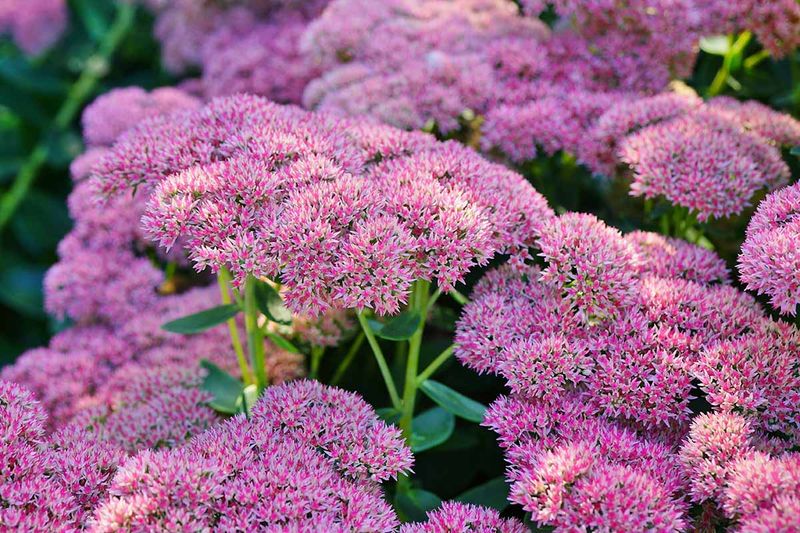
Picture a plant that basically carries its own water bottle. Sedum stores moisture in thick, juicy leaves, so a missed watering or two is no big deal.
Low creeping types fill gaps between stones, while upright ones like ‘Autumn Joy’ grow broad pink flower heads that deepen to rusty red by fall. That gives you interest long after summer fades.
Plant in well-drained soil and leave the fertilizer in the shed. Overfed sedums tend to split open in the middle.
12. Angelonia
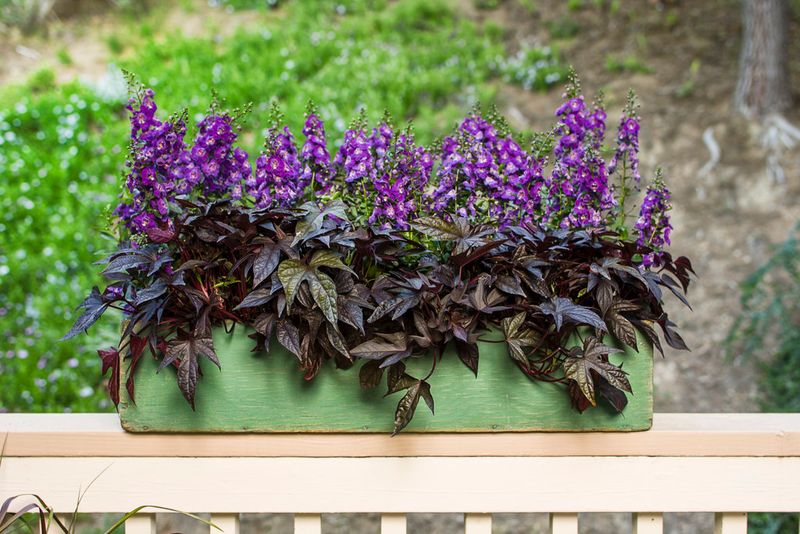
Regular snapdragons quit when summer heats up. Angelonia, often called summer snapdragon, does the opposite and keeps going straight through July and August.
Its upright spikes add height to containers and beds, which is something petunias never really offered. Colors range from purple to pink to crisp white, and some even have a light grape scent.
No deadheading needed. Just water during long dry spells and enjoy steady color all season.
13. Pentas
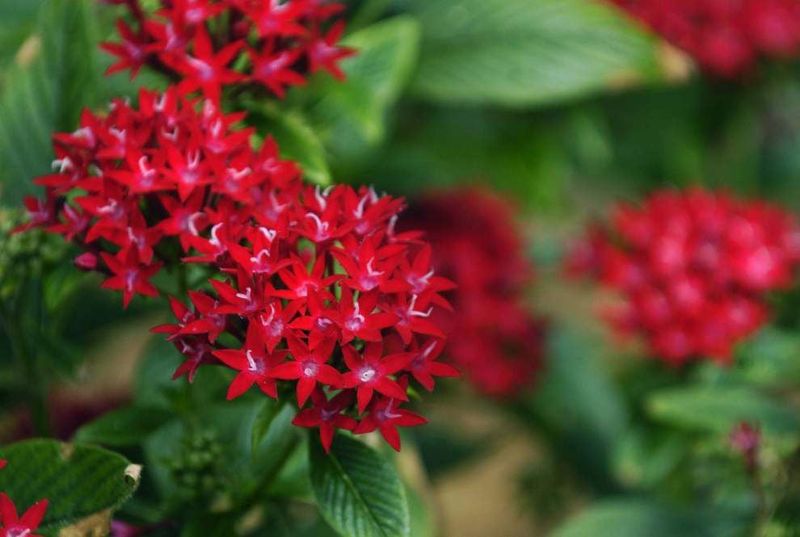
Look closely and every bloom is a tiny five-pointed star. Pentas pack dozens of them into round clusters that butterflies treat like a buffet.
Originally from tropical Africa, pentas feel right at home in sticky, sweltering weather. They keep blooming through the kind of heat that leaves petunias limp.
Give them regular water and a light feeding now and then. Snip off spent clusters to keep fresh flowers coming, and you may get color until the first frost.
14. Black-eyed Susan (Rudbeckia)
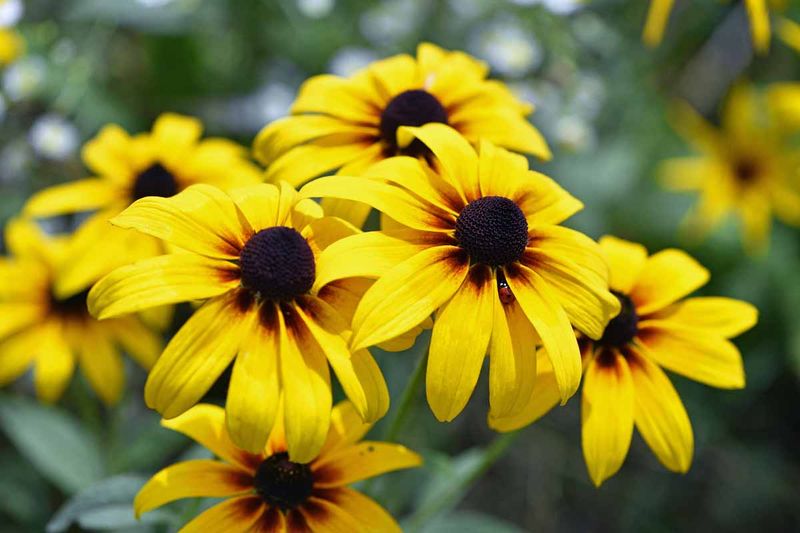
Golden petals, dark centers, and a cheerful attitude even in August. Black-eyed Susans light up a hot corner just when many other plants look worn out.
They bloom from midsummer into fall and handle drought well once established. Butterflies visit often, and birds pick at the seed heads later on.
Spacing matters. Crowded plants can develop leaf spot, so give them room for air to move.
Cut back to the ground in late fall or leave stems for winter birds.
15. Bidens
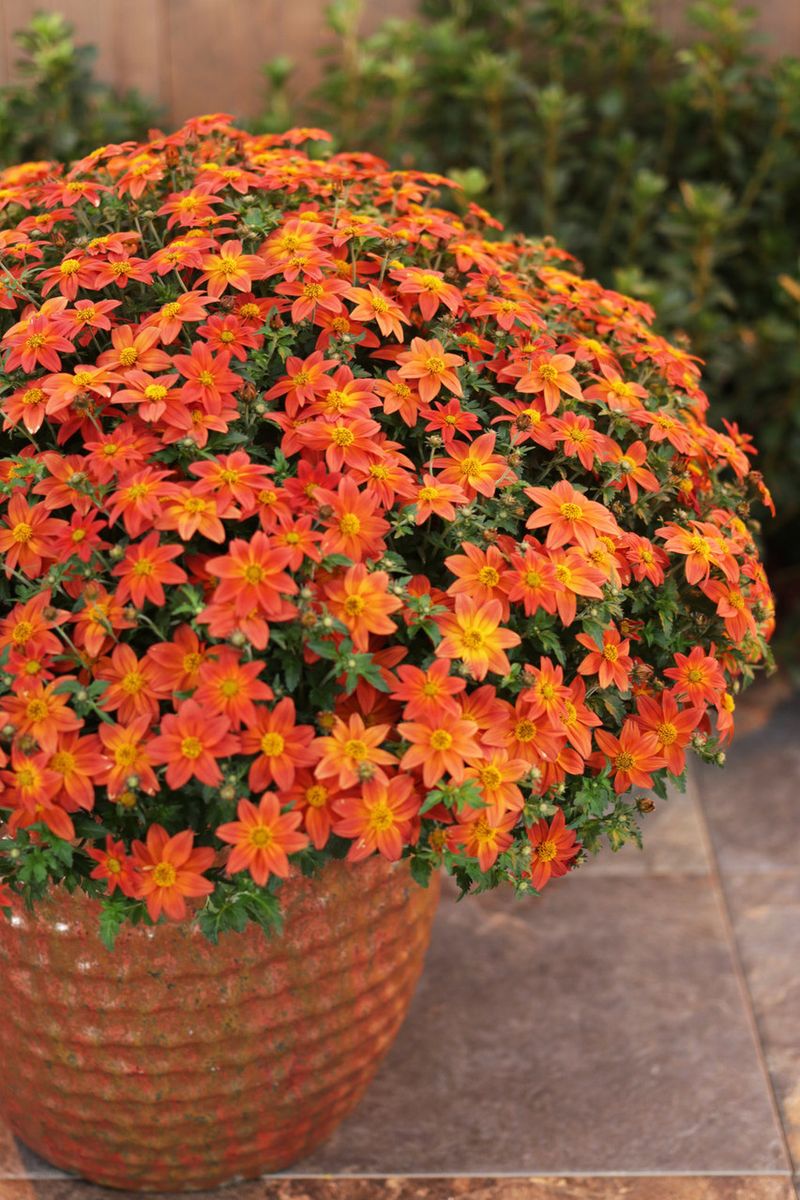
Window boxes on a south-facing wall can turn into little ovens by midsummer. Bidens laughs at that kind of heat.
Varieties like CAMPFIRE Flame show off deep orange flowers from spring into fall. It handles drier soil and fills pots fast with a loose, trailing shape that spills over edges, much like petunias used to before they fried.
Pair it with calibrachoa or angelonia for a container that stays bright all summer. Water when the top of the soil feels dry, and that is about it.