
Your Clematis Vine Isn’t Dead Just Because It Looks Like Bare Sticks All Winter
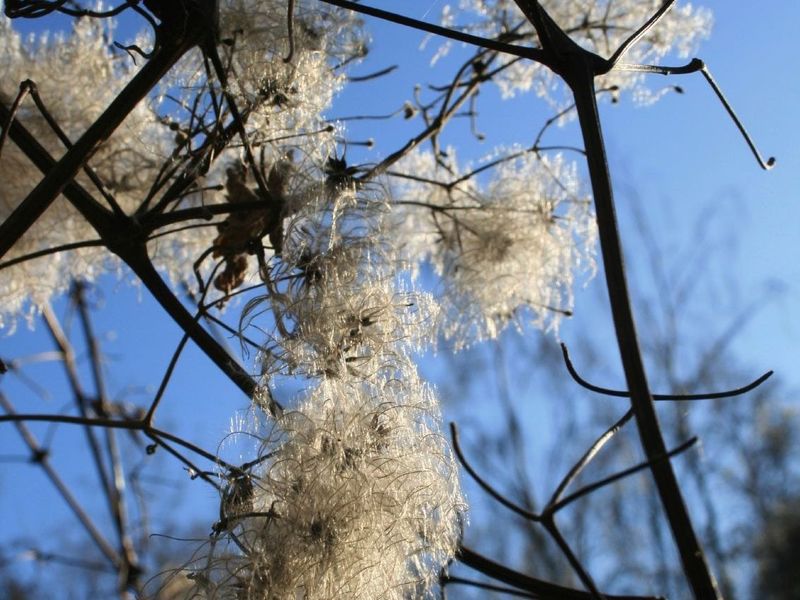
You walk past your clematis in January and see nothing but dry, brown sticks tangled on the trellis. It is easy to panic and wonder if you lost the vine.
Before you grab the pruners, there is a simple, gentle check that can tell you more. Here is how to look at those bare stems without hurting your plant.
Bare winter stems often mean dormancy
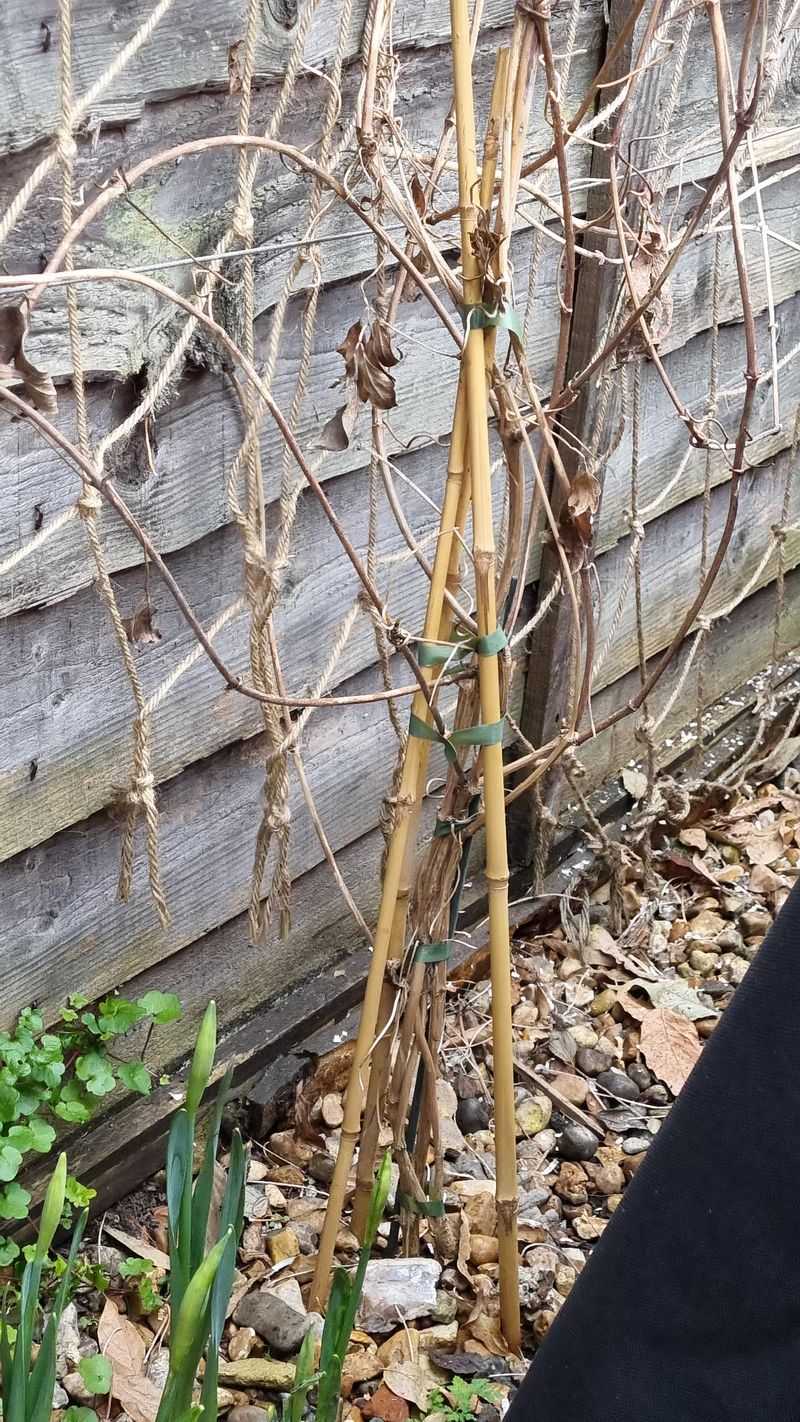
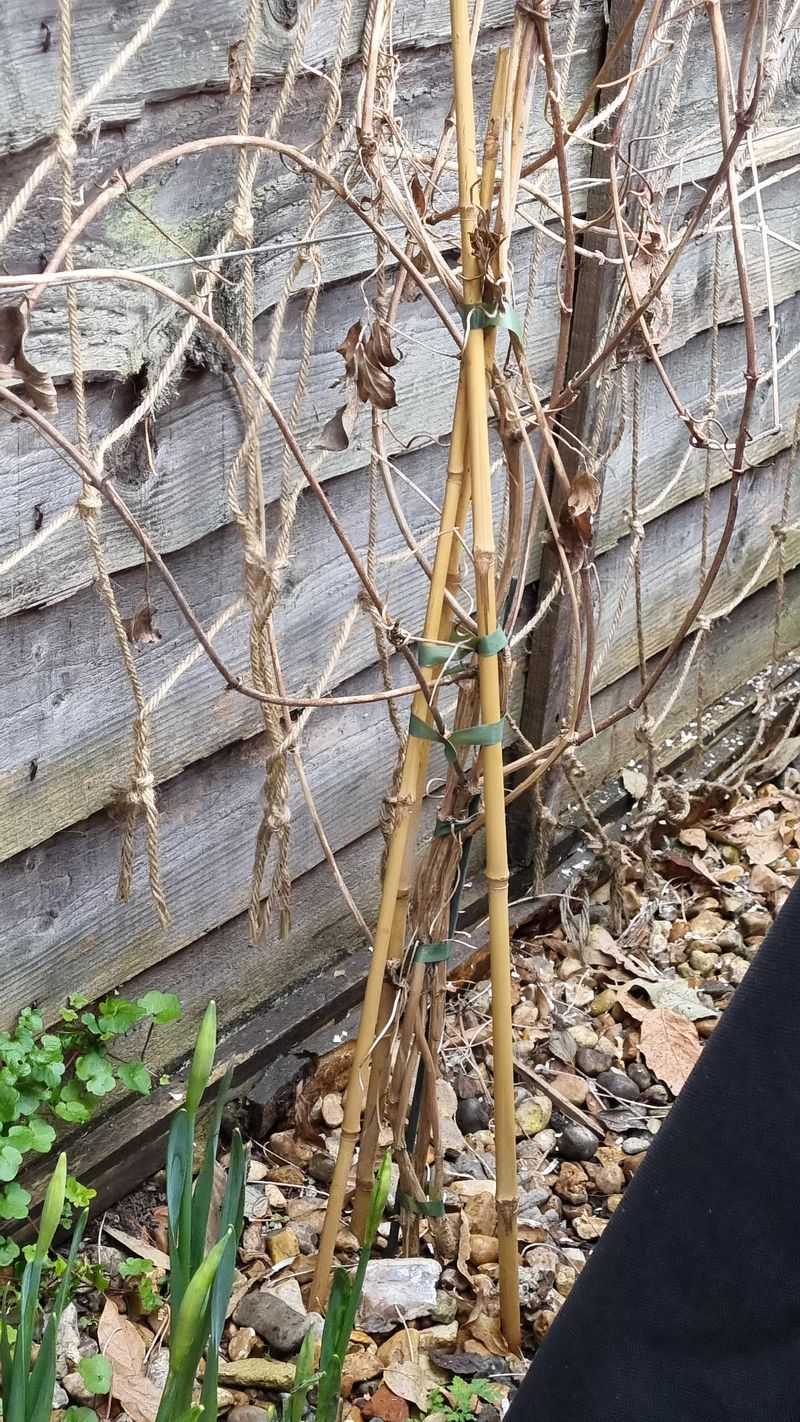
Staring at a tangle of leafless stems can make any gardener’s stomach drop. The good news is that a bare vine is often just resting.
Most clematis are woody, deciduous vines, and Clemson Extension notes that dormant vines can look lifeless even when they are fine.
Think of it like a tree in January. The leaves drop, the plant slows down, and the energy stays tucked away in stems and roots until warmer days return.
Brown, dry-looking outer stems are part of that quiet look for many clematis.
Still, not every clematis follows that script. Some types are evergreen, such as Clematis armandii, and a few are herbaceous perennials that die back to the ground each year.
Evergreen types can also be sensitive to cold in some regions, so a vine with scorched or missing leaves needs a different kind of attention than a deciduous one. Oregon State Extension also points out that clematis come in many kinds, so winter looks vary with the plant and the climate.
That means the real question is what kind of clematis you have and where it grows. A missing set of leaves tells you very little by itself.
Appearance alone cannot settle whether the vine is alive or gone, so the next step is a closer, careful look at one stem.
A small scratch can check one stem section
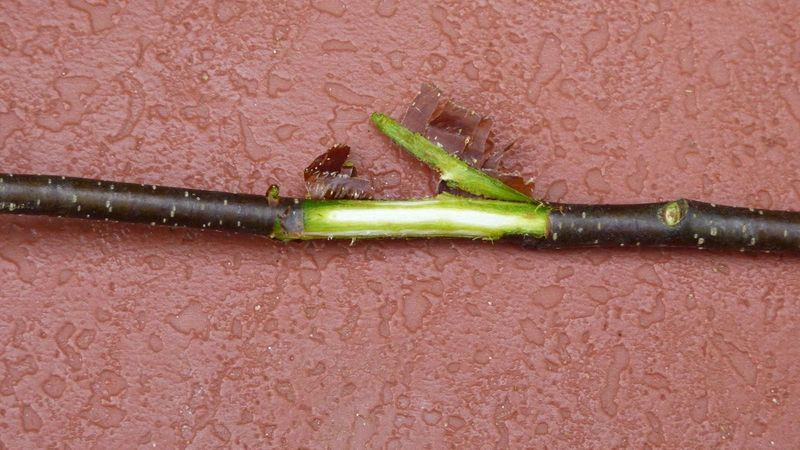
Here is a quick way to peek under the surface. Pick a woody stem and choose one small spot, ideally a few inches from the tip.
With a thumbnail or the edge of a clean knife, scratch away just a tiny bit of the outer bark.
Go slowly, because clematis stems are fragile and break easily. You only need a patch about the size of a grain of rice.
Skip any thin, papery, or already snapped stems.
Now look at the color. According to Iowa State University Extension, green tissue beneath the bark means that section of the stem is alive.
That is a hopeful sign, and a fair reason to leave the stem in place.
Keep the result in perspective, though. This method is general guidance for woody plants, not a test made just for clematis.
Green at one spot tells you about that spot only. It does not diagnose the whole vine, the crown at soil level, or the roots.
If you want a fuller picture, you can test a second stem in a different area of the plant. Each scratch should stay small and gentle, so you are not creating more damage than you are checking for.
What if the scratch reveals brown tissue?
Seeing brown under the bark can feel like bad news, and it is a useful clue. Dry brown tissue suggests that the stem section you tested may have died.
That is called dieback, and it does not automatically mean the entire vine is gone.
Dieback often starts at the tip of a stem. So move down a few inches on that same stem and make another small, gentle scratch.
Iowa State University Extension advises checking lower before judging the whole section, because the upper part can be dead while tissue lower down is still alive.
If you keep finding green as you work toward the base, you have located where the living part begins. If it stays brown farther down, that stem may be finished, but other stems on the plant could tell a different story.
Check a few before drawing conclusions.
Compare this with a green result. Green only speaks for the exact spot you scratched.
It cannot promise that the crown or roots are healthy or that the vine will leaf out in spring.
Either way, hold off on big cuts for now. Your scratches are clues, and clues work best when you gather several of them.
Know the pruning group before cutting stems
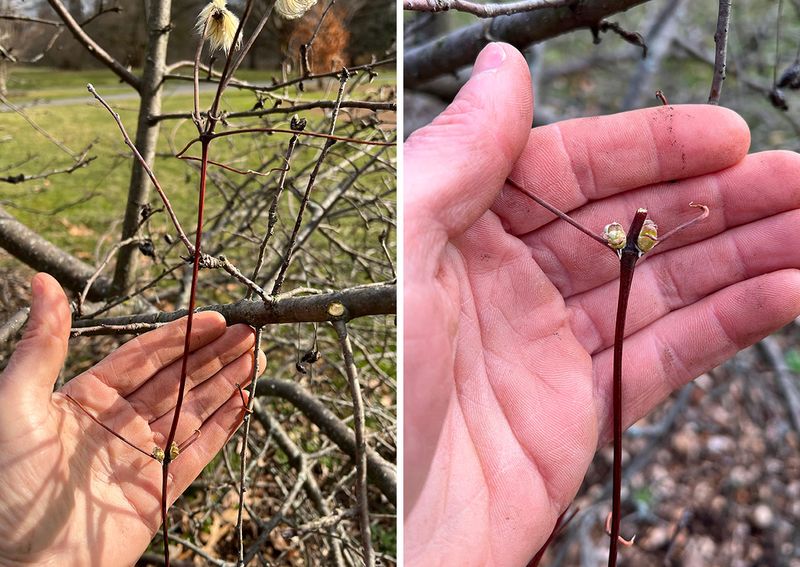
Cutting a lifeless-looking clematis to the ground is a tempting fix, but it can backfire. Clematis are pruned according to when they bloom.
Some flower on last year’s stems, so a hard cut can remove the very wood that carries this year’s flowers.
Other clematis bloom on new growth and handle heavier trimming. Clemson Extension explains that pruning depends on the flowering habit and pruning group, which is why a blanket cut-it-back rule does not work.
If you are not sure which group yours belongs to, start with clues. Look for the original plant tag, your purchase receipt, or the cultivar name.
If those are gone, watch when it blooms. Guidance from Ask Extension on trimming clematis suggests using bloom timing or identifying the variety before pruning.
Until you know, keep cuts minimal. Remove only stems that are clearly broken or confirmed dead.
Also remember how delicate the stems are. Another Ask Extension answer notes that pruning can injure clematis, so slow, careful hands are your best tool.
Winter leaflessness is not the same as clematis wilt
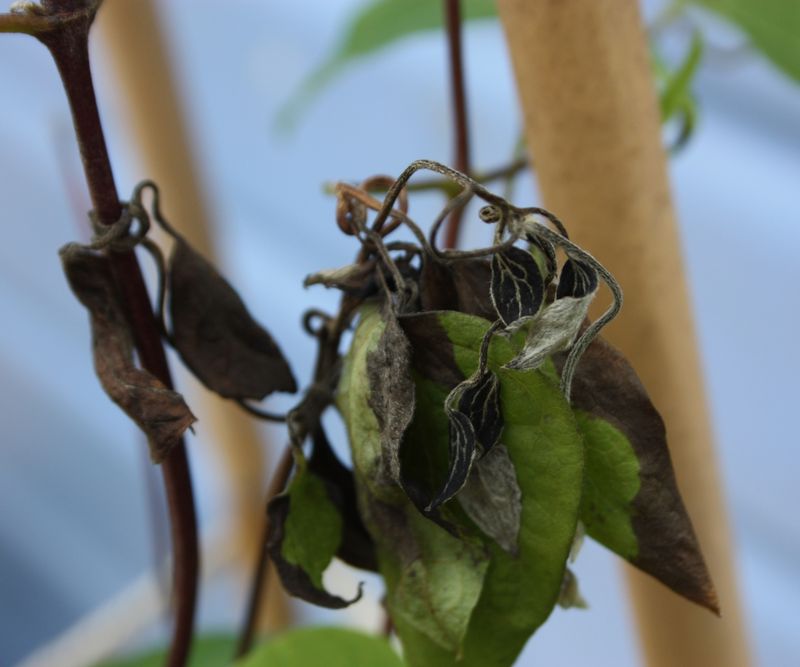
Clematis wilt is a different story from a quiet winter. Clemson Extension describes wilt as a sudden collapse, followed within days by blackening and death of the stems and leaves.
Look at the pattern, not just the bare look. Winter leaflessness is a seasonal change that happens as the plant slows down.
Wilt is abrupt and fast, with a vine that was growing leaves one week and falling apart the next.
A few clues can help you sort out what you are seeing. Did the leaves drop gradually with the season, or did the stems suddenly flop and turn black within days?
A bare vine in the middle of winter with no sudden collapse fits the first picture better.
Still, a photo or a quick glance is not enough to diagnose any plant for certain. If you are worried, note the timing and the changes you have seen, and reach out to your local extension office.
Keep the vine intact while you assess it
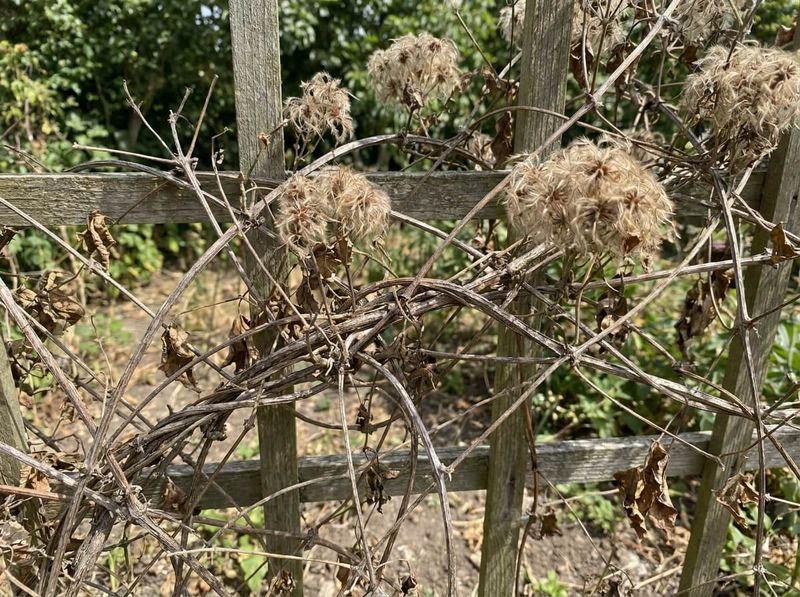
A bare clematis is not a dead clematis on looks alone. If you want to check a woody stem, make just one small scratch, and read the result only for that spot, as Iowa State University Extension describes.
Skip the big cuts until you know your plant’s type and pruning group, which Clemson Extension ties to how it flowers.
No single calendar date works for every vine, so let the plant and your local weather set the pace. Sometimes the kindest thing you can do for a quiet clematis is simply wait.