
Clematis Leaves Are Turning Brown Right Now, And Cutting The Whole Vine Down Before You Know Its Type May Be The Wrong Move: Here’s What To Do Instead
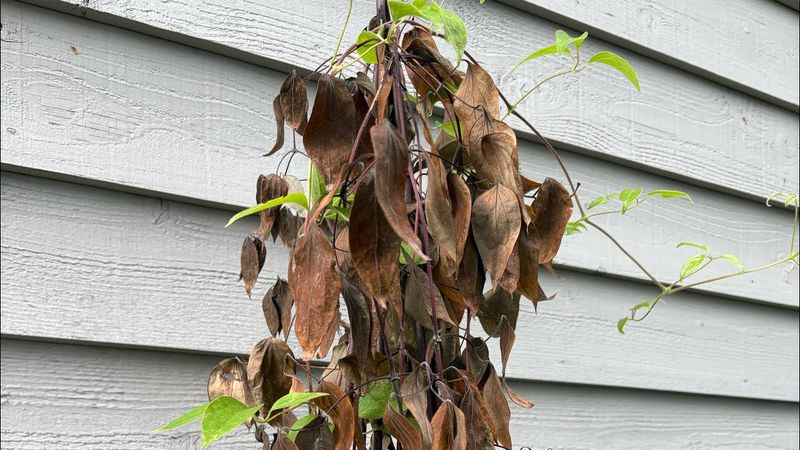
Your clematis was green and lush a few weeks ago, and now the leaves are turning brown. It is easy to panic and grab the pruners.
But a quick cut-down before you know which type of clematis you have can sometimes remove next year’s flowers. Here is how to tell normal fall change from real trouble, and what to do for your plant.
Gradual fall leaf loss is common, but not universal
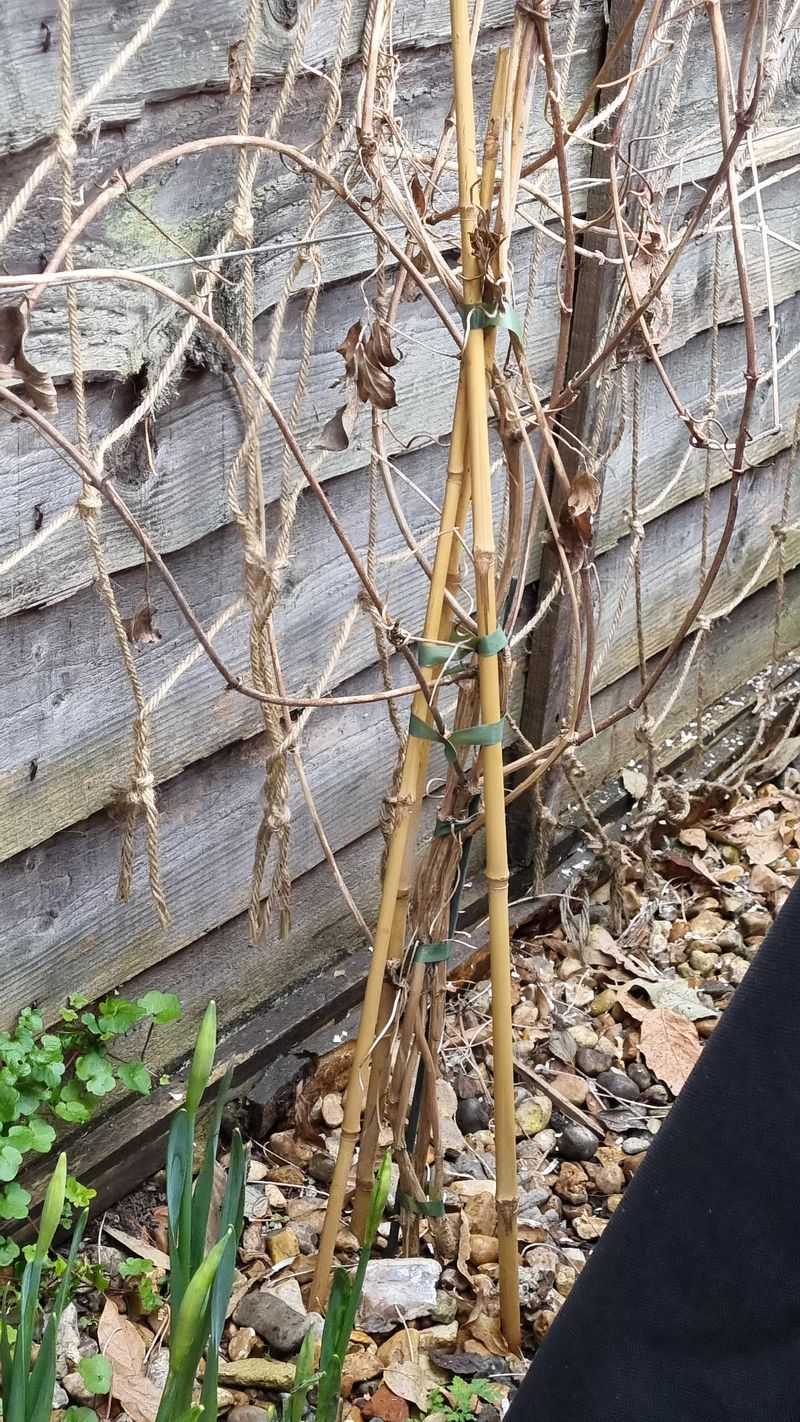
Most clematis are deciduous, which means they shed their leaves as the season winds down. If your vine is slowly browning and dropping leaves over a few weeks in autumn, that fits the usual seasonal pattern.
Arkansas extension guidance describes clematis as mostly deciduous, so a tired-looking vine in late fall is often just settling in for winter.
Still, brown leaves alone do not prove your plant is dormant. Some clematis are evergreen, and Armand clematis (Clematis armandii) is a well-known example.
Clemson’s plant fact sheet also notes that some types are herbaceous perennials that die back to the ground each year.
That is why the identity of your plant matters. An evergreen type that browns heavily may be dealing with cold damage, drought, or another stress.
A herbaceous type that collapses to the soil is simply doing what it always does.
The pattern of change is your best clue. Slow browning that spreads over weeks, often starting with older leaves, usually points to routine leaf loss.
Sudden or dramatic changes deserve a closer look, which we will get to next.
For now, take a breath and check the label or your planting notes. Knowing what you grow turns a scary-looking vine into a much easier puzzle.
A sudden collapse calls for a closer look
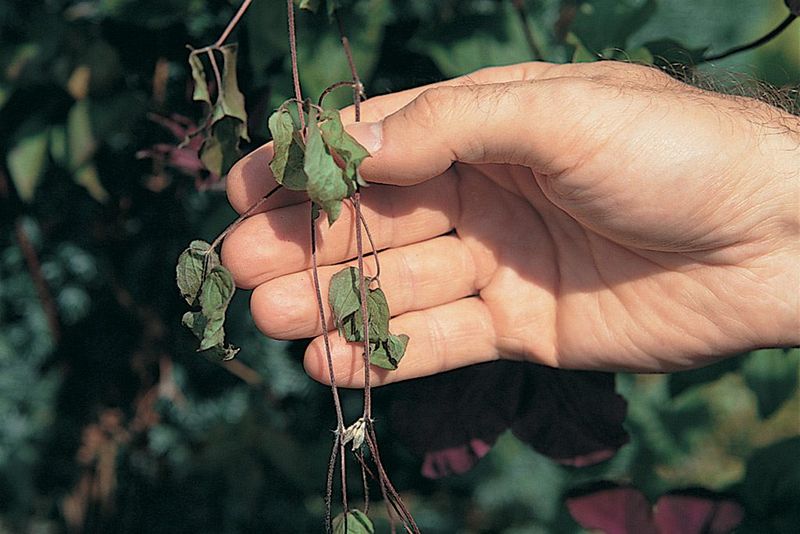
Gradual fall browning looks very different from a vine that wilts fast. Watch for leaves that shrivel quickly, leaf stalks that turn black, or stems that darken and collapse.
The Royal Horticultural Society links clematis wilt with rapid wilting, shriveled leaves, blackened leaf stalks, and black discoloration inside affected stems.
Brown leaves by themselves do not tell you it is wilt. The same source notes that similar symptoms can come from physical stem damage, pests, root disease, or stressful growing conditions.
A snapped stem from a windy day or a soggy root zone can look surprisingly alike.
If you think wilt is the cause, act on the affected vines. Iowa State Extension recommends cutting affected vines back to ground level, then removing and destroying them rather than composting them.
There are limits to this fix. New shoots often emerge afterward, but flowers may be lost for that season.
The guidance also does not call for digging up the whole plant as a first step, since the disease rarely kills the entire clematis.
So the rule of thumb is simple. Slow and steady browning means watch and wait.
Sudden collapse with black stems means act on the damaged vines.
Flowering time tells you what a fall cut could cost
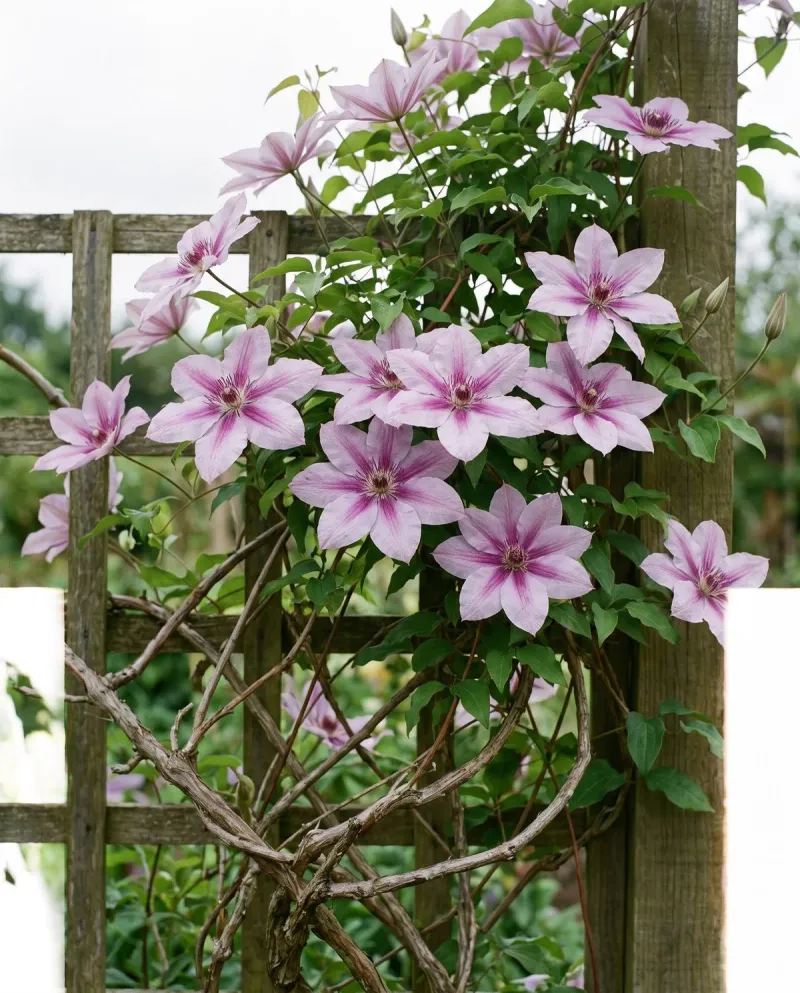
If you cannot remember what clematis you planted, start with the label or the cultivar name. A quick web search of that name usually tells you its pruning group.
No tag? Think back to when the vine usually blooms, because flowering time is a handy clue.
According to Iowa State Extension, spring bloomers flower on last season’s growth. Repeat bloomers use both old and new growth, while summer and fall bloomers flower on the current season’s growth.
Here is why that matters in autumn. A vine that blooms in spring may already be carrying the stems that will flower next year.
Cutting it all down could mean few or no flowers when spring arrives.
A summer or fall bloomer is more forgiving, since its flowers come from brand new growth. Even so, there is no rush to cut in fall, because those plants are usually pruned later in the year.
None of this means pruning is always harmful. It simply means a routine whole-vine cut makes sense only once you know the group.
Waiting a few weeks to sort that out keeps your options open and protects your blooms.
Spring bloomers need their older stems protected
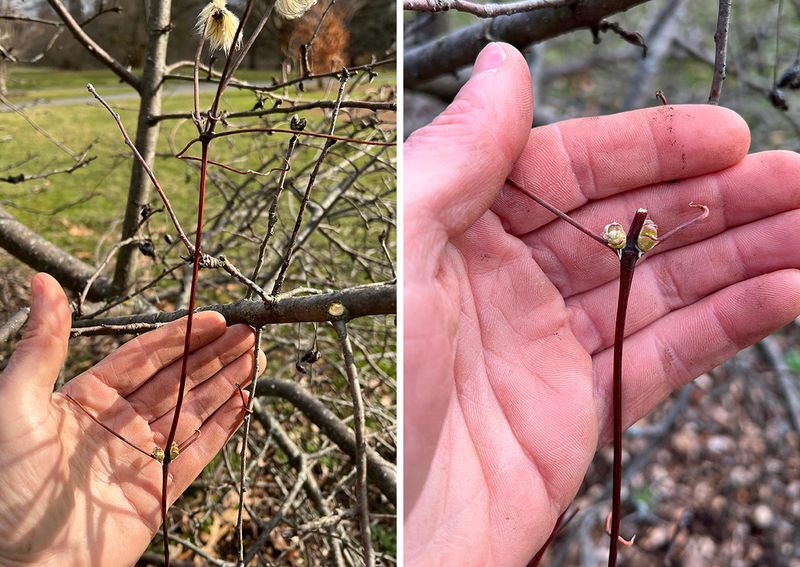
Spring-flowering clematis set their buds on the previous season’s growth. That means the brown-looking stems you see in fall may be next year’s flower factory.
A fall cut can remove them before they ever get a chance to bloom.
The better plan is gentle. Iowa State Extension recommends removing dead wood at bud break, when you can see which stems are truly alive.
If the plant needs more shaping, prune lightly after flowering.
Telling dead from dormant is easier in spring. Live stems will swell buds and show green at the nodes, while dead ones stay dry and brittle.
Wait until you see that growth, then snip only what is clearly lifeless.
Repeat bloomers deserve similar care. They flower on both old and new growth, so they give you two rounds of color.
Hard pruning can reduce or even eliminate the spring flush.
For these plants, preserve the older growth and clean out dead wood in early spring. You may enjoy that first wave of flowers plus a second one later in the season.
A little patience now pays off in blooms.
Summer and fall bloomers can be cut back later
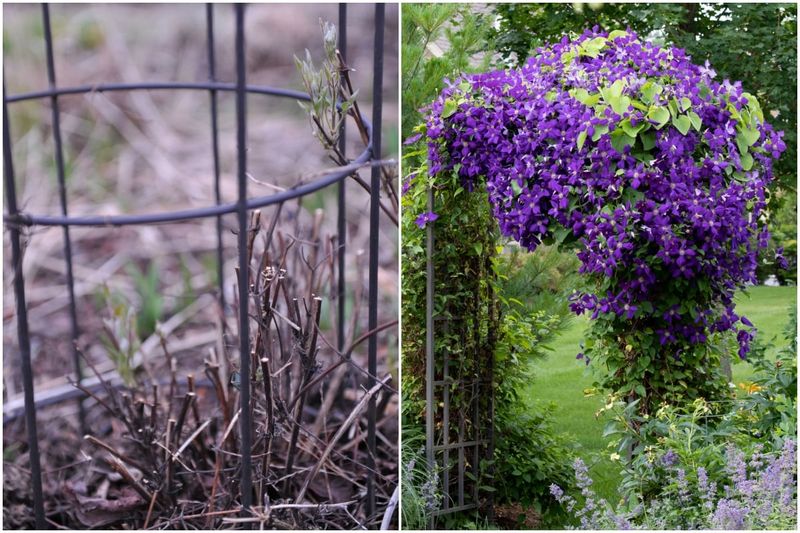
Clematis that bloom in summer or fall flower on new growth made this season. That makes them the ones that welcome a hard haircut.
Iowa State Extension says these types can be cut back to about 6 to 12 inches in late winter or early spring.
Think of that as a pruning window rather than a firm date. Your climate sets the schedule, so watch for swelling buds and the first spring growth where you live.
A cold region and a mild one will not be ready on the same week.
This also shows why the answer is not never prune. The RHS pruning guide describes Group 3 clematis as routinely cut back hard, just in late winter or early spring.
Herbaceous clematis follow their own habit. Since they die back to the ground, some can be cut near ground level in late fall or early spring.
Tidying them in autumn is fine if you know that is what you have.
The takeaway is timing. Hard cuts work well for the right plant at the right moment, and that moment is usually after the worst of winter.
For routine care, preserve the vine and reassess in spring
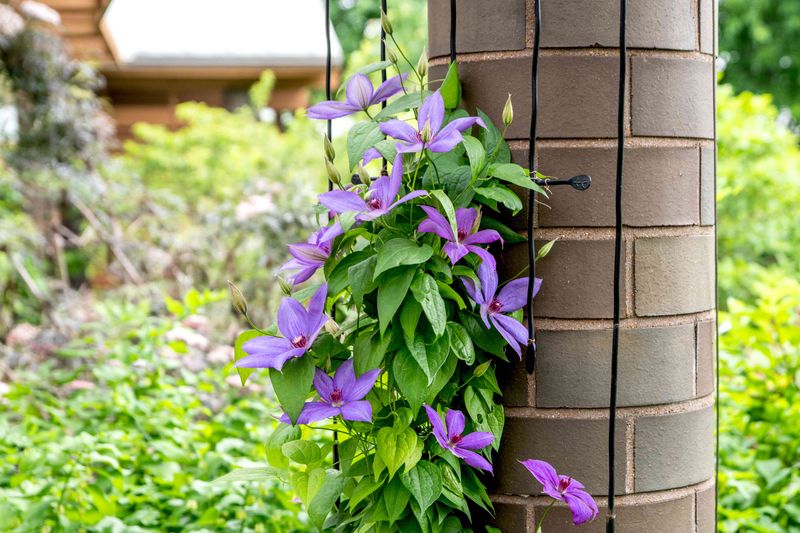
Here is a simple plan. Figure out which clematis you have if you can, and leave the vine standing while its group is unknown.
When spring growth starts, you can clear out dead wood with confidence. University of Illinois Extension advises waiting until growth resumes for this nonurgent cleanup.
Basic care helps in the meantime. Water during dry stretches and keep the soil well drained, since soggy roots and drought can both stress the plant.
Healthy roots make the spring comeback stronger.
Keep the other scenario in mind too. A sudden collapse with blackened stems calls for the quick response described earlier, and it does not belong on the wait-and-see list.
Match each cut to the plant’s type, its symptoms, and your local spring growth.
Sometimes the best pruning job is the one you postpone.