
Squirrels Digging Up Your Freshly Planted Bulbs? 13 Easy Tricks That Keep Them Out Until Spring
You spent a whole afternoon tucking tulip bulbs into the ground, and the next morning you find little holes and chewed papery skins everywhere. Squirrels can wipe out a fall planting in just a few days, which means no spring color for you.
The good news is that most fixes are cheap, simple, and quick to set up. Here are 13 easy tricks that can help your bulbs stay safely buried until they bloom.
1. Install Wire Mesh Barriers
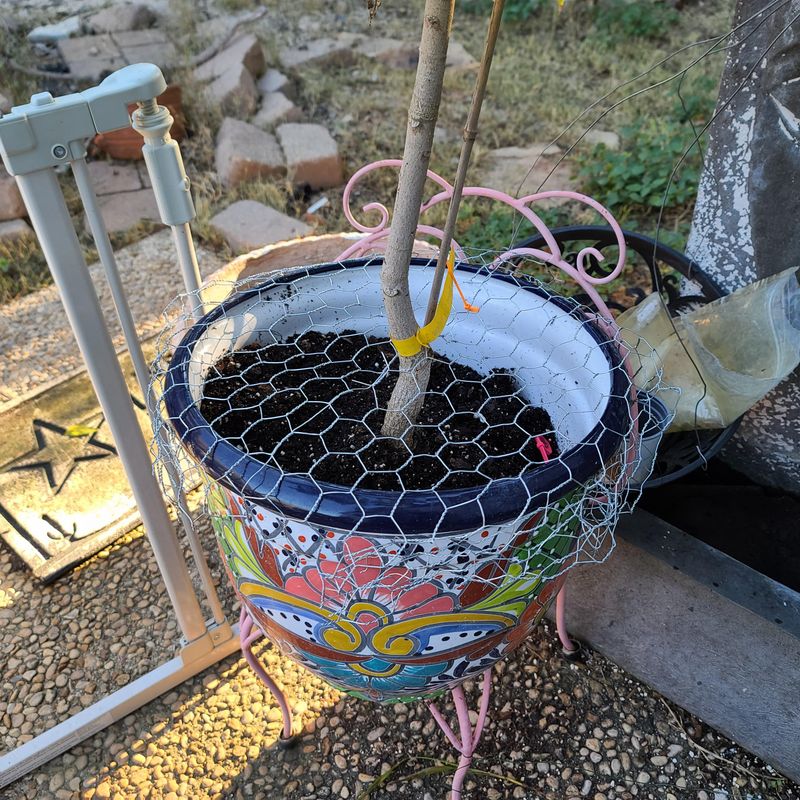
Picture a squirrel paw hitting metal instead of soft dirt. That one small surprise is often enough to send it looking elsewhere.
After planting, lay chicken wire or hardware cloth flat over the soil. Pin the edges with landscape staples, bricks, or rocks so nothing can slip underneath.
Openings around one inch wide let tulip and daffodil shoots poke through in spring. You can also cover the wire with a thin layer of mulch so it blends in.
Pull it up once shoots are a few inches tall if you prefer a cleaner look.
2. Create Individual Bulb Cages
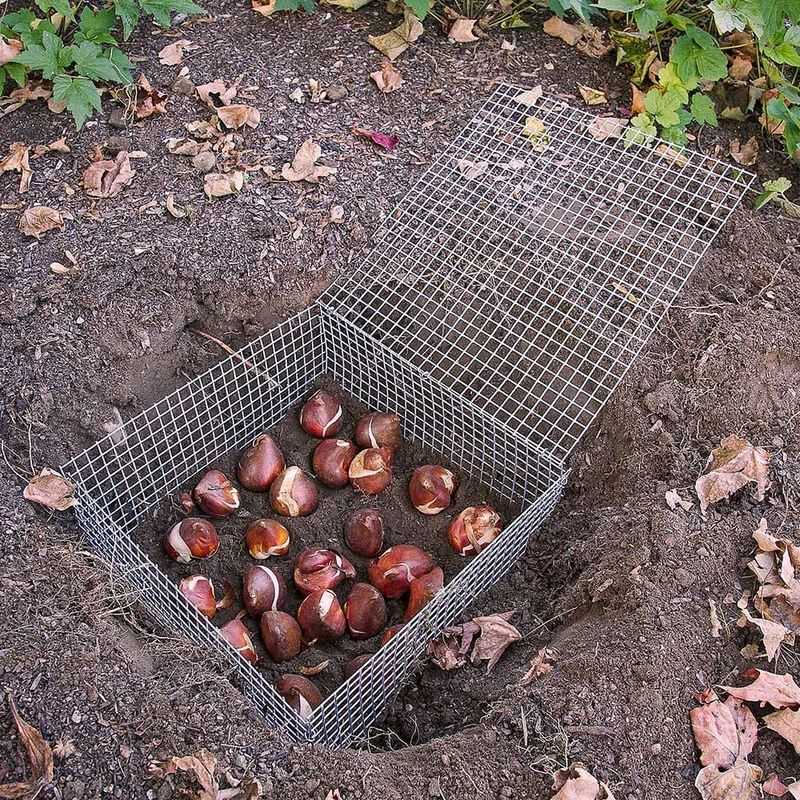
Got a handful of fancy tulips that cost more than lunch? Those deserve their own little armored home.
Bend a square of chicken wire into a bowl shape, set your bulbs inside, then fold a wire lid over the top. Bury the whole cage at normal planting depth.
Roots grow out the sides and stems slip up through the top, but digging teeth stay out. Garden centers also sell ready-made bulb cages if snipping wire is not your idea of fun.
It takes a bit more effort, so save it for the bulbs you would truly hate to lose.
3. Plant Squirrel-Resistant Bulbs
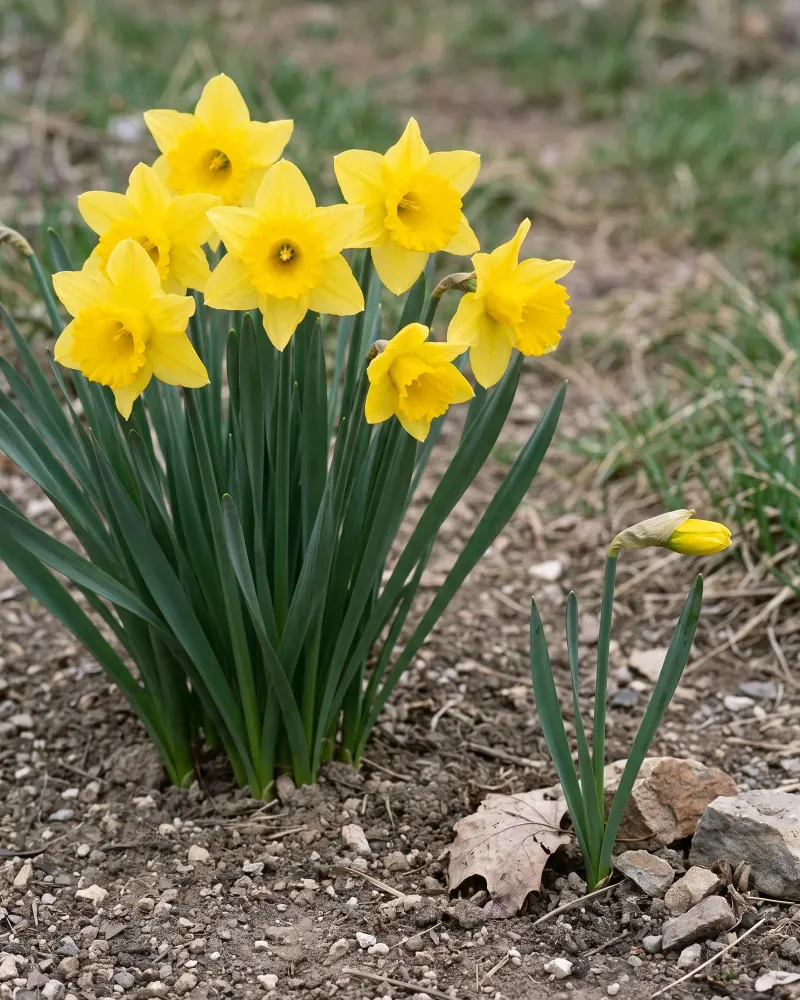
Daffodils have a secret weapon: they taste awful and are mildly toxic to critters. Squirrels learn fast and usually skip them entirely.
Other bulbs they tend to ignore include alliums, hyacinths, snowdrops, fritillaria, winter aconite, and grape hyacinths. Fill beds with these and you may never see a dug-up hole again.
Love tulips too much to give them up? Try mixing them among daffodils.
The bitter neighbors may help hide the tasty ones, though it is not a guarantee.
4. Clean Up Thoroughly After Planting
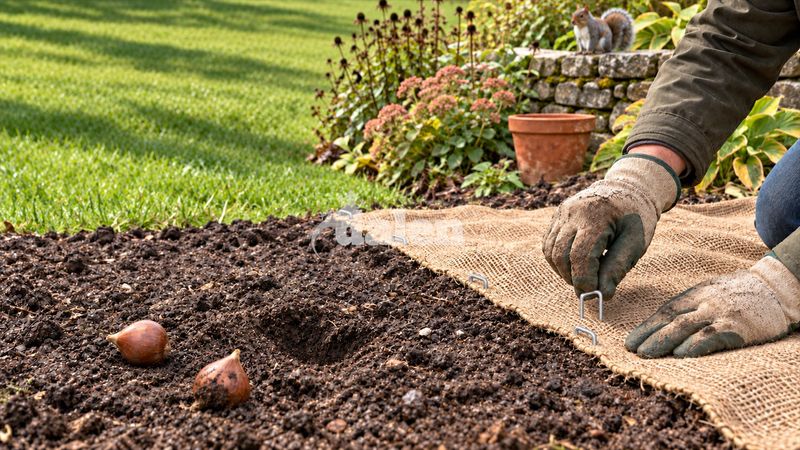
Squirrels are basically detectives with noses. Loose bulb skins and fluffy freshly turned soil act like a big sign saying snacks buried here.
Once bulbs are in, pick up every papery skin and broken bulb piece. Then firm the soil gently with your hands and smooth it out.
Top the bed with compost or mulch to hide the scent of disturbed earth. A quick watering also settles soil and helps mask the smell.
Five minutes of tidying can save a whole season of blooms.
5. Sprinkle Cayenne Pepper or Red Pepper Flakes
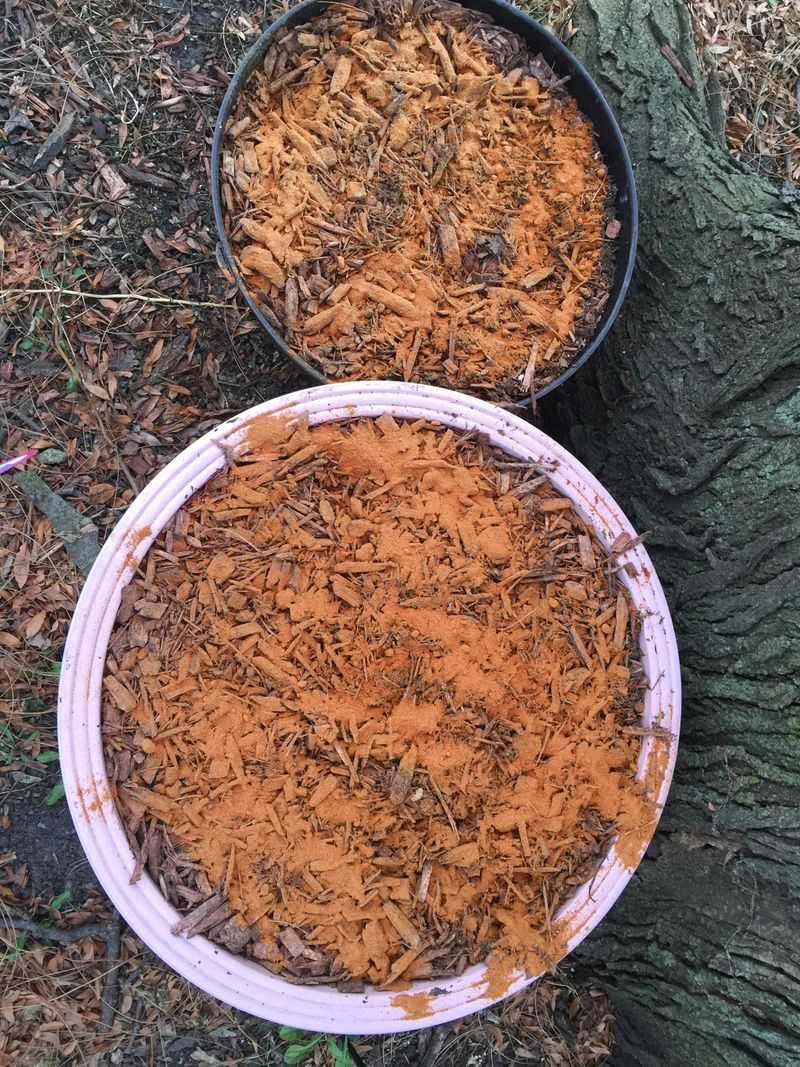
One sniff of hot pepper and a curious squirrel usually backs off fast. Capsaicin stings noses and paws but causes no lasting harm.
Shake a generous layer of cayenne or red pepper flakes over freshly planted spots. Focus on the areas where soil was disturbed most.
Rain and watering wash it away, so plan to reapply after storms. Buying a large container at a bulk or discount store keeps the cost low.
Wear gloves and avoid rubbing your eyes while you work.
6. Use Coffee Grounds
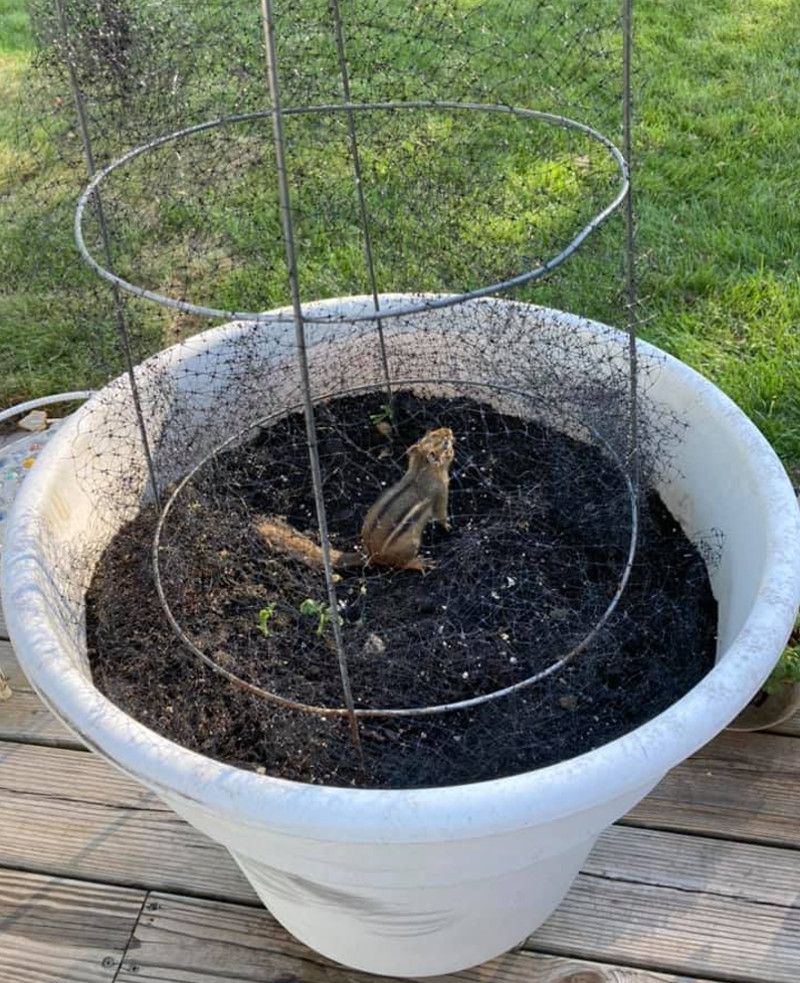
Your morning coffee habit could double as bulb protection. Used grounds have a strong, bitter smell many squirrels avoid.
Scatter a thick layer over the soil above your bulbs. As they break down, they add a little organic matter to the bed too.
Reapply about once a week or after heavy rain. Many coffee shops give away used grounds for free if you ask, which makes this one of the cheapest tricks on the list.
7. Apply Garlic Powder or Plant Garlic Cloves
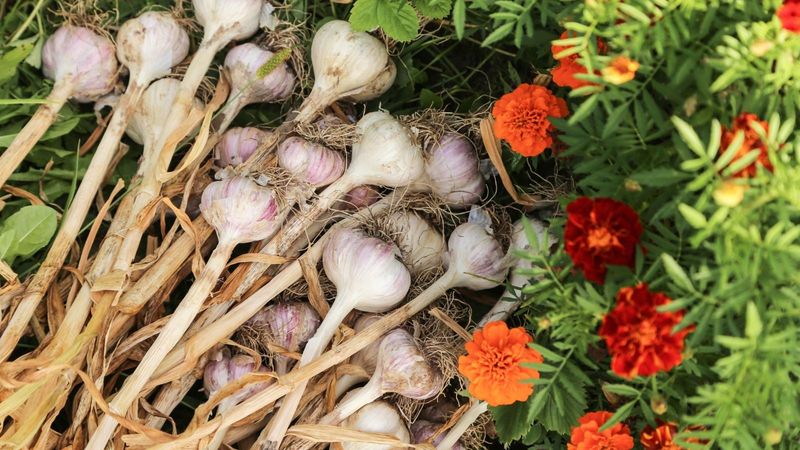
Vampires are not the only ones who dislike garlic. Squirrels tend to steer clear of its sharp, pungent smell.
Dust garlic powder across bulb beds and along the edges. It works quickly but needs refreshing after rain.
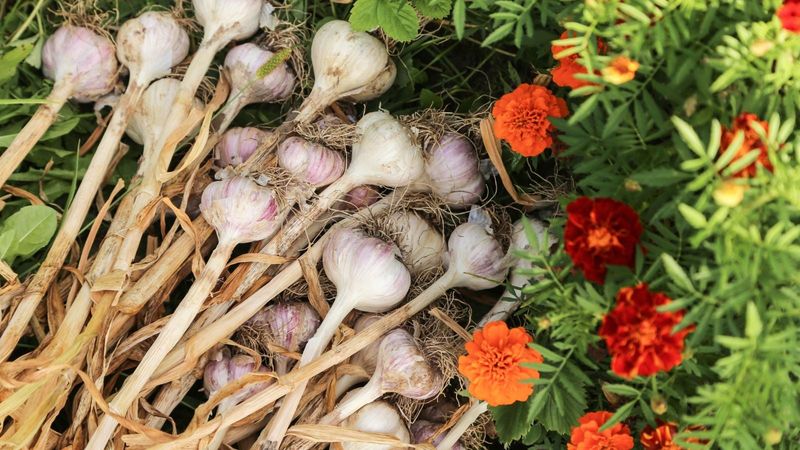
For something longer lasting, push garlic cloves into the soil around the border. They grow right alongside your bulbs over winter, and you get a bonus harvest next summer.
8. Mulch with Gravel or Crushed Oyster Shells
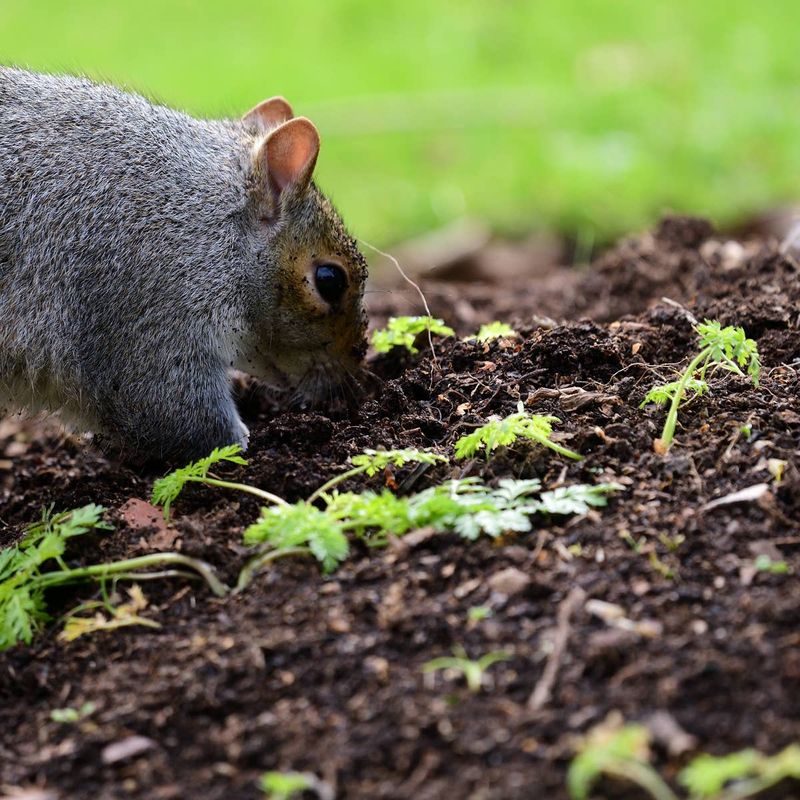
Nobody likes digging through a pile of sharp rocks, squirrels included. A rough topping makes your bed far less tempting than the lawn next door.
Spread an inch or so of pea gravel or crushed oyster shells over planted areas. The scratchy texture can discourage paws from getting started.
Oyster shells also add calcium as they slowly break down. Both look tidy, last for years, and need no reapplying after rain.
9. Plant Bulbs Deeper Than Recommended
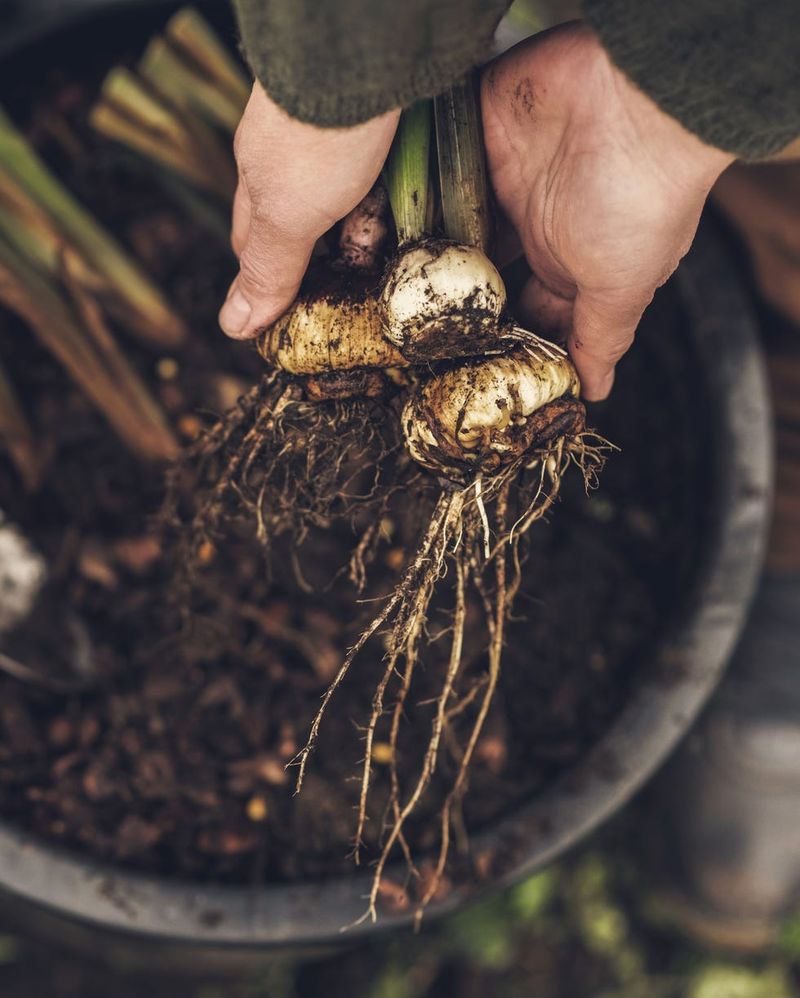
Squirrels are lazy diggers at heart. If a treat is not close to the surface, many give up and move on.
Try planting tulips and crocus one to two inches deeper than the package says. That extra depth puts them just past easy reach.
Do not overdo it, since going much deeper can delay or weaken blooms. A bulb planter or long-handled trowel makes the job quicker on your back.
10. Incorporate Thorny Branches or Cuttings
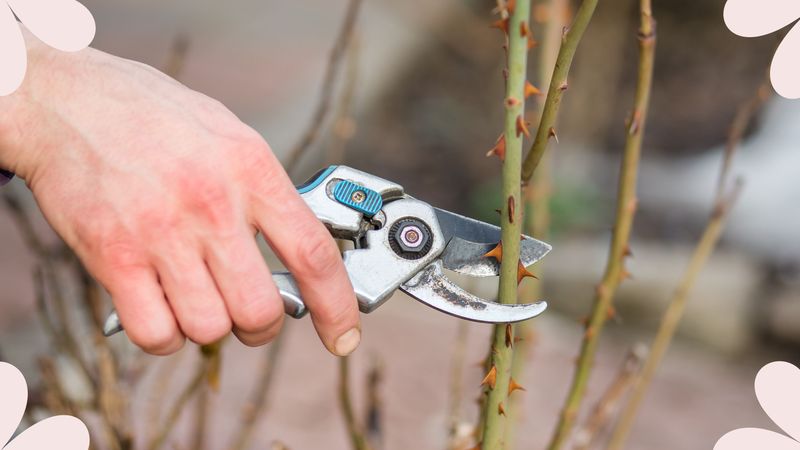
Grandma had a trick worth borrowing: she tossed her rose prunings right over the tulip bed every fall. Old-school, free, and surprisingly handy.
Lay thorny cuttings like holly, barberry, or rose canes across the planted area. You can even drop a few into the hole above the bulbs before covering them.
Prickly stems make digging uncomfortable, so squirrels look for softer ground. Remove the top branches in late winter before shoots appear.
11. Sprinkle Cinnamon
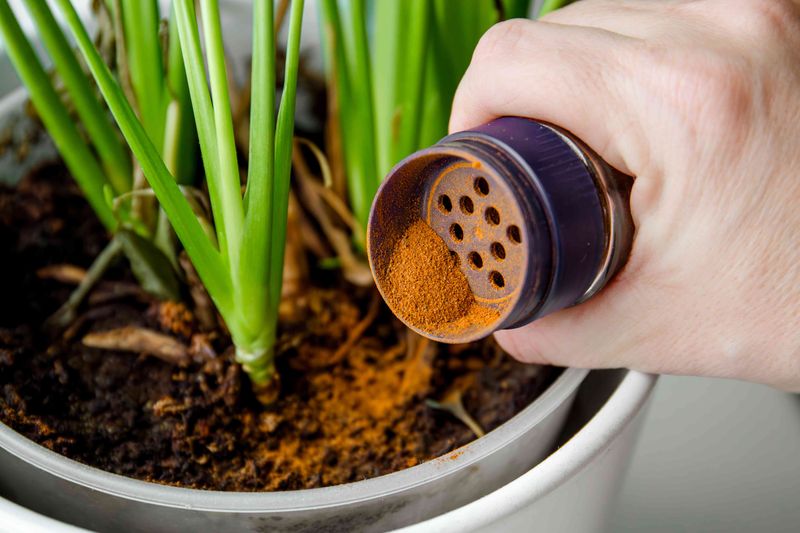
Containers on the porch get raided more than you might think. A dusting of cinnamon can help keep those pots squirrel-free.
After planting bulbs in pots, sprinkle ground cinnamon liberally across the soil. The spicy scent may help deter curious noses.
Because pots get watered often, reapply after each watering or rain. It smells lovely to you, which is a nice change from pepper or garlic.
12. Utilize Essential Oils
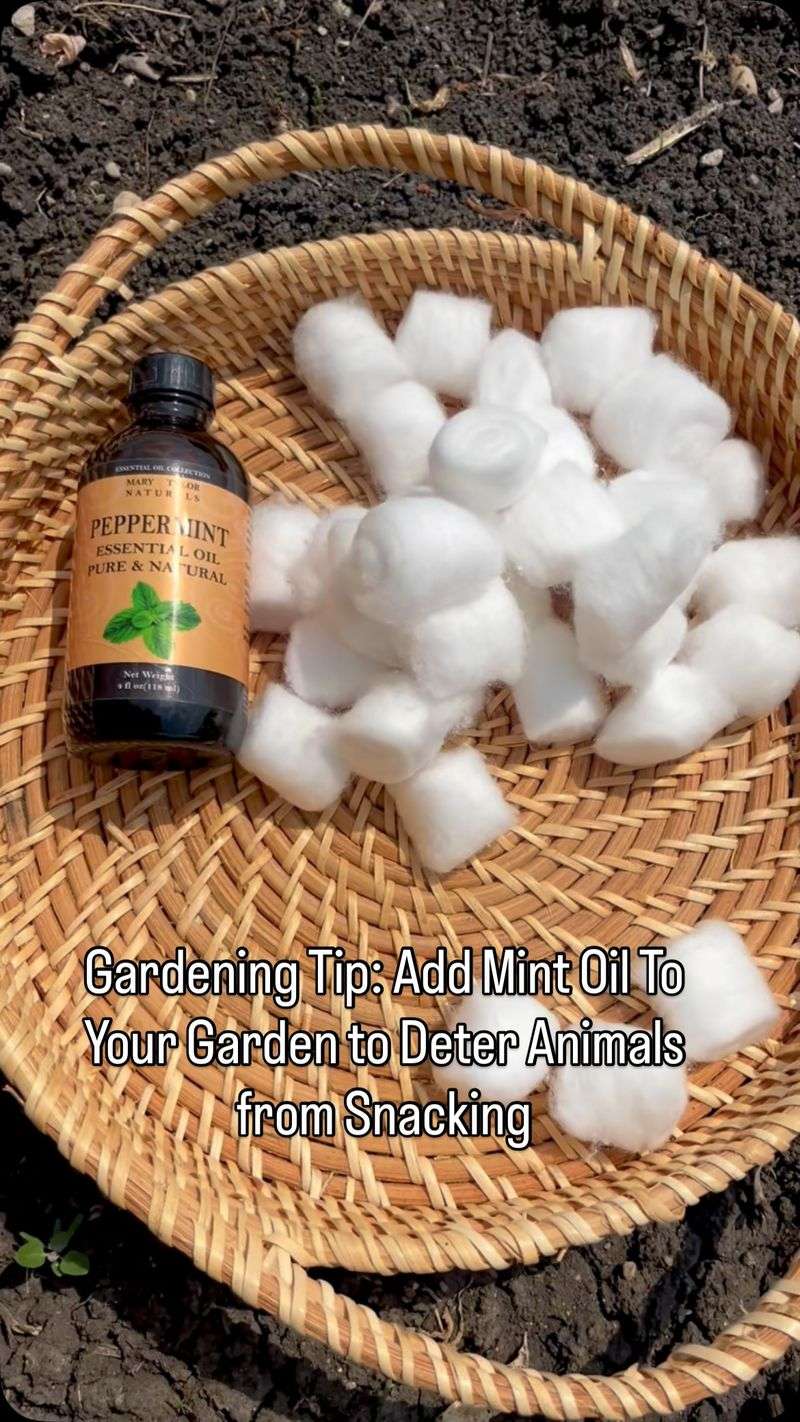
Peppermint smells fresh to us, but to a squirrel it can be overwhelming. Lemongrass and clove oil work in a similar way.
Soak cotton balls in oil and tuck them near your plantings. Or mix several drops with water and a splash of vinegar in a spray bottle and mist the bed edges.
Scents fade quickly outdoors, so refresh every few days. Keep cotton balls just under mulch so they do not blow away.
13. Set Up a Squirrel Feeding Station
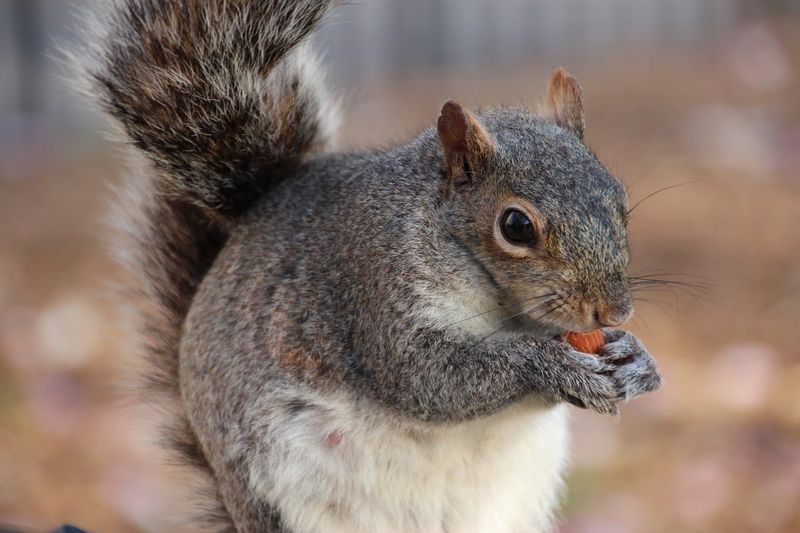
Sometimes the smartest move is a peace treaty. Give squirrels an easier meal and they may leave your bulbs alone.
Place a feeder with corn, peanuts, or sunflower seeds far from your flower beds. A busy squirrel with a full belly has less reason to dig.
Fair warning: feeding can draw more squirrels to the yard. Pair it with a barrier or two, and you may just enjoy watching their antics while your tulips sleep safely until spring.