
Why Winter Cleanup of Your Tomato Bed Can Lower Disease Risk, Even Though It Can’t Promise Healthy Plants
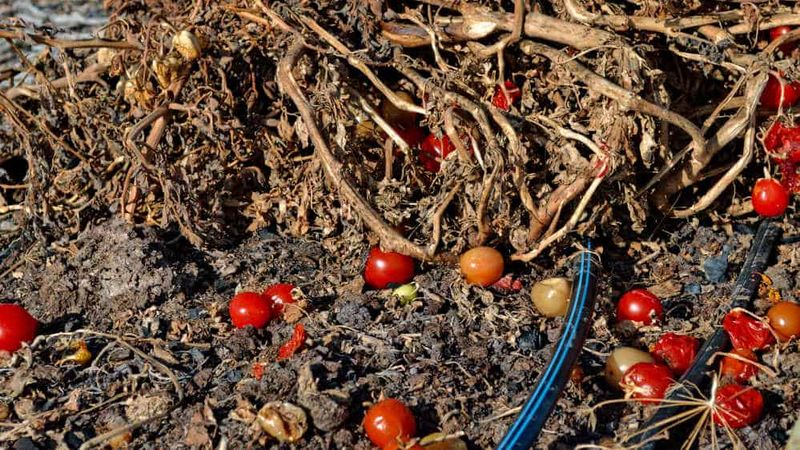
Spotted, yellowing leaves on your tomatoes are scary, and many gardeners blame themselves. The truth is that some of the trouble starts long before spring planting.
A little work in the old bed can lower the odds of a few common diseases, but it cannot promise a perfect crop. Here is what really helps and what is just garden myth.
What does “blight” mean in your tomato bed?
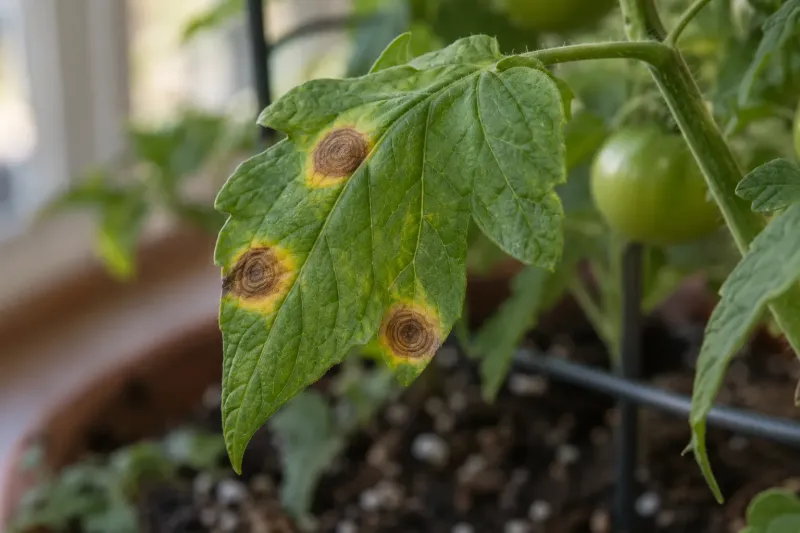
Tired vines with brown spots get called blight by almost everyone, but that single word covers more than one problem. Winter cleanup can cut down some disease carryover, yet it cannot decide what your plants face next summer.
The right move depends on which disease you had and how it survives.
Early blight and Septoria leaf spot are fungal leaf diseases. Early blight shows up as dark spots with target-like rings, often starting on lower leaves.
Septoria makes lots of small, round spots with tan or gray centers. Both can hang on in leftover plant debris, and Septoria can also linger on some weeds, as described in Penn State’s home garden tomato guide.
That is why raking out the old bed makes sense for these two.
Late blight is a different story. It spreads fast, makes large, greasy-looking gray-brown patches, and can wreck plants in days when weather is cool and wet.
Its winter survival works differently, and it can also blow in from other places, which you can read about in Penn State’s late blight guide.
Here is the catch. Tomato problems can look alike, and nutrient trouble, pests, or other diseases can fool you.
If you are unsure, Penn State’s scouting and identification page can help you compare symptoms, and your local extension office can confirm a diagnosis.
Remove diseased tomato debris before winter
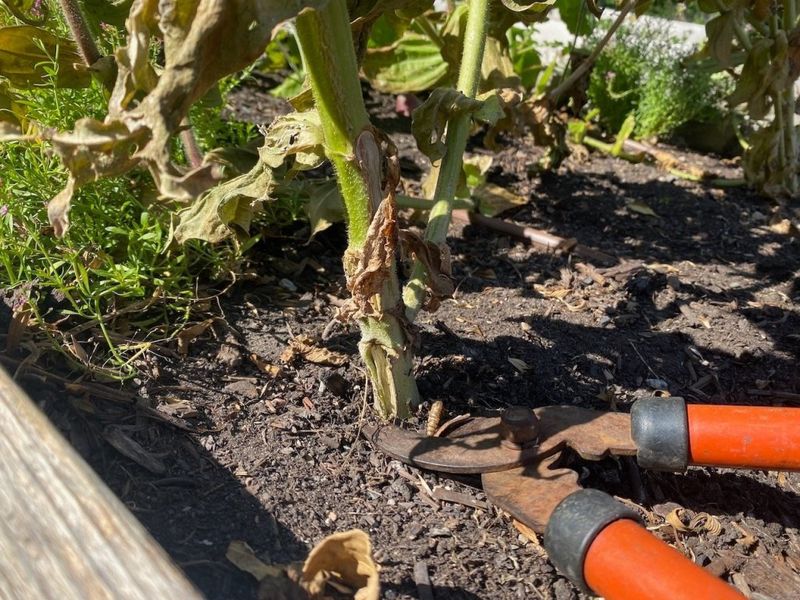
Once the harvest slows, pull the vines instead of letting them melt into the soil. Take out the leaves, stems, dropped fruit, and any other crop debris from the bed.
Those leftovers are where some trouble waits for spring.
Early blight and Septoria can survive in infected plant debris, so a bare bed gives them fewer places to hide. Penn State Extension points to infected residue as one source of these diseases.
Rutgers Cooperative Extension also recommends clearing tomato refuse to cut down carryover.
A few habits make the job easier. Work on a dry day so you are not flinging wet, spore-covered leaves around.
Gather fallen fruit and the small leaf bits near the base, since those are easy to miss. Bag everything as you go instead of dragging it across clean beds.
Clean tools matter too. Wipe pruners and stakes before you put them away so you do not carry trouble into next year.
Be realistic about what this does. Removing debris takes away some possible sources, but spores can still arrive on wind, on transplants, or from neighbors’ plants.
Think of it as lowering your odds, not building a wall.
Choose a cautious way to dispose of sick plants
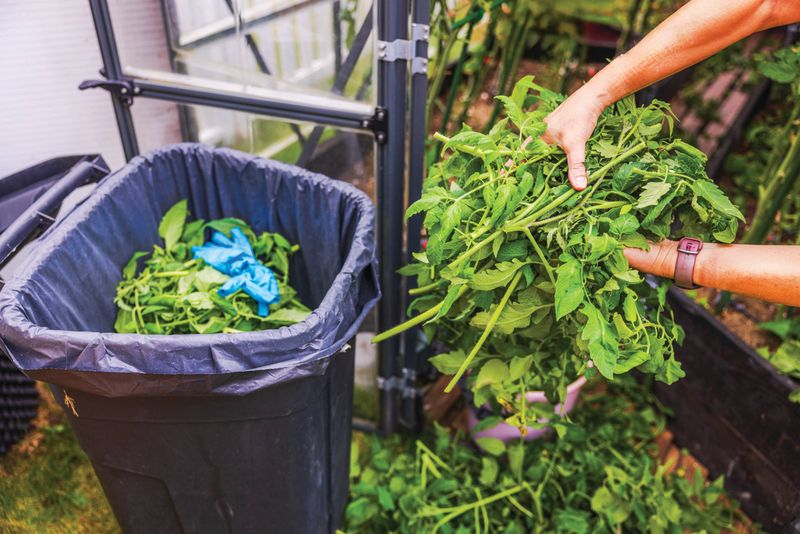
Where the sick plants go matters almost as much as pulling them. The simplest conservative choice is to bag visibly diseased tomato material and put it in the trash.
That is especially wise when you are not sure which disease you have.
Skip the unmanaged backyard compost pile for clearly diseased plants. Many home piles never get hot enough to be dependable, so spores could be spread back into your beds with the finished compost.
A pile that stays cool and casual is a poor place for suspect vines.
You may hear that you can bury the debris or till it under. Advice here is not uniform.
Rutgers and University of Maine Extension do not give gardeners a single identical answer, and the best choice can depend on the disease and local practice.
So there is no need to feel guilty if you pick one route over another. If you want a plan without second-guessing, use the trash for plants that were clearly sick.
If your town has a yard waste program, check its rules, because some operations handle disease differently.
Healthy-looking stems from a clean plant are a lower-risk call, but when in doubt, bag it.
Give tomatoes a break from their plant family

Plant tomatoes in the same spot year after year and you give leftover disease a head start. Rotation means moving them to a different bed so they are not growing right on top of last year’s trouble.
It is one of the easiest planning steps you can do on a winter afternoon.
Tomatoes have close relatives, so the break should include more than tomatoes. Keep them away from where tomatoes, potatoes, peppers, and eggplant grew recently.
Penn State lists rotation among its disease management steps.
How long should the break be? Advice varies.
University of Minnesota Extension suggests at least a couple of years between plantings, while Iowa State points to a longer rotation of three or four years.
If your yard is small, a long break may be impossible, and that is okay. Do what you can, such as moving to the far end of a bed, using large containers with fresh potting mix, or alternating with beans or lettuce.
Rotation lowers risk from some local disease sources. It cannot stop spores that travel on the wind, and it will not guarantee healthy plants.
Late blight can travel on living hosts
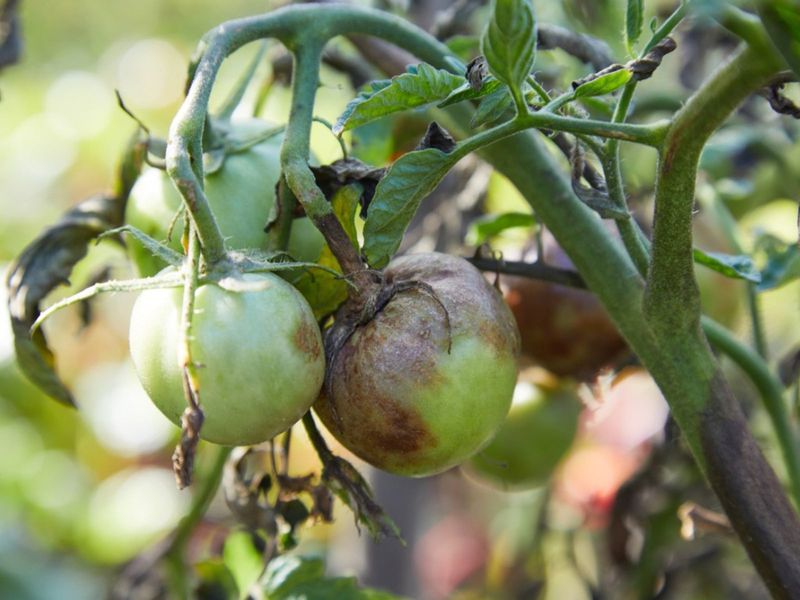
Late blight does not follow the same rulebook as early blight and Septoria. Raking up dead tomato vines is still smart, but the bigger worry with late blight is often living plant tissue.
That is a different target for your cleanup.
In many Northeast situations, the late blight pathogen carries over in living infected tissue, especially potato tubers left in the ground or stored. UMass Extension and University of Maryland Extension describe this pattern.
Soil is a more complicated question. Penn State explains that tough spores called oospores could let it survive in soil where compatible mating types occur, so the answer varies by region.
No single rule applies everywhere.
So check for living hosts. In spring and fall, pull volunteer tomatoes and potatoes, including small tubers missed at harvest.
Also remove nightshade weeds that might be hosting disease.
Even then, late blight can arrive from somewhere else. If your garden is clean and a neighbor’s plants are not, spores can still drift in on the wind, so keep scouting your leaves through the season.
Use spring mulch to keep soil off lower leaves
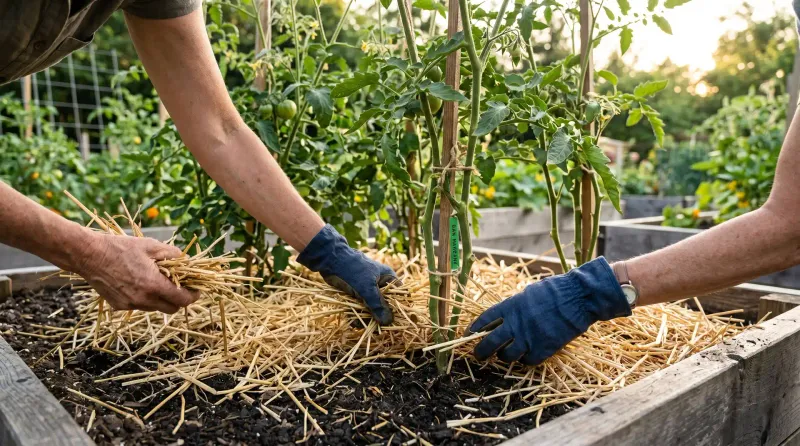
When spring planting time comes, mulch becomes a handy tool. A clean layer of straw, shredded leaves, or similar material around your tomato plants helps keep soil from splashing onto the lowest leaves during rain or watering.
Splashed soil can carry disease spores up to the foliage.
Notice the timing here. Mulch is a growing-season barrier, not a winter cure, and it does not disinfect the bed.
University of Illinois Extension includes mulching in its tomato care advice, and University of Minnesota Extension lists it for leaf spot management.
Wet leaves are the other half of the story. Water at the soil line with a watering can or soaker hose, and skip overhead sprinklers when you can.
Morning watering gives leaves time to dry.
Give plants room, too. Crowded tomatoes hold moisture.
Space them out and use cages or stakes so air moves through the foliage, a point also stressed by Iowa State.
These habits can help manage common leaf-spot diseases, though they will not make plants immune.
A cleaner bed lowers risk, not certainty
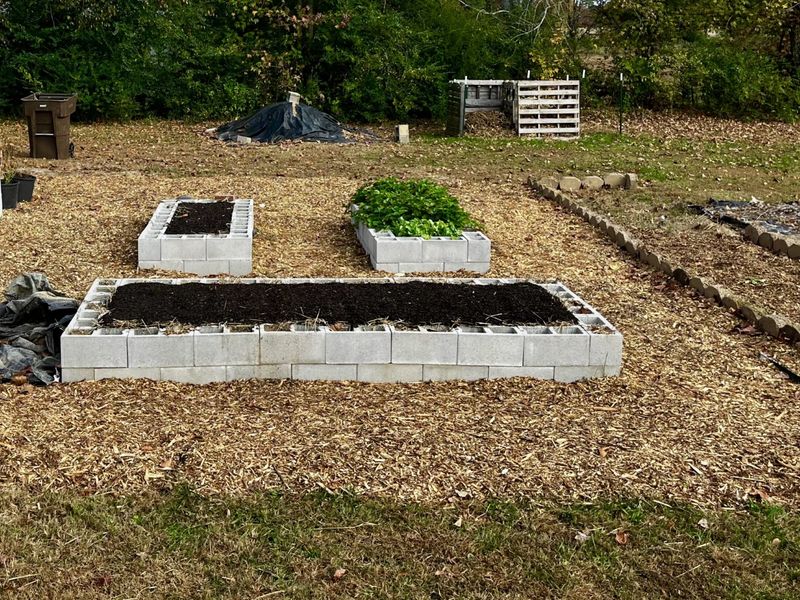
Your plan is simple: pull and bag diseased debris, rotate where space allows, and check for volunteer tomatoes, potatoes, and nightshade weeds. In spring, add clean mulch and keep leaves dry.
Sources like Penn State, its late blight guide, and Minnesota Extension back these steps.
Each one trims a few risks, and none promises a spotless season. Weather and wind still get a vote.
A tidy bed just gives your tomatoes a better shot.