
Can You Pull an HOA-Planted Bradford Pear in North Carolina? It Depends on Where It Stands and What Your Documents Say
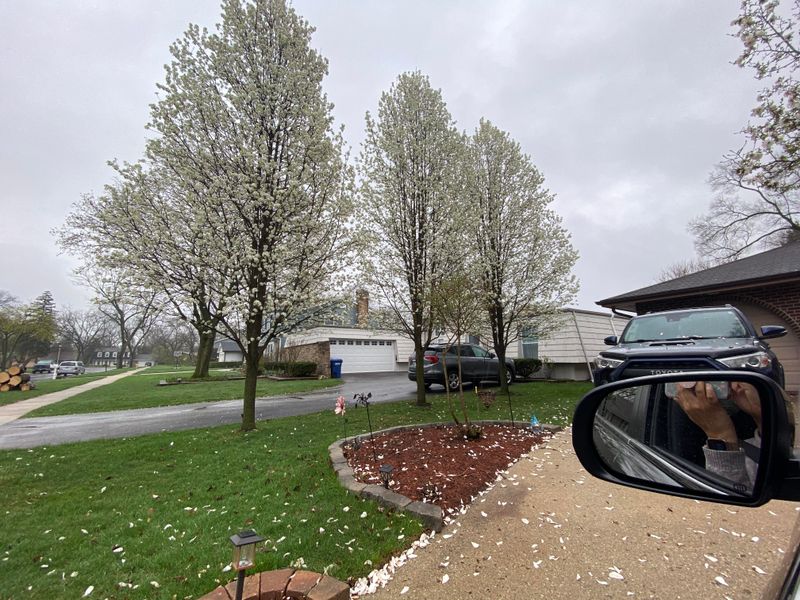
That Bradford pear out front may bloom white in spring, but many neighbors would happily skip the smell. Callery pear is invasive in North Carolina, and plenty of homeowners want one gone from their yard.
The catch is that an HOA planting the tree does not automatically give you the right to cut it down. Here is how to find out who controls the tree and how to remove it the right way.
Why homeowners may want to replace a Bradford pear
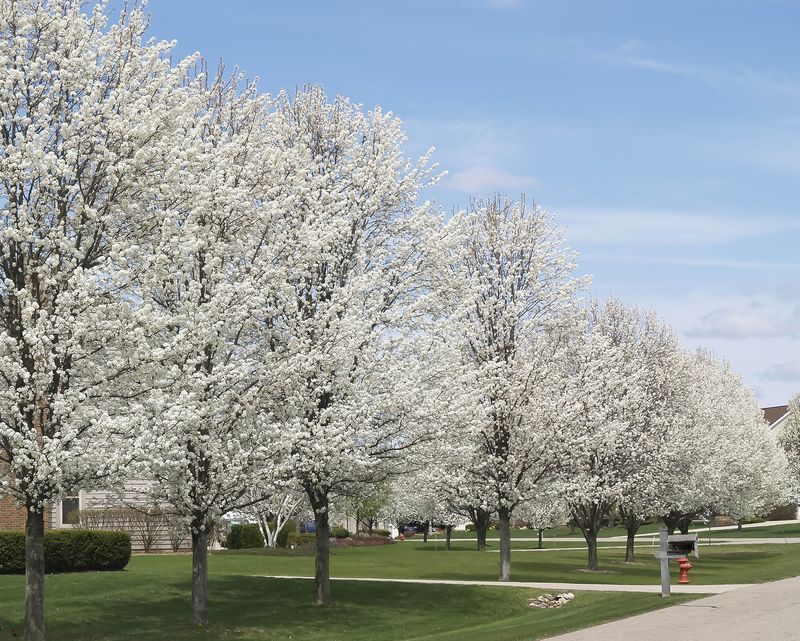
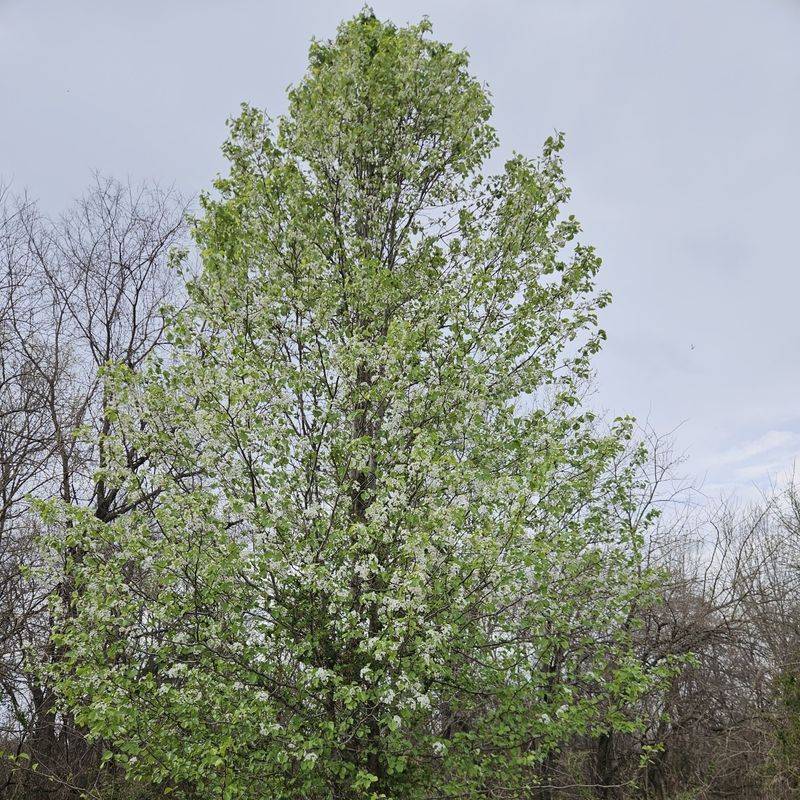
Spring brings a showy cloud of white flowers, but anyone who has stood near one knows the other side of the story. NC State’s Plant Toolbox lists Callery pear as an invasive plant in North Carolina, and its blossoms carry an objectionable smell.
Many yard owners describe it as a fishy odor that drifts across the whole property.
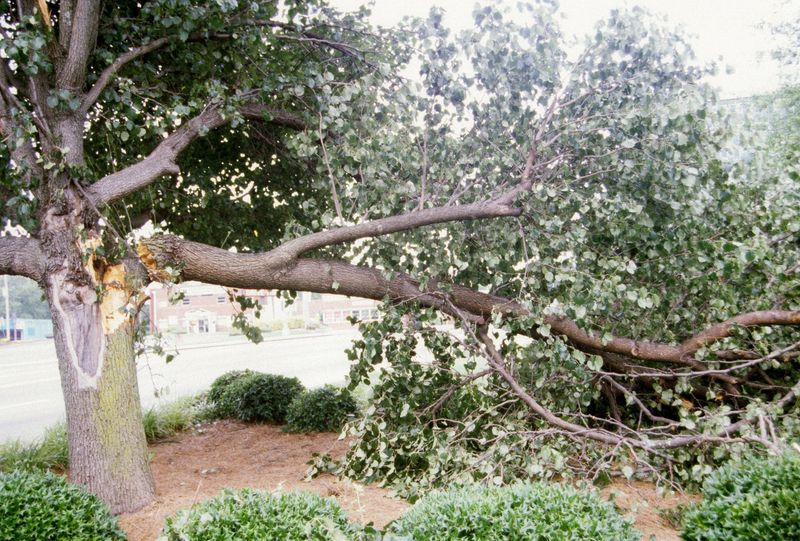
The tree also has a structural weakness. Bradford pear, a cultivar of Callery pear, can develop weakly attached branches, so limbs may split during storms and drop onto roofs, cars, or lawns.
A tree that looks sturdy in April can lose a major branch after a summer thunderstorm.
Then there are the seeds. NC State Extension’s Callery pear publication explains that the tree’s offspring can spread into fields, roadsides, and woodlots, where they crowd out native plants.
Birds eat the fruit and carry the seeds well beyond your fence line.
These are good reasons to want a replacement, especially if you care about native plants and wildlife in your yard. They are horticultural reasons, though, and they do not by themselves give you a right to remove a tree.
Who may cut it depends on other questions, which the next sections cover.
The HOA’s role in planting a tree does not settle who controls it
A common assumption says that if the HOA planted the tree, the HOA must own it forever, or that the homeowner can now remove it because it is invasive. Neither idea holds up as a general rule.
The real answer depends on where the tree stands and what your community’s documents say.
Under North Carolina’s Planned Community Act, G.S. 47F-3-107 generally assigns upkeep of common elements to the association and upkeep of a lot to its owner. Both duties are subject to the declaration.
So a tree on your lot may still fall under community rules, and a tree in a common area is not automatically yours to remove.
The association’s authority comes from its governing documents. G.S. 47F-2-103 addresses the construction and validity of the declaration and bylaws, and those documents are enforceable by their terms.
That is why reading them matters more than who held the shovel years ago.
One more caution: the statute does not apply the same way everywhere. G.S. 47F-1-102 lists exceptions, including for some communities of 20 or fewer lots, and it sets distinct rules for some communities created before January 1, 1999.
A single provision will not settle every HOA question, and this article is general information, not legal advice for your situation.
Check the property line and the recorded rules
Start with a simple question: does the tree stand on your lot or on common property? Your recorded plat, closing documents, or a survey can show the boundary.
Stakes, fence lines, and sidewalks can be misleading, so rely on the paperwork instead of guesswork.
Next, gather the declaration, covenants, bylaws, and any landscaping or architectural rules. Look for sections on maintenance duties, limits on removing trees, and approval steps.
Many communities require sign-off from an architectural committee before a mature tree comes out, even on a private lot.
Location alone may not answer the approval question. As the upkeep statute is written, lot and common-element duties are subject to the declaration, so your documents carry real weight.
The same goes for the statute on declarations and bylaws, which treats those documents as enforceable by their terms.
Take notes as you read. Write down the page numbers that mention trees, easements, or approvals, and flag anything unclear.
Documents can be tricky to interpret, so if a clause confuses you, bring it to the HOA in writing or ask an attorney who handles community association matters.
Ask the HOA for a written decision before removal
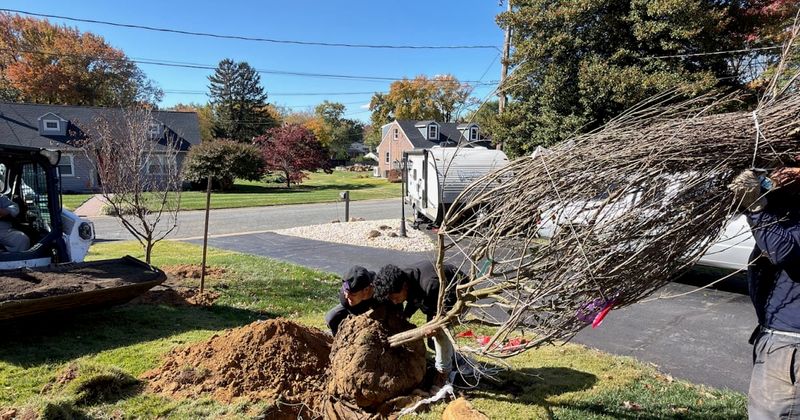
Once you know what the documents say, reach out to the board or management company. Describe where the tree stands, point to any rules that apply, and mention what you are unsure about.
A photo and a lot number make your request easier to act on.
Offer a plan, too. Say how the tree would be removed, who would do the work, and what native tree you would plant afterward.
Boards tend to respond better to a tidy proposal than to a complaint.
Ask for the answer in writing whenever ownership, maintenance duty, or permission is unclear. A written reply protects you if questions come up later, and it keeps everyone on the same page.
Since governing documents are enforceable by their terms, a verbal okay from one board member may not hold up.
Keep expectations realistic. Calling the tree invasive does not excuse you from following the rules, and responsibility for upkeep may sit with the association even if you want the tree gone.
A request does not guarantee approval, but a polite and well-documented one gives you the best chance.
Choose treatment timing for the method, not a blanket winter window
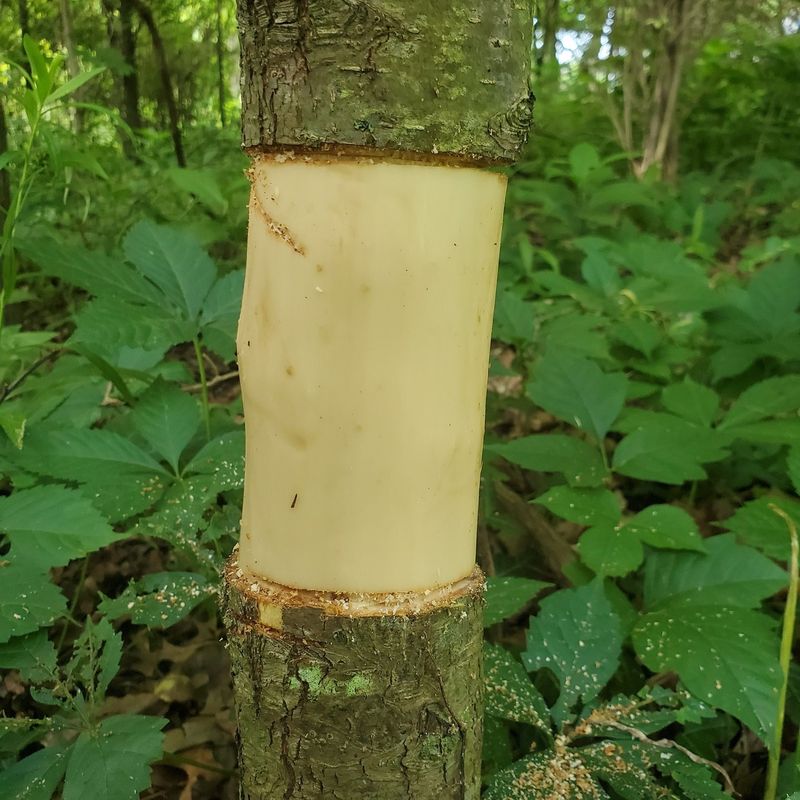
Many people say winter is the time to remove Bradford pears. Dormancy matters for one treatment, but it is not a rule for every method.
The right timing depends on how you plan to treat the tree.
According to NC State Extension’s Callery pear guidance, cut-stump treatment can be used year-round. Basal-bark treatment is effective during dormancy for smaller trees.
Foliar treatment is meant for leafy plants during the growing season.
So a February cut is not required, and a July cut is not off limits if the stump is treated properly. What matters is matching the method to the tree’s size and the season.
A small sapling near the back fence calls for a different plan than a thick trunk by the driveway.
If you use herbicide, follow the specific product label. Labels are legally binding, and they spell out mixing, application, and safety steps.
Protect nearby desirable plants, since some foliar sprays can damage surrounding vegetation such as shrubs, perennials, and neighboring lawns.
Also remember that none of this comes first. Get your location and approval questions settled before any saw or sprayer comes out.
Plan for safe removal, regrowth, and a native replacement
Cutting a Bradford pear does not end the story. Callery pear can resprout from the stump and roots, so plan to check the area often.
Watch for new shoots through the growing season and treat them as NC State advises, because follow-up work may be needed.
Safety comes next. A large or damaged tree near a house, fence, or power line is not a weekend project.
For urban removal, NC State suggests considering a certified arborist, who has the training and equipment to bring a tree down without harming people or property.
Then think about what goes in its place. NC State lists several North Carolina natives as alternatives: flowering dogwood, eastern redbud, serviceberry, black cherry, and Chickasaw plum.
Each has different needs for sun, soil, and space, so match the tree to your spot, whether you garden in the Piedmont, the Coastal Plain, or the mountains.
These are options, not promises. Planting one does not guarantee a particular bird, pollinator, or other critter will visit.
Still, choosing a native over another invasive gives your yard a healthier start, and your HOA may need to approve the new tree as well.
Check current Bradford Pear Bounty details
The path is straightforward. Confirm who controls the tree, read your HOA’s rules and governing documents, get written approval where needed, and pick a removal and follow-up plan that fits the tree and the method.
You may also hear about the NC Bradford Pear Bounty, which has offered native trees in exchange for proof of removal. Event locations and dates have varied, so check current eligibility before you count on it.
A healthy yard is built one careful decision at a time, and the paperwork is part of the job.