
Fallen Leaves Are a Free, Gradual Soil-Builder for Your Garden: Here’s How To Use Them
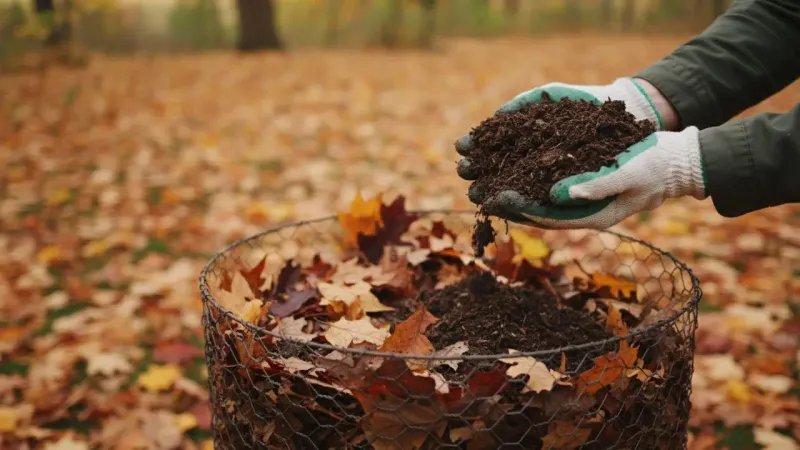
Raking leaves feels like a never-ending chore, and most of us end up stuffing them into bags for the curb. But those leaves hold organic matter and some nutrients that your beds, lawn, and compost pile can use.
With a few simple steps, you can turn this weekend job into a slow, steady upgrade for your soil. Here is how to do it without hurting your plants or your grass.
Leaves build soil gradually, not overnight
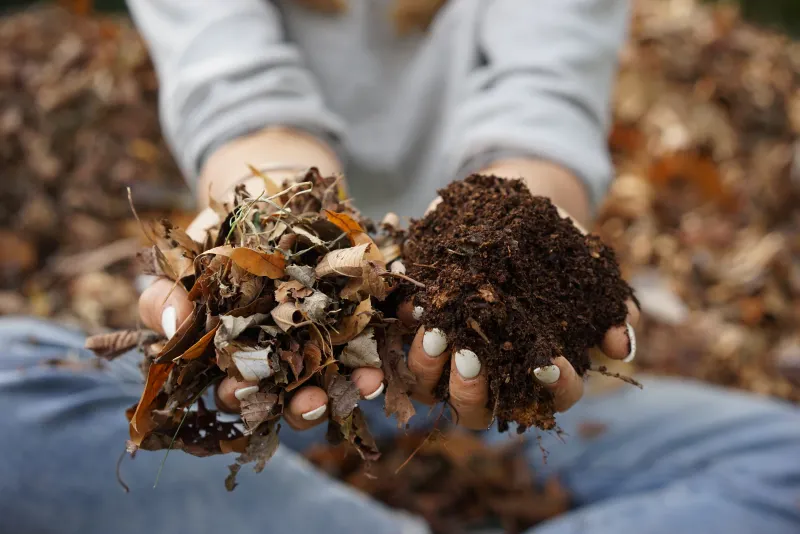
Fallen leaves are a free source of organic matter, and they recycle some of the nutrients the tree pulled up during the growing season. As they break down, that organic matter helps soil hold together and hold moisture.
It is a slow process that pays off over seasons, not days.
Leaves are not a complete fertilizer, and they will not feed your hydrangeas or tomatoes overnight. Their nutrients are locked inside the leaf tissue and only become available as the material decomposes.
If your plants show weak growth or yellowing, a soil test is still the best way to learn what they actually need.
As University of Minnesota Extension explains, a layer of mulch also helps moderate soil temperature and hold moisture. That is a real benefit for roots during hot spells and cold snaps.
It will not cure poor soil or wipe out weeds, but it can make conditions steadier.
Where you put the leaves matters. Leaves are high in carbon, so mixing them into soil can temporarily tie up available nitrogen while microbes work on them, a point Penn State Extension describes for high-carbon amendments.
Illinois Extension suggests working them in during fall so they have time to decompose.
Leaves laid on top of the soil as mulch are a different story. Surface mulch breaks down from the bottom edge, and it does not automatically starve your plants.
Think of surface mulch as a blanket and mixed-in leaves as a slow project.
Use shredded leaves as moderate bed mulch
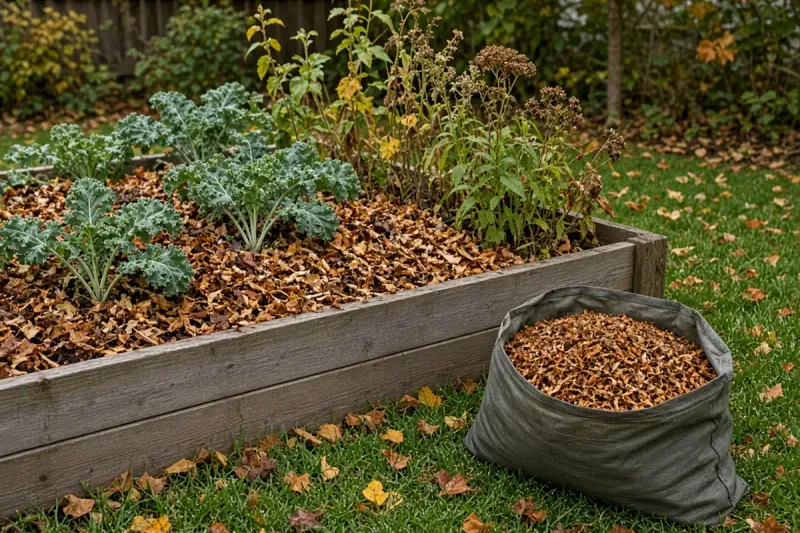
Whole leaves tend to blow around or settle into a soggy mat that sheds water. Shredded leaves stay put better and break down faster.
Run a mower over a pile, or use a leaf shredder, before they go near your beds.
Spread the shredded leaves as a surface layer around hydrangeas, shrubs, and perennials. Pull the mulch back a few inches from stems and trunks so moisture does not sit against the bark.
Mulch piled against a stem can invite rot and pests.
Depth depends on your setting. UGA Extension suggests 3 to 5 inches of shredded leaves around plants.
Missouri Extension gives a general range of 2 to 4 inches for most mulches and warns that going too deep can limit air and water exchange.
A moderate layer is a safe middle path. Use less in a small flower bed or around tender perennials, and a bit more around established shrubs.
Check after a heavy rain by lifting the mulch, and if the soil underneath stays soggy, thin it out.
Many gardeners start with a trial patch. You can also look at Illinois Extension’s fall leaf guidance for ideas on using shredded leaves around trees and shrubs.
Over time, you will see how fast your own leaves break down.
Mow lawn leaves while grass stays visible
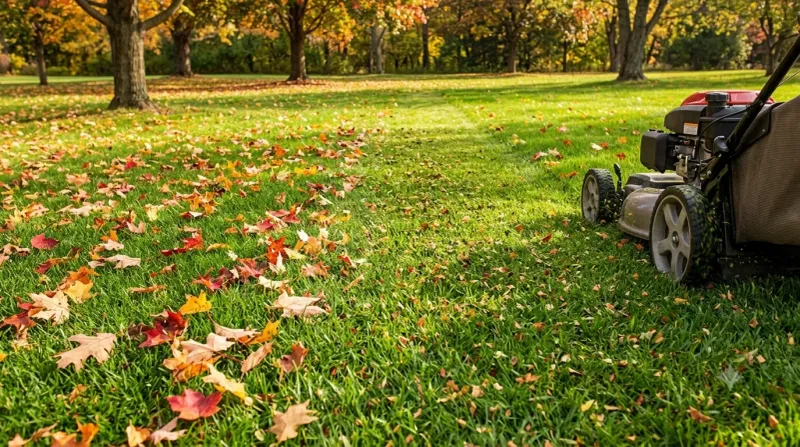
Your lawn can take in some leaf litter, as long as you chop it first. Wait for a dry day, because wet leaves clump and clog the mower.
Dry leaves shred cleanly into small pieces that sift down between the grass blades.
The test is simple: after mowing, you should still see grass through the leaf bits. If the turf is hidden, the layer is too thick.
A heavy cover can smother grass and leave bare patches by spring.
Both Illinois Extension and University of Minnesota Extension support mowing leaves into lawns, with the same condition: chop them finely enough so the grass shows.
If one pass leaves large pieces, go over the area again at a different angle. If the layer is still too deep after that, the mower cannot do the job alone.
Rake or bag the extra and set it aside for your compost pile, or use it as shredded mulch in beds.
Lawn conditions vary. A thin, stressed lawn under big maples may need more frequent passes through the fall.
Keep the mowing light and regular, and your turf can benefit from the leaf bits without being buried.
Mix surplus leaves with greens to make compost
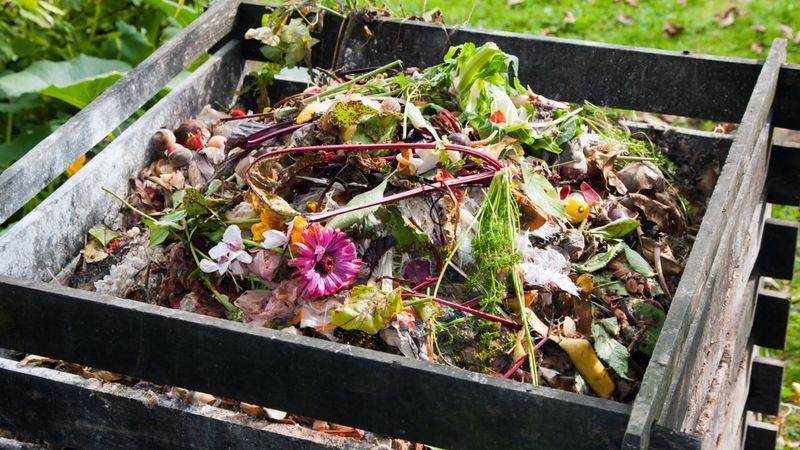
When you have more leaves than your beds and lawn can use, compost is the next stop. Leaves are a carbon-rich brown material.
On their own, they decompose slowly, so they need a partner.
That partner is nitrogen-rich greens, such as fruit and vegetable scraps or untreated grass clippings. University of Maryland Extension describes combining browns and greens, keeping the pile moist, and mixing it for air.
Without enough moisture and oxygen, the process stalls.
For one possible recipe, Penn State Extension starts with 6 inches of leaves and adds 2 inches of green material. Treat that as a starting point, not a strict formula.
You can adjust the ratio as you watch how your pile behaves.
Shredding the leaves first helps, since smaller pieces break down faster. Keep the pile about as damp as a wrung-out sponge.
If it feels dry, add water as you build it.
Turn or mix the pile every so often to bring in fresh air. A pile that smells sour or sits flat and slimy usually needs more browns or more turning.
A pile that seems stuck and dry usually needs water and a few more greens.
Judge finished compost by its condition
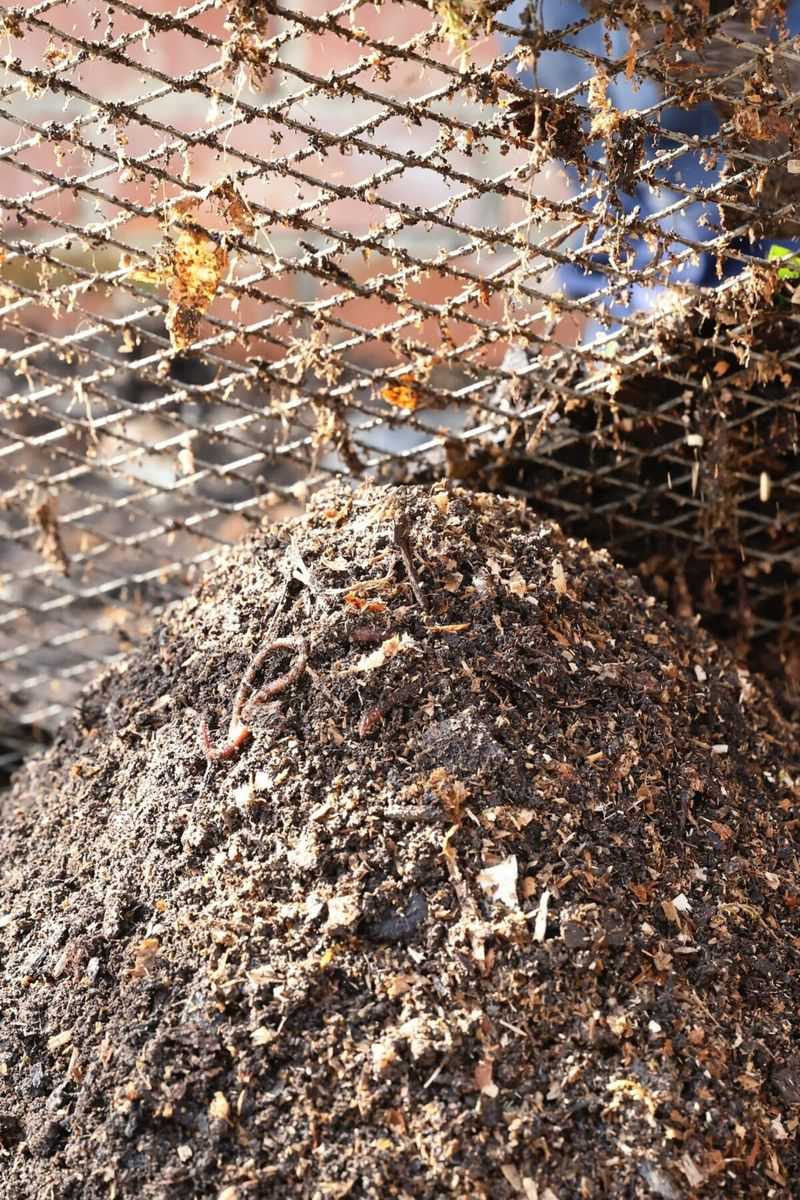
A calendar will not tell you when compost is done. Your eyes and nose will.
Finished compost looks evenly broken down, smells earthy, and no longer contains pieces you can recognize as the original leaves or scraps.
If you can still pick out whole leaves, give the pile more time. Some bits may be slower than others, and that is normal.
You can sift out the chunky pieces and toss them back into a new pile.
Timing varies a lot. Maryland Extension notes that a pile you manage with the right mix, moisture, and mixing can break down faster than one you leave alone.
A passive leaf pile, left to itself, can take a year or longer.
For general guidance on compost and mulch materials, you can also read Missouri Extension’s questions and answers. Weather, leaf type, and pile size all change the pace.
So skip the promise of compost by spring. Check the pile now and then, and use it when it looks and smells right.
Spread it on beds as a soil booster, knowing it adds organic matter but does not replace a soil test.
Handle diseased and walnut leaves with care
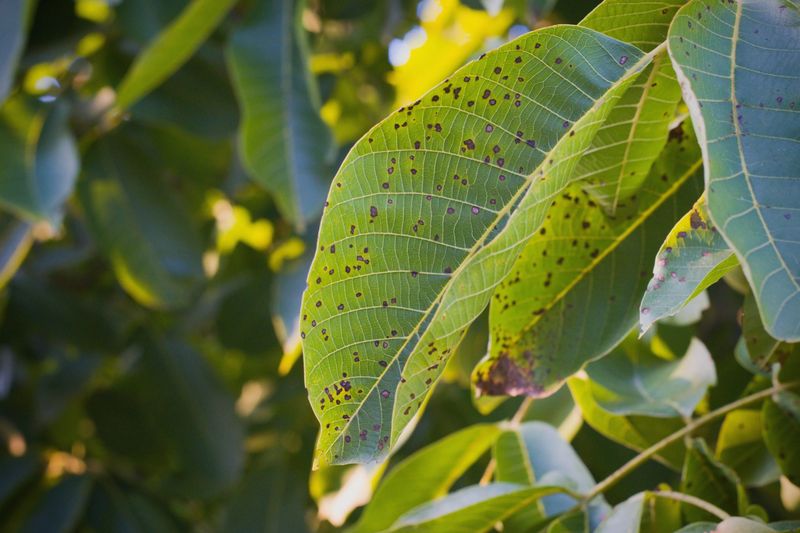
Not every leaf belongs in your pile. Leaves with serious disease, such as heavy spotting or mildew, are an exception to the easy-reuse rule.
Home piles may not get hot enough for long enough to control pathogens.
For those leaves, check your local yard-waste or disposal rules. Guidance like University of Minnesota Extension’s garden checklist and Penn State Extension’s composting guide points gardeners toward proper disposal for diseased material.
Rules differ by town, so a quick call to your municipality can save trouble.
Black walnut leaves are a more nuanced case. They are not automatically off limits.
Oregon State Extension says compost made with black walnut leaves can be used in a vegetable garden.
The bigger worry is juglone from walnut roots growing near sensitive plants like tomatoes. Oregon State also notes that fall leaves contain less juglone than spring leaves.
So composting the leaves is a different question from planting tomatoes near a walnut root zone.
If you are unsure, keep sensitive plants away from the tree’s roots. Neither caveat calls for a blanket ban.
They call for a little sorting before you rake leaves into the pile.
Choose the leaf-reuse method that fits your yard
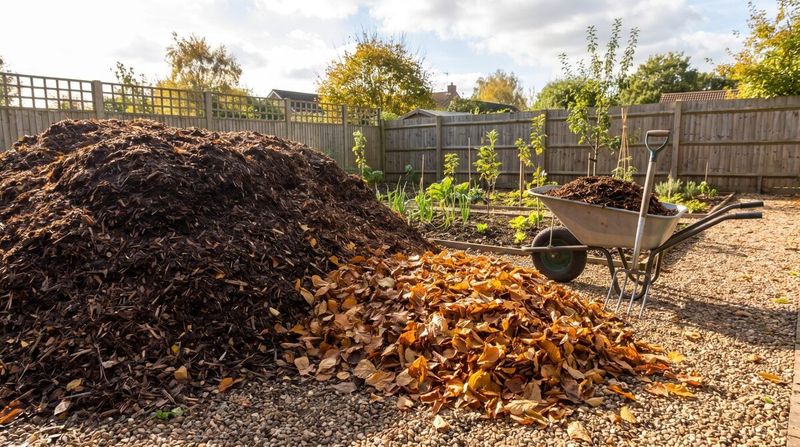
Match the method to the spot. Shred sound leaves for beds and keep them off stems, mow only a light layer into the lawn so grass still shows, and compost the surplus with greens.
Check Illinois Extension and Maryland Extension for more detail, and follow your local yard-waste rules.
Each method builds soil over time, not instantly. A single leaf season will not transform your yard, but a few seasons of steady habits can.