
These 9 North Carolina Native Shrubs Keep Your Backyard Busy With Birds And Butterflies All Year Long
A yard full of birds and butterflies does not happen by accident. It happens when you plant the right shrubs, the ones that grew here long before any of us showed up.
North Carolina native shrubs feed caterpillars in spring, fuel pollinators in summer, and hand out berries when winter gets lean. Pick a few from this list, and your backyard can become a year-round stop for the wildlife you love to watch.
1. American Beautyberry
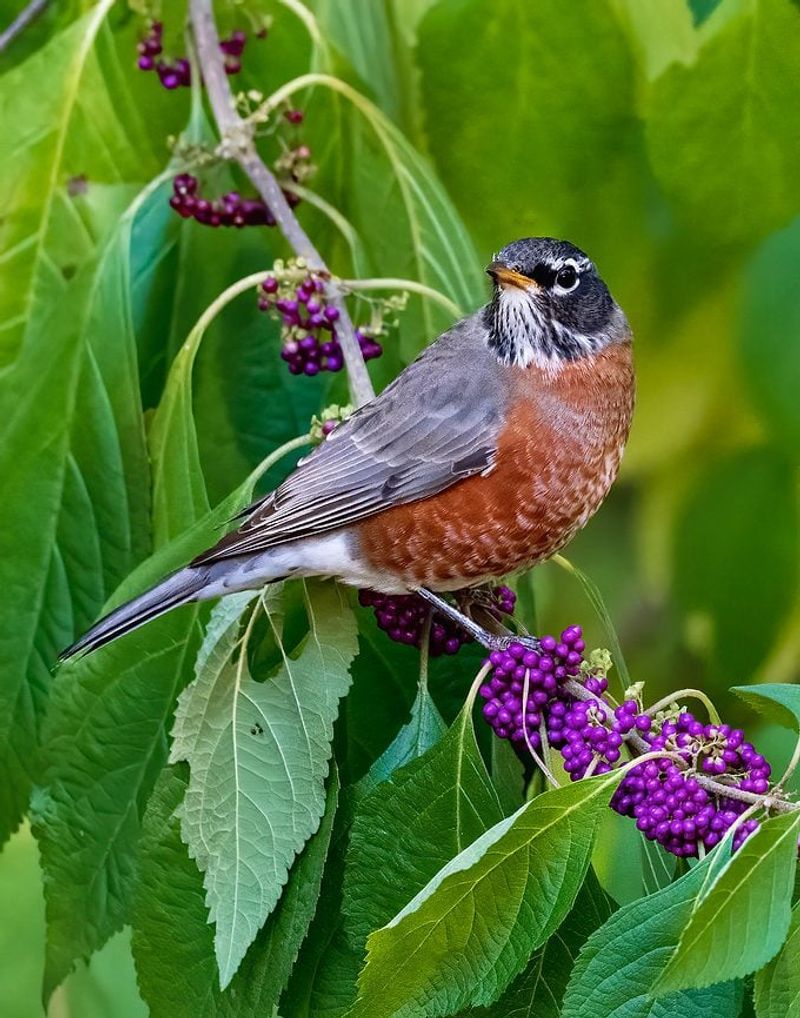
Nobody forgets the first time they see beautyberry in October. Those clusters of glossy purple berries look almost fake, like someone strung candy along the stems.
Your neighbors will ask about it, guaranteed.
The real magic happens after the leaves drop. Eastern Towhees, American Robins, Purple Finches, and even Northern Mockingbirds pick at the berries well into winter, when food gets scarce.
Foxes, squirrels, and raccoons may stop by for a snack too.
Beautyberry also does a big favor for your yard as a whole. If you are fighting invasive bush honeysuckle, rip it out and plant beautyberry in its place.
You get the same loose, shrubby shape without the plant that crowds out native woodland growth.
It grows in the Coastal Plain, Piedmont, and mountains, so nearly every NC gardener can try it. Give it part sun, and cut it back hard in late winter if it gets leggy.
It blooms on new growth, so a trim will not cost you berries.
2. Spicebush
Crush a spicebush leaf between your fingers and you will smell something like citrus mixed with allspice. Old-timers in the mountains used the twigs for tea.
Butterflies, though, have a much bigger reason to love this shrub.
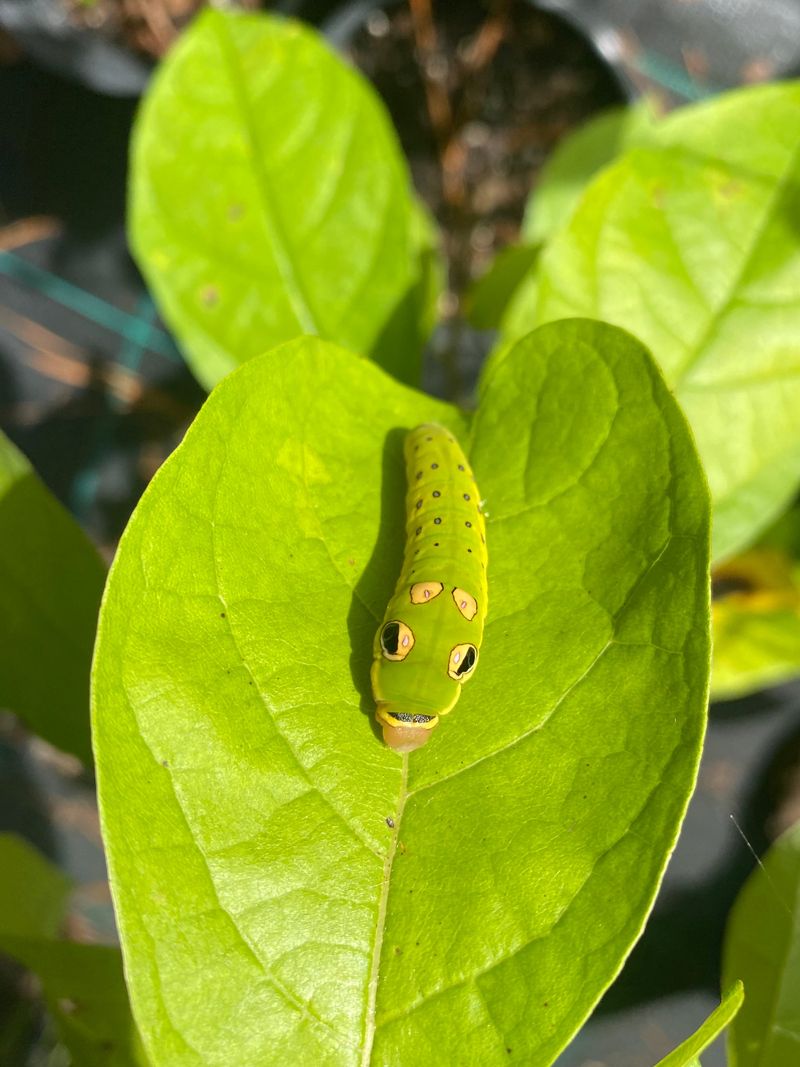
Spicebush is a host plant for the spicebush swallowtail and the eastern tiger swallowtail. Look closely at curled leaves in summer and you might find a caterpillar with fake eyespots, pretending to be a tiny snake.
Kids go wild for that discovery.
Its fuzzy yellow flowers open in March, before most trees leaf out, giving early native bees a much-needed meal. By late summer, shiny red berries appear.
Those fatty fruits help thrushes and other migrating birds bulk up before long flights south.
Plant spicebush in a shady, moist corner where little else thrives. You will need both a male and female plant for berries.
In fall, the leaves turn a clear butter yellow that lights up a dim woodland edge.
3. Serviceberry
Mountain folks say serviceberry bloomed just when the roads thawed enough for traveling preachers to hold church services again. Whether that story is true or not, the shrub does mark the start of spring better than a calendar.
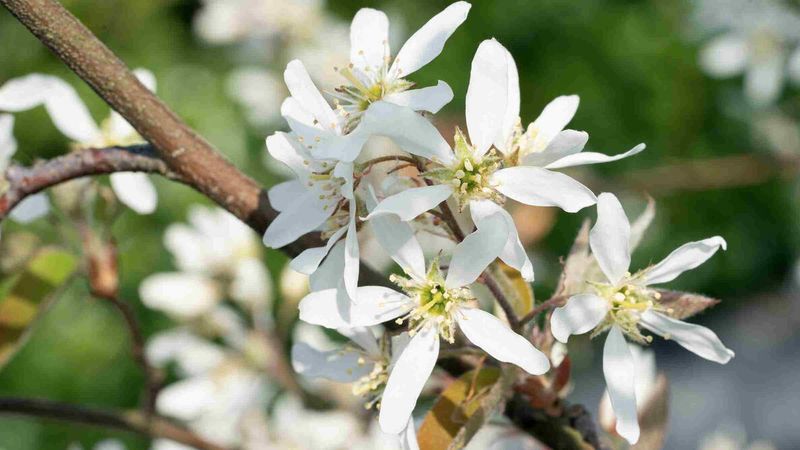
Its white blossoms show up in late March, sometimes while frost is still around.
By early summer, the flowers turn into small berries that taste a bit like blueberries with a hint of almond. You can eat them, but you will be racing the birds.
Cedar Waxwings often arrive in flocks and strip a shrub in an afternoon.
Thrushes, finches, and orioles join in too. Early fruit like this matters, since many birds are feeding nestlings at the time.
Come autumn, the leaves shift to orange and red.
Serviceberry works in sun or light shade across the state. Choose a multi-stemmed form for a shrubby look along a fence line.
4. Inkberry Holly
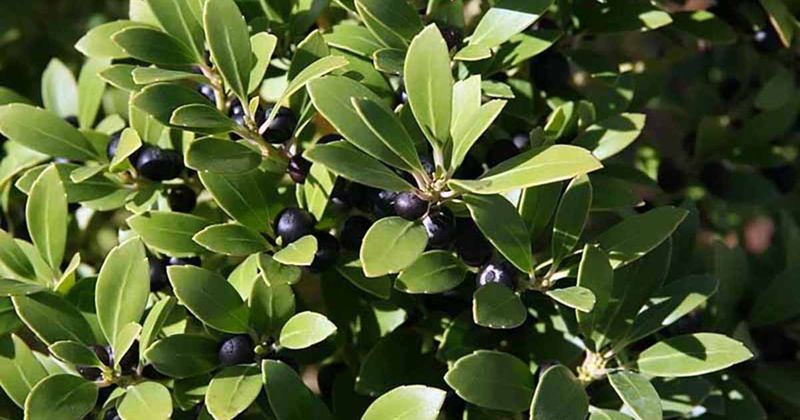
Picture a cold January morning. Everything in the yard looks bare and brown, except one dense green shrub where a handful of sparrows have tucked themselves out of the wind.
That is inkberry at work.
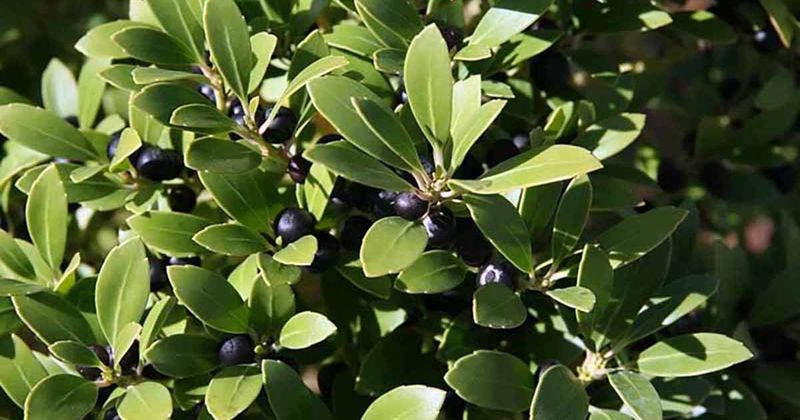
Inkberry stays green all year, giving birds a safe spot to hide from hawks and harsh weather. Its small black berries hang on into late winter, a time when food runs short.
Birds often save them for last, so they become a backup pantry.
Butterfly fans will like knowing it hosts the Henry’s elfin, a small brown butterfly that flies in early spring. Bees also visit its tiny flowers.
Inkberry blooms make a prized honey along the coast, called gallberry honey.
Here is a smart swap for your foundation beds. Ditch the non-native boxwood or Japanese holly and plant inkberry instead.
It handles soggy soil, works in rain gardens, and thrives especially well in the Coastal Plain.
5. Buttonbush
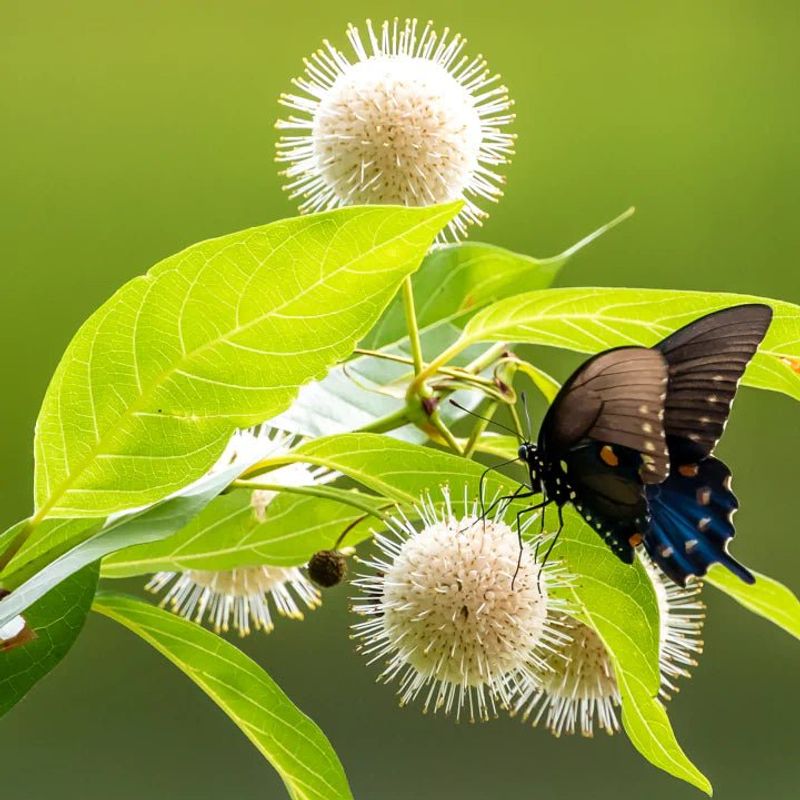
Honestly, buttonbush flowers look like something from outer space. Each bloom is a perfect white ball covered in tiny pins.
Kids call them pincushions, and the name fits.
Starting in June and running through summer, these odd little globes become a busy insect cafe. Swallowtails, skippers, bumblebees, and even hummingbirds crowd in.
On a warm evening you might spot sphinx moths hovering like tiny birds.
Buttonbush also feeds caterpillars of about two dozen moth and butterfly species. After the flowers fade, round seed heads hang on, and ducks and other birds eat the seeds.
Frogs and small mammals hide in its thick branches.
Got a low, wet spot where water sits after storms? That is buttonbush heaven.
It loves pond edges, ditches, and rain gardens, turning a soggy problem area into the liveliest corner of your yard.
6. Oakleaf Hydrangea
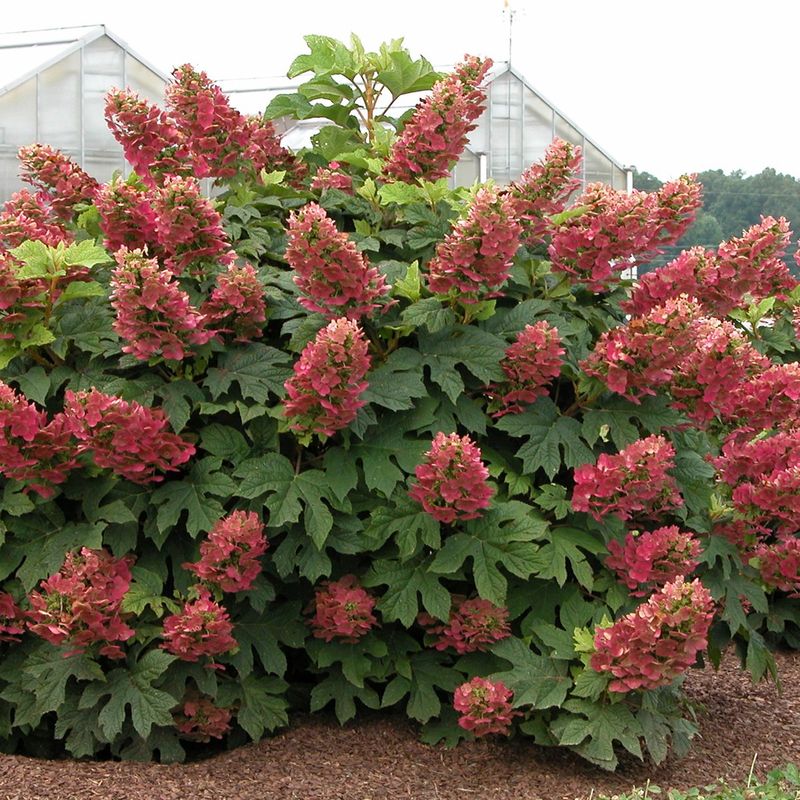
Plenty of gardeners grow the big blue mophead hydrangeas from Asia. Oakleaf hydrangea is the Southern native cousin, and it puts on a show in every single season.
In late spring, tall cone-shaped flower clusters open creamy white. Bees and other pollinators visit the fertile flowers mixed into each cluster.
As summer goes on, the blooms fade to pink and then papery tan, staying on the plant for months.
Fall is when it really shows off. The big leaves, shaped just like oak leaves, turn deep burgundy and wine red.
Winter brings peeling, cinnamon-colored bark that looks great even without leaves.
Birds use its dense branches for cover and nesting. Plant it in morning sun with afternoon shade, which suits Piedmont summers well.
A tip for more wildlife value: choose the straight species or single-flowered types over heavily doubled ones, since those offer pollinators more to eat.
7. Sweet Pepperbush
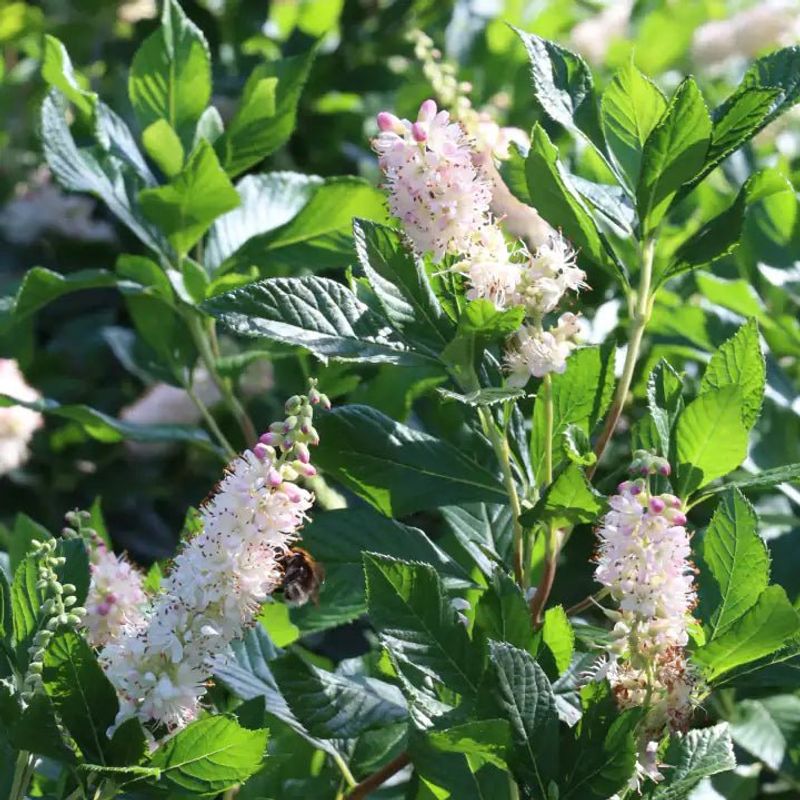
Late August in North Carolina can feel like the garden gave up. Heat has worn down most of the flowers, and pollinators are hunting hard for food.
Sweet pepperbush picks this exact moment to bloom.
Its upright spikes of white flowers smell sweet and spicy, and you can catch the scent from across the yard. Bumblebees, sweat bees, and butterflies swarm the blooms.
Watch for hummingbird clearwing moths too, which hover and sip like miniature hummingbirds.
Also called summersweet, this shrub handles wet soil and partial shade with ease. It spreads slowly by suckers, which makes it handy for filling a damp bed or soggy border.
In fall, the leaves turn golden yellow.
Want something to replace invasive privet along a shady fence? Sweet pepperbush is a strong pick.
You give up a thug and gain a pollinator magnet during the hungriest weeks of summer.
8. Virginia Sweetspire
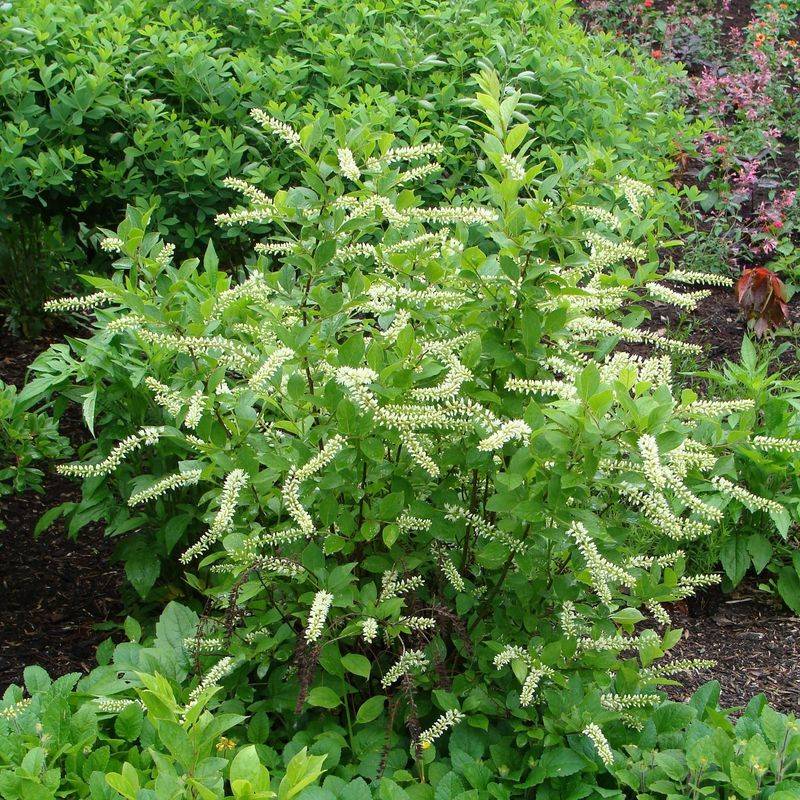
Graceful is the best word for Virginia sweetspire. Its branches arch outward like a fountain, and in early summer, long white flower tassels drip from the tips.
The fragrance is light and honey-like.
Those blooms pull in bees, butterflies, and hummingbirds. Later, small woody seed capsules form and hang on into the cold months.
Birds and small mammals pick at them when pickings get slim.
The leaves may be the best part, though. In fall they turn fiery shades of red, orange, and burgundy, and in milder parts of the state they often cling on well into winter.
A sweetspire planting can glow in December when everything else looks dull.
Sweetspire grows happily in wet or average soil, and its spreading roots help hold banks in place. Mass a few together along a drainage swale.
You will slow down runoff and give wildlife a thick patch to explore.
9. Yaupon Holly
Long before coffee reached the Carolinas, Indigenous peoples brewed yaupon leaves into a caffeinated drink. Yes, it is the only native plant in North America with caffeine.
Today, birds care more about its berries than its buzz.
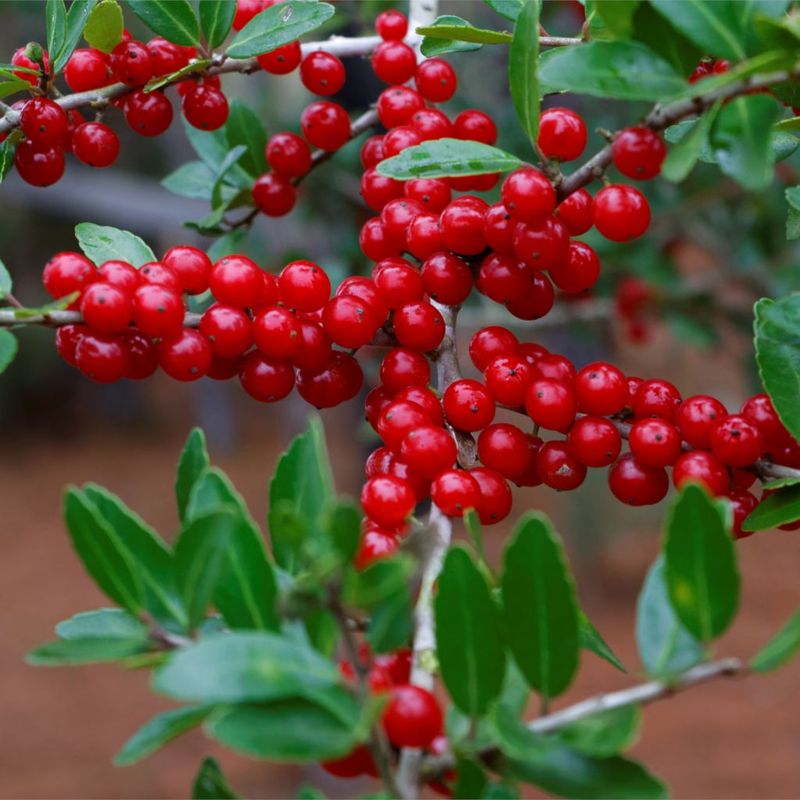
Female yaupon plants load up with bright red berries from fall through winter. Robins, Cedar Waxwings, bluebirds, and mockingbirds all feast on them.
Small mammals enjoy them too, and the evergreen leaves offer shelter all year.
In spring, tiny white flowers attract butterflies, bees, and other pollinators. Yaupon grows fast and shrugs off salt spray, drought, and even flooding.
That toughness makes it a favorite for coastal yards.
Use yaupon as a living screen or hedge instead of invasive ligustrum or Leyland cypress. Buy a female plant if you want berries, and make sure a male grows somewhere nearby.
Dwarf types work in tight spaces, but many of them do not fruit, so check the tag.