
How to Compost or Bury an Old Halloween Pumpkin
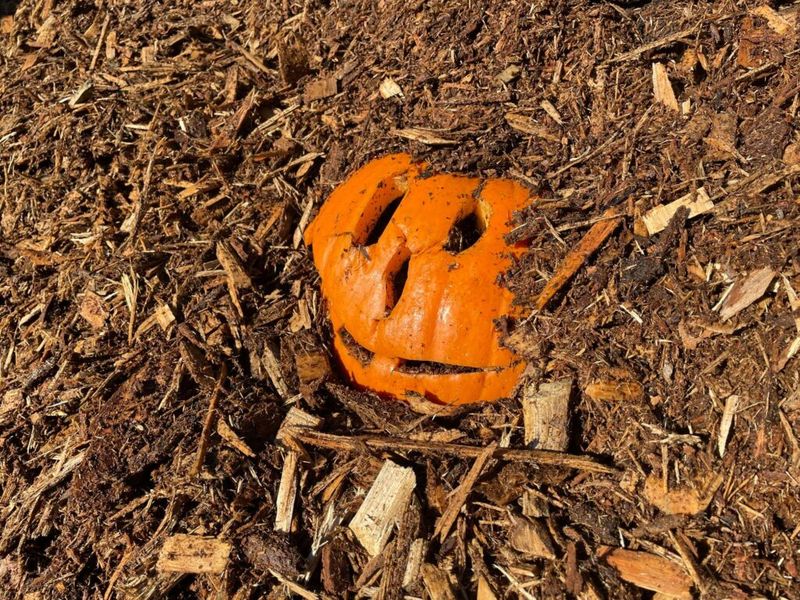
The jack-o-lantern on your porch is getting soft, and the trash can looks like the easy answer. You have a better option if the pumpkin is plain.
With a compost pile or a patch of unused garden bed, that old pumpkin can slowly turn back into soil-building material. Here is how to do it, plus a few things to skip.
An old pumpkin can return organic matter to the garden
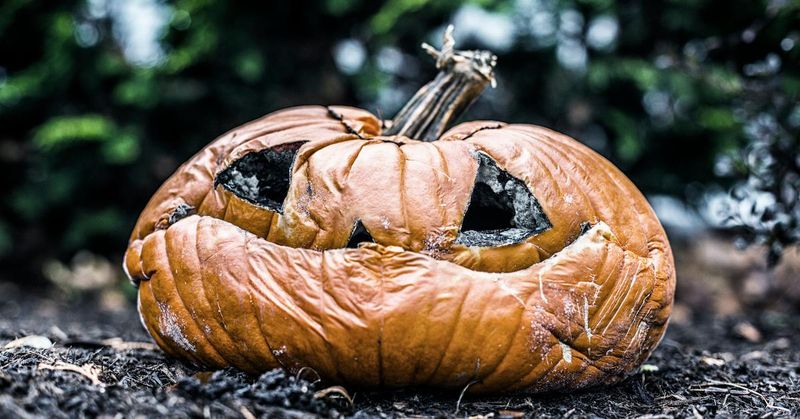
Good news for anyone staring at a sagging porch pumpkin: if it has no paint or other add-ons, your garden can put it to use. There are two easy routes.
You can chop it into a backyard compost pile, or you can bury pieces in a bed that is not growing anything right now.
Either way, the pumpkin breaks down slowly and adds organic matter to the soil. According to Iowa State University Extension, pumpkin pieces can be composted or buried so they decompose and enrich the ground over time.
That is a gradual process, not a quick fix.
Compost works the same way. Iowa State Extension’s guide for home gardeners describes it mainly as a soil-building amendment, and its nutrient content varies.
It supplements fertilizer rather than replacing it, so do not expect a pumpkin to perk up a struggling tomato or hydrangea next week.
The rest of this guide covers cleanup, composting, burial, and what to do if neither option fits your yard. Wildlife feeding is not on the menu, and you will see why in a later section.
Remove decorations before the pumpkin meets soil
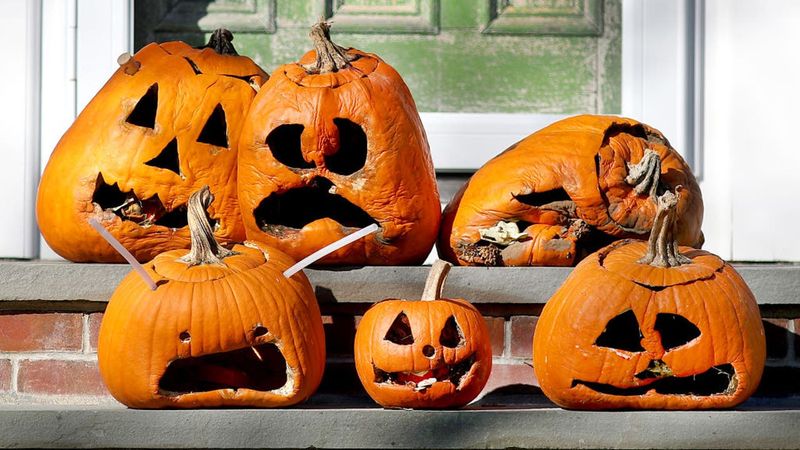
Before anything goes into the pile or the ground, give the pumpkin a thorough check. Pull out candles and wax.
Peel off stickers, and take off any plastic pieces, fake eyes, or ribbons.
Paint and glitter are the other big troublemakers. A pumpkin covered in either one should not go into a compost pile or garden bed.
EPA’s home composting guidance leaves out treated or painted wood and produce stickers, and the same common-sense rule applies to other foreign materials.
There is a wildlife angle too. The U.S.
Fish and Wildlife Service warns that painted pumpkins may be toxic if animals eat them. So a decorated pumpkin is not something to set out in the yard and hope for the best.
If you can scrape off the decoration cleanly and only plain pumpkin flesh remains, you are good to go. If the paint or glitter is everywhere, the trash is the safer choice.
Chop the pumpkin and balance its wet scraps
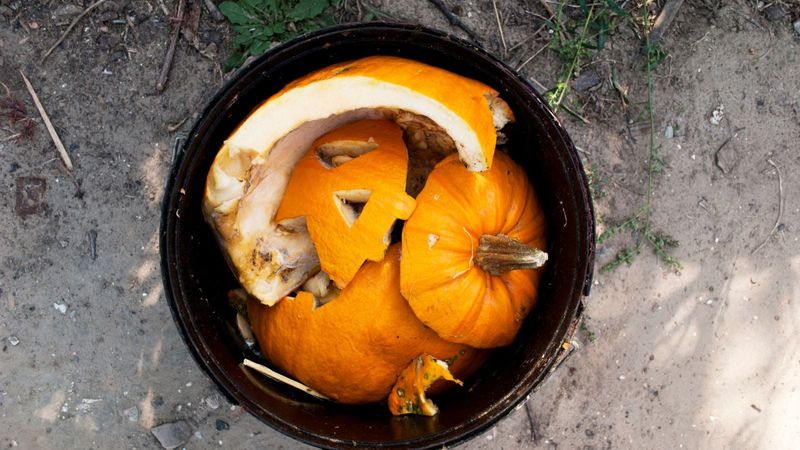
Pumpkin is wet and full of nitrogen, so it needs some dry partners in the pile. Start by chopping or crushing it into smaller chunks.
Smaller pieces break down faster than a whole pumpkin sitting like a boulder.
Next, mix the pieces with dry leaves, straw, or shredded paper. EPA recommends at least two to three volumes of browns for every volume of food scraps.
Cover the scraps with four to eight inches of dry material so the pile stays tidy.
Moisture matters as well. Aim for a pile about as damp as a wrung-out sponge.
If it feels soggy, add more dry leaves. If it feels dusty, sprinkle in a little water.
Turn the pile every so often to mix in air. A garden fork works fine for this.
Do not worry about perfection, since compost forgives plenty of small mistakes.
Finally, think about the seeds. Iowa State Extension notes that seeds from mature pumpkins can sprout.
Scoop them out first if you do not want volunteer vines popping up next spring.
If you do save seeds to plant, know that seeds from hybrid pumpkins may not grow fruit like the original. You might get a surprise, which can be fun, but it is not a sure thing.
No compost pile? Bury pieces in an unused bed
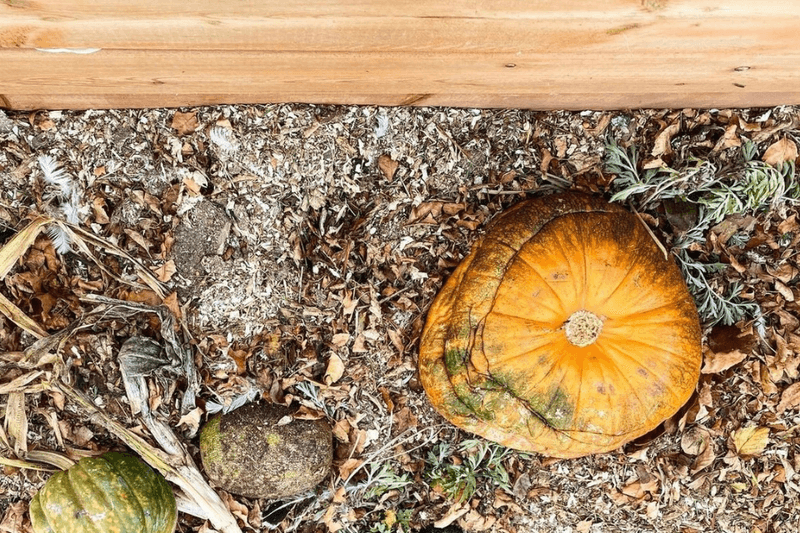
Not everyone has a compost bin, and that is fine. If you have a garden bed that is resting for the season, you can use it.
Break the pumpkin into pieces first, since smaller chunks have an easier time breaking down.
Dig a hole or trench, set the pieces in, and cover them with several inches of soil. The pieces then decompose right where they are.
Iowa State Extension describes burial as a way to add organic matter to the soil.
Choose a spot where nothing is currently growing, and remember where you dug. A bed you plan to plant next spring is a handy choice, since the pieces will have had months to break down by then.
Keep your expectations realistic. Buried pumpkin is not finished compost you can spread around, and it will not give a nearby plant a boost on any schedule.
It simply breaks down slowly and feeds the soil over time.
Remove the seeds first if you do not want pumpkin vines showing up in that bed later.
A porch pumpkin is not a general wildlife treat
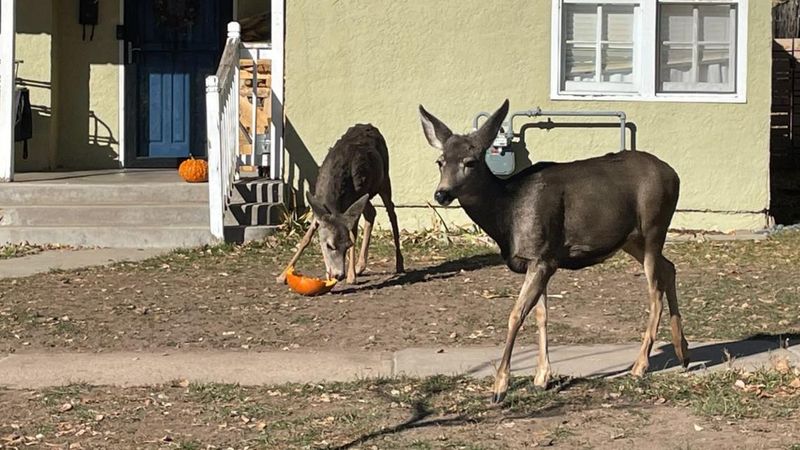
Many of us grew up hearing that old pumpkins make a nice snack for deer and other critters. It sounds kind, but it is not sound advice for most yards.
Wildlife agencies caution against putting out food for animals.
Colorado Parks and Wildlife explains that feeding can attract animals, gather them in one spot, raise the risk of disease spreading, and cause conflicts with people. Rules also differ by place and species, so what is allowed in one town may not be allowed in another.
For the same reasons, please do not dump pumpkins in parks, woods, roadsides, or other natural areas. Your pumpkin may seem harmless, but it can draw animals to places they should not be.
If you would like to donate, call first. Some zoos or wildlife rehabilitation centers may accept pumpkins, and University of Illinois Extension suggests asking before you show up.
Offer only a fresh, undecorated pumpkin.
Moldy or significantly decayed pumpkins can be dangerous for animals, so those should never be offered. A carved pumpkin left outside for days is a good example.
Those belong in the compost pile, the garden bed, or the trash instead.
Local compost collection can fill the gap
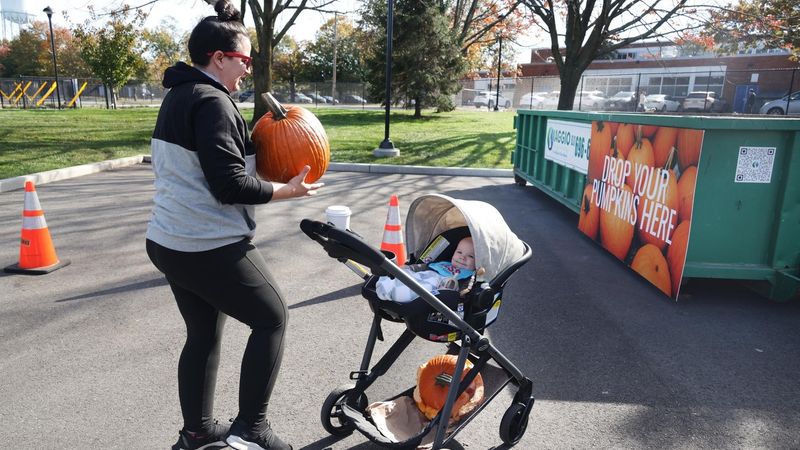
Maybe your yard is tiny, your beds are full, or a compost pile is not your thing. Your community may still have a place for that pumpkin.
Many towns and community groups run compost collection or drop-off programs.
Rules vary a lot, so check before you haul anything. EPA’s composting guidance points readers to local options, and accepted materials differ from place to place.
Some programs want pumpkins cut up, and some may not take them at all.
Look at your city or county website, or call the waste department. Ask whether pumpkins are accepted, whether they need to be undecorated, and whether you need a special bin.
There is also a bigger picture. EPA research on landfilled food waste shows that keeping food waste out of landfills can reduce landfill methane emissions in general.
How much depends on each landfill, so it is not possible to put a number on what one pumpkin does.
Choose the route that fits your garden
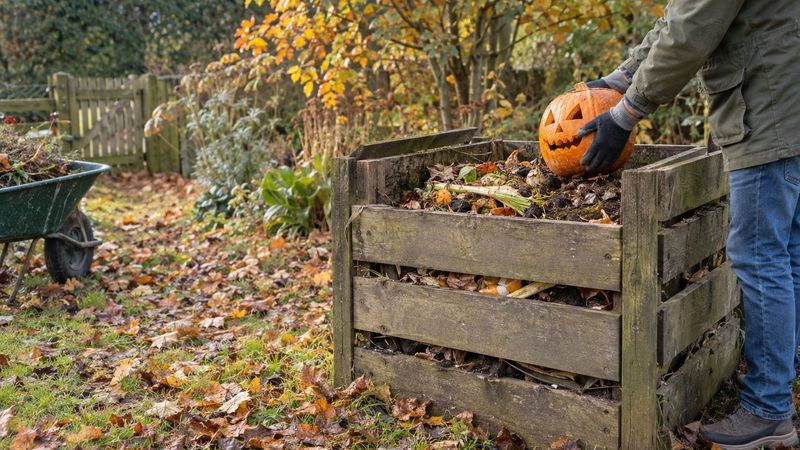
Here is the quick decision guide. If your pumpkin is clean and plain, chop it and add it to a compost pile with plenty of dry material.
If you have no pile, bury the pieces under several inches of soil in an unused bed, as Iowa State Extension suggests.
If neither works, check local collection rules, which EPA notes vary by location. Either garden route builds the soil slowly, and none of them involves leaving scraps out for wildlife.
A pumpkin may have finished its time as a decoration, but it still has one more job to do.