
Black Cherry in North Carolina: A Native Tree for Spring Blooms and Wildlife
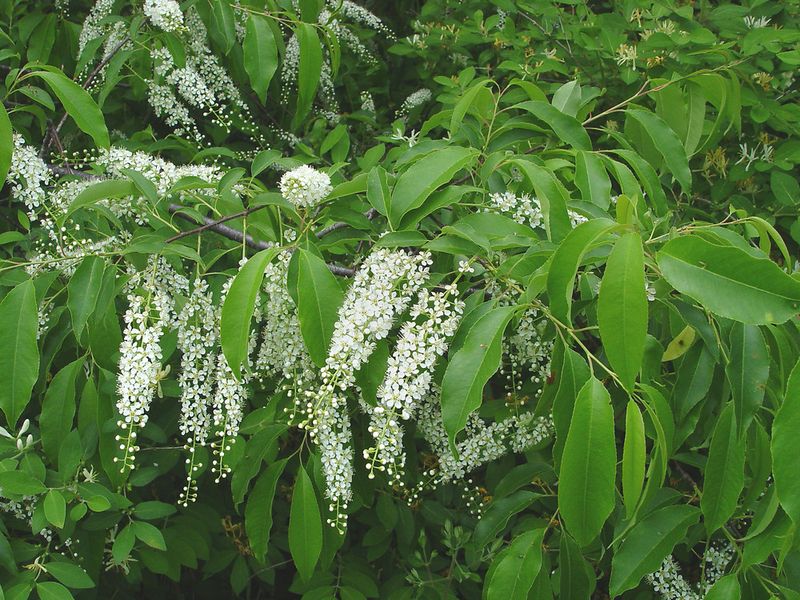
Plenty of North Carolina yards have room for a native tree that feeds wildlife, but not every tree does the same job. Black cherry is a good example.
Its spring flowers draw bees and butterflies, and it keeps helping wildlife later in the year in other ways. Here is what it really offers, who should plant it, and how to build a yard that stays busy with pollinators for more of the season.
Black cherry offers a spring bloom, not a season-long one
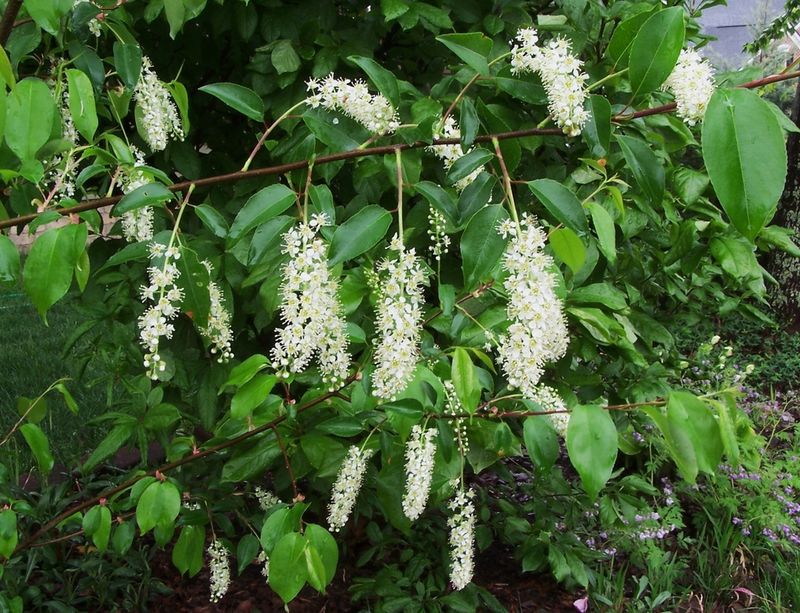
Black cherry (Prunus serotina) is a native tree worth knowing, but it needs an honest introduction. Its flowers are a spring resource.
They do not supply nectar and pollen from early spring into fall, so the old idea of one tree feeding pollinators all season does not fit this species.
According to the NC State Plant Toolbox, black cherry grows throughout North Carolina, though it does best in the mountains. In the Piedmont and Coastal Plain it can still turn up in fencerows and woodland edges, but it will not perform equally well on every site.
The white flower clusters typically open around April to May. Timing shifts with location, site, and year, so a mountain tree may bloom later than one in Wilmington.
The North Carolina Wildlife Federation notes that these blooms attract native bees and butterflies.
That is a real and useful payoff, and a few weeks of buzzing in a blooming cherry is a joy to watch. I would call black cherry underrated, but that is only one gardener’s opinion, not a ranking.
Think of it as one strong spring contributor, with other plants needed to cover the rest of the year.
Its wildlife value continues after the flowers
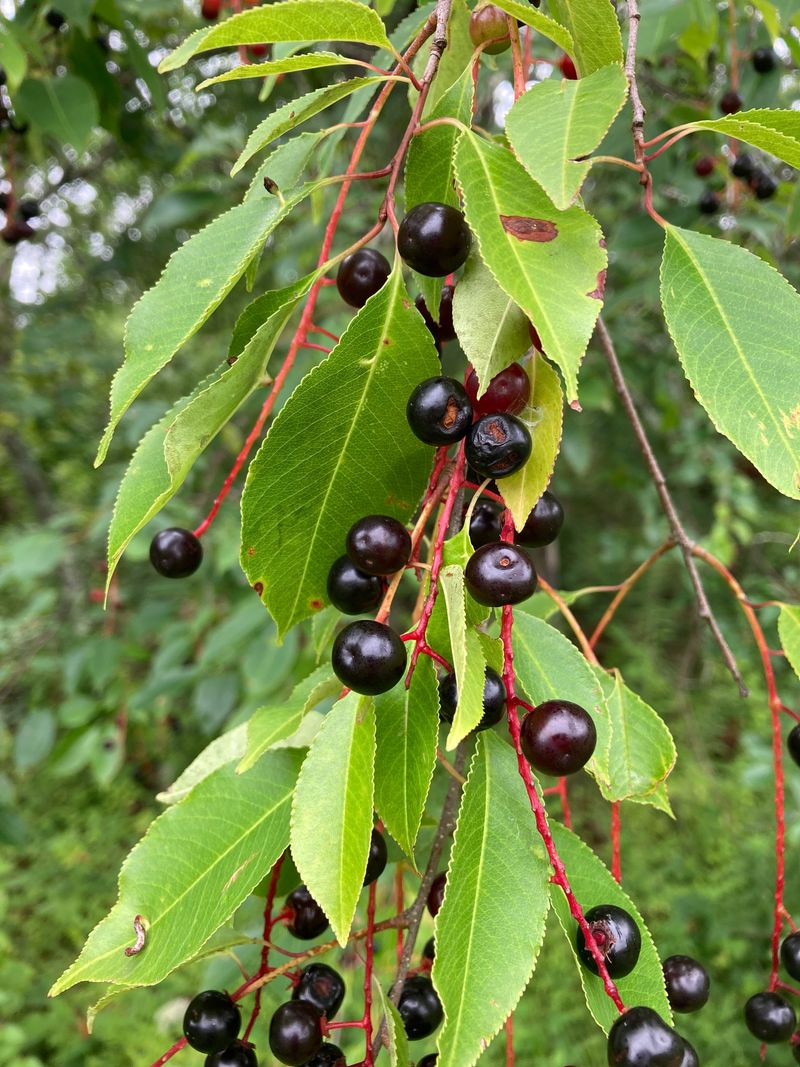
Once the petals drop, black cherry keeps working for wildlife, just in different ways. These later benefits are not pollinator flowers, and they should not be mistaken for them.
Nectar and pollen come only from the spring bloom.
One benefit is hosting insects. NC State’s plant profile lists the tree as a host for many insect species, including butterfly larvae.
Caterpillars chewing on leaves may look like damage, but they are a food source for nesting birds feeding hungry chicks.
The second benefit is fruit. The small cherries typically ripen from late summer to early fall, and the North Carolina Wildlife Federation includes the tree among native choices for wildlife.
Birds and mammals eat the fruit, so a tree that looks quiet in July can get busy again when the cherries darken.
Keep the roles straight when you plan your yard. Spring flowers feed bees and butterflies, leaves feed caterpillars, and fruit feeds birds and other animals.
Each one is valuable, but only the first is pollinator forage, so you will want other plants for summer and fall blooms.
Will black cherry fit your property?
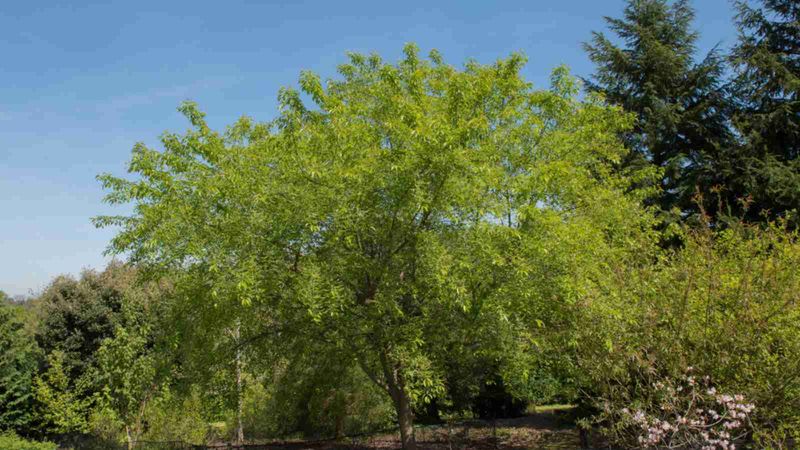
Before you buy or keep a seedling, picture the tree at full size. Black cherry can reach 60 to 80 feet, according to NC State.
That is far too big for a typical small lot, and it needs room away from houses, power lines, and septic systems.
Fruit is the next thing to consider. Ripe cherries drop and can stain decks, driveways, and cars.
If you park or relax under the canopy, that mess can become a regular chore.
Some parts of the tree are toxic. Leaves, seeds, and other parts contain cyanogenic compounds, as described in the USDA Forest Service’s Silvics summary.
In an ordinary yard this calls for sensible placement and cleanup, not alarm.
Wilted leaves are the main livestock hazard. Polk County Cooperative Extension advises keeping horses and other livestock away from fallen or cut branches with wilting leaves.
If a storm drops limbs near a pasture fence, remove them promptly.
Do not crush or process the pits into any food. Even if you only enjoy watching wildlife eat the fruit, this tree suits a roomy site best.
Downy serviceberry offers a smaller, seasonal alternative
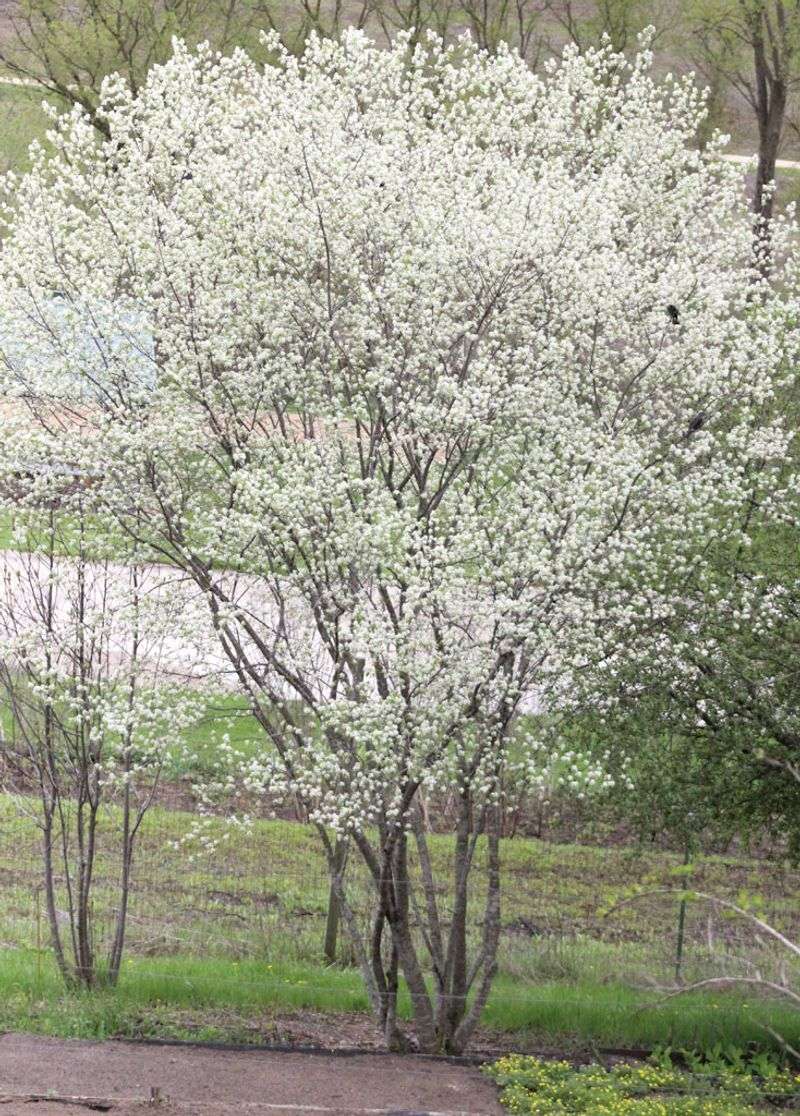
If a 60-foot tree is out of the question, downy serviceberry (Amelanchier arborea) is a more manageable option. NC State lists it at typically 15 to 25 feet, which fits many residential yards much better.
Its flowers open in spring and are visited by pollinators. That is a seasonal bloom, just like black cherry’s, and it will not carry pollinators through summer or fall.
Treat it as one piece of a larger planting.
Later in the season, the tree produces fruit that wildlife eat. The flowers and fruit are separate benefits that arrive at different times, so you get a spring show followed by a food source for birds and other animals.
For a tight site, this is a practical way to get a native flowering tree near a patio or along a border without planning around huge limbs. Check your light and soil, and give it room to grow to its typical size.
Bloom timing and size can vary with site and year, so expect a range rather than exact dates.
Extend forage with overlapping native blooms
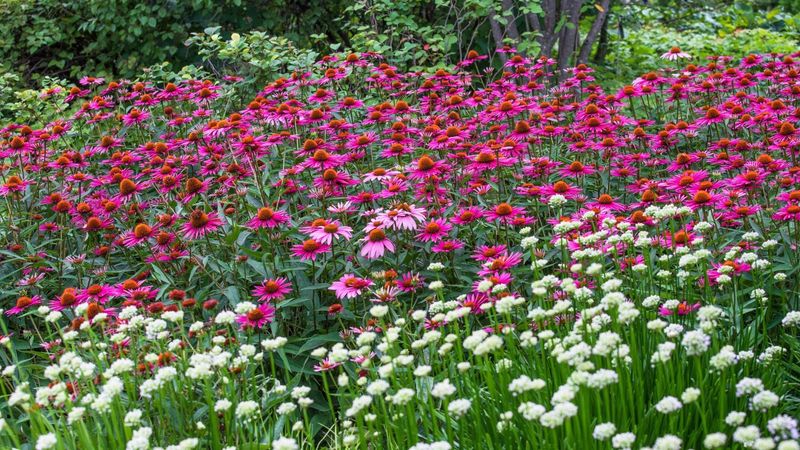
Since no tree on this list flowers from spring to fall, the answer is to build overlap. NC State’s Extension Gardener Handbook recommends planting multiple native species with different bloom periods, with at least three species in bloom during each growing season, to provide a more continuous food supply.
Start by noting what already blooms in your yard and when. A spring tree such as black cherry or downy serviceberry can anchor the early weeks.
Then add smaller native plants whose flowers open at other times, so gaps get filled instead of leaving bees with nothing.
Pollinators also need more than nectar. NC State’s butterfly guidance points to varied bloom periods and host plants, since caterpillars need specific leaves to eat.
A tree that hosts larvae and a bed of nectar plants work as a team.
Check what you have on a mid-summer walk. If few things are flowering, that is your cue to add something.
Choose natives suited to your region, whether Piedmont clay, Coastal Plain sand, or mountain slope, and leave out invasive ornamentals that offer little to local wildlife.
Plant carefully and protect visiting pollinators

A good planting job starts at the root flare, the spot where the trunk widens as it meets the roots. NC State Extension advises locating it before you dig, so the flare sits at or slightly above the soil surface instead of buried.
If you can’t see it, gently brush away soil from the top of the root ball.
Mulch helps hold moisture, but keep it away from the trunk. Spread it in a wide ring and leave a small gap around the base so bark stays dry.
Pesticides deserve equal care once flowers appear. NC State’s guidance on protecting honey bees includes avoiding bee-toxic applications to blooming plants, following product labels, and preventing drift onto flowers.
Even a spray aimed at a weed can reach nearby blooms on a breezy day.
Choose a tree that fits your site, then pair it with the overlapping native blooms recommended by NC State’s native plants chapter to stretch your yard’s food supply across the seasons.
A yard works best when each plant has a job and a place. Get both right, and the buzzing takes care of itself.