
These 12 Beet Companion Plants Mean Bigger Roots Next Spring (And 5 You Should Never Plant Nearby)
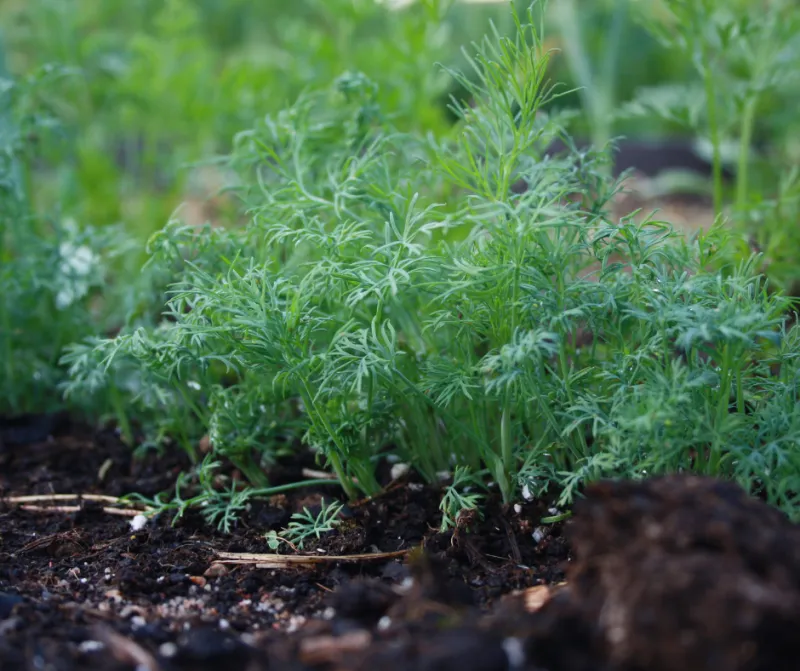
Pulling up a beet and finding a root the size of a marble is a real letdown. Often the problem is not your soil or your seeds but the plants growing right next to your beets.
Some neighbors help beets grow fat, sweet roots, while others quietly steal water, light, and food. Here are 12 smart partners to plant with your beets and 5 you should keep far away.
1. Onions, Garlic, and Chives
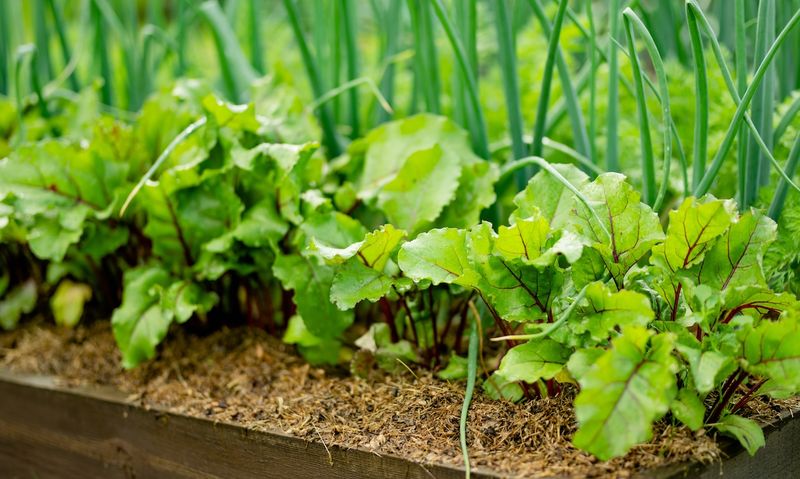
Picture a flea beetle landing on your beet leaves and getting a nose full of onion. That strong smell is the secret weapon of the allium family.
Onions, garlic, shallots, and chives may help deter aphids, flea beetles, and leaf miners that chew holes in beet greens.
Healthy leaves matter more than most people think. Beets build their roots using energy made in the leaves, so fewer holes can mean bigger roots underground.
Tuck chives along the edge of your bed or plant a row of onions between beet rows. Both have slim roots that leave plenty of room for beets to swell.
2. Lettuce
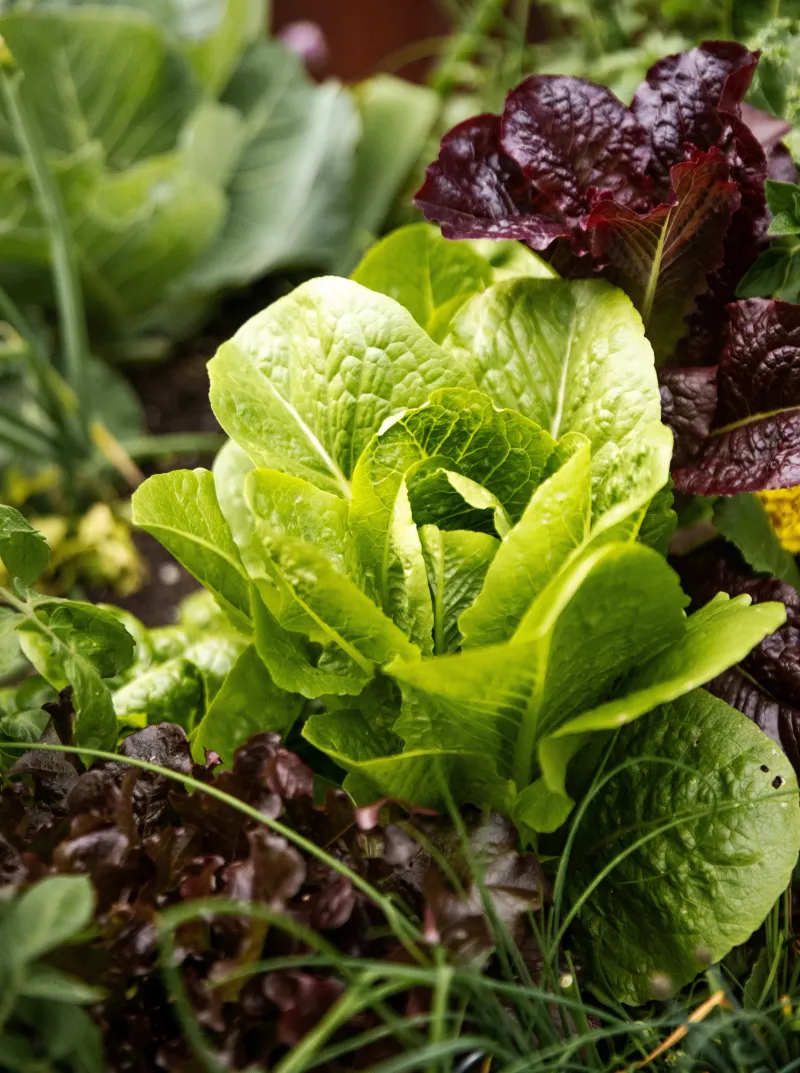
Think of lettuce as a living mulch. Its shallow roots stay near the surface, so it never fights beets for space down where the root is growing.
The leafy cover shades the soil, keeping it cooler and holding moisture longer. Beets that dry out and then get soaked often crack or turn woody, so steady moisture is a big win.
Lettuce also crowds out weeds around tiny beet seedlings. Pick it as it grows and you get salads while your beets keep getting bigger.
3. Bush Beans
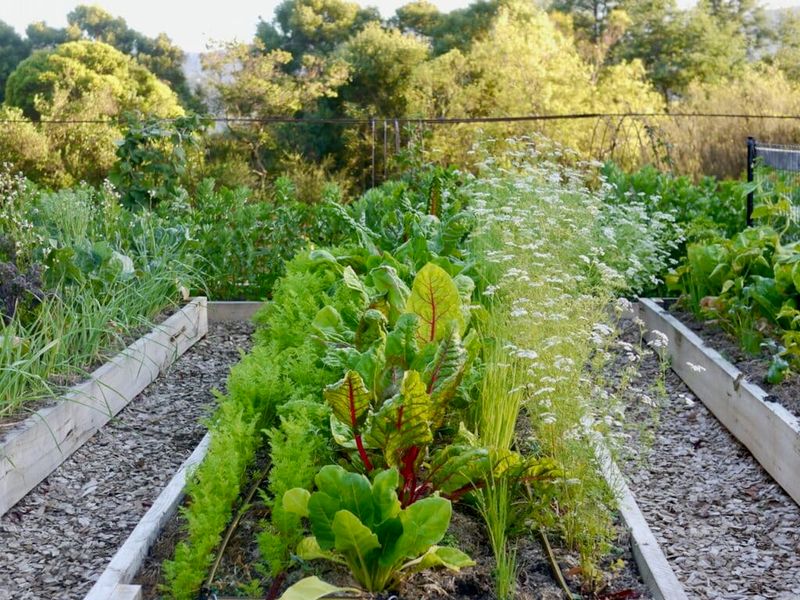
Bush beans are quiet helpers that work with soil bacteria to pull nitrogen from the air. Over time, that can enrich the soil around them.
Their compact shape is the key. They stay short, offering a bit of light afternoon shade in warm weather without blocking the sun your beets need.
Plant a row of bush beans on the south side of your beets in hotter regions. Keep them compact varieties only, because their climbing cousins are a different story, as you will see below.
4. Radishes
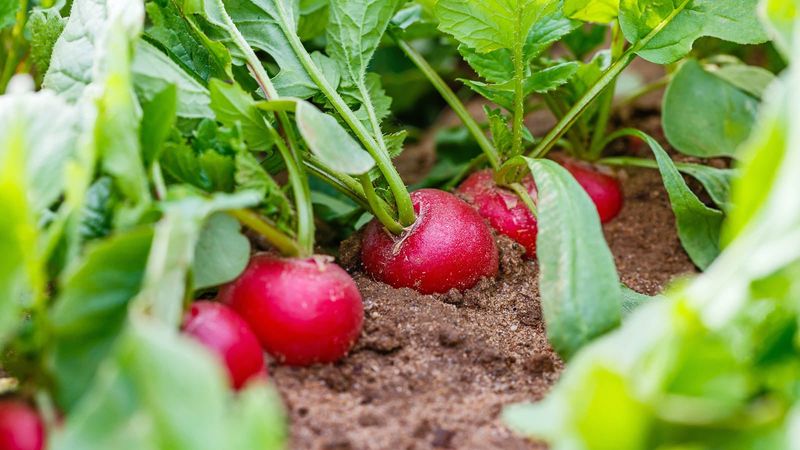
Radishes are the sprinters of the vegetable patch. Many are ready in about a month, long before beets need the extra elbow room.
As you pull them, they leave small pockets in the soil. That loosened ground makes it easier for beet roots to push outward.
Some gardeners mix radish and beet seeds in the same row. The radishes pop up fast and mark the row, which helps you avoid weeding out slow beet sprouts by mistake.
5. French Marigolds
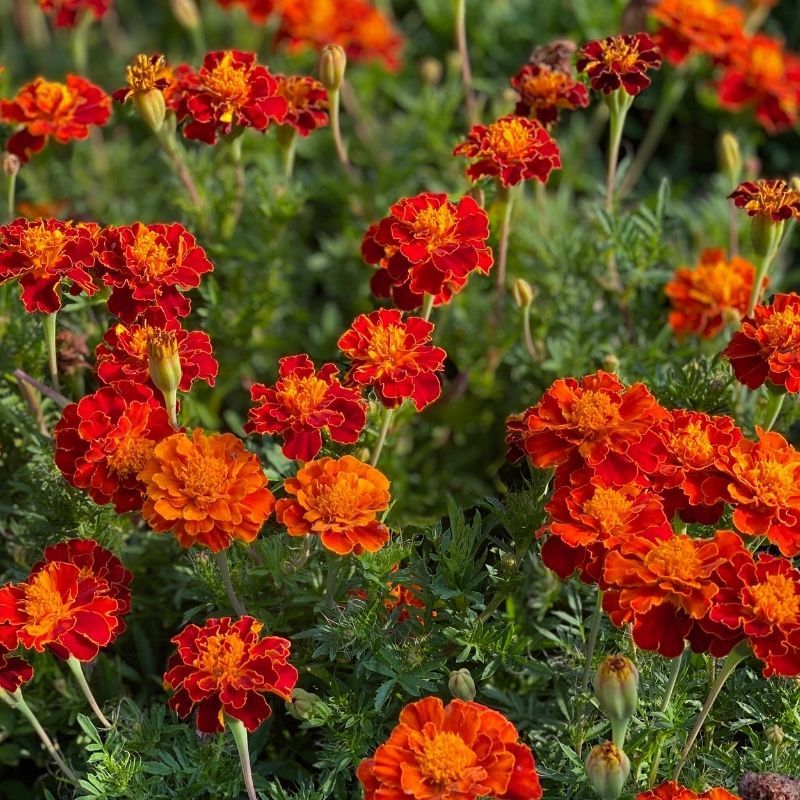
Bright orange blooms at the end of a beet row are not just for looks. French marigolds may help reduce some root-knot nematodes in the soil, tiny worms that can damage roots.
The flowers also draw in hoverflies and other helpful insects that eat aphids. To get the soil benefit, plant them thickly and leave them growing for a full season.
Choose the short French types so they do not shade your beets.
6. Nasturtiums
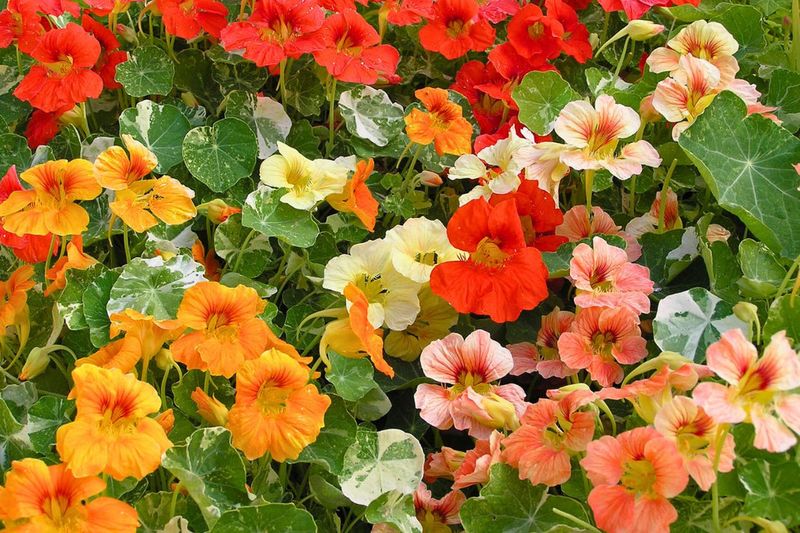
Here is a sneaky trick. Aphids often love nasturtiums more than they love your beets.
Planted a few feet away, nasturtiums can act as a trap crop that pulls pests off your main crop. Ladybugs then show up to feast on the aphids gathered there.
If a nasturtium gets covered, just pull it and toss it. You lose a cheap flower instead of your beet harvest.
7. Dill
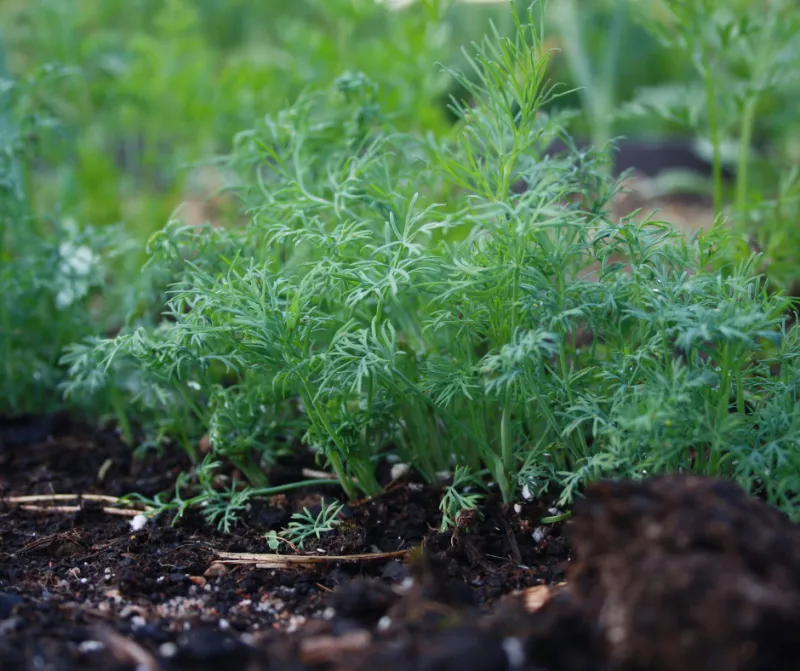
Those yellow, umbrella-shaped flowers are like a landing pad for good bugs. Tiny parasitic wasps and lacewings feed on dill blooms, then hunt aphids and caterpillars nearby.
Dill has a slim root and airy leaves, so it barely competes with beets. Let a few plants flower instead of harvesting everything.
Fun fact: the word dill may come from an old Norse word meaning to soothe. Your beets will appreciate the calm, pest-wise.
8. Cilantro
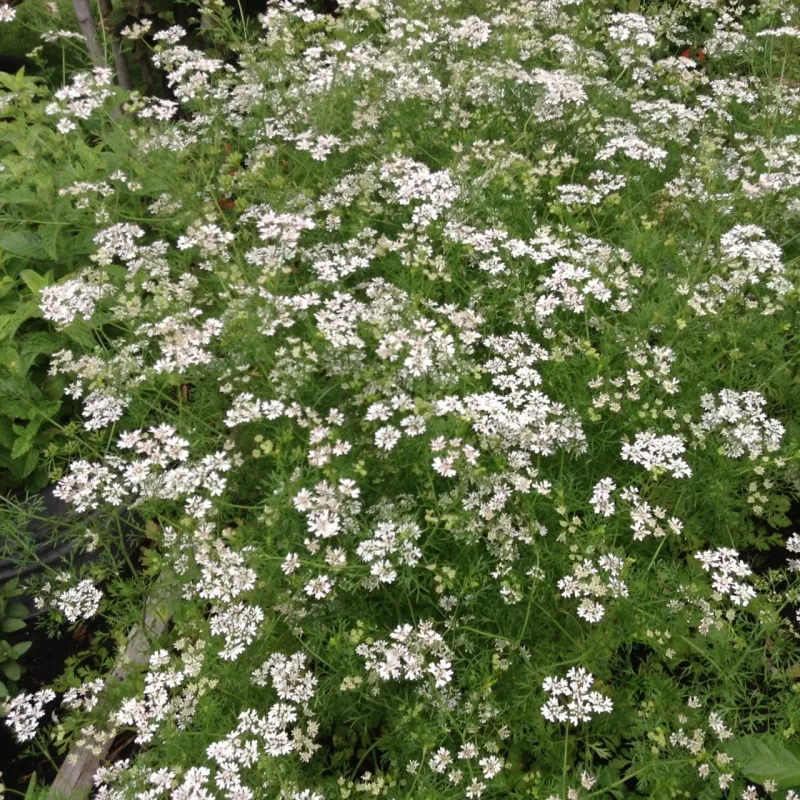
Cilantro tends to bolt fast in warm weather, and for once that is good news. Its little white flowers feed helpful insects that eat beet pests.
The scent of the leaves may also help mask beets from bugs that hunt by smell. Since cilantro likes cool weather just like beets, the two fit the same spring and fall planting windows.
Sow a pinch every few weeks for a steady supply for salsa.
9. Thyme
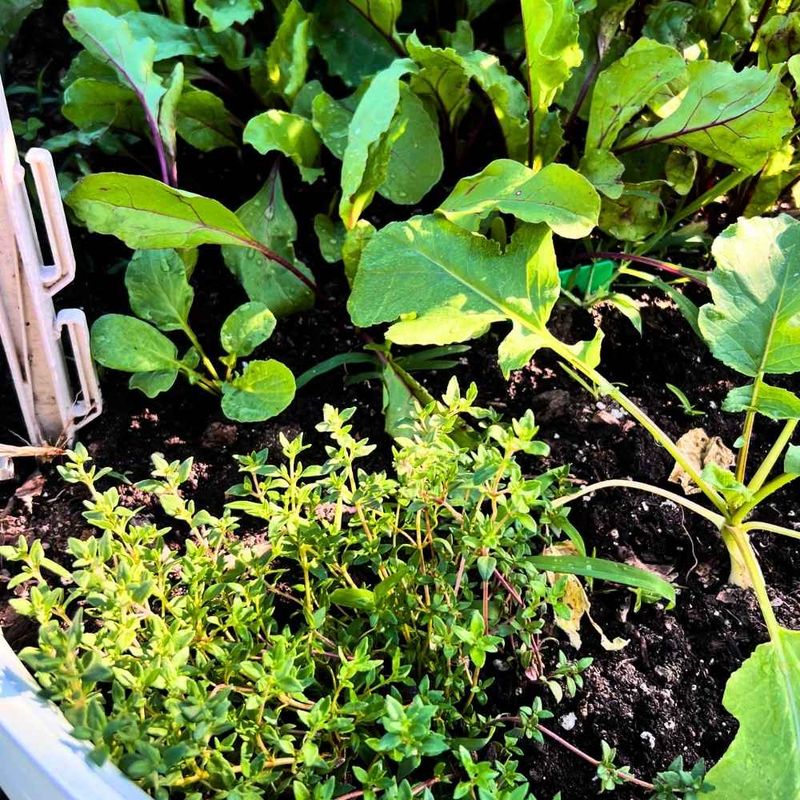
Small but mighty, thyme stays low and tidy along a bed edge. Its fragrant oils may help discourage flea beetles and aphids.
It is a perennial in many US zones, so you plant it once and it returns year after year. That makes it a set-and-forget border for your beet bed.
Keep it on the drier edge, since thyme dislikes the steady moisture beets crave.
10. Sage
Ever walked out to find your beet greens nibbled down to stubs? Rabbits love them.
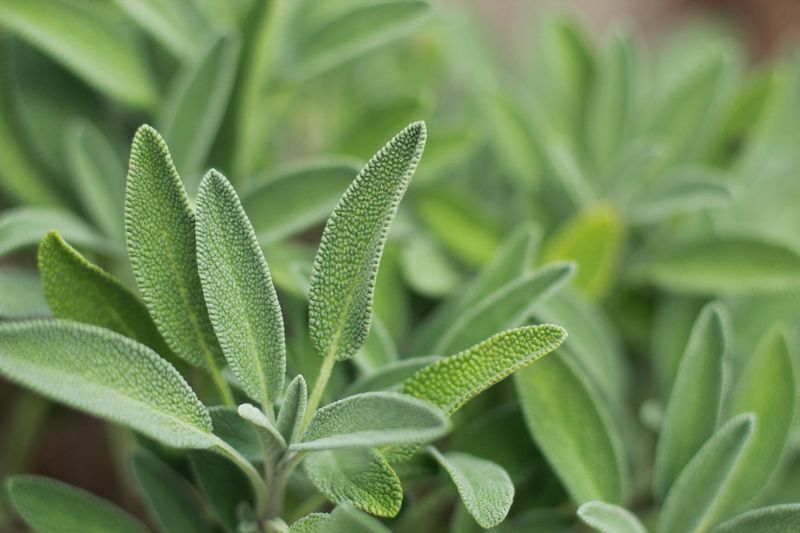
Sage has a strong scent that some gardeners find helps keep rabbits and slugs away. It may also deter flea beetles.
Plant sage at the corners of your bed rather than inside it, since it grows into a woody bush. Bonus: the leaves are great with roasted beets.
11. Kohlrabi
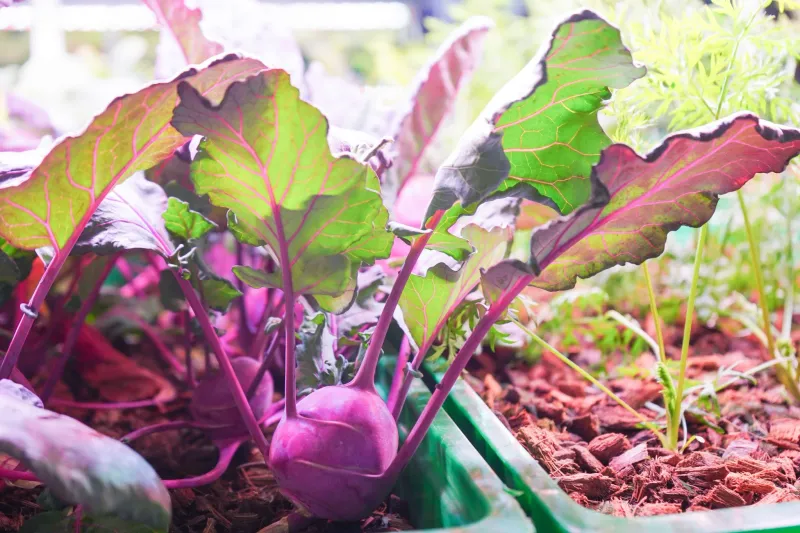
Kohlrabi looks like something from another planet, but it gets along with beets just fine. It forms its bulb above ground, so it does not crowd beet roots below.
Both love cool weather and similar spacing, making them easy to plan together. Their feeding habits are different enough to avoid heavy competition.
Give each plant about four inches and harvest kohlrabi when it is tennis-ball size for the best texture.
12. Cucumbers
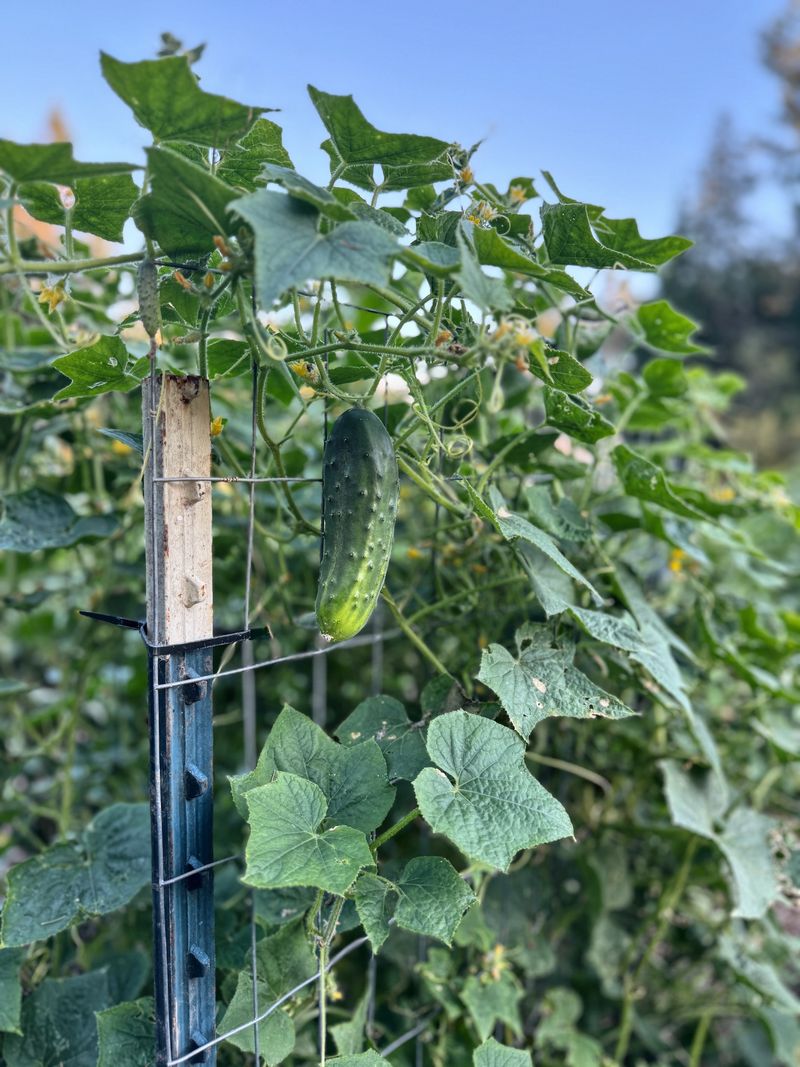
Cucumbers and beets work well when cucumbers climb. Grown up a trellis on the north side of the bed, they will not shade your beets.
Their roots spread wide but shallow, while beets go a little deeper. Mulch between them to hold moisture for both.
Just keep the vines off the beet tops.
13. Pole Beans
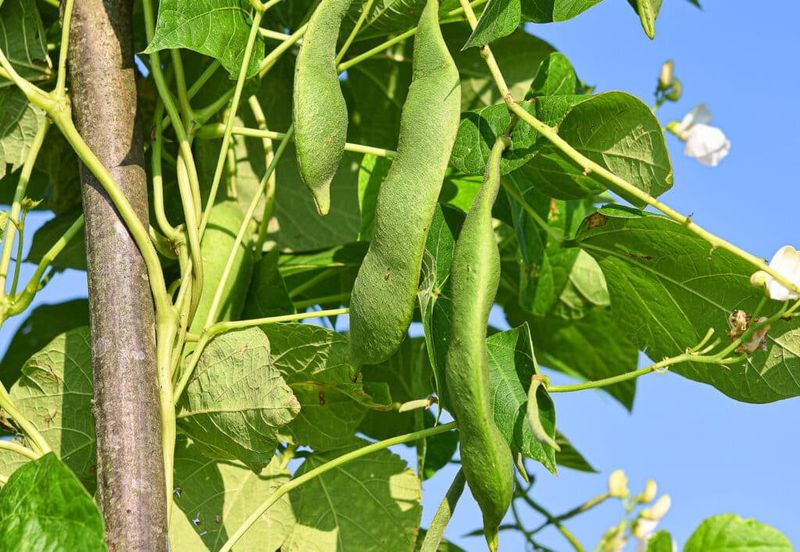
Now for the plants to avoid. Pole beans may sound like bush beans with ambition, and that ambition is the problem.
They climb tall and thick, throwing heavy shade over beets. Less sunlight means less energy for root growth, which leads to small, skinny beets.
If you love pole beans, grow them in a separate bed where their shade will not matter.
14. Wild and Field Mustard
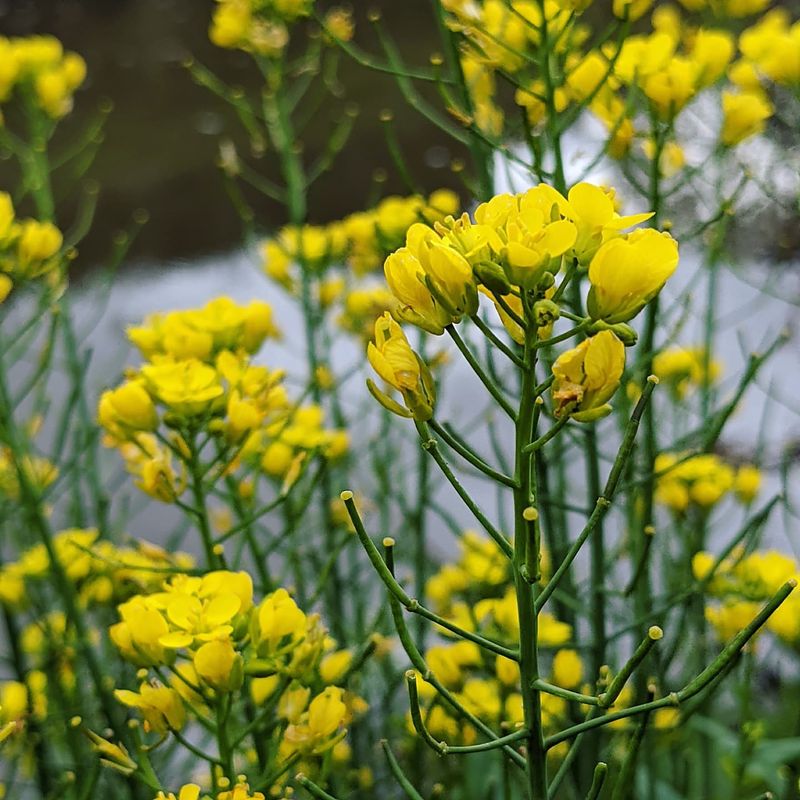
Sometimes the worst neighbor is one you never planted. Wild and field mustard often sneak in as weeds.
Their tough root systems pull hard on soil nutrients and water. Beets stuck next to them can end up stunted.
Pull these yellow-flowered weeds early, before they set seed and multiply.
15. Tomatoes and Other Nightshades
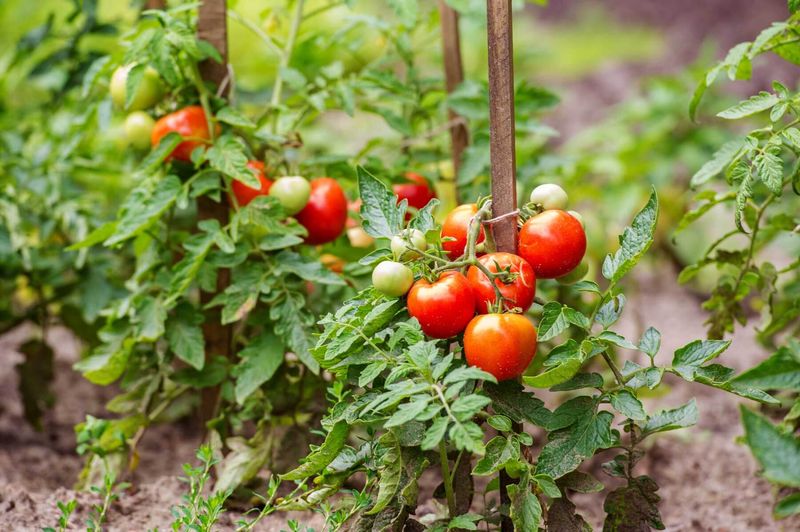
Your tomatoes are hungry plants. They, along with peppers, eggplants, and potatoes, pull a lot of water and nutrients from the soil.
Big tomato plants also cast wide shade. Beets tucked underneath may struggle to form good roots.
Give nightshades their own space. A few feet of distance can make a noticeable difference for both crops.
16. Spinach and Swiss Chard
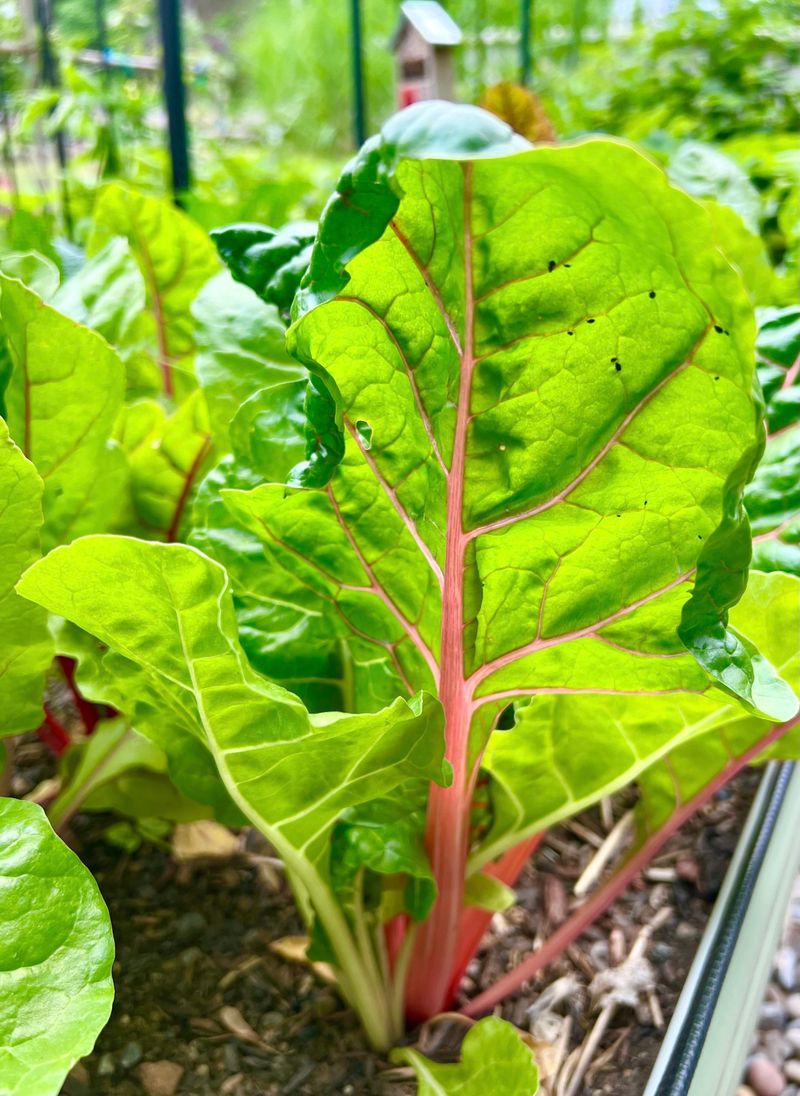
This one surprises people. Spinach and chard are close cousins of beets.
Family members tend to share pests and diseases, like leaf miners and leaf spot. Planting them side by side can let problems spread quickly through the whole row.
Spread them out and rotate where you plant them each year to break pest cycles.
17. Parsley
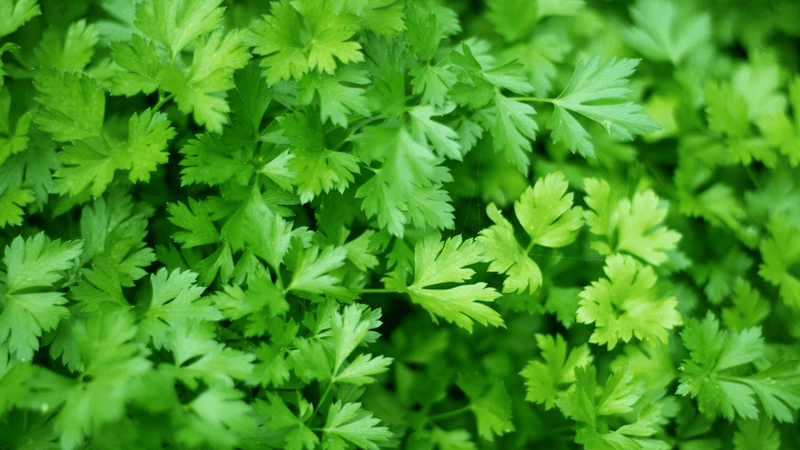
Parsley seems harmless, and in many spots it is. Next to beets, though, some gardeners report slower growth.
The research here is limited, so treat it as a caution rather than a hard rule. Still, with so many better partners available, why risk it?
Move parsley to a pot or the herb corner. Then fill the space by your beets with chives or lettuce for bigger roots next spring.