
Bringing Home A Poinsettia This Year? 13 Holiday Plants That Are Riskier For Your Cat Than You Think
Poinsettias get all the bad press every December, but they are actually one of the milder risks on the holiday plant shelf. Some of the prettiest gifts and decorations can hurt a curious cat far more, and a few can even be deadly.
If you share your home with a cat who loves to chew leaves, knowing which plants to skip could save you a scary vet trip. Here are 13 holiday plants worth a second look before they come through your front door.
1. Poinsettia
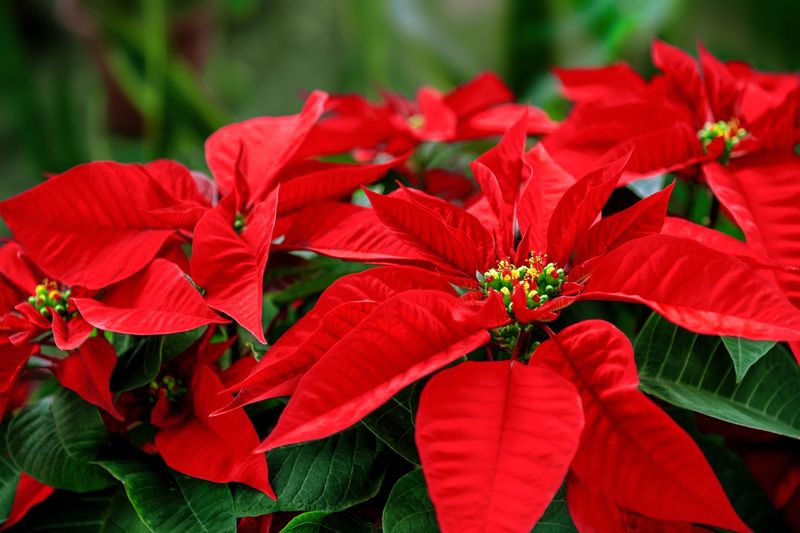
Here is some good news to start. The famous red poinsettia is only mildly toxic to cats, not the killer many people believe it is.
The milky white sap inside the stems and leaves contains compounds that irritate tissue. A cat that chews a leaf may drool, get small sores in the mouth, vomit, or have a bout of diarrhea.
Most cases clear up on their own without a vet visit.
Still, mild does not mean harmless. Set your poinsettia on a high shelf or in a room your cat cannot reach, and call your vet if symptoms last more than a few hours.
Think of it as the baseline for this list, because almost every plant below carries a bigger risk.
2. Sago Palm
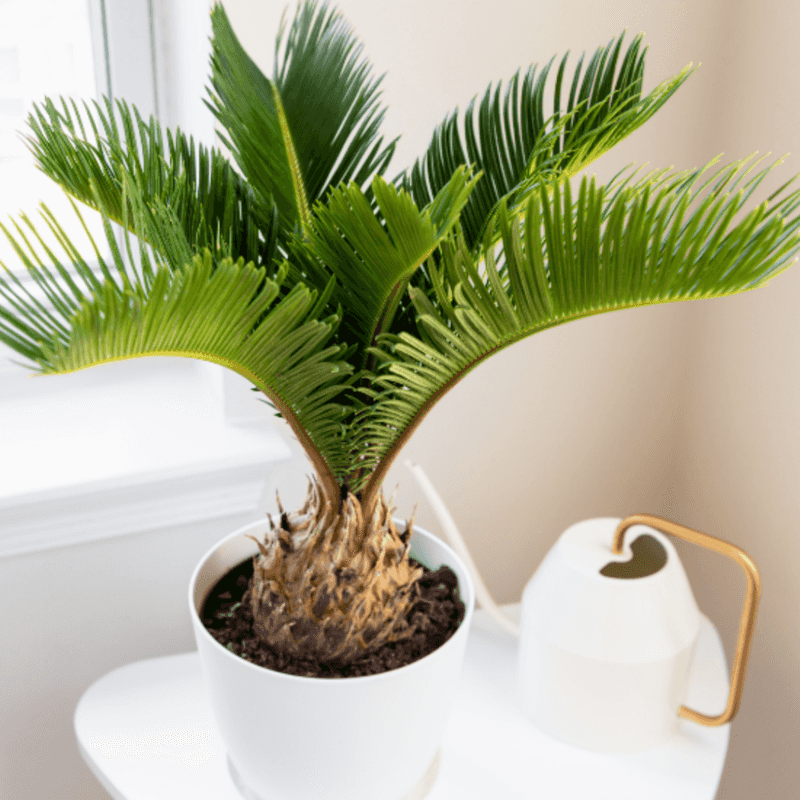
Few plants on this list deserve a louder warning. Sago palms are often sold as trendy indoor gifts around the holidays, sometimes wrapped in ribbon like a tiny Christmas tree.
Every part of the plant is poisonous, and the seeds are the worst. Even a small bite can cause severe liver damage, and roughly half of cats who eat part of a sago palm may not survive, even with hospital care.
Watch for vomiting, weakness, dark urine, yellow eyes or gums, tremors, or seizures. Honestly, the safest fix is simple: if you have a cat, do not bring a sago palm home at all.
If one is already in the house, rehome it and call your vet right away if you suspect any chewing.
3. Lilies
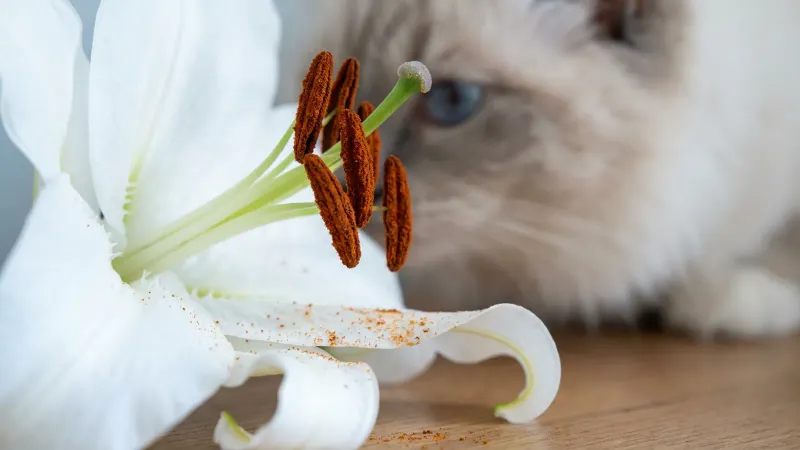
Picture a gorgeous holiday bouquet arriving at your door, full of white lilies and evergreen sprigs. For a cat owner, that sweet gesture can turn into an emergency fast.
True lilies, including Easter, tiger, and Asiatic types, can cause sudden kidney failure in cats. The leaves, petals, pollen, and even the water in the vase are dangerous.
A cat that grooms a little pollen off its fur can get sick.
Symptoms like vomiting, low energy, and refusing food often show up within hours. Fast treatment makes a huge difference, so head to the vet immediately if you suspect exposure.
Better yet, kindly ask friends and florists to leave lilies out of any arrangement headed your way.
4. Amaryllis
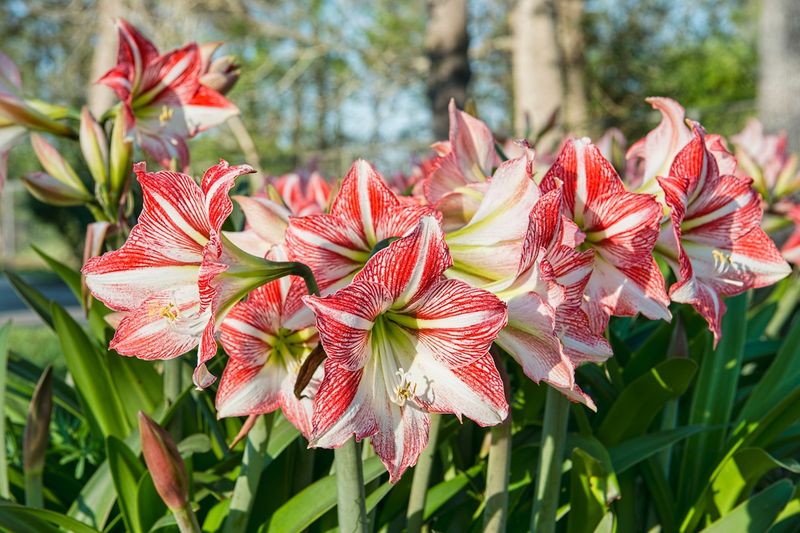
Gift boxes with an amaryllis bulb ready to grow are a holiday favorite. They are fun to watch, shooting up tall stems and huge trumpet blooms in just weeks.
Unfortunately, they are also toxic to cats. The bulb holds the most lycorine and oxalates, but the leaves and flowers can cause trouble too.
Expect vomiting, diarrhea, belly pain, heavy drooling, low appetite, and sometimes tremors.
The risk is usually mild to moderate. Keep the pot in a closed room or high spot, and store any spare bulbs where paws cannot dig them out.
5. Tulips
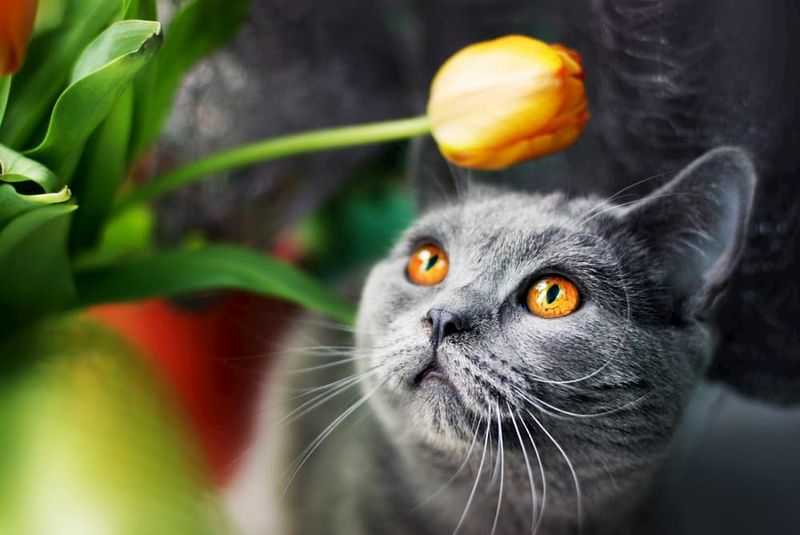
Forced tulips feel like a little burst of spring in the dead of winter. Many stores sell them potted for holiday tables and late-December gifting.
All parts of the tulip contain toxic compounds, with the bulb being the strongest. A nibble may only upset the stomach.
Larger amounts can bring intense vomiting, diarrhea, drooling, sluggishness, trouble breathing, or seizures.
Cats who like to dig in pots are most at risk, since the bulb sits right under the soil. A layer of decorative stones or mesh over the soil can help discourage digging, though keeping the pot out of reach works best.
6. Daffodils
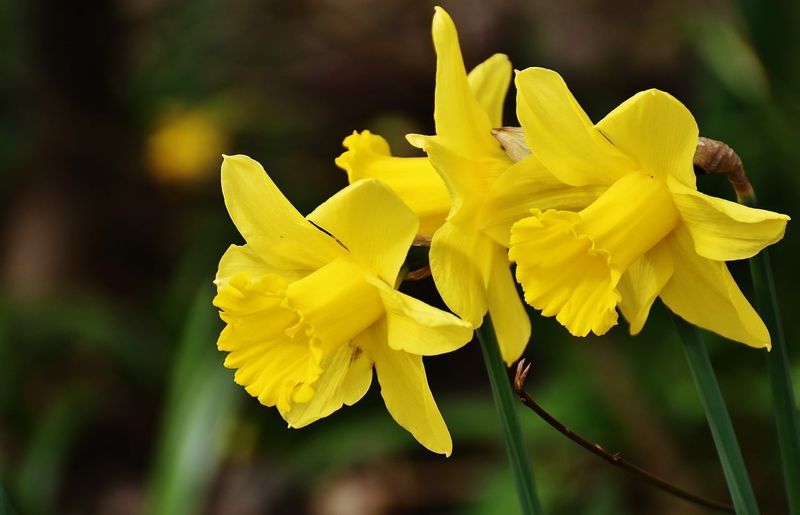
Sunny yellow daffodils are a classic choice for brightening gray winter windowsills. They look harmless, but they pack a real punch.
The bulbs contain lycorine, a toxic alkaloid. Mild cases mean drooling, vomiting, diarrhea, and belly pain.
Serious poisoning can lead to an abnormal heartbeat, very low blood pressure, breathing problems, and convulsions.
If you force daffodil bulbs indoors, treat them like medicine and keep them well out of reach. Store unplanted bulbs in a sealed bin, not a paper bag on the counter.
7. Hyacinths
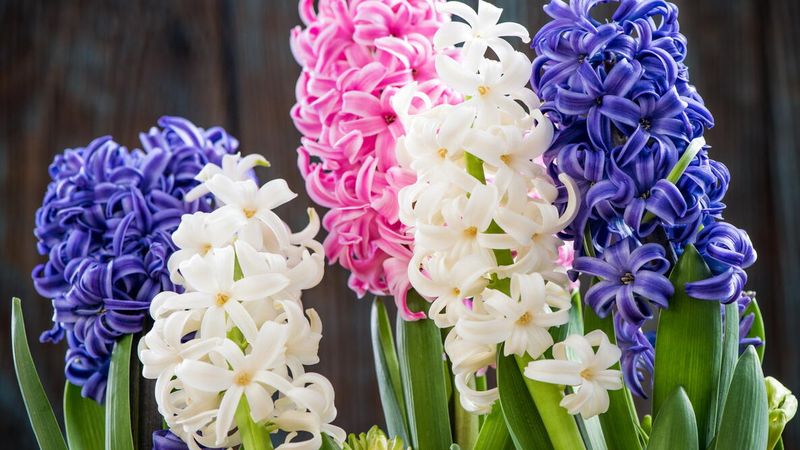
That sweet, heavy perfume filling the room? It might be a hyacinth, and your cat has probably noticed it too.
Hyacinths are toxic, and the bulb is the most dangerous part. Cats who chew on one can have intense vomiting, diarrhea, drooling, tremors, depression, and a racing heart.
Large amounts can be fatal.
Glass forcing vases make the bulb and roots easy to reach, which is a problem for curious paws. Set them on a high shelf or choose a cat-safe bloom instead.
8. Paperwhites
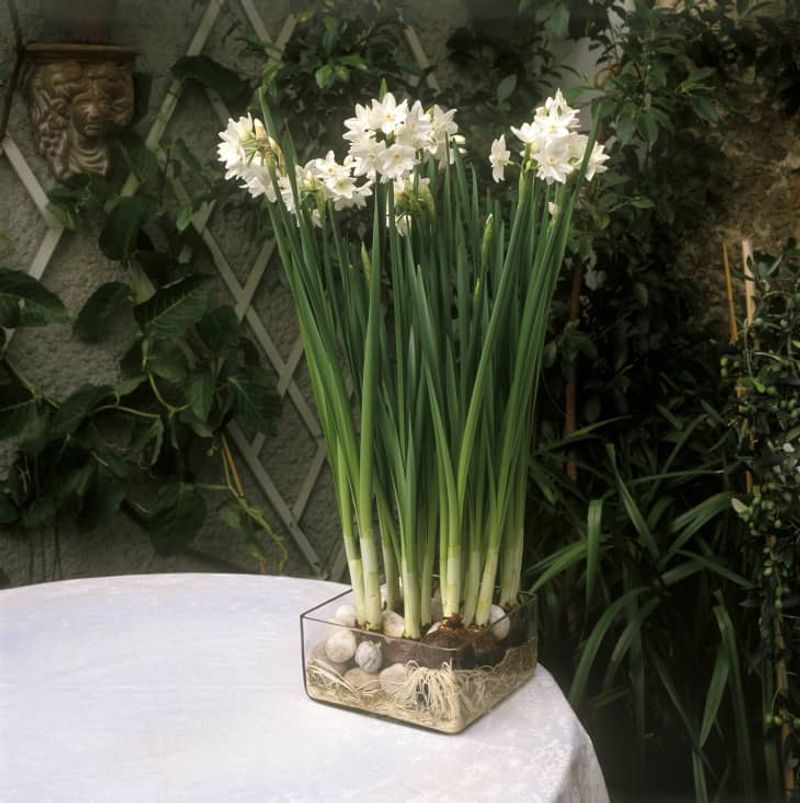
Paperwhites are the easiest holiday bulbs around. Drop them in pebbles and water, wait a few weeks, and you get clusters of starry white blooms.
That easy setup is exactly what makes them tricky with cats. Like other narcissus, they contain lycorine plus tiny needle-shaped crystals that sting the mouth and throat.
Vomiting, drooling, and diarrhea are common, and bigger bites can cause worse problems.
The forcing water can also soak up toxins. Since many cats love sipping odd water sources, cover the bowl or keep it somewhere your cat never goes.
9. Mistletoe
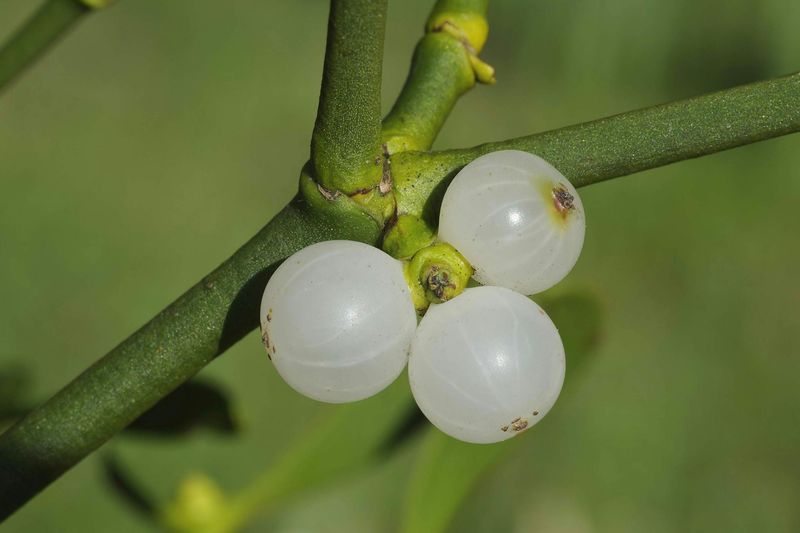
Hanging mistletoe in a doorway feels safe since it is way up high. Then a sprig falls, and a bored cat finds a new toy.
Both American and European mistletoe contain compounds that upset the stomach and may affect the heart and nervous system. Signs include vomiting, diarrhea, trouble breathing, and a slow heart rate.
Severe poisoning is uncommon but possible with larger amounts.
Tie it securely, check it often for dropped berries and leaves, or switch to a realistic fake sprig.
10. Holly
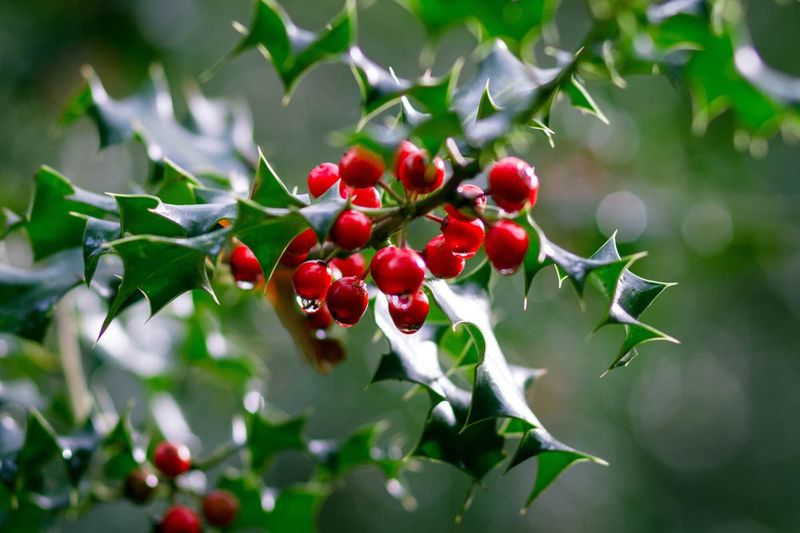
Holly has decorated homes since long before Christmas trees caught on, and those shiny red berries are hard to resist for a playful cat.
The leaves and berries contain saponins that cause vomiting, diarrhea, and a sad, low mood. The spiky leaves usually stop cats from eating much, but berries rolling across the floor are another story.
Keep holly on mantels or wreaths your cat cannot climb, and sweep up fallen berries daily.
11. Kalanchoe
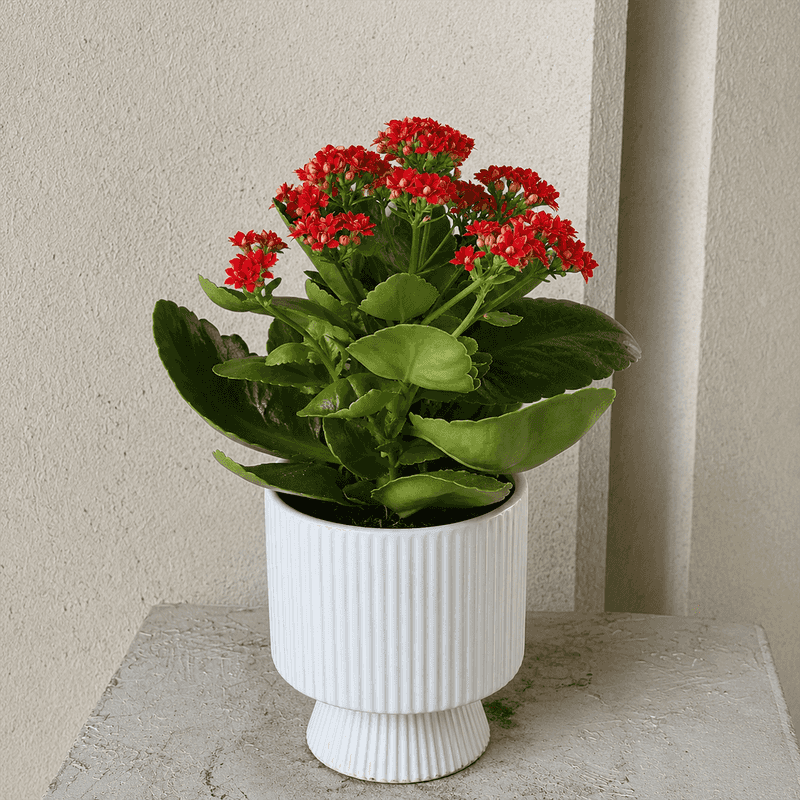
Grocery store checkout lines are packed with little kalanchoe pots each December. They are cheap, cheerful, and almost impossible to kill.
Sadly, they also contain cardenolides, compounds that affect the heart. Most cats only get vomiting and diarrhea, but bigger meals can cause heart rhythm problems.
Since kalanchoe looks so innocent, it often lands on low coffee tables. Give it a higher home, or send it to work with you instead.
12. Cyclamen
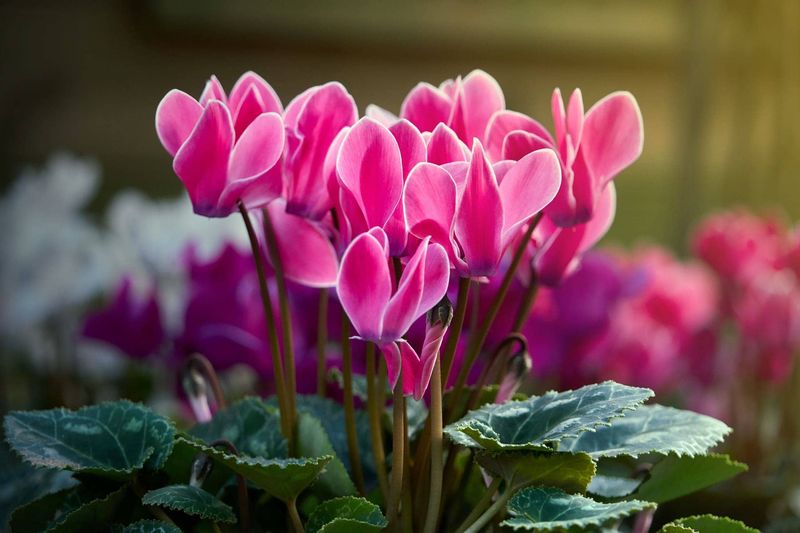
With its swept-back petals and marbled heart-shaped leaves, cyclamen is a winter showstopper. Its real danger hides under the soil.
The tuber, or root, is the most toxic part. A cat that digs it up and chews may drool, vomit, and have diarrhea.
Large amounts can cause heart rhythm problems, seizures, and even death.
Fun fact: cyclamen loves cool rooms, so it often ends up on chilly windowsills where cats like to lounge. Pick a different spot your cat cannot reach.
13. Christmas Rose
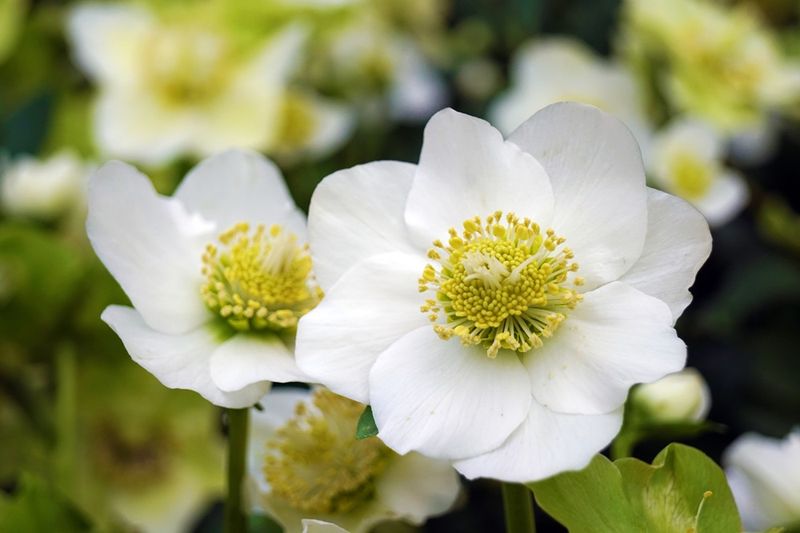
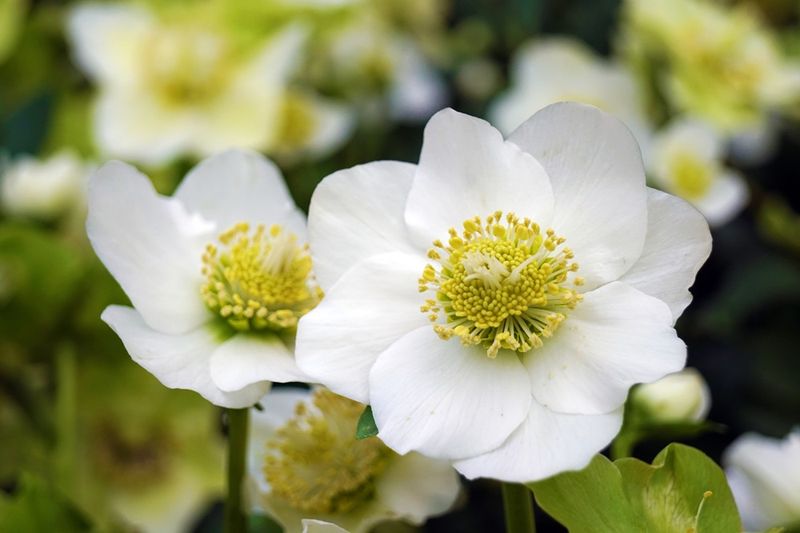
Despite the name, the Christmas rose is not a rose at all. It is a hellebore, prized for blooming in the coldest weeks of the year.
It contains several irritating compounds that can cause heavy drooling, vomiting, diarrhea, belly pain, and lethargy. Large amounts can also affect the heart.
Many gardeners bring potted hellebores inside for holiday display. If you do, keep them away from cats, then move them back outdoors after the season.
A quick closing tip for every plant here: save the ASPCA Animal Poison Control number in your phone and call your vet at the first sign of trouble. Quick action can make all the difference.