
What It Really Means When Songbirds Suddenly Crowd Into Your North Carolina Yard This Fall
One morning the yard is quiet, and the next it is full of chirping, flitting birds. Many North Carolina homeowners notice this surge every fall and wonder what it means.
The answer involves travelers passing through, newcomers arriving for winter, and neighbors you already know. Here is how to read the scene, and how to help the birds safely.
Fall brings several kinds of birds into the same yard
Picture your yard in late September. Some of the birds you see may be southbound travelers just passing through, while others are residents that never left.
Fall in North Carolina is a time of turnover, not one single migration event.
According to NC State Extension, southbound migrants generally pass through in September and early October. Those dates are a broad pattern.
Timing shifts from species to species and from the mountains to the coast, so your own yard may see travelers a little earlier or later.
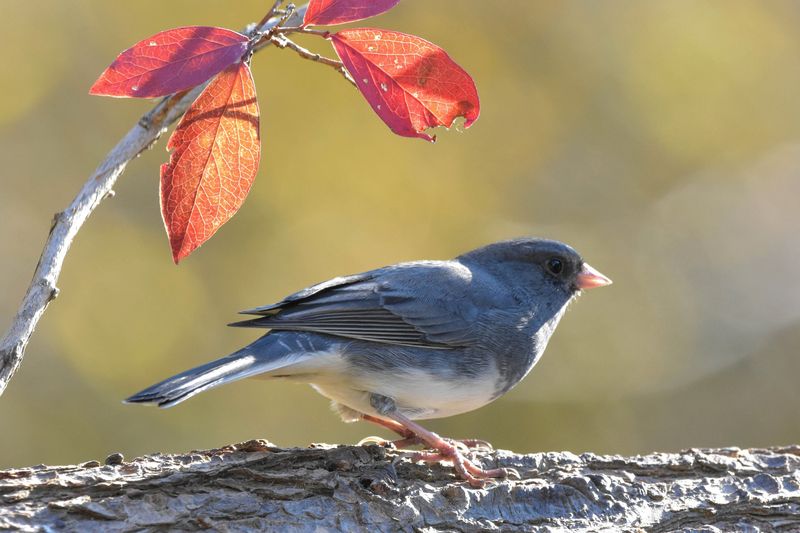
Then a second wave begins. Winter visitors such as sparrows, kinglets, and juncos start arriving in October and November, as described in NC State’s winter wildlife guidance.
These birds may have come only a short distance from farther north, and they plan to stay through the cold months.
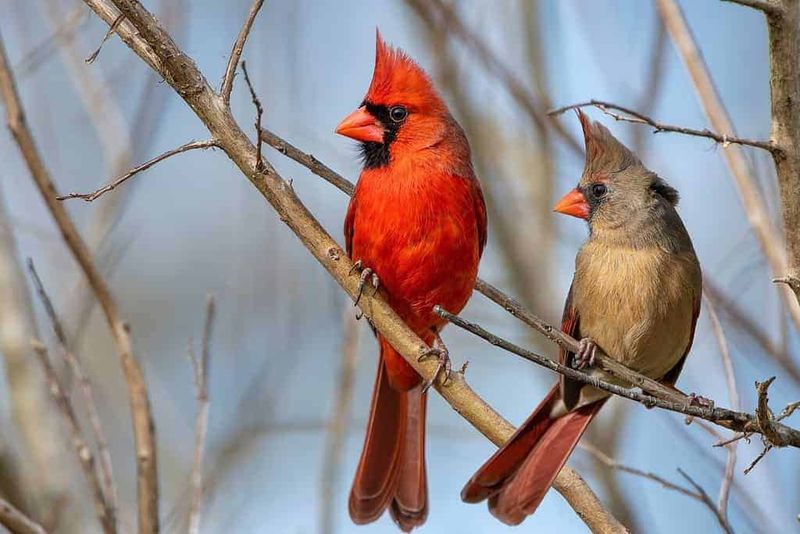
Meanwhile, year-round birds like cardinals, Carolina wrens, and chickadees are still around. So a busy yard in fall can hold three groups at once: birds passing through, birds settling in for winter, and birds that live here all year.
That mix is why it is risky to say every bird you see is flying south. A better habit is to look closely.
A dark-eyed junco with white outer tail feathers hopping under a feeder is likely a winter arrival, while a Carolina wren calling from the brush pile probably lives nearby. Noticing who is who turns a confusing crowd into a story about the season.
Food and social behavior can make the crowd look sudden
Food is a powerful magnet. Fall migrants need energy for long flights, and NC State Extension notes that they seek out energy-rich fruit.
A dogwood, pokeberry, or holly loaded with berries can draw birds that were invisible a week ago.
Social habits play a part too. After the breeding season ends, some resident birds stop defending nesting territories and start traveling in groups.
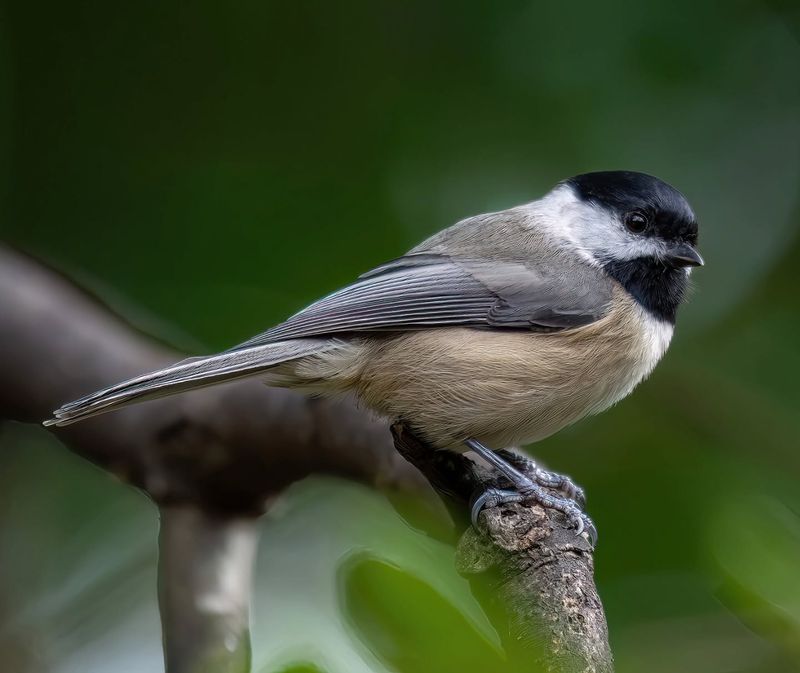
Chickadees and titmice are classic examples, and a mixed band of them can sweep through a yard in minutes.
Carolina Chickadees add another twist. Cornell Lab of Ornithology notes that they associate with migrating warblers and other songbirds in spring and fall.
If chickadees are working your trees, keep your eyes open for unfamiliar visitors tagging along.
It also helps to separate two situations. Birds clustered around a feeder are simply sharing a food source.
A true flock is a group moving together, and Cornell Lab writers draw that same line between artificial food gatherings and mixed-species flocks.
So what is happening in your yard? It could be a berry crop, a roving chickadee band, a feeder crowd, or all three.
No single explanation fits every yard, and watching how the birds behave is the best clue you have.
A busy yard is a clue, not a health report
A bird-filled yard feels like a pat on the back, and food and cover can certainly help birds. But one surge of visitors cannot tell you the yard is healthy.
A sighting is a clue, not a test result.
Think about the other explanations. Regional migration can bring many birds through an area at once, and seasonal flocking can pull residents together.
Researchers who studied autumn migration timing found that several factors shape when birds move, so the arrival of a crowd often reflects much bigger forces than one property.
The reverse is true as well. Your yard may offer plenty of seeds, fruit, and shelter, yet that is not the same as proving it caused the gathering.
A yard can provide useful resources without being the reason a large number of birds showed up, and a single observation cannot tell you which factor mattered most.
The NC State guidance on backyard habitat stresses building food and cover over time. That is a better measure than any one morning.
A simple notebook can help. Jot down the date, the species you recognize, and what the birds were doing.
After a few seasons, you will see patterns that one busy day never could.
Much of fall migration happens out of sight
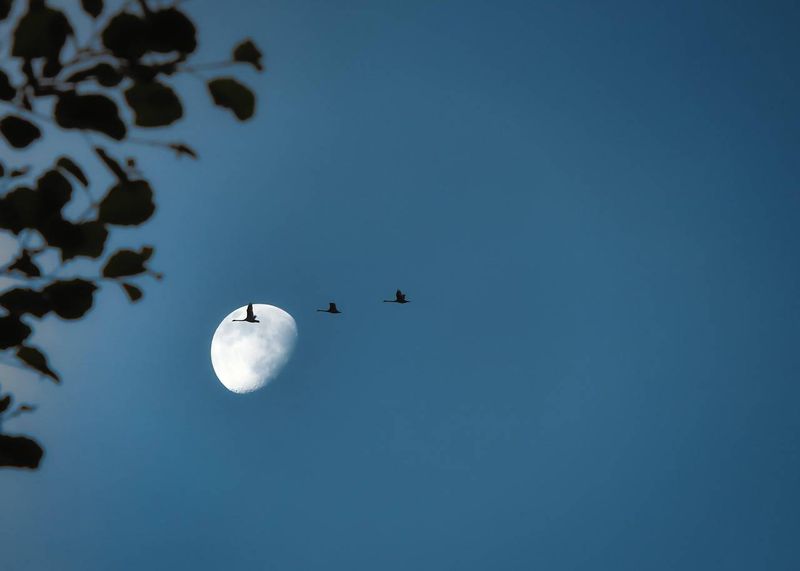
Most of the action happens after you have gone to bed. In the contiguous United States, most migration takes place at night, so birds you see at dawn may have landed only hours earlier.
That is one reason a yard can seem to fill up overnight.
Cold weather gets too much credit. The study of nocturnal migrants in autumn points to a mix of seasonal food supply, diet, and winds at migration heights.
Each species follows its own schedule, so a chilly snap is not the only trigger.
If you want a peek at the hidden movement, try BirdCast. The BirdCast FAQ explains that it uses weather radar to track nighttime migration.
Its live migration maps show how intense the movement is and which direction birds are heading.
There are limits. Radar cannot tell a thrush from a warbler, and it cannot count the birds in your particular yard.
Think of it as a weather report for migration, useful for knowing that a big night just happened, not for naming who is in your hollies.
Checking the maps on a morning when your yard feels crowded can be a fun experiment. If the map showed heavy movement overnight, regional migration may be part of the story.
Give birds food and cover across the seasons
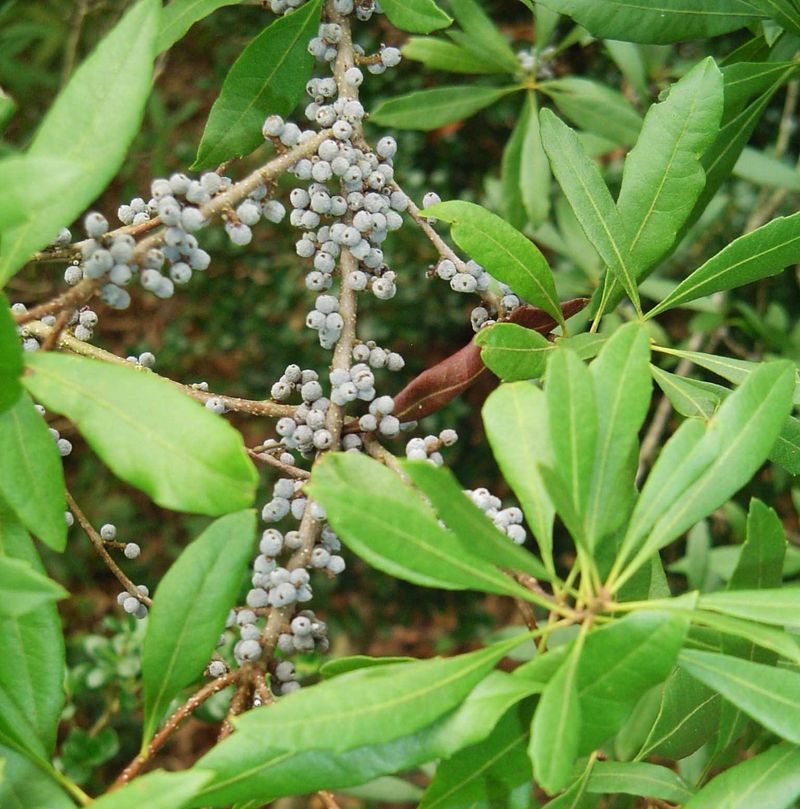
Helping birds is a year-round job, and the best time to plant is right now. NC State Extension recommends a variety of food-producing plants, chosen so that fruit and seed are available at different times of year.
That way, birds find something useful whether they pass through in September or stay all winter.
Consider letting part of your yard go a little wild. Leaving some areas less manicured allows seed- and fruit-producing plants to grow.
A corner with seed heads left standing through winter can feed juncos and sparrows when little else is available.
For shelter, NC State’s winter wildlife advice lists native evergreens such as American holly, yaupon, wax myrtle, and eastern redcedar. Dense evergreen branches offer cover from wind, cold, and hawks.
Treat these as options, not a shopping list for everyone. Yaupon and wax myrtle may thrive in a sandy coastal yard, while a shady Piedmont lot may call for a different mix.
Soil, sun, moisture, and your region all matter, so check with your local Cooperative Extension office before buying.
When you add plants, pick native choices over invasive ornamentals. Bradford pear and nandina, for example, are common in NC yards but can spread into wild areas.
Swapping them for a native holly is a good way to protect the wider ecosystem while feeding birds.
Reduce hazards birds face as they move through
Tired birds on unfamiliar ground face a few predictable dangers. The good news is that most are fixable with small changes.
None of these steps is a guarantee, but each can lower the risk.
Start with lights. Because so many songbirds travel at night, turn off or dim unnecessary outdoor lights, and shield fixtures so the light points downward.
Audubon’s collision-prevention advice covers these steps in detail.
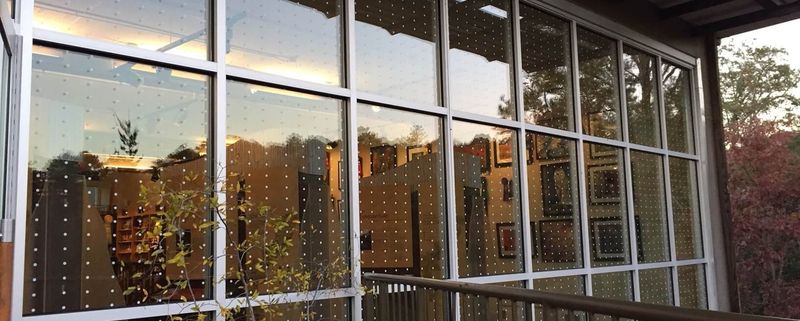
Windows come next. Reflective glass looks like open sky or trees to a bird.
Audubon recommends visible patterns on the outer surface of the glass, or physical barriers such as netting or screens. Placing a feeder directly on a window can also help, because a startled bird has little room to build up speed before it hits the glass.
Cats deserve a mention, too. A yard full of visiting songbirds is an easy target for a hunting cat.
Audubon’s bird-safety guidance lists keeping cats indoors as one way to reduce harm, and it is also safer for the cat.
Pick one fix this weekend. Hang strips of tape or a decorative pattern on your biggest window, or swap a bright porch bulb for a shielded fixture.
Small, steady changes are what make a yard safer.
Feed responsibly and respond cautiously to sick birds
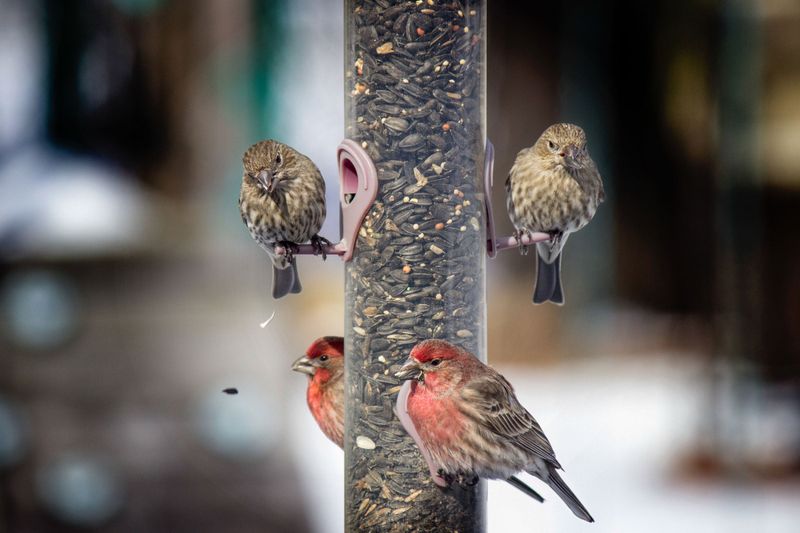
You do not need to take your feeders down to make birds migrate. Cornell Lab explains that keeping feeders up does not decide when birds start their journeys.
Feeders are fine to keep filled, as long as you keep them clean.
Disease is a separate question. NC Wildlife advises regularly cleaning feeders and temporarily taking down feeding stations if sick birds are present.
Its bird disease page is the place to check for current instructions.
Signs of trouble include birds that look fluffed up, sit still, or act oddly. Avoid touching sick or unusual-acting animals, and keep pets away from them.
If a dead bird must be moved, use a protective barrier such as gloves or a bag rather than bare hands.
NC Wildlife’s October 2025 avian influenza update says songbirds are less commonly affected than waterfowl, shorebirds, and raptors. Still, it asks people to report six or more dead wild birds in one area within one to two weeks.
Do not ignore repeated deaths, and check the agency’s current guidance for how to report.
A crowd of birds is a reason to watch and care, not a grade on your yard. Keep notes, keep things clean, and enjoy the visitors while they are here.