
Can North Carolina Gardeners Start Container Scallions in Late October? A Region-by-Region Guide
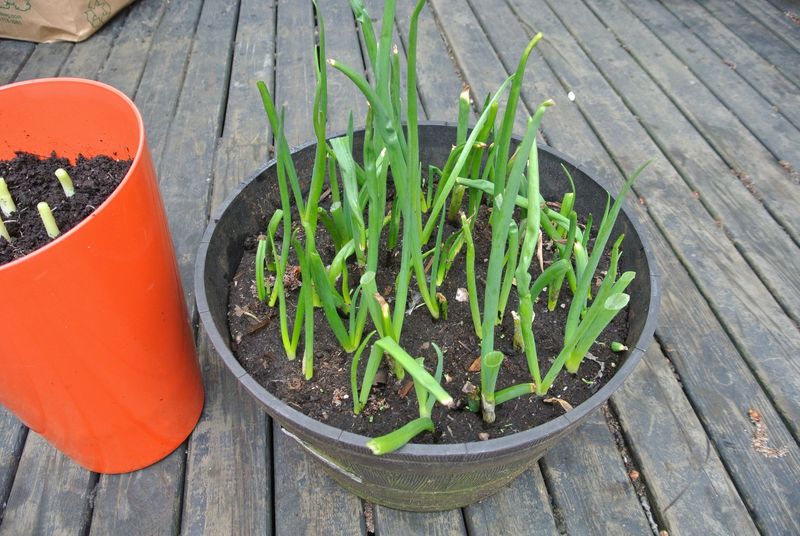
A pot of scallions by the back door is easy to love. You snip a few green tops, and dinner tastes fresher.
Late October is a tricky time to start, though, and the answer depends on where you garden in North Carolina. Here is how to decide whether this weekend is worth a try in your yard.
Choose a bunching onion for greens
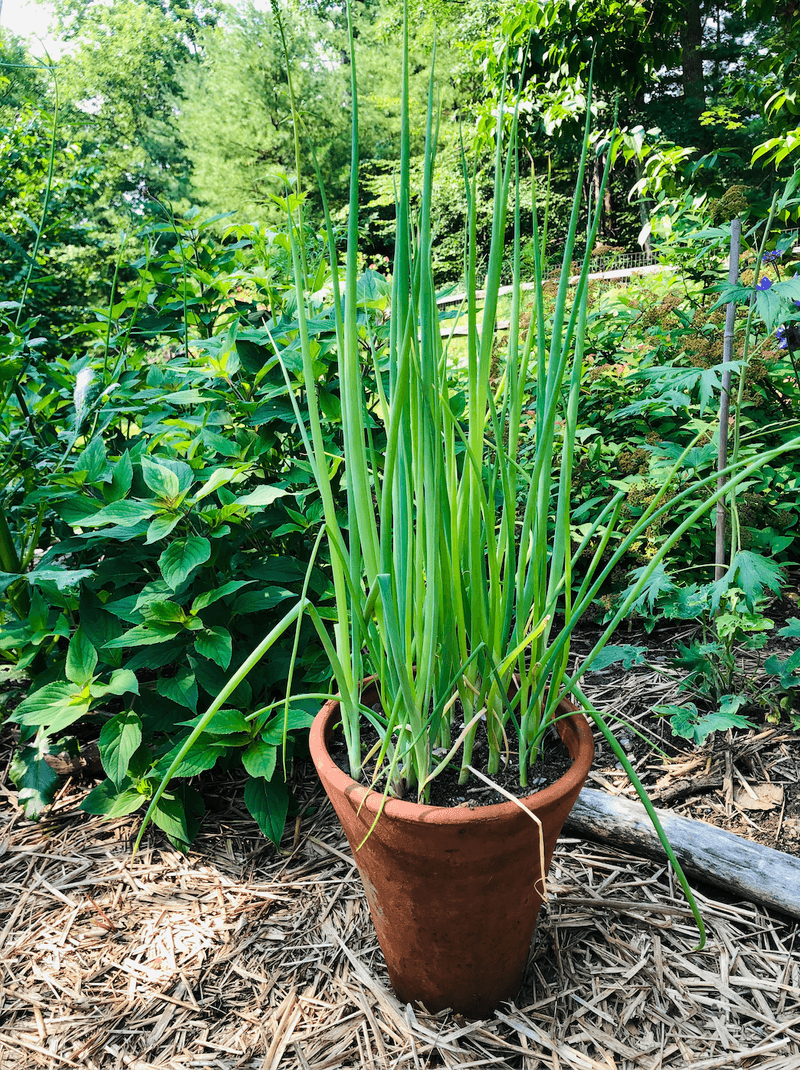
Scallions are onions grown for their tender green tops and slim white stems. A bunching onion never swells into a round bulb, which makes it a different crop from a bulb onion pulled young.
That difference matters when you shop for seed. A packet labeled for bulbs will give you a slow, fat onion, while a bunching type puts its energy into leaves you can snip and eat.
For southeastern North Carolina, Pender County Extension points gardeners toward bunching varieties such as ‘Evergreen Bunching’, which is grown for tops rather than bulbs. That is a regional recommendation from coastal-area Extension staff, so treat it as a good starting point rather than a rule for every county.
Bunching onions also grow in clumps, so a small pot can hold quite a few plants. That suits a back step, a deck rail planter, or a spot by the kitchen door where you will actually remember to harvest.
Skip the idea of using a bulb onion variety and expecting scallion-style clumps. If your goal is a handful of greens for eggs, soups, and baked potatoes, buy seed or starts labeled bunching or scallion.
Check the packet for days to maturity, too, since it tells you what the grower expects under ordinary conditions.
Once you have the right type in hand, the next question is whether your region still has time to plant it.
Check the planting window for your region

North Carolina stretches from the coast to the Blue Ridge, and fall planting dates shift a lot along the way. Southeastern guidance is the most encouraging for a late start.
Pender County Extension says bunching onions can be sown through late October there.
That advice was written for the southeast, so it does not automatically carry to the Piedmont or the mountains. Gardeners in those areas should lean on their own regional calendars.
NC State’s Piedmont container calendar lists scallion bulbs for September and early October, according to its container gardening calendar. If you live in the Piedmont, a late-October start is already past that window.
In the west, the western calendar shows fall planting of green onions in September. Mountain gardeners facing colder nights should be the most cautious about starting now.
The eastern calendar also lists fall dates, and it notes that frost protection may extend the season, as the eastern calendar explains. Even so, these dates are guidelines, not guarantees.
A practical test: look up your county’s calendar, then think about your own yard. A sheltered spot against a south-facing wall may behave differently than an open patio.
If your region’s window has closed, saving the seed for late winter or early spring is a sensible choice.
Set up a shallow, well-drained container
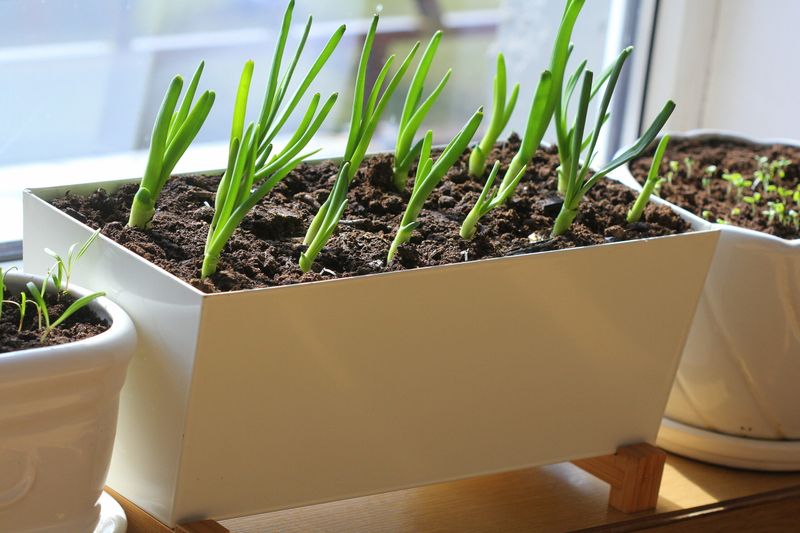
Scallions have shallow roots, so the container does not need to be deep. NC State recommends at least 6 to 8 inches of potting mix for shallow-rooted vegetables including scallions, according to the Extension Gardener Handbook chapter on container plants.
Drainage holes are a must. Water that sits at the bottom of a pot can rot roots, and a pot with no holes turns into a bathtub after one good fall rain.
Fill the pot with bagged potting mix, not soil dug from the yard. Field soil packs down in containers, drains poorly, and may carry weed seeds or pests you do not want on the porch.
Size matters for moisture. A larger container dries out less quickly than a small one, which means fewer watering chores on breezy, sunny autumn days.
A long window-box style planter or a wide, shallow tub gives scallions room to spread without needing a deep, heavy pot.
Set the container where it gets sun for much of the day and where you can reach it easily. Lift it onto pot feet or small blocks so water can escape freely.
Before planting, water the mix until it is evenly damp, then let the excess drain away.
Start from seed or sets
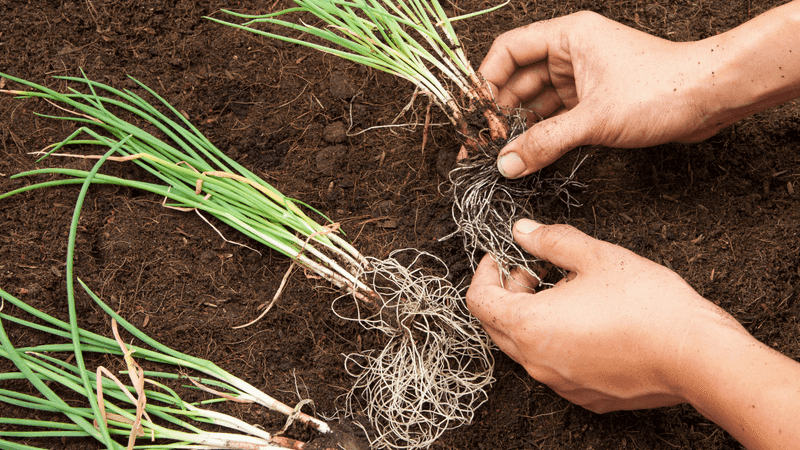
You can begin scallions from seed or from small starts, and the two routes do not run on the same clock. Pick the one that fits your region and your patience.
For seed, University of Minnesota guidance suggests sowing about a quarter to half inch deep, keeping the soil evenly moist, and thinning to roughly one plant per inch, as described in its scallion growing guide. That advice is general, not a North Carolina planting calendar, so use it for technique and rely on local sources for dates.
Thinning can feel wasteful, but crowded seedlings stay thin and weak. The little pulled seedlings can go straight into a salad or onto a bowl of soup.
NC State’s Piedmont container guide shows a different approach. It demonstrates scallion sets planted in a container with moist soil and a high-nitrogen fertilizer.
That is the setup that guide uses, not a universal prescription for every yard.
Sets and transplants give you a head start over seed, but they still need steady moisture and decent light. Whichever route you pick, water gently so tiny seedlings or shallow sets are not washed out of place.
Label the pot with the date you planted so you can track progress honestly instead of guessing.
Expect a possible first harvest, not a fixed schedule
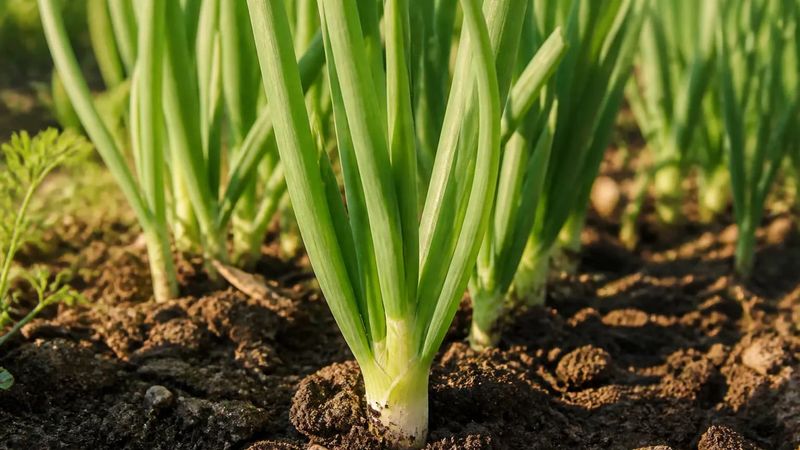
Southeastern North Carolina guidance gives the most hopeful number. Pender County Extension says bunching onions may be ready in 30 to 40 days.
Count that as an estimate for that region, not a promise.
A different number applies to a different method. The Piedmont container guide lists 60 to 70 days to harvest for its scallion-set setup, and its container planting calendar goes with the same Piedmont guide.
These two estimates are not interchangeable, so do not average them or borrow one for the other.
Cool fall days slow growth, and a late start may stretch the timeline. A plant that is still pencil-thin is not a failure.
Pull a test plant and check whether the white stem has reached a usable size.
Start light harvests early by thinning crowded plants and snipping the larger ones. Treat the first round as a bonus, and do not count on a continuing supply.
When plants stall in cold weather, a second sowing in late winter is a reasonable plan B.
Writing the planting date on a tag gives you a real record of how your own pot performs, which beats any general estimate.
Cold tolerance does not guarantee winter growth
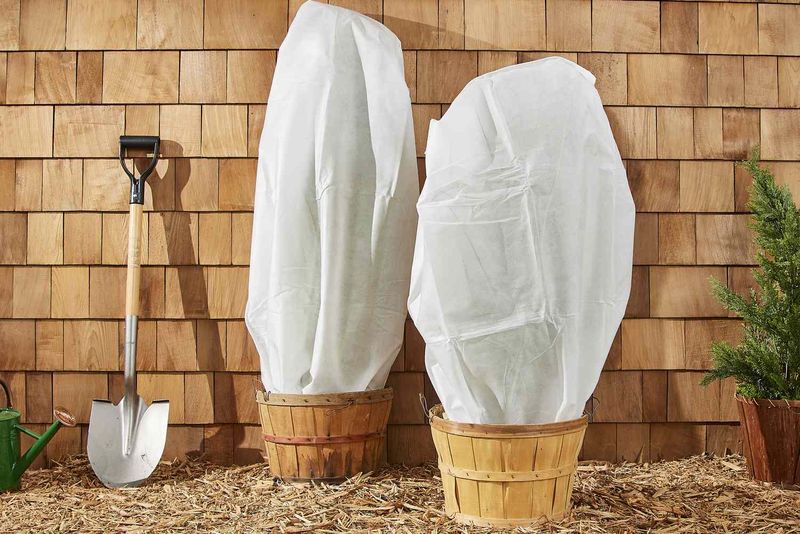
Onions handle chilly weather better than many vegetables. NC State’s small-space guide describes them as tolerating short periods of subfreezing temperatures.
That is cold tolerance, and it does not mean the leaves keep growing or that a pot survives a hard freeze out in the open.
Containers are the weak spot. A pot sits above the ground, so roots get hit by cold from the sides and bottom, and a small pot can freeze solid in a way a garden bed rarely does.
Illinois Extension offers general container-overwintering advice: use a large, insulated container, put it in a protected location, and keep the soil moist, as shown in its guide to overwintering plants in containers. That is general advice, not results from North Carolina scallion trials, so use it as a precaution rather than a guarantee.
Weather and microclimate change the outcome. The eastern calendar says frost protection may extend the season, while the western calendar treats its dates as guidelines.
On forecast freeze nights, move the pot beside a wall or under cover, and check that the mix has not dried out.
Make a region-aware planting decision
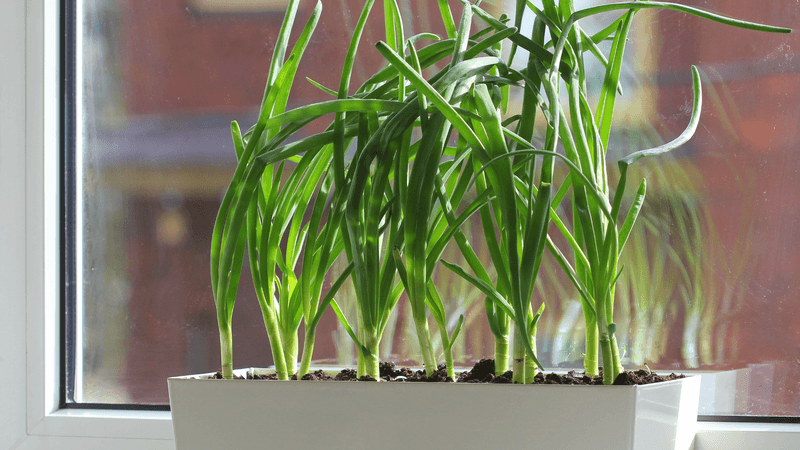
Pick a bunching type, check your own region’s calendar, and fill a drained pot with real potting mix. Gardeners in the southeast may still have a late-October opening, based on Pender County Extension advice, while Piedmont and mountain gardeners should follow their own windows.
A new container is a modest, worthwhile experiment, not a promised winter pantry. If the weather cooperates, you get fresh greens.
If not, you have a pot ready for spring.