
Catnip Oil Has Been Tested Against Mosquitoes, but a Patio Plant Is Not Proven Protection
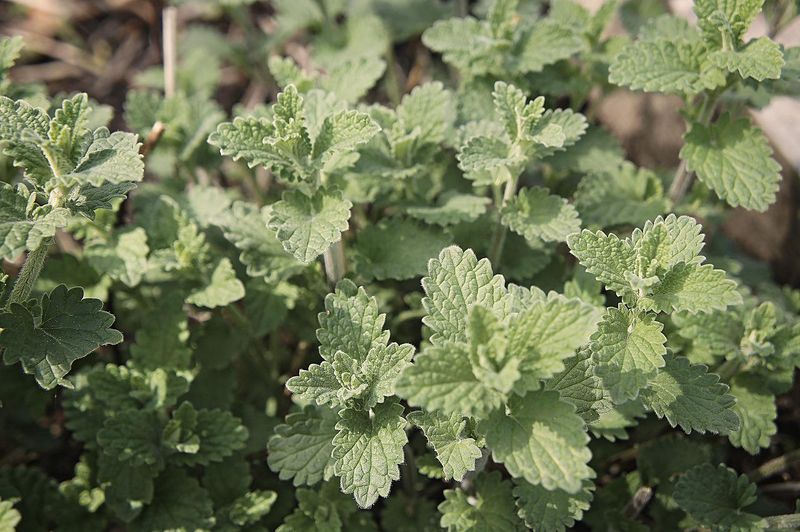
Catnip drives cats wild, and some headlines claim it also drives mosquitoes away better than bug spray. The truth is more specific, and it matters if you sit outside on summer evenings and hate itchy bites.
Researchers have tested catnip oil in lotions, but that is very different from a plant growing next to your chair. Here is what the studies really found and what to do instead.
A catnip plant is not a patio repellent

Here is the plain answer for anyone eyeing a flat of catnip at the garden center: a catnip plant sitting next to your patio chairs has not been shown to keep mosquitoes away or to protect you from bites. Nobody has tested that setup and found it works.
Extension experts say the same thing about patio plants in general. Iowa State Extension notes that a plant sitting on a patio has no effect on mosquitoes.
NC State Extension points out that claims about patio plants repelling mosquitoes lack scientifically based test results.
That does not mean catnip is a bad plant. It grows easily, bees visit the flowers, and cats will thank you.
The trouble starts when a garden herb gets treated as a bite shield, because you could sit down to dinner feeling protected when you are not.
There is a reason the catnip story keeps going around. Researchers have studied catnip oil, which is pulled out of the plant and concentrated, and they have seen mosquito-repelling effects in some tests.
Those results come from extracted oil and made-up lotions, not from leaves rustling in a flowerpot.
The next sections look at exactly what was tested, how it compared with DEET, and what works better for your evenings outside.
What did researchers actually test?
The promising catnip research involves extracted oil and formulated products. None of it involves a living herb in a pot or garden bed, and none of it tested patio planting.
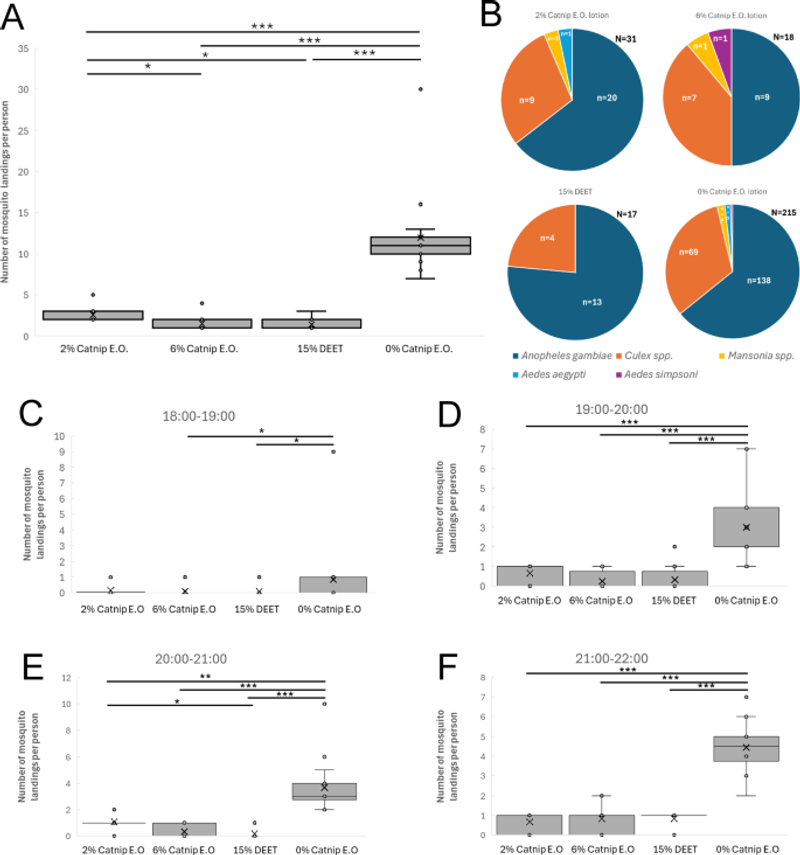
A 2026 field study in rural Eastern Uganda, published in Scientific Reports, tested lotions made with 2% or 6% catnip essential oil. The oil was about 92% nepetalactone, the compound thought to bother mosquitoes.
Researchers compared those lotions with a plain lotion and a commercial 15% DEET repellent over several evenings in 2025.
Notice what the test subject was: a lotion on skin. The oil was concentrated, blended into a product, and used in a specific place with specific mosquitoes.
A separate 2019 laboratory study, Repellency Assessment of Nepeta cataria Essential Oils, looked at Aedes aegypti, the mosquito that spreads several viruses. It measured how often mosquitoes landed on treated surfaces in a controlled assay.
Catnip oil showed strong repellency at first, but that effect declined over time.
So the lab work and the field work are two different kinds of evidence. One was a controlled assay with one mosquito species, the other was an outdoor trial with people and whatever mosquitoes showed up.
Both are interesting. Neither tells you that a catnip plant by your seating will help.
Comparable does not mean better than DEET
Catnip oil sometimes matches DEET in one test and falls short in another. Putting the studies side by side shows why no one can crown a winner.
In the 2026 Uganda field trial, the 6% catnip-oil lotion performed similarly to the tested 15% DEET lotion. The 2% lotion was less effective in some comparisons.
Most mosquitoes collected were Culex and Anopheles, and few were Aedes aegypti, so the result does not automatically apply to every mosquito or place.
Earlier work paints a different picture. A 2005 study of catnip oil components with human volunteers found catnip compounds less effective than DEET at deterring bites.
The 2019 lab assay, by contrast, found a 10% catnip-oil treatment comparable to DEET for about the first two hours.
Each result depends on the formulation, the concentration, the mosquito species, and the method. A landing count in a lab, a bite test on volunteers, and an evening field trial each measure something slightly different.
The fair summary is that one catnip-oil lotion at one concentration did about as well as one DEET lotion in one set of field trials. That is encouraging for oil-based products, but it is not the same as saying catnip beats bug spray.
A registered catnip-oil product is not a backyard recipe
Walk down the repellent aisle and you may find catnip oil on an ingredient list. The EPA list of skin-applied repellent ingredients includes catnip oil among the active ingredients in some registered products.
That fact has limits. Registration applies to a specific product, made a specific way.
It does not mean every catnip-oil product performs the same, and it says nothing about the plant in your yard.
Crushed leaves and homemade catnip oil are a different matter. The studies tested specified oils and finished lotions, not kitchen-counter infusions, so there is no proof a DIY version protects you.
Rubbing leaves on your arms is not a tested substitute.
If a catnip-oil repellent interests you, look for an EPA registration number on the label and read the directions before you use it. CDC guidance on preventing mosquito bites points people to EPA-registered repellents, and its highlighted ingredients do not include catnip.
The registration number is your clue that a product has been reviewed. A pretty bottle with a leaf on it is not.
CDC guidance gives patio sitters a more reliable plan
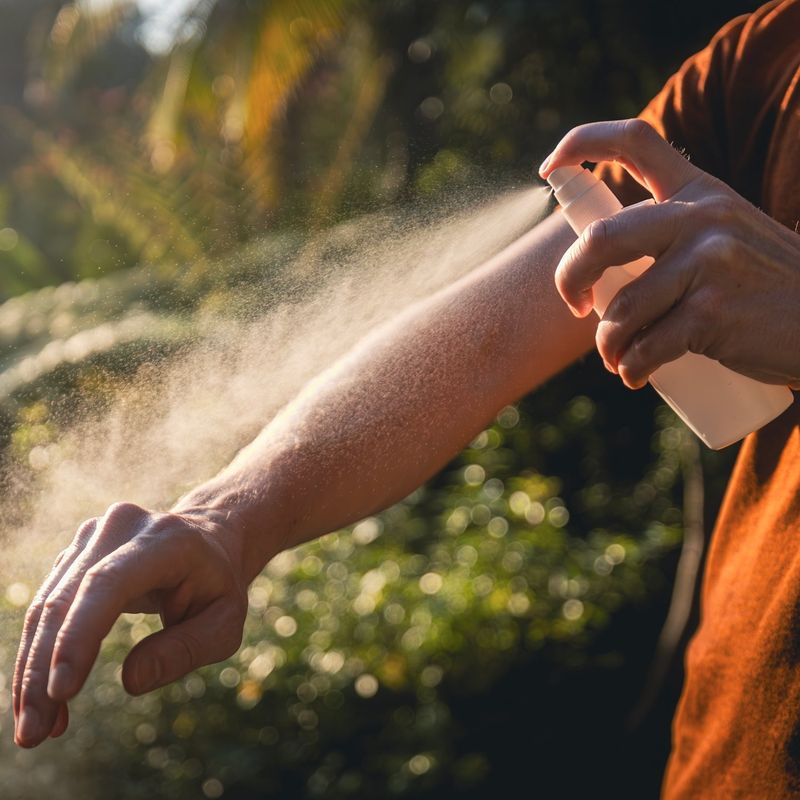
Evenings outside go better with a plan that does not rely on a plant. The CDC recommends two main steps for avoiding bites: use an EPA-registered repellent and wear protective clothing.
Start with the repellent. Pick a product that carries an EPA registration number, then follow the directions on its label for how much to use and how often.
The label is the authority here, so skip guessing and skip homemade tweaks.
Clothing is the second layer. Long sleeves and long pants put fabric between you and the mosquito, which helps when you are sitting still for a long dinner or a fire pit evening.
Loose, light-colored cotton keeps you comfortable in summer heat.
Think of these as habits you can fit into any outdoor evening. Grab the repellent along with the lemonade, and keep a light layer on the back of a chair for when the bugs show up at dusk.
None of this requires buying a special plant or testing a recipe. It uses steps that public health guidance already backs, and it protects you while you are sitting right there.
Water around the yard is worth checking weekly
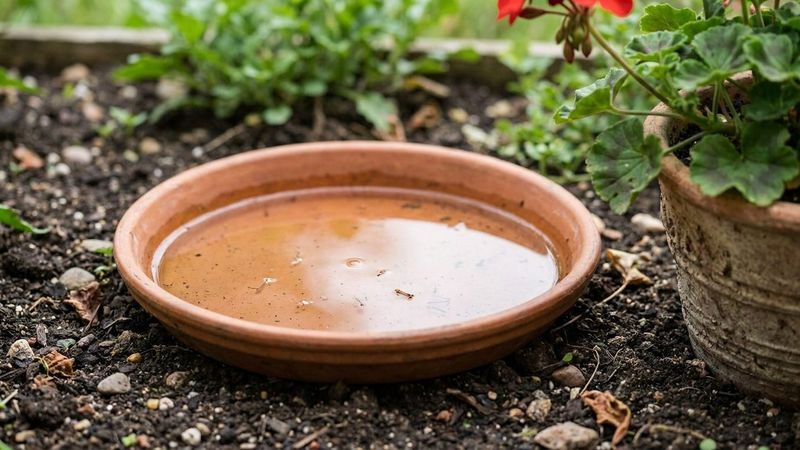
Walk your yard once a week with one question in mind: what is holding water? Mosquitoes breed in standing water, so the CDC advises emptying, scrubbing, turning over, covering, or discarding water-holding items every week.
Two spots deserve a look first. Flowerpot saucers collect water after every rain or watering, and birdbaths can sit full for days.
Tip out the saucers, and scrub and refill the birdbath with fresh water.
Other containers count too. Old buckets, toys, tarps that sag in the middle, and plant trays can all hold enough water to matter.
Turn them over or cover them, and toss anything you no longer need.
Keep this separate from bite protection in your mind. Removing standing water cuts down breeding places around your home, but it will not protect you in the moment from mosquitoes already flying in, including ones from nearby yards.
It will not eliminate mosquitoes either.
A weekly check takes about ten minutes, and it pairs well with repellent and clothing. You do the yard work once, then wear your protection whenever you sit outside.
Keep catnip for the garden, not as your bite plan

Grow catnip if you like it. It is an easy herb that bees and cats enjoy, but Iowa State Extension is clear that a plant on the patio does not stop mosquitoes.
For bites, reach for an EPA-registered repellent, follow its label, and check standing water weekly, as CDC guidance advises. Those steps will not guarantee a mosquito-free evening.
Let the catnip make your cat happy, and let the repellent protect you.