
Is Fall Still The Right Time To Plant Trees In North Carolina When The Ground Is This Dry?
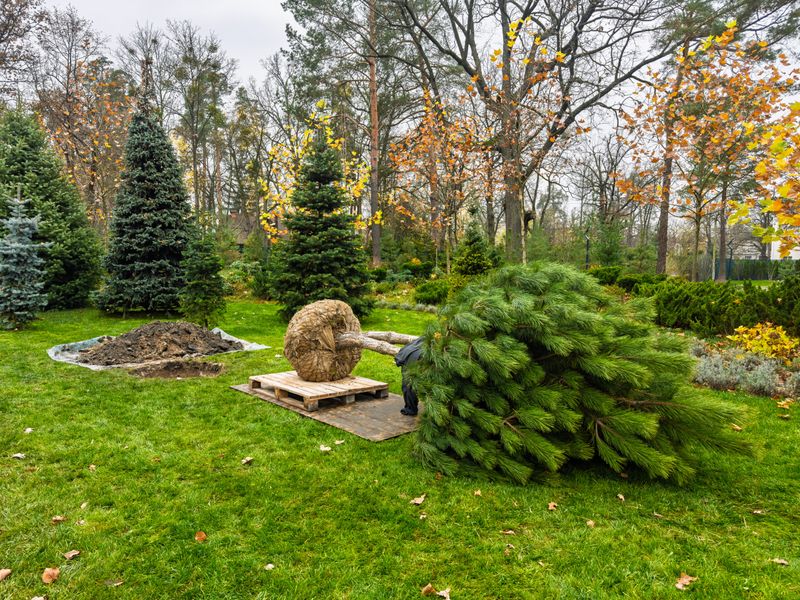
A tree on your wish list, a dry yard, and a calendar that says fall. Many North Carolina homeowners are stuck on whether to plant now or wait.
The answer is a conditional yes, and it depends on a few things you can check this week. Here is how to decide and how to make a new tree thrive in your own patch of North Carolina.
Check the rules where you live
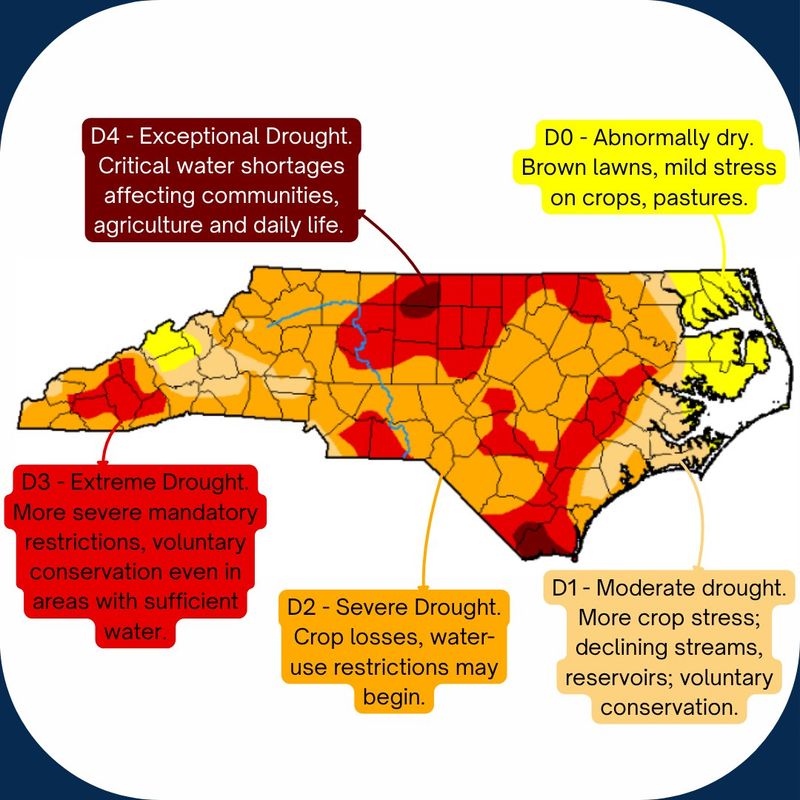
A statewide drought headline cannot tell you whether your yard has enough soil moisture or whether your town allows outdoor watering. Conditions in the mountains, the Piedmont, and the Coastal Plain can be quite different, and so can local rules.
Your own county and water utility are the final word.
Start with the NC Drought Management Advisory Council, which publishes a county-based map. The update used for this article reflected conditions on October 13, 2026, so look for the latest available update instead of assuming that date is current.
Find your county’s classification there.
The council advises following local water-use restrictions in D1 areas and eliminating nonessential water uses in D2 areas. NC State Extension’s drought resources point residents the same way, toward local restrictions.
Not every county shares the same classification, and not every town words its rules the same way.
Next, call or check your water provider’s website. Ask whether hand watering, a soaker hose, or a drip line is allowed, and whether newly planted trees get any exception.
If you cannot water legally, you have your answer before you buy a single tree.
Does fall fit this tree?
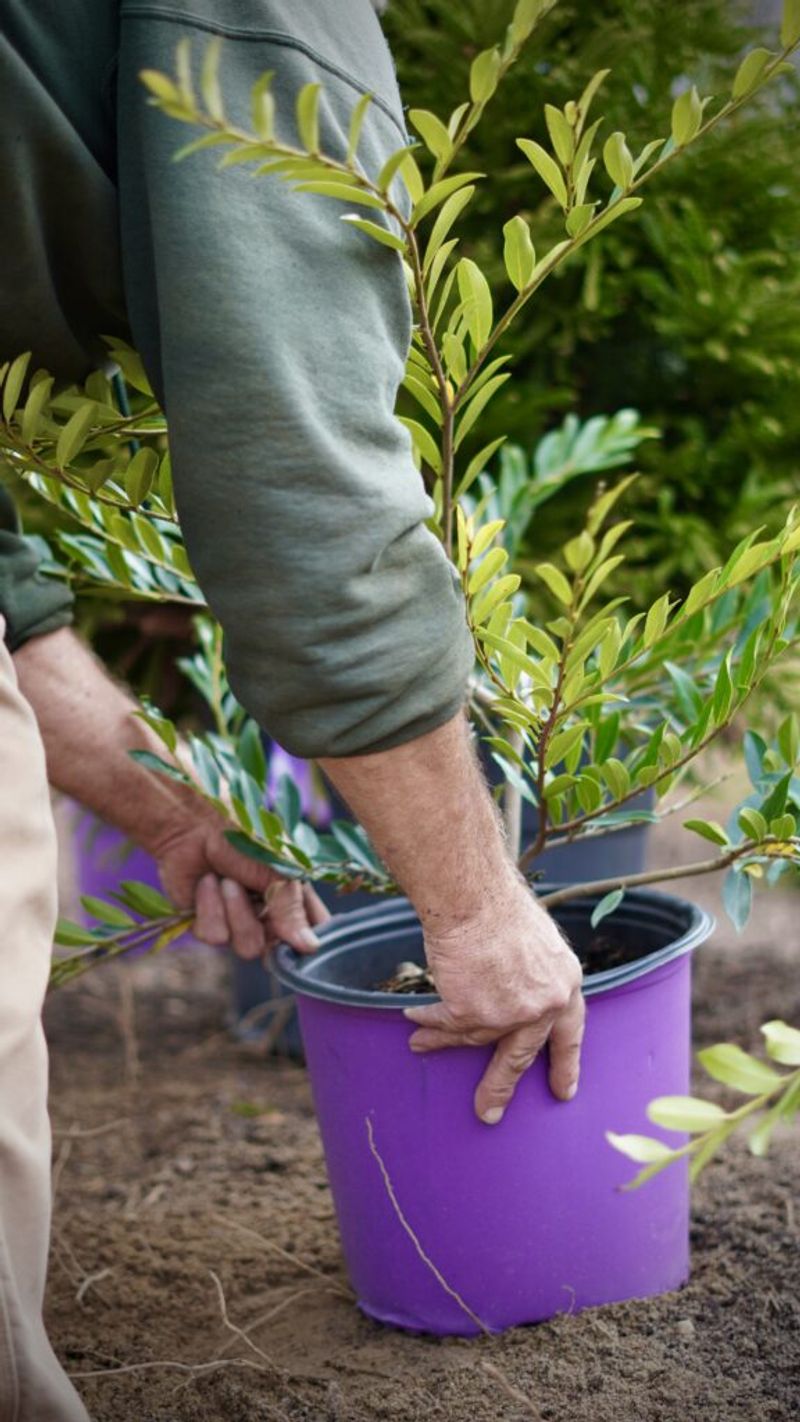
Fall suits many trees, but not every tree or every kind of nursery stock. The type of plant and how it was grown change the best timing, so confirm yours before treating the general fall rule as your own.
For most container-grown landscape trees, NC State Extension names late fall or early spring as the preferred windows. Plants installed then need less watering than those planted in hotter periods.
That is the reason fall stays on the table even in a dry year.
Fruit and nut trees follow a slightly different pattern. NC State’s guidance for tree fruit and nuts favors late fall or early winter.
A peach or pecan you bought in September may be better held until the weather cools further.
Bare-root plants are a third case. They are generally dug and handled while dormant, so they are not a good fit for an early, warm autumn purchase.
If a tag or nursery worker says otherwise, ask why.
Fall timing also does not promise faster growth or survival for every species or site. Look up your specific tree, ask the nursery how it was grown, and then decide.
Give roots a wide, shallow planting hole
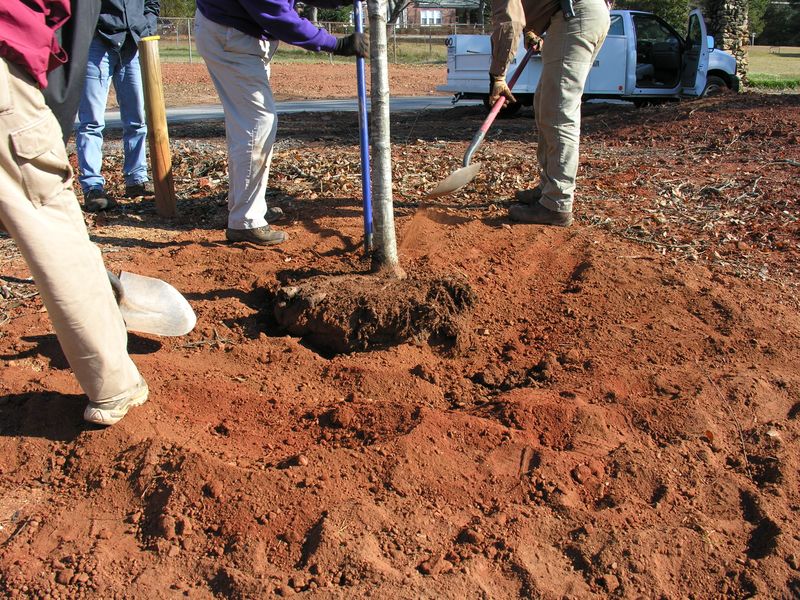
Roots spread sideways far more than they dive down, so the hole should reflect that. NC State Extension says to dig no deeper than the root ball and at least two to three times wider.
A wide hole of loosened soil gives new roots an easy path outward.
Set the tree so the top of the root ball sits level with the surrounding ground. Planting too deep is a common mistake in our heavy clay, where a deep hole can hold water like a bowl.
Check that the trunk flare, where the trunk widens at the base, is not buried.
Once the tree is in place, water in the planting. Settling the soil this way helps remove large air pockets around the roots.
Then spread 2 to 3 inches of organic mulch, such as shredded hardwood or pine straw, over the planting area. Keep it at least 6 inches away from the trunk, with no mulch volcano piled against the bark.
Mulch slows evaporation from the soil, which counts for a lot in a dry fall.
Ongoing watering comes next, so for now focus on getting the hole and the depth right.
Water the root ball and surrounding soil
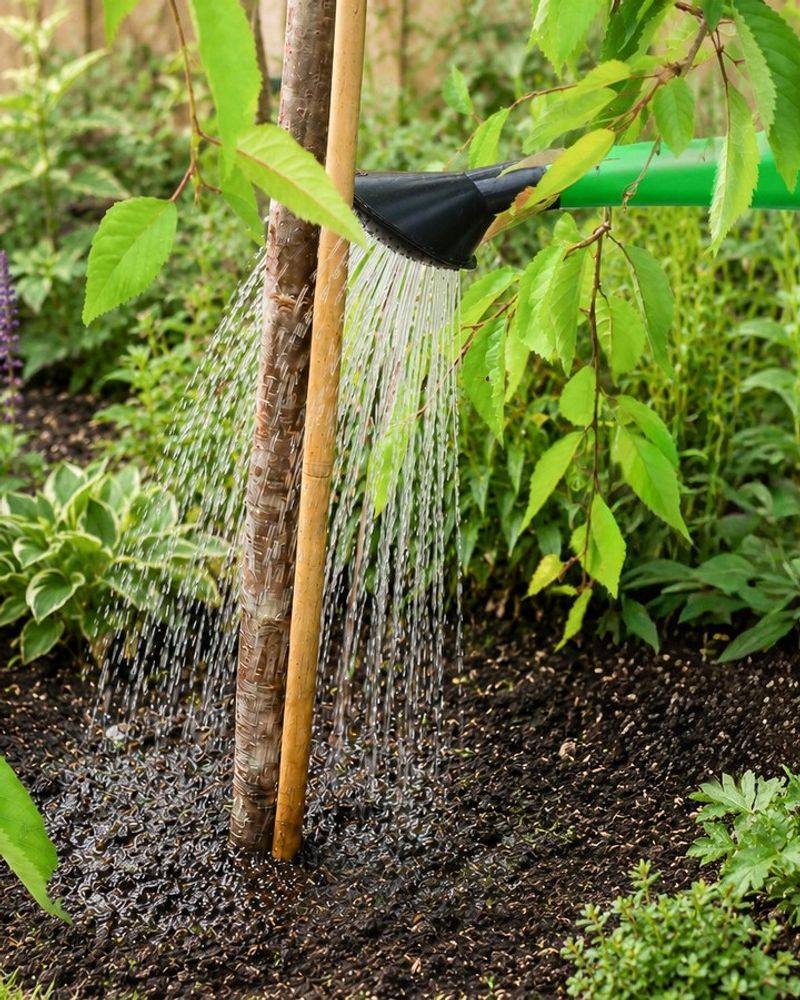
Planting-day watering has two targets. The first is the root ball, the compact block of roots and potting mix that came from the nursery.
The second is the wider soil around it, where new roots must grow before the tree can support itself.
NC State Extension warns that newly installed trees can suffer drought stress until their roots reach the surrounding soil. Container mix often dries faster than the ground nearby.
Once it gets very dry, it can be hard to rewet, and water may run off instead of soaking in.
Utah State University Extension also advises watering the planting area around the root ball, not only the ball itself. Roots that find moist soil beyond the container mix are more likely to leave it.
Go slowly. Set the hose to a trickle, or use a soaker hose, and let the water sink in rather than pool and run off.
Pause and come back if the water starts to puddle.
Skip any one-size volume. A small sapling and a larger tree do not need the same amount, and soil, slope, and weather change the picture.
Push a finger or trowel into the root ball afterward to confirm the moisture reached the middle.
Let soil moisture—not the calendar—set follow-up
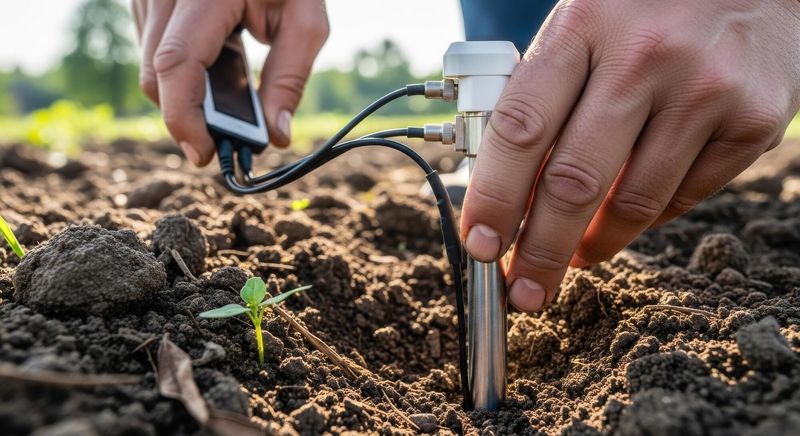
After planting day, let the soil tell you when to water. Press a finger or small trowel into the root ball and the soil just outside it.
If both feel damp a few inches down, hold off. If the root ball feels dry, water.
NC State offers a starting guide for 1- to 3-gallon woody plants: 3 to 5 gallons twice a week when it does not rain, for roughly three to four weeks of establishment. That figure is a starting point for small plants only.
A larger tree should not be assumed to follow it, and rain can make a watering unnecessary.
Several things shift the need. Plant size, soil, slope, drainage, and weather all matter.
Cooler-season plants may need less than the starting guide suggests.
Soil type is a big clue. NC State Extension notes that clay soils take water slowly and may need less frequent watering than sandy soils.
In the Piedmont’s red clay, water can sit and drain slowly. On the sandy Coastal Plain, it can slip away fast, so checks may need to be more frequent.
More water is not always better. Too much can deplete oxygen in the soil and contribute to root decay.
Yellowing leaves, soggy ground, or a sour smell are signs to ease up.
A slope sheds water downhill, so a tree on a bank may need extra attention at its base. A low spot may stay wet.
Keep a simple note of when you checked and what you found.
Plant only if you can keep watering
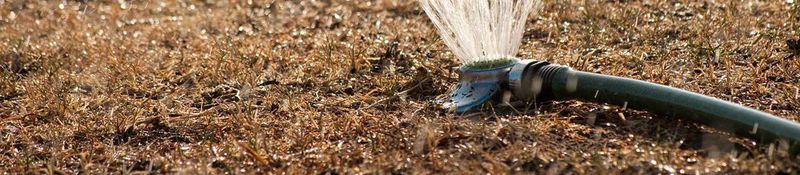
Go if your local rules permit watering and you can check the tree and water it through establishment. Wait if they do not, or if you cannot be there to do it.
Letting a root ball dry out is the quickest way to waste a good tree.
This is a cautious call based on NC State’s establishment guidance, not a ban on fall planting during drought. Check the latest county drought update and NC State’s drought resources for your area.
A tree that waits until spring loses little, while one left thirsty may lose a lot.