
Chives Near Peonies: An Appealing Companion With No Proven Strengthening Effect

Somewhere in the gardening world, a tip spread that planting a common easy-growing herb near your peonies would make them come back stronger every single year. The herb most likely intended is chives, and it is a genuinely useful plant worth growing. What the tip leaves out is that no reliable research backs up the claim that chives boost peony vigor, flowering, or longevity. Understanding what actually supports healthy peonies puts you in a much better position than relying on an unproven shortcut.
The chive promise does not hold up
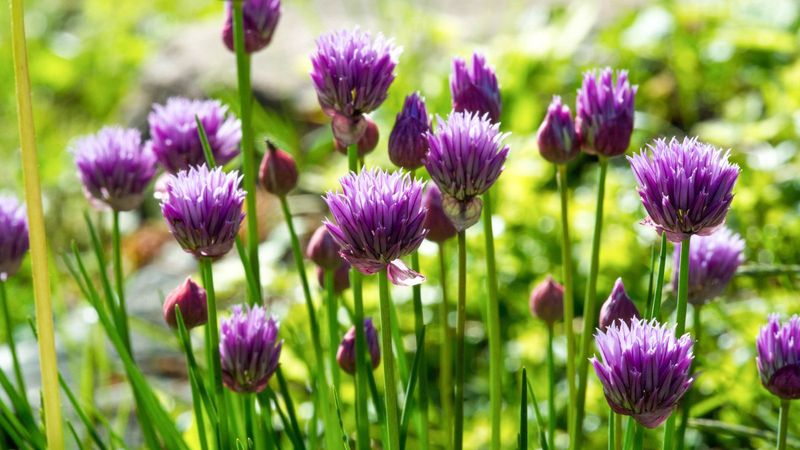
Chives may well be the herb behind this popular gardening tip, though no original source has been found that definitively names them. The identification is a reasonable guess given that chives are a common, low-maintenance Allium herb and Allium plants have a reputation in gardening circles for companion benefits. Reasonable guess, though, is not the same as confirmed fact.
More critically, the central promise in that tip does not hold up. No peer-reviewed study or university extension publication establishes that planting chives beside peonies makes those peonies return stronger, bloom more heavily, resist disease better, survive winter more reliably, or live longer. Iowa State University Extension’s peony guide makes clear that peony performance is primarily shaped by cultivar selection, sunlight, planting depth, drainage, and consistent seasonal care, not by what grows nearby.
The word “stronger” in the tip is also worth questioning on its own. Stronger could mean more stems, larger flowers, more buds, better disease resistance, or improved winter survival. None of those outcomes has been linked to chive companionship in any study or credible extension resource.
Gardeners can absolutely grow chives near peonies and enjoy the herb for its own considerable merits: the edible leaves and flowers, the ornamental texture, and the low-maintenance clumping habit. Those are real benefits that stand on their own without any peony-boosting claim attached.
What this article will do is separate normal peony biology from any supposed companion effect, give you the site conditions and seasonal habits that genuinely support healthy flowering, and show you how to place chives nearby without creating problems for the peony bed. The peony’s reliable return each spring is a feature of its perennial nature, not evidence that a neighboring herb is doing something special.
Chives offer garden value without proven peony benefits
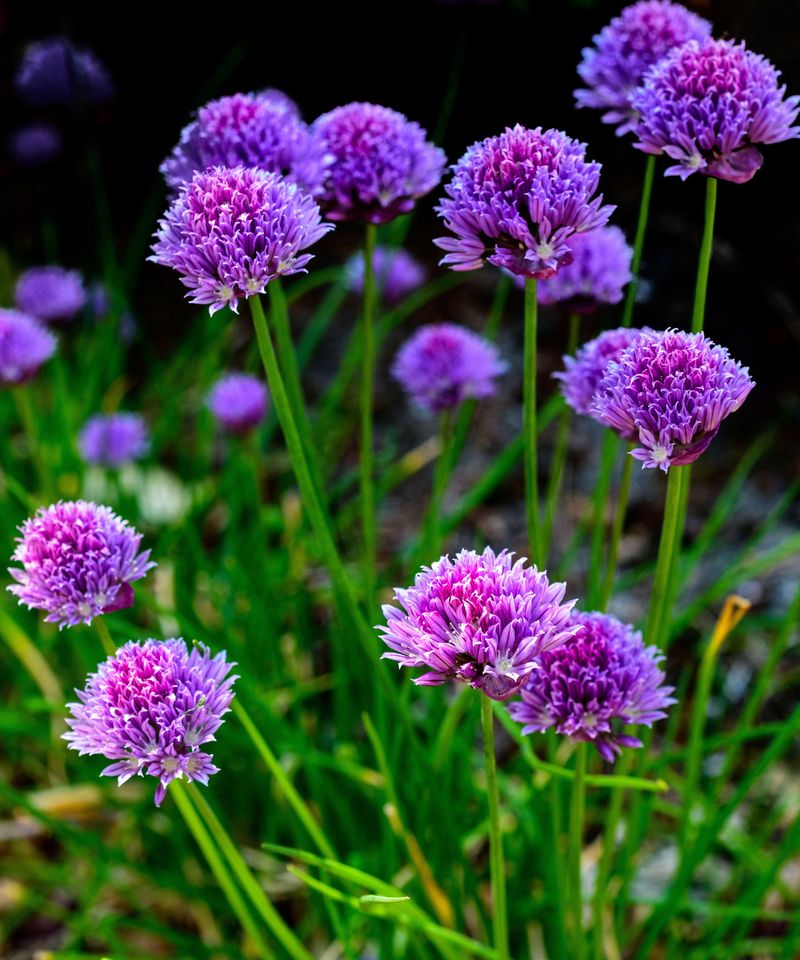
Common chives, Allium schoenoprasum, are clump-forming perennial herbs that regrow reliably each spring with very little fuss. University of Minnesota Extension’s chive guide notes that they thrive in well-drained soil and full sun, tolerate some neglect, and produce edible leaves and attractive purple globe flowers through much of the growing season. Those qualities alone make them a practical addition to a mixed perennial border.
Garlic chives, Allium tuberosum, are a related but distinct species. They have flat leaves, white flowers, and a mild garlic flavor. The difference that matters most for bed management is that University of New Hampshire Extension warns that garlic chives can self-seed aggressively, spreading into unwanted areas if the flowers are allowed to mature and drop seed. Deadheading spent blooms before they set seed helps keep garlic chives where you want them.
The companion-planting case for Allium plants is narrower than gardening tips often suggest. Research has looked at whether Allium species affect pest behavior in certain crop combinations, and some studies have found measurable effects. A Scientific Reports study on leek as a companion plant examined antagonist effects on aphid colonization alongside sweet pepper under controlled conditions. That is a long way from demonstrating that chives protect peonies from any specific pest, and companion-planting research consistently notes that results are crop-, pest-, and context-specific rather than universal.
Ants on peony buds are a separate matter entirely. Kansas State University explains that ants visit peony buds for the sugary nectar the buds produce, not because they are needed to open the flowers. Ants are generally harmless visitors, and their presence has nothing to do with whether a companion herb is working. Treating ants with insecticide is unnecessary and can harm beneficial insects in the garden.
Build the peony’s foundation with light and shallow planting
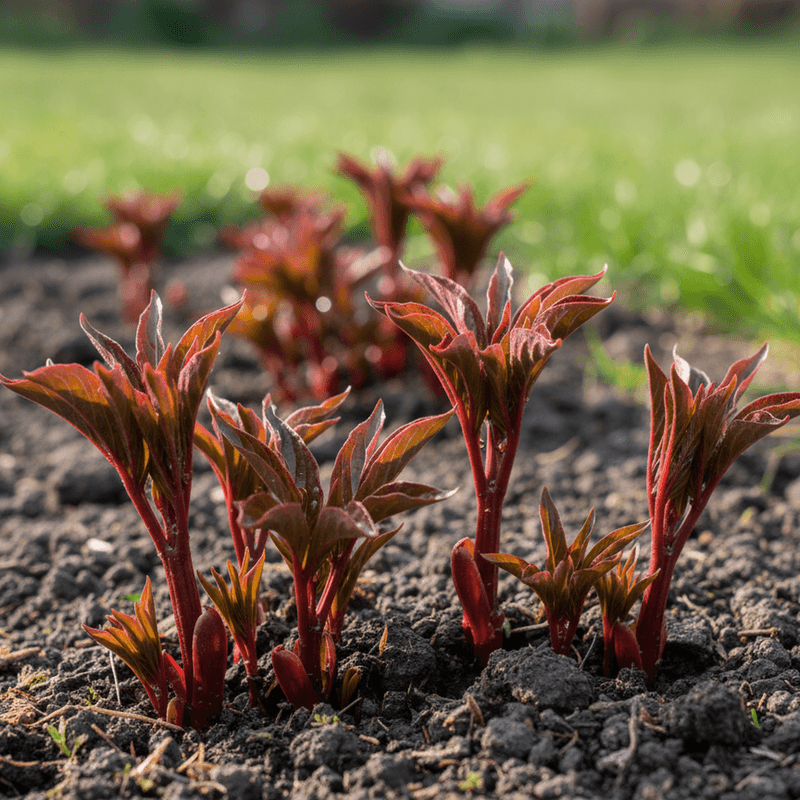
Forget the herb tip for a moment and think about what peonies actually need to perform well year after year. Site conditions are where the real leverage is, and getting them right at planting makes every other care task easier.
Sunlight is the first priority. University of Connecticut’s peony factsheet recommends full sun or at minimum a half day of strong, direct sunlight. Peonies grown in too much shade tend to produce fewer flowers and weaker stems, and they are more susceptible to the fungal problems that thrive in low-light, humid conditions. If a spot gets afternoon shade in summer, it may still work, but morning sun with good air movement is preferable to the reverse.
Soil quality and drainage matter just as much. Fertile, well-drained soil gives roots the oxygen and nutrients they need without letting water sit against the crown. Root competition from nearby trees and shrubs is worth taking seriously: large, established root systems can pull moisture and nutrients away from peonies and noticeably reduce flower size and overall performance over time. Placing peonies well away from tree drip lines and aggressive shrub roots is a straightforward way to avoid that problem.
Planting depth is the detail that trips up more gardeners than almost anything else. Herbaceous peony eyes, the reddish buds on the root, should be set approximately 1 to 2 inches below the soil surface. Iowa State University Extension notes that planting too deeply is one of the most common reasons peonies fail to flower, sometimes for years. When a gardener wonders why their peony keeps coming back with lush foliage but no blooms, planting depth is one of the first things to check.
Settling soil can push roots deeper over time, so checking depth at planting and correcting it if needed is worth the extra minute.
These conditions support healthy growth and give peonies the best realistic chance at consistent flowering. They do not guarantee a spectacular display every single year, because cultivar, plant age, and winter chilling also play a role, but they remove the most common avoidable obstacles.
Protect the foliage that fuels next year’s growth
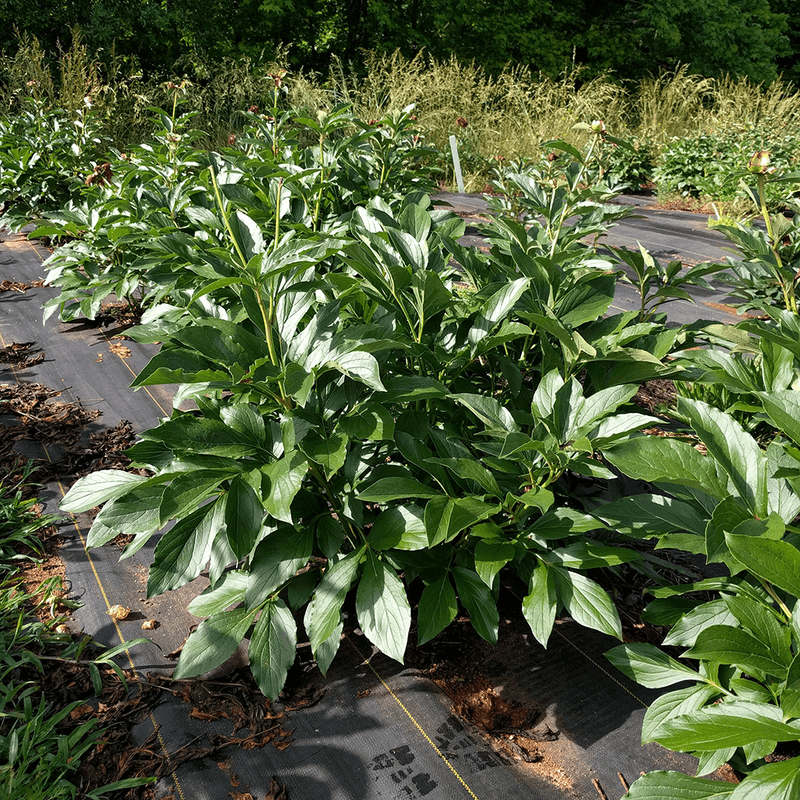
Once peony flowers fade, a lot of gardeners mentally check out on the plant until next spring. That gap in attention is actually when some of the most important work happens, and it requires almost no effort beyond knowing what not to do.
Removing spent flowers after bloom is worthwhile because it stops the plant from directing energy toward seed production. Cut the stem back to the first set of healthy leaves rather than pulling the whole stem. Iowa State University Extension’s peony encyclopedia page explains that the foliage should remain in place and stay as healthy as possible through summer and into fall, because the leaves are actively photosynthesizing and storing energy reserves that will fuel next spring’s growth and bloom. Cutting the foliage back while it is still green short-circuits that process.
When the foliage does die back naturally in fall, Kansas State University’s fall peony care guidance recommends cutting herbaceous stems to ground level and removing all the debris from the bed. Do not compost that material if there has been any sign of disease during the season. Diseased foliage left in the bed or added to a home compost pile can carry fungal spores through winter and reinfect plants the following spring.
Fertilizer is an area where less is genuinely more for peonies. University of Connecticut’s guidance notes that peonies need relatively little fertilizer and that excess nitrogen in particular tends to push leafy growth at the expense of flower buds. If the soil looks and drains well and the plant is otherwise healthy, a soil test is a better starting point than routine heavy feeding. Correcting a documented deficiency is smarter than adding fertilizer on a guessed schedule and potentially working against the blooms you are hoping to see.
Use airflow and sanitation instead of disease claims
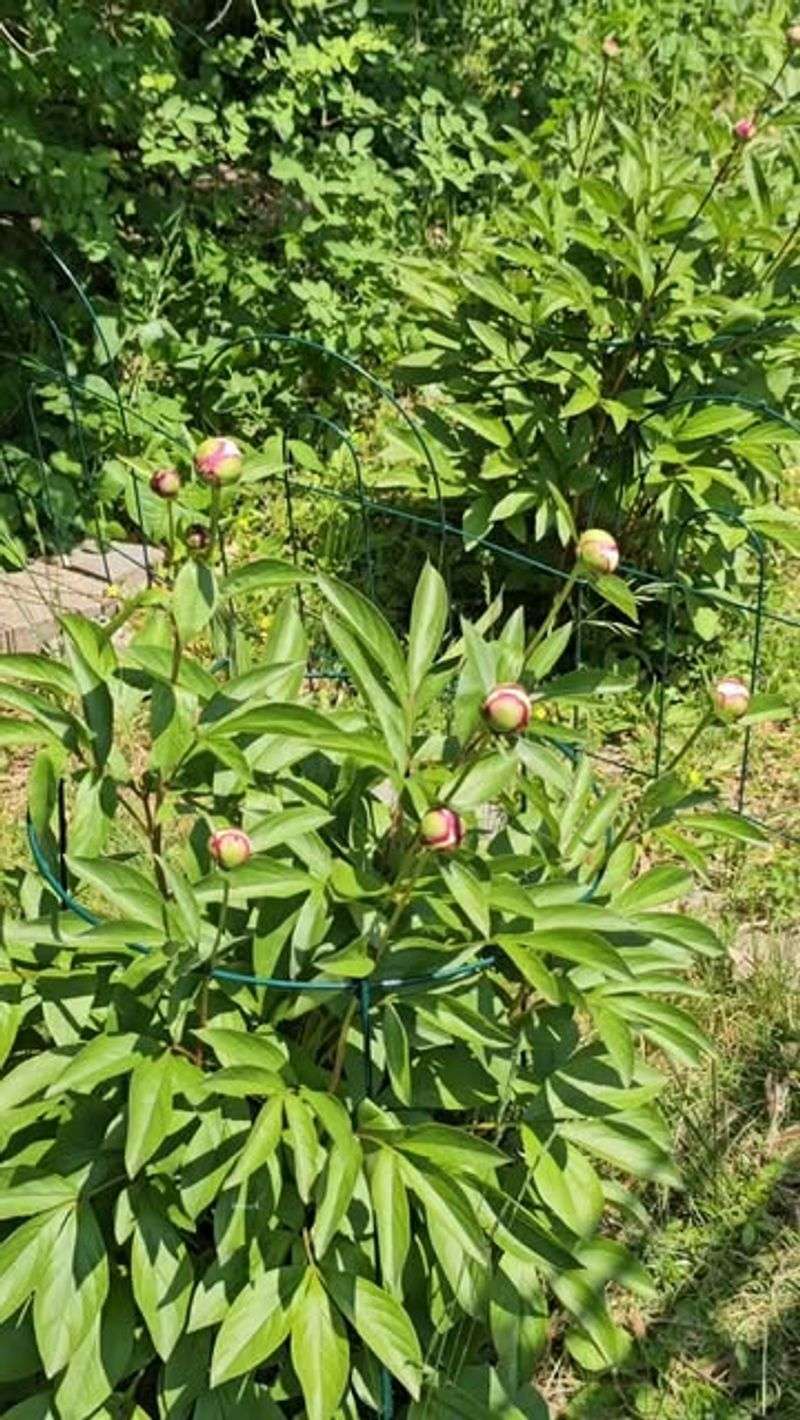
Botrytis blight is the fungal disease most likely to cause real problems for peonies, and it has nothing to do with what herb is or is not growing nearby. Understanding what actually favors it makes prevention straightforward.
Wet conditions, injured plant tissue, poor airflow, and persistent leaf wetness are the factors that allow Botrytis and related fungal pathogens to take hold. University of Connecticut’s peony factsheet covers Botrytis management and consistently points to sanitation, airflow, and moisture management as the primary tools. Those are practical habits, not products, and they work at the scale of a home garden bed.
Spacing is one of the most effective and underused controls. Iowa State University Extension recommends spacing mature peonies roughly 3 to 4 feet apart, adjusted for the expected size of the cultivar. That gap allows air to move through the canopy, helps foliage dry faster after rain or irrigation, and reduces the humid microclimate that fungal spores thrive in. Crowding peonies together to save space tends to create exactly the conditions that invite disease.
Watering practice also matters. Directing water at the soil line rather than overhead keeps foliage drier and reduces the duration of leaf wetness. UC IPM’s peony pest management resource reinforces that unnecessary overhead irrigation is a contributing factor in fungal disease development. A soaker hose or careful hand watering at the base is a simple habit that removes one of the conditions pathogens need.
Removing infected leaves and stems promptly during the season, and clearing the entire bed of debris in fall, reduces the amount of overwintering inoculum available to reinfect plants the next year. These are the documented disease controls for peonies. Chive-based disease prevention, by contrast, has no supporting evidence in any peony-specific context.
Place chives near the crown without crowding it
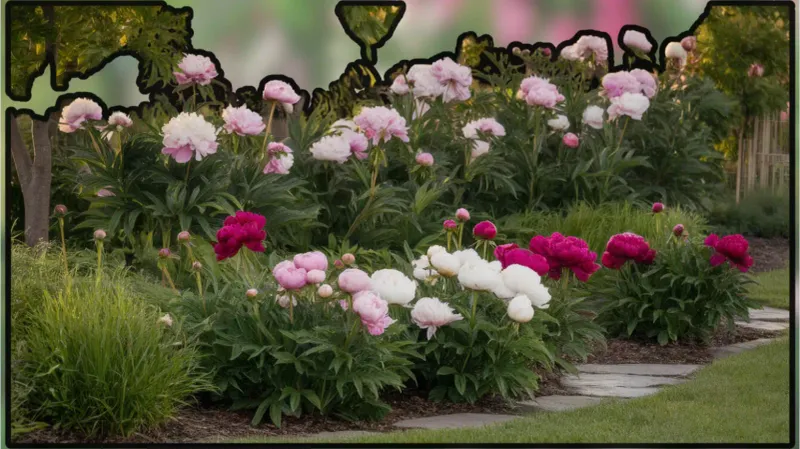
Growing chives near peonies can work well in a mixed perennial border, and the combination looks attractive through much of the growing season. The practical question is where to put the chives so they do not create problems for the peony bed over time.
The peony crown, the point at ground level where stems emerge from the root system, needs to stay accessible. Placing a dense chive clump directly over or pressed against the crown makes it harder to inspect the base of the plant, water accurately, check planting depth, and remove diseased debris in fall. University of Connecticut’s peony care guidance emphasizes that airflow around the crown and easy access for sanitation are both part of managing peony health. A companion plant that obstructs either of those things adds unnecessary friction to routine maintenance.
Positioning chives a comfortable distance from the crown, close enough to share the bed but not pressed against the base of the peony stems, keeps the bed manageable. Think of it as giving both plants their own zone rather than overlapping them. Chives spread slowly by clump division and are generally easy to manage, but a clump that has grown large and dense directly against a peony crown is harder to thin without disturbing the peony roots nearby.
Garlic chives add a layer of management consideration. University of New Hampshire Extension notes that garlic chives self-seed readily if flowers are left to mature, and seedlings can appear throughout the bed in subsequent seasons. Deadheading garlic chive flowers before seeds form is the simplest way to limit spread. This is not a reason to avoid garlic chives entirely, but it is a realistic maintenance task to plan for if you choose them over common chives.
Framing this as a precaution rather than a prohibition keeps the advice proportional. Chives are not documented as harmful to peonies, and a sensibly placed clump is unlikely to cause problems. The goal is a bed that stays easy to work in.
Divide peonies only when the plant needs it
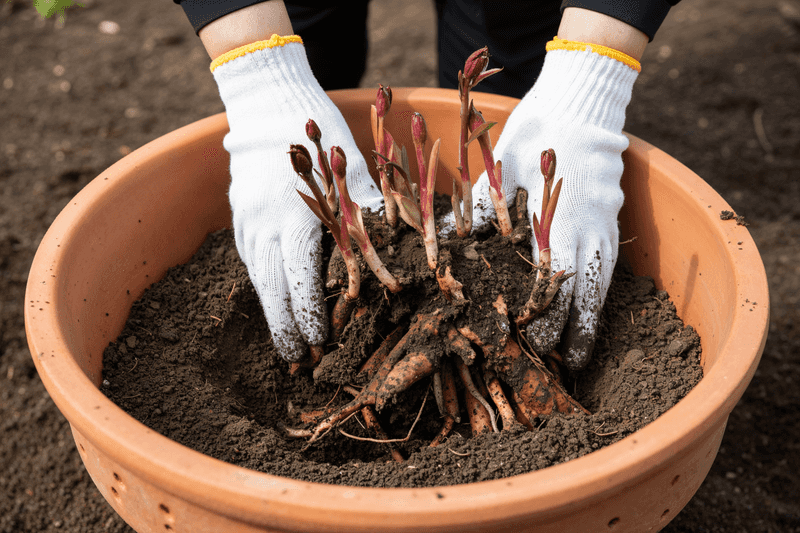
A persistent misconception in peony care is that dividing plants regularly keeps them vigorous and promotes stronger flowering. The opposite is closer to the truth. Established peonies generally prefer to be left alone, and unnecessary division sets them back rather than pushing them forward.
Newly divided or recently transplanted peonies commonly produce little to no bloom for the first two to four years after the move. Iowa State University Extension explains that this recovery period is normal and should not be interpreted as a sign that the plant is failing or that companion planting is needed. A gardener who divides peonies every few years chasing stronger blooms may actually be creating the sparse flowering they are trying to fix.
Division does make sense in specific situations: when a very old clump has become so crowded that flowering has genuinely declined, when you want to propagate and share plants, or when a clump needs to be relocated. When those conditions apply, timing the work correctly reduces stress on the plant and improves establishment.
Early fall is the recommended window in much of the United States, with September often cited as a practical target. Iowa State University’s peony encyclopedia entry notes that fall division gives roots time to settle before the ground freezes. Gardeners in warmer climates or areas with later first-frost dates should adjust that timing based on local conditions, aiming to complete division while the soil is still workable but temperatures have begun to cool.
Each division should retain a healthy root system and approximately three to five eyes, the reddish growth points that will become next year’s stems. Divisions with fewer eyes tend to take longer to establish and may delay flowering further. University of Connecticut’s factsheet reinforces that plant age, cultivar, and regional conditions including winter chilling all affect how quickly a divided peony returns to full performance, independent of how well the gardener follows care instructions.
Let chives share the border without promising stronger peonies
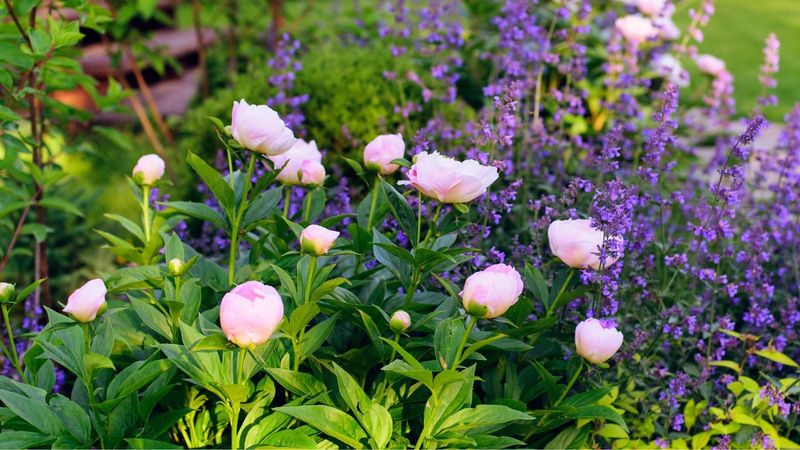
Chives can share a peony bed without any pretense that they are doing the peonies a favor. Planted with enough clearance from the crown, managed so they do not crowd the base of the plant, and deadheaded if you are growing garlic chives, they are genuinely low-fuss neighbors with real ornamental and culinary value of their own.
What drives peony performance is a combination of factors that no companion herb controls: appropriate site conditions, seasonal care habits, cultivar characteristics, plant age, regional climate, and adequate winter chilling. University of Connecticut’s guidance and extension resources from across the country consistently point to those factors rather than neighboring plants as the levers that matter. In warmer parts of the continental United States, where winter chilling hours may be insufficient in mild years, even well-sited peonies with attentive care may not bloom as reliably as they would in cooler climates.
Chives are worth growing for what they actually offer: edible leaves and flowers, a tidy clumping habit, and a long season of visual interest. Appropriate peony care can support healthy growth and consistent flowering without guaranteeing a stronger return every year. A garden that holds both plants well tends to be one where the gardener understood what each plant needs on its own terms.