
Could Carrying Your Summer Watering Schedule Into Fall Leave Your Peace Lily Droopy And Yellow?
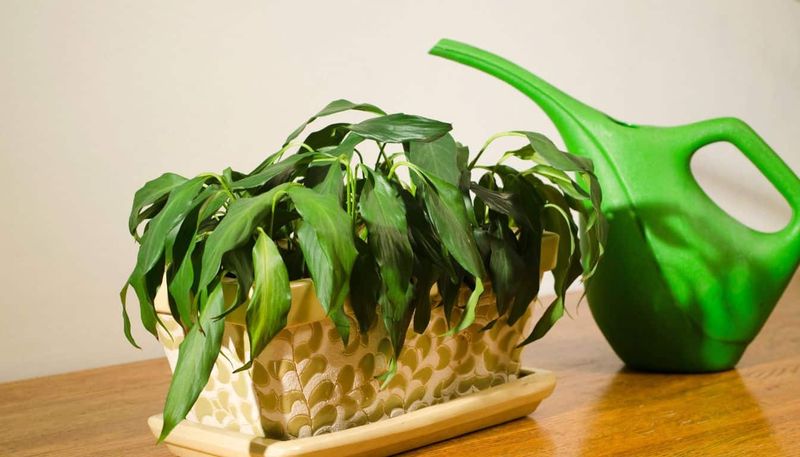
Your peace lily was probably thriving all summer, so a droopy, yellowing plant in fall can feel like a betrayal. One quiet culprit might be the watering routine you never changed.
As days get shorter and your home settles into a new rhythm, the potting mix can stay wet longer than it used to. Here is how to read your plant, check the soil, and adjust without guessing.
Why the summer watering schedule may stop fitting in fall
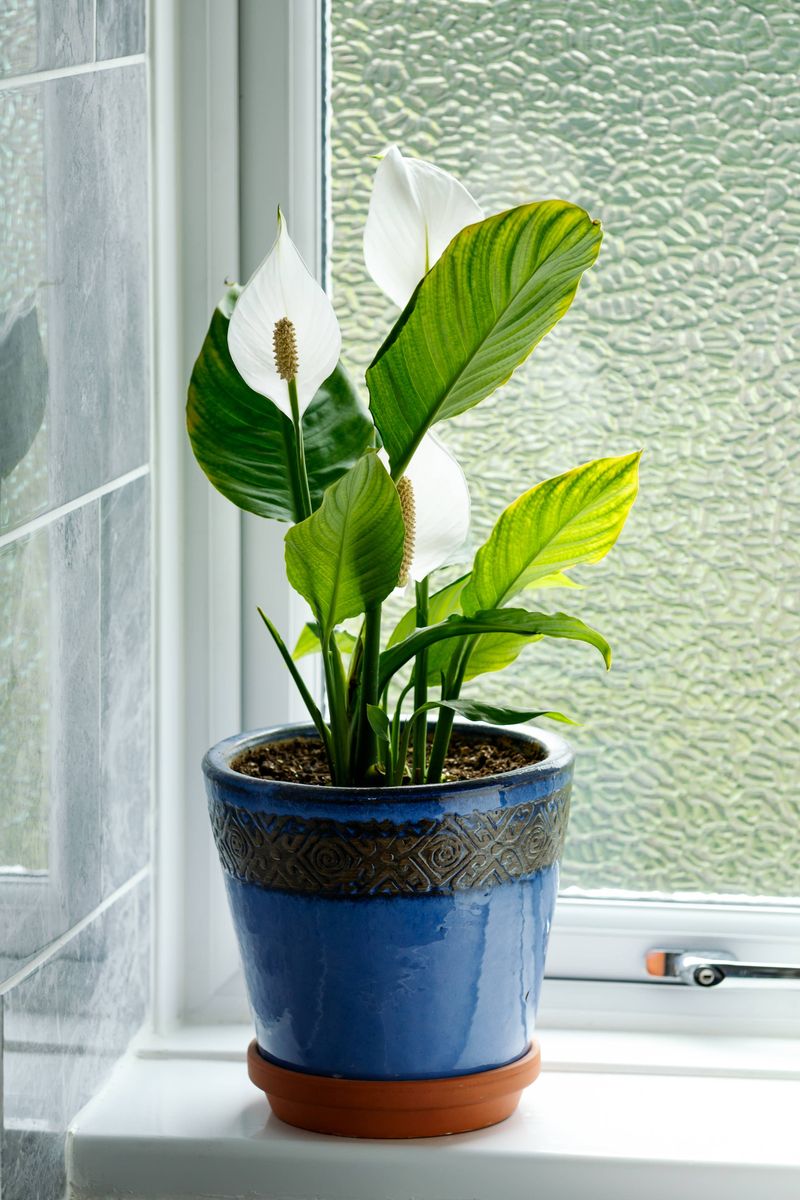
Picture your peace lily in July. Longer days, warmer rooms, and more air movement all pushed it to drink steadily, so a weekly soak probably felt just right.
By fall, many of those conditions ease off.
According to Nebraska Extension guidance on winter plant care, indoor plants brought in for fall may need water much less often than they did outdoors. The plant is simply using less, so the mix has less company in drying out.
That is where a carried-over summer schedule can become a risk. If you keep watering on the same day each week, the mix may still be wet when the next watering arrives.
Staying wet for long stretches can be hard on roots, though it does not automatically mean your plant will droop or yellow.
Shorter days are only part of the story. University of Minnesota Extension explains that plants in lower light grow more slowly and use less water.
Still, your own plant also depends on its pot, its potting mix, and how warm your home is.
So there is no magic date when everything changes. Two peace lilies in the same house can dry at different speeds.
The calendar is a poor judge here, and the mix itself is a much better one.
What do drooping and yellow leaves really tell you?
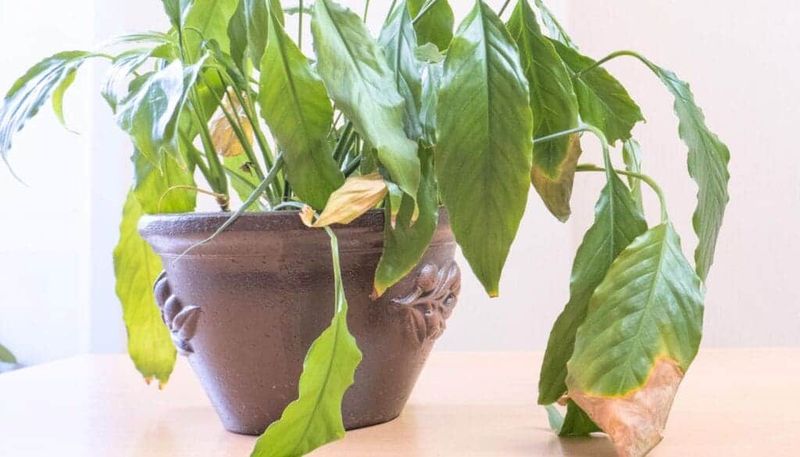
Drooping and yellow leaves are clues, not a verdict. A peace lily can look limp when the mix is bone dry, and it can also look limp when the roots are sitting in soggy soil.
Reaching for water the moment you see a droop could make things worse.
Start with the pot. Virginia Cooperative Extension houseplant watering guidance points to soil moisture as the first thing to check.
Dry mix with wilting can suggest underwatering. Mix that stays wet, along with yellowing, soft leaves, or a rotten smell, can point toward overwatering.
Yellow leaves deserve the same caution. South Dakota State University Extension lists both too much and too little water as possible causes.
Older leaves also yellow and fade as part of normal life, so one yellow lower leaf is not a crisis.
Other stresses can add to the picture. University of Maryland Extension notes that low light and other environmental conditions can contribute to yellowing in indoor plants.
Before you add or withhold water, look at three things: the mix, the drainage, and the pattern of the leaves. A few minutes of checking beats a guess every time.
Check the potting mix before reaching for the watering can
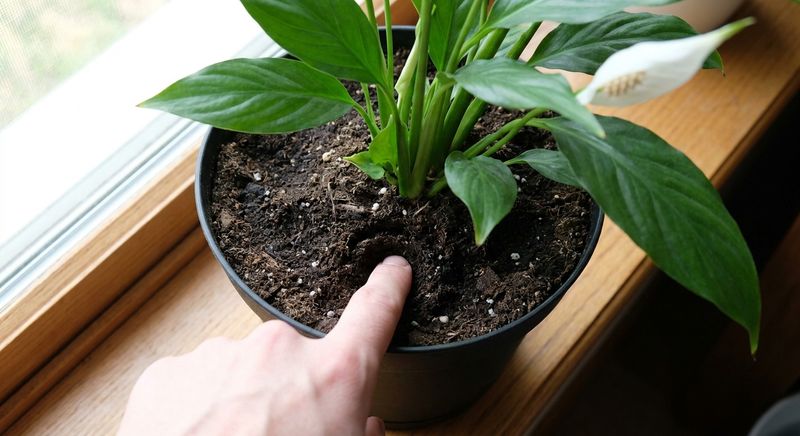
Your finger is the best moisture meter you own. Push it into the potting mix about 1 to 2 inches deep.
If it feels dry at that depth, it is probably time to water.
That depth comes from an Ask Extension response on peace lily care, which recommends watering when the top 1 to 2 inches are dry. Think of it as a handy starting point, not a law that fits every pot.
A deep ceramic pot, a small plastic one, and a chunky mix can all dry at different speeds. A cool room may slow things down further.
If your plant seems fine but the mix feels damp a bit deeper than usual, waiting another day or two is reasonable.
Moist should feel like a wrung-out sponge, cool and slightly damp but not dripping. If the mix clumps wet on your finger or the pot feels heavy, hold off.
Lifting the pot after a good watering gives you a feel for its weight when wet. Later, a much lighter pot is another quiet hint that the mix has dried.
Water thoroughly, then let the pot drain
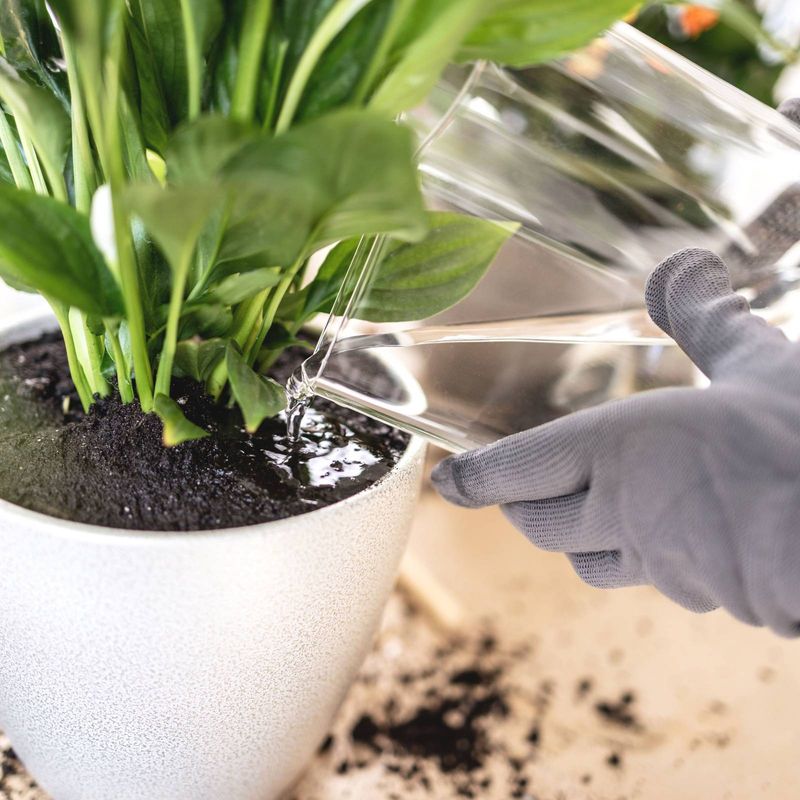
When the mix has dried enough, give it a real drink. Pour water slowly around the soil until it runs out of the drainage holes.
A sip here and there leaves dry pockets and encourages shallow watering habits.
The second half matters just as much. Let the extra water escape, then empty any saucer or decorative cachepot.
University of Florida IFAS Extension guidance on Spathiphyllum warns that poor drainage and prolonged wet soil raise the chance of root problems.
An easy routine is to carry the plant to the sink, water it, and let it drip for a few minutes before it goes back on its tray. This also keeps water off furniture and makes it simple to see whether the holes are clear.
It helps to know the difference between moist and soggy. South Dakota State University Extension advises keeping the soil moist but not soggy and letting it dry slightly between waterings.
Moist is slightly damp throughout. Soggy is saturated, with water pooling or squishing when you press.
A peace lily does not need to stay wet. Even a little standing water at the bottom, left for days, can work against it.
If symptoms persist, check light, temperature, and drainage
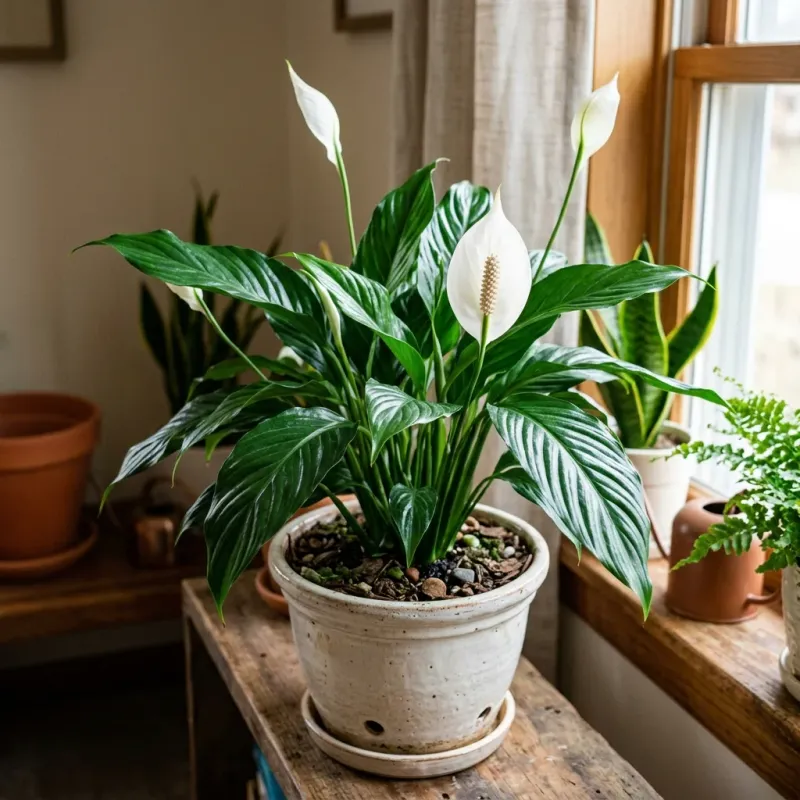
Sometimes the mix feels exactly right and the leaves still look unhappy. That is a sign to look past the watering can.
Water is one piece of a bigger puzzle, and changing it alone may not fix what you see.
Start with light. University of Florida IFAS Extension advises bright indirect light for peace lilies, along with protection from cold and drafts.
Fall can quietly dim a spot that worked in summer, so a plant may deserve a move closer to a window, out of direct sun.
Next, think about temperature. A leaf pressed against cold glass, a plant near a leaky door, or one sitting by a heating vent can be stressed no matter how carefully you water.
University of Maryland Extension notes that low light and other environmental conditions can lead to yellowing, though no single factor explains every plant.
Then check drainage again. Look underneath for blocked holes, roots circling the bottom, or a pot that holds water.
South Dakota State University Extension links prolonged wet soil with root problems.
If you have cats or dogs, place your plant out of reach. The ASPCA lists peace lily as toxic to pets, and chewing can cause mouth irritation.
Let the plant’s drying rate set the routine
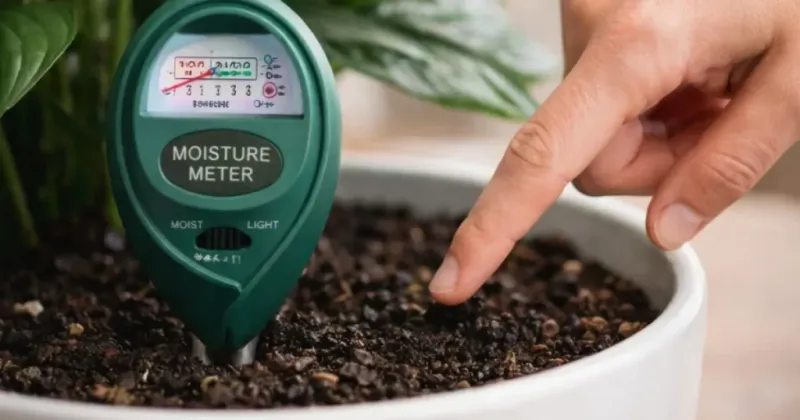
Here is the simple version. Check the mix every few days, water when the top 1 to 2 inches have dried, and let the extra drain away.
Your peace lily sets the interval, not the calendar.
That interval may stretch as conditions change, and it may shift again in spring. Virginia Cooperative Extension names season, light, pot, and potting mix as factors that change how fast plants dry.
Skip any one-size winter schedule.
A better routine will not cure every droop or yellow leaf, but it removes one common risk and makes other causes easier to spot. Your plant is not asking for perfection, just for you to follow its pace.