
Do Opossums at Your North Carolina Compost Pile Really Control Ticks?
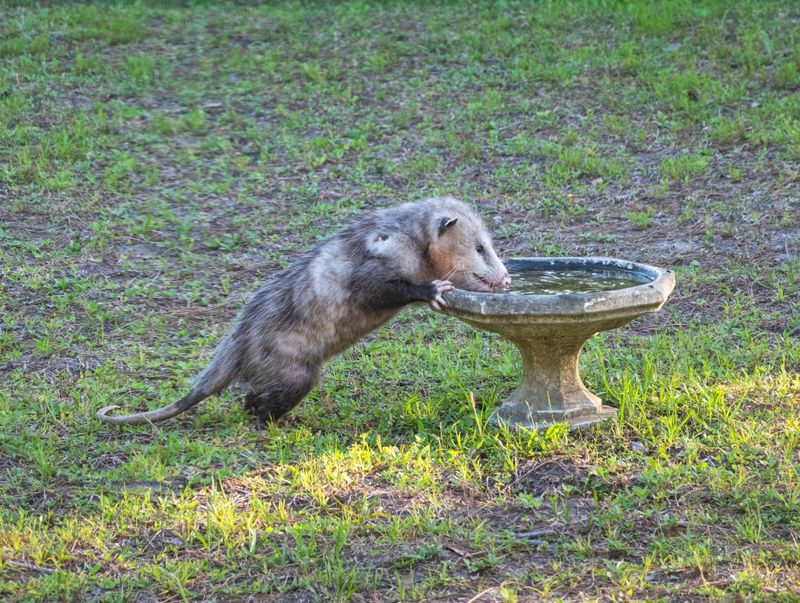
A shadowy shape near your winter compost pile can make any homeowner pause. Many people have heard that opossums gobble up thousands of ticks, which sounds like great news for a yard.
The real story is more complicated, and the research tells a different tale than the popular claim. Here is what scientists found, and what you can do to keep your yard safer.
Does an opossum at your compost pile control ticks?
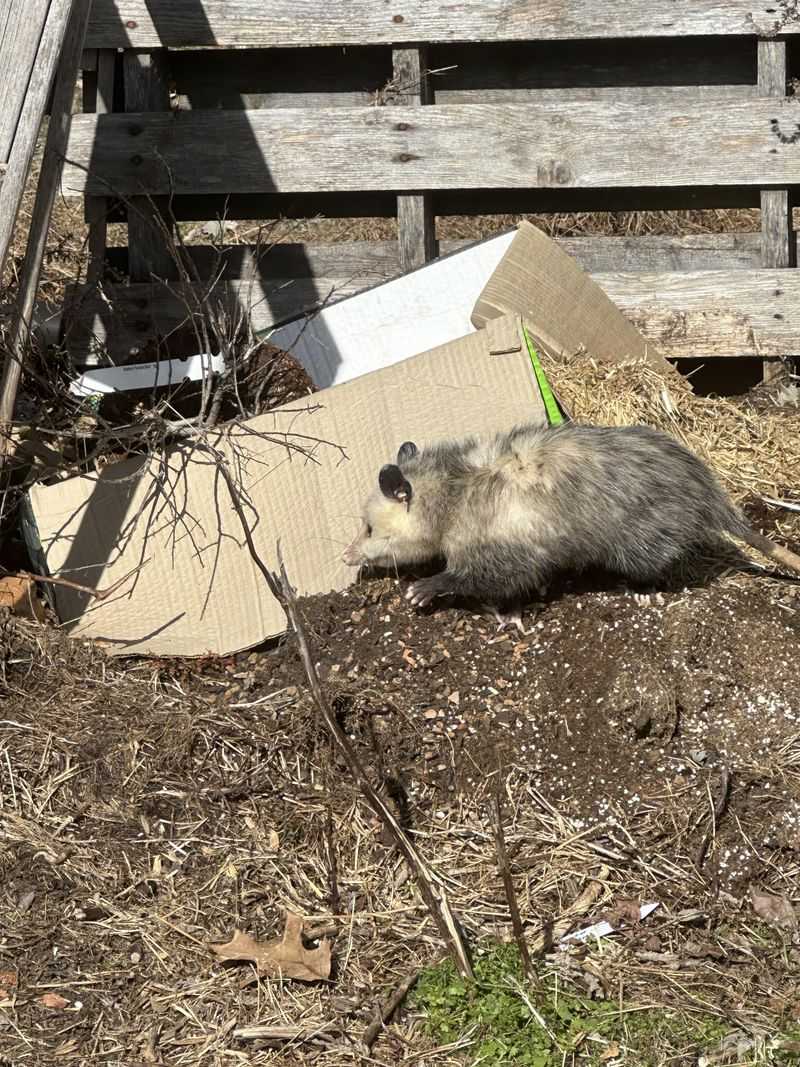
Seeing an opossum at your compost pile does not mean it is eating thousands of ticks or protecting your yard. Research has not shown that one visiting opossum meaningfully lowers tick numbers where you live.
An occasional tick swallowed while grooming is possible, but that is very different from steady tick control.
The popular number traces back to a 2009 experiment on tick larvae. Later, a 2021 diet study checked what wild opossums actually eat and did not find ticks in their stomachs.
Those two studies pull in different directions, and the second one challenges the viral claim.
You may also run into confident statements from official sources. An NC Wildlife Commission FAQ says opossums eat a substantial amount of ticks.
That statement conflicts with the later peer-reviewed diet evidence, so it is best treated as unsettled rather than proven.
One more distinction will help as you read on. An opossum can carry a tick on its body without eating ticks, and those are two separate things.
The sections ahead sort out what the studies measured, why a winter sighting is normal, and which yard steps actually lower your risk.
What the 2009 tick experiment did—and did not—show
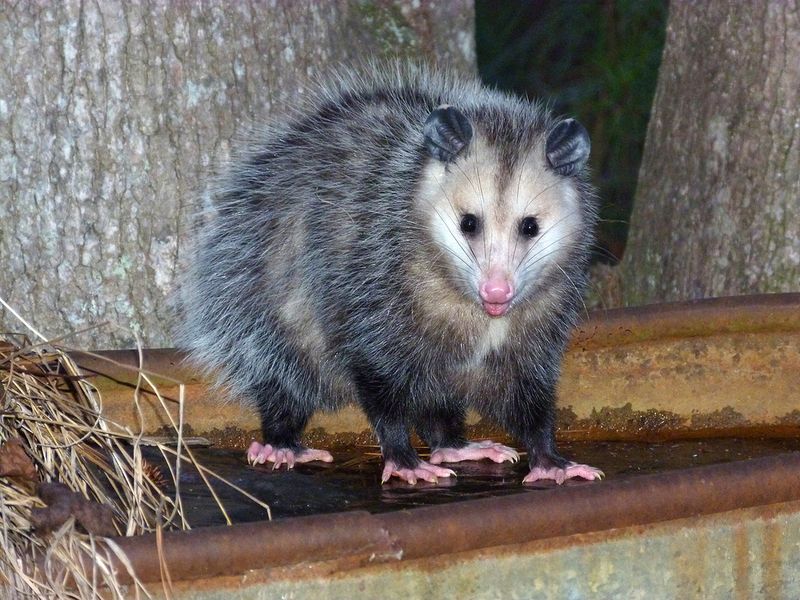
The famous estimate began with an experiment about host suitability. Researchers exposed field-caught animals, including opossums, to blacklegged tick larvae and counted how many ticks fed successfully and were recovered.
Few larvae made it through on opossums, as described in the published 2009 study.
From the ticks that were never found again, the team estimated that opossums consumed about 96.5 percent of the ticks that tried to feed. Nobody watched an opossum eat those ticks.
The number was an inference from ticks that went missing, and the ticks could have been groomed off, died, or vanished some other way.
The setting matters too. The work involved controlled exposure of animals to larvae, plus an estimate of natural tick burdens at a study site in upstate New York.
It was not a count of ticks eaten by opossums in North Carolina backyards.
Later, the estimate got stretched into a catchy figure of thousands of ticks per week. That jump is where the claim outran the science.
For a homeowner, the takeaway is simple: the experiment says opossums are poor hosts for larvae, not that your compost visitor is cleaning up your lawn.
A later diet study found no evidence that ticks are regular food
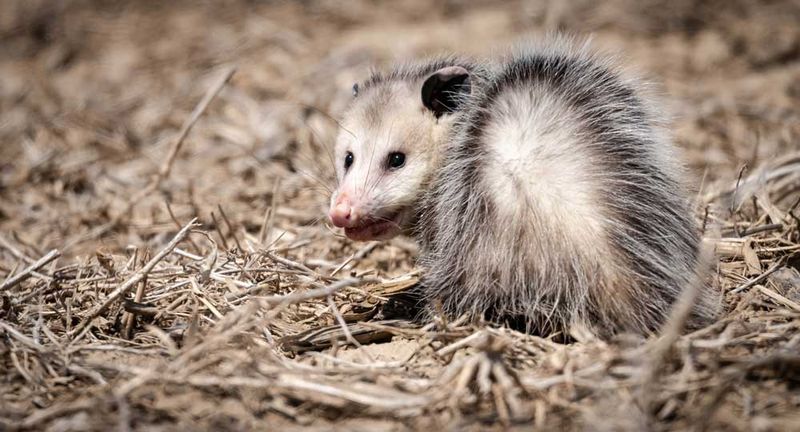
Years after the first experiment, other researchers decided to check real diets. According to the 2021 study, they examined stomach contents from 32 wild Virginia opossums in central Illinois.
They found no ticks and no tick parts.
The team also reviewed 23 earlier opossum diet studies. None reported ticks.
Their conclusion was that ticks are not a preferred food for opossums.
That result is strong, but it has limits. The animals came from Illinois, not North Carolina, and 32 is a modest sample.
It does not prove that no opossum ever swallows a tick while grooming.
It also helps to separate eating from carrying. North Carolina State Extension documented an Asian longhorned tick found on an opossum in Polk County.
That shows ticks can ride on opossums, which is a host connection, not evidence of tick control.
So the fair reading is this: ticks are not shown to be on the opossum menu, and a tick on its fur tells you nothing about how many it eats.
A winter opossum sighting can be ordinary
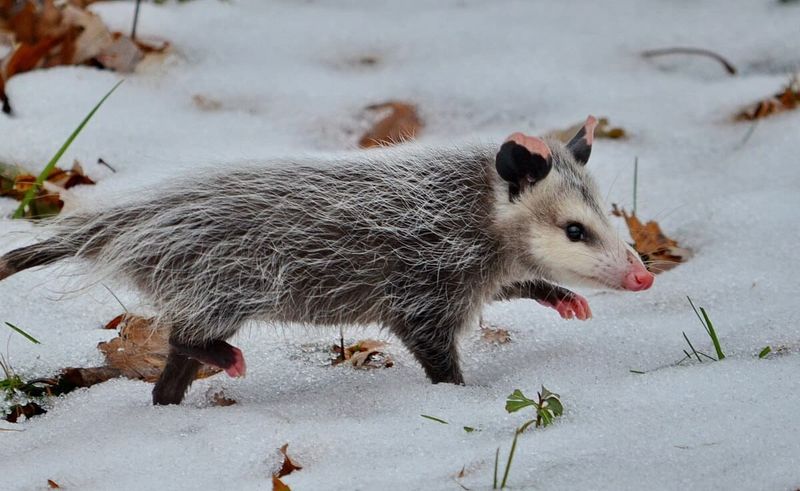
Opossums are native to North Carolina, so spotting one in January is not strange. According to NC Wildlife’s species guidance, they are mostly nocturnal.
Dusk and nighttime visits to a yard are what you would expect.
They do not hibernate. During brief spells of extreme cold, an opossum may stay in its den, then come back out to look for food once conditions ease.
Winter is a lean season, which is one reason an easy meal such as exposed scraps draws them in.
A daylight sighting is not automatically a sign of trouble. A hungry animal may forage earlier on a cold evening or after a freezing night.
Look at how it behaves from a distance before you worry.
Winter activity also says nothing about tick hunting. Ticks are less active in the cold, and being out in winter does not turn an opossum into a tick predator.
It simply means a native animal is searching for food.
Keep compost scraps and other easy food inaccessible
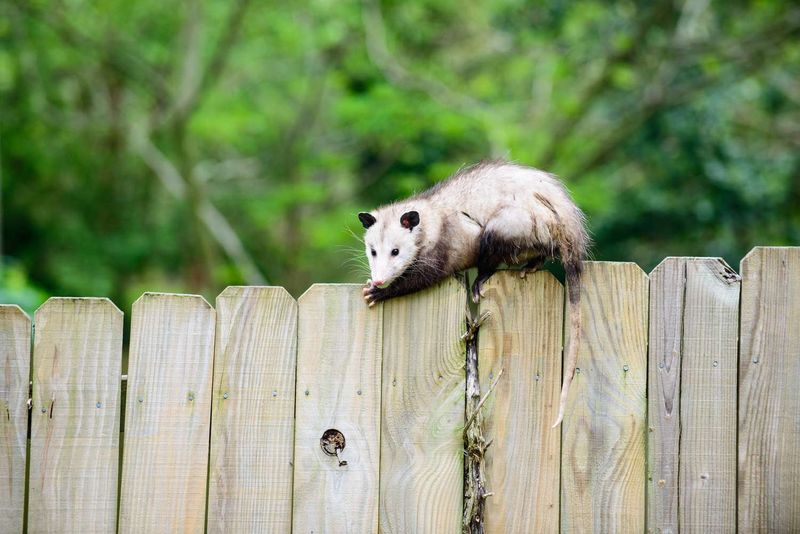
You do not have to give up composting to stop a raid. North Carolina State Extension supports backyard composting of yard trimmings and kitchen scraps.
Its guidance is about making good compost, though, not about keeping wildlife out.
For a pile that is being raided, the practical fix is to keep scraps out of reach. A secure bin works well, and burying fresh kitchen waste under leaves or finished compost helps hide the smell.
Avoid leaving food waste sitting out on top.
NC Wildlife advises using sturdy trash containers with tight-fitting lids. It also says that when wildlife regularly reaches trash, removing that food source can encourage the animal to move on.
Pet food bowls, fallen birdseed, and fruit under trees count as easy meals too.
Resist the urge to leave treats out in hopes of keeping an opossum around. Feeding it will not help your tick problem, and it trains the animal to rely on your yard.
Tidy up, close the lid, and let the visitor find its natural food elsewhere.
Use established yard steps to reduce tick exposure
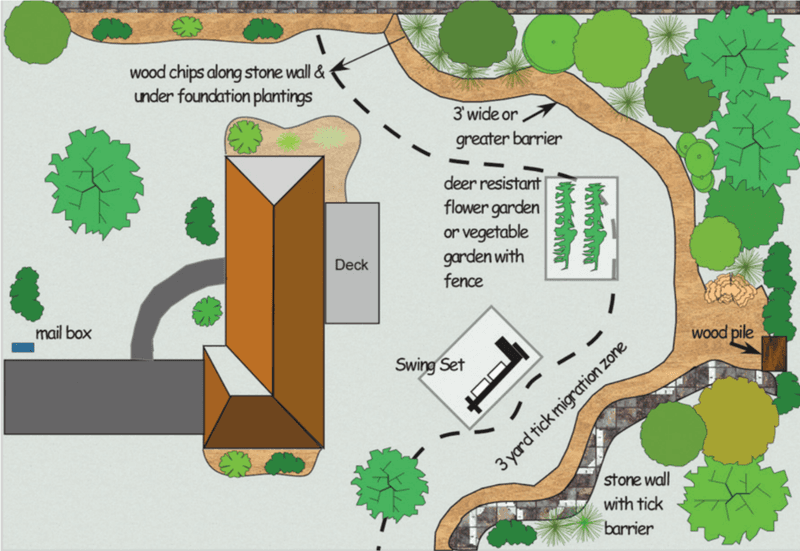
Tick protection works best when it does not depend on wildlife. CDC yard guidance starts with simple chores.
Remove leaf litter, clear tall grass and brush near the house and along lawn edges, and mow regularly.
Another step is a barrier between lawn and woods. CDC suggests a three-foot strip of wood chips or gravel to help restrict blacklegged ticks from moving into areas where your family plays.
In the Piedmont or the mountains, this is a good weekend project along a wooded border.
Chemical sprays are not a stand-alone answer. CDC cautions that pesticide use alone should not be relied on to prevent infection, and if you use any product, follow the label and local guidance.
No single step guarantees protection, so layer your habits. Check yourself, kids, and pets for ticks after time outdoors, and keep play areas sunny and trimmed.
Those habits can reduce your risk far more reliably than hoping a passing opossum will do the job.
Keep your distance and don’t count on an opossum for tick control
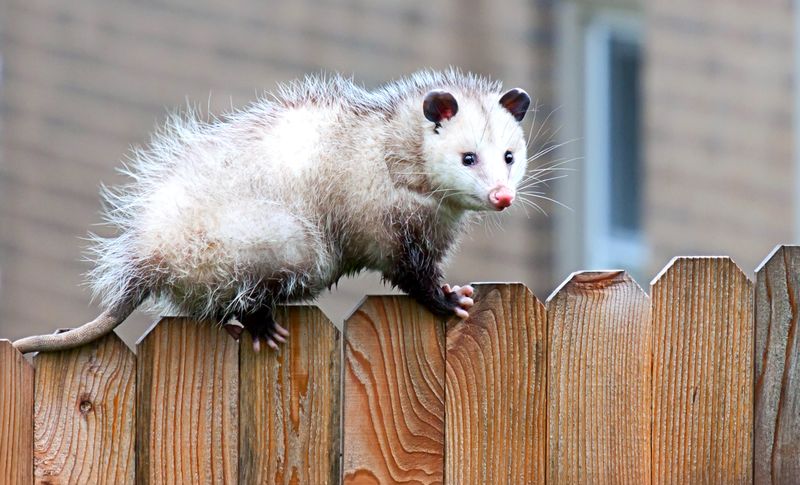
The plan is straightforward: secure the food, follow proven tick precautions, and leave the opossum alone. Do not handle, feed, trap, or move it for pest control.
CDC wildlife guidance notes that even healthy-looking wild animals can spread germs or injure people and pets if approached.
If an opossum hisses, drools, or plays dead, that is usually defensive behavior, so back away. NC Wildlife describes opossums as highly resistant to rabies, not immune.
If an animal looks injured, call local wildlife or public-health officials.
If anyone gets bitten or scratched, read CDC advice on when to seek care and contact a health professional.
An opossum is a fascinating neighbor, just not a pest-control service.