
Double Your Hydrangea Blooms This Season By Getting These 5 Things Right Now
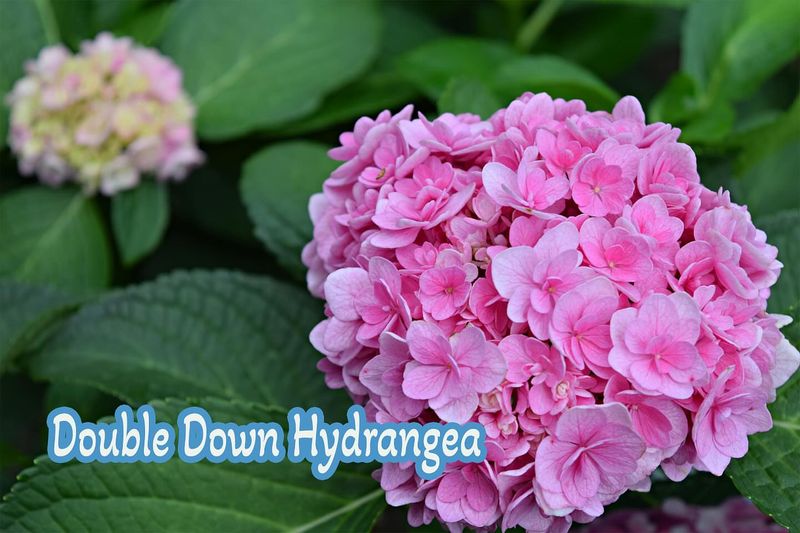
Hydrangeas can turn a plain backyard corner into a wall of color, but a lot of gardeners end up with big leafy bushes and only a few sad flowers. The good news is that more blooms usually come down to a handful of simple choices, not luck or fancy tools. Get these five things right and you can stack your shrub with clusters instead of leaves. Grab your gloves, because most of these you can tackle in an afternoon.
1. Prune at the Right Time for Your Hydrangea Type
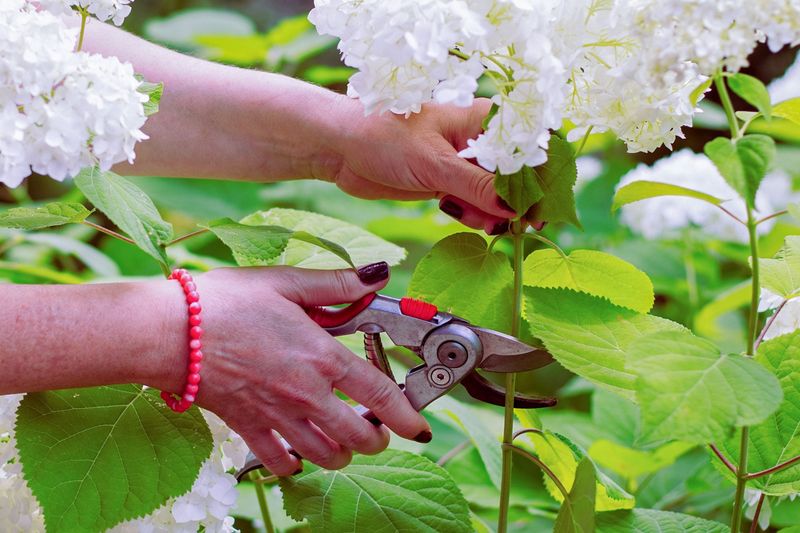
Here is the mistake that quietly steals half your flowers: cutting your bush at the wrong moment. Bigleaf and oakleaf hydrangeas, the classic mophead types many folks grow, set their flower buds on last year’s stems in late summer. Chop those stems back in fall or spring and you are literally snipping off this year’s blooms before they open.
Figure out which team your plant is on. If it flowers on old wood, only prune right after the blooms fade in summer, and keep it light. Panicle and smooth hydrangeas, like the popular Annabelle and Limelight, bloom on new growth, so they actually reward a harder cut in late winter or early spring.
When you are unsure, the safest move is to trim only dead or broken canes and leave the rest alone for a season. Watch where the buds appear, then note the timing on a calendar so you repeat it every year. Getting this single habit right often doubles bloom count on its own, no other tricks required.
2. Feed With Phosphorus, Not a Nitrogen Overdose
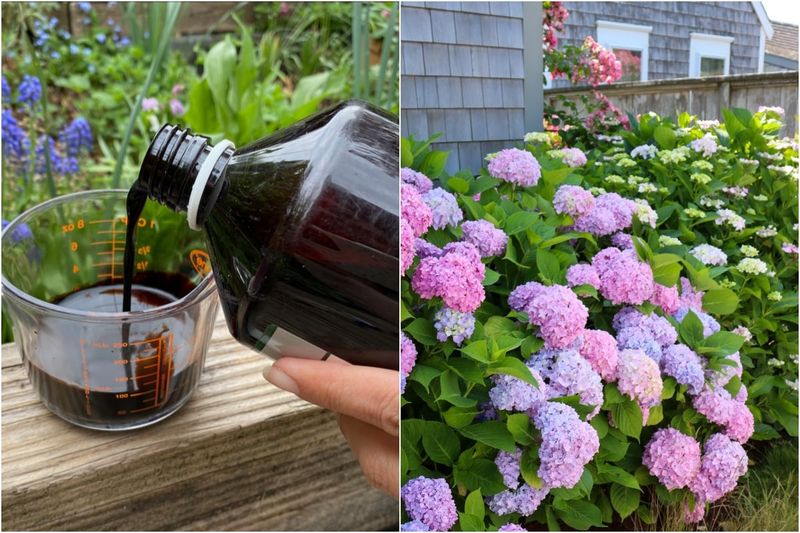
Ever notice a hydrangea that looks lush and jungle-green but stubbornly refuses to flower? Nine times out of ten, the plant has been fed too much nitrogen. Nitrogen pushes leafy growth, so the shrub spends its energy making foliage instead of buds.
The fix is switching to a balanced or bloom-focused feed where the middle number, phosphorus, is higher. A fertilizer labeled for blooming shrubs, or a scoop of bone meal worked into the soil in early spring, nudges the plant toward flower production. One feeding as growth starts and a light second feeding in early summer is plenty for most backyards.
Go easy, because more is not better here. Overfeeding can burn roots and, ironically, cost you blooms again. If your lawn fertilizer drifts into the hydrangea bed, that stray nitrogen may be part of your problem, so keep the two areas separate. A little phosphorus at the right time can turn a leafy showoff into a flower machine.
3. Give It the Right Amount of Sun
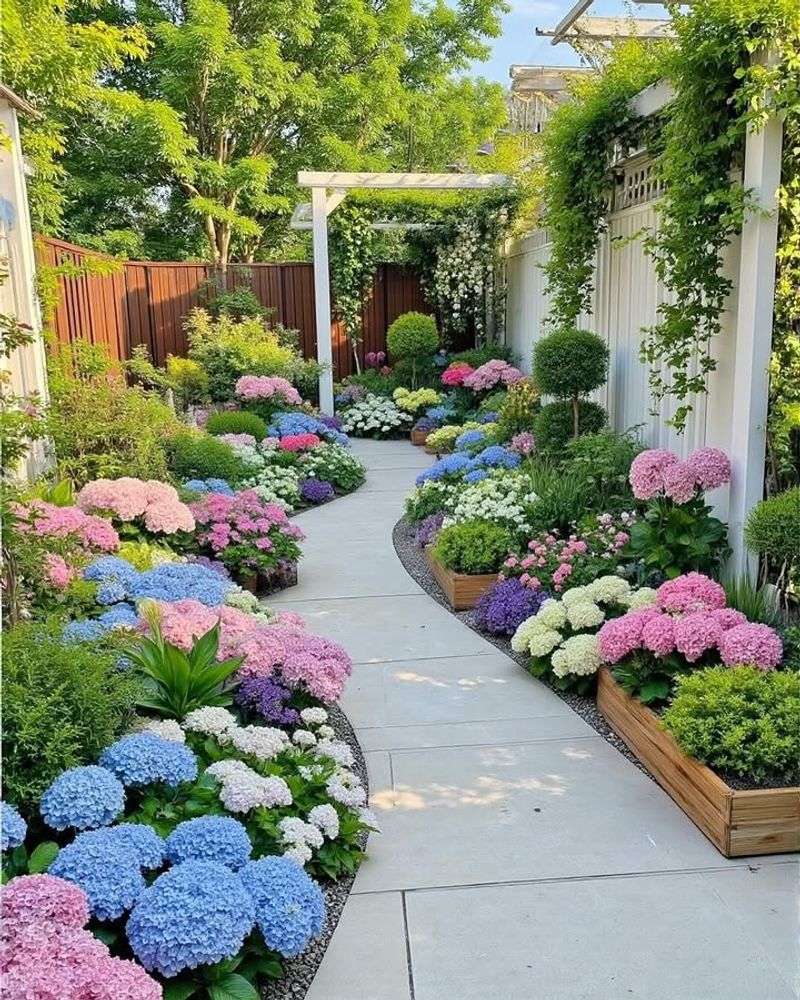
Light placement is one of those quiet factors that makes or breaks a bloom season, and it trips up plenty of experienced growers. Most hydrangeas hit their flowering stride with morning sun and afternoon shade. Too much shade and the plant sulks with few buds, too much blazing afternoon heat and the flowers scorch or never form.
Aim for roughly four to six hours of gentler morning light in warmer US zones. In the cooler northern states, your hydrangea can handle more direct sun without stress, so a spot that bakes in Georgia might be perfect in Minnesota.
If yours is stuck under a dense tree or crammed against a north wall, that shady location may be the reason blooms are scarce. Potted hydrangeas make this easy, since you can slide the container to a brighter spot and watch how it responds. For in-ground plants, transplant in fall while the weather is mild, and give the roots time to settle before the next growing season kicks in.
4. Keep Roots Cool and Moist With Mulch
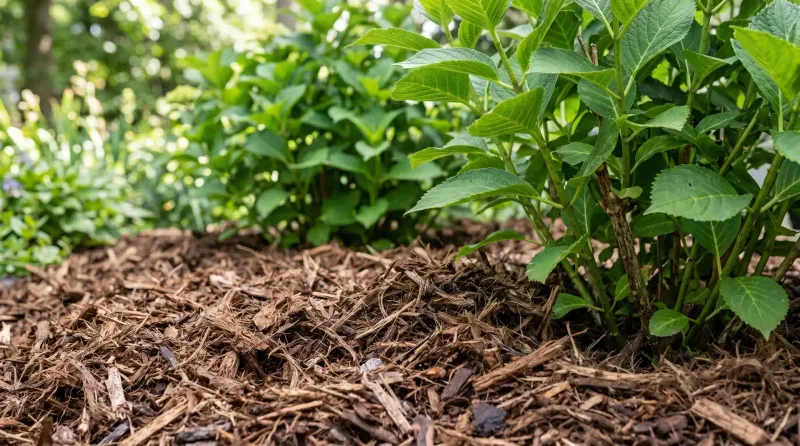
Picture the root zone of a hydrangea as a sponge that hates going bone-dry or roasting in the sun. When roots overheat or dry out during bud formation, the plant drops potential flowers to protect itself. A steady two to three inch layer of mulch fixes this without any daily fuss.
Shredded bark, pine straw, or chopped leaves all work well spread around the base, kept a couple inches back from the main stems so the crown can breathe. Mulch locks in moisture, keeps soil temperatures even, and slowly feeds the ground as it breaks down.
Deep, less frequent soakings beat quick daily sprinkles, since they encourage roots to grow down where the soil stays cooler. Consistent moisture during spring and early summer, the window when buds are setting, tends to reward you with fuller flower heads. Refresh the mulch each spring and your hydrangea gets a calmer, steadier home to bloom from.
5. Protect Buds From Late Frost
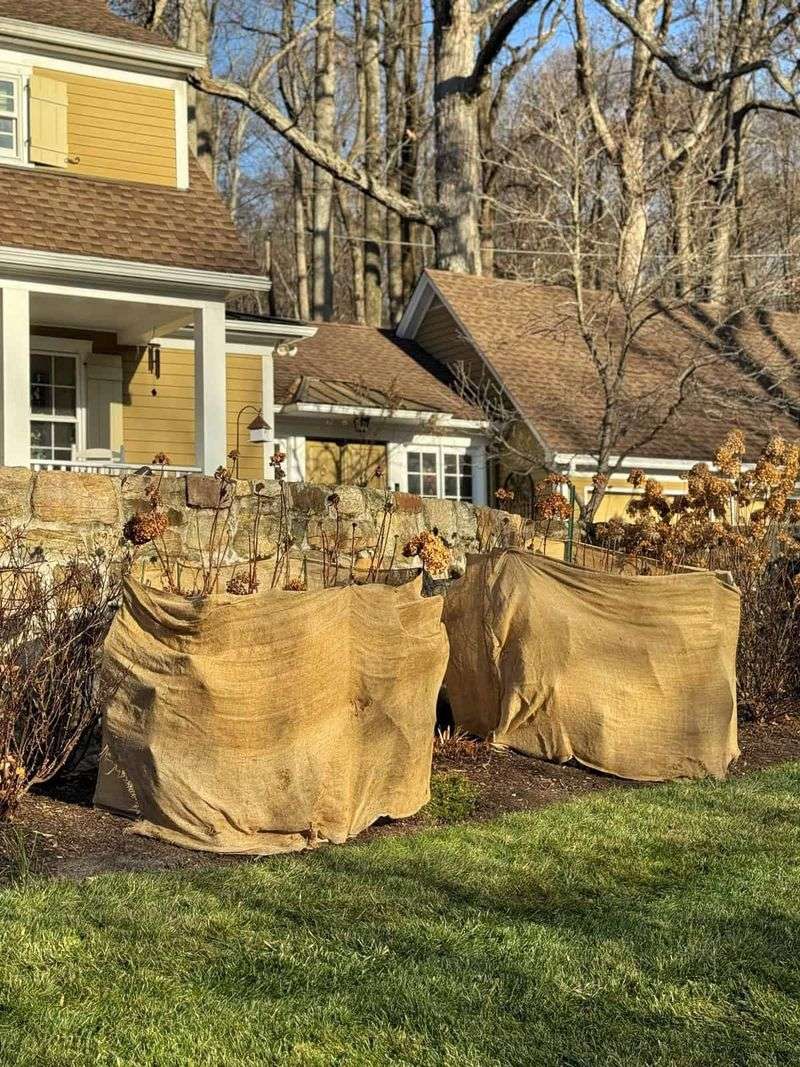
All your careful pruning and feeding can vanish in a single cold night if a surprise spring frost nips the tender buds. Old-wood hydrangeas are especially vulnerable, because those buds formed last year and swell early, right when a random late freeze loves to strike. Many gardeners blame poor soil or bad genetics when frost was the real culprit all along.
Keep an eye on the forecast once buds start to swell. If temperatures threaten to dip below freezing, drape a light frost cloth, old bedsheet, or even a cardboard box over the shrub in the evening and remove it once morning warms up.
For plants in cold-snap regions, choosing a spot with a bit of overhead protection, like near a house wall, adds a natural buffer. Selecting reblooming varieties gives you a backup, since they flower on both old and new wood and can recover after a rough frost. Guard those early buds and you protect the payoff from everything else you did.